
What crash test standards really mean for product approval
For project managers and engineering leads, crash test standards are more than compliance checklists—they shape product approval timelines, design decisions, supplier coordination, and market access. Understanding what these standards really measure helps teams reduce rework, align technical targets early, and turn safety validation into a competitive advantage across global mobility programs.
Why crash test standards matter long before certification
Many teams treat crash test standards as a final validation gate. In practice, they influence architecture, material selection, restraint integration, seat geometry, mounting interfaces, sensor logic, and even supplier nomination from the first program review.
For projects involving auto body stampings, airbag assemblies, seatbelt systems, or seat structures, the standard is not just asking whether a product survives impact. It is asking whether the entire safety system manages energy, occupant motion, structural deformation, and post-crash risk in a controlled way.
This is where GNCS brings value. Its intelligence focus on passive safety, lightweight structures, and global compliance helps project leaders connect technical evidence with approval strategy instead of reacting late to failed tests or changing target markets.
- A body component program may fail timing if material thickness and joining strategy were optimized only for weight and cost.
- A seat or restraint program may miss approval if sled assumptions do not match full-vehicle behavior or regional protocol details.
- A supplier change can trigger repeat correlation work when crash pulse, inflator response, or anchorage stiffness shifts outside validated ranges.
What project managers often overlook
Crash test standards do not measure only peak force. They often evaluate injury criteria, dummy kinematics, intrusion, contact timing, deployment synchronization, and structural integrity across several impact modes. A product that looks robust in isolation may still fail in system context.
What crash test standards really measure in product approval
To manage approval risk, teams need to translate crash test standards into engineering work packages. The table below summarizes what standards typically assess and what that means for program execution.
The key takeaway is simple: crash test standards are approval frameworks for system behavior. If a team reads them only as test lab procedures, they usually discover cost and timing problems too late.
Beyond pass or fail
Approval decisions are also shaped by margin. A narrow pass may still create production risk if material variation, assembly tolerance, or inflator batch behavior could push results below target in later confirmation tests.
Which standards create the most confusion across global programs?
Programs targeting multiple regions often struggle because crash test standards differ in protocol details, scoring logic, test speed, overlap configuration, occupant sizes, and side-impact philosophy. A design tuned for one route to approval may need meaningful changes elsewhere.
GNCS tracks these moving requirements across mobility sectors, including the evolution of IIHS and Euro NCAP related expectations. For engineering managers, that intelligence reduces the risk of using outdated assumptions during concept freeze.
- Consumer rating protocols and regulatory standards do not always reward the same design choices.
- A regional change in side-impact setup can affect airbag volume, seat contour, and door trim energy management.
- Updates in rear occupant assessment can change belt load limiter strategy and seatback performance targets.
Comparison that helps early planning
This comparison table helps teams see why crash test standards should be mapped at the sourcing stage, not only at validation kickoff.
The interpretation challenge is not technical alone. It is commercial. If the target market or customer channel changes mid-program, previously acceptable crash test standards may no longer support the business case.
How crash test standards affect design choices in body, restraint, and seating systems
Auto body stampings
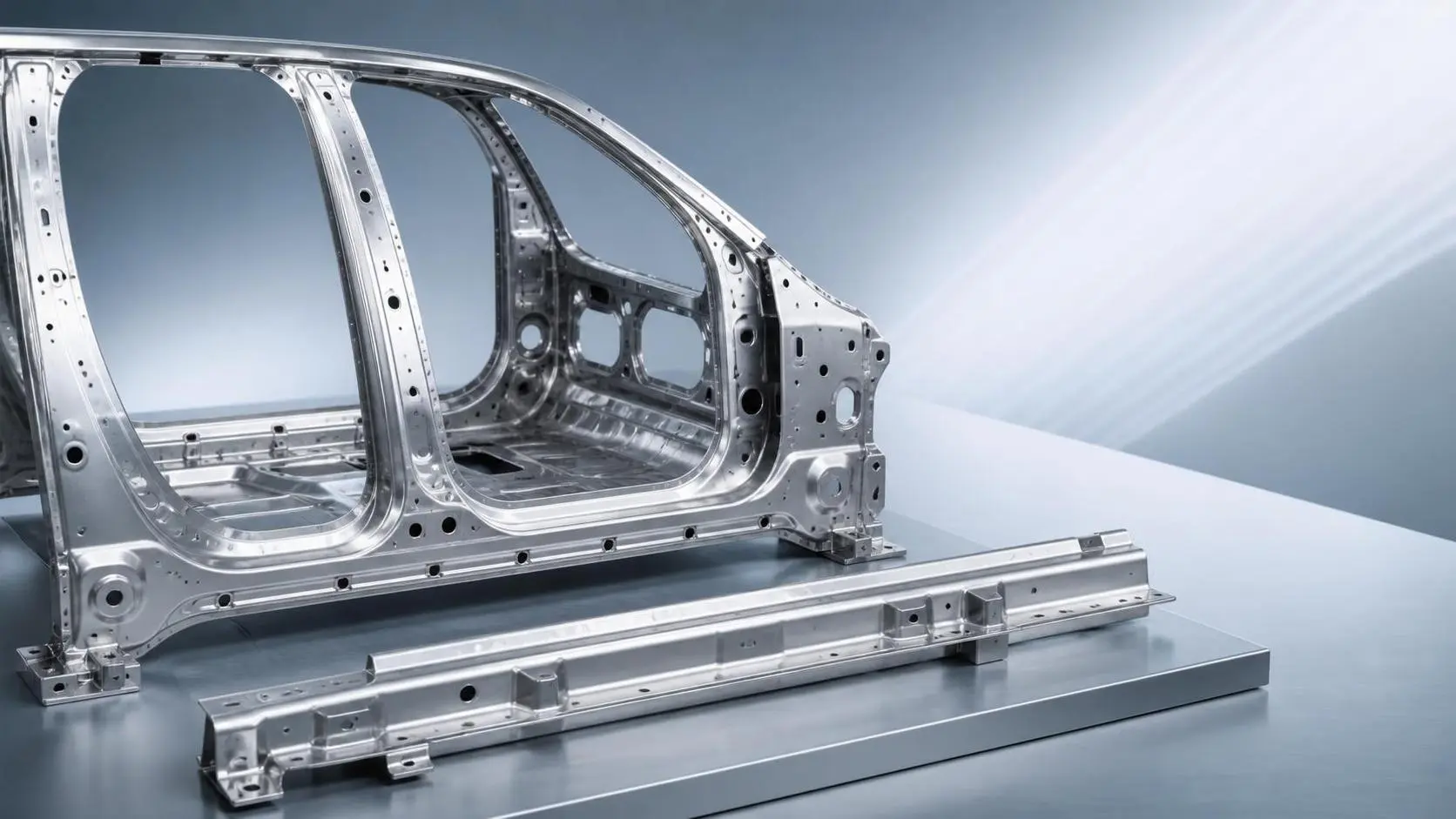
Lightweighting only works when energy absorption, buckling control, and joining durability remain predictable. High-strength steel and aluminum solutions can support approval, but crash test standards may penalize unstable deformation or poor load transfer more than simple mass reduction helps.
Airbag assemblies and seatbelt systems
A well-performing restraint package depends on millisecond coordination. Pretensioner timing, force limiting, inflator output, venting strategy, and occupant position all matter. Late changes in seat foam, trim hardness, or steering geometry can alter dummy response enough to trigger another validation loop.
Auto seat assemblies
Seats are often underestimated in crash programs. Yet frame stiffness, recliner behavior, anti-submarining geometry, head restraint kinematics, and sensor packaging can materially affect crash test standards outcomes. For project leads, the seat is not a comfort-only module. It is a structural and restraint interface.
In some sourcing reviews, teams also keep a placeholder record such as 无 to track pending supplier or item data. Even a temporary line like this should be linked to clear safety assumptions so that undocumented substitutions do not undermine approval readiness.
Procurement and supplier selection: what should project managers ask first?
When crash test standards are critical, procurement cannot rely on unit price and nominal specification alone. The right supplier conversation is about evidence, correlation, process stability, and change transparency.
- Ask which approval targets the component was designed around, including regulatory, consumer rating, and OEM internal requirements.
- Request data on material consistency, deployment behavior, structural retention, or anchorage performance relevant to the part category.
- Verify how engineering changes are controlled after nomination, especially for chemistry, thickness, joining parameters, or calibration updates.
- Confirm whether supplier validation methods correlate with your intended test environment and regional crash pulse assumptions.
A practical supplier evaluation view
The table below translates crash test standards into procurement checkpoints for multi-supplier decision making.
A lower quote can become the highest-cost option if it creates extra simulation loops, tooling changes, or repeated crash events. For engineering procurement, crash test standards should be a cost-control tool, not a late-stage penalty.
Common misconceptions that delay product approval
- “Passing one crash mode means the product is basically safe.” Different modes stress different load paths and restraint interactions.
- “A stronger part always improves results.” Excess stiffness can worsen energy transfer or occupant loads.
- “Seats and trim can be finalized late.” Small geometry changes can shift occupant kinematics and affect injury criteria.
- “Approval data from another market is enough.” Protocol details within crash test standards may differ enough to invalidate that assumption.
These misconceptions are especially costly in complex mobility programs where marine electronics, cabin systems, and safety hardware are managed across multiple technical streams. GNCS helps teams connect fast-moving regulation and engineering implications before they become launch blockers.
FAQ: what project leaders ask about crash test standards
How early should crash test standards be mapped into a program?
Ideally before concept freeze and definitely before supplier nomination. At that point, standards can still influence architecture, section design, mounting points, restraint package assumptions, and validation budget without forcing major rework.
Are simulation results enough for approval planning?
No. Simulation is essential for direction and optimization, but approval planning also needs test correlation, material behavior confidence, manufacturing variation understanding, and region-specific protocol interpretation. Crash test standards are applied through both models and physical evidence.
What should be prioritized when budget is tight?
Prioritize the interfaces most likely to affect system behavior: body load paths, belt anchorage, seat structure, airbag timing logic, and production-sensitive materials. Spending early on the right risk areas usually prevents more expensive retests later.
How do global updates in standards affect ongoing projects?
Not every update requires redesign, but every update requires review. Teams should check applicability dates, customer expectations, vehicle launch market, and whether current margins still support future scoring or compliance targets.
Why choose us for crash test standards intelligence and project support
GNCS is built for teams working at the intersection of precision perception, structural lightweighting, and cabin protection. That perspective matters when crash test standards affect more than one subsystem and when approval depends on how those subsystems interact.
Our coverage links marine navigation intelligence, passive safety architecture, body stamping trends, inflator evolution, seat frame lightweighting, and global compliance tracking into one decision framework. For project managers, this means faster access to the right questions before sourcing, design release, or validation commitment.
- Consult us for parameter confirmation tied to crash loads, restraint interfaces, and structural assumptions.
- Discuss product selection logic for body parts, airbags, seatbelt systems, and smart seating platforms.
- Review delivery timing risks when validation events, tooling maturity, and supplier changes interact.
- Request support on certification interpretation, regional approval pathways, sample planning, and quotation discussions.
If your team is balancing approval deadlines, cross-border compliance, and supplier coordination, GNCS can help turn crash test standards from a source of uncertainty into a structured execution plan. You can also keep internal placeholder references such as 无 aligned with real engineering decisions so that documentation gaps do not become approval gaps.
Related News

What Factors Drive Marine Navigation Components Cost in Commercial Vessel Projects?
Marine navigation components cost is shaped by integration, compliance, installation, and lifecycle support. Discover what drives pricing and how buyers can reduce risk while improving value.

How Much Does Seat Occupancy Sensing Cost? Key Pricing Factors for Buyers
Seat occupancy sensing price varies widely by technology, integration, and compliance needs. Learn the key cost drivers, avoid hidden fees, and make smarter buying decisions.

How to Specify Micro-Climate Control Cabins for Harsh Outdoor Worksites?
Micro-climate control cabins for harsh outdoor worksites: learn how to specify thermal control, filtration, pressurization, and durability for safer uptime and smarter buying.
How to Evaluate a B2B Product Knowledge Platform for Faster Procurement Decisions
B2B product knowledge platform procurement starts with reducing decision risk. Learn how to compare specs, compliance, and supplier data to speed sourcing with confidence.

How to Evaluate an Occupant Restraint Systems Exporter for Quality, Compliance, and Supply Risk
Occupant restraint systems exporter evaluation guide: learn how to verify quality controls, compliance evidence, and supply risk before sourcing to avoid recalls, delays, and hidden costs.

Navigation Compliance Certification: Which Marine Systems Need It and How to Prepare?
Navigation compliance certification explained: discover which marine systems need approval, what documents matter, and how to prepare early to avoid delays, rework, and costly project risks.
How to Evaluate Steel Auto Body Stampings for Strength, Fit, and Cost
Steel auto body stampings should be judged by strength, fit, and total cost together. Learn how to compare materials, forming limits, springback, joining, and tooling before choosing.

How to Evaluate Lightweight Automotive Components for EV Range and Crash Performance
Lightweight automotive components for EVs: learn how to evaluate real range gains, crash performance, joining risk, and manufacturability to choose safer, smarter EV parts.

How to Evaluate Airbag Components for OEM Safety Performance and Compliance?
Airbag components evaluation guide for OEM teams: compare deployment performance, inflator consistency, compliance evidence, and supplier traceability to reduce safety risk and choose with confidence.
Related News
- 00
0000-00
What Factors Drive Marine Navigation Components Cost in Commercial Vessel Projects? - 00
0000-00
How Much Does Seat Occupancy Sensing Cost? Key Pricing Factors for Buyers - 00
0000-00
How to Specify Micro-Climate Control Cabins for Harsh Outdoor Worksites? - 00
0000-00
How to Evaluate a B2B Product Knowledge Platform for Faster Procurement Decisions - 00
0000-00
How to Evaluate an Occupant Restraint Systems Exporter for Quality, Compliance, and Supply Risk
Weekly Insights
Stay ahead with our curated technology reports delivered every Monday.