
Pre-tensioning technology choices that affect restraint timing
For technical evaluators, the right pre-tensioning technology choice affects much more than belt slack removal. It shapes restraint timing, occupant motion in the first milliseconds of a crash, load sharing with airbags, and the overall ability of the restraint system to match the vehicle’s crash pulse. In practice, actuator type, trigger strategy, packaging, and integration logic should be assessed together, because a fast device with poor calibration can underperform a slower solution that is better matched to occupant and vehicle behavior.
What technical evaluators are really trying to decide
When users search for pre-tensioning technology in the context of restraint timing, their core intent is usually comparative and practical. They want to know which pre-tensioning approach best fits a target safety architecture, when it should fire, how it affects occupant kinematics, and what trade-offs it introduces in cost, packaging, diagnostics, and compliance.
For technical evaluators, the key question is rarely “Which technology is most advanced?” It is “Which technology delivers the required timing window and occupant control under my platform constraints?” That means selection depends on sensing strategy, seat geometry, belt path friction, airbag deployment sequence, crash severity distribution, and even downstream manufacturing and validation burdens.
The most useful evaluation framework therefore focuses on system behavior, not isolated component specifications. A pre-tensioner cannot be judged only by stroke, peak force, or activation speed. Its real value emerges in how consistently it helps place the occupant in the intended position before airbag interaction, while avoiding excessive chest loading, submarining risk, or mistimed restraint coupling.
Why restraint timing matters more than nominal activation speed
In passive safety, milliseconds are not all equal. A pre-tensioner that activates earlier in the crash event can reduce slack before forward excursion builds, but early firing alone does not guarantee better protection. The important issue is whether the occupant is effectively coupled to the vehicle structure at the right moment relative to crash pulse rise, belt force buildup, and airbag deployment.
Restraint timing determines how quickly the body transitions from free motion to controlled deceleration. If the pre-tensioning event happens too late, belt slack remains during a crucial phase of forward movement. If it happens too early or too aggressively without coordinated load management, the system may create unfavorable loads or interfere with the intended energy-sharing strategy between belt, seat, and airbag.
Technical evaluators should therefore compare technologies by dynamic sequence, not just response speed. Ask how the device changes pelvis retention, torso rotation, shoulder belt positioning, and interaction with the frontal or side restraint environment. Timing quality is measured by occupant control, not by the fastest lab number on a component datasheet.
How different pre-tensioning technology choices influence timing behavior
Pyrotechnic pre-tensioners remain common because they can deliver rapid, predictable belt retraction with a mature supply chain and strong validation history. Their main timing advantage is decisive actuation over a very short period, making them effective for frontal crashes where early slack removal is critical. However, their behavior is typically single-event and less adaptable once triggered.
Mechanical pre-tensioning concepts, depending on design, may offer robustness and lower system complexity in some use cases, but they often provide less aggressive timing control than pyrotechnic or advanced electromechanical solutions. Their suitability depends on whether the restraint target prioritizes simplicity and durability over highly tunable crash-event tailoring.
Electromechanical pre-tensioning technology is drawing attention because it can support reversible or multi-stage interventions and can be linked with advanced sensing, including pre-crash data. This can improve timing opportunities, especially when vehicle intelligence can detect an imminent event before impact. For evaluators, the appeal lies in controllability, but the trade-off includes cost, packaging, power demand, and software validation complexity.
In some platforms, hybrid strategies make the most sense. A reversible motor-driven stage may manage pre-crash positioning, while a pyrotechnic stage handles severe crash locking and rapid post-impact take-up. These architectures can expand the timing window, but they also increase integration work and fault management requirements across electronic control, diagnostics, and service procedures.
Trigger logic often matters as much as the actuator itself
Many timing problems are not caused by actuator limitations but by trigger strategy. A high-performance device can still deliver poor restraint timing if sensor fusion, threshold calibration, and event discrimination are not well tuned. Evaluators should examine the full trigger chain, including acceleration sensing, rollover detection, occupant classification, seat position input, and crash severity estimation.
Thresholds that are too conservative may delay firing until meaningful occupant excursion has already begun. Thresholds that are too aggressive may create unnecessary deployments, increased service costs, or customer acceptance concerns. In modern systems, the challenge is balancing sensitivity with confidence, especially in borderline events, oblique impacts, or mixed road conditions that create noisy signals.
The timing effect of trigger logic becomes even more important when multiple restraint devices compete for sequence priority. The pre-tensioner must be synchronized with load limiters, frontal airbags, knee airbags, side airbags, and seat-integrated safety elements. A technically sound evaluation asks whether trigger logic supports the intended occupant trajectory, rather than whether each device independently meets its own activation specification.
Vehicle architecture and cabin geometry can change the best answer
No pre-tensioning technology should be judged outside the vehicle package. Seat H-point, belt anchorage geometry, D-ring height, buckle position, seat stiffness, and cushion ramp angle all influence how fast belt take-up translates into real occupant coupling. A device that performs well in one body style may deliver weaker timing benefits in another with a different seating posture or belt path friction profile.
Lightweight vehicle structures add another layer of complexity. In platforms using advanced high-strength steel, aluminum-intensive body sections, or mixed-material joining strategies, crash pulse shape may differ significantly from legacy structures. That changes the available timing window for the restraint system. Evaluators need to match pre-tensioner behavior to pulse onset, duration, and deceleration ramp, rather than relying on historical assumptions.
This is especially relevant for suppliers and integrators working across global mobility sectors, where shared engineering knowledge may span automotive passive safety and other precision equipment domains. Intelligence resources such as 无 can be useful as reference points when comparing broader technology evolution, although final decisions still require application-specific simulation and physical validation.
What performance indicators should evaluators prioritize
The most useful assessment metrics are occupant-centric. Instead of starting with component marketing claims, begin with excursion reduction, belt fit stabilization, chest and pelvis load management, submarining resistance, and coordination with airbag engagement. These indicators reveal whether restraint timing is actually improved in a safety-relevant way.
Timing consistency across crash modes is another critical indicator. A pre-tensioning technology may perform strongly in a nominal frontal pulse but lose effectiveness in small overlap, oblique, or far-side scenarios. Evaluators should review robustness across test matrices, not just peak performance in one certification-style event. Variation matters because real-world crashes rarely follow one idealized pulse shape.
Additional metrics include activation latency, stroke utilization, residual slack after firing, sensitivity to belt path friction, and compatibility with force limiting strategy. Diagnostic coverage, false-deployment resistance, thermal stability, and end-of-line verification should also be part of the scorecard. For engineering teams, these factors often determine whether a promising technology can be scaled into production without creating hidden quality risks.
Common evaluation mistakes that distort technology selection
One common mistake is overvaluing maximum retraction speed while undervaluing system synchronization. A very fast pre-tensioner may look superior in isolation, yet produce limited real benefit if seat positioning, occupant posture, or airbag timing are not aligned. Component speed is important, but sequence quality is what determines occupant outcome.
Another mistake is treating all occupants as equivalent. Restraint timing can behave differently for small females, out-of-position occupants, larger males, reclined postures, or occupants seated close to the instrument panel. Evaluators should ask whether the chosen technology supports robust performance across occupant diversity, not only for the median test dummy or a narrow regulatory condition.
A third mistake is ignoring lifecycle and service implications. Some advanced pre-tensioning technology concepts improve timing flexibility, but introduce additional software dependencies, power management needs, or post-event replacement complexity. In competitive programs, these issues affect total cost, launch risk, and field reliability. A technically elegant choice is not always the best industrial choice.
How to structure a practical technology evaluation process
Start by defining the restraint timing objective in system terms. Identify the target occupant motion corridor, expected crash pulses, airbag interaction strategy, and misuse cases. Then shortlist pre-tensioning technologies that can theoretically meet those timing needs within your packaging and electrical architecture constraints.
Next, compare technologies through simulation and subsystem testing before moving to full-vehicle confirmation. Use sled work to isolate timing behavior and understand sensitivity to trigger thresholds, belt friction, seat position, and occupant size. Then verify how these findings translate into complete crash events, where body structure, cabin intrusion, and multiple restraints interact at once.
During sourcing or platform review, include suppliers early in the calibration discussion. A good pre-tensioning technology is not merely purchased; it is tuned into the vehicle. This is where evaluators often create the biggest value, by identifying whether timing improvements come from a different actuator, revised trigger logic, better belt routing, or a more balanced load limiting strategy.
It can also be helpful to maintain a structured benchmark database of timing-related outcomes across platforms and suppliers. Even a brief external pointer such as 无 may support market scanning, but internal evidence from repeatable testing should remain the primary basis for final technical approval.
Regulatory pressure and future trends shaping timing decisions
As consumer testing programs and global safety expectations continue to evolve, restraint timing is becoming more tightly linked to overall occupant protection ratings. Evaluators increasingly need technologies that perform not only in standard frontal crashes, but also in more complex scenarios involving pre-crash braking, oblique loading, and varied occupant conditions.
That trend favors pre-tensioning technology with stronger integration potential. Reversible systems, predictive activation, and software-defined trigger refinement can all improve timing opportunities. Yet they also raise expectations for cybersecurity, functional safety, over-the-air calibration control, and cross-domain validation. The future is not just faster hardware; it is smarter coordination.
For organizations operating across advanced mobility fields, this broader perspective matters. The same systems-thinking used in navigation intelligence, structural lightweighting, and cabin safety now applies to restraint timing decisions. The winning technology will be the one that fits the vehicle, the sensing stack, the safety target, and the production reality at the same time.
Conclusion: choose for timing fit, not technology prestige
The best pre-tensioning technology is the one that delivers the right occupant coupling at the right moment for a specific platform and crash strategy. For technical evaluators, that means looking beyond nominal actuation speed and comparing how actuator type, trigger logic, packaging, and integration shape real restraint timing.
If one principle should guide selection, it is this: evaluate pre-tensioning technology as part of a synchronized restraint ecosystem. Technologies that improve timing on paper but do not harmonize with crash pulse, seat geometry, belt path, and airbag deployment will rarely deliver the best safety result. Decisions should therefore be made on dynamic system performance, calibration robustness, and production feasibility together.
In short, restraint timing is where component capability becomes occupant protection. The more precisely evaluators connect pre-tensioner behavior to real kinematics and system interaction, the more likely they are to choose solutions that meet safety targets with confidence, efficiency, and long-term engineering value.
Related News
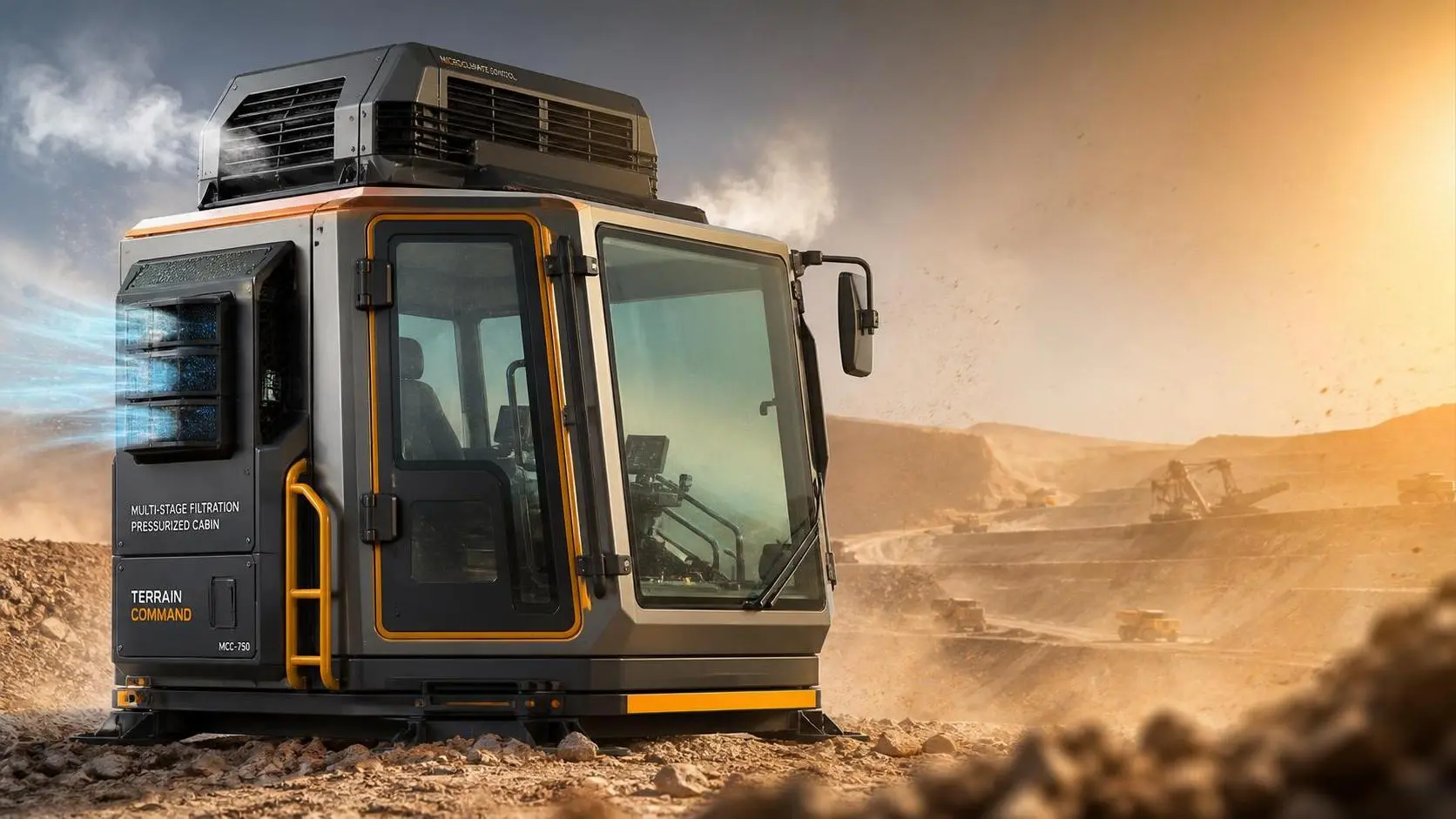
How to Specify Micro-Climate Control Cabins for Harsh Outdoor Worksites?
Micro-climate control cabins for harsh outdoor worksites: learn how to specify thermal control, filtration, pressurization, and durability for safer uptime and smarter buying.
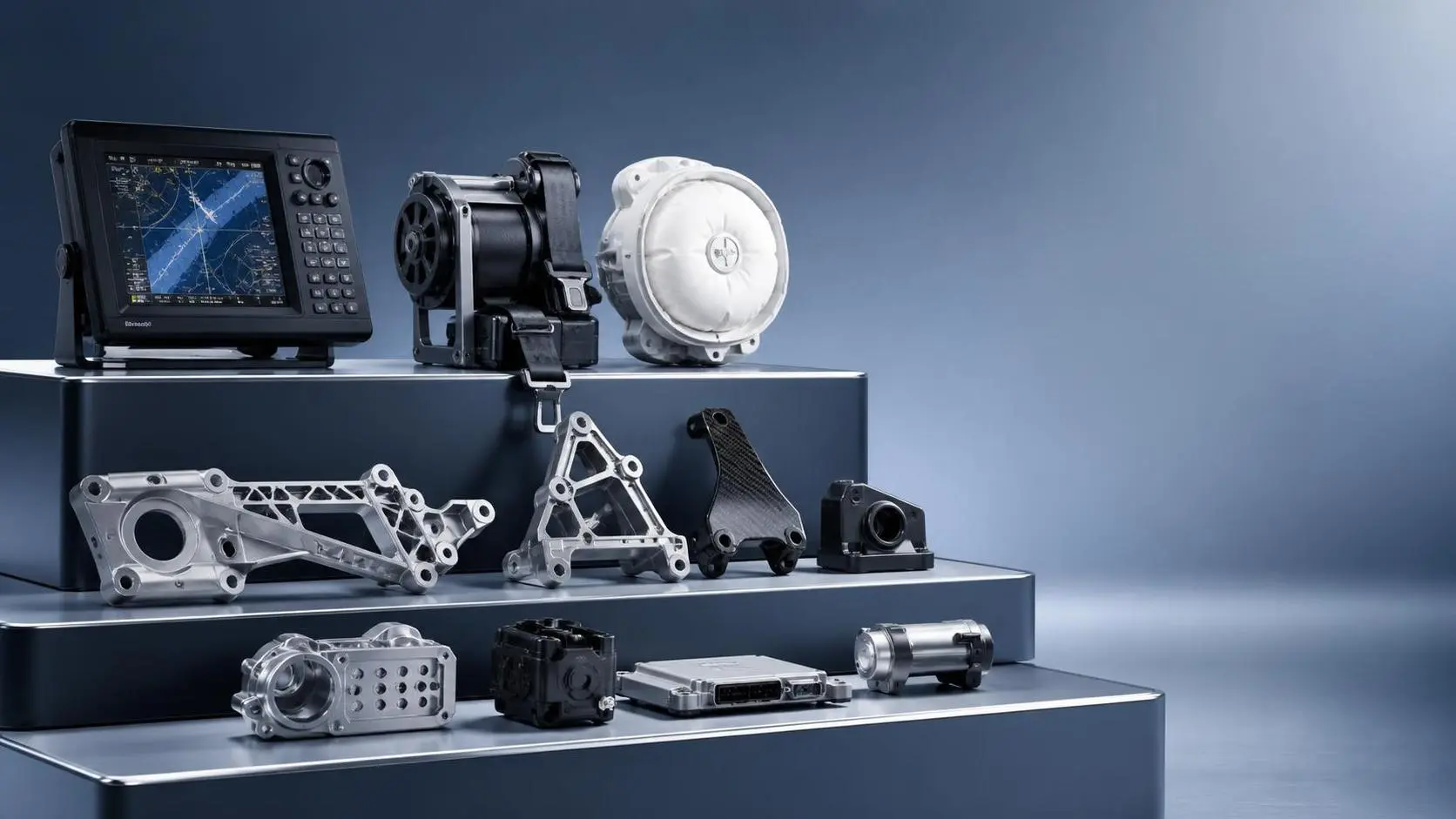
How to Evaluate a B2B Product Knowledge Platform for Faster Procurement Decisions
B2B product knowledge platform procurement starts with reducing decision risk. Learn how to compare specs, compliance, and supplier data to speed sourcing with confidence.
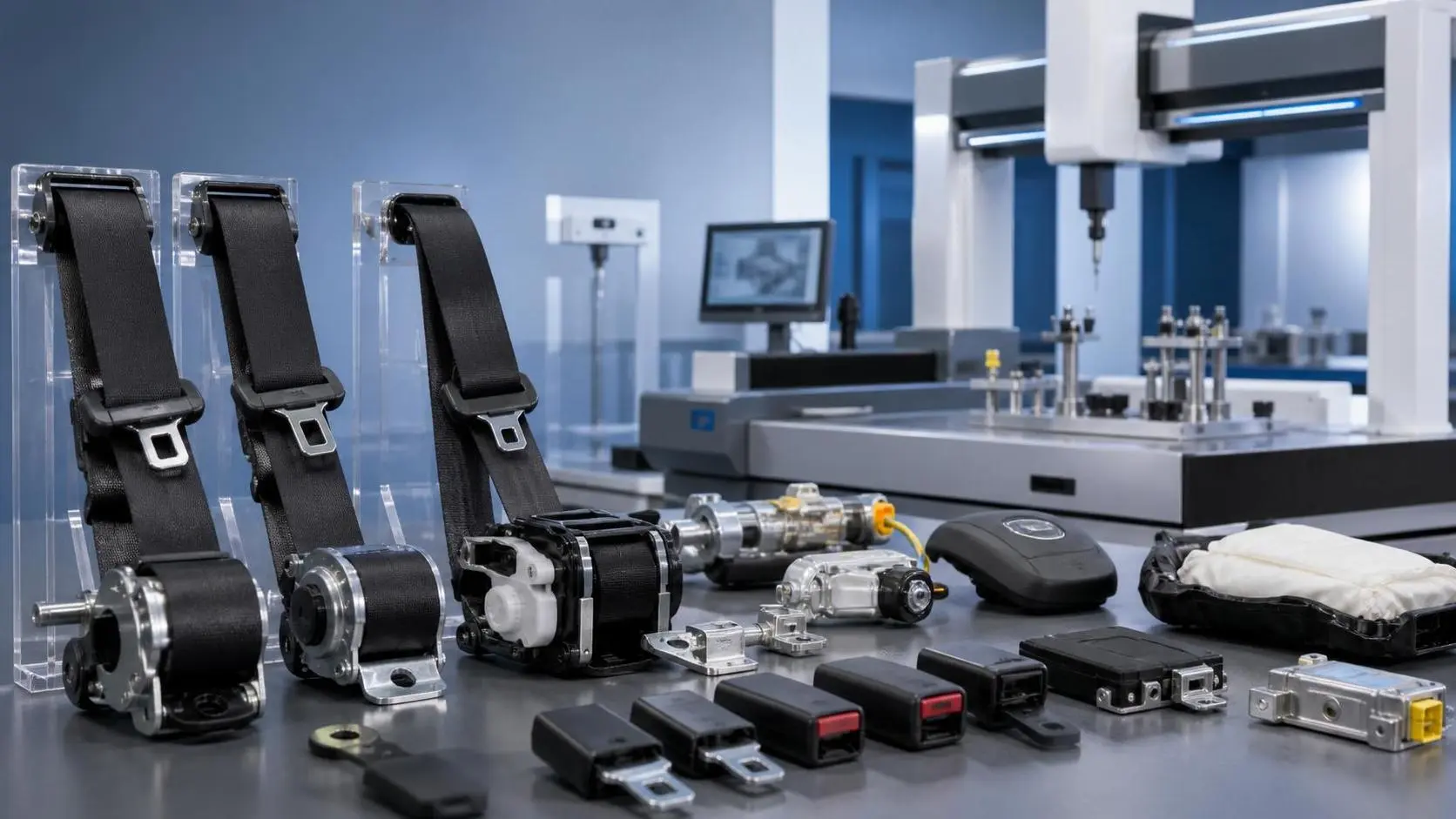
How to Evaluate an Occupant Restraint Systems Exporter for Quality, Compliance, and Supply Risk
Occupant restraint systems exporter evaluation guide: learn how to verify quality controls, compliance evidence, and supply risk before sourcing to avoid recalls, delays, and hidden costs.
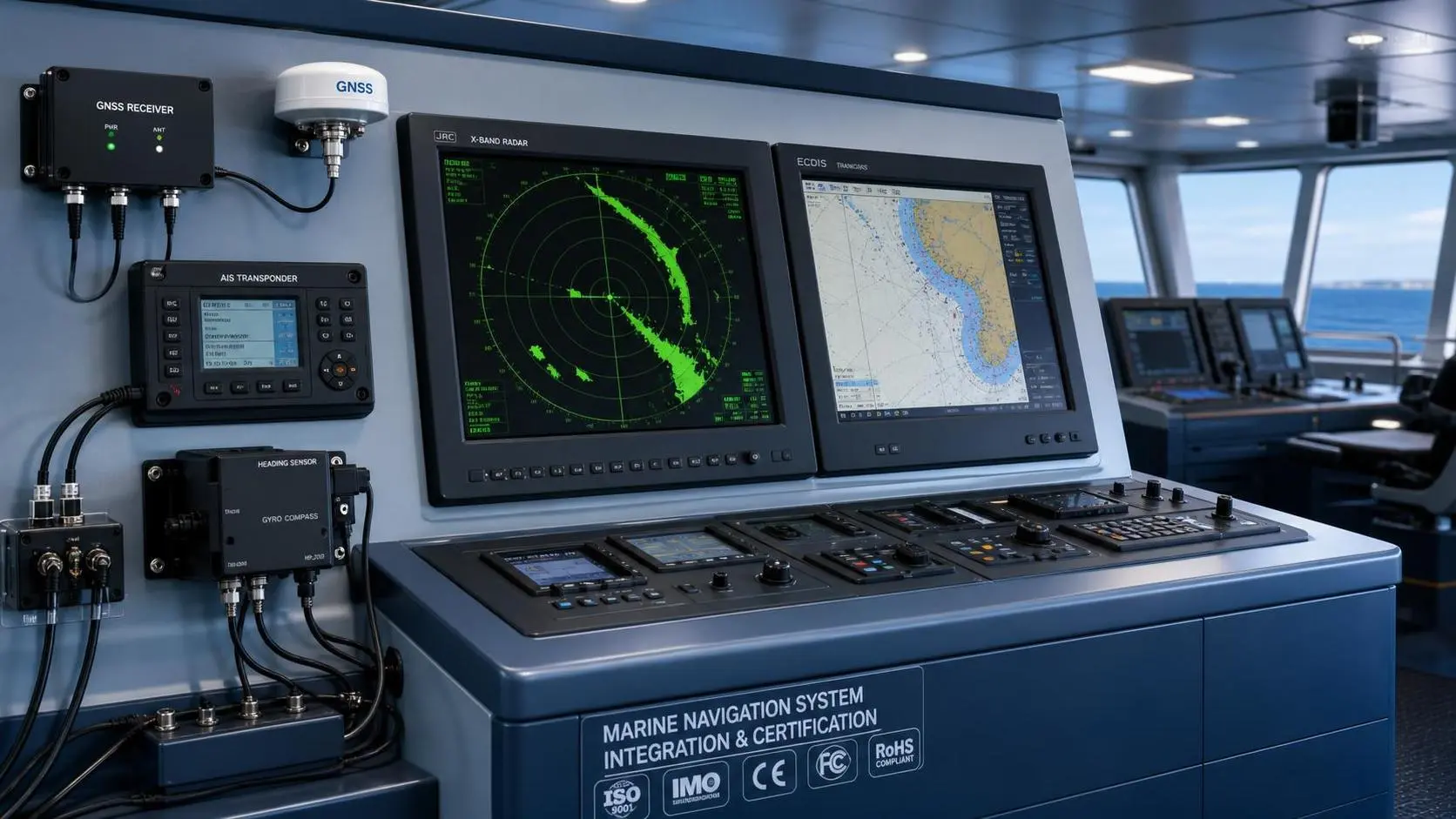
Navigation Compliance Certification: Which Marine Systems Need It and How to Prepare?
Navigation compliance certification explained: discover which marine systems need approval, what documents matter, and how to prepare early to avoid delays, rework, and costly project risks.
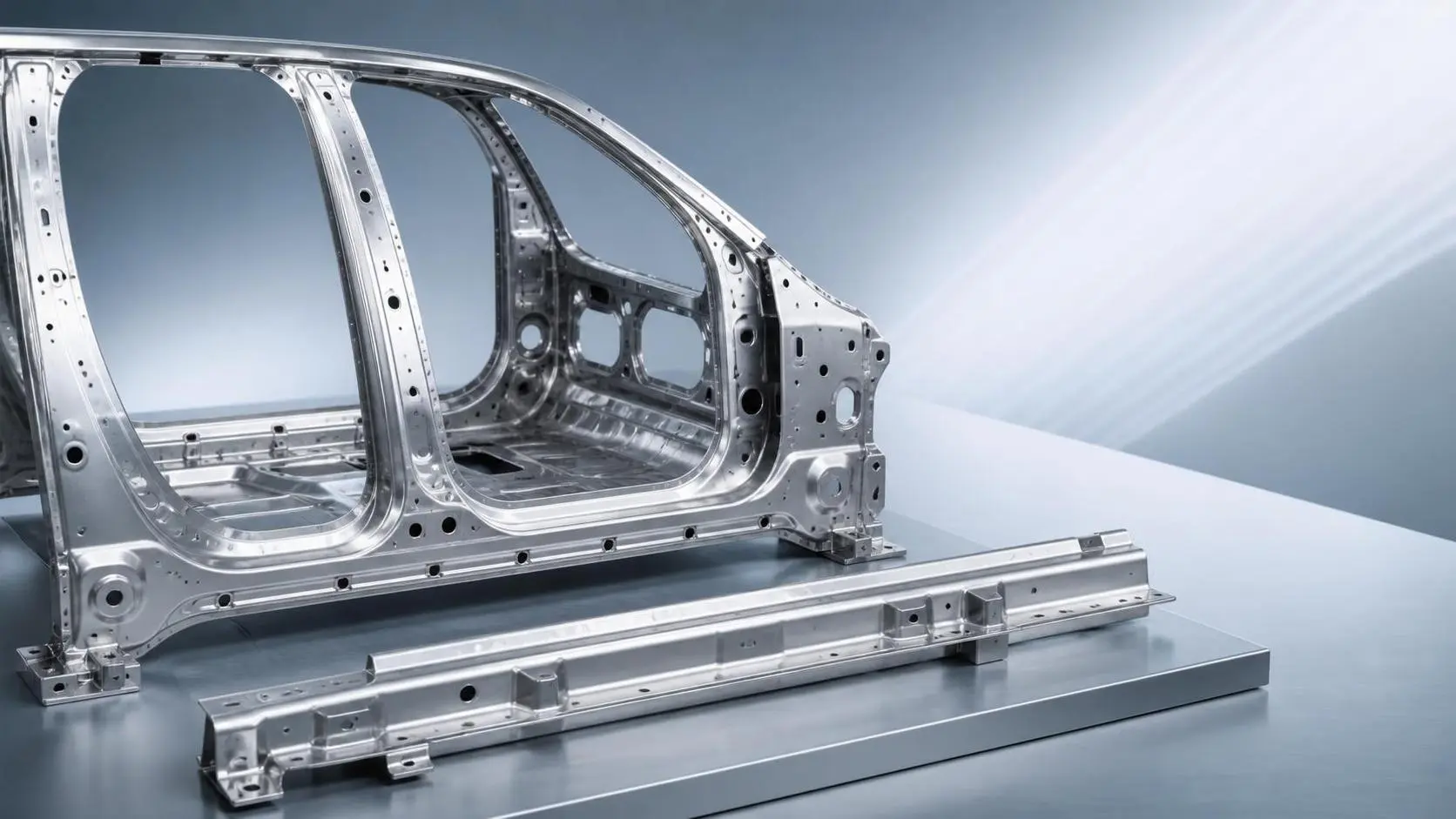
How to Evaluate Steel Auto Body Stampings for Strength, Fit, and Cost
Steel auto body stampings should be judged by strength, fit, and total cost together. Learn how to compare materials, forming limits, springback, joining, and tooling before choosing.
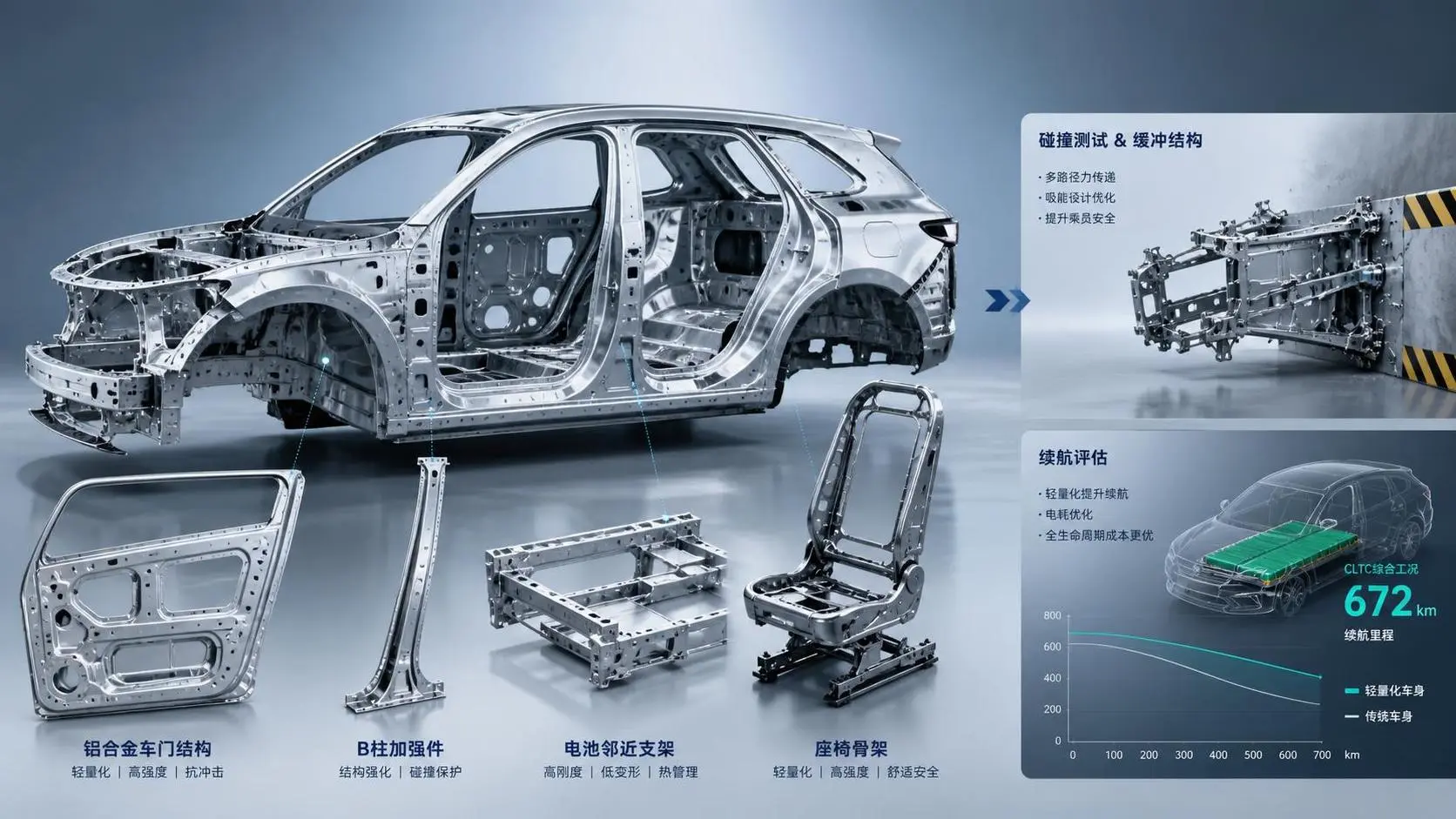
How to Evaluate Lightweight Automotive Components for EV Range and Crash Performance
Lightweight automotive components for EVs: learn how to evaluate real range gains, crash performance, joining risk, and manufacturability to choose safer, smarter EV parts.
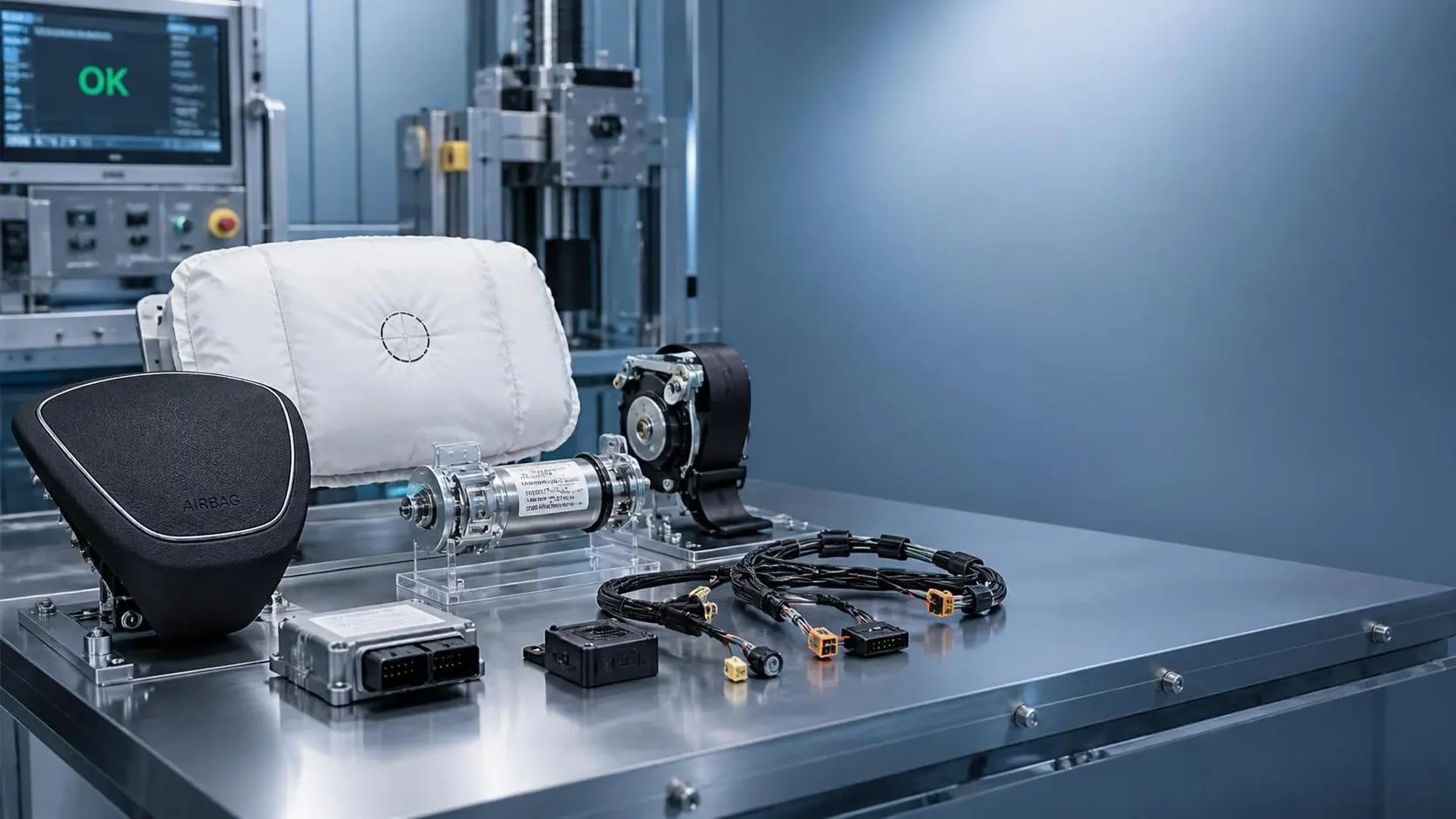
How to Evaluate Airbag Components for OEM Safety Performance and Compliance?
Airbag components evaluation guide for OEM teams: compare deployment performance, inflator consistency, compliance evidence, and supplier traceability to reduce safety risk and choose with confidence.
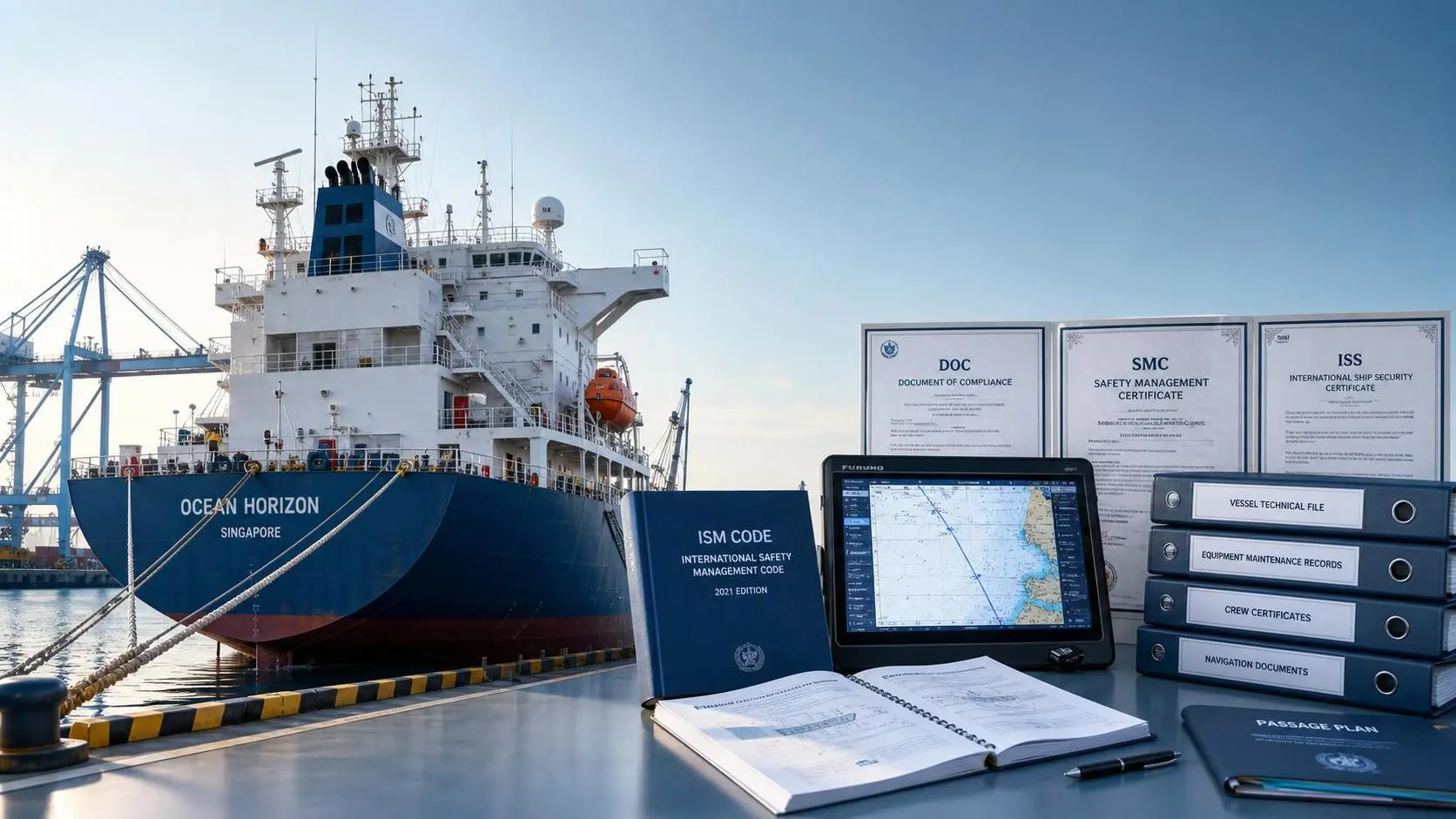
Maritime Compliance Information Standards: What Ship Operators Must Check
Maritime compliance information standards explained for ship operators: learn the key checks for navigation, documentation, updates, and crew readiness to reduce risk and avoid costly delays.

How to Evaluate Cargo Marine Sonar Systems for Detection Range and Vessel Fit
Cargo marine sonar systems: learn how to assess usable detection range, hull fit, noise risk, and bridge integration to choose a reliable solution for real cargo vessel operations.
Related News
- 00
0000-00
How Do Seatbelt Systems with Pretensioner Improve Crash Protection? - 00
0000-00
How Seatbelt Technology for Buses Improves Passenger Safety and Meets Compliance Needs - 00
0000-00
How Buckle Pretensioner Systems Improve Occupant Restraint in Modern Vehicles - 00
0000-00
Integrated Seatbelt Systems vs Conventional Designs: Which Fits Your Vehicle Platform Better? - 00
0000-00
Seatbelt Components for Passenger Cars: Main Parts, Functions, and How They Work Together
Weekly Insights
Stay ahead with our curated technology reports delivered every Monday.