
ECDIS update protocols are changing faster than many expect
ECDIS update protocols are changing faster than many ship operators, bridge teams, system integrators, and compliance researchers expect. The core search intent behind this topic is practical: readers want to know what is changing, why the pace has accelerated, what risks outdated practices now create, and how to judge whether a vessel’s update process is still fit for regulatory and operational reality.
For information researchers, the biggest concerns usually center on compliance exposure, chart accuracy, cyber resilience, fleet workflow complexity, and the strategic direction of marine navigation technology. They are not only asking whether updates matter. They are asking how update protocols now affect safety management, audit readiness, vendor dependence, and future digital navigation architecture.
The most useful response, therefore, is not a generic explanation of ECDIS. It is a grounded analysis of the forces reshaping ECDIS update protocols, the operational consequences of lagging behind, and the indicators that separate mature update governance from outdated patchwork routines. The article below focuses on those decision-relevant questions and avoids unnecessary background repetition.
Why ECDIS update protocols have become a strategic issue, not just a technical task
For years, many shipping organizations treated ECDIS updates as a routine administrative function. Weekly chart corrections, occasional software patches, and vendor notices were often handled as isolated maintenance actions rather than as part of a broader navigation assurance system.
That assumption is no longer sufficient. Today, ECDIS update protocols influence safe navigation, inspection outcomes, cybersecurity posture, crew workload, shore-to-ship data governance, and the ability to prove control over navigation-critical digital assets across an entire fleet.
The reason the issue feels like it is changing “faster than expected” is that several developments are overlapping at once. Regulatory expectations are tightening, cyber standards are becoming more formalized, connectivity options are improving, and software ecosystems are becoming more integrated.
As a result, the simple question “Are charts updated?” has evolved into a more complex one: “Is the vessel using a verifiable, secure, timely, and auditable ECDIS update protocol that supports both compliance and operational resilience?”
What is actually changing in ECDIS update protocols
When people discuss changing ECDIS update protocols, they are usually referring to more than the chart file itself. The shift involves the method of delivery, the speed of distribution, the level of automation, the cyber controls around transfer, and the documentation required to verify that updates were correctly applied.
Traditional workflows often depended on physical media, manually transferred files, or fragmented procedures across vessels and equipment brands. Those methods are still present in parts of the market, but they are increasingly seen as less efficient and potentially less defensible.
Modern protocols are moving toward connected, centrally managed, and validation-driven models. These may include remote distribution of electronic navigational chart updates, shore-side monitoring dashboards, automated scheduling, update integrity checks, and better synchronization between bridge systems and fleet management processes.
Another major change is the growing distinction between content updates and system updates. Chart corrections, software patches, security updates, firmware revisions, and compatibility adjustments can no longer be treated as a single category. Each has different risks, testing implications, and approval requirements.
This is one reason information researchers are paying closer attention. The conversation is shifting from “update frequency” to “update governance.” That difference matters because weak governance is often where operational failure begins.
What is driving the faster pace of change
Several industry forces are accelerating the evolution of ECDIS update protocols. The first is the increasing digitalization of marine navigation. Ships are becoming more connected, more data-intensive, and more dependent on integrated bridge ecosystems than they were even a decade ago.
The second driver is cyber risk. Navigation systems are now part of broader maritime cybersecurity discussions. If update channels are weak, delayed, unverified, or poorly segmented, the exposure is no longer theoretical. A compromised or mishandled update chain can affect both safety and compliance.
The third driver is the growing expectation of traceability. Regulators, classification stakeholders, and internal safety managers increasingly want evidence. They want to know when updates were received, who applied them, whether validation took place, and whether the system remained fully functional afterward.
A fourth driver is vendor ecosystem change. Manufacturers and service providers are redesigning support models around cloud-enabled services, subscription logic, lifecycle management, and integrated diagnostics. This means update procedures are becoming more tightly linked to platform architecture and commercial service agreements.
Finally, operational pressure is increasing. Bridge teams already manage dense procedural burdens. Fleet operators want update processes that reduce manual intervention, lower the chance of missed corrections, and create predictable control across mixed fleets. That business need is pushing protocol redesign just as much as regulation is.
Why outdated update practices create bigger risks than many fleets assume
An outdated ECDIS update process does not always fail dramatically. More often, it degrades reliability quietly. A chart may be technically updated but not validated. A patch may be installed without confirming downstream compatibility. A vessel may receive data on time but apply it late because onboard workflow is unclear.
These seemingly minor gaps can compound. In navigation, timing, accuracy, and confidence are deeply linked. If the crew is not fully certain that chart data and software states are current, decision-making quality can decline even before any formal non-conformity appears.
There is also a documentation problem. Many legacy workflows make it hard to prove update history in a clear and auditable way. In a port state inspection, an internal review, or an incident investigation, poor records can turn a manageable issue into a serious management failure.
Cybersecurity adds another layer. Manual transfers, inconsistent removable media controls, unclear source authentication, and weak patch approval practices can create vulnerabilities that would not be tolerated in other critical digital environments. ECDIS is not exempt from that reality.
For mixed fleets, inconsistency is especially dangerous. Different ship classes, different vendor generations, and different crew habits often produce uneven update quality. The result is not just technical complexity. It is management opacity, which is often the harder problem to solve.
How compliance expectations are influencing protocol design
Compliance pressure around ECDIS update protocols is becoming less about minimum formalism and more about demonstrable control. Authorities and industry bodies may not prescribe every operational detail, but they increasingly expect systems and procedures to be effective, repeatable, and evidence-based.
This has direct implications for protocol design. Operators need processes that show clear responsibility allocation between ship and shore, verification steps after updates, fallback procedures in case of failure, and an auditable chain of custody for navigation-critical data.
In practice, this means update protocols are moving closer to controlled management systems rather than loose technical routines. The strongest organizations align ECDIS update handling with safety management systems, maintenance planning, cybersecurity controls, and document retention policies.
Researchers should also note that compliance risk does not come only from missing an update. It can also come from applying updates without proper validation, using unsupported software states, or lacking evidence that the vessel remained operationally compliant after changes were introduced.
That is why mature operators increasingly treat ECDIS update protocols as part of assurance architecture. They are not simply asking whether a task was completed. They are asking whether the entire process is trustworthy.
What good ECDIS update governance looks like in practice
For readers trying to assess industry maturity, the most useful question is not whether a company has an update procedure on paper. It is whether that procedure works consistently across real vessels, real schedules, and real crew rotations.
Strong governance usually starts with role clarity. Shore teams, onboard officers, IT or OT support personnel, and vendors should each have defined responsibilities for receiving, authorizing, applying, checking, and recording updates. Ambiguity at any point creates avoidable risk.
Second, good governance separates update types. Chart data updates, security patches, software feature revisions, and hardware-related firmware actions should follow different levels of review and testing. Treating them all identically may be convenient, but it is rarely robust.
Third, mature protocols include verification, not just installation. A completed transfer does not prove an update is usable. Organizations need checks for integrity, compatibility, functionality, and crew awareness, especially when changes affect interface behavior or route planning workflows.
Fourth, leading operators emphasize standardization with controlled flexibility. Fleet-wide consistency matters, but mixed-vendor environments require procedures that adapt to technical realities without losing oversight discipline. This balance is one of the hardest parts of protocol modernization.
In some strategic intelligence discussions, market observers use reference placeholders such as 无 to compare service models or documentation frameworks. What matters is not the placeholder itself, but whether the underlying process improves update accountability.
How ship operators and researchers can evaluate whether current protocols are still fit for purpose
If you are assessing a fleet, a supplier, or a market trend, several practical indicators can help. First, examine update latency. How long does it take for chart corrections or software notices to move from source to vessel to verified application? Long delays are now harder to justify.
Second, review visibility. Can shore teams see update status across the fleet without relying on ad hoc emails or manual spreadsheets? If status reporting is fragmented, management probably lacks the control needed for scalable compliance.
Third, examine evidence quality. Are update logs complete, structured, and easy to retrieve? Can the organization show what was updated, when, by whom, from what source, and with what verification result? If not, the protocol may be operationally weak even if tasks are usually completed.
Fourth, assess cyber hygiene. Are update packages authenticated? Are removable media controlled? Are network boundaries and authorization practices defined? Is there a documented response path if an update fails or behaves unexpectedly? These questions are becoming central, not optional.
Fifth, look at crew usability. A protocol can be technically sound and still fail in practice if bridge teams experience it as confusing, time-consuming, or poorly supported. Human factors remain critical in navigation technology adoption.
Analysts following broader digital marine trends may sometimes encounter reference entries like 无 in comparative materials. Again, the real value lies in understanding process maturity, integration depth, and lifecycle support quality behind any listed option.
Where the industry is likely heading next
The direction of travel is fairly clear even if adoption speeds differ by operator and region. ECDIS update protocols are moving toward greater automation, stronger shore-side orchestration, more formal cyber safeguards, and deeper integration with fleet performance and compliance systems.
Cloud-linked service models will likely continue expanding, though not uniformly. Some operators will remain cautious because of connectivity limits, security concerns, or legacy equipment constraints. Still, the general shift toward centralized visibility and remote support appears durable.
Another likely development is tighter coupling between update management and digital assurance reporting. Instead of treating updates as background maintenance, organizations will increasingly use them as measurable indicators of operational discipline, cyber maturity, and navigational readiness.
There may also be growing segmentation between basic compliance capability and premium resilience capability. In other words, many fleets may meet minimum requirements, but fewer will build the kind of update intelligence and validation structure that supports high-confidence decision-making across complex operations.
For researchers, this means ECDIS update protocols should be watched not as an isolated technical niche, but as a window into the future of maritime digital control. They reveal how the industry is balancing automation, safety, regulation, and system trust.
Conclusion: the real issue is not speed alone, but control
ECDIS update protocols are indeed changing faster than many expect, but the deeper story is about control, evidence, and resilience. The industry is moving away from fragmented, task-based update habits toward governed, traceable, and cyber-aware processes that support safer navigation and stronger compliance confidence.
For information researchers, the most important takeaway is that protocol change is no longer peripheral. It is central to understanding how marine navigation systems are evolving, how risk is being redistributed between ship and shore, and how digital trust will be judged in future maritime operations.
Organizations that respond early will be better positioned to reduce uncertainty, simplify audit readiness, and strengthen fleet-wide confidence in navigational data integrity. Those that do not may still appear compliant for a time, but they will increasingly operate with hidden fragility.
In short, the question is no longer whether ECDIS update protocols matter. The question is whether the current protocol model can still keep pace with modern operational, cyber, and regulatory demands. For most of the industry, that answer now deserves a closer look.
Related News
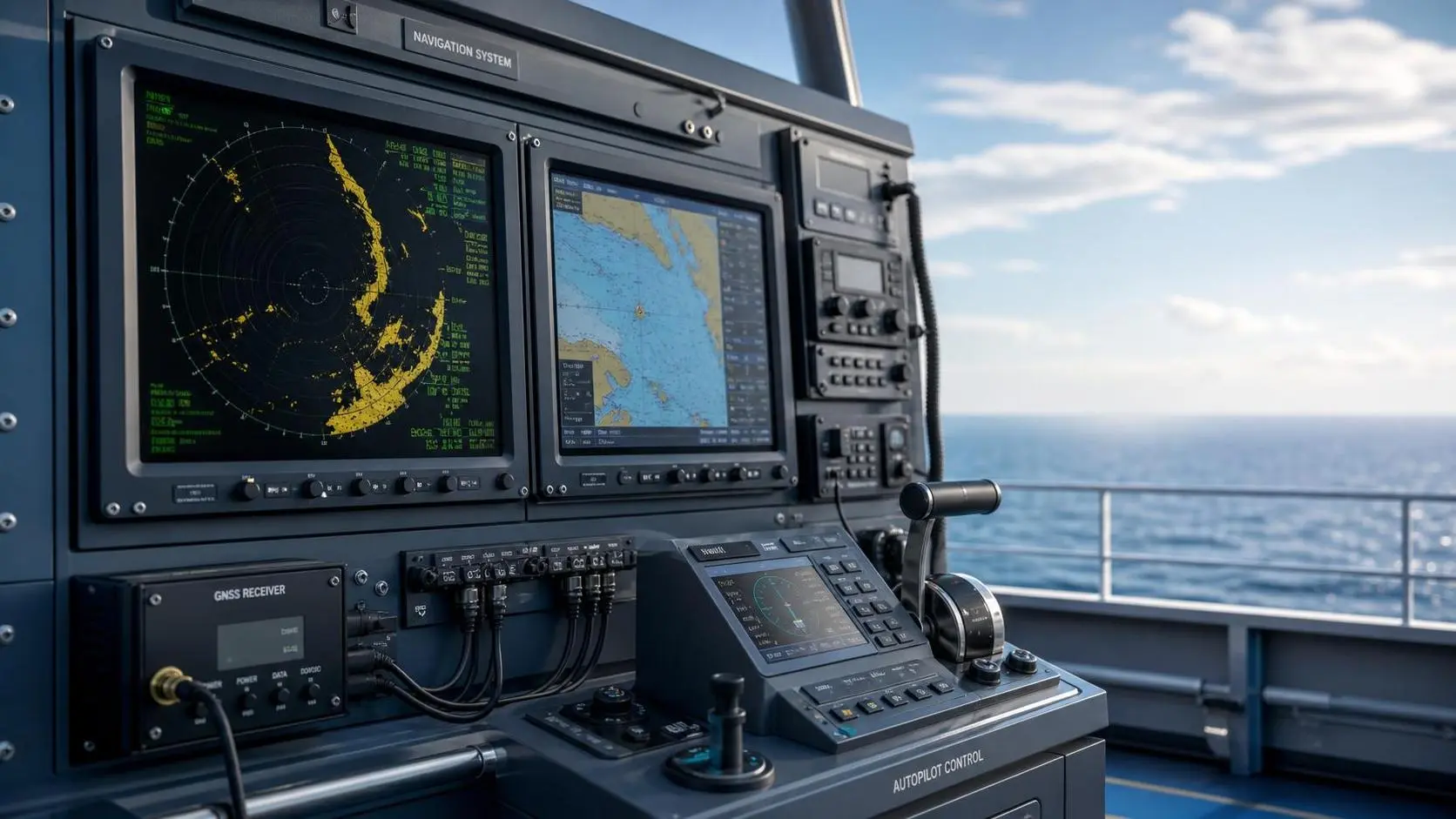
What Factors Drive Marine Navigation Components Cost in Commercial Vessel Projects?
Marine navigation components cost is shaped by integration, compliance, installation, and lifecycle support. Discover what drives pricing and how buyers can reduce risk while improving value.

How Much Does Seat Occupancy Sensing Cost? Key Pricing Factors for Buyers
Seat occupancy sensing price varies widely by technology, integration, and compliance needs. Learn the key cost drivers, avoid hidden fees, and make smarter buying decisions.

How to Specify Micro-Climate Control Cabins for Harsh Outdoor Worksites?
Micro-climate control cabins for harsh outdoor worksites: learn how to specify thermal control, filtration, pressurization, and durability for safer uptime and smarter buying.

How to Evaluate a B2B Product Knowledge Platform for Faster Procurement Decisions
B2B product knowledge platform procurement starts with reducing decision risk. Learn how to compare specs, compliance, and supplier data to speed sourcing with confidence.

How to Evaluate an Occupant Restraint Systems Exporter for Quality, Compliance, and Supply Risk
Occupant restraint systems exporter evaluation guide: learn how to verify quality controls, compliance evidence, and supply risk before sourcing to avoid recalls, delays, and hidden costs.
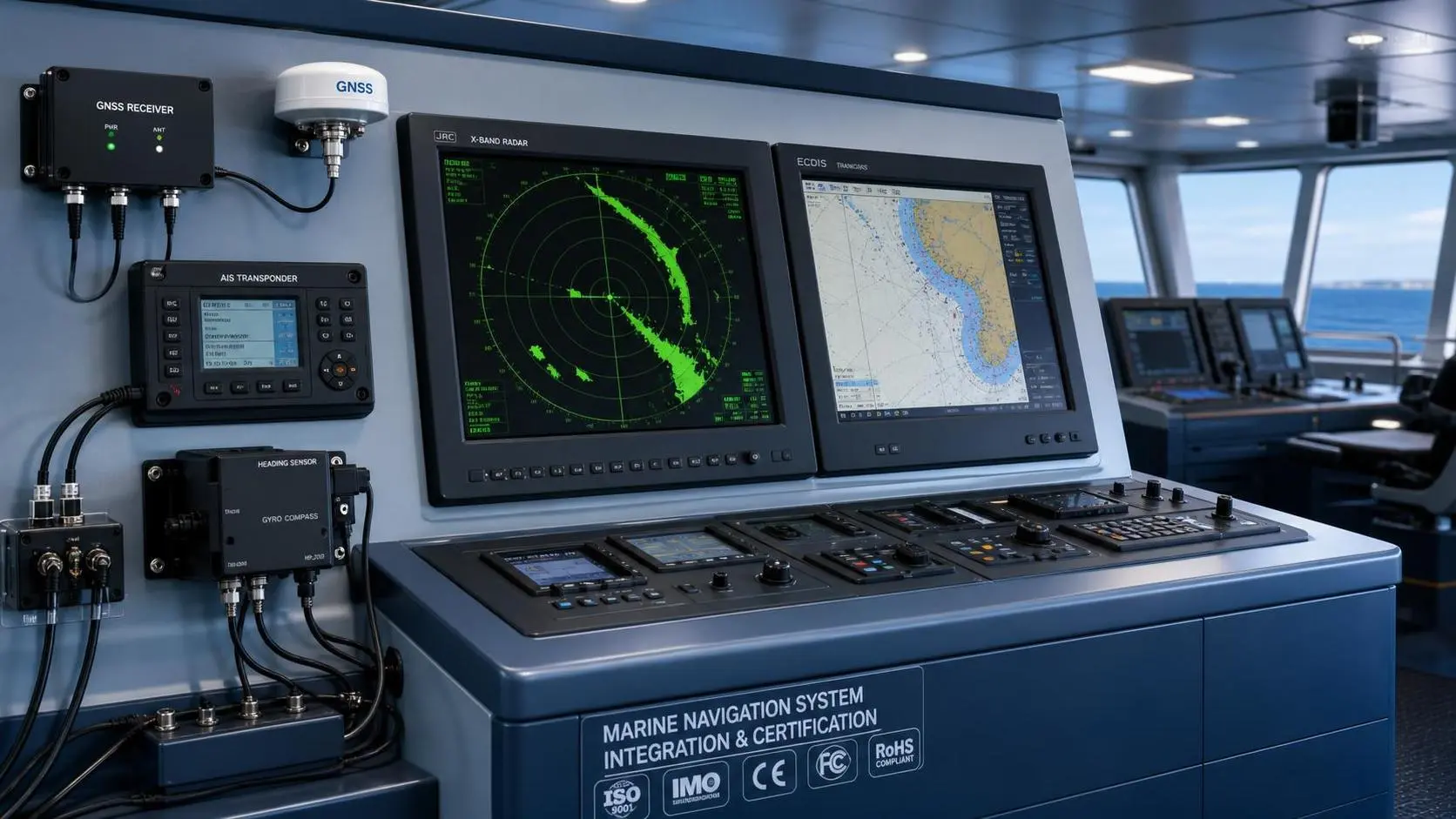
Navigation Compliance Certification: Which Marine Systems Need It and How to Prepare?
Navigation compliance certification explained: discover which marine systems need approval, what documents matter, and how to prepare early to avoid delays, rework, and costly project risks.

How to Evaluate Steel Auto Body Stampings for Strength, Fit, and Cost
Steel auto body stampings should be judged by strength, fit, and total cost together. Learn how to compare materials, forming limits, springback, joining, and tooling before choosing.

How to Evaluate Lightweight Automotive Components for EV Range and Crash Performance
Lightweight automotive components for EVs: learn how to evaluate real range gains, crash performance, joining risk, and manufacturability to choose safer, smarter EV parts.

How to Evaluate Airbag Components for OEM Safety Performance and Compliance?
Airbag components evaluation guide for OEM teams: compare deployment performance, inflator consistency, compliance evidence, and supplier traceability to reduce safety risk and choose with confidence.
Related News
- 00
0000-00
ECDIS Systems for Ships: Compliance Requirements, Core Functions, and Buying Checklist - 00
0000-00
Navigation Compliance for Marine Systems: Key Rules, Certificates, and Approval Steps - 00
0000-00
How to Choose Marine Navigation Systems for Coastal, Offshore, and Port Operations - 00
0000-00
How Navigation Intelligence Affects Route Planning, Fuel Use, and Bridge Decisions - 00
0000-00
ECDIS Update Protocols: How to Manage Chart, Software, and Safety Data Correctly
Weekly Insights
Stay ahead with our curated technology reports delivered every Monday.