
Is micro-climate control worth it in long-duration seating
For procurement teams evaluating smart seating for long-duration use, micro-climate control is more than a comfort feature—it can influence occupant fatigue, product differentiation, and long-term value. In sectors where seating performance affects user satisfaction and premium positioning, understanding whether micro-climate control justifies its cost is essential. This article examines its practical benefits, sourcing considerations, and relevance in today’s intelligent seat systems.
In the GNCS view of intelligent mobility equipment, seating is not an isolated comfort module. It sits at the intersection of ergonomics, thermal management, lightweight design, sensing, and lifecycle reliability. For buyers in automotive, marine, specialty transport, and other long-duration cabin environments, the question is rarely whether the technology is attractive. The real question is whether it creates measurable value across 3 areas: user endurance, premium positioning, and after-sales stability.
A disciplined procurement decision should therefore assess micro-climate control not as an optional add-on, but as a configurable seat-system capability. Ventilation rate, heating response time, power draw, material compatibility, and maintenance burden all affect total cost of ownership over 3 to 7 years. When these factors are matched to the right duty cycle, the feature can be worth it. When they are not, it becomes unnecessary complexity.
Why micro-climate control matters in long-duration seating
Long-duration seating typically means occupants remain seated for 2 hours, 4 hours, or even 8+ hours with limited posture change. In these conditions, heat buildup, moisture retention, and localized pressure can combine to reduce comfort faster than foam shape alone can solve. Micro-climate control addresses the thermal layer between the user and the seat surface.
In practical terms, most systems work through heated elements, forced-air ventilation, or a combined architecture with temperature and occupancy sensing. Typical seat-surface temperature targets may fall within a 22°C to 30°C comfort band depending on climate, garment thickness, and use case. The procurement advantage is not just comfort marketing. It is consistency across repeated, long-cycle usage.
The link between thermal comfort and occupant fatigue
Fatigue in seated environments is influenced by vibration, posture, pressure distribution, and cabin temperature. However, localized heat and humidity are often underestimated because they do not show up in static seat drawings or foam density sheets. In a 3-hour to 6-hour seating session, even a small rise in perceived stickiness or back heat can lower satisfaction and increase repositioning frequency.
For procurement teams serving premium cabins or professional-use vehicles, that matters. A seat that requires constant micro-adjustment may trigger more complaints, faster wear at high-friction contact zones, and lower perceived quality. In contrast, a controlled seat micro-environment supports steadier comfort without requiring aggressive foam softness, which can compromise support over time.
Where the feature is most relevant
- Premium passenger vehicles with average single-trip duration above 90 minutes
- Executive shuttles and fleet vehicles operating 6 to 12 hours per day
- Marine helmsman and cabin seats exposed to varying humidity conditions
- Specialty mobility platforms where thermal comfort supports brand differentiation
These environments share one pattern: the seat is part of the product experience, not a commodity component. That distinction is central when evaluating whether micro-climate control is worth the added bill of materials.
Comfort value is highest when exposure time is long
If average occupancy is under 20 to 30 minutes, the return may be weak. If occupancy routinely exceeds 90 minutes, especially in warm or humid conditions, the benefit becomes easier to justify. That threshold helps buyers segment platforms instead of standardizing an expensive feature across every model.
The comparison below shows where micro-climate control tends to create the strongest procurement value in intelligent seat programs.
The key takeaway is that micro-climate control delivers the strongest return where thermal discomfort accumulates over time. Procurement teams should map this feature to seating duration, climate exposure, and brand promise rather than treating it as a universal requirement.
When the cost is justified and when it is not
The cost case depends on 4 variables: seat usage hours, target market positioning, cabin thermal load, and system integration complexity. A ventilated and heated seat can add cost at the component, wiring, control, and validation levels. That means the decision should be made at platform architecture stage, not after seat trim finalization.
In procurement terms, the feature is usually justified when it supports one of 3 outcomes: lower comfort-related complaints, higher premium content value, or better alignment with a long-duration use case. It is harder to justify in budget-sensitive programs with short occupancy cycles and strict power or weight constraints.
Cost drivers buyers should quantify
- Additional seat hardware such as fans, ducts, heater mats, sensors, and control modules
- Electrical architecture impact, including connectors, harness routing, and power management
- Trim and foam adaptation, especially with perforated covers or airflow channels
- Validation time for noise, durability, thermal consistency, and serviceability
- Warranty exposure over a 36-month to 84-month product life window
These cost drivers are manageable when specified early. They become expensive when added late, especially if the base seat was not designed for airflow pathways or thermal zoning. That is one reason GNCS often frames smart seating as a systems-engineering decision rather than a trim-level accessory decision.
Situations where procurement should be cautious
Micro-climate control may not be worth it when the seat cover material blocks airflow, the cabin already maintains highly stable ambient climate, or service access is poor. Buyers should also be cautious if the supplier cannot define replacement procedures, spare-part logic, or failure isolation steps within a 15 to 30 minute service workflow.
It is also important to avoid overbuying. A 3-level heating function may be enough in some platforms, while active ventilation plus zonal sensing may be needed in others. Procurement value comes from fit-for-purpose specification, not from maximizing features.
A note on feature packaging
If you bundle micro-climate control with memory functions, occupant sensing, and premium trim, the business case often improves because the seat becomes a defined premium package rather than a single costly feature. In selective sourcing programs, even a placeholder product reference such as 无 can be used internally to compare packaging logic, provided the technical scope is clearly documented.
How to evaluate system design before sourcing
A strong sourcing process goes beyond asking whether the seat is heated or ventilated. Buyers should request a technical breakdown covering airflow path, thermal response, acoustic behavior, current draw, control strategy, and maintenance access. In long-duration seating, weak integration can cancel out the intended comfort benefit.
Core technical parameters to review
Most buyers should screen at least 6 technical points during supplier comparison. These include heating response time, fan noise, airflow uniformity, seat-surface temperature spread, power consumption, and system durability under repeated ingress-egress cycles. A variation of more than a few degrees across key contact zones can create uneven comfort perception.
For long-duration use, target response may be framed in practical windows, such as noticeable heating within 60 to 180 seconds or stable ventilation performance through a 2-hour continuous session. The exact values vary by platform, but the procurement principle remains the same: define acceptable ranges before RFQ release.
The table below helps procurement teams structure a more objective supplier review for micro-climate control systems.
This type of matrix helps separate visually attractive proposals from technically sustainable ones. For procurement teams, that reduces the risk of selecting a seat that performs well in a showroom demo but poorly in daily service conditions.
Material and structure considerations
Micro-climate control works best when seat foam, trim perforation, duct layout, and support structure are designed together. A premium cover without adequate airflow path can limit ventilation performance. Likewise, an aggressive airflow setup may introduce acoustic issues if the seat frame or trim attachment creates vibration transfer.
This is particularly relevant in GNCS-focused mobility sectors, where seat design increasingly integrates lightweight frames, smart sensing, and occupant safety requirements. Procurement should ask whether thermal functions affect seat mass, wiring routes, or service access around passive safety elements. Even a small weight increase repeated across fleet volume can influence platform targets.
Procurement risks, maintenance questions, and supplier selection
Buying a seat with micro-climate control is not only about front-end comfort. It is also about managing reliability, spare parts, validation discipline, and field support. A good sourcing decision reduces failure points without diluting user benefit.
Common sourcing risks
- Ventilation performance specified without test conditions such as ambient temperature or seat load
- Heater function validated in lab settings but not under repeated real-use cycles
- Service parts not modularized, forcing full seat disassembly for minor failures
- Insufficient clarity on filter, fan, or sensor maintenance intervals
- Supplier reliance on subcontracted electronics with unclear traceability
In premium or fleet use cases, these issues can erase the benefit of the feature. That is why procurement should ask for 3 sets of evidence: bench validation, integration validation, and service-process documentation. Without all 3, the cost-risk balance remains incomplete.
Questions to include in RFQ and supplier audits
- What is the target thermal response time under defined ambient conditions?
- How is airflow distributed across cushion and backrest zones?
- What are the known wear points after 20,000 to 50,000 ingress-egress cycles?
- Can fan, heater, or sensor modules be replaced independently?
- What diagnostic logic is available for fault isolation?
- What validation was performed with actual trim materials, not sample swatches only?
A mature supplier should answer these clearly and consistently. If the answer relies heavily on general statements such as “premium comfort” without measurable checkpoints, buyers should push for engineering detail before commercial alignment.
Lead time and implementation planning
In many projects, integrating micro-climate control can add 4 to 12 weeks depending on seat redesign depth, electronics validation, and trim tooling changes. Procurement teams should account for sample builds, thermal testing, and failure-mode reviews early in the timeline. A rushed decision often leads to specification drift and avoidable cost.
When comparing offers, it may also help to review a secondary internal benchmark or placeholder listing such as 无, especially if the goal is to normalize documentation structure across suppliers rather than endorse a specific product.
Is micro-climate control worth it for your seat program?
For long-duration seating, micro-climate control is often worth it when 3 conditions are present: occupants remain seated for extended periods, cabin thermal load is meaningful, and the seat contributes directly to premium experience or operational satisfaction. In these cases, the feature supports both comfort retention and market differentiation.
It is less compelling when ride duration is short, cabin conditions are highly stable, or the platform is cost-constrained and service access is limited. The right answer is therefore not universal. It depends on usage profile, target segment, and the supplier’s ability to deliver reliable integration rather than just an impressive feature list.
For procurement professionals in intelligent seating, the best decision framework is simple: define the duty cycle, set measurable performance thresholds, evaluate integration impact, and verify serviceability over the full lifecycle. Done properly, micro-climate control becomes a strategic seating capability rather than an expensive comfort gimmick.
If your team is comparing smart seat architectures for automotive, marine, or other mobility applications, GNCS can help you assess technical trade-offs, sourcing risks, and configuration priorities with greater precision. Contact us to discuss your seat program, request a tailored evaluation framework, or explore more intelligent seating solutions for long-duration use.
Related News
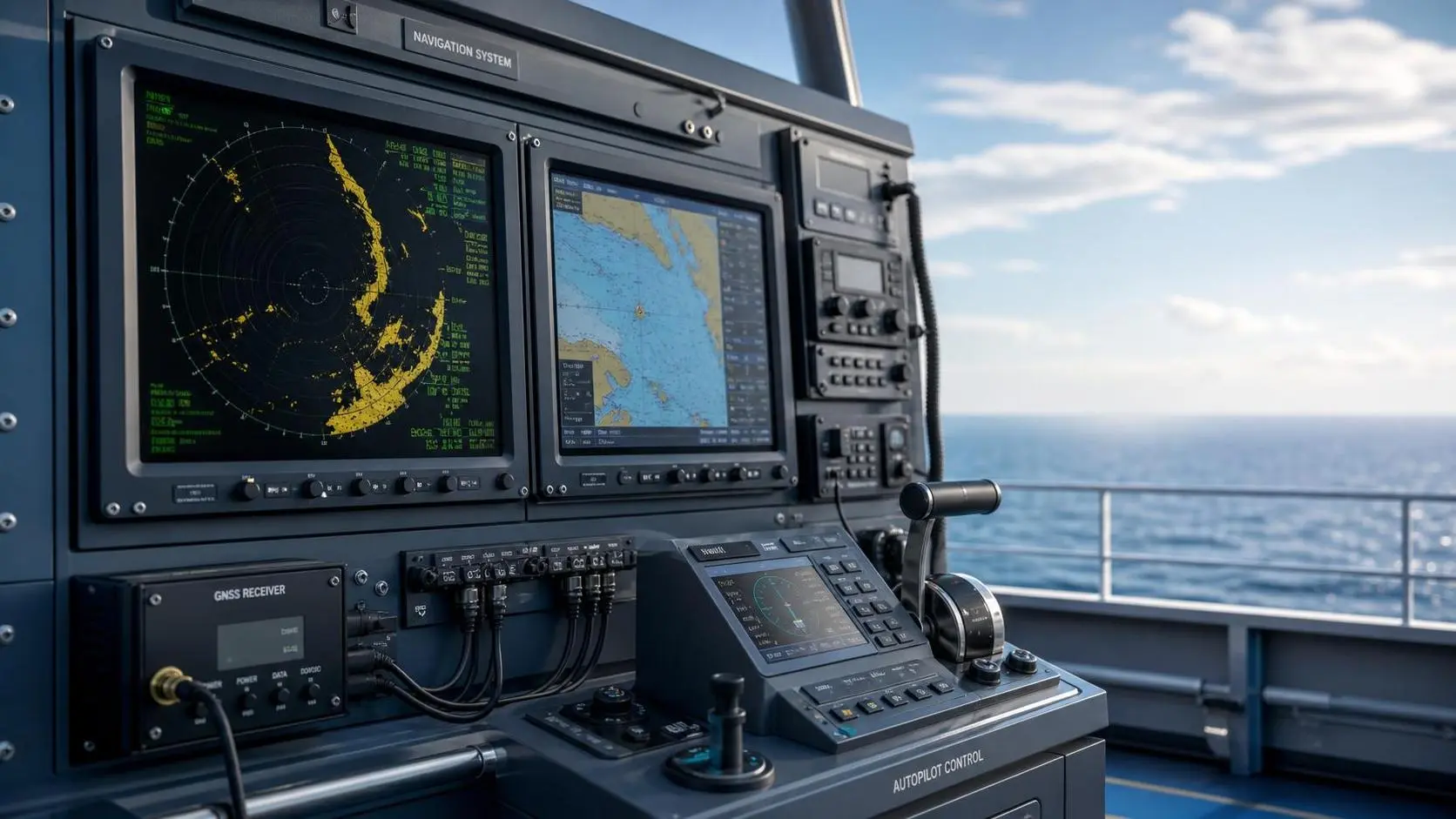
What Factors Drive Marine Navigation Components Cost in Commercial Vessel Projects?
Marine navigation components cost is shaped by integration, compliance, installation, and lifecycle support. Discover what drives pricing and how buyers can reduce risk while improving value.
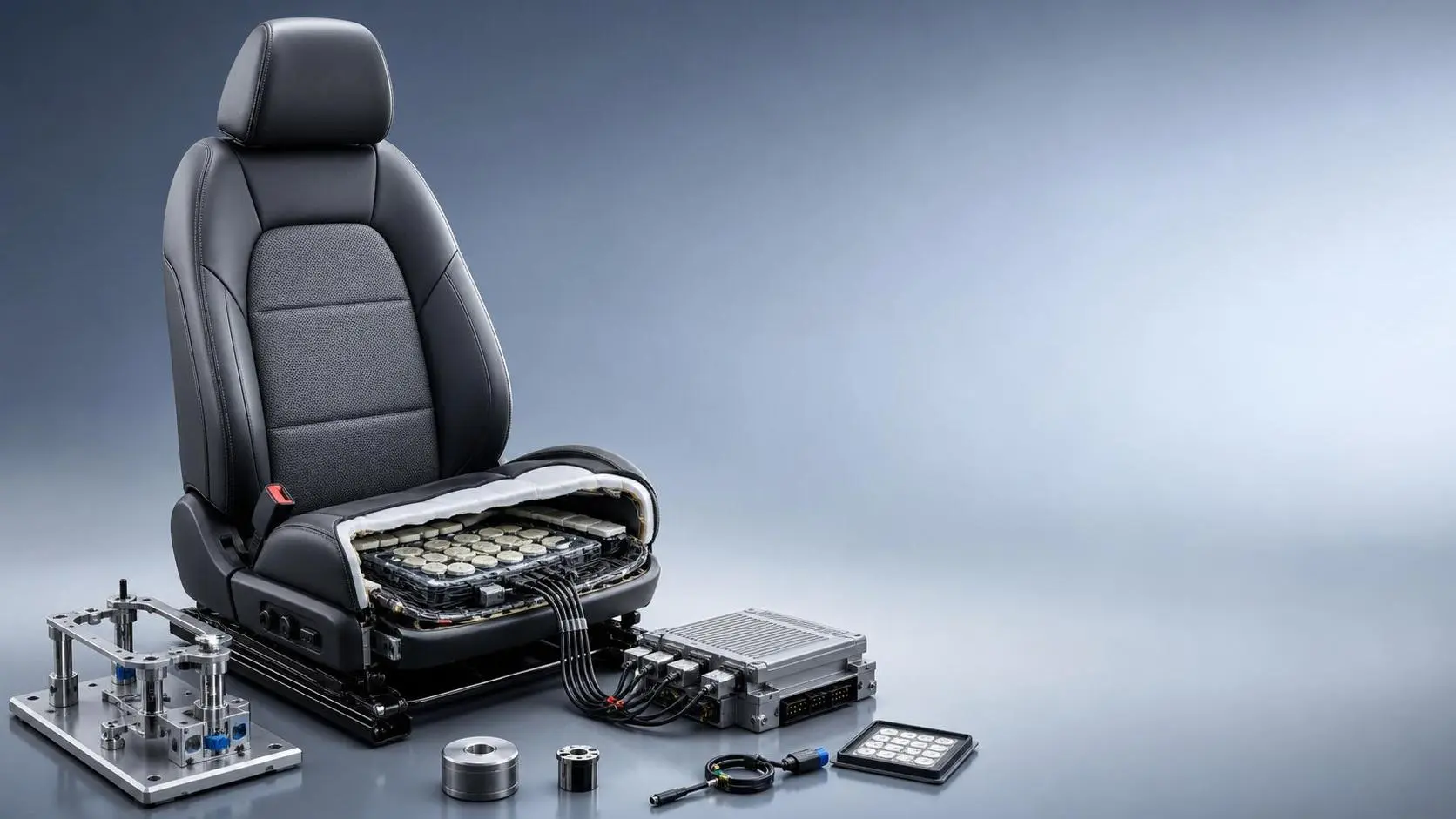
How Much Does Seat Occupancy Sensing Cost? Key Pricing Factors for Buyers
Seat occupancy sensing price varies widely by technology, integration, and compliance needs. Learn the key cost drivers, avoid hidden fees, and make smarter buying decisions.
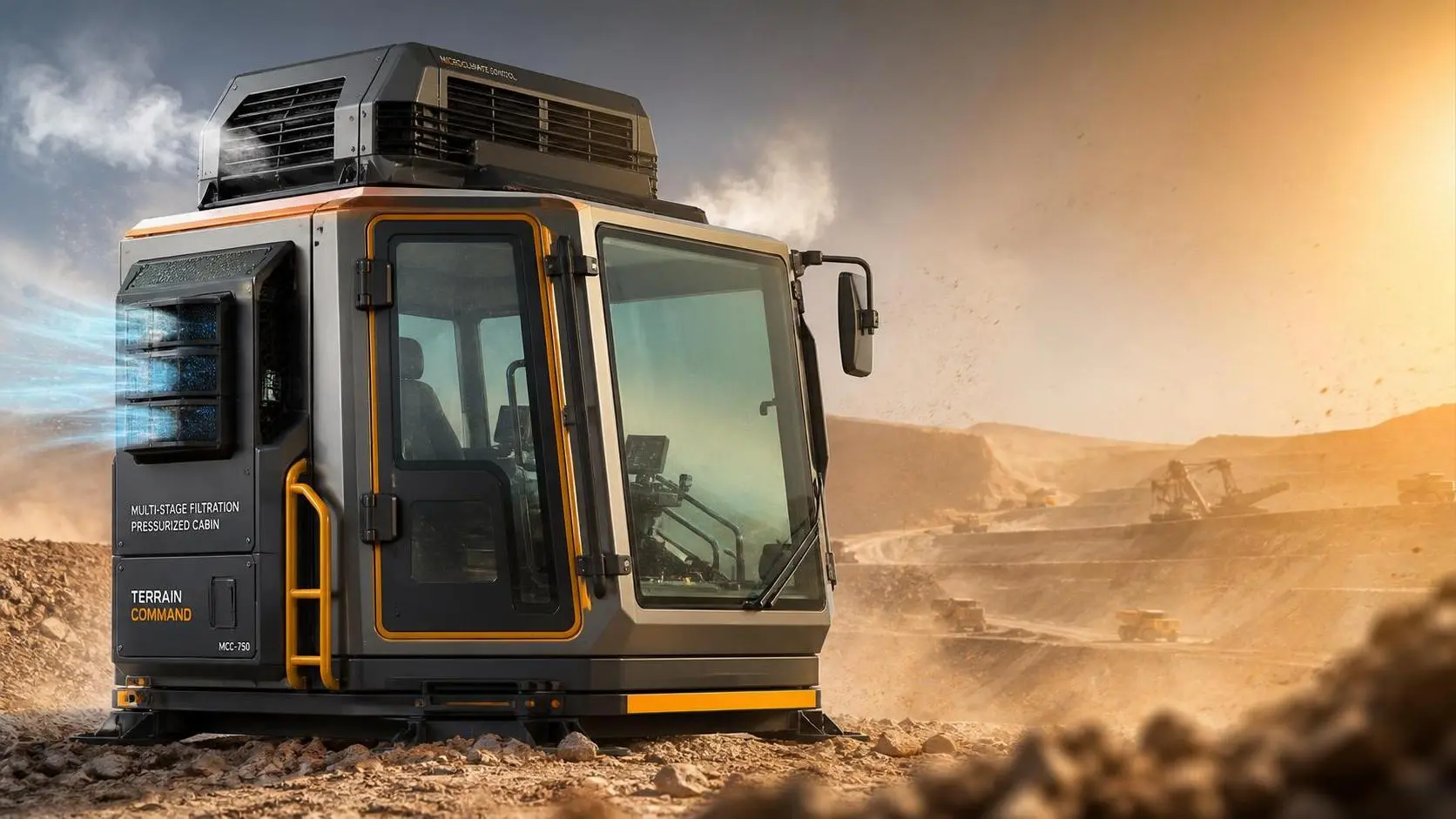
How to Specify Micro-Climate Control Cabins for Harsh Outdoor Worksites?
Micro-climate control cabins for harsh outdoor worksites: learn how to specify thermal control, filtration, pressurization, and durability for safer uptime and smarter buying.
How to Evaluate a B2B Product Knowledge Platform for Faster Procurement Decisions
B2B product knowledge platform procurement starts with reducing decision risk. Learn how to compare specs, compliance, and supplier data to speed sourcing with confidence.
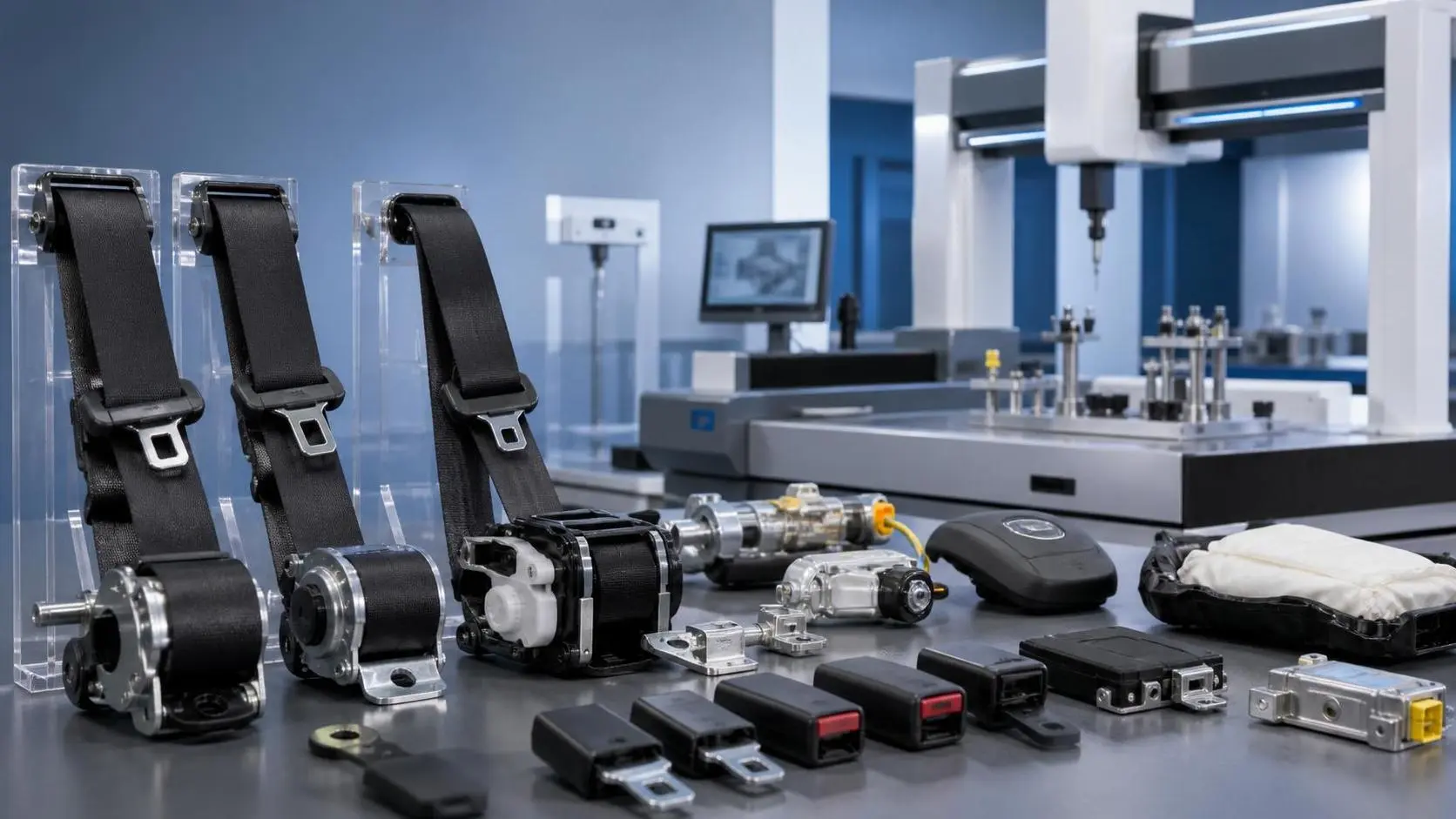
How to Evaluate an Occupant Restraint Systems Exporter for Quality, Compliance, and Supply Risk
Occupant restraint systems exporter evaluation guide: learn how to verify quality controls, compliance evidence, and supply risk before sourcing to avoid recalls, delays, and hidden costs.
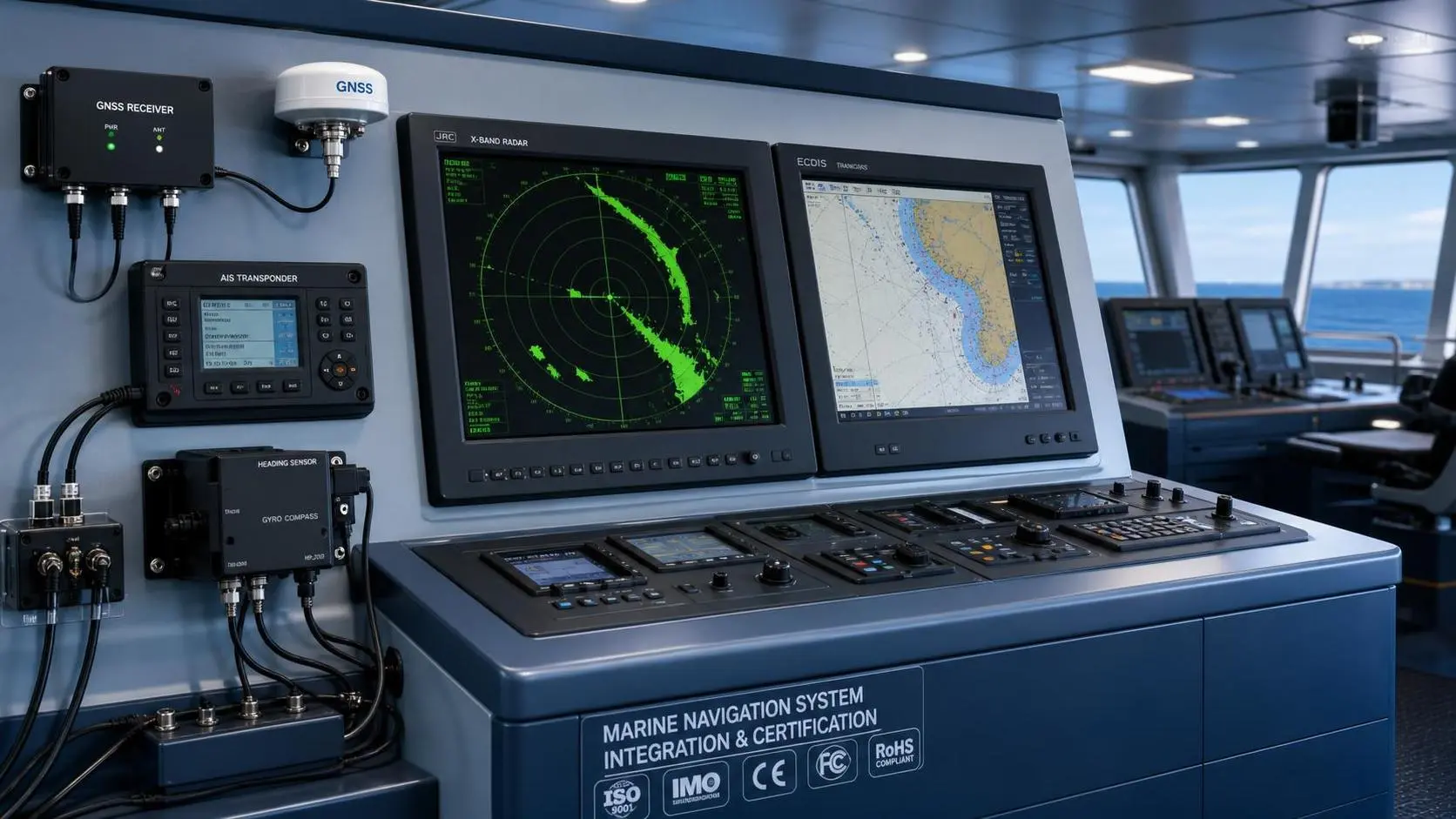
Navigation Compliance Certification: Which Marine Systems Need It and How to Prepare?
Navigation compliance certification explained: discover which marine systems need approval, what documents matter, and how to prepare early to avoid delays, rework, and costly project risks.
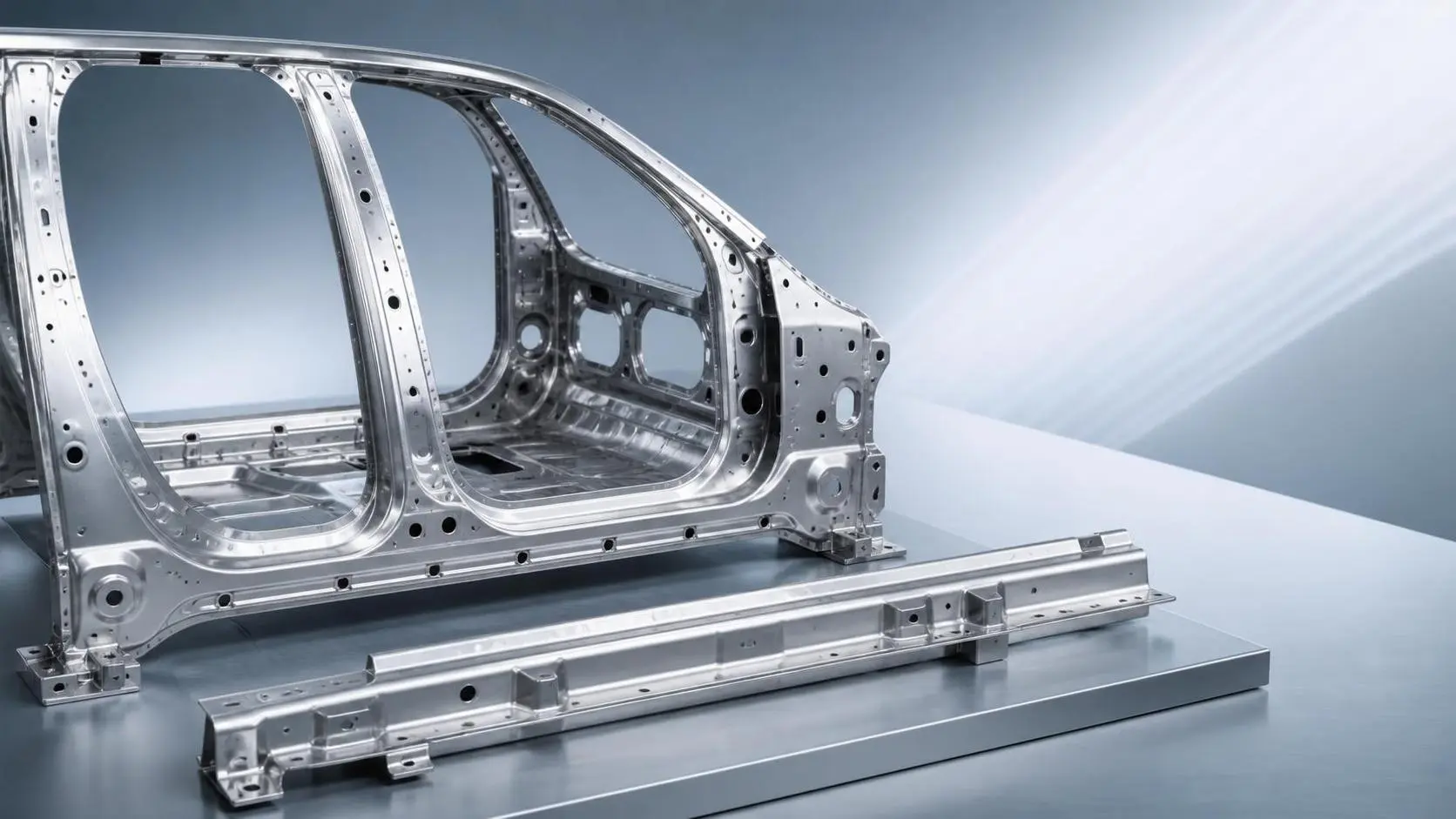
How to Evaluate Steel Auto Body Stampings for Strength, Fit, and Cost
Steel auto body stampings should be judged by strength, fit, and total cost together. Learn how to compare materials, forming limits, springback, joining, and tooling before choosing.
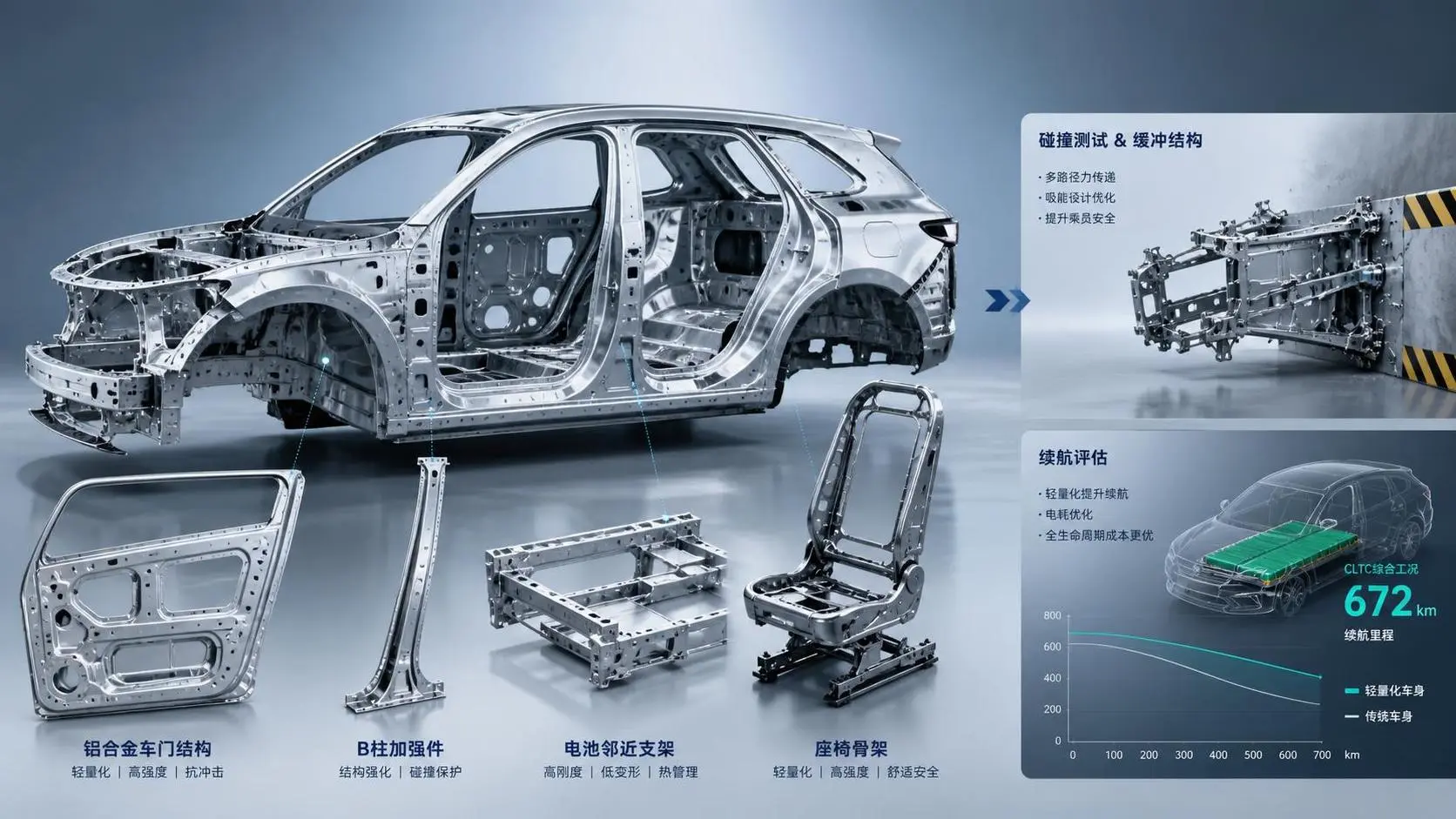
How to Evaluate Lightweight Automotive Components for EV Range and Crash Performance
Lightweight automotive components for EVs: learn how to evaluate real range gains, crash performance, joining risk, and manufacturability to choose safer, smarter EV parts.
How to Evaluate Airbag Components for OEM Safety Performance and Compliance?
Airbag components evaluation guide for OEM teams: compare deployment performance, inflator consistency, compliance evidence, and supplier traceability to reduce safety risk and choose with confidence.
Related News
- 00
0000-00
Seat Comfort Solutions Foam: How to Compare Density, Resilience, and Fatigue Performance - 00
0000-00
Seat Comfort Systems Manufacturer Selection Guide: Functions, Integration Options, and Testing Points - 00
0000-00
Seat Comfort Systems Explained: Key Functions, Module Types, and Integration Points - 00
0000-00
Seat Climate Systems Price Guide: What Affects Cost and Which Features Matter Most? - 00
0000-00
Cabin Comfort Solutions for Passenger Vehicles: How to Choose Features That Improve Ride Quality
Weekly Insights
Stay ahead with our curated technology reports delivered every Monday.