How sonar technology is changing underwater detection
From maritime navigation to broader underwater surveillance, sonar technology is reshaping how operators detect, map, and interpret what lies beneath the surface. For intelligence platforms focused on precision sensing and safety-critical systems, these changes matter because better underwater awareness supports safer routing, stronger security, and faster decisions. As marine environments grow more complex, sonar technology is becoming a core layer in the wider digital stack of navigation, compliance, and operational resilience.
Why a checklist matters when evaluating sonar technology
Underwater detection is rarely improved by one feature alone. Performance depends on signal processing, platform integration, environmental conditions, and mission fit. A checklist approach helps compare systems without overvaluing headline range or raw power.
This matters across the broader mobility and safety landscape as well. Like radar, passive safety electronics, or intelligent seating sensors, sonar technology delivers value only when sensing accuracy, response speed, and system reliability work together under real operating constraints.
Core checklist: how sonar technology is changing underwater detection
Use the following checklist to assess how modern sonar technology improves underwater detection in practical, decision-relevant terms.
- Prioritize target resolution over simple range claims, because modern sonar technology now differentiates rocks, wrecks, marine life, and small hazards with far greater image clarity.
- Check multi-frequency capability, since low frequencies support long-range detection while higher frequencies improve detail for seabed mapping, docking support, and obstacle confirmation.
- Verify real-time processing speed, because underwater detection loses value when raw returns cannot be cleaned, classified, and displayed quickly during changing navigation conditions.
- Evaluate beamforming performance, as advanced arrays can steer acoustic energy more precisely and reduce noise, improving detection in crowded ports or rough offshore environments.
- Measure integration with navigation systems, including ECDIS, AIS, GPS, and bridge displays, so sonar technology contributes directly to route planning and collision avoidance.
- Assess shallow-water accuracy, because many operational risks appear near coasts, channels, and harbor approaches where reflections and clutter often degrade standard sonar performance.
- Confirm automatic target recognition features, since AI-assisted sonar technology can highlight anomalies faster and reduce operator workload during surveillance or search missions.
- Review environmental adaptability, including temperature layers, salinity shifts, turbulence, and bottom composition, which strongly affect acoustic propagation and false detection rates.
- Inspect power efficiency and hardware durability, especially for autonomous platforms, unmanned vessels, and long-duration missions where maintenance access is limited.
- Examine data logging and replay functions, because stored sonar records support incident review, training, compliance documentation, and long-term pattern analysis.
- Validate cybersecurity and software update pathways, since connected sonar technology increasingly depends on digital architectures that must resist tampering or data corruption.
- Compare lifecycle support, calibration needs, and upgrade flexibility, because a strong underwater detection system must remain reliable as missions, regulations, and operating theaters evolve.
Where sonar technology is creating the biggest operational change
Marine navigation and route safety
In commercial navigation, sonar technology is expanding from a supportive tool into an active safety layer. It helps detect underwater obstacles, confirm channel depth, and improve vessel handling in low-visibility conditions.
For high-precision navigation ecosystems, the real change is integration. Sonar data can now feed broader bridge intelligence, combining with satellite positioning and chart systems to strengthen route confidence and reduce grounding risk.
Port security and infrastructure monitoring
Harbors, terminals, and offshore facilities use sonar technology to watch underwater perimeters, inspect pilings, and identify suspicious movement near critical assets. This expands security beyond cameras and surface patrols.
Higher-resolution underwater detection also improves maintenance planning. Operators can identify sediment buildup, debris fields, or structural changes before they escalate into downtime or safety events.
Survey, mapping, and seabed intelligence
Side-scan and multibeam systems have pushed sonar technology into detailed underwater imaging. Seabed mapping is now faster, denser, and easier to compare across time-based datasets.
This supports route development, cable inspection, dredging plans, and environmental baseline studies. Better underwater detection reduces uncertainty in projects where positional error can become expensive very quickly.
Autonomous and unmanned platforms
Autonomous surface vessels and underwater robots rely on sonar technology because vision systems struggle in darkness, turbidity, or depth. Acoustic sensing remains one of the most dependable channels below the surface.
As autonomy improves, underwater detection is shifting from raw sensing toward machine interpretation. The next competitive difference is not just hearing underwater objects, but classifying them with reliable confidence.
Commonly overlooked factors that weaken sonar technology performance
Ignoring the acoustic environment
A powerful unit can still perform poorly in layered water, heavy noise, or reflective seabeds. Sonar technology must be matched to the acoustic profile of the intended operating area.
Focusing only on hardware specifications
Transducer quality matters, but software now shapes much of underwater detection value. Filtering, visualization, classification, and update support often determine real field performance.
Underestimating operator interface design
Even advanced sonar technology can slow response if displays are cluttered or alarms are poorly tuned. Clear human-machine interaction remains essential in time-sensitive marine decisions.
Neglecting data interoperability
Sonar outputs should connect with wider navigation, security, or fleet systems. Isolated underwater detection data limits the strategic value of the sensor and reduces long-term return.
Treating maintenance as a secondary issue
Biofouling, misalignment, cable wear, and delayed calibration can quietly degrade sonar technology. Small maintenance gaps often produce larger detection errors than expected.
Practical execution steps for stronger underwater detection
- Define the mission first, separating navigation, surveillance, inspection, mapping, or autonomous guidance requirements before comparing sonar technology options.
- Build an environment profile, including depth bands, noise sources, temperature patterns, and sediment conditions that will shape underwater detection performance.
- Set measurable thresholds for resolution, latency, integration, and alert quality instead of relying on generic performance marketing.
- Test with real workflows, confirming that sonar outputs improve route decisions, risk monitoring, or inspection quality within existing operational systems.
- Plan support early, covering updates, spare parts, cleaning intervals, and data review procedures so long-term detection quality remains stable.
Conclusion and next action
Sonar technology is changing underwater detection by making it sharper, faster, more connected, and more decision-oriented. Its value now extends beyond seeing underwater objects to supporting safer navigation, stronger infrastructure protection, and smarter autonomous behavior.
The most effective next step is to evaluate sonar technology through a structured checklist: mission fit, environmental adaptability, processing quality, integration depth, and lifecycle reliability. In a marine intelligence environment shaped by precision perception, that disciplined approach turns acoustic data into operational advantage.
Related News
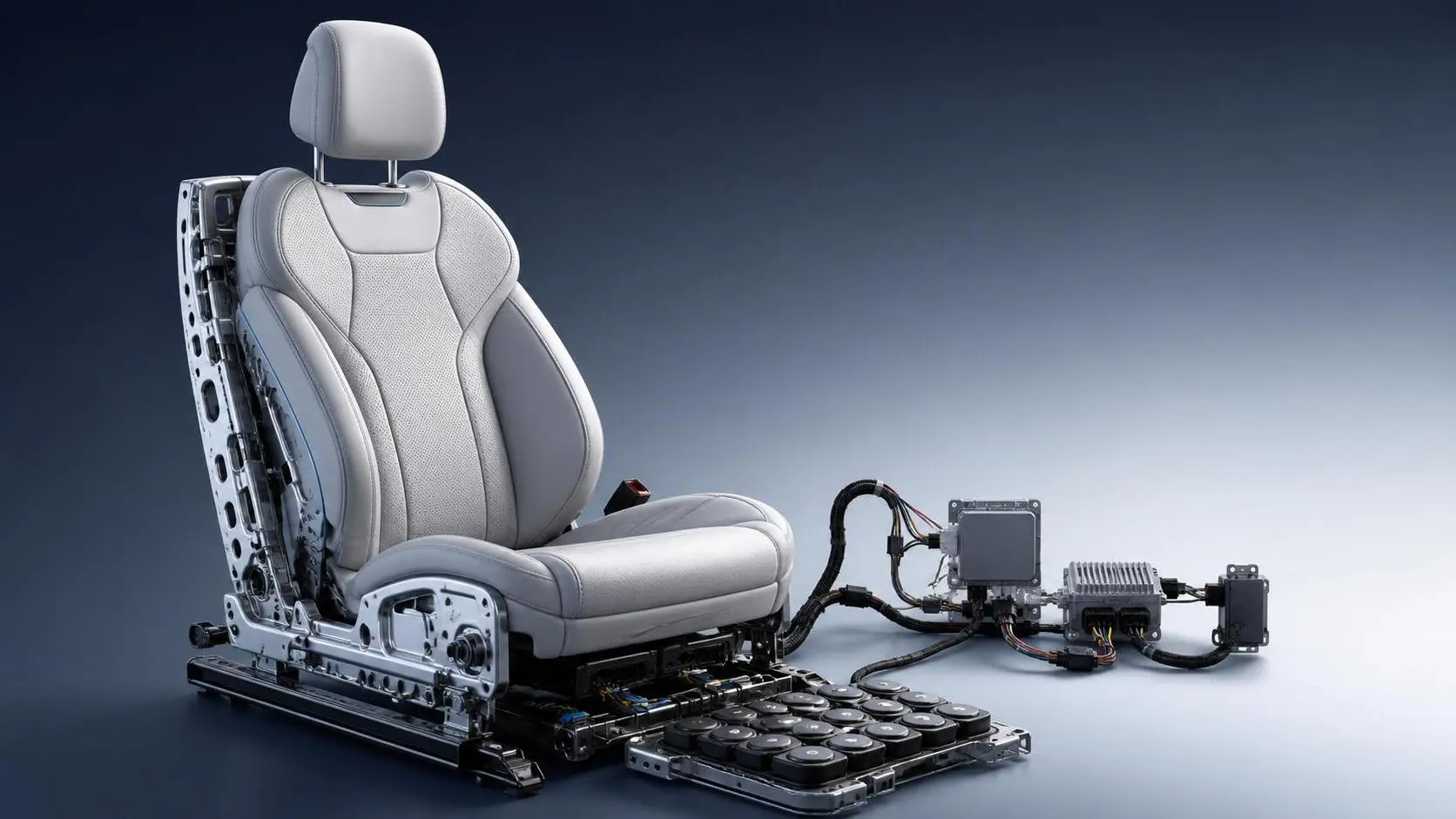
How to Evaluate Custom Smart Automotive Seating for Premium Vehicle Programs?
Custom smart automotive seating evaluation starts with safety, comfort, integration, and production readiness. Discover how premium vehicle teams choose smarter, lower-risk seat solutions.
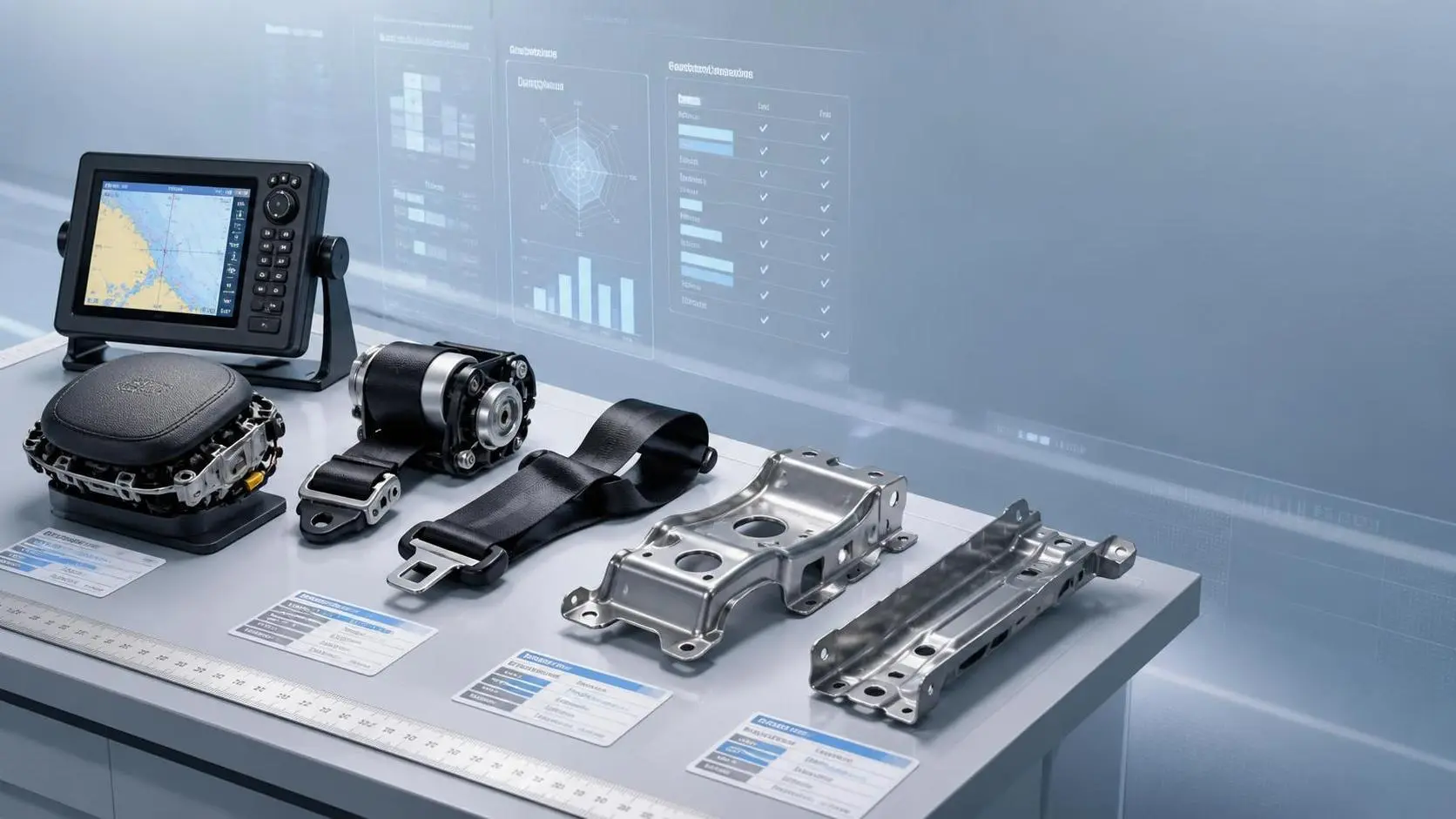
B2B Product Intelligence Platforms: How to Compare Features, Data Coverage, and ROI
B2B product intelligence platform comparison: learn how to evaluate data coverage, feature depth, compliance visibility, and ROI to choose a sourcing tool that reduces risk and speeds decisions.
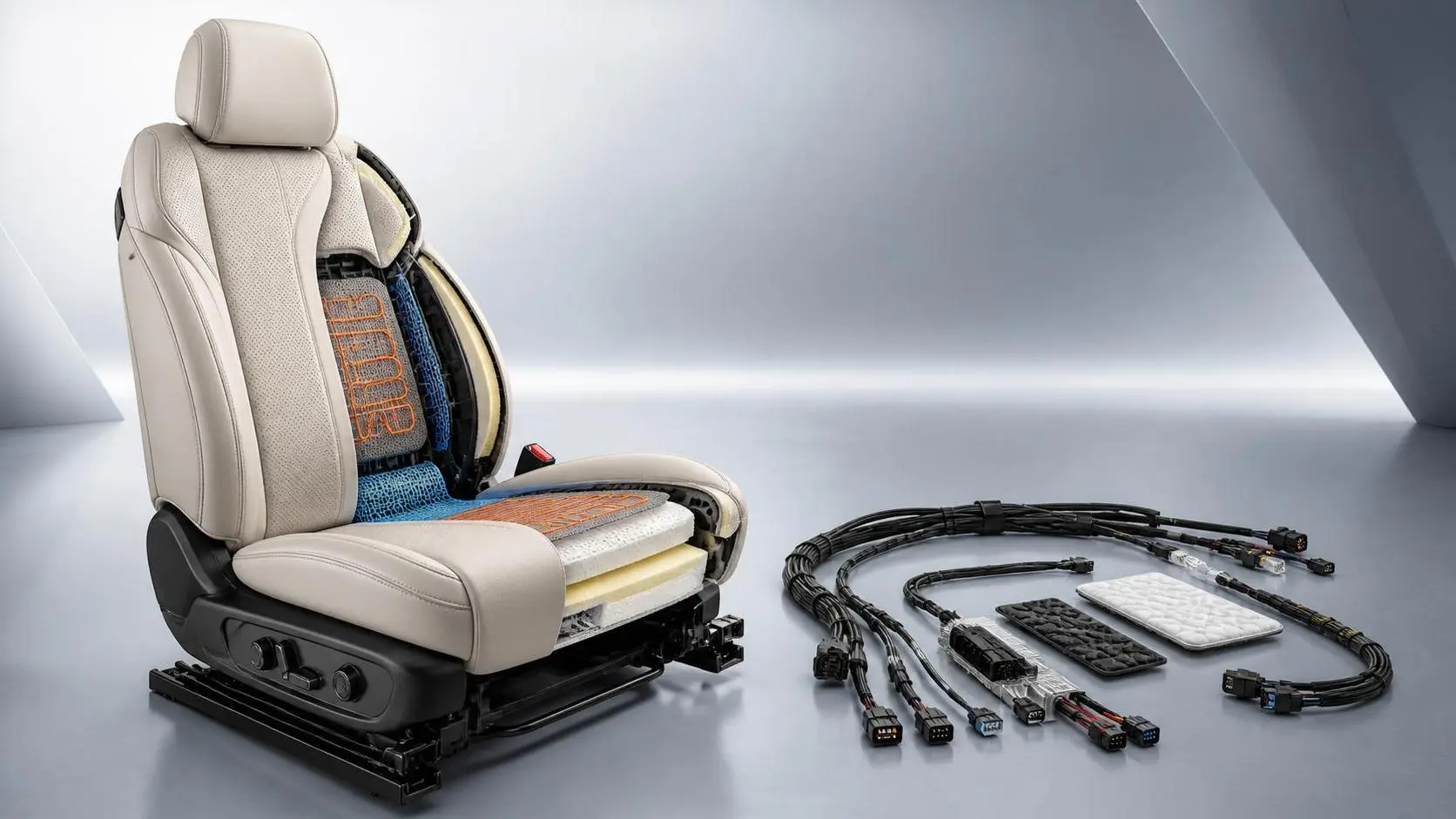
Climate Control Seats Cost: What Drives Price and Long-Term Ownership Value?
Climate control seats cost depends on materials, thermal tech, and integration. Learn what drives price and how to judge long-term value before you buy.
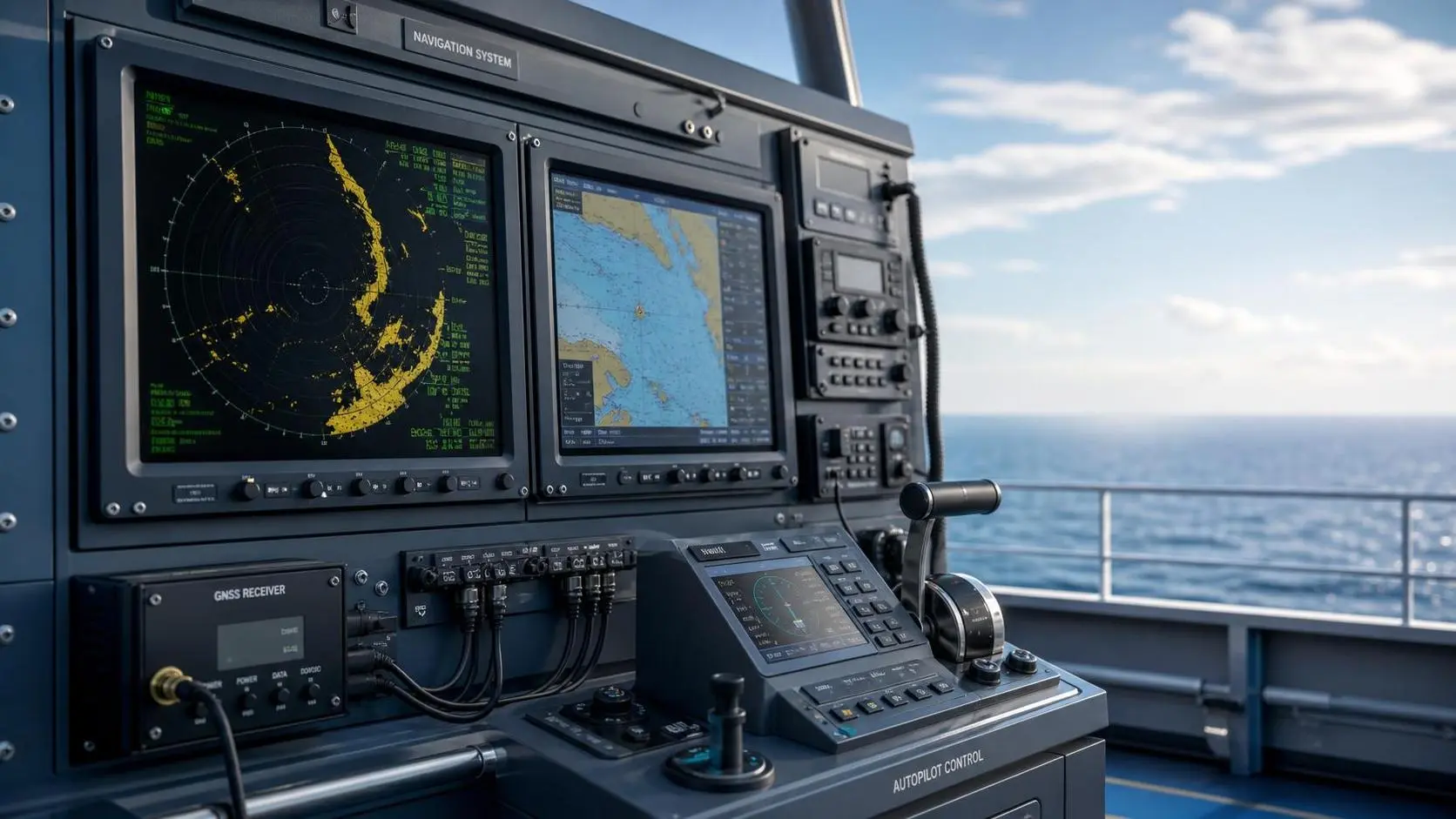
What Factors Drive Marine Navigation Components Cost in Commercial Vessel Projects?
Marine navigation components cost is shaped by integration, compliance, installation, and lifecycle support. Discover what drives pricing and how buyers can reduce risk while improving value.
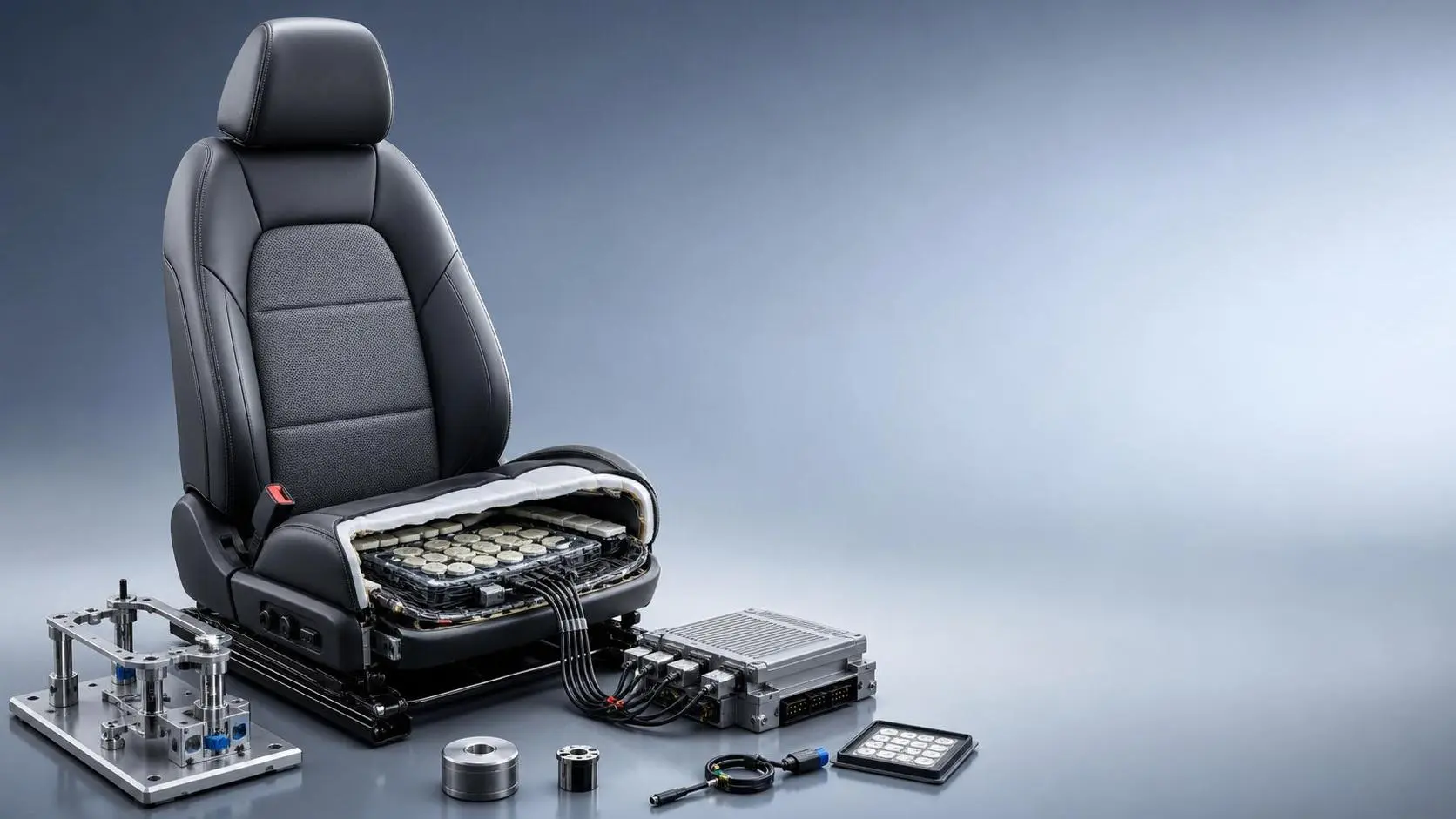
How Much Does Seat Occupancy Sensing Cost? Key Pricing Factors for Buyers
Seat occupancy sensing price varies widely by technology, integration, and compliance needs. Learn the key cost drivers, avoid hidden fees, and make smarter buying decisions.
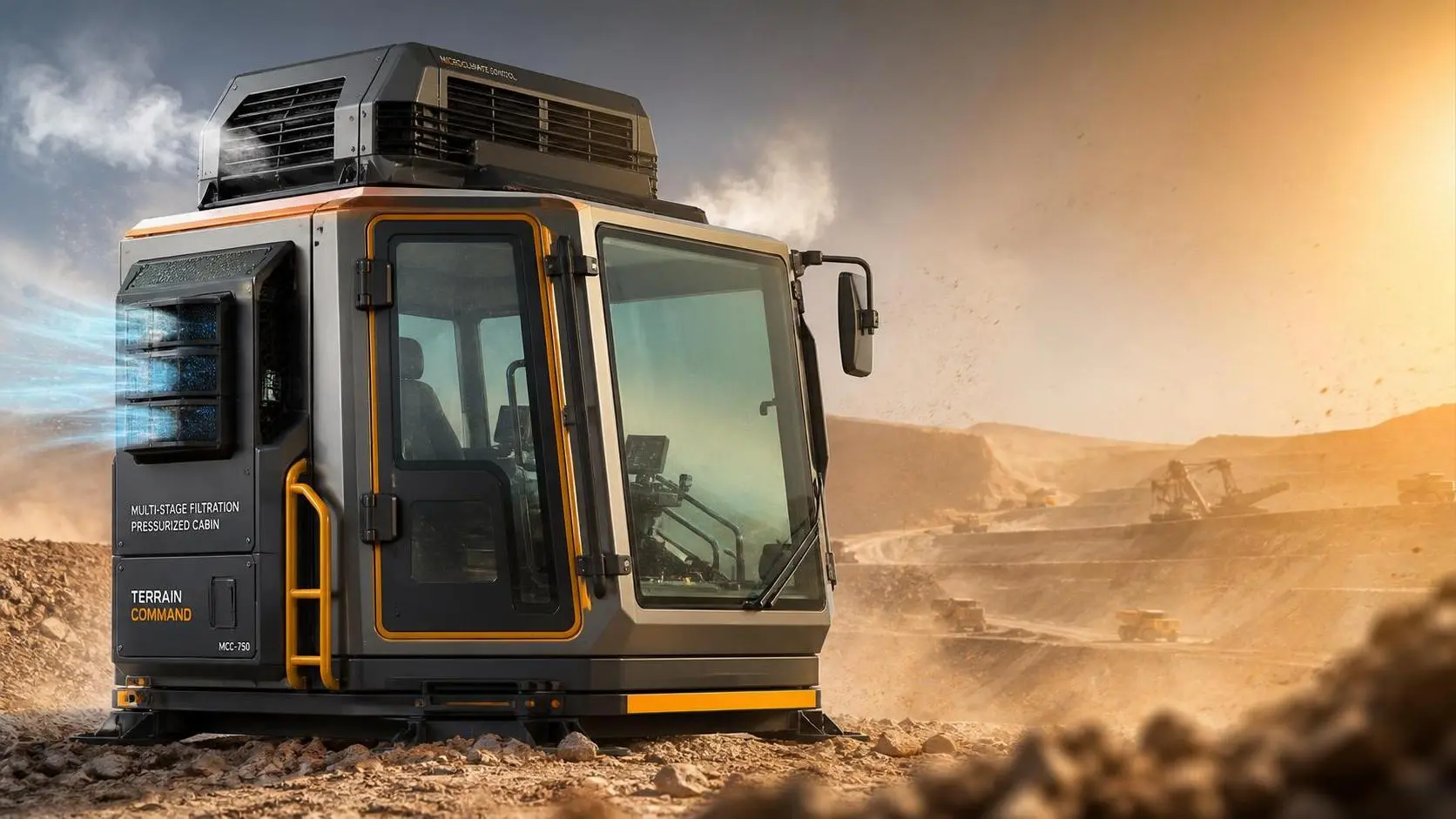
How to Specify Micro-Climate Control Cabins for Harsh Outdoor Worksites?
Micro-climate control cabins for harsh outdoor worksites: learn how to specify thermal control, filtration, pressurization, and durability for safer uptime and smarter buying.
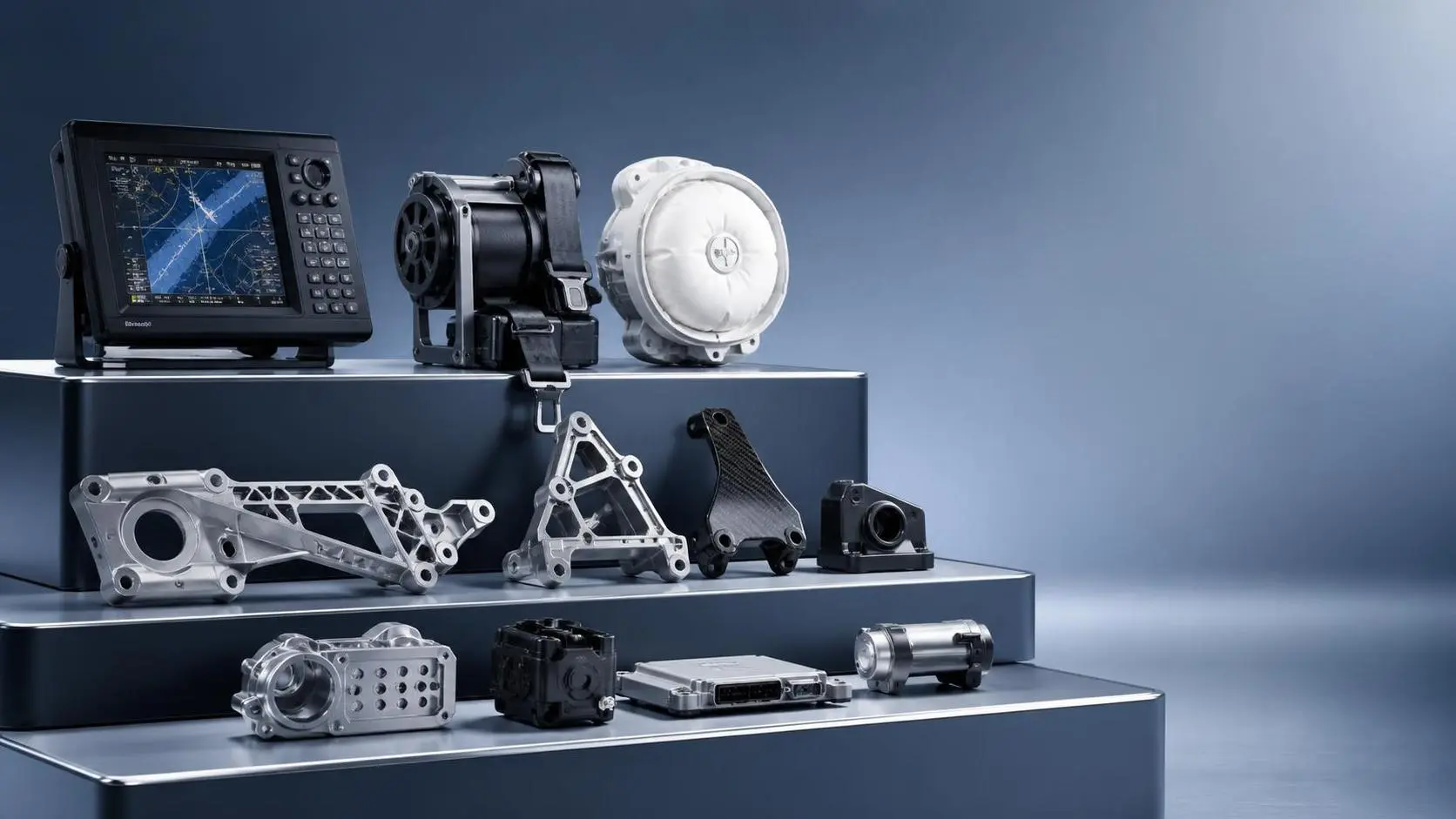
How to Evaluate a B2B Product Knowledge Platform for Faster Procurement Decisions
B2B product knowledge platform procurement starts with reducing decision risk. Learn how to compare specs, compliance, and supplier data to speed sourcing with confidence.
How to Evaluate an Occupant Restraint Systems Exporter for Quality, Compliance, and Supply Risk
Occupant restraint systems exporter evaluation guide: learn how to verify quality controls, compliance evidence, and supply risk before sourcing to avoid recalls, delays, and hidden costs.
Navigation Compliance Certification: Which Marine Systems Need It and How to Prepare?
Navigation compliance certification explained: discover which marine systems need approval, what documents matter, and how to prepare early to avoid delays, rework, and costly project risks.
Related News
- 00
0000-00
How to Evaluate Cargo Marine Sonar Systems for Detection Range and Vessel Fit - 00
0000-00
How to Evaluate Marine Signal Processing Software for Radar and Sonar Integration - 00
0000-00
How Do Automatic Identification Systems Improve Vessel Tracking and Collision Avoidance? - 00
0000-00
How to Choose Marine Navigation Systems for Patrol Boats in Coastal and Offshore Missions - 00
0000-00
Marine Electronics Systems Distributor Selection: 7 Checks Before You Compare Quotes
Weekly Insights
Stay ahead with our curated technology reports delivered every Monday.