
What automatic identification systems still get wrong
For technical evaluators, automatic identification systems remain essential but not infallible. They support vessel tracking, collision avoidance, traffic analysis, and compliance reporting across modern maritime operations.
Yet automatic identification systems still struggle with missing signals, inaccurate inputs, spoofing exposure, and weak integration with broader navigation data. These weaknesses affect safety, trust, and operational decisions.
Within the wider mobility equipment landscape, GNCS follows these issues as part of a larger intelligence mission. Reliable perception, whether at sea or inside the cabin, depends on data integrity, resilient sensing, and practical system validation.
Understanding what automatic identification systems are designed to do
Automatic identification systems are VHF-based maritime communication tools. They broadcast vessel identity, position, speed, course, and voyage-related information to nearby ships and shore stations.
In theory, automatic identification systems improve situational awareness in congested waters, narrow channels, offshore areas, and port approaches. They also support fleet visibility and post-event reconstruction.
However, automatic identification systems were never intended to replace radar, ECDIS, GNSS, sonar, bridge watchkeeping, or procedural judgment. Problems begin when users treat AIS as complete truth.
That gap between intended function and actual use explains many failures. The issue is not only technology quality, but also assumptions about accuracy, completeness, and interoperability.
Core data fields commonly relied upon
- MMSI and vessel identity
- Latitude and longitude
- Speed over ground and course over ground
- Heading, navigational status, and destination
- Time stamps and transmission intervals
Every one of these fields can be delayed, entered incorrectly, degraded, or manipulated. That reality must shape any serious assessment of navigation performance.
Current industry concerns surrounding automatic identification systems
The maritime sector increasingly depends on digital navigation layers. As a result, errors in automatic identification systems now have wider consequences than simple screen clutter.
Ports, insurers, offshore operators, traffic services, and analytics platforms all consume AIS-derived information. When data quality drops, many downstream decisions become less reliable.
For intelligence platforms like GNCS, this trend mirrors broader safety engineering. High-value systems fail not only through hardware weakness, but also through poor data stitching.
Where automatic identification systems still get things wrong
1. Signal gaps are still common
Automatic identification systems depend on transmission conditions, antenna placement, traffic density, and infrastructure quality. In busy or remote waters, message loss still occurs more often than expected.
A vessel may appear stable on one display while another system sees delayed updates. In fast-changing environments, even short lapses can distort collision-risk interpretation.
2. Human-entered fields remain error-prone
Many AIS fields are manually entered or infrequently updated. Wrong draft, destination, call sign, or navigational status still appears in real operations.
These are not cosmetic issues. Incorrect data can affect port planning, encounter assessment, and anomaly detection across traffic monitoring systems.
3. Position truth is not always position trust
Automatic identification systems often inherit location data from other onboard positioning sources. If GNSS input is degraded or manipulated, AIS may broadcast precise-looking but false information.
That is especially dangerous because polished digital outputs create confidence. Clear numbers on a bridge display can hide uncertain sensor foundations.
4. Spoofing and identity manipulation remain underestimated
Security discussions have made progress, but many evaluations still underweight spoofing risk. False identities, cloned MMSI values, and fabricated tracks can affect monitoring and incident interpretation.
Automatic identification systems were built for visibility, not strong authentication. That design legacy still matters in contested or commercially sensitive environments.
5. Integration logic often lags real operational needs
Some navigation stacks still display AIS, radar, and chart information side by side without robust conflict handling. Operators then resolve discrepancies mentally under time pressure.
Better human-machine design should identify confidence levels, source disagreement, and data age automatically. Many current implementations still fall short.
Why these weaknesses matter beyond the bridge
The business significance of automatic identification systems goes far beyond navigation screens. AIS data now supports compliance review, insurance analysis, route optimization, and incident reconstruction.
When low-quality AIS data enters enterprise systems, the result may be flawed benchmarking, disputed timelines, or weak evidence in safety investigations.
This is where GNCS sees a familiar pattern. Whether evaluating marine electronics or passive safety assemblies, dependable intelligence requires traceable inputs and disciplined validation logic.
- Safety: reduced confidence in encounter awareness
- Compliance: incomplete audit and reporting records
- Operations: weaker scheduling and traffic planning
- Commercial insight: distorted fleet behavior analytics
Typical scenarios where automatic identification systems need closer scrutiny
These scenarios show why automatic identification systems should be judged by performance under stress, not by nominal feature lists alone.
Practical evaluation points for next-generation navigation performance
A stronger assessment framework should focus on resilience, transparency, and integration quality. That means asking how automatic identification systems behave when data becomes uncertain.
Key evaluation criteria
- Measure latency, dropout rates, and target stability in dense traffic.
- Review how the interface marks stale, conflicting, or low-confidence AIS data.
- Check validation rules for static and voyage-related fields.
- Assess cyber hardening, anomaly detection, and spoofing response workflows.
- Confirm fusion logic with radar, ECDIS, GNSS, and alert management.
- Verify update procedures, maintenance traceability, and audit readiness.
The best automatic identification systems are not those promising perfect visibility. They are the ones that expose uncertainty early and support better decisions under pressure.
Actionable next steps for stronger AIS judgment
Start with a gap review of current automatic identification systems against real operating conditions. Compare nominal specifications with actual behavior in traffic density, weather disruption, and signal conflict.
Then examine how AIS data flows into navigation displays, reporting tools, and commercial analytics. Weaknesses often emerge at integration boundaries rather than inside one device.
Finally, align evaluation with broader safety intelligence practices. GNCS consistently finds that trustworthy mobility systems depend on disciplined cross-domain verification, not isolated technical claims.
Automatic identification systems remain indispensable. But they still get enough wrong that every serious navigation assessment should test accuracy, trust, and interoperability before accepting digital visibility at face value.
Related News

How to Evaluate Custom Smart Automotive Seating for Premium Vehicle Programs?
Custom smart automotive seating evaluation starts with safety, comfort, integration, and production readiness. Discover how premium vehicle teams choose smarter, lower-risk seat solutions.
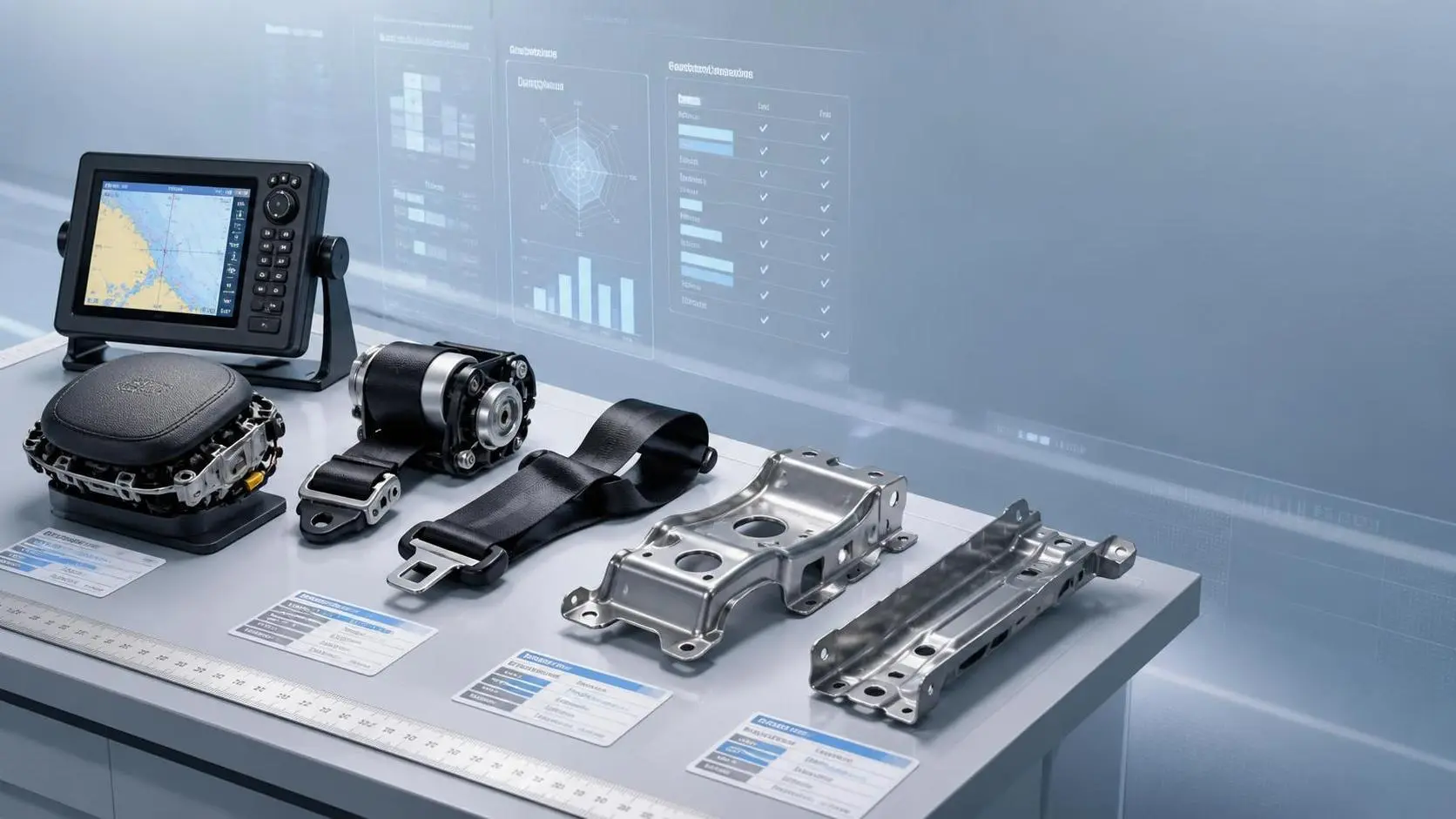
B2B Product Intelligence Platforms: How to Compare Features, Data Coverage, and ROI
B2B product intelligence platform comparison: learn how to evaluate data coverage, feature depth, compliance visibility, and ROI to choose a sourcing tool that reduces risk and speeds decisions.

Climate Control Seats Cost: What Drives Price and Long-Term Ownership Value?
Climate control seats cost depends on materials, thermal tech, and integration. Learn what drives price and how to judge long-term value before you buy.
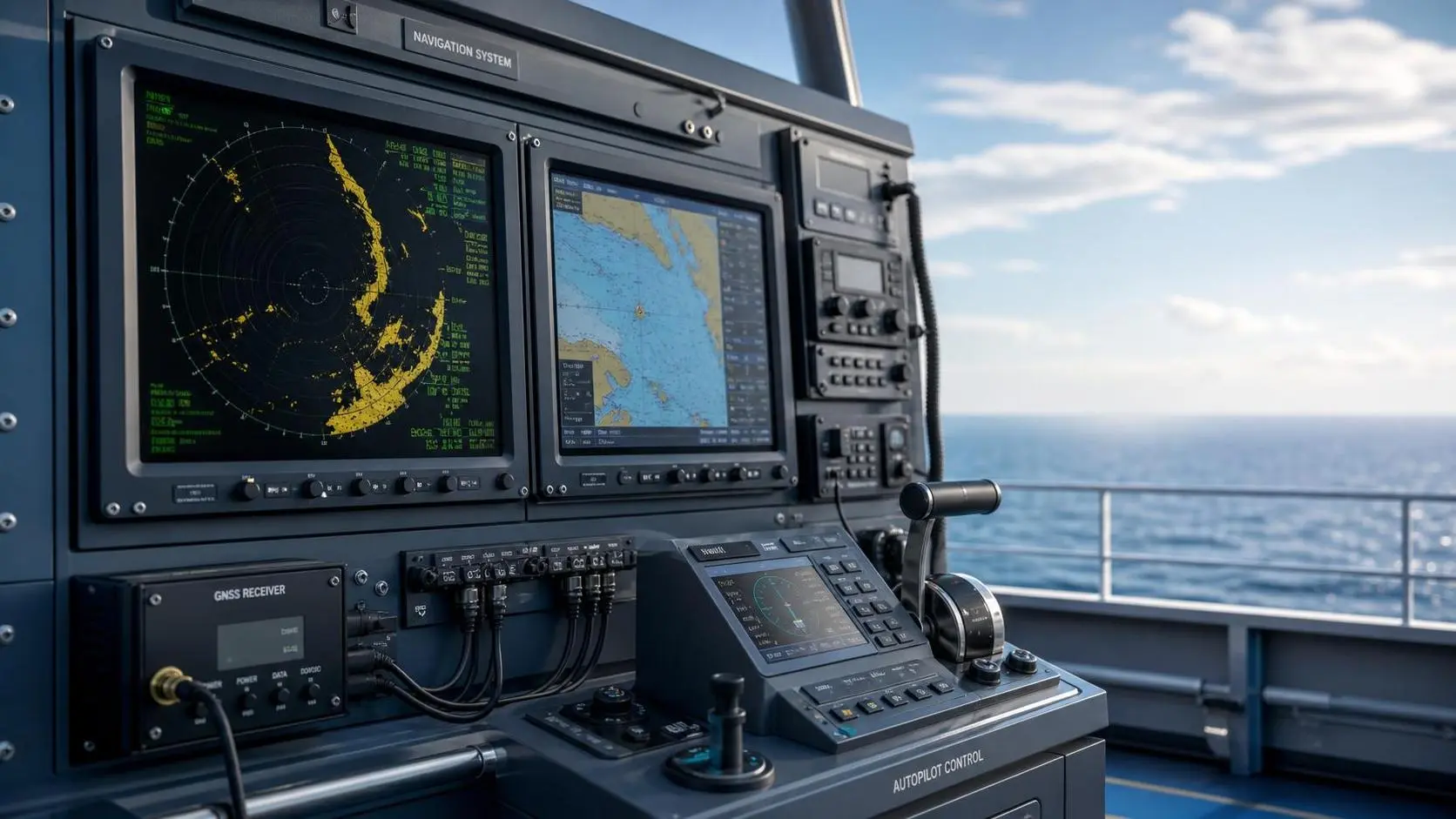
What Factors Drive Marine Navigation Components Cost in Commercial Vessel Projects?
Marine navigation components cost is shaped by integration, compliance, installation, and lifecycle support. Discover what drives pricing and how buyers can reduce risk while improving value.

How Much Does Seat Occupancy Sensing Cost? Key Pricing Factors for Buyers
Seat occupancy sensing price varies widely by technology, integration, and compliance needs. Learn the key cost drivers, avoid hidden fees, and make smarter buying decisions.

How to Specify Micro-Climate Control Cabins for Harsh Outdoor Worksites?
Micro-climate control cabins for harsh outdoor worksites: learn how to specify thermal control, filtration, pressurization, and durability for safer uptime and smarter buying.

How to Evaluate a B2B Product Knowledge Platform for Faster Procurement Decisions
B2B product knowledge platform procurement starts with reducing decision risk. Learn how to compare specs, compliance, and supplier data to speed sourcing with confidence.
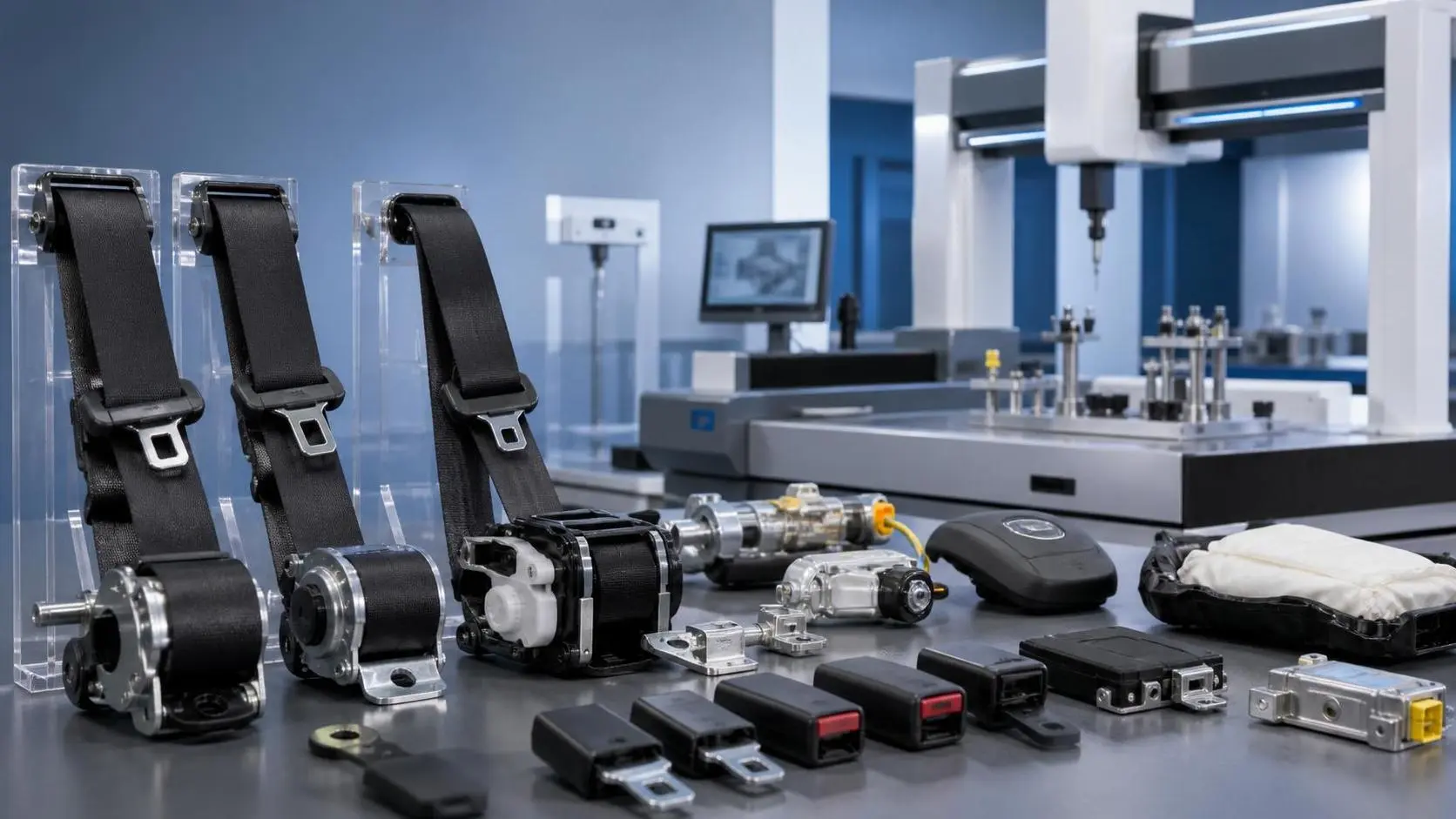
How to Evaluate an Occupant Restraint Systems Exporter for Quality, Compliance, and Supply Risk
Occupant restraint systems exporter evaluation guide: learn how to verify quality controls, compliance evidence, and supply risk before sourcing to avoid recalls, delays, and hidden costs.
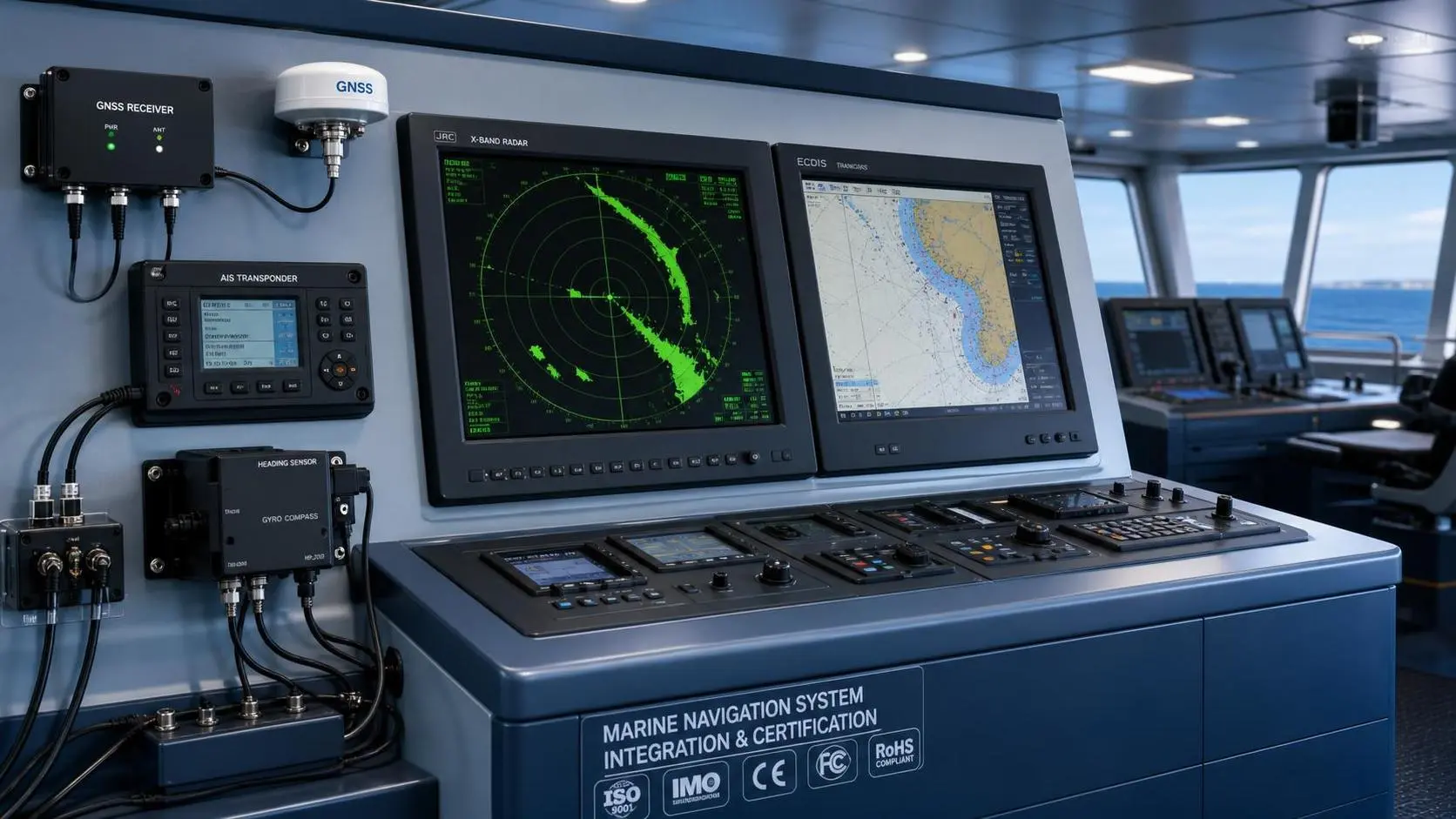
Navigation Compliance Certification: Which Marine Systems Need It and How to Prepare?
Navigation compliance certification explained: discover which marine systems need approval, what documents matter, and how to prepare early to avoid delays, rework, and costly project risks.
Related News
- 00
0000-00
How to Evaluate Cargo Marine Sonar Systems for Detection Range and Vessel Fit - 00
0000-00
How to Evaluate Marine Signal Processing Software for Radar and Sonar Integration - 00
0000-00
How Do Automatic Identification Systems Improve Vessel Tracking and Collision Avoidance? - 00
0000-00
How to Choose Marine Navigation Systems for Patrol Boats in Coastal and Offshore Missions - 00
0000-00
Marine Electronics Systems Distributor Selection: 7 Checks Before You Compare Quotes
Weekly Insights
Stay ahead with our curated technology reports delivered every Monday.