Sonar Technology Limits in Shallow Water Operations
In shallow water operations, sonar technology faces unique limits that can affect detection accuracy, navigation safety, and overall mission performance. For operators, understanding how bottom reflections, sediment, noise, and confined environments influence sonar readings is essential. This introduction explores the practical challenges of using sonar technology in nearshore and restricted waters, helping users make safer and more informed operational decisions.
For workboats, patrol craft, survey teams, pilot vessels, dredging support units, and port operators, these limits are not theoretical. In water depths below 50 meters—and often below 20 meters—the performance of sonar technology can change quickly over short distances. A system that works well offshore may produce unstable returns in estuaries, harbors, river mouths, and approach channels. That is why users need a practical framework for interpreting sonar behavior, selecting suitable operating settings, and reducing avoidable risk.
Within GNCS’s marine navigation focus, sonar technology sits at the intersection of perception accuracy, vessel safety, and operational decision-making. For frontline operators, the key question is not simply whether sonar can detect an object, but under what shallow-water conditions the signal remains trustworthy enough for navigation, avoidance, seabed inspection, or mission execution.
Why Shallow Water Challenges Sonar Performance
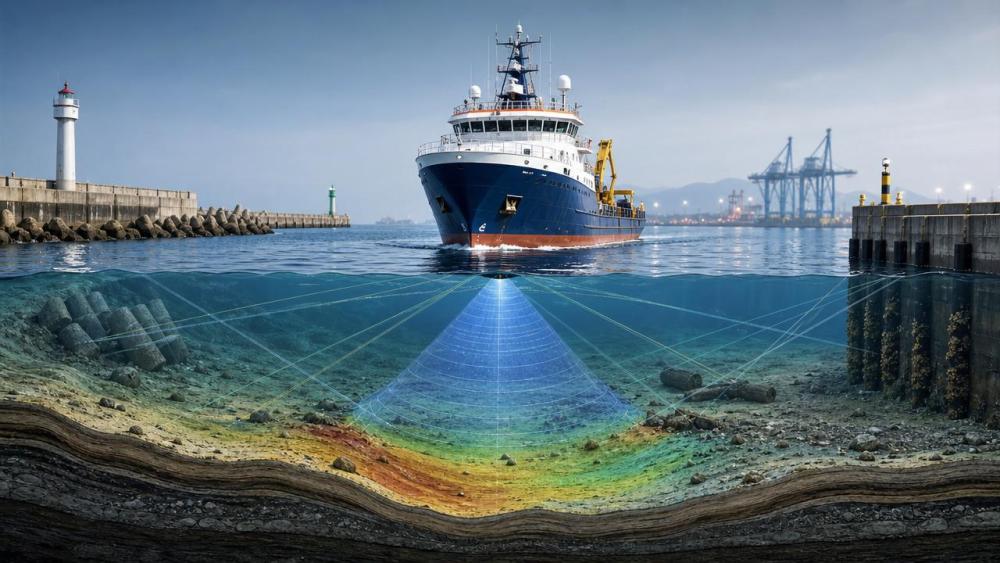
Shallow water compresses the acoustic environment. In deeper offshore zones, sound has more vertical space to travel before reflecting from the bottom. In contrast, in 5–30 meters of water, sonar pulses may bounce repeatedly between the seabed and surface within fractions of a second. This creates multipath interference, clutter, and false echoes that can mask small targets or distort bottom profiles.
Bottom Reflection and Multipath Effects
One of the main limits of sonar technology in shallow water is strong bottom reflection. Hard seabeds such as rock, compact sand, or concrete debris tend to reflect more acoustic energy than soft mud or silt. When the return from the seabed is stronger than the return from a target, operators may see blooming, shadow loss, or merged echo zones. In depths under 10 meters, this effect can become especially pronounced when using higher power settings without careful gain control.
Multipath is another major issue. A single target may generate several delayed echoes as the signal reflects off the surface and bottom. On the display, this can look like duplicate contacts, unstable range markers, or broadened target shapes. For navigation crews working in confined channels, even a 1–3 second delay in interpretation can matter when a vessel is moving at 6–12 knots near fixed structures.
Sediment, Turbidity, and Bubble Layers
Nearshore and dredged environments often contain suspended sediment, organic matter, and aerated water. These conditions scatter and absorb sound energy, reducing effective range. In practical terms, a sonar technology setup that detects a mid-sized object at 150 meters in relatively clear water may only provide reliable discrimination at 60–90 meters in highly turbid water.
Bubble layers are particularly disruptive. Propeller wash, breaking waves, and tidal turbulence introduce air into the upper water column, and air is a poor medium for transmitting acoustic energy compared with water. When bubbles accumulate beneath the transducer path, operators may experience intermittent signal dropouts, noisy screens, or weak returns during turns, acceleration, or station-keeping maneuvers.
Operational Signs of Sediment-Related Degradation
- Reduced target contrast within 50–100 meters
- Unstable bottom tracking over soft silt beds
- Frequent need to adjust gain, range, and pulse length
- Higher false alarm rates near dredging or heavy runoff zones
The table below summarizes the most common shallow-water interference sources and how they affect sonar technology in real operating environments.
For operators, the key conclusion is that sonar technology in shallow water is often limited more by environment than by nominal equipment specification. The display may show “activity,” but the practical question is whether that activity is interpretable enough for safe maneuvering or task execution.
Key Limits Operators Must Recognize in Daily Use
Understanding the limits of sonar technology becomes most valuable when linked directly to operating decisions. In nearshore missions, errors usually come from overconfidence in a single sensor feed, incorrect tuning, or poor awareness of environmental change over time. Even within a 30-minute transit, tide, traffic, and wake conditions may shift enough to alter sonar readability.
Limited Detection Range in Confined Water
Manufacturers may state broad performance ranges, but in shallow channels the usable detection range is often much shorter. A side-scan or forward-looking sonar may have a theoretical range exceeding 100 meters, yet the reliable decision range for obstacle avoidance can fall into the 20–60 meter band depending on vessel speed, seabed hardness, and traffic conditions. At 8 knots, a vessel covers roughly 4 meters per second, leaving limited time for human interpretation and maneuver response.
Reduced Target Separation Near the Bottom
Small objects close to the seabed are harder to resolve in shallow water. Lost gear, debris, short piles, and partially buried obstacles may blend into bottom returns. This is especially relevant for port maintenance, hydrographic verification, and workboat operations near dredged edges. If the sonar pulse length is too long or the gain is too high, closely spaced features may appear as one continuous shape rather than separate hazards.
Typical situations where misreading occurs
- Approaching berth structures at low speed with heavy prop wash
- Surveying soft-bottom areas after recent dredging
- Crossing under bridges with strong current and reflected noise
- Operating near breakwaters where wave aeration masks returns
- Following old charted channels where seabed contours have shifted
Acoustic Noise from Vessel and Harbor Activity
Not all sonar limitations come from the water itself. Engines, generators, hydraulic equipment, thrusters, and nearby vessels all add acoustic noise. In busy terminals, the combined noise floor can rise significantly, reducing signal clarity. Operators should be cautious when interpreting weak contacts during cargo movements, tug assistance, or dynamic positioning support, especially when the transducer location is close to machinery vibration paths.
A practical rule is that if image quality changes sharply with engine load, steering angle, or thruster use, part of the problem may be vessel-generated noise rather than seabed complexity. This distinction matters because no amount of screen interpretation will fix a noisy source path; only better installation, isolation, or operating procedure can improve repeatability.
How to Improve Sonar Technology Use in Shallow Water
While shallow water imposes real limits, operators can still improve outcomes through setup discipline, sensor cross-checking, and mission-specific operating rules. The goal is not to remove every uncertainty, but to reduce avoidable ambiguity and make sonar technology more actionable in constrained environments.
Adjust Settings for Water Depth and Bottom Type
Default settings are rarely ideal in restricted waters. In depths of 5–15 meters, shorter ranges, moderated gain, and careful filtering usually work better than maximum power. Operators should tune range scale to the decision zone rather than the maximum display capability. If the vessel only needs a safe reaction window of 30–50 meters, presenting a cleaner short-range image often adds more value than stretching the display to 150 meters with heavy clutter.
Bottom type also matters. Mud and silt may require higher sensitivity to maintain bottom lock, while hard ground may require gain reduction to prevent bloom. A good operating practice is to log settings against 3 variables: depth band, seabed type, and vessel speed. After several missions, this creates an internal reference library that helps crews standardize interpretation.
Cross-Verify with Other Navigation Inputs
Shallow-water sonar should not be treated as a stand-alone decision tool. Cross-checking with ECDIS, radar, AIS, depth sounder trends, and visual lookout improves confidence. In many operations, the safest model is a 3-layer verification approach: charted information for route expectation, real-time depth data for under-keel awareness, and sonar technology for forward or lateral anomaly detection.
Recommended operator workflow
- Step 1: Confirm mission depth profile and charted hazards before entry
- Step 2: Set sonar range and gain for the first 20–60 meters of concern
- Step 3: Compare suspicious contacts with speed, heading, and depth trend
- Step 4: Recheck after turns, throttle changes, or wake disturbances
- Step 5: Record recurring blind zones for future route planning
The following table outlines practical operating measures that can improve sonar technology reliability in shallow environments without relying on unrealistic performance expectations.
These measures do not make shallow water simple, but they can noticeably improve decision quality. In many cases, better setup discipline delivers more benefit than chasing higher advertised power or broader nominal range.
Selection and Procurement Considerations for Operators and Buyers
For B2B users evaluating sonar technology, equipment selection should begin with mission profile rather than brochure range. Harbor pilots, small patrol fleets, dredging contractors, and survey operators often need different performance priorities. A buyer focused on 8-meter river operations should not evaluate systems using the same logic as an offshore support vessel working in 80 meters of water.
Four Evaluation Dimensions That Matter
A practical procurement review should assess at least 4 dimensions: usable range in shallow water, clarity near the bottom, integration with existing navigation systems, and supportability after installation. Buyers should also ask for demonstration conditions that resemble their actual environment, such as 10–25 meters depth, mixed sediment, vessel motion, and harbor noise rather than ideal open-water trials.
What users should ask suppliers
- What is the realistic decision range in 5–20 meters of water?
- How does the system perform over mud, sand, and rock transitions?
- What installation conditions are required to limit bubble and vibration interference?
- Can the interface integrate with bridge displays or logging systems?
- What commissioning, training, and recalibration support is available within 2–4 weeks of delivery?
Training and Maintenance Are Part of Performance
Even a capable sonar technology platform can underperform if training is too short or maintenance is inconsistent. Operators benefit most when commissioning includes scenario-based instruction rather than only basic menu familiarization. A structured program may include 3 modules: installation acceptance, live shallow-water tuning, and fault recognition during real vessel maneuvers. Refresher sessions every 6–12 months are also useful where crews rotate frequently.
Maintenance should cover transducer cleanliness, cable integrity, mounting inspection, and software review. In silty or high-growth waters, inspection intervals may need to be shortened to every 30–60 days. This is especially important for workboats that operate at variable trim angles or in debris-prone waterways, where fouling and minor impact damage can gradually reduce signal quality without immediate failure alarms.
Common Procurement Mistakes
A frequent mistake is purchasing based on top-line specification alone. Another is ignoring installation geometry, which can be as important as the sonar head itself. Buyers should also avoid assuming that one sonar technology setup will cover pilotage, obstacle avoidance, bathymetric detail, and inspection equally well. In some operations, a combined sensor strategy delivers better value than a single “do everything” expectation.
At GNCS, the broader lesson aligns with precision perception: sensor intelligence only creates safety value when matched to the real operating envelope. For marine teams working in restricted waters, practical reliability, stable interpretation, and integration discipline matter more than headline claims.
Shallow water will continue to test sonar technology through bottom bounce, sediment loading, bubble interference, and confined-space reverberation. Operators who understand these limits can tune systems more effectively, reduce false confidence, and make safer route, speed, and maneuver decisions. Buyers who evaluate shallow-water usability, training requirements, and installation quality will also make stronger long-term procurement choices.
If your team is reviewing sonar technology for harbor navigation, workboat operations, survey support, or restricted-water safety upgrades, GNCS can help you compare solution paths, assess practical operating fit, and identify integration priorities. Contact us to get a tailored recommendation, discuss product details, or explore more marine navigation solutions built around real-world perception demands.
Related News
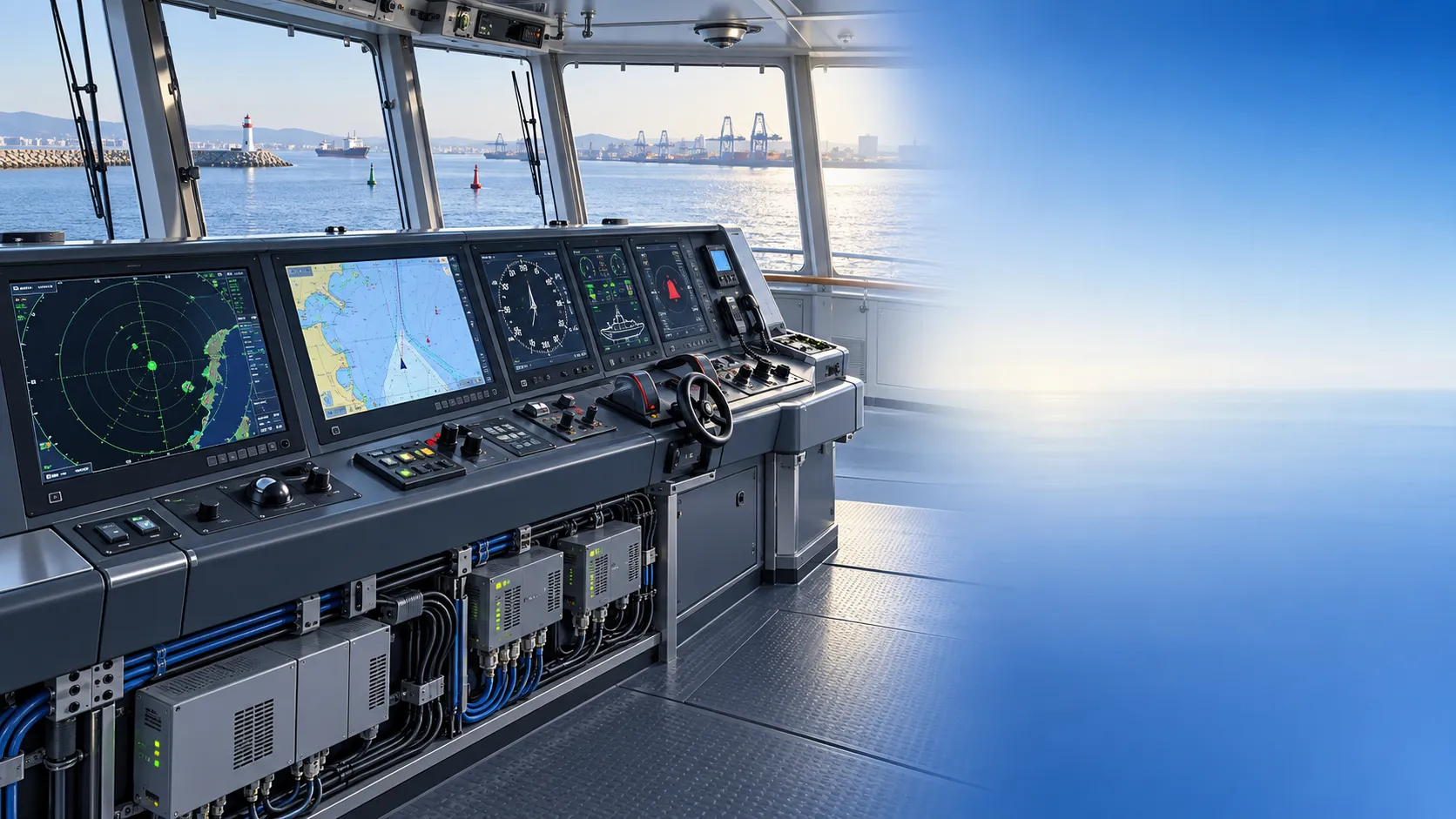
How to Specify Integrated Marine Electronics for Reliable Bridge Operations
Integrated marine electronics: learn how to specify reliable bridge systems with clear data flows, redundancy, alarm control, lifecycle interfaces, and operational testing.
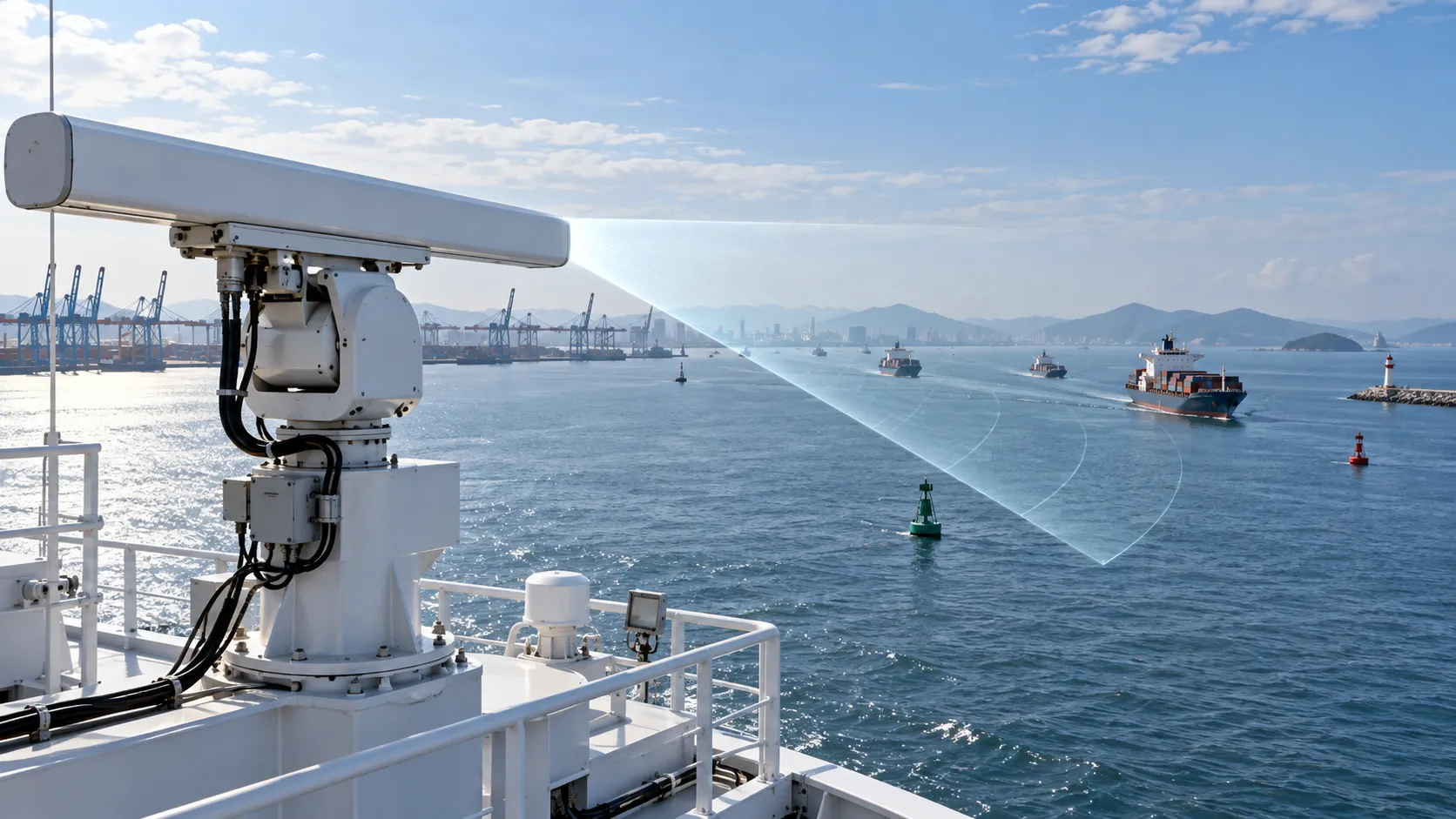
How to Evaluate Navigation Radar Manufacturers for Commercial Vessel Projects
Navigation radar manufacturers: learn how to compare performance, compliance, integration, support, and lifecycle cost for commercial vessel projects.

How Adjustable Cabin Ergonomics Reduce Operator Fatigue in Long-Shift Vehicles
Adjustable cabin ergonomics reduces operator fatigue through better seating, reach, visibility, vibration control, and climate comfort for safer long-shift vehicles.

How Rear-Impact Safety Components Work Together to Protect Vehicle Occupants
Explore how automotive safety components for rear impact work together—from crash structures and seats to head restraints and belts—to enhance occupant protection.
How to Evaluate a Marine Safety Systems Manufacturer for Vessel Compliance and Reliability
Marine safety systems manufacturer evaluation guide: verify compliance, engineering quality, lifecycle costs, and global service support for safer, reliable vessel operations.

Crash Test Regulations for Seatbelts: Key Compliance Requirements Explained
Crash test regulations seatbelts explained: explore FMVSS, UN rules, anchorage strength, and dynamic restraint testing for safer, compliant vehicle systems.

How to Calculate the Total Cost of Automotive Lightweighting for a Vehicle Program
Automotive lightweight solutions cost: learn how to calculate program-level costs, including materials, tooling, joining, validation, risk, and vehicle-level value.

How Automotive Seat Occupancy Sensing Improves Airbag Deployment Decisions
Automotive seat occupancy sensing helps optimize airbag deployment decisions, improving passenger classification, safety diagnostics, and compliance across real-world conditions.

What Drives Lightweight Body Component Costs in High-Volume Vehicle Programs?
Lightweight body components cost depends on material yield, forming, joining, tooling, validation, and logistics. Explore proven ways to optimize total vehicle program cost.
Related News
- 00
0000-00
How to Evaluate Navigation Radar Manufacturers for Commercial Vessel Projects - 00
0000-00
How to Evaluate Cargo Marine Sonar Systems for Detection Range and Vessel Fit - 00
0000-00
How to Evaluate Marine Signal Processing Software for Radar and Sonar Integration - 00
0000-00
How Do Automatic Identification Systems Improve Vessel Tracking and Collision Avoidance? - 00
0000-00
How to Choose Marine Navigation Systems for Patrol Boats in Coastal and Offshore Missions
Weekly Insights
Stay ahead with our curated technology reports delivered every Monday.