Navigation Radar Selection: Range, Clutter Control, and Failure Risks
For procurement teams, choosing the right navigation radar is not only about headline range. In real operations, radar value is shaped by vessel speed, traffic density, weather exposure, shoreline complexity, and the cost of downtime when equipment fails at the wrong moment. A short-range set with strong clutter suppression may outperform a longer-range unit in crowded coastal lanes, while an offshore vessel may prioritize stable long-distance target tracking and high reliability under salt, vibration, and continuous duty. This guide explains how navigation radar selection changes by scenario, where false echoes and rain clutter become operational risks, and how to judge failure exposure before making a long-term purchasing decision.
When vessel environment changes, navigation radar priorities change with it
A useful navigation radar decision begins with context, not with brochure specifications. Range, pulse behavior, antenna performance, and signal processing all interact with the operating scene. Open-sea vessels often need earlier target awareness, wider weather monitoring, and stable returns over a moving sea surface. By contrast, harbor craft, service boats, and short-route workboats typically face dense clutter, fast target crossing, quay walls, buoys, and strong interference from surrounding structures.
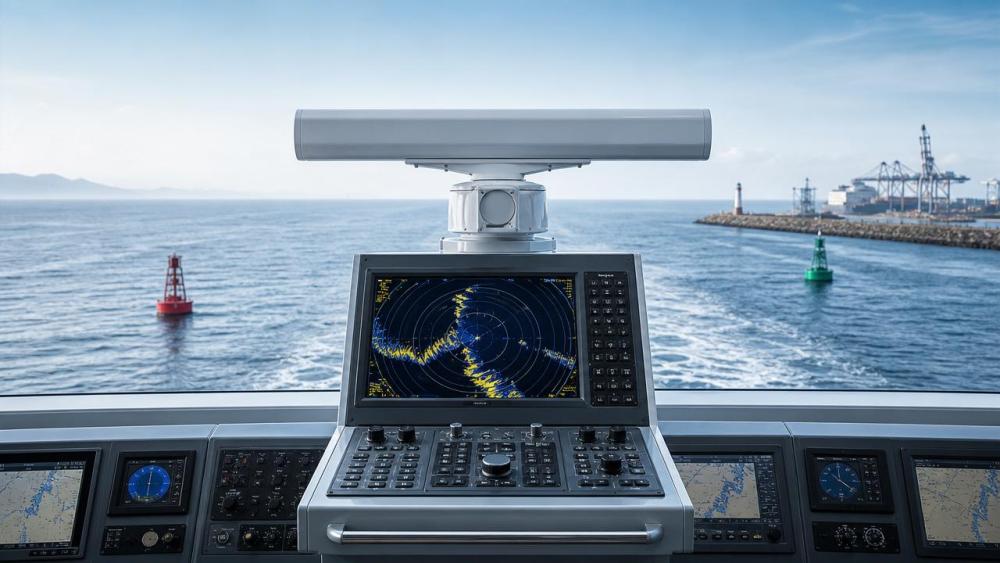
This is why the same navigation radar may be excellent in one deployment and frustrating in another. Selection should therefore compare three linked factors: effective detection range in real sea states, clutter control in complex backgrounds, and failure risks across installation, maintenance, and compliance life. Looking at only nominal range often leads to overbuying power but underbuying usability.
In offshore routes, long-range navigation radar matters only if tracking stays stable
Deep-water transit and open-sea watchkeeping
For blue-water transit, the main role of navigation radar is early awareness. Operators need enough range to detect larger vessels, landmass contours, and changing weather cells with time to adjust course. In this scenario, long-range output is useful, but stability matters more than peak specification. Heavy sea clutter, antenna motion, and long hours of continuous operation can reduce practical visibility if the signal processor cannot keep small but relevant echoes separated from background noise.
A better fit for offshore use often includes strong automatic tuning, dependable target tracking, and robust performance in rain bands. The radar should also maintain accuracy when salt fog, wind-driven spray, and vessel vibration are persistent. If a long-range navigation radar loses consistency in rough weather, the theoretical extra miles provide limited operational value.
In coastal and harbor traffic, clutter suppression can outweigh maximum range
Crowded approaches, fishing zones, and port maneuvering
Near shore, the challenge changes. A navigation radar must distinguish real hazards from shoreline reflections, cranes, waves, small craft, buoys, and moving harbor structures. Excessive echoes can overload the display and slow safe decisions. Here, fast refresh, clear close-range definition, and effective sea and rain clutter controls may produce more value than extreme distance coverage.
False echoes are especially important in port environments. Multipath reflections from steel infrastructure or nearby vessels can create misleading targets. If the navigation radar software does not handle these well, users may waste time checking phantom contacts or, worse, ignore alerts after repeated nuisance alarms. This becomes a safety and training issue, not only a hardware issue.
On smaller commercial vessels, space, power load, and maintenance simplicity shape radar fit
Workboats, patrol craft, service vessels, and regional transport
Smaller vessels often operate with tighter bridge space, limited electrical margins, and shorter maintenance windows. In these conditions, the best navigation radar is not necessarily the most powerful unit, but the one that balances acceptable range with manageable installation demands. Antenna size, weight, cable routing, and display integration can all affect total lifecycle cost.
Reliability becomes even more critical when onboard technical support is limited. A compact navigation radar with strong self-diagnostics, clear fault reporting, and easier spare-part availability may reduce total risk more effectively than a higher-spec model with difficult service requirements. This is particularly relevant where route continuity and compliance inspections leave little room for unexpected failures.
Different operating scenes create different navigation radar requirements
The table below shows how navigation radar priorities shift by application environment.
How to judge clutter control and false-echo risk before purchase
Clutter control is one of the most undervalued parts of navigation radar selection. Sea clutter can mask small targets in rough conditions. Rain clutter can obscure real traffic within weather cells. Shore reflections can cause broad bright areas that hide movement. A capable system should demonstrate how it suppresses these without erasing weak but important contacts.
- Ask for performance evidence in heavy rain, choppy water, and shoreline proximity, not only in calm test conditions.
- Check whether automatic clutter adjustment is smooth or whether it requires constant manual correction.
- Review target separation at short and medium ranges, especially where small craft operate near larger structures.
- Confirm how nuisance alarms and ghost targets are identified, filtered, and logged.
A navigation radar that performs well in these tests often delivers better operational trust than one that advertises higher output but produces more visual noise in practical use.
Failure risks often come from lifecycle gaps, not only from hardware defects
The risk profile of navigation radar equipment extends beyond transmitter or antenna failure. Real-world problems often start with poor installation geometry, cable degradation, display compatibility issues, software update gaps, corrosion around exposed connections, or delayed spare-part support. These can affect safety, compliance readiness, and vessel availability.
For long-term value, evaluation should include the following failure dimensions:
- Environmental failure risk: salt ingress, vibration fatigue, heat cycling, and water intrusion.
- Operational failure risk: clutter settings that drift, degraded tracking under rain, unstable target presentation.
- Support failure risk: slow diagnostics, poor documentation, limited regional service response.
- Compliance failure risk: outdated software, weak integration with bridge systems, incomplete maintenance records.
A lower initial price can become expensive if the navigation radar creates recurring service visits or causes downtime during inspection and route-critical periods.
Practical scene-based recommendations for better navigation radar fit
- For offshore routes, prioritize stable long-range performance, weather penetration, and durable continuous-duty construction.
- For coastal traffic, choose navigation radar systems with strong target separation and adaptable clutter suppression across mixed backgrounds.
- For harbor operations, focus on close-range clarity, fast screen updates, and low false-echo behavior.
- For smaller vessels, evaluate installation footprint, power demand, maintenance simplicity, and spare-part access as seriously as range.
- In all cases, request scenario-based demonstrations using weather, traffic, and coastline conditions close to the intended deployment profile.
Common judgment errors that weaken navigation radar purchasing value
Several mistakes repeatedly reduce the real value of a navigation radar investment. One is assuming that longer range always means better safety. Another is ignoring clutter performance until after commissioning. A third is evaluating the unit without considering the vessel’s electrical environment, mounting position, or integration with existing navigation architecture.
It is also common to underestimate service risk. Even high-end navigation radar equipment can become a weak link if software support is inconsistent or if regional maintenance response is slow. The most resilient choice is usually the one that fits the operating scene, maintains clear target presentation under stress, and remains supportable over years of use.
Next-step actions for selecting navigation radar with lower risk
A strong selection process starts with a simple operating matrix: route type, average visibility challenges, traffic density, vessel size, bridge integration needs, and acceptable downtime exposure. From there, compare each navigation radar option against real scenarios rather than generic claims. Request evidence of clutter control, ask how failures are diagnosed, and review lifecycle support commitments with the same rigor used for technical specifications.
For organizations tracking marine navigation technology, GNCS highlights a broader lesson across safety-critical equipment: performance claims matter, but scene fit, reliability behavior, and lifecycle intelligence matter more. The right navigation radar is the one that delivers usable awareness in the environment where decisions are hardest, while minimizing long-term operational and compliance risk.
Related News
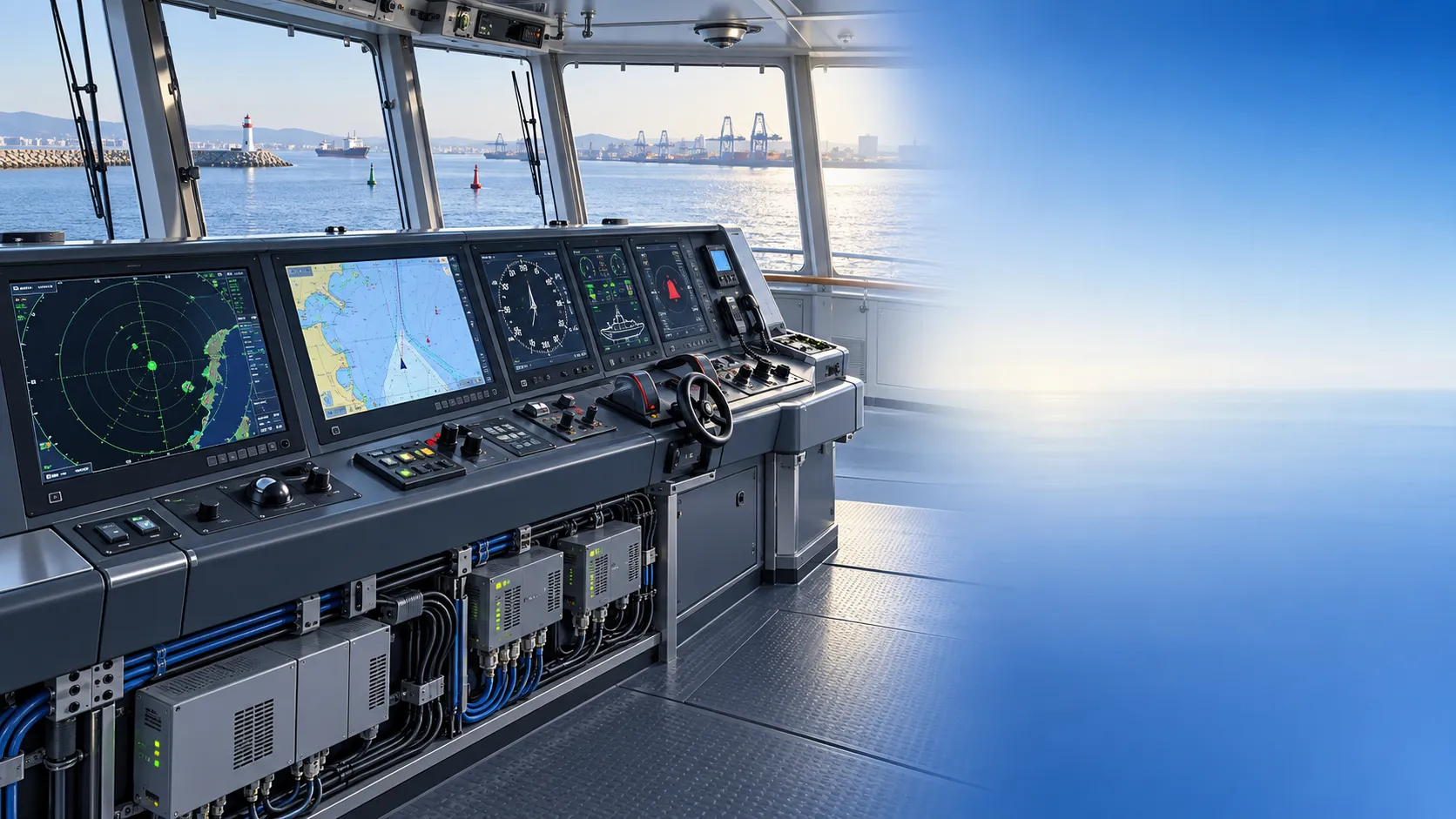
How to Specify Integrated Marine Electronics for Reliable Bridge Operations
Integrated marine electronics: learn how to specify reliable bridge systems with clear data flows, redundancy, alarm control, lifecycle interfaces, and operational testing.
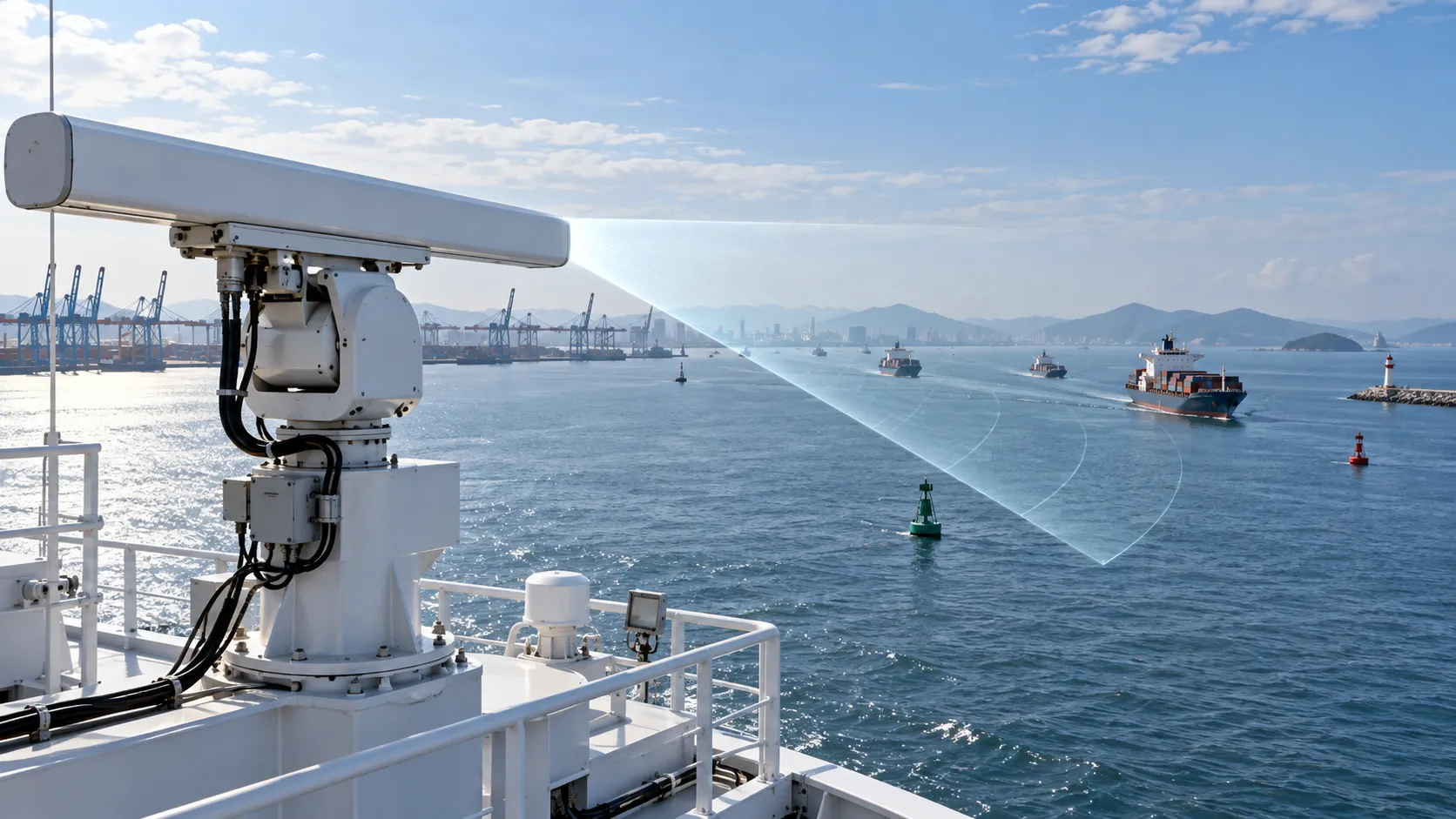
How to Evaluate Navigation Radar Manufacturers for Commercial Vessel Projects
Navigation radar manufacturers: learn how to compare performance, compliance, integration, support, and lifecycle cost for commercial vessel projects.

How Adjustable Cabin Ergonomics Reduce Operator Fatigue in Long-Shift Vehicles
Adjustable cabin ergonomics reduces operator fatigue through better seating, reach, visibility, vibration control, and climate comfort for safer long-shift vehicles.

How Rear-Impact Safety Components Work Together to Protect Vehicle Occupants
Explore how automotive safety components for rear impact work together—from crash structures and seats to head restraints and belts—to enhance occupant protection.
How to Evaluate a Marine Safety Systems Manufacturer for Vessel Compliance and Reliability
Marine safety systems manufacturer evaluation guide: verify compliance, engineering quality, lifecycle costs, and global service support for safer, reliable vessel operations.
Crash Test Regulations for Seatbelts: Key Compliance Requirements Explained
Crash test regulations seatbelts explained: explore FMVSS, UN rules, anchorage strength, and dynamic restraint testing for safer, compliant vehicle systems.

How to Calculate the Total Cost of Automotive Lightweighting for a Vehicle Program
Automotive lightweight solutions cost: learn how to calculate program-level costs, including materials, tooling, joining, validation, risk, and vehicle-level value.

How Automotive Seat Occupancy Sensing Improves Airbag Deployment Decisions
Automotive seat occupancy sensing helps optimize airbag deployment decisions, improving passenger classification, safety diagnostics, and compliance across real-world conditions.

What Drives Lightweight Body Component Costs in High-Volume Vehicle Programs?
Lightweight body components cost depends on material yield, forming, joining, tooling, validation, and logistics. Explore proven ways to optimize total vehicle program cost.
Related News
- 00
0000-00
How to Evaluate Navigation Radar Manufacturers for Commercial Vessel Projects - 00
0000-00
How to Evaluate Cargo Marine Sonar Systems for Detection Range and Vessel Fit - 00
0000-00
How to Evaluate Marine Signal Processing Software for Radar and Sonar Integration - 00
0000-00
How Do Automatic Identification Systems Improve Vessel Tracking and Collision Avoidance? - 00
0000-00
How to Choose Marine Navigation Systems for Patrol Boats in Coastal and Offshore Missions
Weekly Insights
Stay ahead with our curated technology reports delivered every Monday.