
Navigation Radar Upgrades: When Legacy Systems Become a Liability
Aging navigation radar systems can quietly shift from trusted assets to operational liabilities, exposing fleets to compliance gaps, higher maintenance costs, and reduced situational awareness. For enterprise decision-makers, knowing when to upgrade is no longer a technical detail but a strategic choice that affects safety, uptime, and long-term competitiveness in an increasingly data-driven maritime environment.
Why legacy navigation radar becomes a business risk before it becomes a technical failure
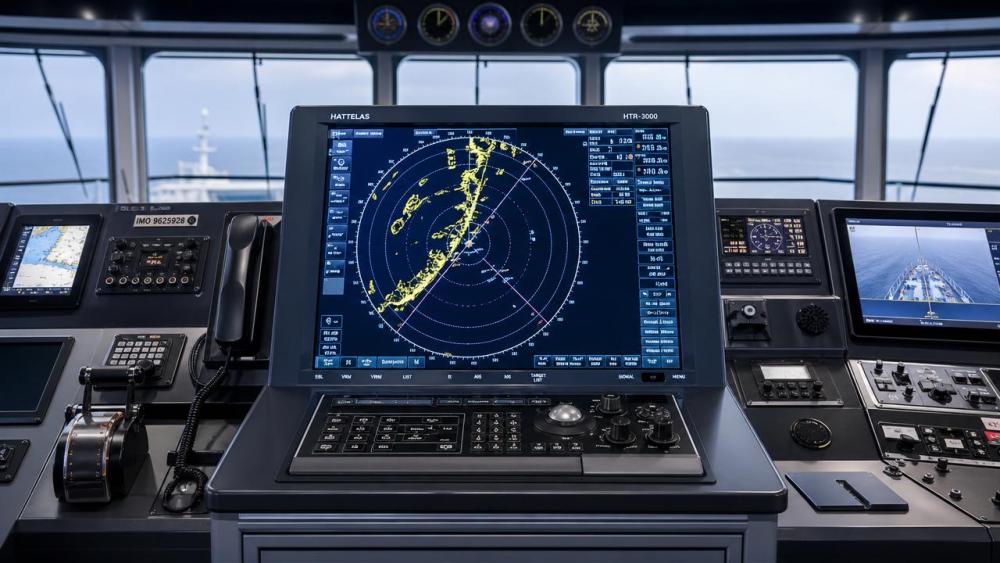
For many operators, a legacy navigation radar does not fail all at once. It degrades gradually. Detection quality becomes less consistent in sea clutter, spare parts take longer to source, integration with bridge systems becomes limited, and software support weakens. By the time the issue is visible to finance or executive leadership, the vessel may already be carrying hidden operational risk.
This matters because navigation radar is no longer an isolated bridge device. In modern fleet operations, it interacts with ECDIS workflows, AIS inputs, alarm management, maintenance planning, and increasingly with digital reporting expectations. A radar that still powers on is not necessarily a radar that still supports competitive operations.
The liability usually appears in four layers
- Safety exposure: weaker target discrimination, slower processing, and degraded performance in congested waterways or poor weather can reduce bridge confidence at exactly the wrong moment.
- Compliance pressure: older systems may remain operational but may not align well with updated flag, class, or interface expectations tied to broader bridge modernization.
- Cost escalation: maintenance moves from preventive to reactive, and the cost per operating year rises as OEM support, trained technicians, and replacement modules become harder to secure.
- Data isolation: legacy navigation radar often limits digital integration, reducing the value of fleet intelligence, incident review, and long-term operational optimization.
At GNCS, this is where intelligence matters. Our marine navigation focus is built on understanding not only electromagnetic signal performance, but also how technical obsolescence translates into procurement risk, compliance exposure, and strategic delay for fleet owners, ship managers, and marine equipment decision-makers.
What signals indicate it is time to upgrade your navigation radar
Decision-makers rarely need a single dramatic failure to justify a navigation radar upgrade. In practice, the strongest case comes from a combination of technical, financial, and operational indicators. The table below helps leadership teams identify when a legacy system has moved beyond efficient life-cycle management.
A useful management rule is simple: if your navigation radar is still being justified mainly because “it still works,” you may already be late. Strategic equipment decisions should be based on mission fit, supportability, and future compliance readiness, not only on current survivability.
Questions leadership should ask internally
- How many unplanned maintenance events have been linked to the existing navigation radar over the last 24 months?
- Can the current radar integrate reliably with the vessel’s present and planned bridge ecosystem?
- What is the financial exposure of one missed voyage, delayed departure, or inspection-related operational interruption?
- Is the crew spending more effort compensating for the system than benefiting from it?
How to compare legacy and upgraded navigation radar in procurement terms
Executives do not buy radar specifications alone. They buy reliability, decision confidence, service continuity, and lower operational friction. The comparison below frames navigation radar upgrades through a procurement lens rather than a purely engineering lens.
The key lesson is that a navigation radar upgrade should not be judged only by acquisition price. It should be judged by support continuity, navigational performance under stress, compatibility with future systems, and the operational value of fewer surprises.
Where buyers often misjudge value
- They underestimate the cost of fragmented retrofits that keep an outdated navigation radar alive but do not solve root obsolescence.
- They focus on hardware replacement cost without pricing lost time during drydock changes, inspection delays, or voyage interruptions.
- They treat compliance as a checklist issue rather than an ongoing requirement shaped by broader bridge modernization.
Which technical and compliance factors matter most during a navigation radar upgrade
A sound upgrade decision balances technical fit with regulatory practicality. Marine operators work in an environment where equipment choices affect inspections, bridge procedures, crew training, and documentation. That is why navigation radar selection should always be tied to vessel profile, voyage pattern, and integration architecture.
Core technical checkpoints
- Signal processing capability in rain, sea clutter, and dense traffic areas, especially for vessels running mixed routes from open sea to port approach.
- Display quality and user interface logic, which directly influence bridge interpretation speed and fatigue management.
- Compatibility with existing antenna arrangements, cabling constraints, and bridge console layouts to reduce retrofit complexity.
- Maintenance support model, including software update access, diagnostic capability, and regional service coverage.
Compliance considerations decision-makers should not leave to the last minute
Although exact requirements vary by vessel type, flag, route, and classification framework, the safest procurement approach is to confirm alignment with relevant IMO-related expectations, class documentation pathways, bridge integration requirements, and any company-specific safety management procedures before ordering. A late discovery in documentation or interface approval can erase the timeline advantage of a fast hardware purchase.
GNCS is positioned to add value here because our Strategic Intelligence Center tracks compliance evolution and system interaction across mobility equipment categories. That broader perspective is useful when marine operators face similar decision patterns seen in automotive passive safety and smart systems: the highest-cost risk often comes from poor system fit, not from the individual component itself.
How to build a practical upgrade roadmap without disrupting operations
The best navigation radar upgrade plan is phased, evidence-based, and tied to operational windows. Enterprise buyers should avoid two extremes: postponing action until failure, or rushing into replacement without mapping vessel constraints and approval steps.
Recommended implementation sequence
- Audit the current navigation radar fleet by age, support status, fault history, route criticality, and integration limitations.
- Rank vessels by risk exposure rather than by age alone. A vessel serving congested routes may need upgrade priority before an older vessel on simpler operating patterns.
- Confirm retrofit scope, including power, cabling, interfaces, display arrangement, and training needs, before requesting final quotations.
- Align installation timing with drydock, maintenance windows, or scheduled service events to reduce off-hire impact.
- Establish post-installation verification steps covering performance checks, documentation, crew familiarization, and service escalation contacts.
This disciplined approach improves both procurement clarity and internal alignment. Technical teams get a workable scope. Operations teams get scheduling control. Finance gets more reliable cost forecasting. Senior leadership gets a documented rationale for capital allocation.
What does the real cost of keeping old navigation radar look like
The biggest financial mistake is to compare only the purchase price of a new navigation radar against the immediate repair bill of an old one. That comparison ignores accumulated hidden cost. The table below outlines a more realistic cost view for decision-makers evaluating whether to extend life or upgrade.
In short, the cheapest path on paper can become the most expensive path in service. Navigation radar should be evaluated as a mission-critical asset, not as a low-priority electronic accessory.
Common misconceptions enterprise buyers have about navigation radar upgrades
“If it passes inspection, replacement can wait.”
Passing an inspection does not mean the system remains cost-efficient, integration-ready, or supportable. Compliance is a baseline, not a strategy. A navigation radar can be technically acceptable while still being commercially and operationally weak.
“A repair is always more economical than an upgrade.”
That logic only works when the repair extends reliable service life without creating repeated intervention. Once spare parts, engineering time, and downtime exposure rise together, repair becomes a temporary delay tactic rather than a cost-saving decision.
“All modern navigation radar options are basically equivalent.”
They are not. Differences in signal processing, interface design, support ecosystem, retrofit complexity, and long-term update pathways can materially affect both vessel performance and total ownership cost. That is why structured comparison matters.
FAQ: practical questions decision-makers ask before approving a navigation radar upgrade
How do we know whether to retrofit one vessel or standardize across a fleet?
Start with risk segmentation. If vessels have similar operating profiles, bridge architectures, and maintenance pain points, fleet standardization often improves training, spare parts planning, and procurement leverage. If vessel profiles vary significantly, phased upgrading by mission type may be more efficient than a single blanket specification.
What should we prioritize first: performance, compliance, or price?
Prioritize minimum compliance and operational fit first, then compare total lifecycle economics. Price matters, but it should be evaluated after confirming that the navigation radar supports route conditions, integration needs, and service expectations. A lower-cost system that complicates retrofit or weakens support can become the more expensive choice.
How long does a typical navigation radar upgrade project take?
The timeline depends on vessel availability, retrofit complexity, documentation flow, and supplier readiness. Decision-makers should evaluate not just installation time, but also pre-install engineering review, interface checks, approval coordination, and crew familiarization. The most reliable schedules are those built around maintenance windows rather than emergency replacement scenarios.
Can a navigation radar upgrade support broader digitalization goals?
Yes, if selected correctly. Modern radar replacement can support stronger bridge integration, better alarm and display consistency, cleaner maintenance data pathways, and easier alignment with future digital bridge initiatives. That is one reason radar decisions should be reviewed at executive level, not left only to last-minute technical purchasing.
Why GNCS is a useful partner when evaluating navigation radar upgrades
GNCS operates at the intersection of precision perception, safety-critical engineering, and compliance intelligence. That matters because navigation radar upgrades are not just about replacing aging marine electronics. They are about making better decisions in a global mobility equipment environment where technical systems, safety expectations, and procurement timing are tightly linked.
Our marine navigation coverage is strengthened by a wider strategic view across high-reliability equipment sectors. The same discipline used to understand crash energy management, passive safety architecture, and smart cabin systems also sharpens how we assess supportability, lifecycle risk, and integration logic in navigation radar decisions. For enterprise buyers, this means more than product awareness. It means decision intelligence.
What you can discuss with us
- Navigation radar parameter confirmation for specific vessel use cases and route conditions.
- Upgrade path comparison between life-extension repair, partial retrofit, and full replacement strategies.
- Procurement evaluation factors such as support continuity, integration risk, and lifecycle cost visibility.
- Questions around delivery timing, retrofit planning, documentation preparation, and training implications.
- Commercial insight for buyers seeking technically credible options in a market shaped by reliability and compliance pressure.
If your team is assessing whether an aging navigation radar is still serviceable, financially rational, or strategically misaligned, now is the right time to review the evidence. Contact GNCS to discuss parameter checks, product selection logic, delivery windows, customized upgrade pathways, compliance considerations, sample evaluation needs, and quotation planning. The earlier the review begins, the more choices you keep under your control.
Related News
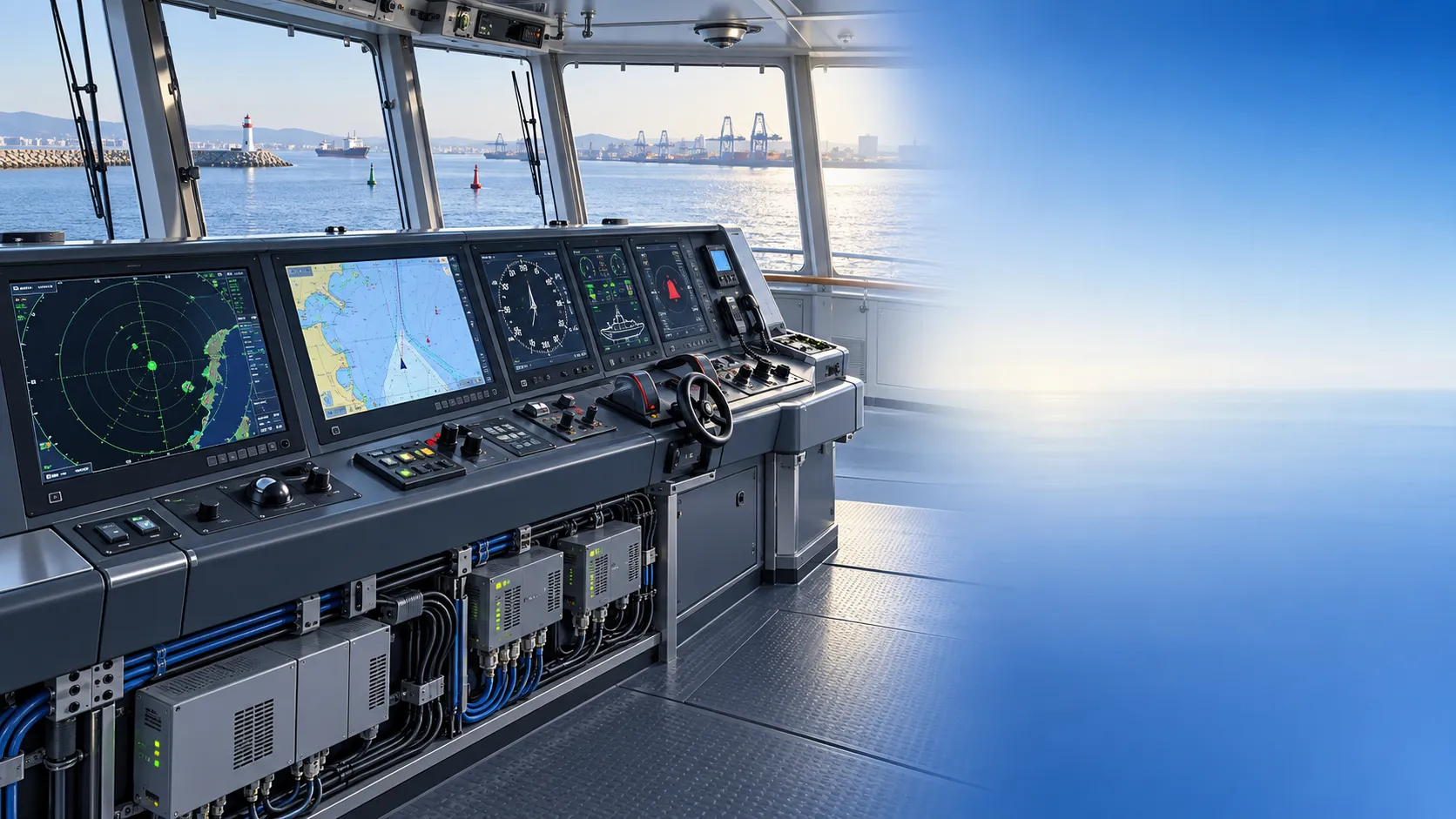
How to Specify Integrated Marine Electronics for Reliable Bridge Operations
Integrated marine electronics: learn how to specify reliable bridge systems with clear data flows, redundancy, alarm control, lifecycle interfaces, and operational testing.
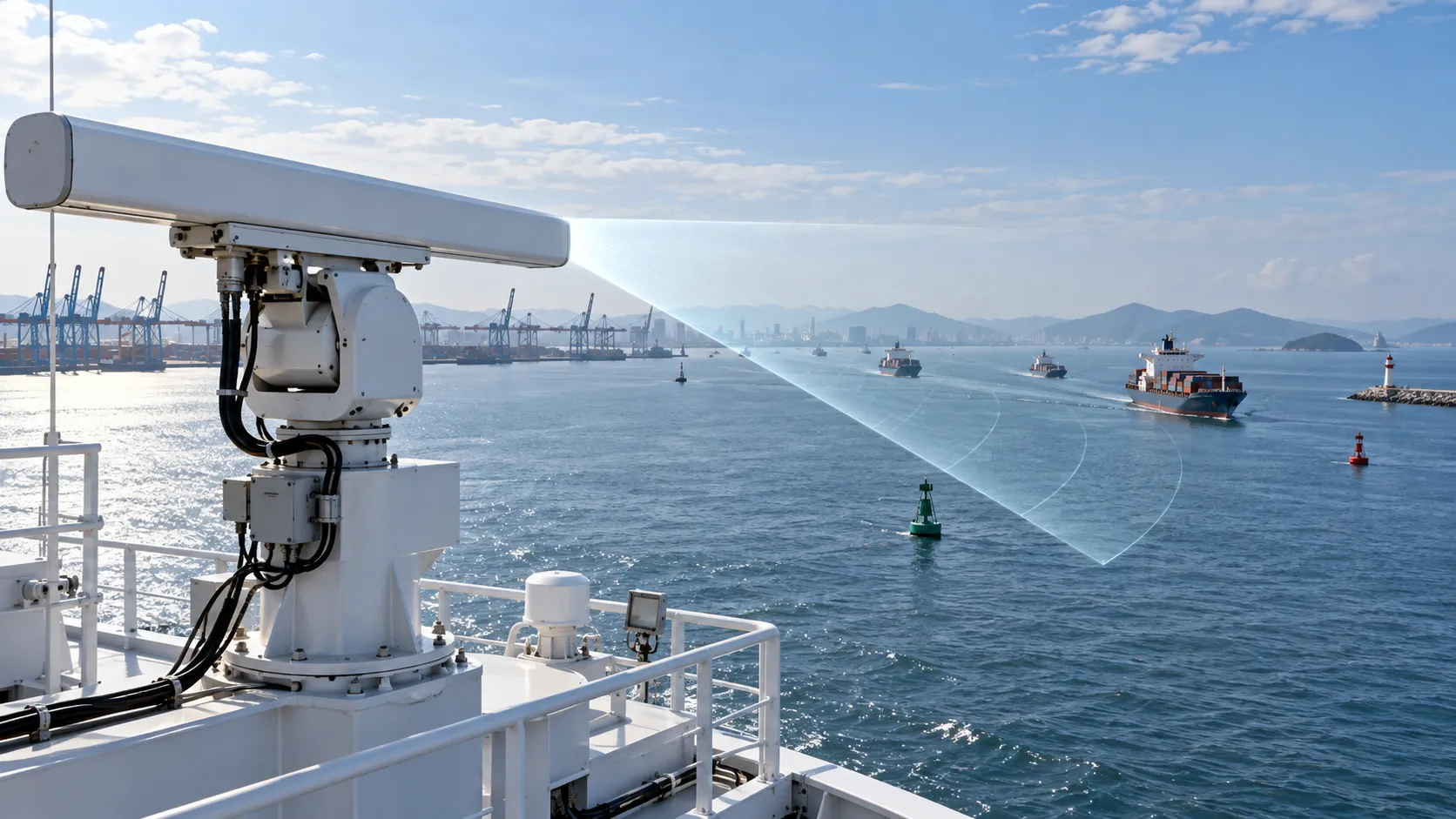
How to Evaluate Navigation Radar Manufacturers for Commercial Vessel Projects
Navigation radar manufacturers: learn how to compare performance, compliance, integration, support, and lifecycle cost for commercial vessel projects.

How Adjustable Cabin Ergonomics Reduce Operator Fatigue in Long-Shift Vehicles
Adjustable cabin ergonomics reduces operator fatigue through better seating, reach, visibility, vibration control, and climate comfort for safer long-shift vehicles.

How Rear-Impact Safety Components Work Together to Protect Vehicle Occupants
Explore how automotive safety components for rear impact work together—from crash structures and seats to head restraints and belts—to enhance occupant protection.
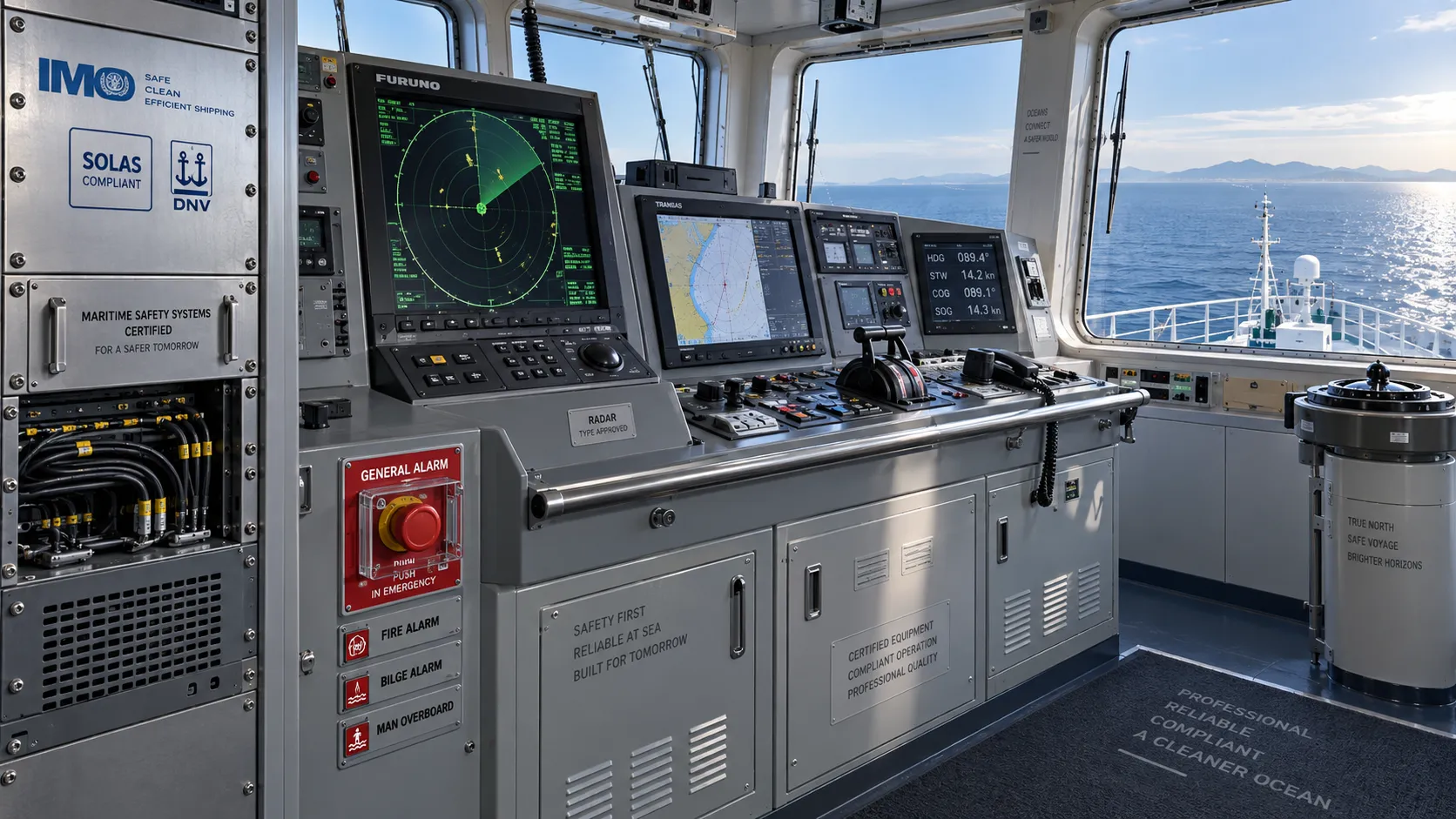
How to Evaluate a Marine Safety Systems Manufacturer for Vessel Compliance and Reliability
Marine safety systems manufacturer evaluation guide: verify compliance, engineering quality, lifecycle costs, and global service support for safer, reliable vessel operations.

Crash Test Regulations for Seatbelts: Key Compliance Requirements Explained
Crash test regulations seatbelts explained: explore FMVSS, UN rules, anchorage strength, and dynamic restraint testing for safer, compliant vehicle systems.

How to Calculate the Total Cost of Automotive Lightweighting for a Vehicle Program
Automotive lightweight solutions cost: learn how to calculate program-level costs, including materials, tooling, joining, validation, risk, and vehicle-level value.

How Automotive Seat Occupancy Sensing Improves Airbag Deployment Decisions
Automotive seat occupancy sensing helps optimize airbag deployment decisions, improving passenger classification, safety diagnostics, and compliance across real-world conditions.

What Drives Lightweight Body Component Costs in High-Volume Vehicle Programs?
Lightweight body components cost depends on material yield, forming, joining, tooling, validation, and logistics. Explore proven ways to optimize total vehicle program cost.
Related News
- 00
0000-00
How to Evaluate Navigation Radar Manufacturers for Commercial Vessel Projects - 00
0000-00
How to Evaluate Cargo Marine Sonar Systems for Detection Range and Vessel Fit - 00
0000-00
How to Evaluate Marine Signal Processing Software for Radar and Sonar Integration - 00
0000-00
How Do Automatic Identification Systems Improve Vessel Tracking and Collision Avoidance? - 00
0000-00
How to Choose Marine Navigation Systems for Patrol Boats in Coastal and Offshore Missions
Weekly Insights
Stay ahead with our curated technology reports delivered every Monday.