
Choosing a Sonar Navigation Systems Supplier: Support and Integration
Choosing a sonar navigation systems supplier starts with a practical question: can the proposed system deliver useful information on your vessel, within your operating conditions, and remain supportable throughout its service life? A competitive equipment price matters, but installation constraints, interface work, crew training and access to repairs can have a greater effect on the final cost and usability of the system.
Ask suppliers to respond to the same operational brief and identify exactly what their quotations include. A clear comparison should show how each system will be installed, what data it will exchange with existing equipment, who will support it and what happens if it fails away from the vessel’s home port.
Start with the navigation task, not the equipment list
“Sonar navigation” can cover different applications. A vessel may need a reliable echo sounder for depth under the keel, a forward-looking system to help identify underwater features ahead, or more specialized equipment for survey or underwater operations. These systems do not necessarily provide the same view of the water or serve the same purpose.
For example, an echo sounder measures depth beneath or near the vessel according to its design and installation. A forward-looking sonar may provide information about the area ahead, but its useful coverage and ability to distinguish objects depend on the equipment, installation and conditions. Neither should be treated as a substitute for passage planning, current charts and the vessel’s established navigation procedures.
Before requesting prices, describe the vessel’s operating profile: typical water depths, speed during use, hull construction, routes, anticipated seabed conditions and the decisions the crew needs to make from the display. Also identify whether the system is intended for routine navigation, maneuvering, obstacle awareness or a specialized task. These details give suppliers a basis for proposing equipment that fits the job.
A system designed for a shallow-water workboat may be a poor fit for an ocean-going vessel if its depth capability, display arrangement or installation options do not match the intended use. Equally, a more complex system may add cost and training requirements without improving the decisions the crew actually needs to make.
Assess integration as a defined scope of work
A supplier’s statement that a sonar system is “compatible” with onboard equipment is only a starting point. Compatibility should describe which information is exchanged, between which devices, and what the receiving equipment does with it.
Provide an inventory of the existing navigation equipment, including model and software versions where available. Identify the displays, sensors, network connections and power supplies involved. If the vessel uses an electronic chart system, ask whether sonar data can be displayed there, what form it takes and whether the proposed arrangement requires extra hardware, licenses or configuration.
Interface discussions should cover more than a connector or protocol name. Ask the supplier to document:
- Data flow: Which depth, position, heading, time or other information is sent or received, and which device supplies it.
- Display behavior: Where sonar information appears, how it is labeled and whether the crew must switch screens to use it.
- Alarms and status: Where alerts appear, how loss of data is indicated and whether alerts are passed to other systems.
- Network and power: What connections, power protection and any additional equipment are required.
- Software dependencies: Which versions, licenses and configuration steps are included, and how future updates may affect the interface.
For retrofit projects, request an interface diagram and an installation survey before the scope is finalized. A quote based only on a list of equipment can miss unavailable ports, obsolete software or the need to route new cables through occupied spaces. Those omissions often become change orders or schedule delays.
Define responsibility at each boundary. If the sonar supplier provides the equipment, a yard installs it and another company supports the bridge network, the contract should identify who configures the connection and who investigates a data problem. Without that agreement, a fault can pass between parties while the vessel remains without a usable system.
Installation conditions can change the best-value choice
The transducer and its location deserve attention early in the buying process. Hull shape, mounting position, access for maintenance and the effects of bubbles or turbulence can all influence the quality of acoustic information. A suitable location depends on the vessel and the proposed equipment; it cannot be settled reliably from a brochure alone.
Ask the supplier what installation information it needs, what mounting arrangements are available and what hull work is expected. For a retrofit, establish whether installation requires a dry-dock period or whether any proposed work can be completed while the vessel remains afloat. Include structural work, cable routing, penetrations, protective measures and finishing work in the project scope.
The physical arrangement on the bridge matters too. A display that is difficult to see from the working position, or controls that are awkward during maneuvering, can reduce the value of an otherwise capable system. Review screen location, brightness, alarm presentation and access to common functions with the people who will use the equipment.
If the system will be used in demanding conditions, ask suppliers to explain the limits that matter for the intended task. Range, depth coverage and image quality should be considered alongside vessel speed, water conditions, seabed characteristics and installation. A headline specification stated under favorable conditions is not a reliable basis for comparing performance across every voyage.
Compare total ownership cost, including the work around the equipment
Request itemized quotations using a common scope. A low initial offer can be reasonable, but only if its exclusions are visible and accounted for. The comparison should cover both the project to bring the system into service and the costs of keeping it operational.
Make allowances for the vessel’s schedule as well as the supplier’s invoice. Work that extends a planned maintenance period may have operational consequences beyond the quoted installation charge. Conversely, a higher-priced proposal may be better value if it includes the engineering, integration and support that another supplier leaves to separate contractors.
Compare warranty terms by asking what is covered, when coverage begins, how a claim is handled and who pays for travel, removal, shipping or reinstallation. A warranty on a component does not automatically cover the full cost of restoring the system to service.
Test the supplier’s support against the vessel’s routes
Support coverage is meaningful only when it matches where and how the vessel operates. Ask where service personnel and spare parts are located, which work can be done remotely, and how the supplier handles a failure outside its own service area. For vessels with international routes, clarify whether support is delivered by the manufacturer, local partners or independent agents.
Request a description of the fault-reporting process: who receives the call, what information the crew should provide, how diagnosis proceeds and when an onboard visit is needed. If a response time is commercially important, put the definition and any conditions in the service agreement. An acknowledgement of a call and restoration of the equipment are different commitments.
Spare-parts planning should reflect the consequences of downtime. A vessel operating near a service center may accept a different arrangement from one spending long periods away from major ports. Ask which components are normally repairable, which are replaced as units, what spare parts are recommended onboard and what tools or skills are needed to fit them.
Also discuss the expected support path for software and aging hardware. Access to updates, technical documentation and replacement components can affect ownership decisions long after installation. Avoid assuming that a new display can always be added to an older processor or that an existing interface will remain unchanged after a software update.
Put commissioning and acceptance into the purchase agreement
Acceptance should demonstrate that the installed system performs the agreed functions on the vessel. Define the checks before ordering, while the buyer and supplier can still resolve differences in expectations without arguing over whether work is complete.
Depending on the project, acceptance may include confirming the equipment supplied, checking installation and power, verifying data exchange, reviewing alarms, and demonstrating the display under agreed operating conditions. A dockside check can establish that connections work; an underway trial may be needed to assess functions that depend on vessel movement or operating conditions.
For performance-sensitive purchases, specify the trial conditions and the result that constitutes acceptance. If conditions prevent a particular check, agree how it will be completed later and how outstanding defects will be recorded. The goal is a usable procedure both parties can follow, rather than a broad promise that the system will perform satisfactorily.
Handover should include configuration records, interface diagrams, operating and maintenance instructions, warranty information and contact details for support. Crew training should cover normal operation, interpretation limits, alarms, routine checks and what to do when data is missing or unreliable. If crews rotate, ask for materials that the vessel can use to train replacements.
Use a consistent brief to compare shortlisted suppliers
Send each supplier the same vessel and operating information, then ask for a written response covering the proposed configuration, exclusions, installation assumptions, integration responsibilities and support arrangements. Give each supplier an opportunity to identify gaps in the brief; a useful question at this stage can prevent a costly change later.
Evaluate proposals against the requirements that determine whether the system can be used effectively. A practical sequence is to eliminate solutions that cannot meet the essential task or installation constraints, assess the remaining integration and support risks, and then compare the full cost of ownership. Record any assumptions that materially affect the price or schedule.
Before issuing the order, turn the preferred proposal into an agreed scope with named responsibilities, deliverables, acceptance checks and a process for changes. That document gives the supplier a clear job to deliver and gives the vessel a practical basis for receiving, operating and maintaining the system.
Related News

How to Evaluate Supplier Solution References Before Signing a Contract
Evaluate supplier solution references with confidence. Learn how to verify technical evidence, identify delivery risks, and close gaps before signing a contract.

How Capacitive Seat Occupancy Sensing Works in Automotive Airbag Systems
Discover how capacitive seat occupancy sensing supports automotive airbag systems, and explore the design, calibration, and validation challenges behind reliable performance.
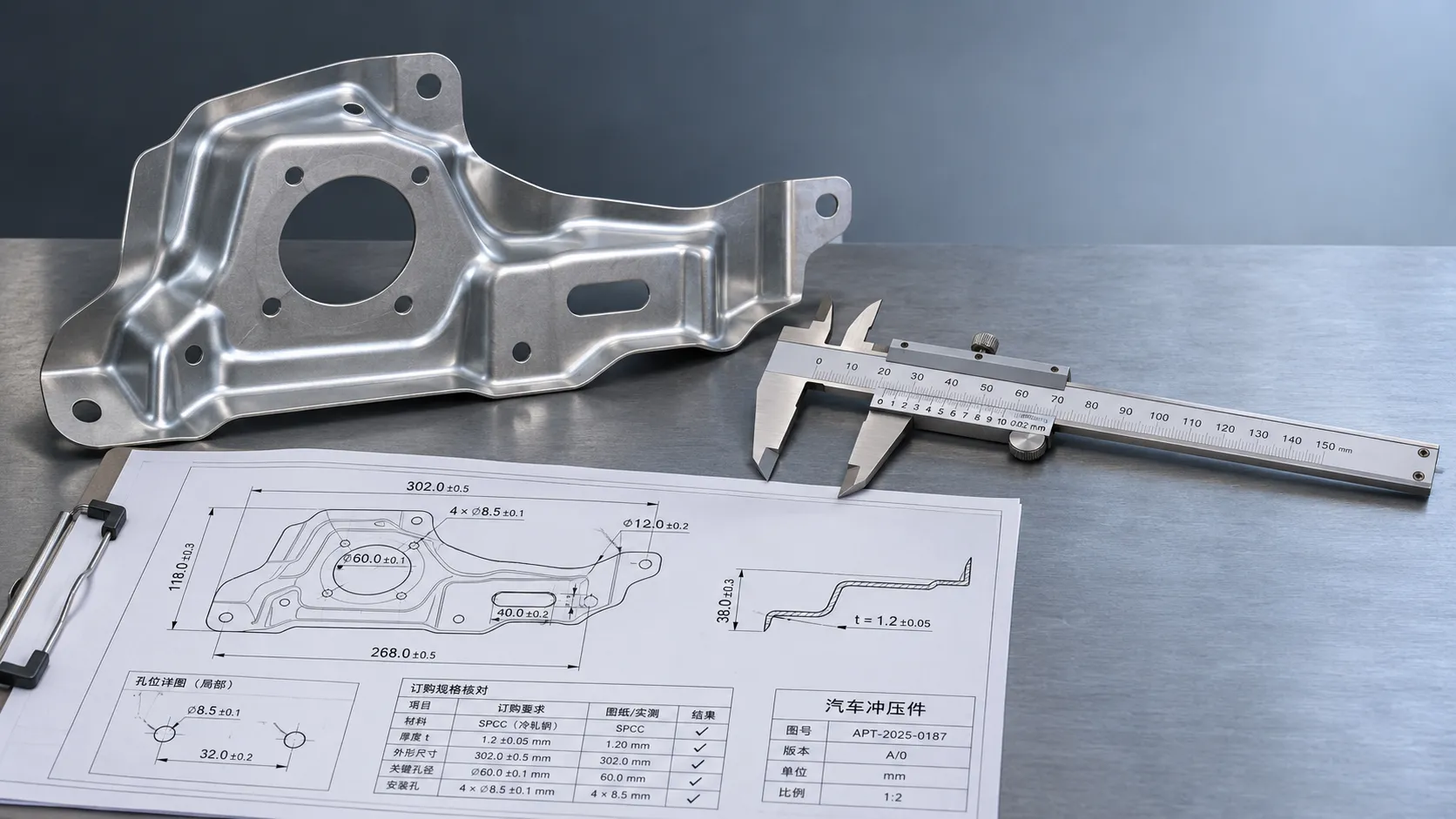
Industrial Product References: How to Verify Specs Before Ordering
Use an industrial product reference for procurement to verify specs, compatibility, and certifications before ordering—and reduce costly purchasing risks.

Choosing a Private Label Partner in Europe: Key Supplier Criteria
Private label cooperation Europe buyers can trust starts with the right supplier. Explore key criteria for compliance, quality, traceability and supply resilience.

Integrated Cabin Comfort Systems: How Seat and Cabin Climate Controls Work Together
Discover how integrated cabin comfort systems coordinate seat and climate controls to balance occupant comfort, energy use, safety, and performance.

Automotive Ergonomics Pricing: What Drives Seat System Costs?
Discover what drives automotive ergonomics pricing, from seat mechanisms and safety systems to tooling and volume, and learn how to compare supplier quotes.
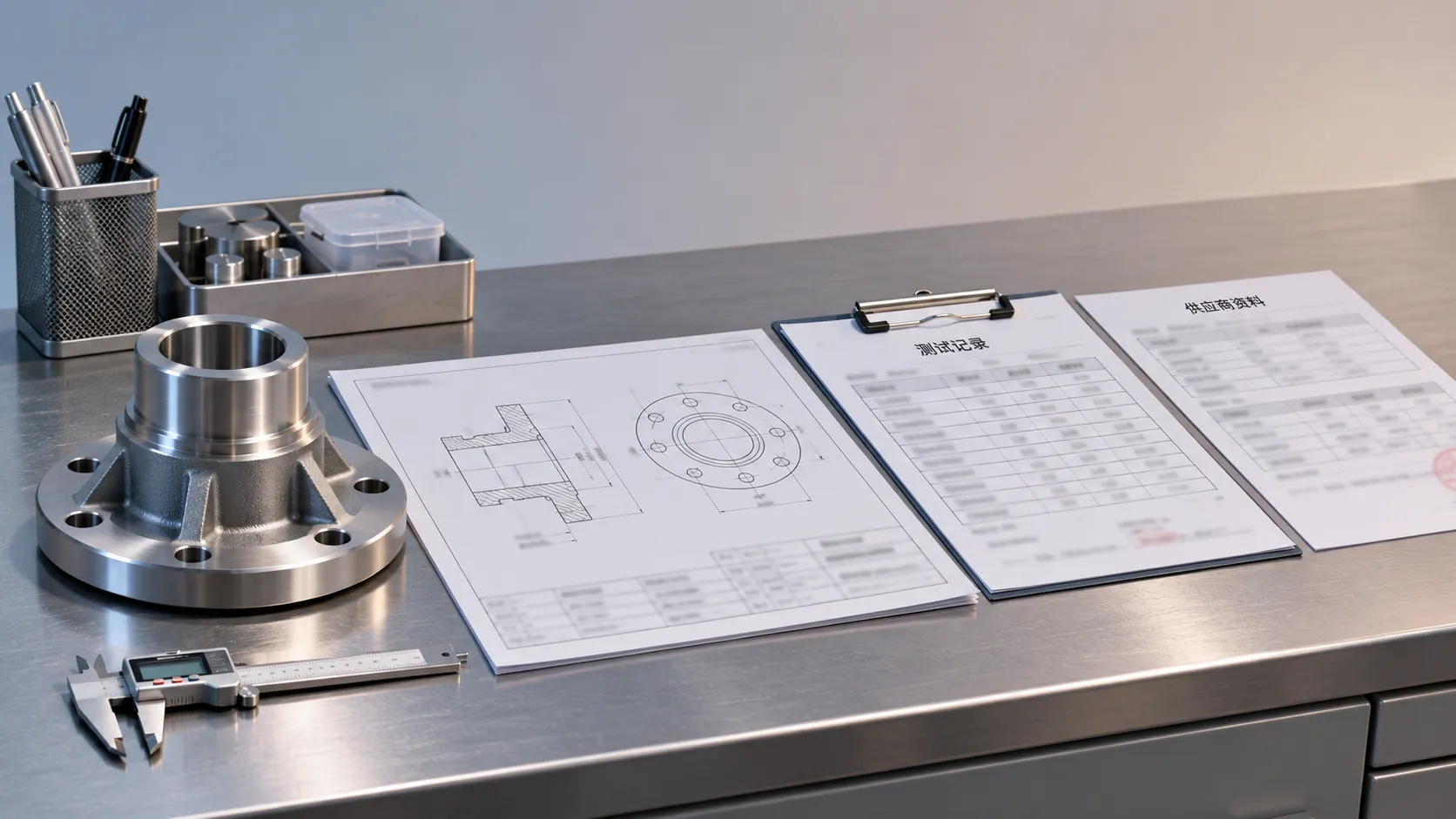
Evaluating Supplier Solutions: How to Verify References and Standards
Supplier solution references and standards can make or break a sourcing decision. Learn how to verify claims, assess compliance, and reduce risk before awarding a contract.
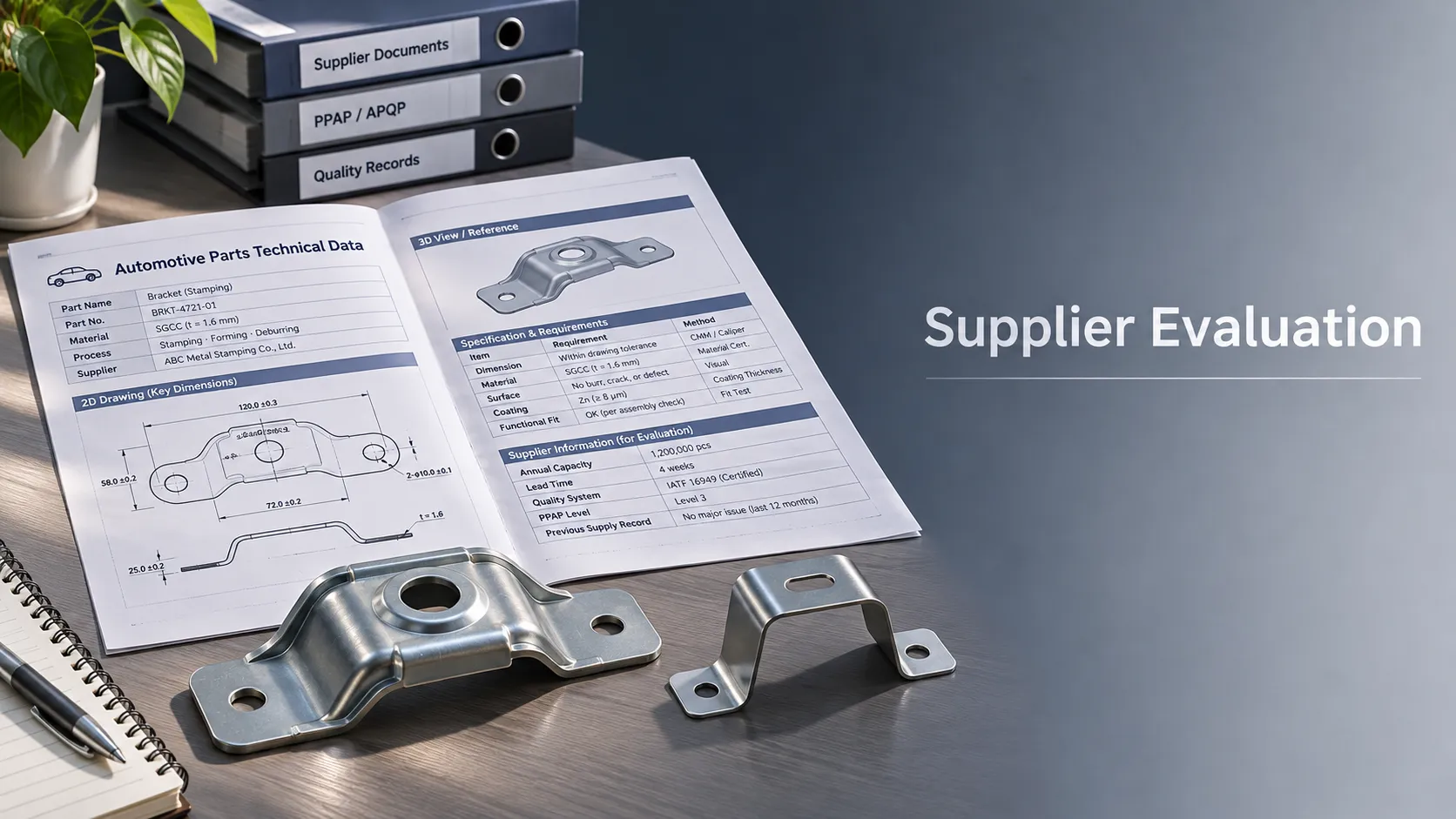
Choosing B2B Product Knowledge Platform Suppliers: Key Evaluation Criteria
Compare B2B product knowledge platform suppliers with confidence. Explore key criteria for data accuracy, supplier transparency, integrations, and value.
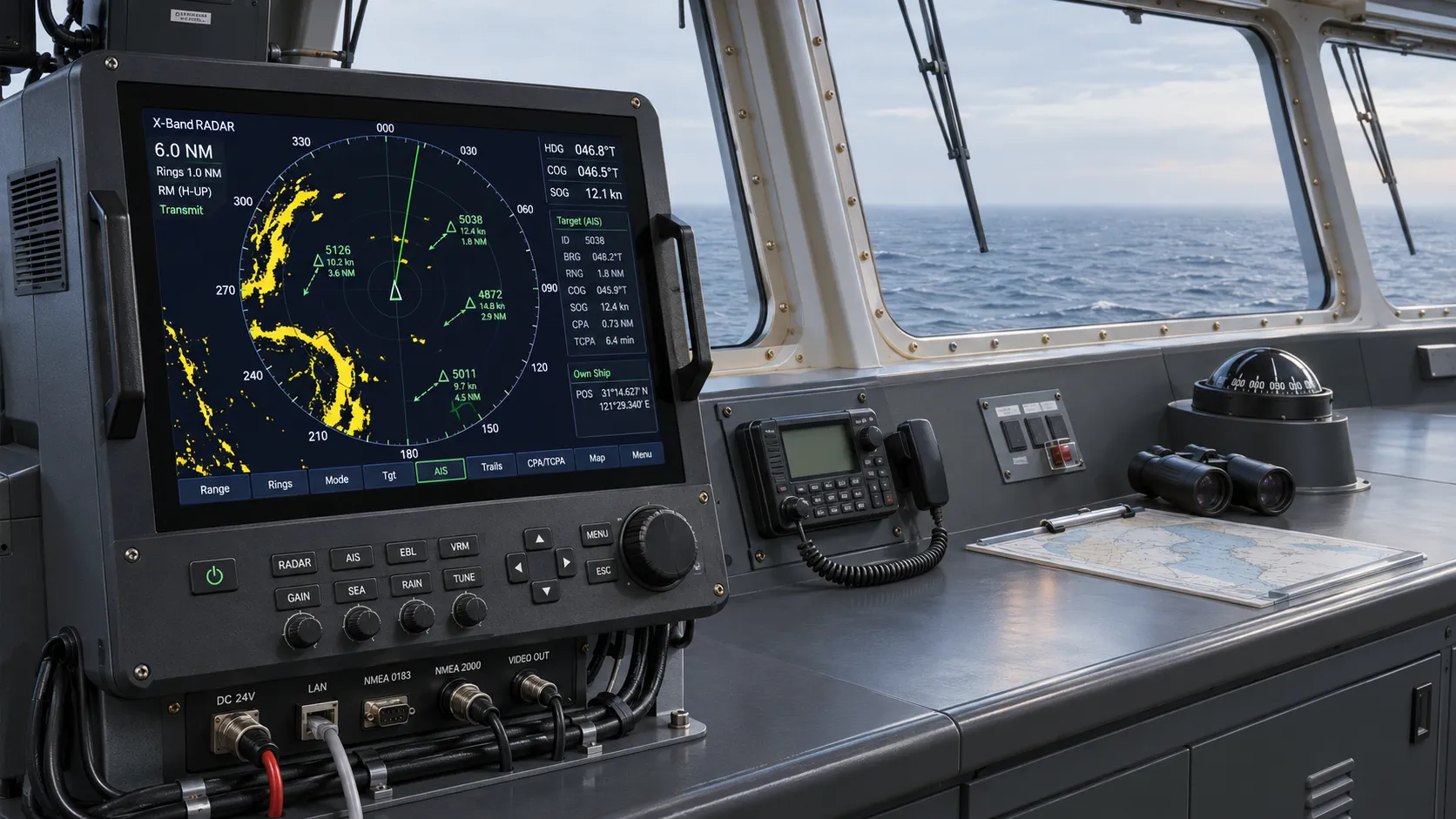
Choosing a Marine Radar Systems Supplier: What to Check Before Buying
Choosing a marine radar systems supplier? Compare installed costs, bridge compatibility, compliance evidence, and service support before you buy.
Related News
- 00
0000-00
Choosing a Marine Radar Systems Supplier: What to Check Before Buying - 00
0000-00
Choosing a Sonar Navigation Systems Supplier: Support and Integration - 00
0000-00
Why Do Marine Navigation Radars Produce False Targets? - 00
0000-00
How to Evaluate Navigation Radar Manufacturers for Commercial Vessel Projects - 00
0000-00
How to Evaluate Cargo Marine Sonar Systems for Detection Range and Vessel Fit
0000-00
Weekly Insights
Stay ahead with our curated technology reports delivered every Monday.