
What global maritime compliance now means for buyers
For procurement teams, global maritime compliance now goes far beyond checking certificates. It affects supplier selection, equipment reliability, retrofit costs, digital update readiness, and long-term vessel safety. As rules evolve across navigation, onboard systems, and cross-border operations, buyers need clearer intelligence to reduce sourcing risk and secure solutions that satisfy both performance and compliance demands.
Why global maritime compliance now requires a checklist approach
The compliance landscape has become wider, faster, and more interconnected. Requirements now touch hardware, software, data integrity, environmental impact, crew usability, and regional enforcement differences.
That makes fragmented evaluation expensive. A structured checklist helps compare suppliers consistently, identify hidden lifecycle costs, and prevent late-stage failures during installation, inspection, or port-state review.
For sectors covered by GNCS, this is especially important. Navigation systems, safety-critical assemblies, and intelligent cabin equipment all depend on precise engineering and documented conformity.
Core checklist for buyers evaluating global maritime compliance
Use the following points to evaluate whether an equipment package is truly ready for modern global maritime compliance, not just initial shipment approval.
- Verify certificate scope carefully, including model variants, software versions, optional modules, and installation conditions, because many compliance gaps appear when approved configurations differ from delivered equipment.
- Confirm flag-state, class, and port-state acceptance early, since global maritime compliance often depends on overlapping authorities rather than one universal approval pathway.
- Check update governance for navigation and connected systems, including patch schedules, cybersecurity controls, rollback procedures, and evidence retention for future audits.
- Review electromagnetic compatibility performance under real vessel conditions, especially where radar, AIS, sonar, satellite communication, and bridge electronics operate simultaneously.
- Assess spare parts continuity and service response times, because a compliant system becomes an operational liability if support collapses after commissioning.
- Demand traceability for critical components, materials, and firmware sources to reduce exposure to counterfeit parts, undocumented substitutions, and future recall disputes.
- Evaluate human-machine usability, alarm logic, and training burden, since poor interface design can turn formally compliant equipment into a practical safety weakness.
- Map retrofit impact before purchase, including wiring, mounting, power loads, integration work, downtime windows, and recertification requirements for installed assets.
- Examine environmental and hazardous-material declarations, particularly where regional restrictions affect coatings, inflators, metals, batteries, or disposal procedures.
- Compare total ownership cost, not unit price alone, because global maritime compliance can add hidden expenses through software licensing, survey support, updates, and reinspection.
How the checklist changes across operating scenarios
New vessel builds
In newbuild programs, global maritime compliance should be aligned with design freeze milestones. Late supplier changes often trigger cascading redesign across bridge layouts, cable plans, approvals, and delivery schedules.
Buyers should request interface documents early. Mechanical fit, protocol compatibility, and software dependencies matter as much as certificates during integrated system acceptance.
Retrofit and modernization projects
Retrofits create the highest hidden risk. Existing vessels may have legacy power arrangements, obsolete data buses, undocumented modifications, or limited space for compliant installation.
Here, global maritime compliance must include removal planning, temporary operating constraints, survey coordination, and post-installation validation. Documentation quality often determines whether a project finishes on time.
Cross-border fleet operations
For internationally trading assets, enforcement consistency cannot be assumed. A system accepted in one market may draw closer scrutiny elsewhere due to local practice, language, or digital record expectations.
That is why buyers need a documentation package built for transit across jurisdictions. Test reports, manuals, update logs, and component traceability should be easy to retrieve onboard.
Mixed mobility equipment sourcing
GNCS also tracks adjacent safety and containment technologies, from lightweight structures to smart seating systems. The compliance lesson is transferable: precision engineering must be matched by lifecycle evidence.
In some research workflows, supporting references may appear as 无. Even then, sourcing decisions should still rely on verifiable technical dossiers and approval logic.
Commonly overlooked risks in global maritime compliance
Software approval is treated as secondary
Many teams still focus on hardware labels first. Yet navigation intelligence, display logic, and connected diagnostics increasingly depend on software-controlled functions subject to change after delivery.
Installation quality is separated from product compliance
A compliant unit can fail inspection if cable routing, grounding, bracket strength, antenna placement, or onboard interference conditions break approved installation assumptions.
Supplier credibility is judged only by paperwork
True reliability shows up in engineering support, change notification discipline, service coverage, and transparency during nonconformance handling, not only in stamped documents.
Lifecycle emissions and material limits are underestimated
Environmental restrictions increasingly affect sourcing choices. Coatings, polymers, metals, and propellant chemistries may create future barriers even when current shipment approval looks complete.
Practical execution steps that improve buying decisions
- Build a compliance matrix that aligns supplier evidence with vessel type, route profile, authority requirements, software status, and retrofit complexity.
- Request a controlled document pack before award, including approvals, interface drawings, maintenance manuals, cyber update policy, and component traceability summaries.
- Score suppliers on support resilience, not only technical features, by reviewing service footprint, escalation paths, spare stock policy, and engineering response speed.
- Run a pre-installation review with class and integration stakeholders whenever bridge electronics or safety-critical systems are being modified.
- Track post-delivery obligations through a digital register so future inspections, upgrades, and software revisions remain visible across the equipment lifecycle.
Where market intelligence is fragmented, GNCS-style analysis helps connect technical detail with regulatory direction. That approach is more useful than relying on isolated compliance claims or marketing language.
Conclusion: turn global maritime compliance into a sourcing advantage
Today, global maritime compliance is a buying discipline, not a final paperwork step. It influences design fit, operational continuity, crew safety, and the long-term value of every onboard system.
The most effective next step is simple: standardize a checklist, demand lifecycle evidence, and compare suppliers through installation, update, and enforcement realities. That turns compliance from a risk into a measurable performance filter.
When that process is applied consistently, decisions become faster, retrofit surprises decline, and global maritime compliance supports stronger technical confidence across the wider mobility equipment chain.
Related News

How to Evaluate Custom Smart Automotive Seating for Premium Vehicle Programs?
Custom smart automotive seating evaluation starts with safety, comfort, integration, and production readiness. Discover how premium vehicle teams choose smarter, lower-risk seat solutions.
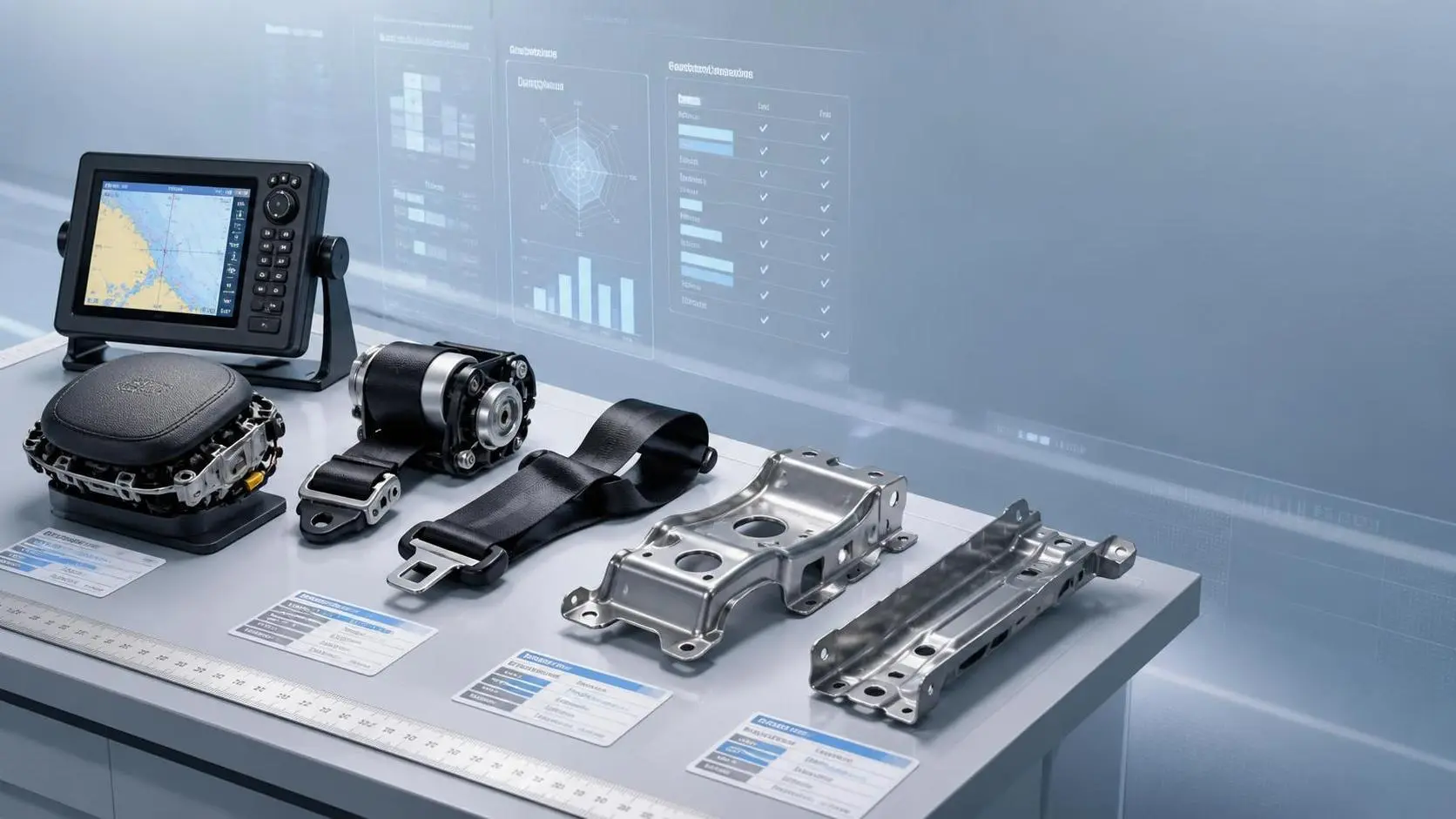
B2B Product Intelligence Platforms: How to Compare Features, Data Coverage, and ROI
B2B product intelligence platform comparison: learn how to evaluate data coverage, feature depth, compliance visibility, and ROI to choose a sourcing tool that reduces risk and speeds decisions.

Climate Control Seats Cost: What Drives Price and Long-Term Ownership Value?
Climate control seats cost depends on materials, thermal tech, and integration. Learn what drives price and how to judge long-term value before you buy.
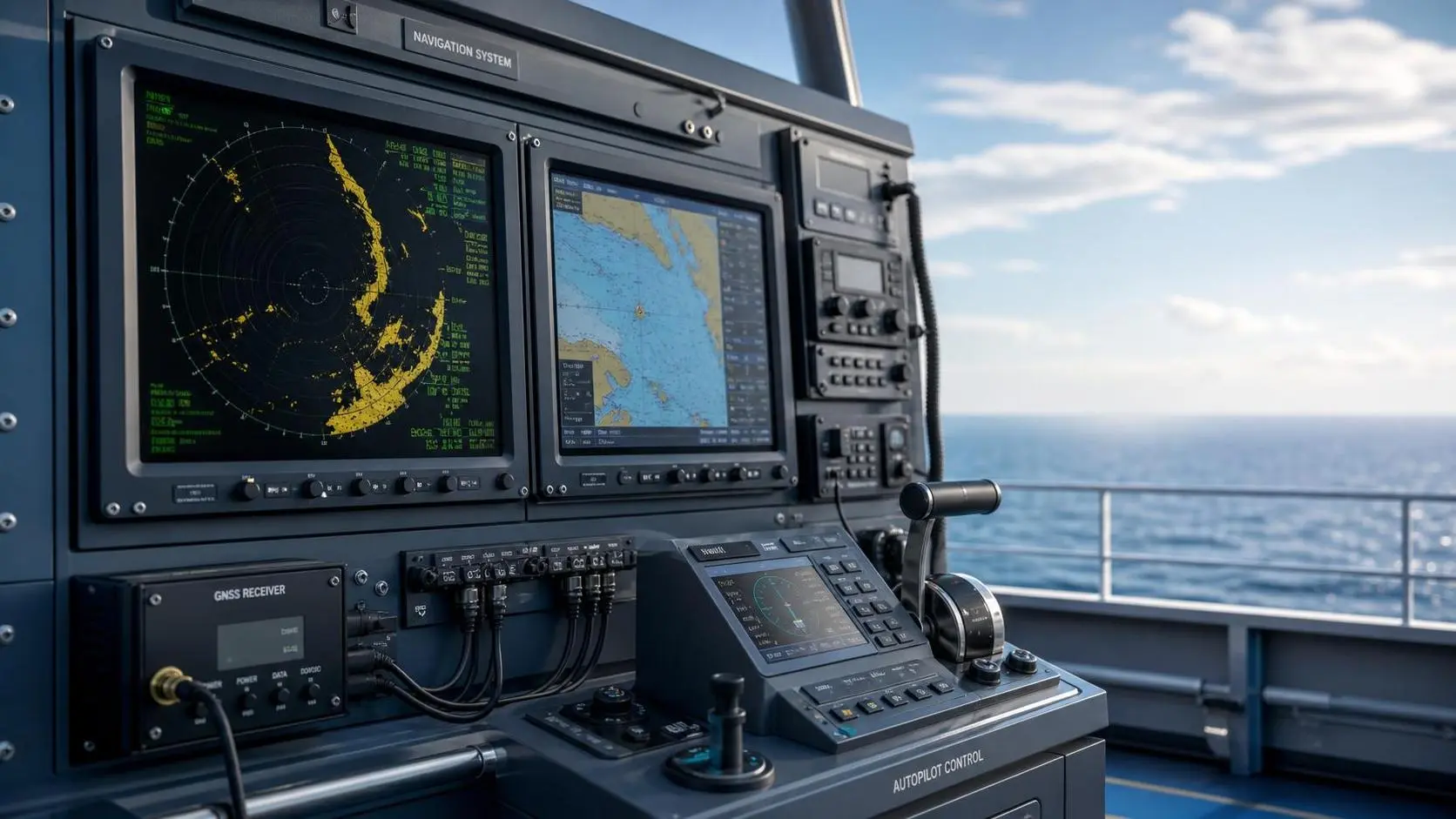
What Factors Drive Marine Navigation Components Cost in Commercial Vessel Projects?
Marine navigation components cost is shaped by integration, compliance, installation, and lifecycle support. Discover what drives pricing and how buyers can reduce risk while improving value.

How Much Does Seat Occupancy Sensing Cost? Key Pricing Factors for Buyers
Seat occupancy sensing price varies widely by technology, integration, and compliance needs. Learn the key cost drivers, avoid hidden fees, and make smarter buying decisions.

How to Specify Micro-Climate Control Cabins for Harsh Outdoor Worksites?
Micro-climate control cabins for harsh outdoor worksites: learn how to specify thermal control, filtration, pressurization, and durability for safer uptime and smarter buying.

How to Evaluate a B2B Product Knowledge Platform for Faster Procurement Decisions
B2B product knowledge platform procurement starts with reducing decision risk. Learn how to compare specs, compliance, and supplier data to speed sourcing with confidence.

How to Evaluate an Occupant Restraint Systems Exporter for Quality, Compliance, and Supply Risk
Occupant restraint systems exporter evaluation guide: learn how to verify quality controls, compliance evidence, and supply risk before sourcing to avoid recalls, delays, and hidden costs.
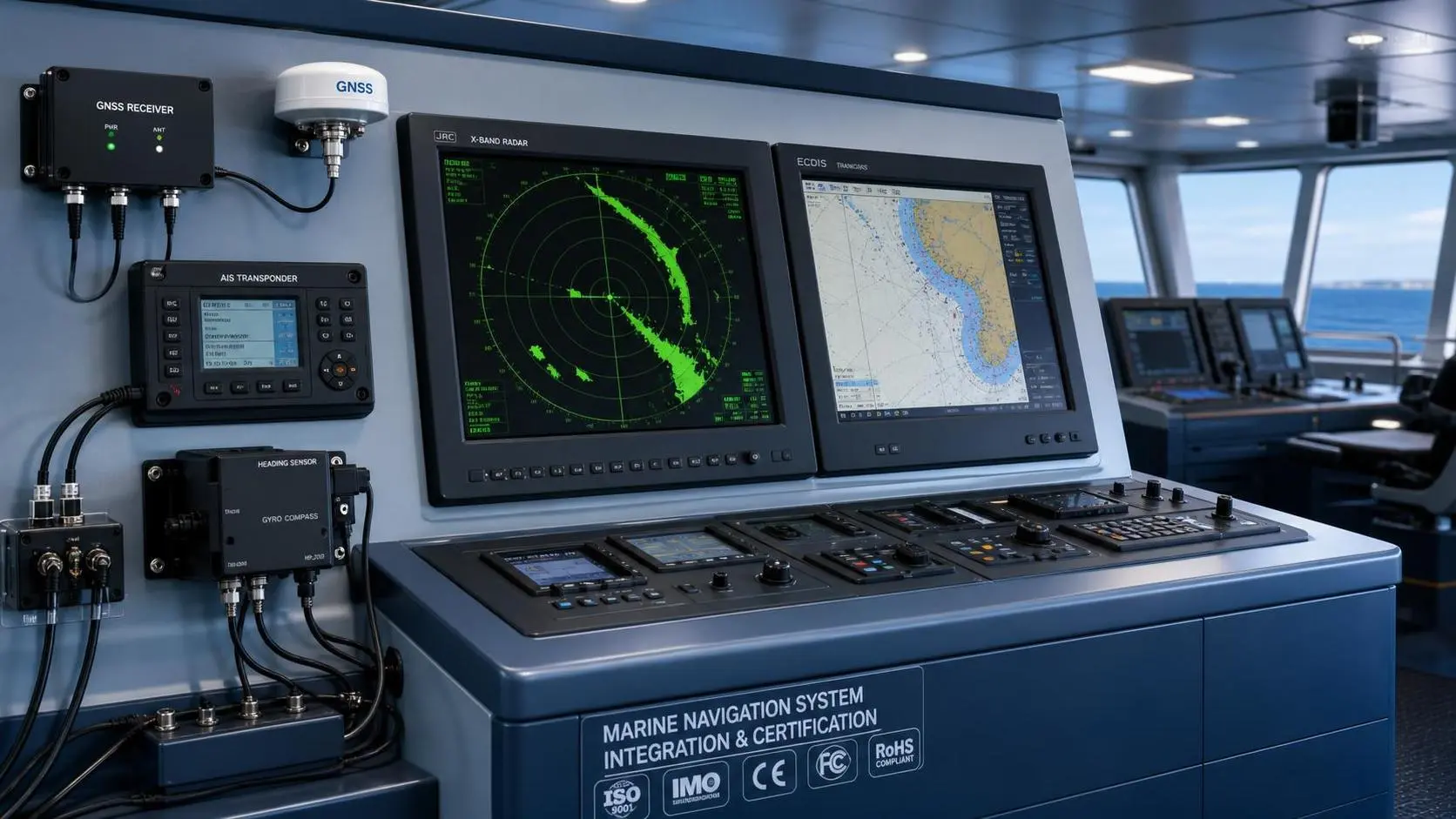
Navigation Compliance Certification: Which Marine Systems Need It and How to Prepare?
Navigation compliance certification explained: discover which marine systems need approval, what documents matter, and how to prepare early to avoid delays, rework, and costly project risks.
Related News
- 00
0000-00
B2B Product Intelligence Platforms: How to Compare Features, Data Coverage, and ROI - 00
0000-00
What Factors Drive Marine Navigation Components Cost in Commercial Vessel Projects? - 00
0000-00
How Much Does Seat Occupancy Sensing Cost? Key Pricing Factors for Buyers - 00
0000-00
How to Specify Micro-Climate Control Cabins for Harsh Outdoor Worksites? - 00
0000-00
How to Evaluate a B2B Product Knowledge Platform for Faster Procurement Decisions
Weekly Insights
Stay ahead with our curated technology reports delivered every Monday.