
How cabin protection systems are changing safety design
As mobility platforms become smarter, lighter, and more tightly regulated, cabin protection systems are reshaping how engineers evaluate safety design. From airbags and seatbelts to energy-absorbing structures and intelligent seating, these systems now work as integrated protection networks rather than isolated components. For technical evaluators, understanding this shift is essential to judging compliance, crash performance, and long-term design value.
What technical evaluators are really looking for
When users search for cabin protection systems, they usually want more than a definition. They want to understand how these systems are changing engineering decisions, validation methods, and compliance expectations.
For technical evaluators, the core question is practical: does a protection concept improve occupant safety in measurable, certifiable, and manufacturable ways? That question now reaches far beyond airbags or belts alone.
Today, cabin protection systems are no longer judged as separate hardware modules. They are assessed as coordinated safety architectures that connect structure, restraint timing, sensing logic, seat geometry, and crash energy management.
This shift matters because modern safety performance depends on interaction effects. A stronger body-in-white, for example, can underperform if belt load limiting, seat kinematics, or airbag deployment strategy are poorly matched.
Why cabin protection systems are becoming system-level design tools
Traditional passive safety development often treated components in parallel. Engineers optimized seatbelts, airbags, seats, and body structures in specialized teams, then combined them during later validation stages.
That approach is increasingly insufficient. Lighter platforms, electric architectures, mixed-material body structures, and stricter crash protocols require earlier integration across all cabin protection systems and occupant containment strategies.
In current design practice, the cabin is evaluated as a dynamic protective space. Occupants move relative to seats, restraints, trim surfaces, steering modules, and floor structures within milliseconds during impact events.
As a result, safety design has shifted toward synchronized protection. The value of a system now lies in how quickly it senses, positions, restrains, cushions, and manages energy under varied crash conditions.
This evolution also changes procurement and technical review. Evaluators must now compare not only component specifications, but also interoperability, calibration range, regulatory fit, and real-world robustness over vehicle life cycles.
What has changed in the architecture of modern cabin protection systems
Several design trends are driving this transformation. The first is integrated sensing. Crash detection, occupant classification, seat position monitoring, and belt-use status now feed into more adaptive deployment logic.
The second is smarter restraint sequencing. Pretensioners, load limiters, frontal airbags, side airbags, curtain airbags, and knee protection are increasingly tuned as a coordinated event chain rather than isolated triggers.
The third is structural collaboration. Protection performance now depends heavily on how occupant restraints interact with hot-stamped pillars, cross-car beams, seat mounts, and controlled deformation zones.
The fourth is seat intelligence. Seats are no longer passive mounting points. They influence posture, pelvis control, submarining resistance, whiplash behavior, and even pre-crash occupant positioning in advanced platforms.
Finally, software has become a hidden differentiator. Calibration quality, signal filtering, algorithm thresholds, and update discipline can materially affect whether cabin protection systems deliver repeatable performance across scenarios.
How airbags, belts, seats, and structures now work as one network
The most important change in safety design is functional coupling. A modern seatbelt system does not simply restrain the torso. It shapes occupant motion so the airbag can receive the body correctly.
At the same time, the seat frame and cushion geometry help control pelvis motion and torso angle. That positioning directly affects chest loading, head trajectory, and the risk of sliding under the belt.
Body structures contribute by preserving survival space and managing intrusion. If structural deformation is too aggressive or too uneven, even advanced restraint systems may lose their intended deployment window.
Airbag assemblies then act as timed buffers within this larger choreography. Their success depends on inflator behavior, venting logic, folding pattern, module position, and occupant distance at impact onset.
For evaluators, this means component excellence is not enough. Strong individual test data must be interpreted in the context of occupant kinematics, packaging constraints, and interaction with the full cabin protection system.
Why lightweight design is raising the bar for safety evaluation
Lightweighting is one of the biggest reasons safety design is changing. High-strength steel, aluminum, and magnesium help reduce mass, but they also alter load paths, joining behavior, and crash pulse characteristics.
Those changes can improve energy absorption when engineered correctly. They can also introduce new tuning challenges, especially when mixed materials create different stiffness transitions across the cabin structure.
For cabin protection systems, a different crash pulse means different occupant motion timing. Even small changes in deceleration shape can affect pretensioner timing, airbag fill performance, and belt force distribution.
This is why evaluators should avoid judging lightweight body programs only by mass savings or static strength. The real question is whether restraint tuning remains optimized across frontal, side, oblique, and small-overlap conditions.
In practice, successful lightweight safety design depends on co-development. Structural teams and restraint teams must iterate together early, not merely reconcile results after prototype crash testing exposes interaction problems.
How regulations and rating protocols are influencing design choices
Safety design is not changing in a vacuum. Global regulations and consumer rating programs are reshaping what counts as acceptable protection, and they increasingly reward integrated system performance.
Protocols from Euro NCAP, IIHS, NHTSA, and other authorities place greater emphasis on diverse occupant sizes, far-side impacts, side-pole events, post-crash outcomes, and advanced occupant sensing capability.
This means cabin protection systems must perform well across more body types and seating positions. Technical evaluators can no longer rely on a narrow set of idealized crash assumptions.
Compliance review now includes questions about repeatability, sensor fault tolerance, deployment discrimination, misuse cases, and the effect of design changes on certification margins in multiple markets.
For companies operating globally, this creates a strategic need for better intelligence stitching across standards, materials, and validation methods. That is where specialized sector platforms such as 无 can add context to technical decisions.
What technical evaluators should examine first in a safety design review
When reviewing cabin protection systems, evaluators should begin with occupant motion control, not component count. More devices do not automatically create better protection if the kinematic strategy is weak.
First, assess the expected crash pulse and structural intrusion pattern. These define the time window in which restraints must position and protect the occupant.
Second, review seatbelt strategy in detail. Pretensioning sequence, load limiting profile, anchor geometry, buckle behavior, and retractor consistency are foundational to overall system effectiveness.
Third, examine seat design as a safety component. Key factors include anti-submarining performance, seatback strength, head restraint geometry, recliner robustness, and sensor integration.
Fourth, verify airbag matching. Evaluate deployment thresholds, module placement, venting behavior, occupant out-of-position protection, and compatibility with different statures and seating postures.
Fifth, study validation breadth. Simulation correlation, sled tests, full-vehicle crash data, hardware aging, temperature effects, and tolerance stack analysis all reveal whether a concept is mature or fragile.
Key risks that are often underestimated
One common risk is overreliance on nominal test conditions. A system can look strong in standard crash setups yet underperform when seat position, occupant size, or intrusion pattern deviates from baseline assumptions.
Another risk is supplier interface mismatch. Cabin protection systems often depend on tightly coordinated inputs from body engineering, electronics, seating, inflators, and software calibration teams.
If ownership boundaries are unclear, timing conflicts and validation gaps emerge. These issues may not appear until late-stage integration, where redesign becomes more expensive and compliance schedules tighten.
A third risk is assuming digital intelligence solves mechanical weakness. Smart sensing can improve deployment decisions, but it cannot compensate for poor seat geometry, unstable load paths, or weak structural packaging.
There is also lifecycle risk. Evaluators should ask how materials age, how connectors behave under vibration, how calibration is managed after updates, and whether field variation could shift protection performance.
How to judge long-term design value, not just initial test success
For technical evaluators, the best cabin protection systems are not only those that pass current tests. They are those that remain adaptable, scalable, and certifiable as platforms evolve.
Long-term value begins with modularity. Can the architecture support new seat layouts, battery packaging changes, regional compliance updates, or revised crash protocols without a full redesign?
It also depends on manufacturability. Tight tolerance demands, unstable inflator supply, difficult seat integration, or complex joining strategies can erode real-world consistency even if the concept is technically sound.
Another indicator is data maturity. Strong programs usually show clear traceability between CAE models, sled development, full-vehicle validation, and production monitoring.
Organizations following the broader intelligence work of portals like 无 often gain an advantage by connecting safety hardware trends with regulation shifts, material innovation, and sourcing realities.
The bigger design implication: from protection parts to protection ecosystems
The phrase cabin protection systems now describes an ecosystem rather than a parts list. It includes structures, restraints, seating, sensing, software, and compliance logic operating under shared performance objectives.
That change is redefining safety design reviews. Evaluators are expected to understand interface quality, timing dependencies, and architecture resilience, not just isolated specification sheets.
It is also changing competitive advantage. Suppliers and OEM teams that can coordinate passive safety hardware with lightweight structures and smart seating will likely achieve better protection with fewer costly late changes.
In sectors connected to marine, automotive, and broader mobility equipment, this systems mindset aligns with a larger industry move toward precision perception and physical containment working together as one discipline.
Conclusion
Cabin protection systems are changing safety design by shifting the focus from individual components to integrated occupant protection networks. For technical evaluators, this means judging interaction quality, not just standalone performance.
The most valuable reviews now examine structural behavior, restraint timing, seat dynamics, sensor logic, and regulatory fit as one connected safety architecture. That is where real crash performance and compliance confidence are determined.
In short, better safety design today is less about adding more protection devices and more about making every protective element work together with precision, consistency, and future-ready validation discipline.
Related News
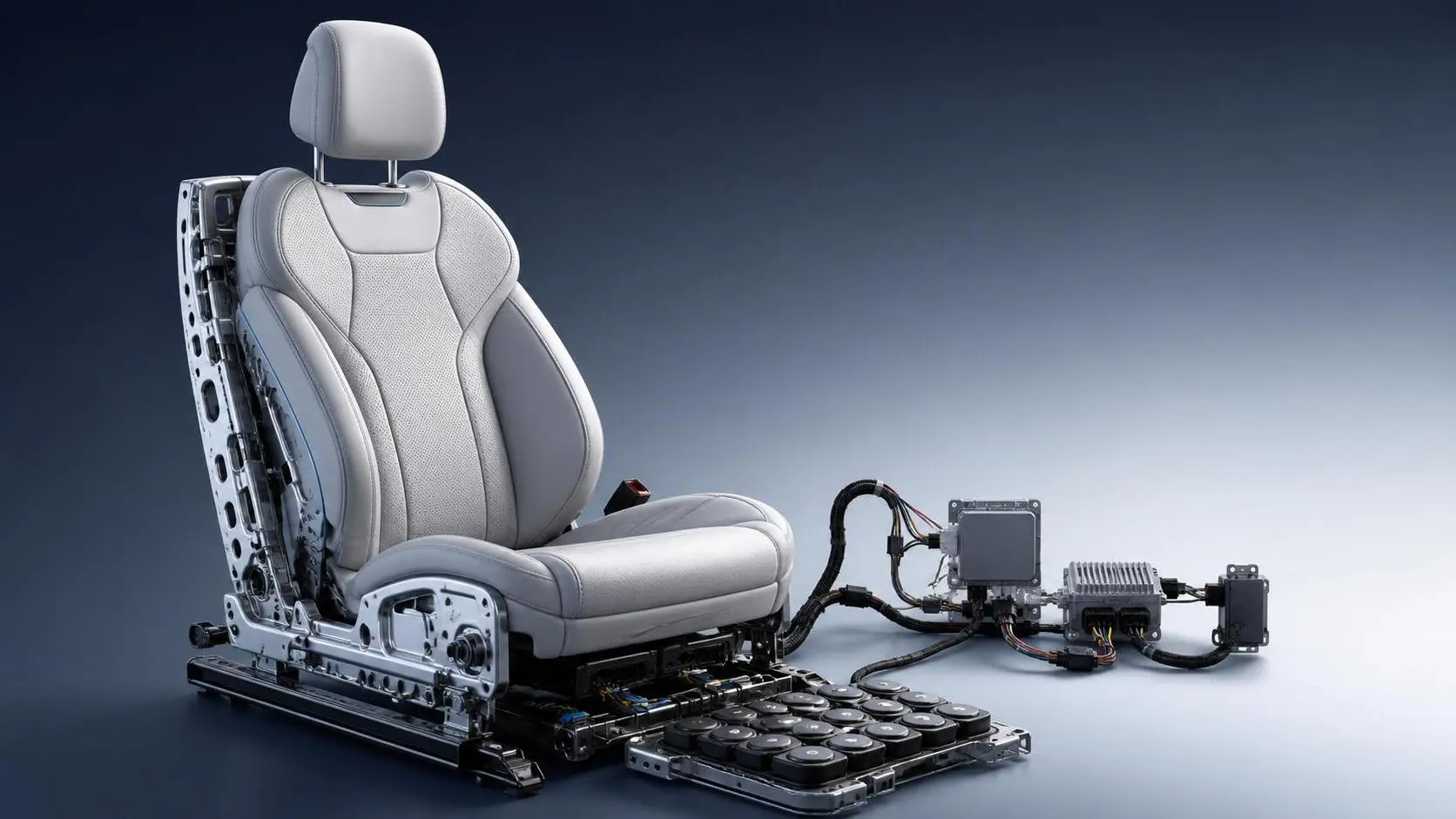
How to Evaluate Custom Smart Automotive Seating for Premium Vehicle Programs?
Custom smart automotive seating evaluation starts with safety, comfort, integration, and production readiness. Discover how premium vehicle teams choose smarter, lower-risk seat solutions.
B2B Product Intelligence Platforms: How to Compare Features, Data Coverage, and ROI
B2B product intelligence platform comparison: learn how to evaluate data coverage, feature depth, compliance visibility, and ROI to choose a sourcing tool that reduces risk and speeds decisions.
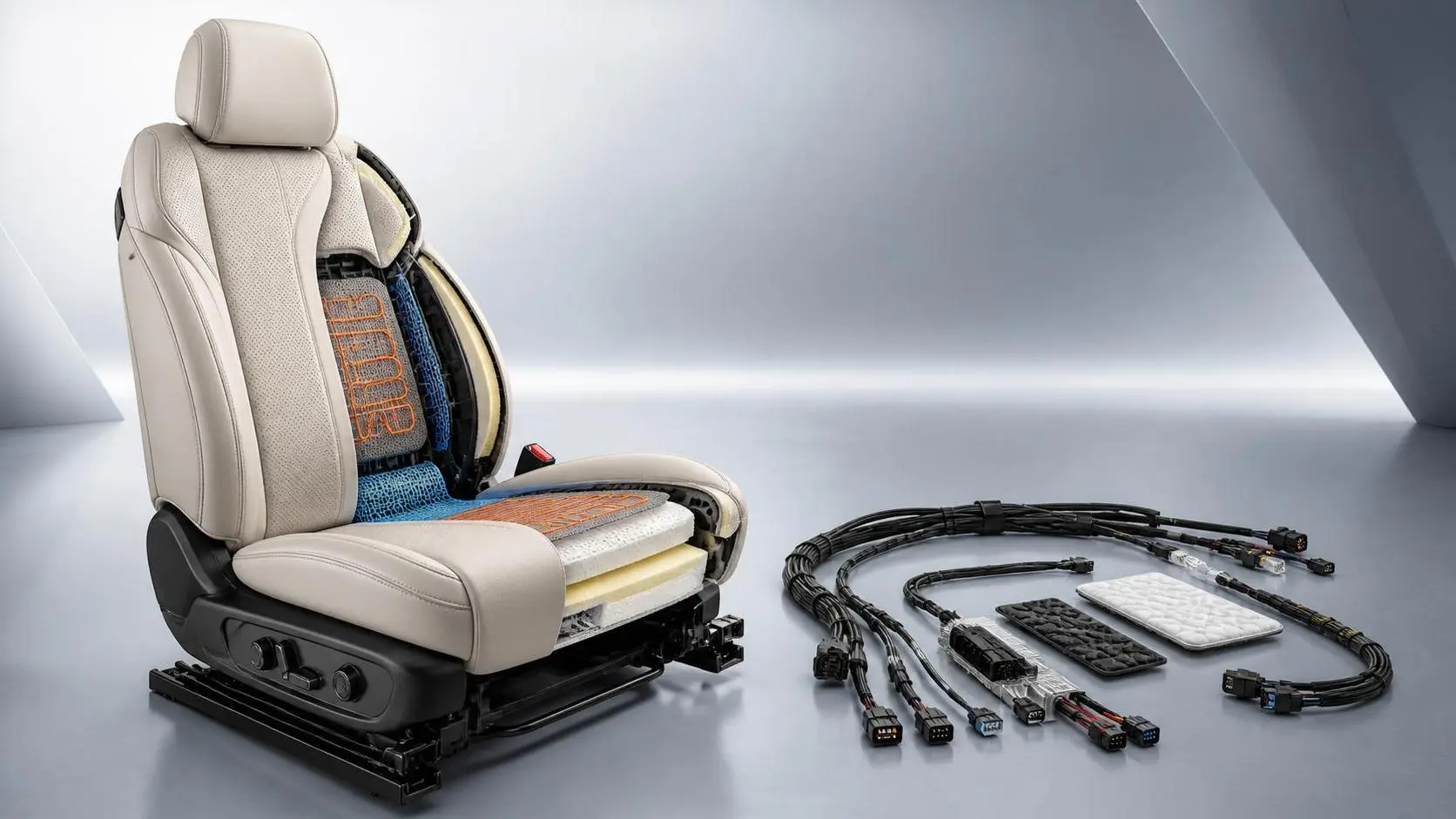
Climate Control Seats Cost: What Drives Price and Long-Term Ownership Value?
Climate control seats cost depends on materials, thermal tech, and integration. Learn what drives price and how to judge long-term value before you buy.
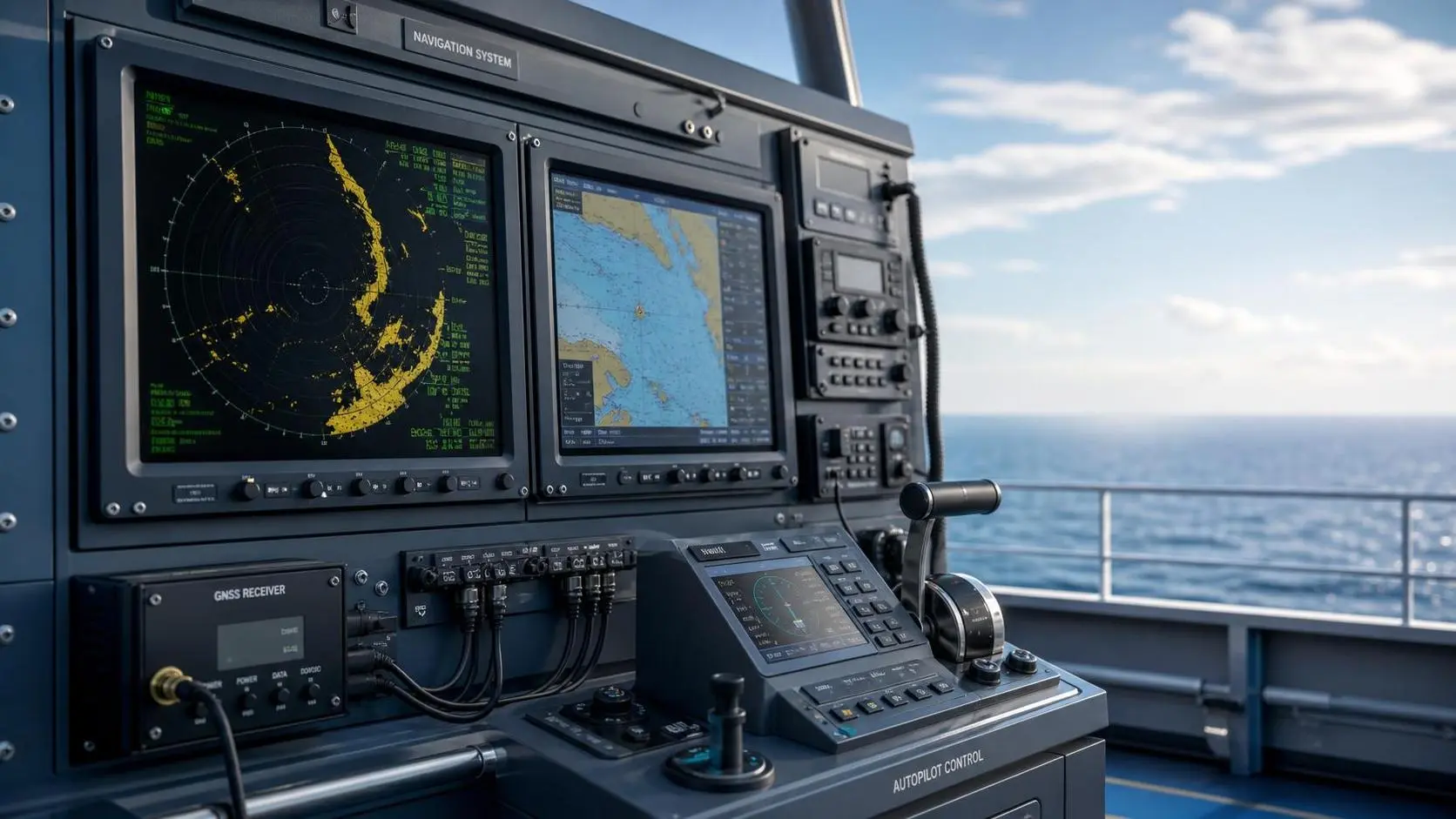
What Factors Drive Marine Navigation Components Cost in Commercial Vessel Projects?
Marine navigation components cost is shaped by integration, compliance, installation, and lifecycle support. Discover what drives pricing and how buyers can reduce risk while improving value.

How Much Does Seat Occupancy Sensing Cost? Key Pricing Factors for Buyers
Seat occupancy sensing price varies widely by technology, integration, and compliance needs. Learn the key cost drivers, avoid hidden fees, and make smarter buying decisions.
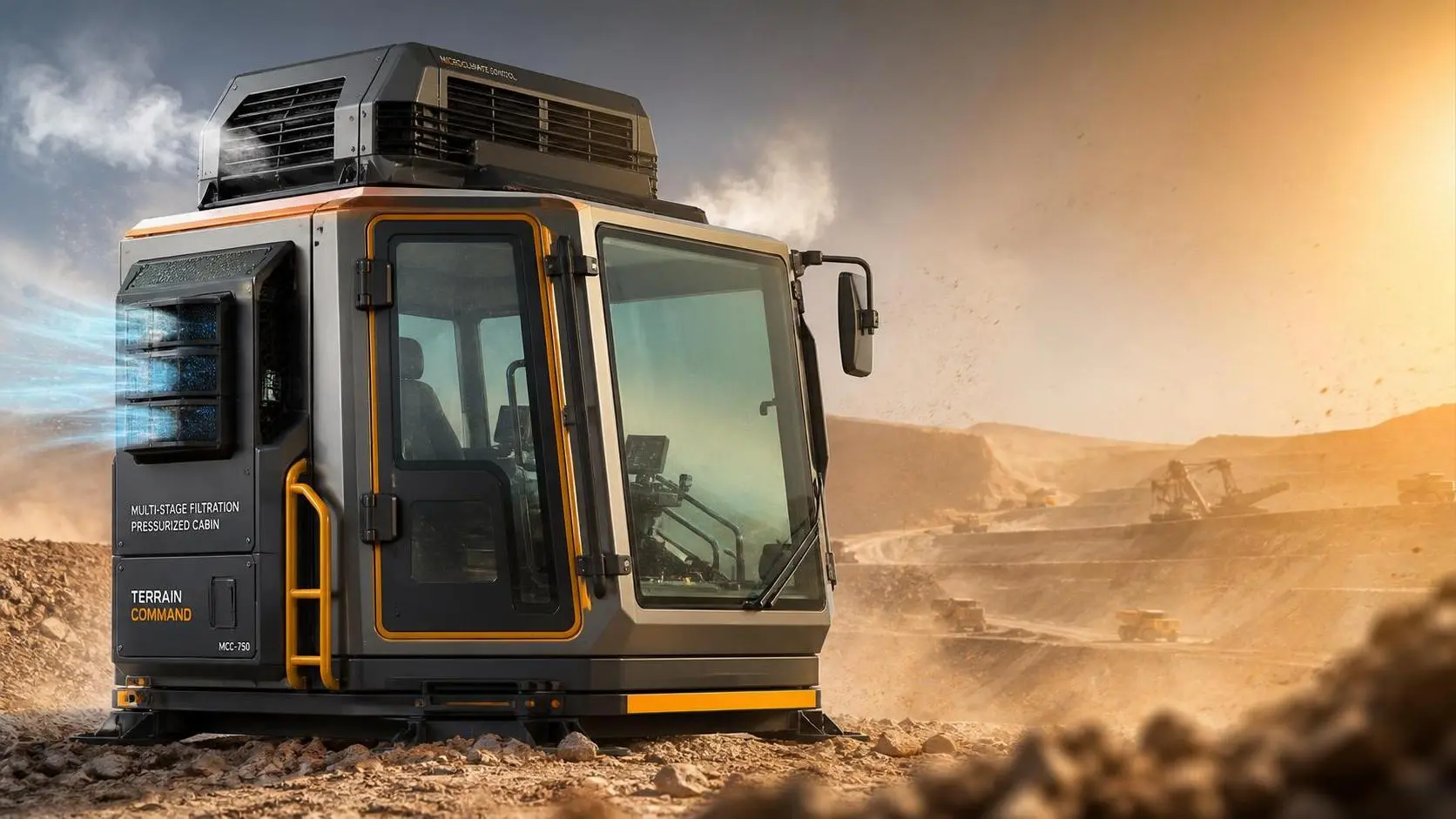
How to Specify Micro-Climate Control Cabins for Harsh Outdoor Worksites?
Micro-climate control cabins for harsh outdoor worksites: learn how to specify thermal control, filtration, pressurization, and durability for safer uptime and smarter buying.
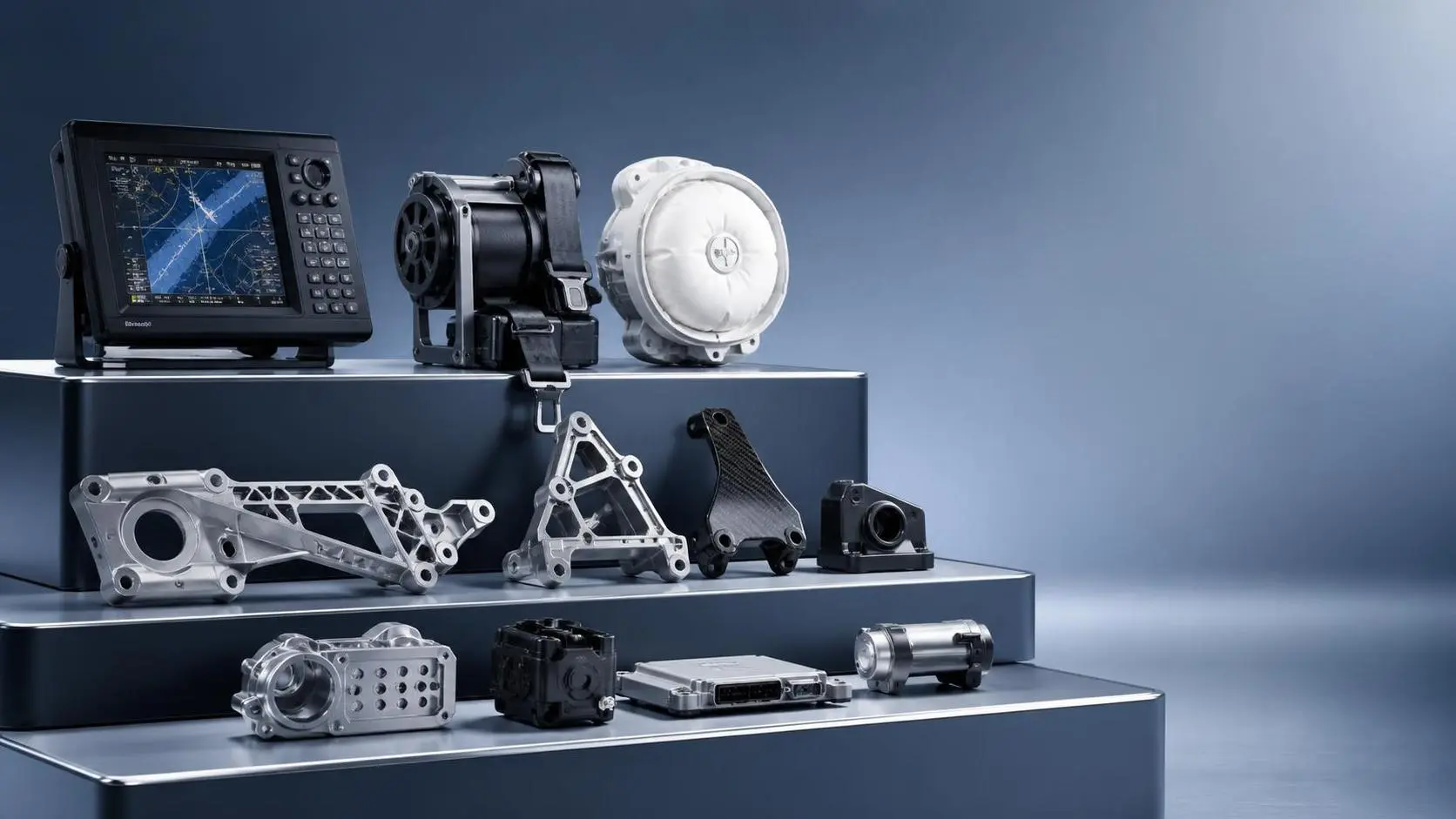
How to Evaluate a B2B Product Knowledge Platform for Faster Procurement Decisions
B2B product knowledge platform procurement starts with reducing decision risk. Learn how to compare specs, compliance, and supplier data to speed sourcing with confidence.
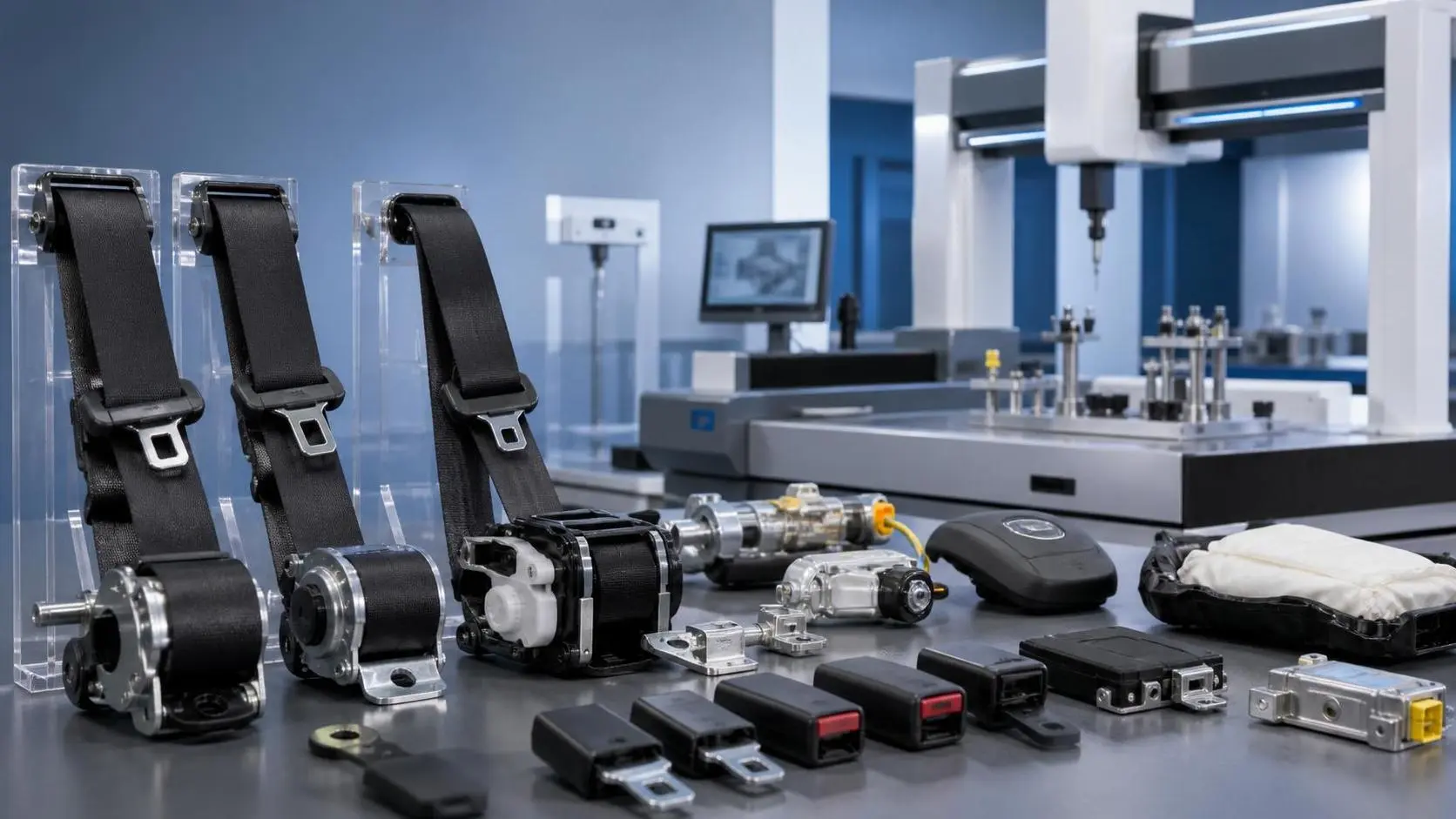
How to Evaluate an Occupant Restraint Systems Exporter for Quality, Compliance, and Supply Risk
Occupant restraint systems exporter evaluation guide: learn how to verify quality controls, compliance evidence, and supply risk before sourcing to avoid recalls, delays, and hidden costs.
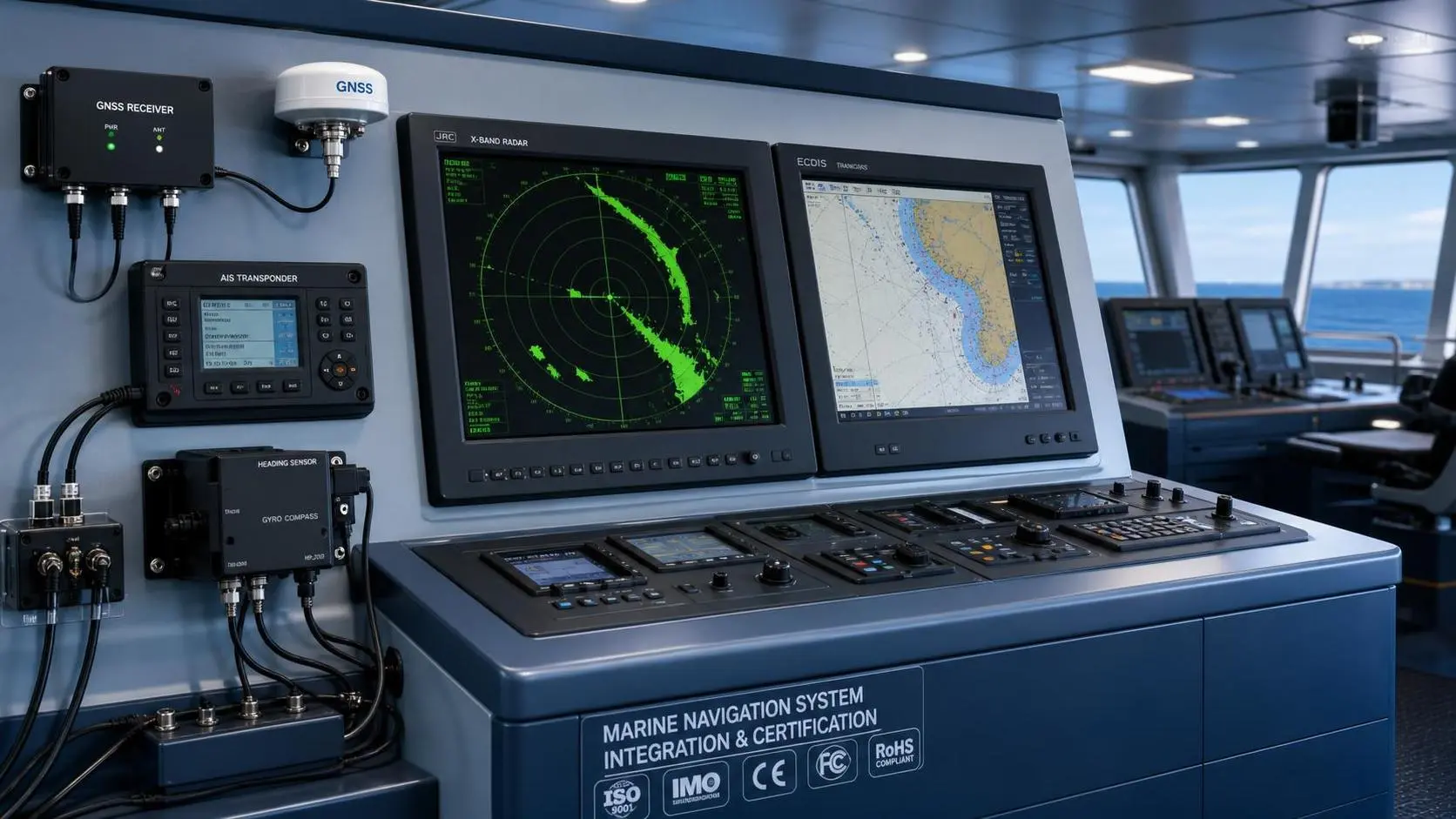
Navigation Compliance Certification: Which Marine Systems Need It and How to Prepare?
Navigation compliance certification explained: discover which marine systems need approval, what documents matter, and how to prepare early to avoid delays, rework, and costly project risks.
Related News
- 00
0000-00
B2B Product Intelligence Platforms: How to Compare Features, Data Coverage, and ROI - 00
0000-00
What Factors Drive Marine Navigation Components Cost in Commercial Vessel Projects? - 00
0000-00
How Much Does Seat Occupancy Sensing Cost? Key Pricing Factors for Buyers - 00
0000-00
How to Specify Micro-Climate Control Cabins for Harsh Outdoor Worksites? - 00
0000-00
How to Evaluate a B2B Product Knowledge Platform for Faster Procurement Decisions
Weekly Insights
Stay ahead with our curated technology reports delivered every Monday.