
What makes energy-absorbing materials worth the cost?
For procurement teams balancing safety performance, compliance, and total lifecycle cost, energy-absorbing materials deserve a closer look. From marine navigation equipment to automotive passive safety systems, these materials help reduce impact forces, protect critical components, and support lightweight design goals. Understanding what makes energy-absorbing materials worth the cost can lead to smarter sourcing decisions, stronger product value, and long-term competitive advantage.
In GNCS-covered sectors, purchasing decisions rarely hinge on unit price alone. Buyers must compare crash performance, marine durability, supply consistency, test evidence, and downstream integration across 3 to 5 functional systems.
That is exactly where energy-absorbing materials become commercially relevant. They can improve occupant protection, reduce secondary damage, and lower redesign costs over product programs that often run 5 to 7 years.
Why energy-absorbing materials matter beyond the purchase price
For procurement professionals, the first question is simple: why pay more for a material layer, foam structure, engineered polymer, honeycomb insert, or deformable metal feature? The answer lies in function under load, not appearance at rest.
Energy-absorbing materials are designed to convert kinetic impact energy into deformation, compression, heat, or controlled fracture. In many mobility applications, that conversion happens within milliseconds, often in less than 50 ms during severe events.
Key value drivers in marine and cabin safety applications
In marine navigation equipment, these materials help protect sensitive electronics, radar housings, display assemblies, and mounting structures from vibration, shock, and accidental impacts during docking or rough-sea operation.
In automotive passive safety systems, their role is even more visible. Door panels, seat structures, headliners, bolsters, knee protection zones, and restraint-related interfaces all rely on predictable energy management during collision events.
- Reduced peak force transfer to occupants or critical components
- Better compliance support for crash and impact validation
- Weight optimization compared with purely rigid protective structures
- Improved packaging flexibility in tight installation spaces
- Lower secondary repair or replacement exposure after moderate impacts
Cost should be measured over the full operating cycle
A low-cost material that fails at temperature extremes, absorbs moisture, loses compression set after 12 months, or creates assembly variation can become the expensive option. Procurement must examine 4 dimensions: acquisition, validation, field reliability, and replacement risk.
This is particularly important in GNCS sectors, where a part may face -30°C to 85°C exposure, salt fog, UV aging, repeated vibration, and strict dimensional tolerances such as ±0.5 mm to ±1.5 mm depending on the assembly.
The table below shows how buyers can compare apparent material cost with actual value contribution in high-reliability programs.
The practical conclusion is clear: energy-absorbing materials justify their cost when they reduce hidden losses. In procurement terms, avoiding one redesign loop or one failed validation round can offset a meaningful unit-price premium.
Where buyers see the strongest return on investment
Not every application needs the same material architecture. Buyers should prioritize high-consequence zones, repeated-load environments, and assemblies where failure can trigger safety, compliance, or brand risk.
Automotive lightweight structures and passive safety
In lightweight vehicle programs, engineers often remove mass from metal structures and compensate through better geometry, joining methods, and tuned energy-absorbing materials. That makes materials selection a direct part of crash strategy.
Typical buyer focus areas include seat energy management, head impact zones, knee bolsters, restraint anchoring interfaces, and trim-backed foam layers. Even a 5% to 10% weight reduction in subassemblies can support broader fuel-efficiency or range targets.
Marine electronics protection and vibration control
Marine equipment faces a different threat profile. Instead of a single crash pulse, buyers must evaluate repeated vibration, shock loading during wave impact, and enclosure protection for delicate sensing or display equipment.
In these cases, energy-absorbing materials can act as isolating pads, crushable inserts, or protective interfaces. The right selection can extend maintenance intervals from 6 months toward 12 months in certain service environments, depending on duty cycle.
Procurement should align material type with failure mode
A common mistake is buying for hardness alone. What matters is the relationship between load, strain rate, recovery, and permanent deformation. A soft foam, rigid honeycomb, and engineered thermoplastic each solve different problems.
- Use resilient foams for repeated low-to-medium energy events.
- Use crushable cores for one-time high-energy protection zones.
- Use elastomeric interfaces for vibration and shock isolation.
- Use deformable metallic elements where structural load paths matter.
The next table maps common application scenarios to purchasing priorities across GNCS-related equipment segments.
The strongest return usually appears where one material choice improves 2 or 3 targets at once, such as impact attenuation, lower mass, and simplified assembly. Those are the applications worth prioritizing during sourcing reviews.
How to evaluate energy-absorbing materials like a strategic buyer
Effective sourcing starts with a structured review. Rather than comparing quotations line by line, procurement teams should build a technical-commercial scorecard that captures performance, processing, and supply risk in a single framework.
A 6-point evaluation checklist
- Impact response curve under expected load range
- Temperature and humidity stability over target service life
- Compression set, recovery rate, and aging behavior
- Compatibility with adhesives, fasteners, and adjacent substrates
- Production consistency across batch, cavity, or roll format
- Lead time, MOQ, and second-source availability
Ask for data that supports real deployment
A supplier datasheet is only a starting point. Buyers should request compression-deflection curves, accelerated aging results, environmental exposure limits, and validation methods tied to actual use conditions, not ideal lab-only settings.
For many programs, sample review takes 2 to 4 weeks, pilot validation another 3 to 6 weeks, and final approval depends on the larger product release schedule. Material selection made too late often causes costly timing compression.
Commercial questions that reduce sourcing risk
Strategic buyers also test the supply model. Is the compound proprietary? Are raw materials subject to price swings? Does the part require custom tooling? Can the supplier support regional manufacturing in 2 or more production locations?
In some sourcing discussions, seemingly minor details such as packaging density, shelf life of 9 to 18 months, or storage limits below 30°C can materially affect warehouse cost and line-side usability.
If your team is reviewing intelligence sources or market references, even a placeholder listing such as 无 should be judged on whether it helps clarify test logic, sourcing comparability, or compliance pathways rather than adding noise.
Common buying mistakes and how to avoid them
Many cost overruns do not come from expensive materials. They come from poor fit between material behavior and use case. In safety-related sectors, that mismatch can delay launches, trigger revalidation, or weaken field reliability.
Mistake 1: treating all energy management materials as interchangeable
Two materials may show similar density but perform very differently under strain rate, repeated compression, or thermal cycling. Buyers should never substitute based on density, thickness, or nominal hardness alone.
Mistake 2: optimizing only for piece price
A price reduction of 3% on a low-cost insert can be erased by one added test cycle, one tooling correction, or one field issue involving noise, looseness, or impact underperformance. Total cost needs a 12- to 36-month view.
Mistake 3: ignoring integration with adjacent systems
In cabin and navigation assemblies, materials interact with metals, plastics, adhesives, clips, covers, and electronics. Procurement should involve engineering, quality, and manufacturing early, ideally before RFQ finalization.
A practical cross-functional review model
A strong process typically includes 5 steps: requirement definition, sample screening, environmental validation, supply assessment, and controlled production release. This approach reduces last-minute surprises and helps align technical and commercial decisions.
For organizations following GNCS-style intelligence monitoring, the most resilient sourcing decisions combine material science, compliance awareness, and realistic operating assumptions. That is especially true when buyer teams manage both mobility safety and electronics protection categories.
What procurement teams should ask suppliers before awarding business
Good supplier questions reveal whether a material premium is justified. They also help buyers separate mature manufacturing partners from vendors that only compete on quotation speed.
Recommended supplier questions
- What impact or compression test methods are used, and at what load range?
- How do properties change after thermal cycling, humidity exposure, or salt spray?
- What are the normal tolerance bands for thickness, density, and recovery?
- Can the material be supplied in multiple formats such as sheet, molded insert, or die-cut part?
- What is the standard lead time: 2 weeks, 6 weeks, or longer under peak demand?
- Is there a contingency plan for raw-material disruption or regional logistics delay?
Look for proof of repeatability, not isolated test success
A single strong sample means little if production drift is high. Buyers should look for process control discipline, batch traceability, and a realistic understanding of where energy-absorbing materials perform best and where they do not.
When suppliers can clearly explain limits, recommended design windows, and processing constraints, procurement gains a stronger basis for long-term agreements and premium-order decisions.
Energy-absorbing materials are worth the cost when they protect lives, preserve equipment, reduce redesign risk, and support lighter, smarter mobility systems. For marine navigation platforms, passive safety assemblies, and intelligent seating structures, the right material choice can influence performance for years after the initial PO.
If your team is comparing options across safety, durability, and sourcing stability, use a lifecycle lens rather than a unit-price lens. To explore application-specific recommendations, evaluate supplier readiness, or review broader GNCS-aligned solutions, contact us today to get a tailored sourcing perspective and learn more about practical material strategies.
Related News

How to Evaluate Custom Smart Automotive Seating for Premium Vehicle Programs?
Custom smart automotive seating evaluation starts with safety, comfort, integration, and production readiness. Discover how premium vehicle teams choose smarter, lower-risk seat solutions.
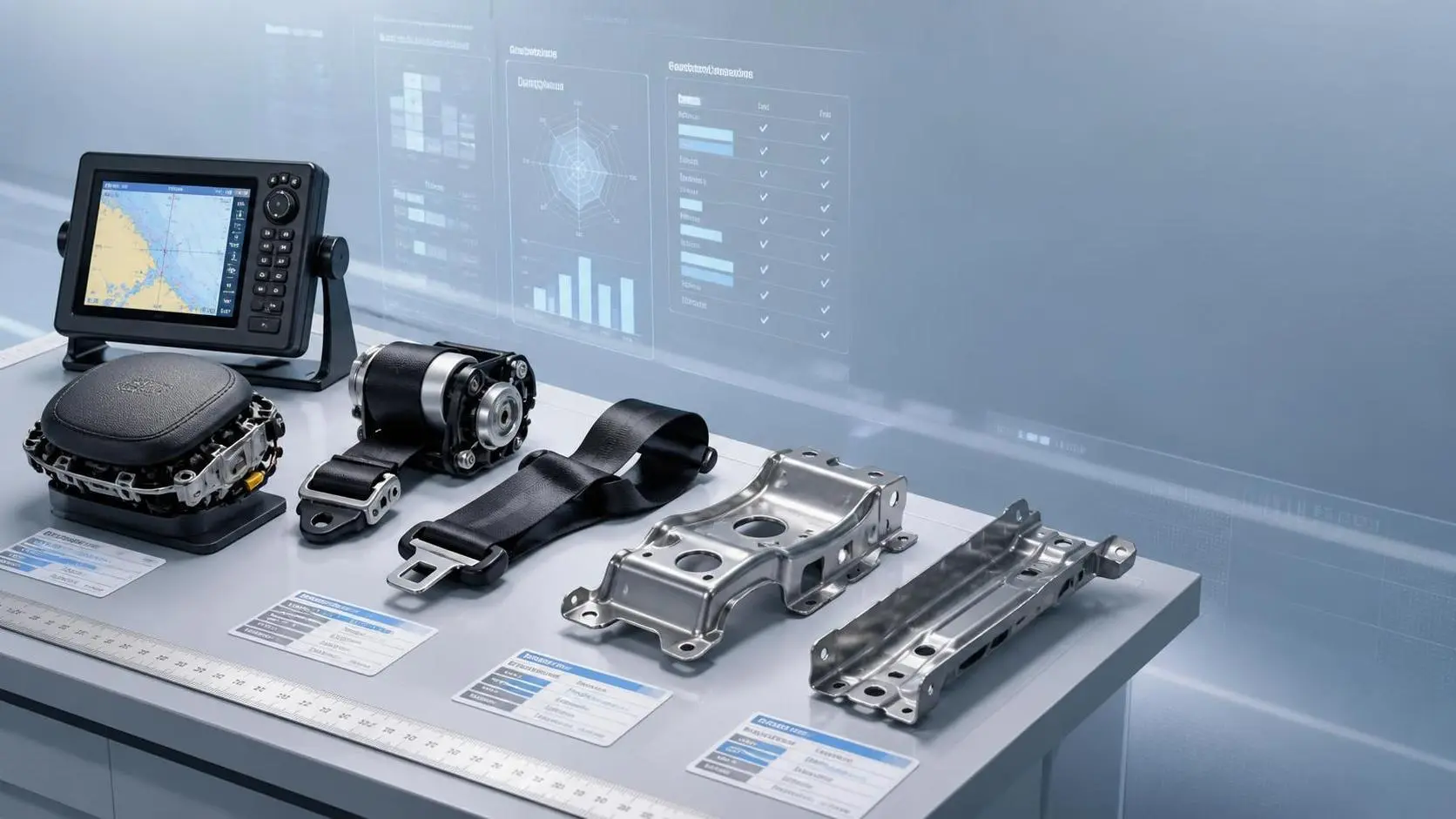
B2B Product Intelligence Platforms: How to Compare Features, Data Coverage, and ROI
B2B product intelligence platform comparison: learn how to evaluate data coverage, feature depth, compliance visibility, and ROI to choose a sourcing tool that reduces risk and speeds decisions.

Climate Control Seats Cost: What Drives Price and Long-Term Ownership Value?
Climate control seats cost depends on materials, thermal tech, and integration. Learn what drives price and how to judge long-term value before you buy.

What Factors Drive Marine Navigation Components Cost in Commercial Vessel Projects?
Marine navigation components cost is shaped by integration, compliance, installation, and lifecycle support. Discover what drives pricing and how buyers can reduce risk while improving value.

How Much Does Seat Occupancy Sensing Cost? Key Pricing Factors for Buyers
Seat occupancy sensing price varies widely by technology, integration, and compliance needs. Learn the key cost drivers, avoid hidden fees, and make smarter buying decisions.

How to Specify Micro-Climate Control Cabins for Harsh Outdoor Worksites?
Micro-climate control cabins for harsh outdoor worksites: learn how to specify thermal control, filtration, pressurization, and durability for safer uptime and smarter buying.
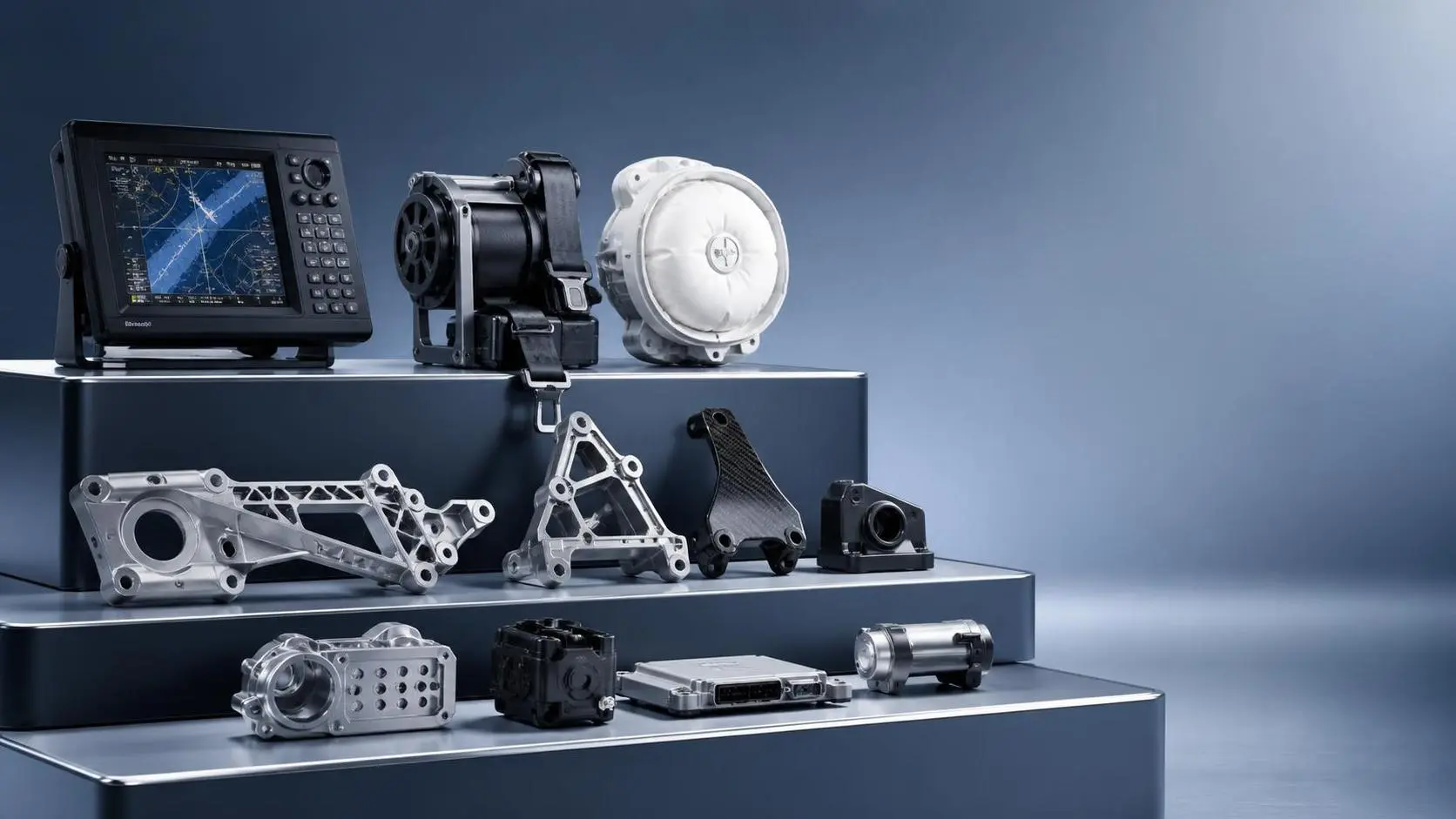
How to Evaluate a B2B Product Knowledge Platform for Faster Procurement Decisions
B2B product knowledge platform procurement starts with reducing decision risk. Learn how to compare specs, compliance, and supplier data to speed sourcing with confidence.
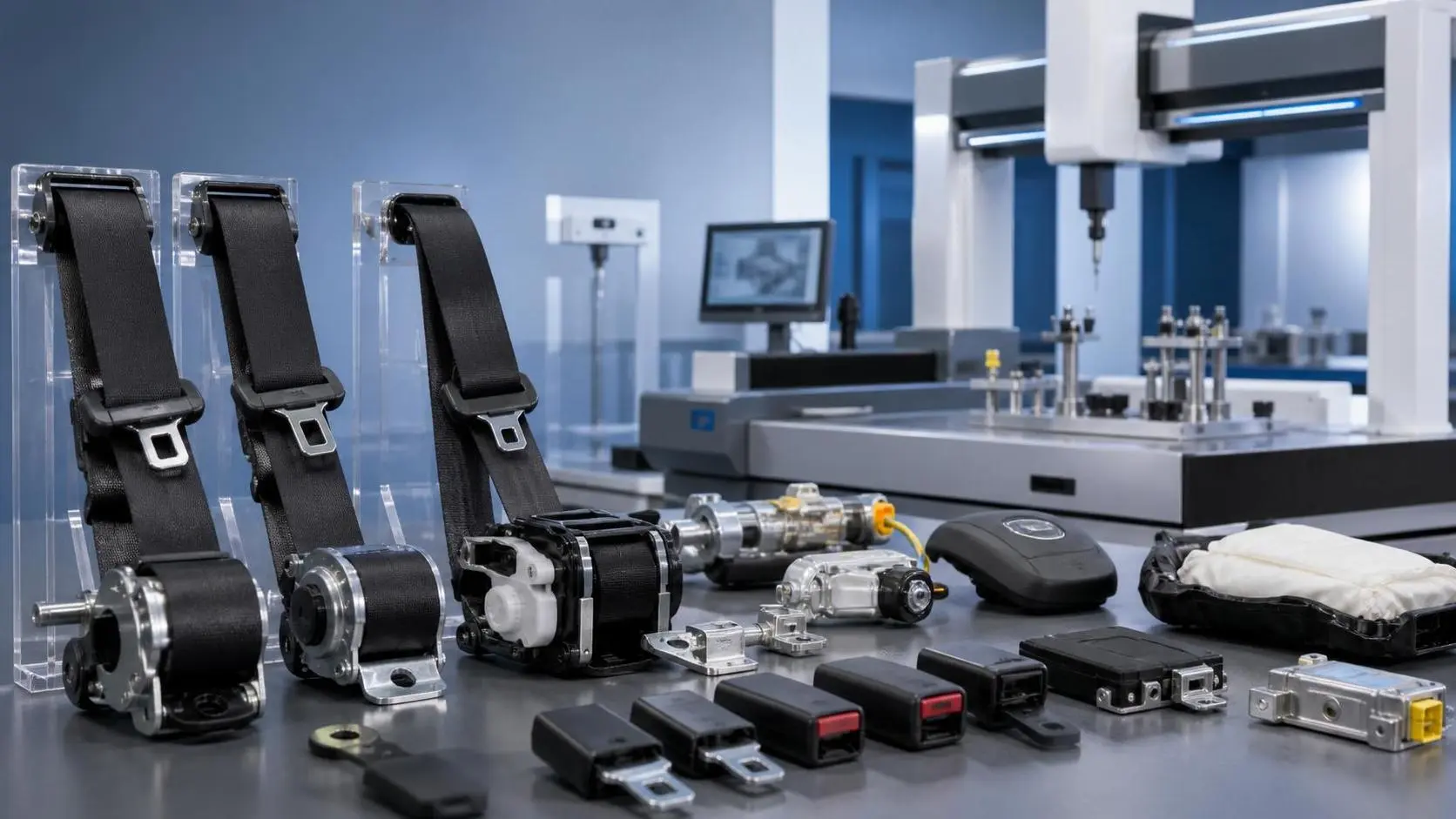
How to Evaluate an Occupant Restraint Systems Exporter for Quality, Compliance, and Supply Risk
Occupant restraint systems exporter evaluation guide: learn how to verify quality controls, compliance evidence, and supply risk before sourcing to avoid recalls, delays, and hidden costs.
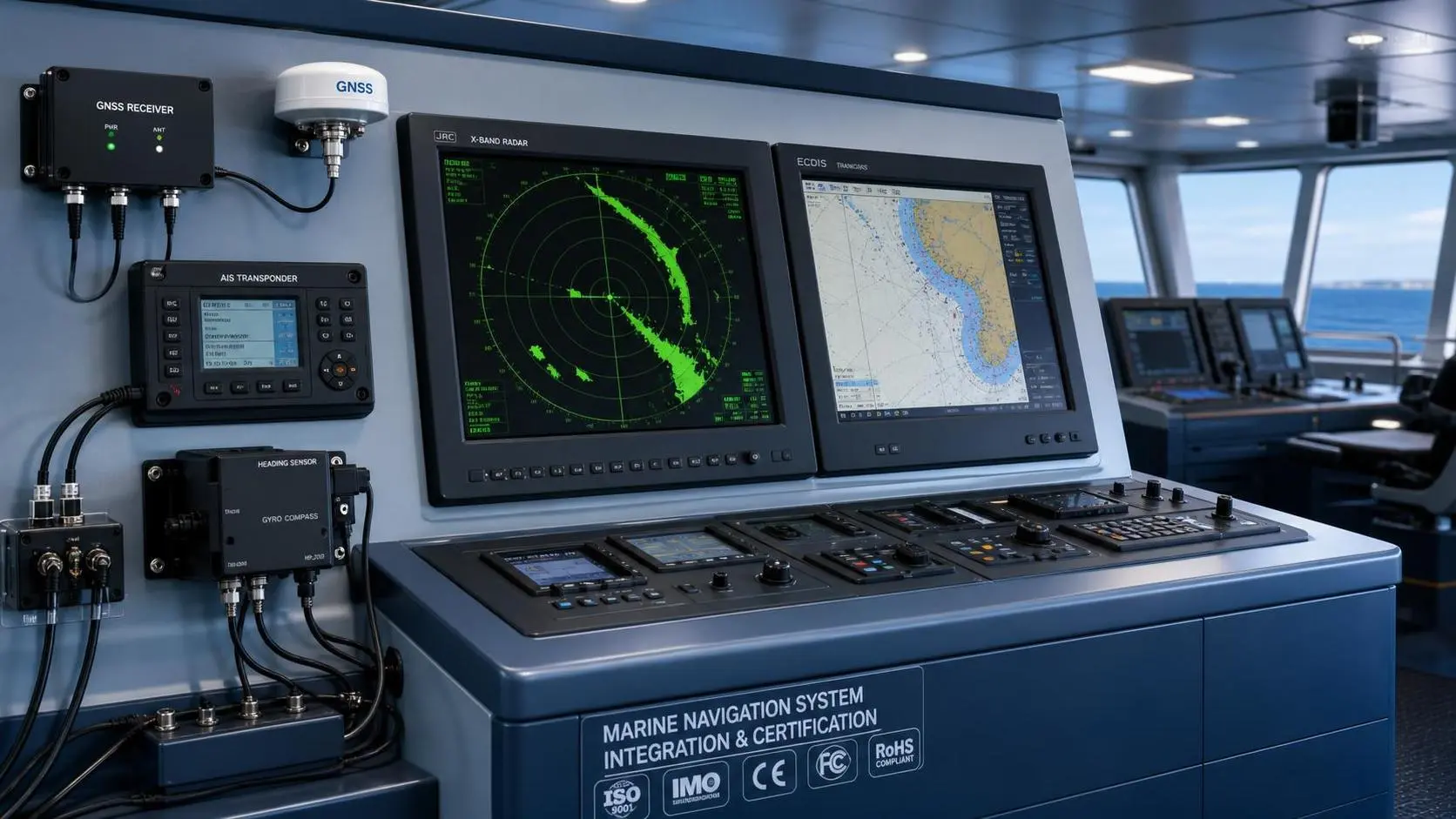
Navigation Compliance Certification: Which Marine Systems Need It and How to Prepare?
Navigation compliance certification explained: discover which marine systems need approval, what documents matter, and how to prepare early to avoid delays, rework, and costly project risks.
Related News
- 00
0000-00
B2B Product Intelligence Platforms: How to Compare Features, Data Coverage, and ROI - 00
0000-00
What Factors Drive Marine Navigation Components Cost in Commercial Vessel Projects? - 00
0000-00
How Much Does Seat Occupancy Sensing Cost? Key Pricing Factors for Buyers - 00
0000-00
How to Specify Micro-Climate Control Cabins for Harsh Outdoor Worksites? - 00
0000-00
How to Evaluate a B2B Product Knowledge Platform for Faster Procurement Decisions
Weekly Insights
Stay ahead with our curated technology reports delivered every Monday.