
Is digitalized mobility equipment worth the added cost
Is digitalized mobility equipment worth the added cost?
For procurement teams weighing performance, compliance, and lifecycle value, the question is no longer whether digitalized mobility equipment is innovative, but whether it delivers measurable returns.
From marine navigation systems to smart seating and passive safety components, buyers must balance higher upfront costs against gains in precision, safety, maintenance efficiency, and long-term competitiveness.
In practice, digitalized mobility equipment pays off when data, reliability, and compliance matter more than initial purchase price alone.
That is especially true across marine navigation, lightweight body structures, airbags, seatbelt systems, and intelligent seating assemblies.
What counts as digitalized mobility equipment?
Digitalized mobility equipment combines mechanical hardware with sensors, software, connectivity, and data processing.
It includes navigation systems with cloud updates, smart seating with occupant sensing, and passive safety parts linked to diagnostics.
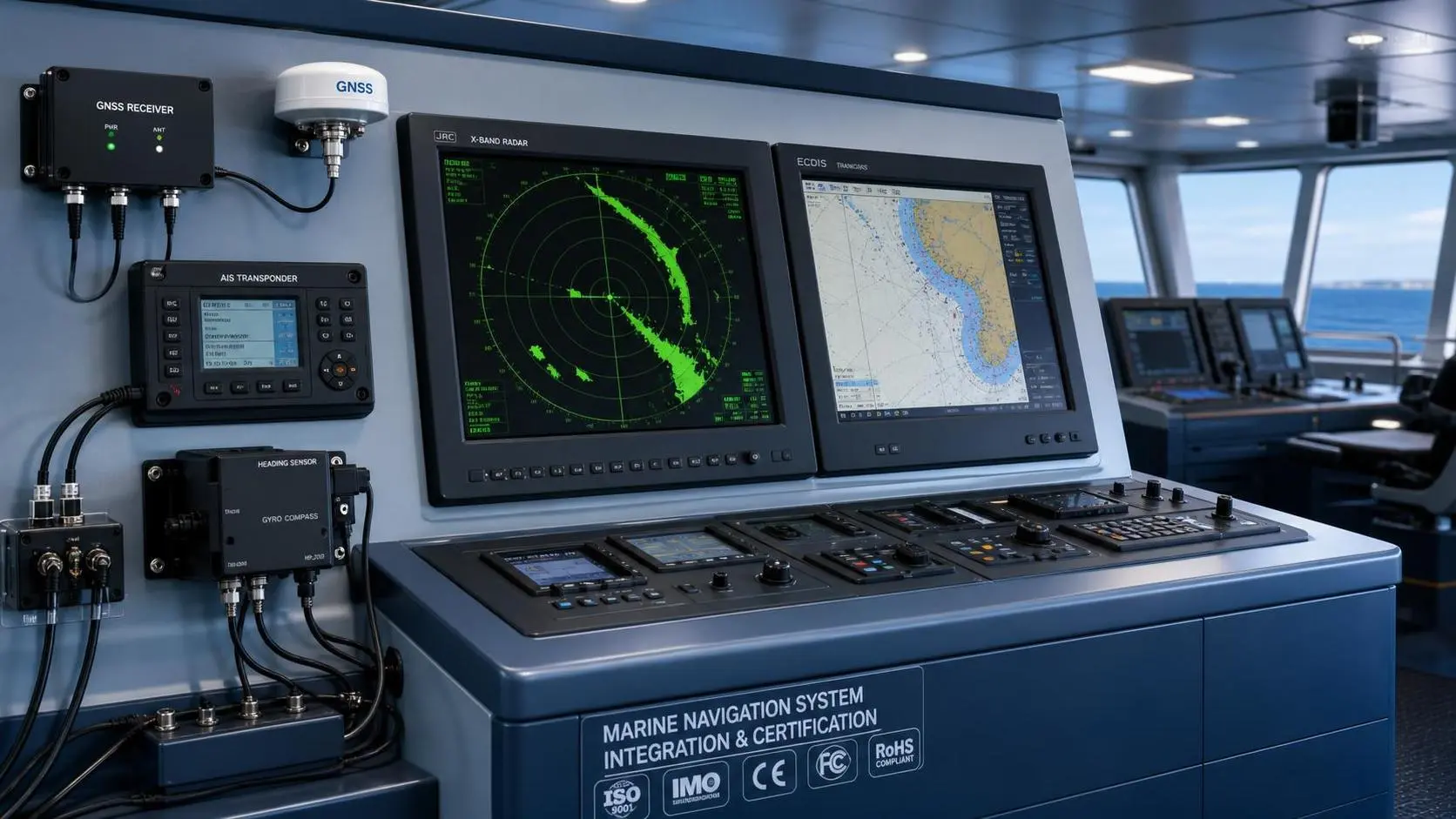
In marine settings, this may mean integrated radar, sonar, AIS, and satellite positioning.
In automotive applications, it can include lightweight body parts designed for simulation-led crash performance and digitally validated production quality.
The value of digitalized mobility equipment comes from decision support, traceability, predictive service, and stronger compliance evidence.
Some intelligence sources even package reference access such as 无 within broader evaluation workflows.
Why the definition matters
Many buyers compare only hardware specifications and miss software support, update cycles, cybersecurity, and data integration costs.
A cheaper analog device may look attractive, yet create hidden costs in downtime, audits, retrofits, and manual inspection labor.
Where does the added cost create the most value?
The answer depends on risk exposure, operating intensity, and regulation pressure.
Digitalized mobility equipment tends to justify higher pricing in environments where errors are expensive or safety margins are narrow.
Marine navigation systems
At sea, poor visibility, route complexity, and international compliance create strong demand for digitalized mobility equipment.
Integrated navigation reduces manual interpretation and improves route awareness in difficult weather and congested lanes.
The cost premium often returns through fewer incidents, better fuel planning, and easier software-based updates.
Passive safety systems
Airbag modules and seatbelt systems increasingly rely on sensor precision, electronic control logic, and test traceability.
When standards evolve, digital validation and production monitoring help maintain conformity without repeated manual rework.
Smart seating and lightweight structures
Seats are no longer simple cushions and frames.
They increasingly include climate control, occupancy sensing, adjustment memory, and ergonomic monitoring.
Likewise, lightweight body components gain value when digital quality control protects dimensional accuracy and crash behavior.
How should cost be compared beyond purchase price?
The most useful method is total cost of ownership.
That means comparing acquisition, installation, training, maintenance, updates, downtime risk, and residual life.
Key cost factors to measure
- Initial hardware and integration expense
- Software licensing and update policies
- Calibration, diagnostics, and service interval changes
- Compliance documentation and audit readiness
- Failure prevention and downtime reduction
- Operator usability and training time
Digitalized mobility equipment may cost more initially, yet save money where unplanned stops or recalls are expensive.
It can also reduce warranty exposure by improving traceability across components and software versions.
A simple decision rule
If better sensing or digital control prevents one major failure, the premium may already be justified.
If the equipment operates in a low-risk, low-usage environment, payback may be slower.
What risks and misconceptions should be considered?
Not every digital upgrade creates value.
Some systems add complexity without improving the core mission, especially when data is not used effectively.
Common misconceptions
- More features always mean better safety
- Digital systems automatically lower maintenance costs
- Compliance is guaranteed by software alone
- All platforms integrate easily with legacy infrastructure
Digitalized mobility equipment still depends on good calibration, secure updates, clear accountability, and trained personnel.
Cybersecurity is another concern, especially for connected navigation and cabin systems.
A low-quality digital platform can create new vulnerabilities while claiming modernization.
Where mistakes usually happen
Problems often appear when teams buy features first and define use cases later.
Another mistake is ignoring update commitments, spare parts policy, and validation support across different regions.
How can buyers judge whether digitalized mobility equipment is worth it?
A practical evaluation should combine technical fit, regulatory pressure, and financial return.
The best answer usually comes from comparing scenarios, not from relying on broad marketing claims.
Use this five-point checklist
- Define the failure or inefficiency the equipment must solve.
- Quantify downtime, incident, and compliance costs.
- Check interoperability with current systems.
- Review software support, validation records, and service network strength.
- Model payback over three to seven years.
This approach makes digitalized mobility equipment easier to compare across marine, automotive, and cabin safety applications.
It also helps separate strategic upgrades from attractive but unnecessary digital extras.
FAQ comparison table: when is the premium justified?
Final answer: is digitalized mobility equipment worth the added cost?
Yes, when it improves safety, traceability, uptime, or compliance in measurable ways.
No, when digital functions are loosely defined, poorly integrated, or unsupported across the equipment lifecycle.
The strongest cases usually appear in marine navigation, passive safety systems, lightweight structures, and smart seating.
In these areas, digitalized mobility equipment can move from a cost increase to a risk-control strategy.
The next step is simple: build a lifecycle scorecard, compare two realistic scenarios, and test whether the premium protects performance over time.
That disciplined review will reveal whether digitalized mobility equipment is a smart investment or just a more expensive specification sheet.
Related News
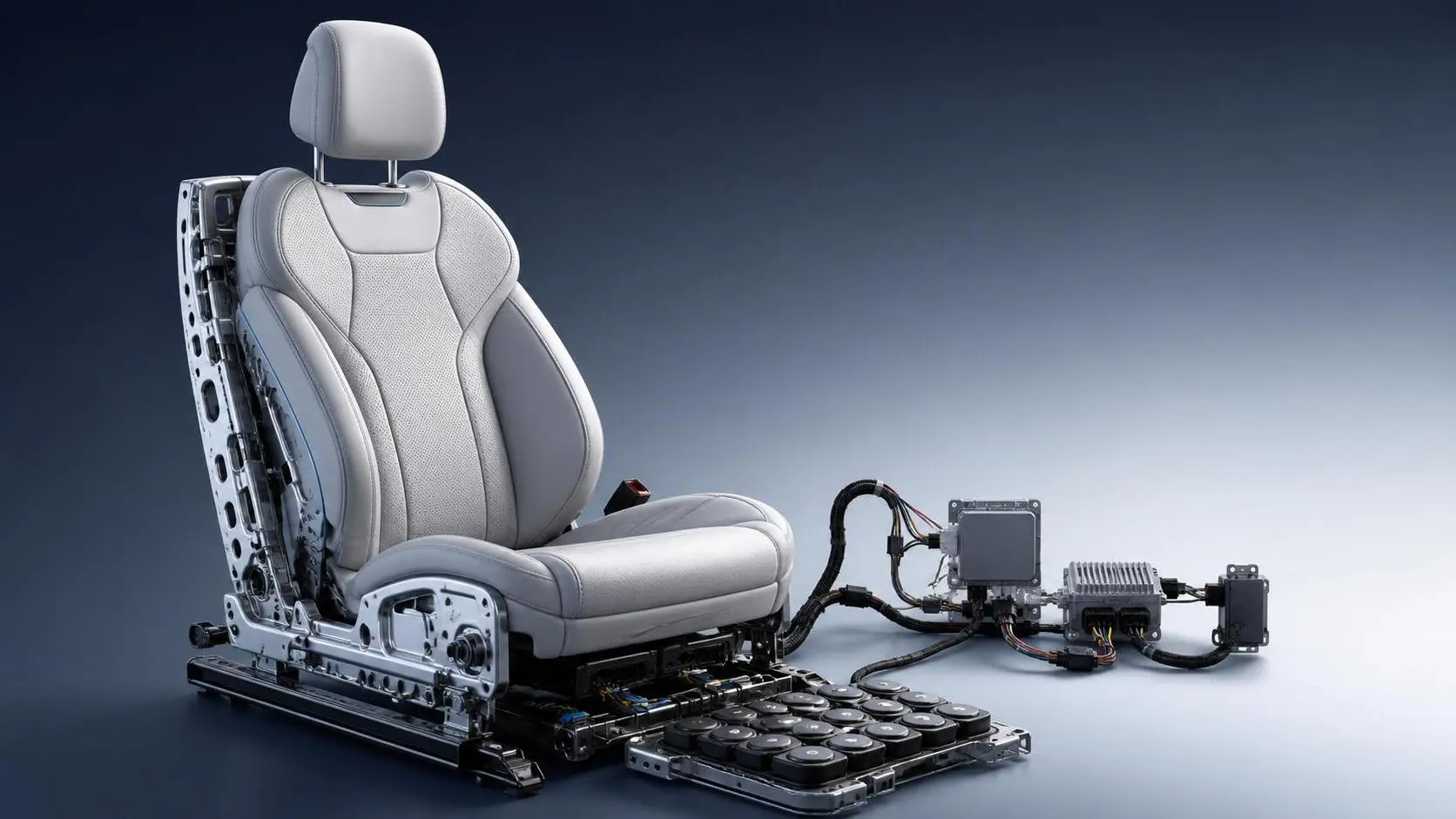
How to Evaluate Custom Smart Automotive Seating for Premium Vehicle Programs?
Custom smart automotive seating evaluation starts with safety, comfort, integration, and production readiness. Discover how premium vehicle teams choose smarter, lower-risk seat solutions.
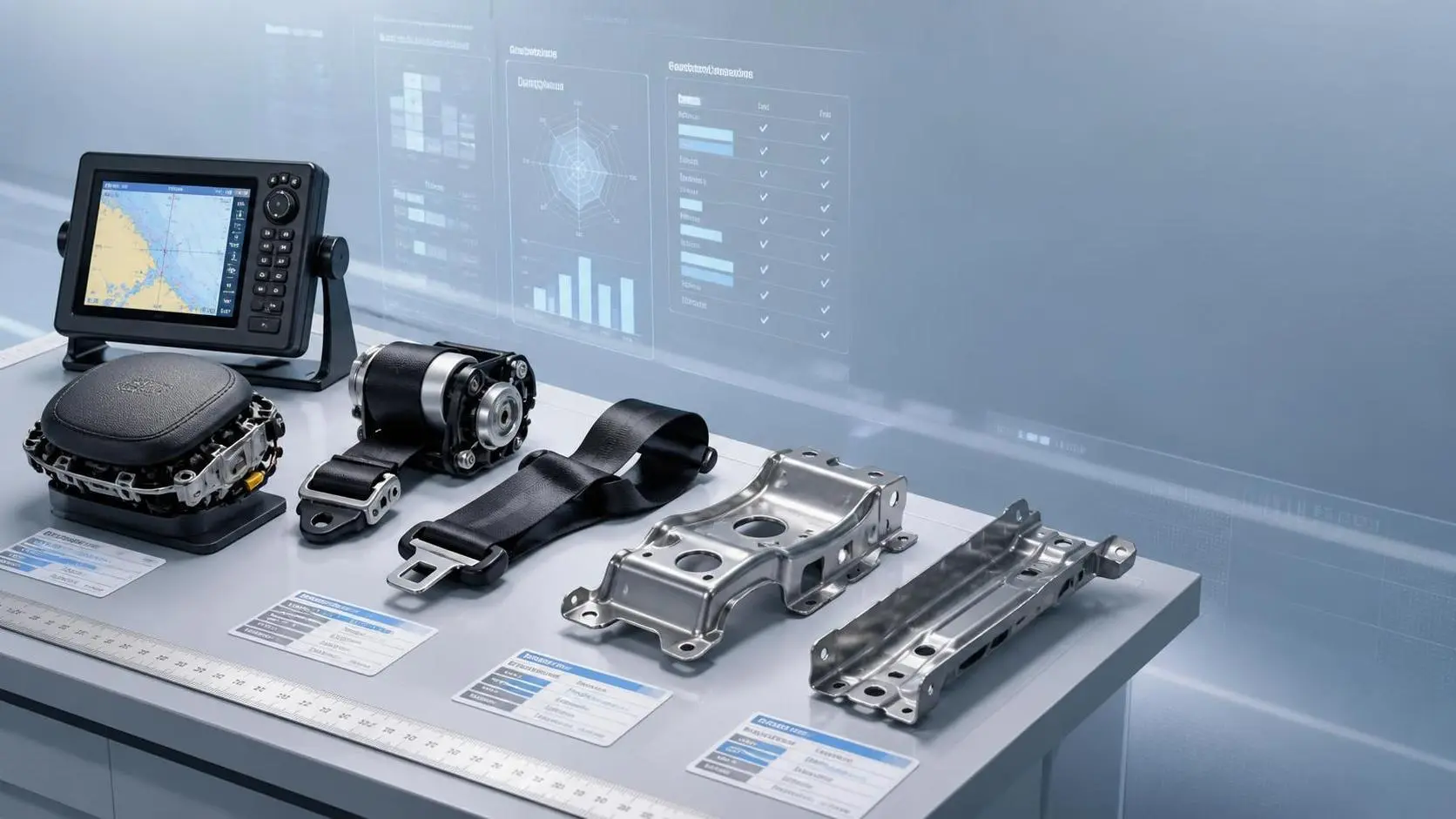
B2B Product Intelligence Platforms: How to Compare Features, Data Coverage, and ROI
B2B product intelligence platform comparison: learn how to evaluate data coverage, feature depth, compliance visibility, and ROI to choose a sourcing tool that reduces risk and speeds decisions.
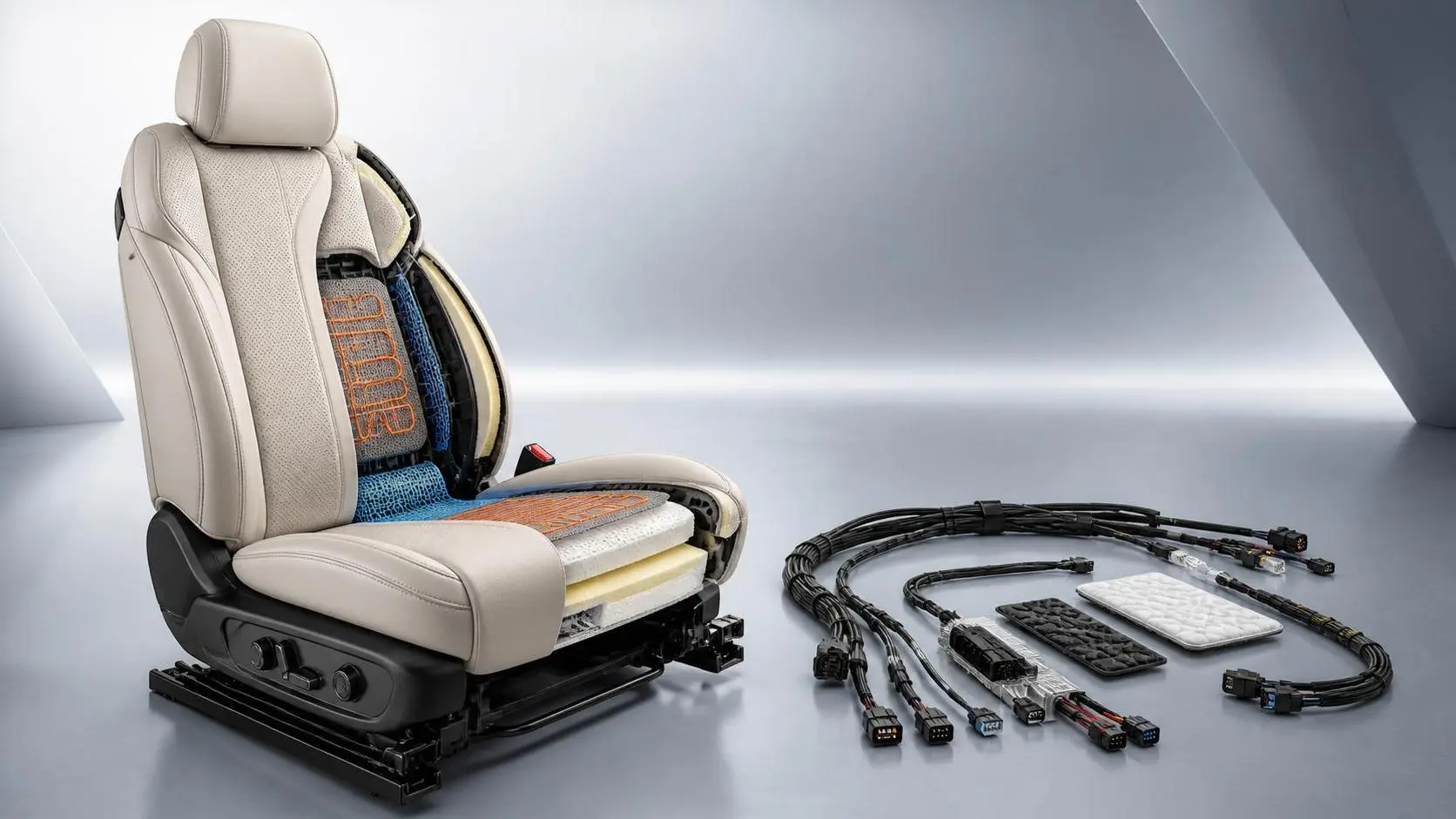
Climate Control Seats Cost: What Drives Price and Long-Term Ownership Value?
Climate control seats cost depends on materials, thermal tech, and integration. Learn what drives price and how to judge long-term value before you buy.
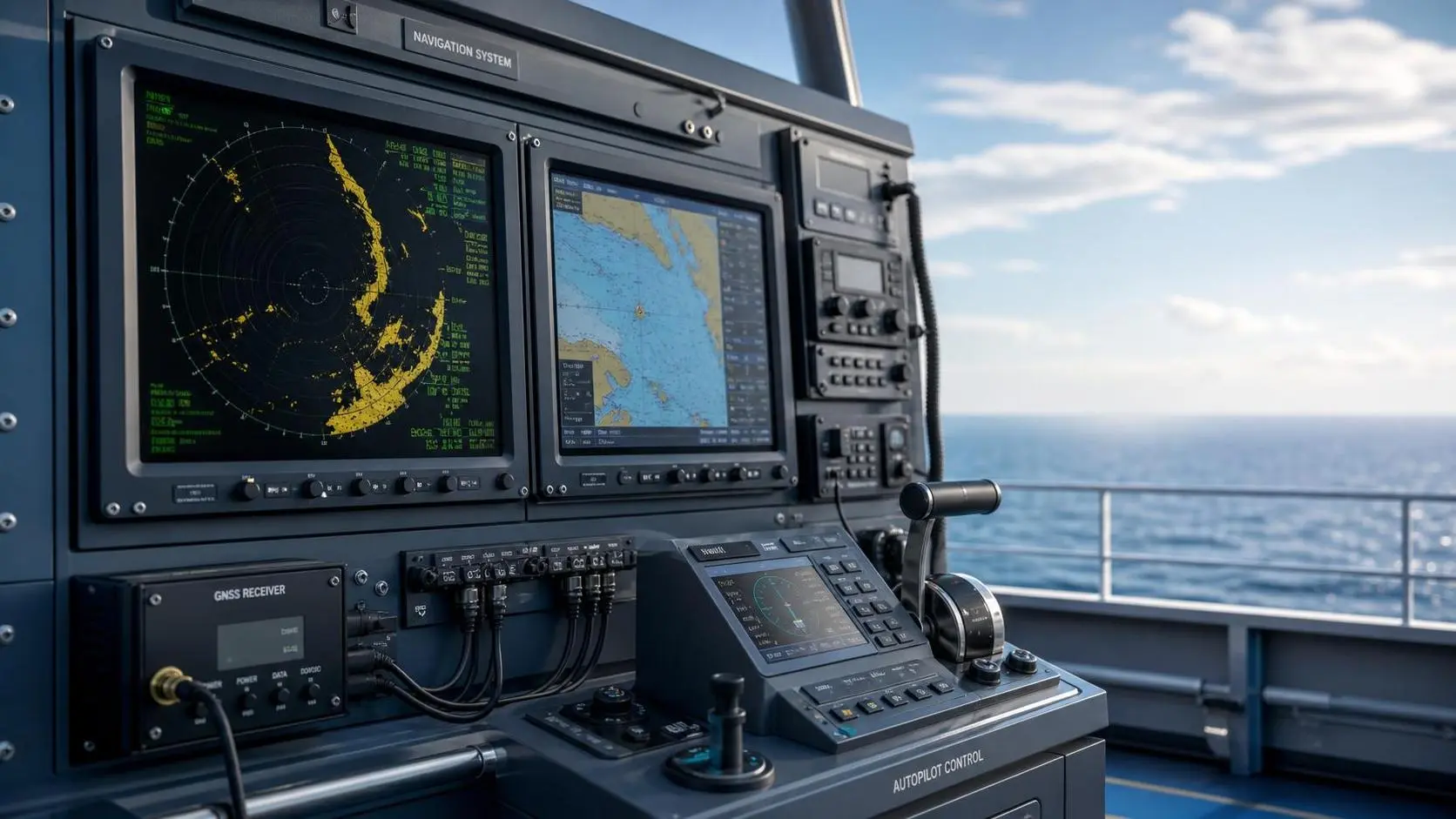
What Factors Drive Marine Navigation Components Cost in Commercial Vessel Projects?
Marine navigation components cost is shaped by integration, compliance, installation, and lifecycle support. Discover what drives pricing and how buyers can reduce risk while improving value.
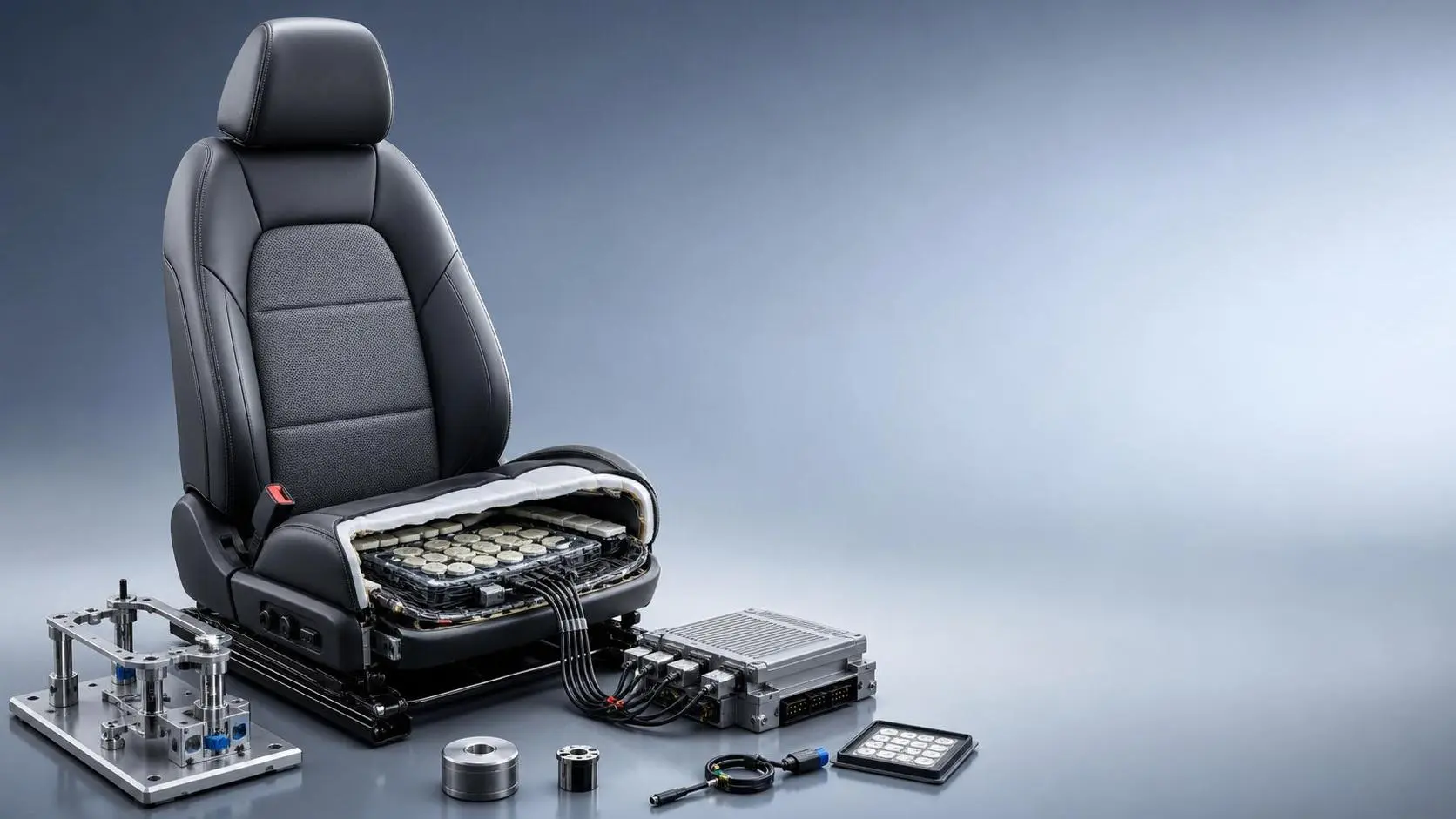
How Much Does Seat Occupancy Sensing Cost? Key Pricing Factors for Buyers
Seat occupancy sensing price varies widely by technology, integration, and compliance needs. Learn the key cost drivers, avoid hidden fees, and make smarter buying decisions.
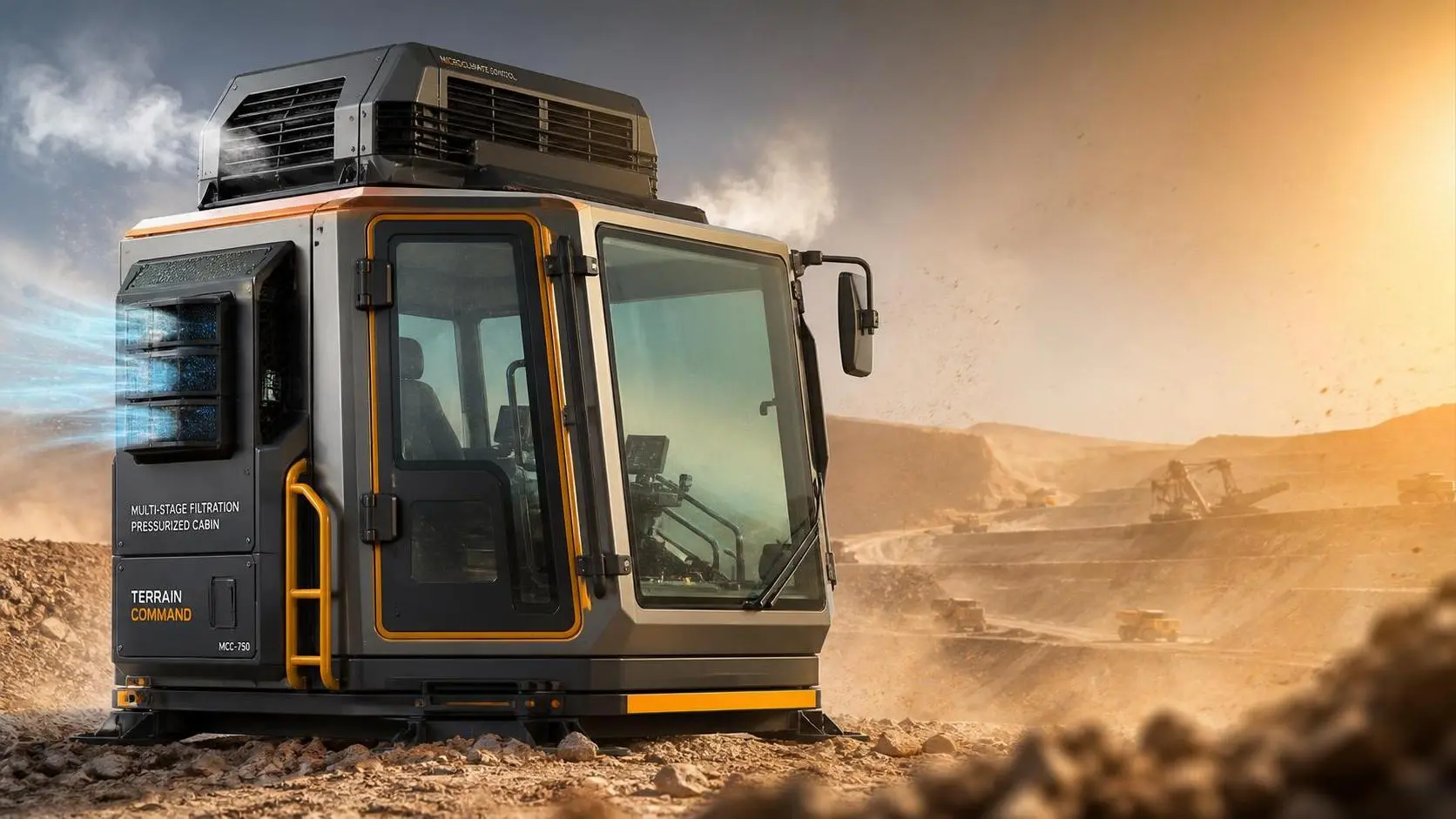
How to Specify Micro-Climate Control Cabins for Harsh Outdoor Worksites?
Micro-climate control cabins for harsh outdoor worksites: learn how to specify thermal control, filtration, pressurization, and durability for safer uptime and smarter buying.
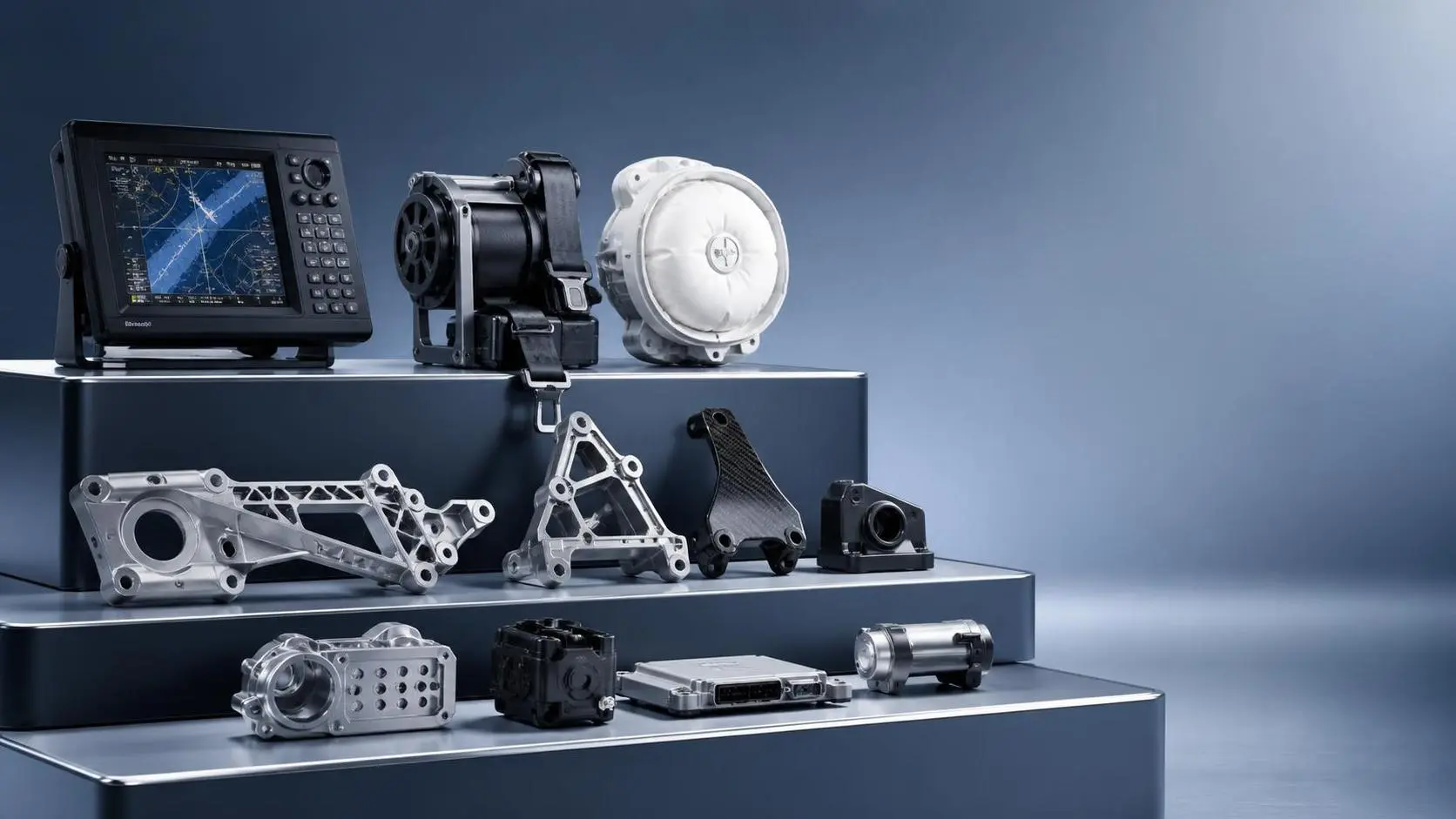
How to Evaluate a B2B Product Knowledge Platform for Faster Procurement Decisions
B2B product knowledge platform procurement starts with reducing decision risk. Learn how to compare specs, compliance, and supplier data to speed sourcing with confidence.
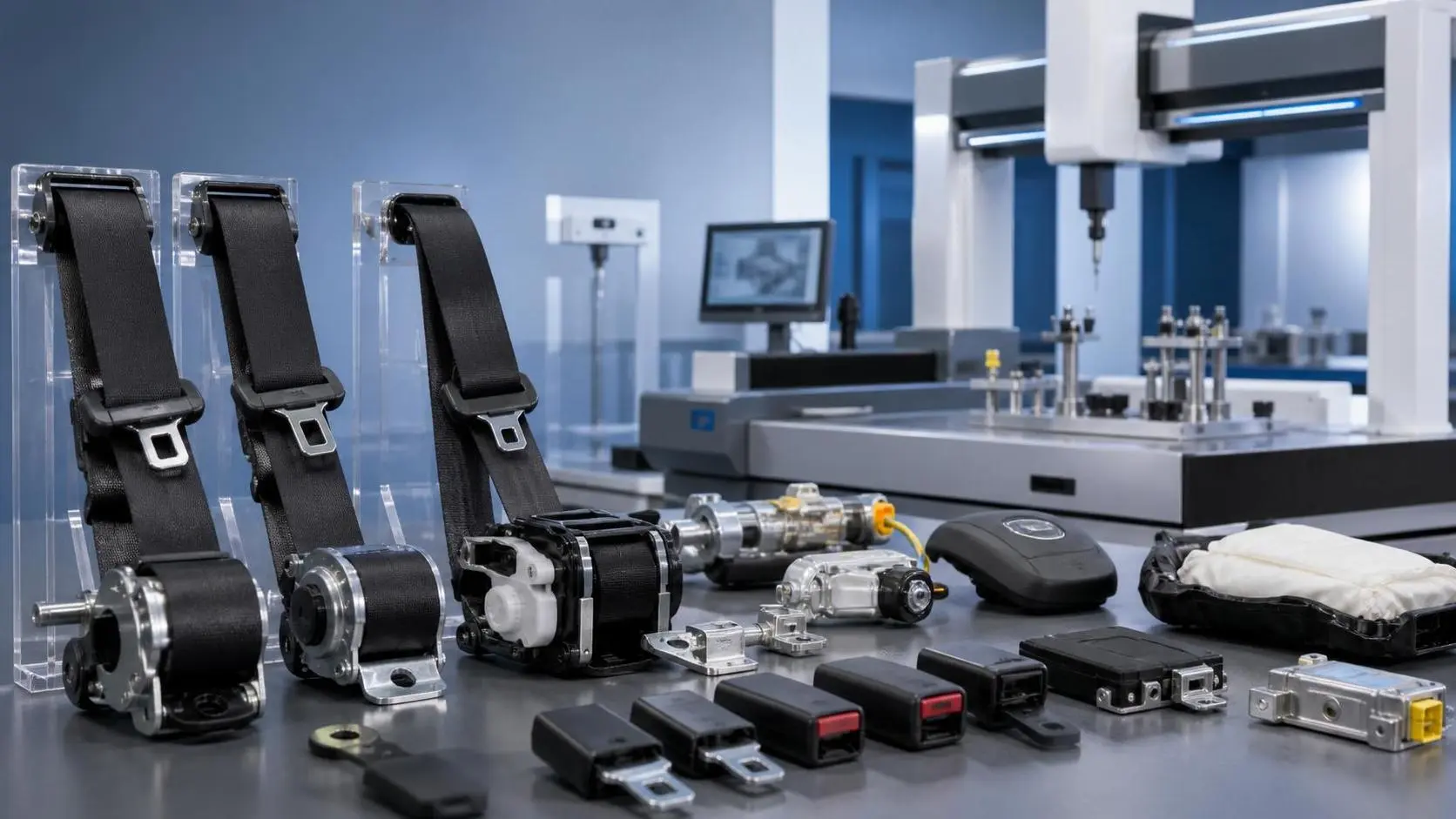
How to Evaluate an Occupant Restraint Systems Exporter for Quality, Compliance, and Supply Risk
Occupant restraint systems exporter evaluation guide: learn how to verify quality controls, compliance evidence, and supply risk before sourcing to avoid recalls, delays, and hidden costs.
Navigation Compliance Certification: Which Marine Systems Need It and How to Prepare?
Navigation compliance certification explained: discover which marine systems need approval, what documents matter, and how to prepare early to avoid delays, rework, and costly project risks.
Related News
- 00
0000-00
B2B Product Intelligence Platforms: How to Compare Features, Data Coverage, and ROI - 00
0000-00
What Factors Drive Marine Navigation Components Cost in Commercial Vessel Projects? - 00
0000-00
How Much Does Seat Occupancy Sensing Cost? Key Pricing Factors for Buyers - 00
0000-00
How to Specify Micro-Climate Control Cabins for Harsh Outdoor Worksites? - 00
0000-00
How to Evaluate a B2B Product Knowledge Platform for Faster Procurement Decisions
Weekly Insights
Stay ahead with our curated technology reports delivered every Monday.