
Crash test standards are shifting faster than many expect
Crash test standards are changing faster than many engineering and validation teams expected, and the practical impact is immediate. For technical assessment professionals, the key issue is not simply that protocols are updated, but that rating logic, test configurations, injury metrics, and compliance pathways are all moving at once.
The core search intent behind “crash test standards” is clear: readers want to know what is changing, why it matters, and how to judge whether their current structures, restraint systems, and cabin components will still pass future requirements. They are looking for actionable interpretation, not a generic overview.
For technical evaluators, the main concerns are predictable. Which standards bodies are tightening requirements first? Which test modes are becoming more severe? How do these changes affect body stampings, airbags, seatbelt systems, and seat assemblies? And what should be revalidated now to avoid costly redesigns later?
This article focuses on those practical questions. Rather than repeating broad safety concepts, it explains where crash test standards are shifting, what technical teams should monitor, and how to build a better assessment framework for global programs.
Why crash test standards are moving faster than many teams planned for
Crash test standards no longer evolve in slow, isolated cycles. Today, regulators, consumer rating organizations, and OEM safety teams influence one another quickly, compressing the gap between emerging risk evidence and revised test procedures.
One reason is better accident reconstruction data. Real-world crash databases now reveal injury mechanisms that older protocols did not fully capture, especially for far-side impacts, rear-seat occupants, small-overlap collisions, and diverse occupant sizes.
Another reason is the expansion of passive safety expectations. It is no longer enough for a vehicle to protect a standard front-seat dummy in a limited set of crash modes. Standards increasingly reflect a wider occupant population and more complex seating scenarios.
Technical teams also face a convergence problem. Structural performance, restraint timing, seat geometry, airbag deployment logic, and sensing strategy are being judged together. A change in one subsystem can now alter test outcomes across several evaluation categories.
Globalization adds further pressure. A platform developed for one market may need to satisfy regulatory tests, insurance-driven assessments, and consumer ratings in parallel. This creates a moving target, especially when timelines for engineering release are already fixed.
What is actually changing inside modern crash test standards
Many professionals use the term crash test standards broadly, but the critical changes are happening at a detailed level. Test speed alone is rarely the whole story. The bigger changes often involve geometry, barriers, occupant models, scoring, and post-crash criteria.
First, impact configurations are becoming more demanding. Small-overlap frontal tests, mobile progressive deformable barrier tests, and revised side-impact setups create more localized structural loading and more difficult energy management challenges for body engineers.
Second, occupant diversity is becoming harder to ignore. Updated protocols increasingly consider different dummy sizes, seating postures, and rear-seat protection outcomes. This can expose weaknesses that were hidden when development focused too narrowly on legacy driver scenarios.
Third, injury assessment criteria are expanding. Head, chest, neck, pelvis, femur, and lower-leg measures remain central, but evaluators must now pay closer attention to how scoring weights and threshold tolerances change across institutions and markets.
Fourth, cabin interaction is under more scrutiny. The way occupants engage with airbags, belts, seat frames, interior trims, and adjacent passengers matters more than before. This makes integration quality as important as isolated subsystem performance.
Finally, protocol updates increasingly reshape engineering priorities before legal compliance changes. Consumer test organizations such as IIHS and Euro NCAP often move faster than regulation, but their influence on purchasing decisions makes them commercially decisive.
Why technical assessment professionals should care beyond formal compliance
For technical assessment teams, the risk is not limited to failing a mandatory test. A product can remain technically compliant while becoming commercially weak if it underperforms in newer or stricter crash test standards used by major customers.
That matters especially for suppliers in structural parts, airbag assemblies, seatbelt systems, and seating modules. OEM sourcing teams increasingly want evidence that components can support not only today’s launch target, but also tomorrow’s likely protocol changes.
In other words, technical evaluation now supports business continuity. If a stamped body component passes current loads but leaves no margin for a revised side-impact barrier, its value proposition may collapse during a platform refresh.
The same logic applies to restraint systems. Pretensioner timing, force limiting, venting strategy, and bag shape may all require recalibration under evolving crash test standards. Validation teams that react late often face expensive iteration loops.
This is where intelligence-led monitoring becomes useful. Some organizations rely on specialist sources to track how testing logic evolves across markets and product domains, occasionally cross-referencing sector portals such as 无 when building early technical outlooks.
Which component areas are most exposed to changing crash test standards
Not all vehicle systems face equal exposure. Some areas are under direct pressure because they strongly influence measured injury values and structural deformation patterns. For GNCS-relevant sectors, five domains deserve special attention.
Auto body stampings are at the front line. Changes in overlap geometry, barrier stiffness, and side-impact energy transfer can quickly reveal insufficient load paths, unstable buckling behavior, or weak passenger-cell integrity in lightweight structures.
This is particularly important for hot-stamped high-strength steel and aluminum-intensive architectures. Lightweighting remains essential, but crash test standards increasingly punish designs that reduce mass without preserving predictable energy absorption and intrusion control.
Airbag assemblies are also highly exposed. As occupant positions and impact scenarios become more varied, bag shape, deployment timing, inflator characteristics, vent design, and interaction with the steering wheel or cabin trim become more difficult to optimize.
Seatbelt systems face similar pressure. Modern protocols can magnify trade-offs between restraint aggressiveness and injury limitation. Pretensioning must occur early enough for control, while force limiting must still reduce chest loads under more severe crash pulses.
Auto seat assemblies should not be underestimated. Seat structure stiffness, recliner strength, anti-submarine behavior, head restraint geometry, and occupant kinematics all influence whether the restraint system performs as intended under revised crash test standards.
Even marine-focused technology observers can learn from this systems view. GNCS’s broader coverage of precision perception and physical containment reflects the same engineering truth: safety performance depends on how tightly complex subsystems are stitched together.
How global divergence makes assessment harder, not simpler
One common mistake is assuming that global standards are converging into a single clear benchmark. In reality, some principles are aligning, but test execution, weighting, and scoring logic still vary significantly across regions and institutions.
A design optimized for one program may show weaknesses in another because the impact point, barrier type, occupant model, or rating threshold differs. This means technical assessment cannot stop at a single “pass” conclusion.
Instead, professionals need a cross-matrix view. Ask how a structure or restraint package performs under regulatory frontal impact, consumer small-overlap testing, side mobile barrier conditions, pole impacts, rear occupant assessment, and post-crash safety checks.
This is especially relevant for suppliers serving multiple OEMs. The same component may be integrated into vehicles with different architectures, seating postures, sensing philosophies, and calibration strategies, which changes its effective safety contribution.
As a result, the most useful interpretation of crash test standards is comparative, not static. Teams need to understand where the requirement floor sits today, where consumer expectations sit now, and where engineering direction is likely heading next.
How to build a practical evaluation framework before requirements tighten again
Technical assessment professionals need more than awareness; they need a process. A practical framework begins with mapping every relevant crash test standard by market, platform, customer, and target launch year rather than by current compliance only.
Next, identify which tests create the highest redesign risk. These are usually protocols where your current architecture has low performance margin, limited tuning flexibility, or unresolved interactions between body structure, belts, airbags, and seats.
Then move to subsystem sensitivity analysis. For example, if side-impact scores worsen, determine whether the root cause is B-pillar intrusion, thorax bag coverage, seat lateral compliance, belt geometry, or sensor-trigger timing.
Simulation strategy should also be reviewed. Legacy CAE models may reproduce old certification events acceptably but fail to predict occupant behavior under newer test modes. Model fidelity around contact, deformation, and restraint interaction becomes more important.
Hardware test planning must follow that logic. Do not spend the entire budget reconfirming mature scenarios while under-sampling emerging risks. Technical teams should reserve test capacity for protocols likely to become gating standards in the next product cycle.
Finally, create an update trigger system. When a major body such as IIHS or Euro NCAP announces protocol revisions, translate them immediately into engineering checkpoints, supplier reviews, and validation plan adjustments rather than treating them as background news.
What evidence supports a stronger technical decision
Good assessment depends on evidence quality. The most persuasive technical decisions combine regulatory text, consumer protocol updates, accident data trends, CAE correlation, sled tests, full-vehicle crash outcomes, and subsystem bench validation.
It is also important to distinguish confirmed changes from probable direction. Not every discussion paper becomes a formal requirement. However, repeated signals from testing agencies, OEM safety teams, and injury research usually indicate where crash test standards are headed.
Supplier evaluation should therefore include forward-looking questions. Does the component design have tuning headroom? Has it been assessed for variant occupant sizes? Can materials, geometry, or calibration be adjusted without a full architecture reset?
Organizations that document these answers well are better positioned during sourcing and design reviews. In some cases, teams also reference curated intelligence ecosystems, including 无, when comparing technical trends across safety-critical product categories.
The goal is not to predict every standard perfectly. It is to reduce surprise, increase engineering margin, and make better decisions earlier, when changes are still affordable.
The real takeaway: crash test standards now shape competitiveness as much as compliance
For technical assessment professionals, the most important conclusion is simple: crash test standards are no longer a downstream validation topic. They are an upstream design, sourcing, and risk-management issue.
Teams that treat standards changes as occasional paperwork updates will struggle. Those that monitor protocol evolution closely, test interactions between structure and restraints early, and preserve technical margin will adapt far more effectively.
In the current mobility market, stronger performance under evolving crash test standards supports more than safety claims. It protects launch timing, reduces rework, improves supplier credibility, and strengthens access to demanding global programs.
So if the question is whether standards are shifting faster than many expect, the answer is yes. The more useful question is whether your current assessment process is fast enough to keep up—and whether it can turn that shift into a technical advantage.
Related News
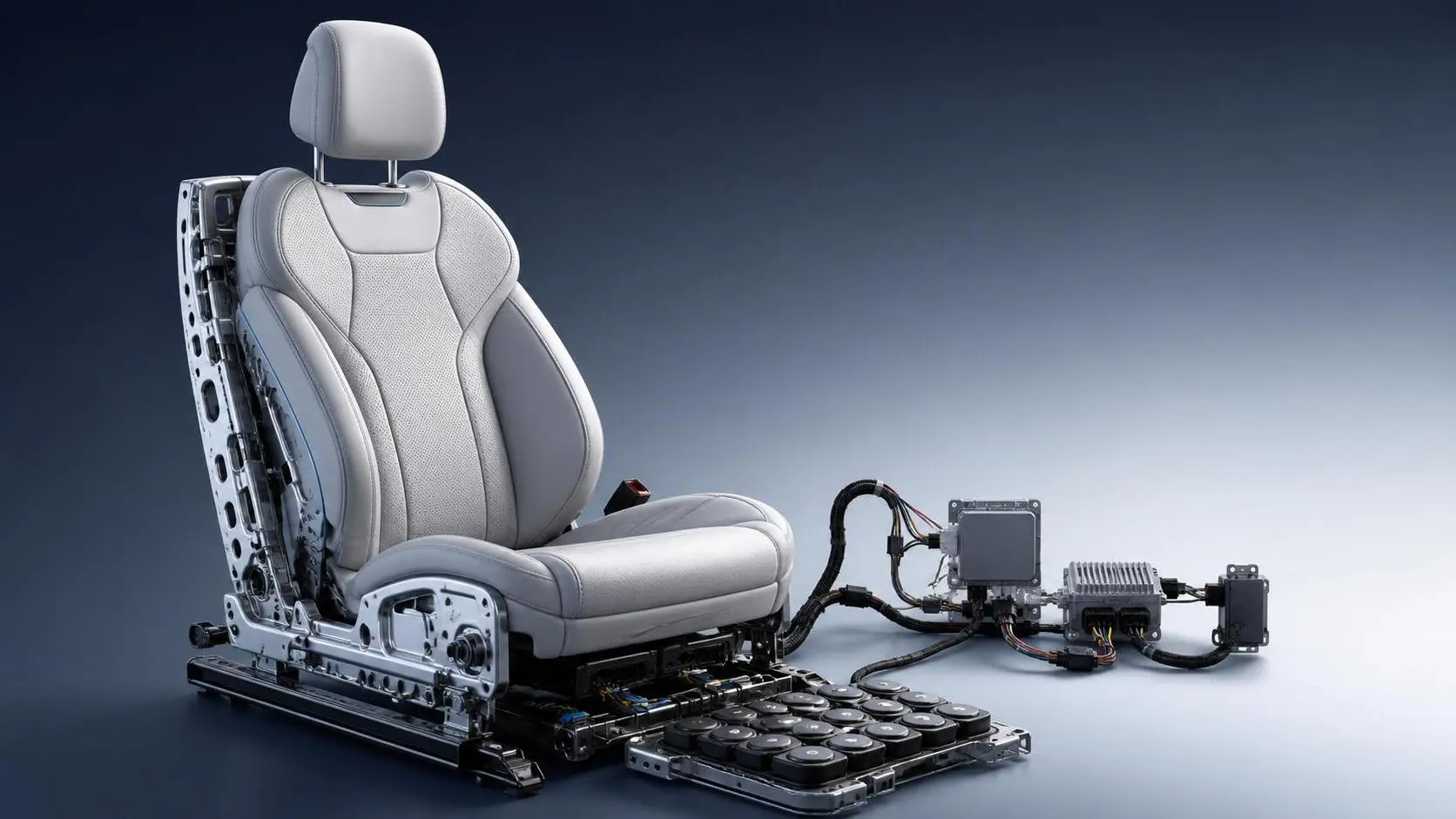
How to Evaluate Custom Smart Automotive Seating for Premium Vehicle Programs?
Custom smart automotive seating evaluation starts with safety, comfort, integration, and production readiness. Discover how premium vehicle teams choose smarter, lower-risk seat solutions.
B2B Product Intelligence Platforms: How to Compare Features, Data Coverage, and ROI
B2B product intelligence platform comparison: learn how to evaluate data coverage, feature depth, compliance visibility, and ROI to choose a sourcing tool that reduces risk and speeds decisions.
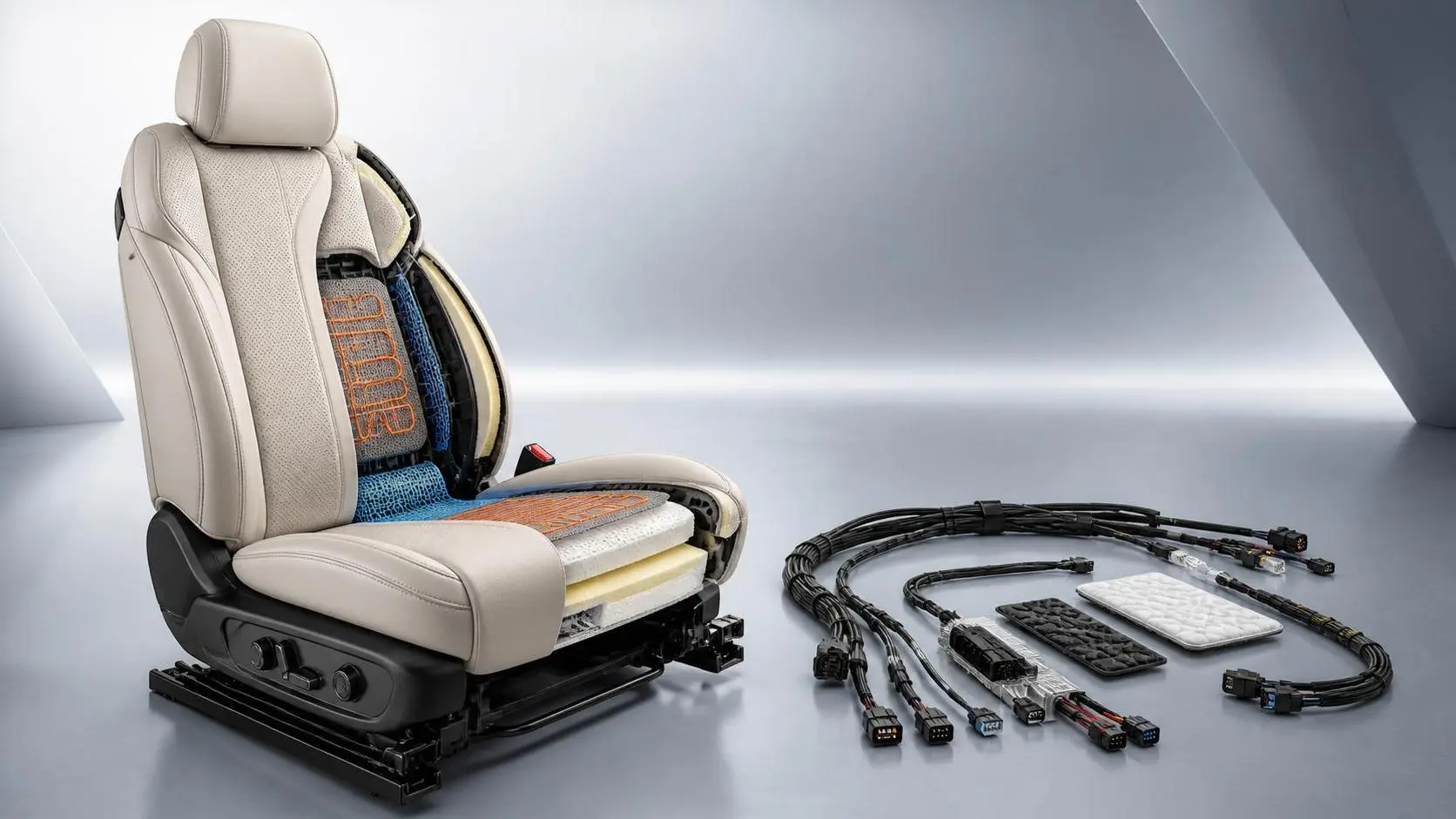
Climate Control Seats Cost: What Drives Price and Long-Term Ownership Value?
Climate control seats cost depends on materials, thermal tech, and integration. Learn what drives price and how to judge long-term value before you buy.

What Factors Drive Marine Navigation Components Cost in Commercial Vessel Projects?
Marine navigation components cost is shaped by integration, compliance, installation, and lifecycle support. Discover what drives pricing and how buyers can reduce risk while improving value.

How Much Does Seat Occupancy Sensing Cost? Key Pricing Factors for Buyers
Seat occupancy sensing price varies widely by technology, integration, and compliance needs. Learn the key cost drivers, avoid hidden fees, and make smarter buying decisions.

How to Specify Micro-Climate Control Cabins for Harsh Outdoor Worksites?
Micro-climate control cabins for harsh outdoor worksites: learn how to specify thermal control, filtration, pressurization, and durability for safer uptime and smarter buying.
How to Evaluate a B2B Product Knowledge Platform for Faster Procurement Decisions
B2B product knowledge platform procurement starts with reducing decision risk. Learn how to compare specs, compliance, and supplier data to speed sourcing with confidence.
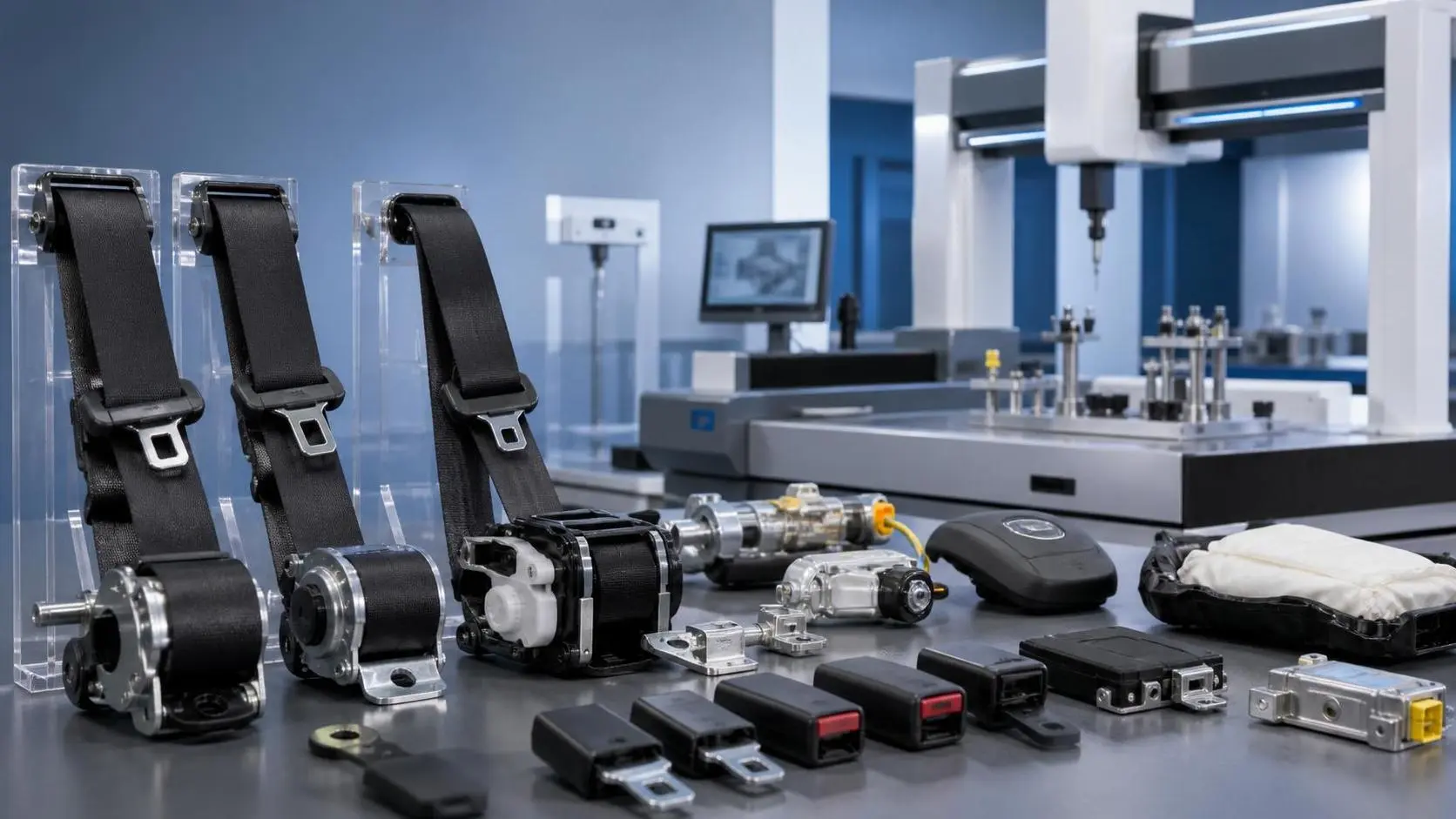
How to Evaluate an Occupant Restraint Systems Exporter for Quality, Compliance, and Supply Risk
Occupant restraint systems exporter evaluation guide: learn how to verify quality controls, compliance evidence, and supply risk before sourcing to avoid recalls, delays, and hidden costs.
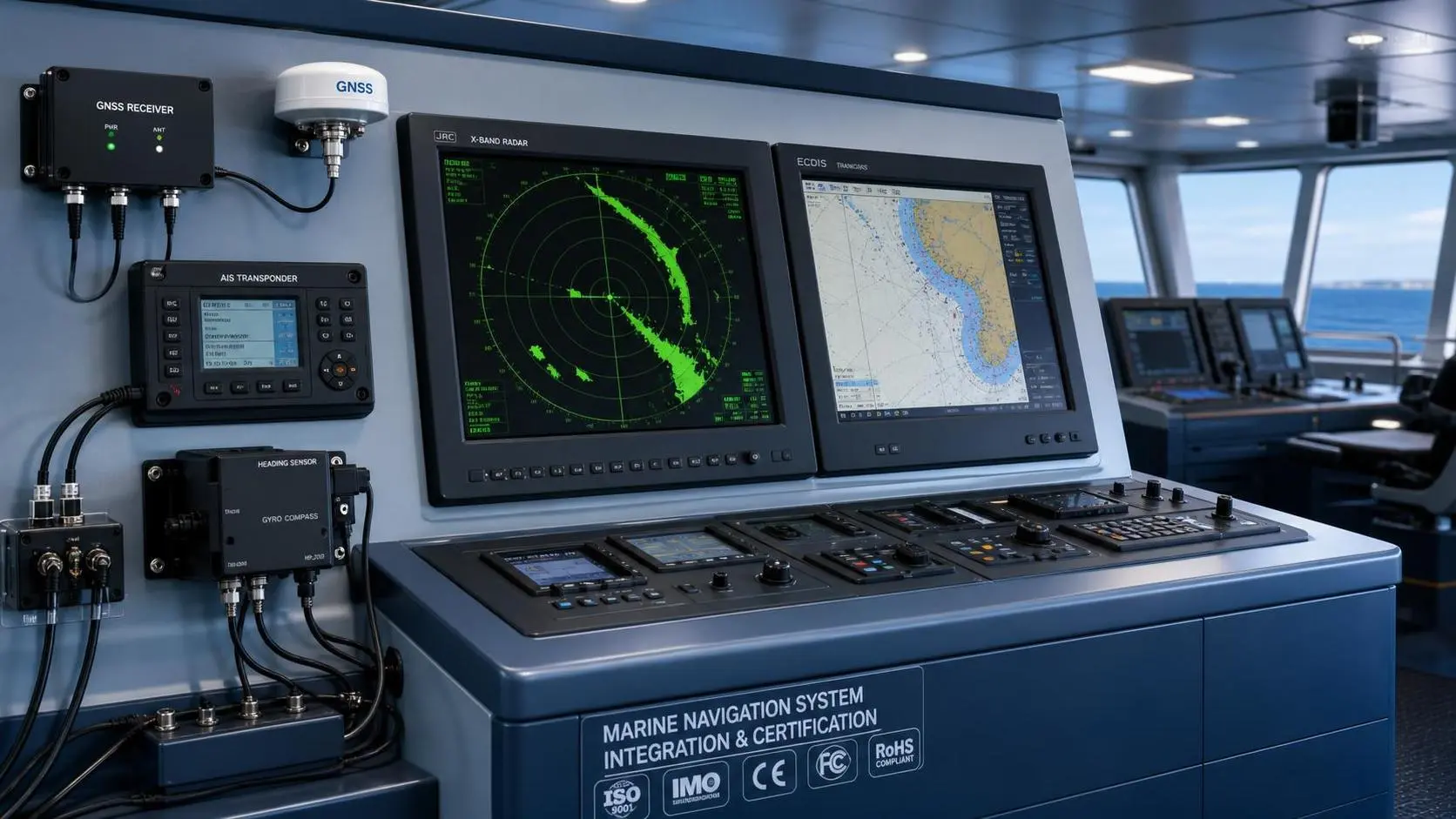
Navigation Compliance Certification: Which Marine Systems Need It and How to Prepare?
Navigation compliance certification explained: discover which marine systems need approval, what documents matter, and how to prepare early to avoid delays, rework, and costly project risks.
Related News
- 00
0000-00
B2B Product Intelligence Platforms: How to Compare Features, Data Coverage, and ROI - 00
0000-00
What Factors Drive Marine Navigation Components Cost in Commercial Vessel Projects? - 00
0000-00
How Much Does Seat Occupancy Sensing Cost? Key Pricing Factors for Buyers - 00
0000-00
How to Specify Micro-Climate Control Cabins for Harsh Outdoor Worksites? - 00
0000-00
How to Evaluate a B2B Product Knowledge Platform for Faster Procurement Decisions
Weekly Insights
Stay ahead with our curated technology reports delivered every Monday.