
What Is Zero-Casualty Mobility and Which Safety Metrics Matter Most?
Zero-casualty mobility is no longer a distant slogan. It is becoming a working framework for how transport systems are designed, tested, connected, and regulated across sea and road environments.
The idea matters because safety is now judged across an entire chain. Navigation accuracy, structural energy management, occupant restraint performance, and cabin intelligence all shape whether risk is reduced before, during, and after an incident.
That broader view is especially relevant in sectors tracked by GNCS, where marine navigation systems, lightweight body structures, airbags, seatbelts, and smart seating increasingly share the same pressure: deliver measurable protection under real operating complexity.
What zero-casualty mobility really means
At its core, zero-casualty mobility means designing transport ecosystems with the assumption that hazards will occur, but deaths and severe injuries should be prevented as far as technology, process, and compliance can allow.
It is not limited to crashworthiness. It includes hazard sensing, route awareness, human-machine interaction, system redundancy, emergency response logic, and post-event survivability.
In practice, zero-casualty mobility connects two disciplines that are often discussed separately: precision spatial perception and physical containment protection. One helps avoid danger. The other limits harm when avoidance fails.
This is why marine radar and AIS reliability can belong in the same strategic conversation as hot-stamped body parts, airbag deployment timing, seatbelt pre-tensioners, and seat-integrated sensing.
Why the topic is rising in importance
Safety expectations have changed. Regulators, operators, insurers, and technology buyers increasingly want evidence of real-world risk reduction, not only compliance with isolated component tests.
Meanwhile, transport platforms are becoming lighter, more digital, and more software-dependent. That creates new trade-offs between efficiency, automation, maintenance, cybersecurity, and occupant protection.
Marine and automotive sectors also influence each other more than before. Both rely on sensor fusion, resilient electronics, standards updates, and safety architectures that must keep working under uncertain conditions.
For that reason, zero-casualty mobility is better understood as a systems challenge. A strong part can still sit inside a weak safety chain. A certified system can still underperform in edge cases.
The safety metrics that matter most
The most useful metrics are those that describe prevention quality, protection quality, and operational consistency together. Looking at one category alone often creates blind spots.
1. Risk exposure and incident avoidance
Before any collision, the first question is whether the system reduces exposure to danger. In marine navigation, that may involve position accuracy, target detection confidence, false alarm rates, and update latency.
In road mobility, similar logic appears in lane awareness, obstacle recognition, blind-spot coverage, and decision timing. Better avoidance performance is a foundation of zero-casualty mobility.
2. Structural energy management
When impact becomes unavoidable, body structures must control energy transfer. Relevant metrics include intrusion levels, deceleration pulse quality, load-path stability, and mass-to-strength efficiency.
This is where lightweighting becomes meaningful only if it preserves protection. High-strength steel, aluminum, and magnesium solutions must be evaluated against crash energy absorption, not weight reduction alone.
3. Occupant restraint performance
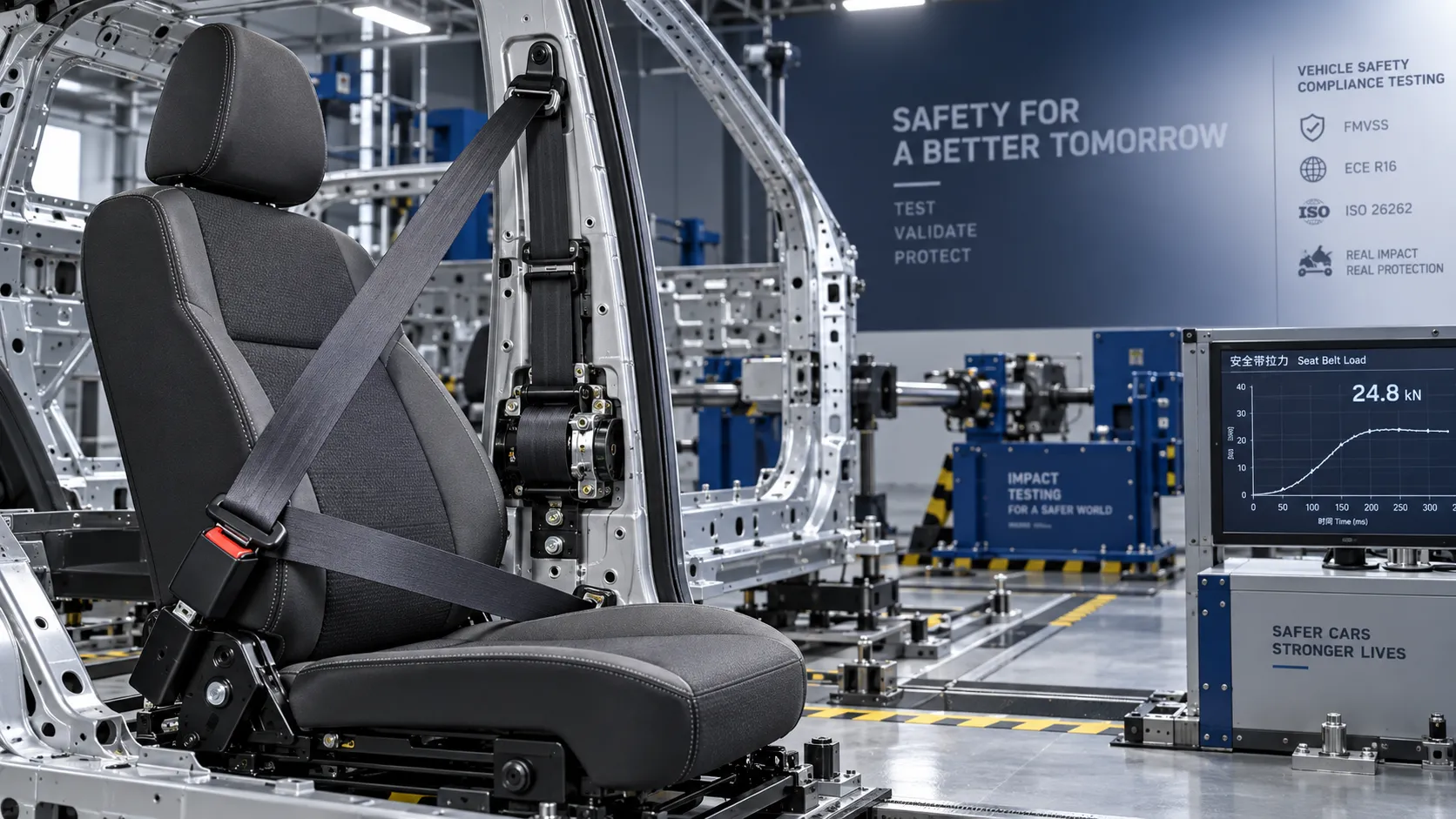
Airbags and seatbelts remain central to zero-casualty mobility because they manage human tolerance during milliseconds of extreme force. Key metrics include deployment timing, belt load control, chest deflection, head injury values, and pelvic restraint behavior.
The best systems are not simply fast. They are well coordinated. Pre-tensioners, force limiters, inflators, and seat geometry must act as one protection event.
4. Cabin positioning and human fit
A seat is often treated as a comfort product, yet it strongly affects safety outcomes. Occupant posture, submarining resistance, anti-whiplash geometry, sensor calibration, and fatigue reduction all influence injury risk.
In smart seating systems, monitoring occupancy and position can improve airbag logic and restraint tuning. That moves zero-casualty mobility closer to adaptive, person-specific protection.
5. Reliability over time
A safety metric is only meaningful if performance holds across temperature shifts, vibration, corrosion, software revisions, and maintenance cycles. Reliability indicators often reveal more than launch-stage test scores.
For navigation electronics, uptime, redundancy response, and signal integrity matter. For passive safety components, long-term material stability and deployment consistency matter just as much.
How these metrics apply across mobility sectors
The value of zero-casualty mobility becomes clearer when metrics are linked to actual operating scenarios rather than abstract targets.
In maritime settings, a near miss may depend on radar resolution, ECDIS update discipline, sonar interpretation, and bridge decision support. Here, casualty prevention starts far upstream from physical contact.
In automotive cabins, the decisive moment may arrive after a sudden loss of control. Then the quality of stamped structures, inflator chemistry, belt force management, and seat kinematics becomes critical.
Seen together, these cases show why GNCS focuses on both perception systems and containment systems. The path to zero-casualty mobility runs through both domains, not one or the other.
Where assessment often goes wrong
One common mistake is treating certification as proof of full safety readiness. Standards such as IIHS and Euro NCAP remain essential, but they do not eliminate the need for scenario-based interpretation.
Another mistake is isolating components. A higher-performing airbag does not guarantee better outcomes if occupant position sensing is weak or if seatbelt timing is poorly matched.
A third issue is overvaluing headline innovation. New materials, cloud updates, or smart seat functions only advance zero-casualty mobility when they improve verified safety performance under real constraints.
- Check whether metrics describe real scenarios, not just lab success.
- Look for interaction data between structure, restraint, and sensing layers.
- Compare short-term test results with long-term reliability evidence.
- Track regulatory updates that may change acceptable thresholds.
A practical way to read the market
For market evaluation, it helps to sort safety signals into three questions: what prevents the event, what protects during the event, and what maintains trust over the product lifecycle.
That framework makes it easier to compare very different technologies, from navigation electronics to seat structures, without reducing everything to a single score.
It also explains why intelligence platforms like GNCS matter. Useful industry insight is not just news collection. It is the disciplined stitching of compliance changes, technical evolution, material choices, and field performance into one readable safety picture.
The strongest zero-casualty mobility strategies usually emerge where technical metrics, regulatory direction, and application context are read together rather than in parallel.
What to examine next
A useful next step is to build a shortlist of safety metrics that match the transport context being studied. Marine navigation, passive restraint systems, and smart seating should not be judged by the same leading indicators.
Then review how those metrics connect. The central question is whether the full safety chain supports zero-casualty mobility, from hazard detection to energy absorption to occupant containment and lifecycle reliability.
That approach leads to better comparisons, sharper due diligence, and more realistic expectations about where true risk reduction is happening across the global mobility equipment landscape.
Related News
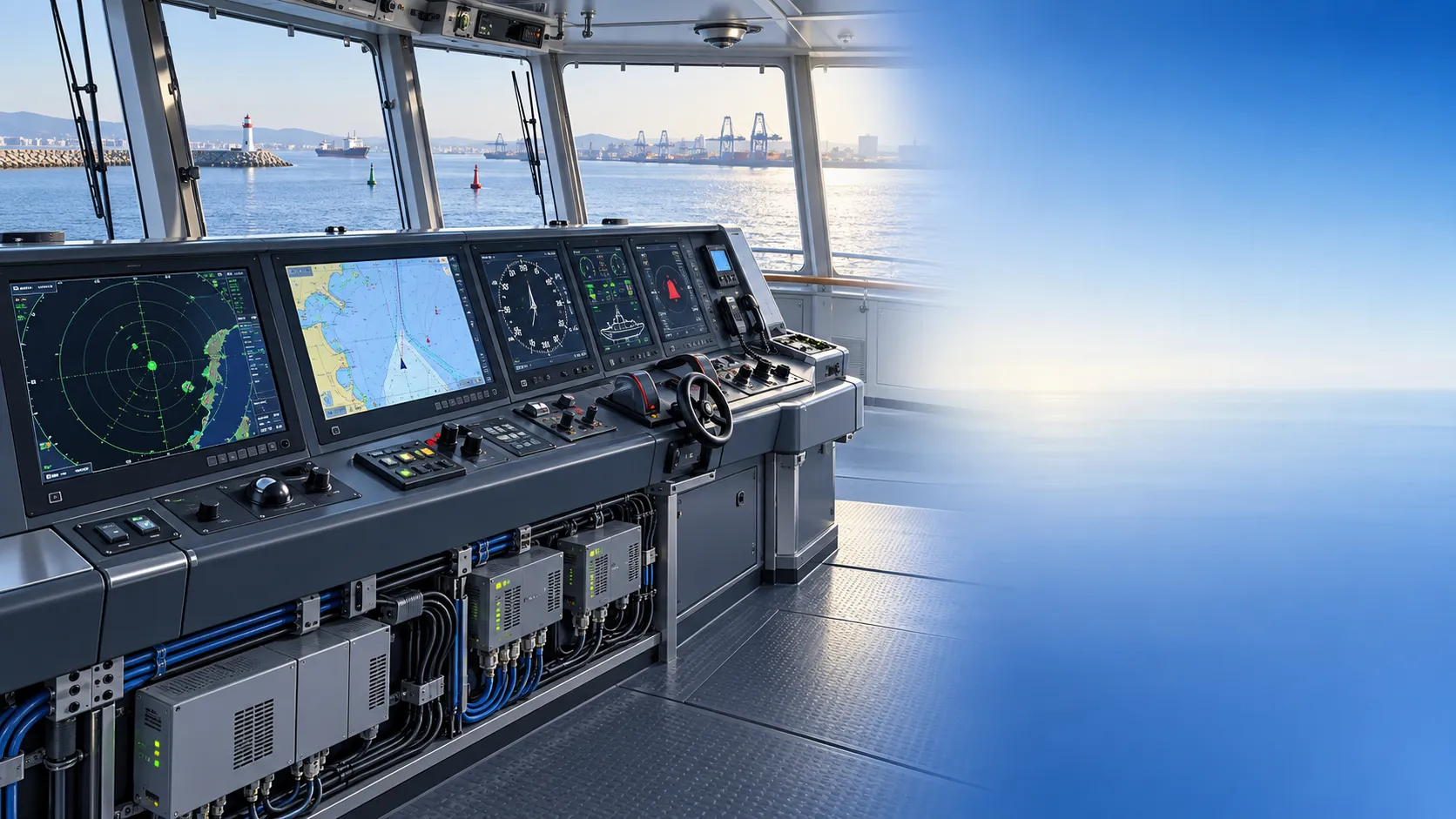
How to Specify Integrated Marine Electronics for Reliable Bridge Operations
Integrated marine electronics: learn how to specify reliable bridge systems with clear data flows, redundancy, alarm control, lifecycle interfaces, and operational testing.

How to Evaluate Navigation Radar Manufacturers for Commercial Vessel Projects
Navigation radar manufacturers: learn how to compare performance, compliance, integration, support, and lifecycle cost for commercial vessel projects.
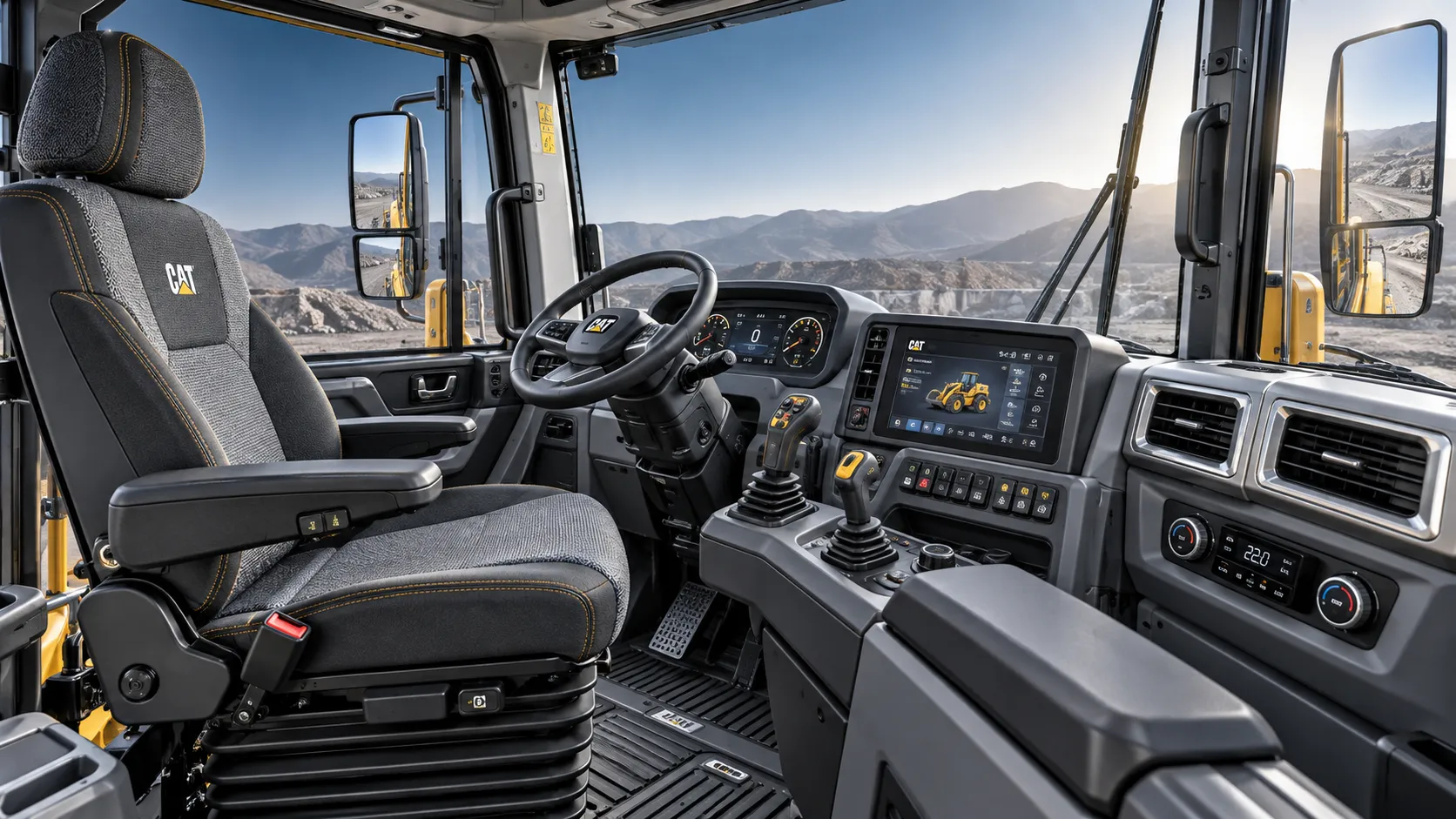
How Adjustable Cabin Ergonomics Reduce Operator Fatigue in Long-Shift Vehicles
Adjustable cabin ergonomics reduces operator fatigue through better seating, reach, visibility, vibration control, and climate comfort for safer long-shift vehicles.
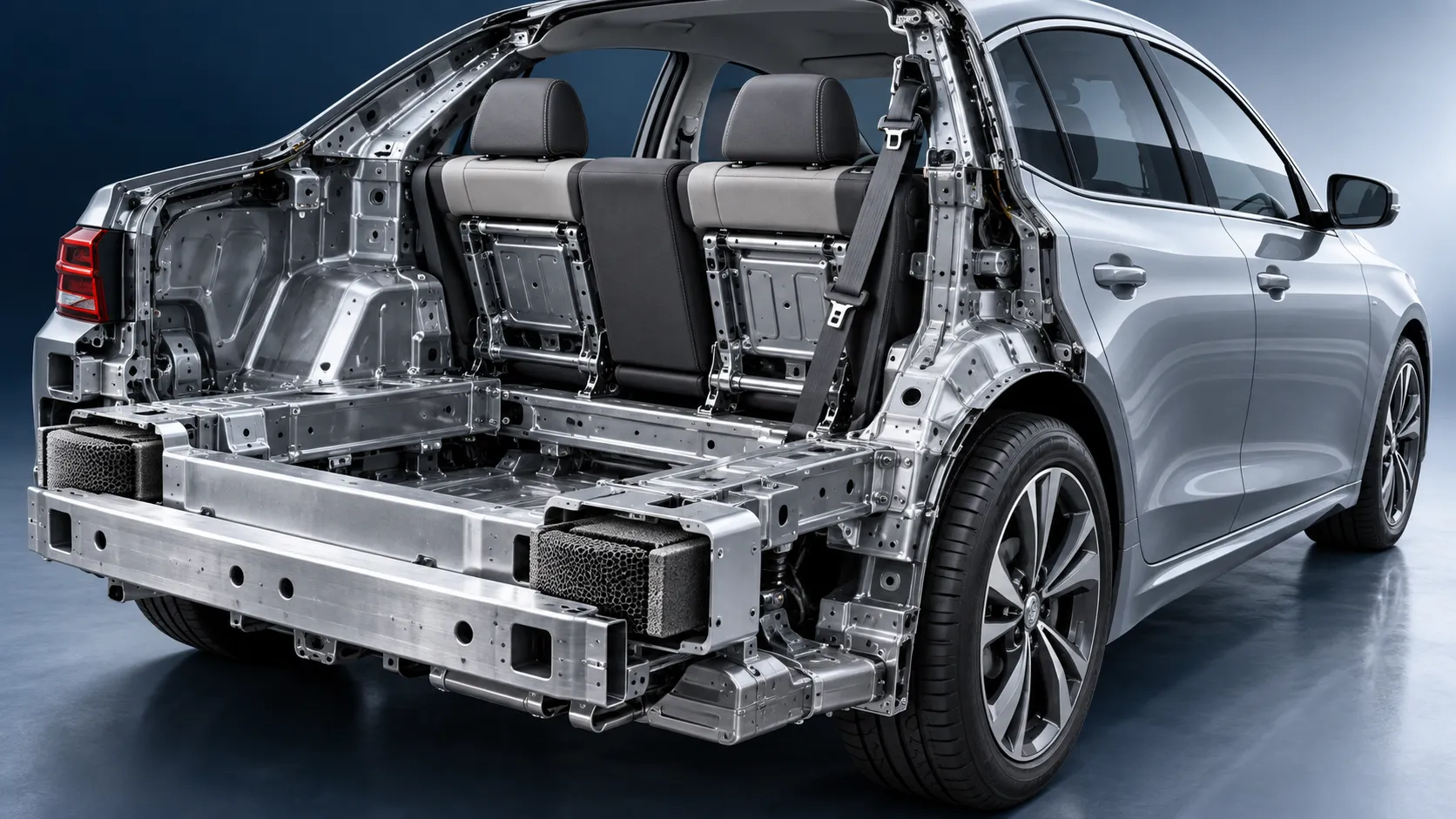
How Rear-Impact Safety Components Work Together to Protect Vehicle Occupants
Explore how automotive safety components for rear impact work together—from crash structures and seats to head restraints and belts—to enhance occupant protection.
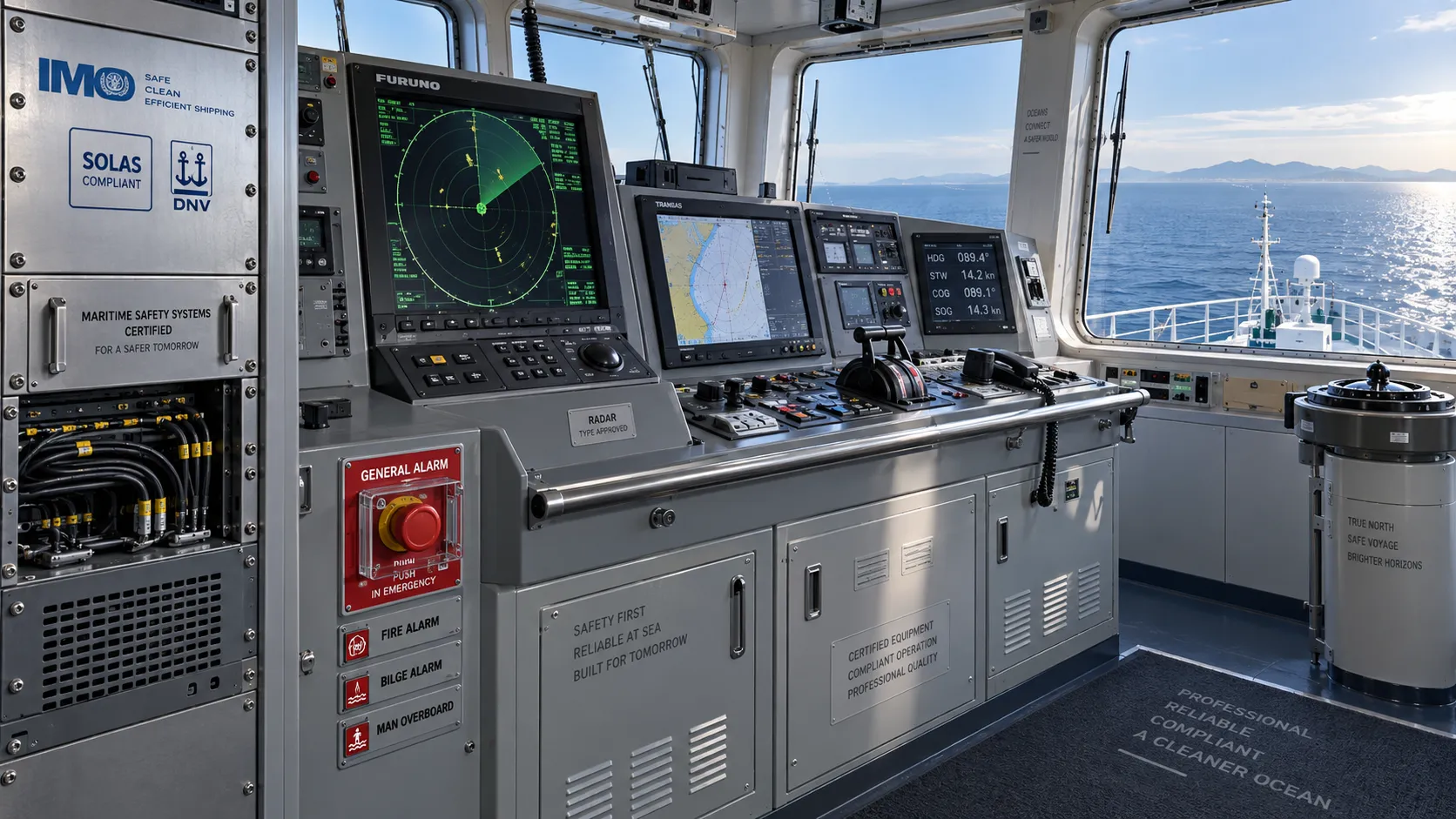
How to Evaluate a Marine Safety Systems Manufacturer for Vessel Compliance and Reliability
Marine safety systems manufacturer evaluation guide: verify compliance, engineering quality, lifecycle costs, and global service support for safer, reliable vessel operations.
Crash Test Regulations for Seatbelts: Key Compliance Requirements Explained
Crash test regulations seatbelts explained: explore FMVSS, UN rules, anchorage strength, and dynamic restraint testing for safer, compliant vehicle systems.

How to Calculate the Total Cost of Automotive Lightweighting for a Vehicle Program
Automotive lightweight solutions cost: learn how to calculate program-level costs, including materials, tooling, joining, validation, risk, and vehicle-level value.

How Automotive Seat Occupancy Sensing Improves Airbag Deployment Decisions
Automotive seat occupancy sensing helps optimize airbag deployment decisions, improving passenger classification, safety diagnostics, and compliance across real-world conditions.

What Drives Lightweight Body Component Costs in High-Volume Vehicle Programs?
Lightweight body components cost depends on material yield, forming, joining, tooling, validation, and logistics. Explore proven ways to optimize total vehicle program cost.
Related News
- 00
0000-00
How to Specify Integrated Marine Electronics for Reliable Bridge Operations - 00
0000-00
How Adjustable Cabin Ergonomics Reduce Operator Fatigue in Long-Shift Vehicles - 00
0000-00
How to Evaluate a Marine Safety Systems Manufacturer for Vessel Compliance and Reliability - 00
0000-00
How to Calculate the Total Cost of Automotive Lightweighting for a Vehicle Program - 00
0000-00
What Drives Lightweight Body Component Costs in High-Volume Vehicle Programs?
Weekly Insights
Stay ahead with our curated technology reports delivered every Monday.