
Automotive Crash Protection Options Compared: Airbags, Seatbelts, and Structural Parts
Automotive crash protection is often discussed as a list of parts, yet real crash performance comes from timing, load management, and system coordination. In modern vehicles, airbags, seatbelts, and structural parts do different jobs within milliseconds, and their value only becomes clear when they are assessed together. For platforms tracked by GNCS, where lightweight bodies, passive safety components, and smart seating intersect, this comparison matters because crashworthiness is now tied to regulation, material strategy, and integration quality as much as to any single component.
Why the comparison matters now
The current mobility market asks for lighter vehicles, broader electrification, and stronger crash ratings at the same time.
That combination puts pressure on every layer of automotive crash protection.
A thinner body structure cannot simply be judged by mass reduction.
It must still preserve survival space, manage deceleration, and support restraint timing.
At the same time, updated IIHS and Euro NCAP protocols reward balanced occupant protection rather than isolated component performance.
This is one reason GNCS places auto body stampings, airbag assemblies, seatbelt systems, and seat structures in the same intelligence frame.
The industry no longer treats them as separate procurement categories only.
They are part of a single safety architecture.
Three components, three different safety tasks
A useful way to compare automotive crash protection options is to start with their primary function.
Seatbelts control occupant motion first
Seatbelts are the first active restraint in most crash sequences.
Pretensioners remove slack early, often before the occupant moves far from the seat.
Force limiters then manage chest loading by allowing controlled belt payout.
In practical terms, the belt decides whether the body stays in the intended ride-down path.
Airbags spread loads and prevent hard contact
Airbags are not replacements for seatbelts.
They are supplemental restraints designed to cushion contact zones after belt engagement begins.
Front airbags mainly protect the head and chest.
Side and curtain airbags help in lateral impacts and rollover events, where intrusion timing is shorter.
Inflator chemistry, vent sizing, and folding pattern all affect how usable that cushion really is.
Structural parts absorb energy and protect space
Structural parts do the work before the occupant feels it directly.
Crash boxes, longitudinal members, A and B pillars, rocker panels, cross members, and seat mounts guide the load path.
Their task is not only to deform.
They must deform in a controlled sequence while keeping the passenger cell stable.
That is why high-strength steel stampings and mixed-material joining remain central to automotive crash protection strategies.
The key issue is interaction, not isolated performance
A vehicle can have advanced airbags and still perform poorly if belt geometry or structure timing is wrong.
Likewise, a strong body-in-white does not guarantee low injury metrics if the occupant rebounds into hard surfaces.
The most reliable automotive crash protection comes from coordinated load sharing.
The structure manages impact energy.
The seat and seatbelt position the occupant.
The airbag shapes the deceleration pulse at the contact interface.
When one element responds too early or too late, injury risk can rise even if each part meets its own specification.
This systems view is especially important in lightweight platforms, where packaging space and mass budgets are tighter.
Where trade-offs usually appear
Comparing airbags, seatbelts, and structural parts becomes difficult when design targets compete with each other.
Lightweighting versus crash pulse control
Hot-stamped steel, aluminum, and magnesium reduce mass, but they also change stiffness distribution.
That affects pulse shape, intrusion behavior, and restraint tuning.
A lighter structure may require different belt load limits or airbag vent strategies.
Occupant diversity versus calibration simplicity
Protection systems must work for multiple body sizes, seating positions, and impact modes.
That is why smart seating, occupant sensing, and adaptive deployment are becoming more relevant.
A calibration that looks strong for one crash dummy configuration may not scale well across the full occupant range.
Compliance targets versus real-world events
Regulatory and consumer tests provide useful benchmarks, but they do not cover every crash condition.
Offset impacts, narrow object strikes, oblique crashes, and secondary collisions can expose integration gaps.
The strongest automotive crash protection programs use compliance as a baseline, not an endpoint.
How to read real protection value in business practice
In sourcing, benchmarking, or platform review, a part-level claim is rarely enough.
The more useful question is how each component behaves inside the full cabin protection chain.
- Check whether structural load paths support the restraint strategy, especially around pillars, floor cross members, and seat anchorage areas.
- Review airbag deployment logic together with occupant sensing, seat position data, and steering or instrument panel geometry.
- Look at belt system details, including pretensioner type, force limiter curve, buckle position, and compatibility with seat design.
- Compare crash ratings with engineering content, not branding language, because similar ratings can come from very different design philosophies.
- Pay attention to material and joining choices in body stampings, since fracture mode and weld performance strongly influence occupant compartment integrity.
This is where GNCS-style intelligence becomes useful.
Cross-reading body material evolution, inflator changes, seat system design, and rating protocol shifts reveals whether a solution is robust or only test-optimized.
Typical scenarios that change the comparison
Not every vehicle program should weigh the same protection elements in the same way.
Application context changes priorities.
- Urban passenger vehicles often need strong low-to-mid speed compatibility and effective side impact packaging.
- Larger SUVs and pickups place more emphasis on managing higher ride heights, mass interaction, and rollover-related containment.
- Electric platforms need careful structural planning around battery protection, floor stiffness, and revised front-end crush space.
- Premium cabins with advanced seating features must align comfort mechanisms with restraint geometry and sensor reliability.
In each case, automotive crash protection is still a system question, but the weighting of belt tuning, airbag coverage, and structure design changes.
A practical framework for the next evaluation
A clear review process usually starts with three checks.
First, map the intended crash load path from impact point to occupant restraint.
Second, compare timing windows for structure deformation, belt pretension, and airbag deployment.
Third, test whether the system remains stable across occupant sizes, seat positions, and rating scenarios.
That approach keeps the focus on real automotive crash protection performance rather than on isolated component claims.
For deeper decisions, the next step is to align crash data, material choices, and compliance trends into one comparison sheet.
When airbags, seatbelts, structural parts, and seat architecture are judged on the same timeline, trade-offs become easier to see and better decisions usually follow.
Related News
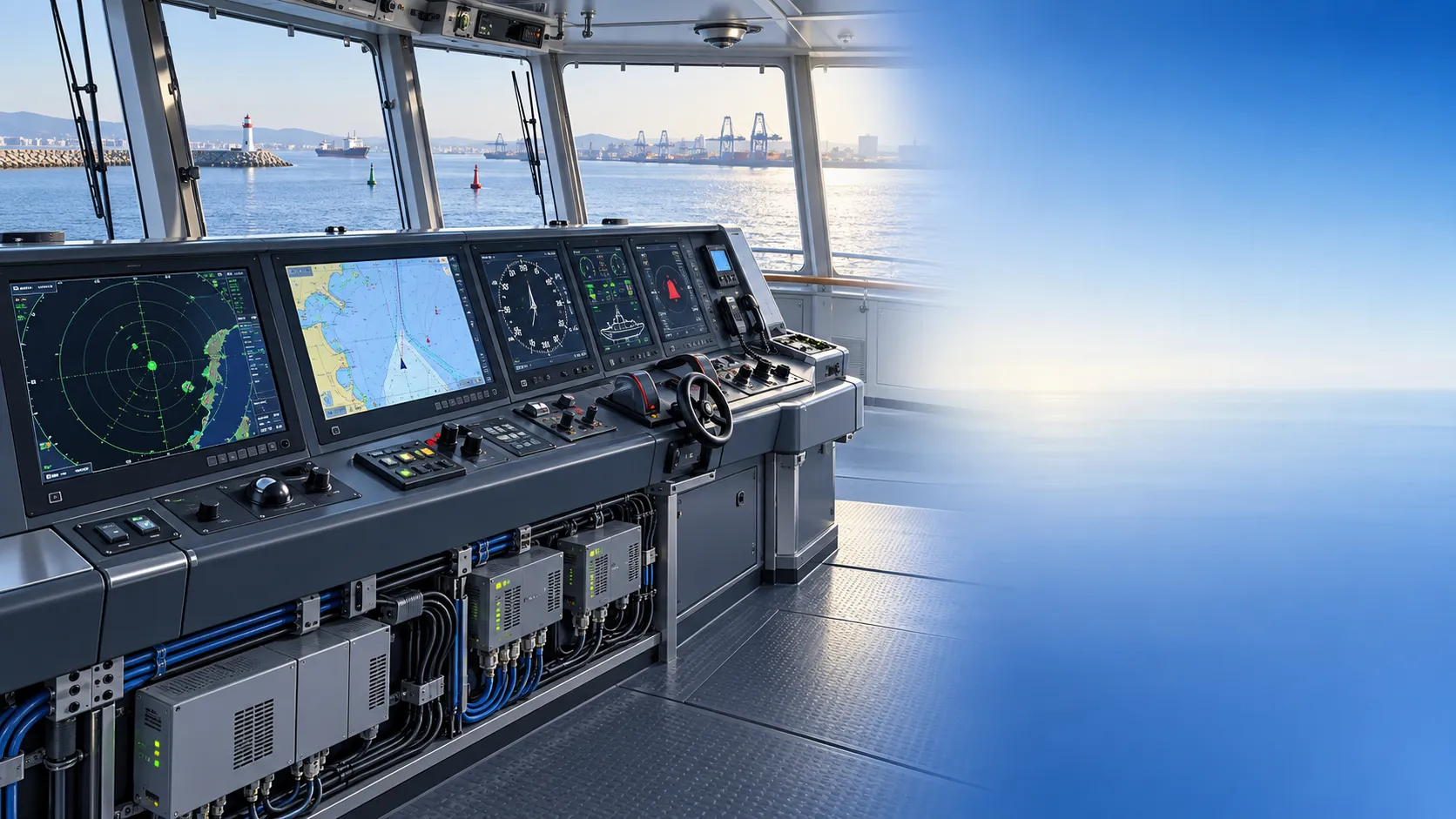
How to Specify Integrated Marine Electronics for Reliable Bridge Operations
Integrated marine electronics: learn how to specify reliable bridge systems with clear data flows, redundancy, alarm control, lifecycle interfaces, and operational testing.

How to Evaluate Navigation Radar Manufacturers for Commercial Vessel Projects
Navigation radar manufacturers: learn how to compare performance, compliance, integration, support, and lifecycle cost for commercial vessel projects.
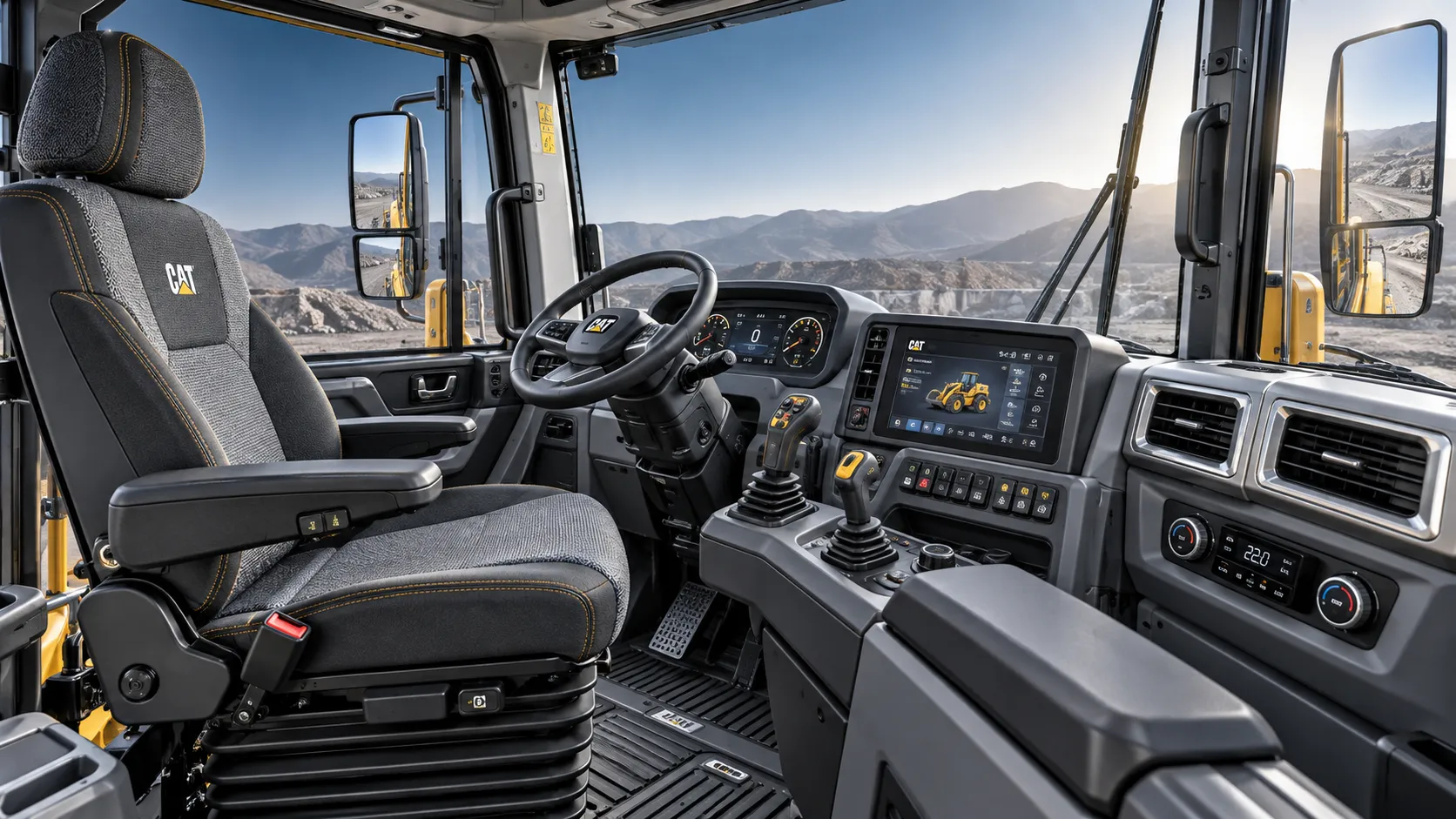
How Adjustable Cabin Ergonomics Reduce Operator Fatigue in Long-Shift Vehicles
Adjustable cabin ergonomics reduces operator fatigue through better seating, reach, visibility, vibration control, and climate comfort for safer long-shift vehicles.
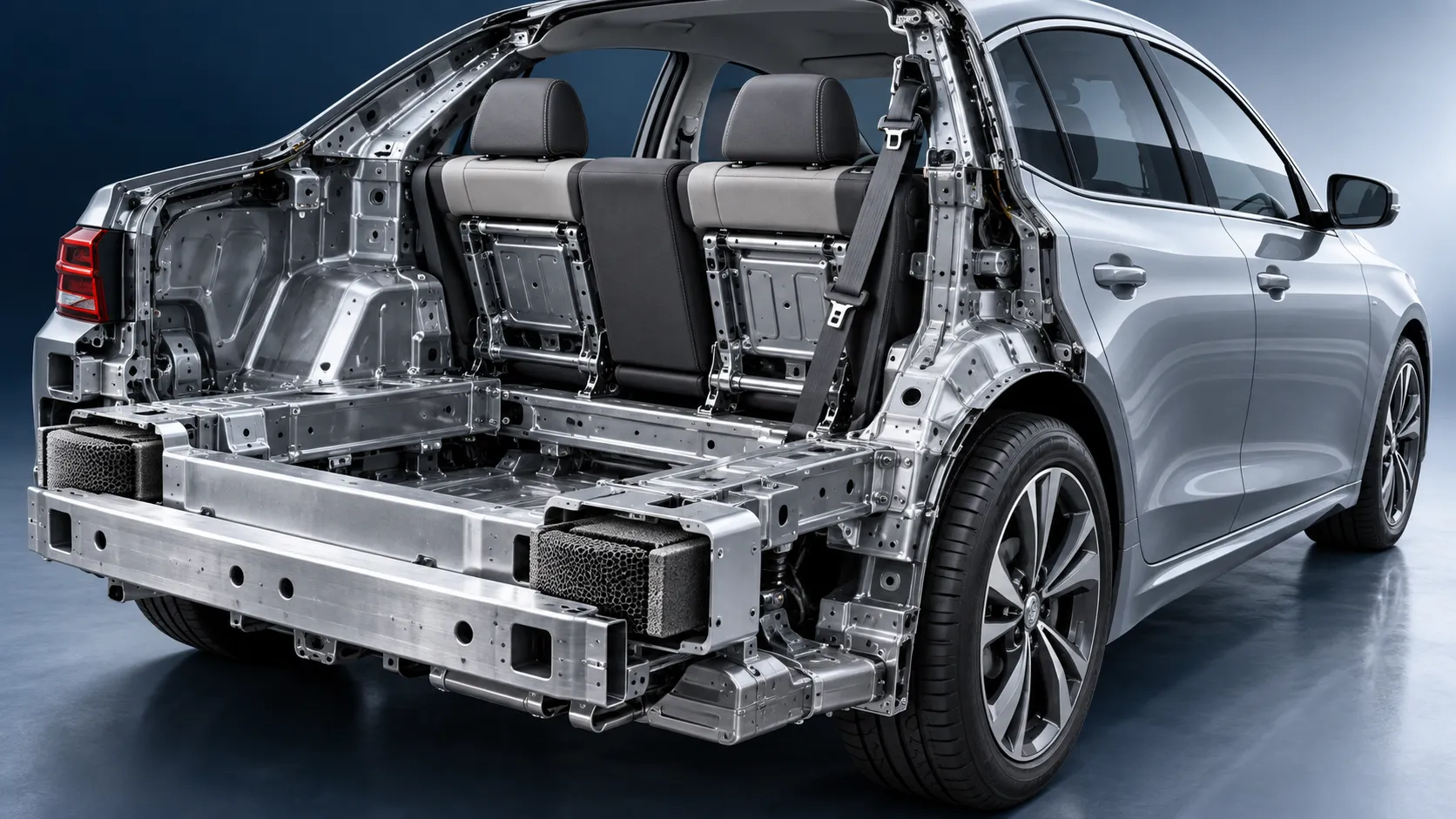
How Rear-Impact Safety Components Work Together to Protect Vehicle Occupants
Explore how automotive safety components for rear impact work together—from crash structures and seats to head restraints and belts—to enhance occupant protection.
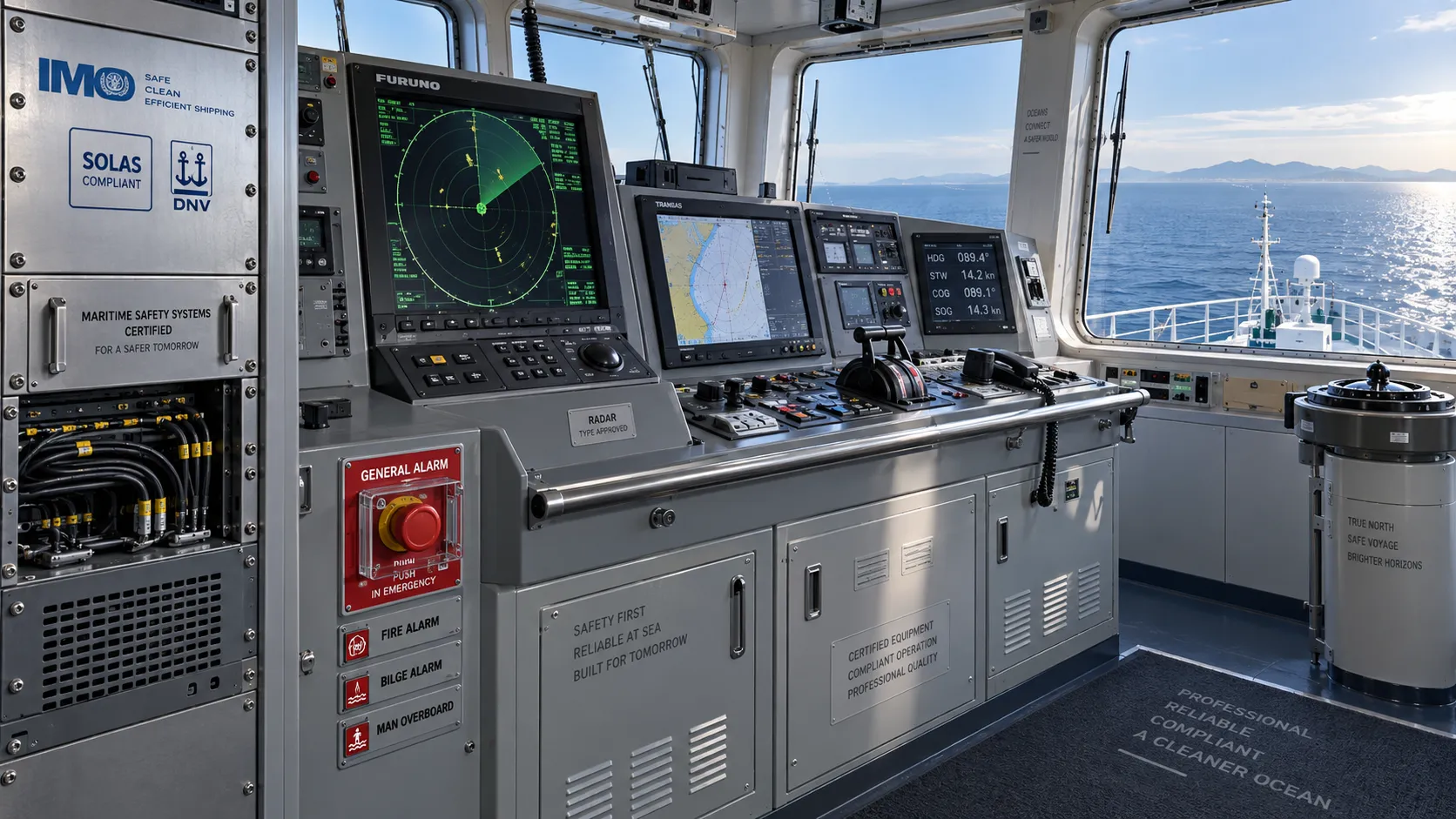
How to Evaluate a Marine Safety Systems Manufacturer for Vessel Compliance and Reliability
Marine safety systems manufacturer evaluation guide: verify compliance, engineering quality, lifecycle costs, and global service support for safer, reliable vessel operations.
Crash Test Regulations for Seatbelts: Key Compliance Requirements Explained
Crash test regulations seatbelts explained: explore FMVSS, UN rules, anchorage strength, and dynamic restraint testing for safer, compliant vehicle systems.
How to Calculate the Total Cost of Automotive Lightweighting for a Vehicle Program
Automotive lightweight solutions cost: learn how to calculate program-level costs, including materials, tooling, joining, validation, risk, and vehicle-level value.

How Automotive Seat Occupancy Sensing Improves Airbag Deployment Decisions
Automotive seat occupancy sensing helps optimize airbag deployment decisions, improving passenger classification, safety diagnostics, and compliance across real-world conditions.
What Drives Lightweight Body Component Costs in High-Volume Vehicle Programs?
Lightweight body components cost depends on material yield, forming, joining, tooling, validation, and logistics. Explore proven ways to optimize total vehicle program cost.
Related News
- 00
0000-00
How to Specify Integrated Marine Electronics for Reliable Bridge Operations - 00
0000-00
How Adjustable Cabin Ergonomics Reduce Operator Fatigue in Long-Shift Vehicles - 00
0000-00
How to Evaluate a Marine Safety Systems Manufacturer for Vessel Compliance and Reliability - 00
0000-00
How to Calculate the Total Cost of Automotive Lightweighting for a Vehicle Program - 00
0000-00
What Drives Lightweight Body Component Costs in High-Volume Vehicle Programs?
Weekly Insights
Stay ahead with our curated technology reports delivered every Monday.