What Is Maritime Compliance? Key Requirements for Ships, Crews, and Operators
Maritime compliance sits behind every safe voyage, even when it is invisible to passengers and cargo owners.
It covers rules, records, training, equipment status, and operational discipline across the entire vessel lifecycle.
In practice, maritime compliance is not only about avoiding penalties.
It is how ships stay insurable, crews stay qualified, and operators keep schedules stable in a regulated global market.
That is why the topic matters far beyond shipping law.
For platforms such as GNCS, which track marine navigation systems and wider safety intelligence, compliance is a live technical and operational issue.
A radar upgrade, an ECDIS update, or a crew drill record can all affect whether a ship remains operationally ready.
What does maritime compliance actually include?
A simple definition is helpful, but it is usually too narrow.
Maritime compliance means meeting the legal, technical, safety, and environmental requirements that apply to vessel operations.
Those requirements come from international conventions, flag states, port states, classification societies, insurers, and company procedures.
The better question is what it looks like onboard and ashore.
- Valid certificates for the ship, equipment, and safety management system.
- Qualified crew holding the right licenses, endorsements, and medical documents.
- Working navigation, communication, firefighting, and lifesaving equipment.
- Operational routines for maintenance, drills, reporting, and corrective action.
- Environmental controls for emissions, ballast water, waste, and fuel records.
So maritime compliance is not a single checklist completed once a year.
It is a moving system that connects people, equipment, software, and documentation.
That is also why intelligence portals covering navigation technology pay close attention to compliance changes.
A technical change can quickly become a compliance issue if update control, testing, or certification is missed.
Which requirements matter most for ships, crews, and operators?
People often search for one master list, but maritime compliance works in layers.
Some duties sit with the ship itself, some with the crew, and some with the operating company.
The table below helps separate those responsibilities more clearly.
For ships, the most visible part of maritime compliance is certification and technical condition.
This includes SOLAS equipment, radio systems, bridge electronics, fire protection, and pollution prevention systems.
For crews, competency is the center of gravity.
A qualified crew is not just licensed on paper.
They need vessel-specific familiarization, emergency readiness, and current knowledge of onboard procedures.
For operators, maritime compliance becomes a management discipline.
The company must make sure the vessel is supported with correct documents, spare parts, audits, and decision records.
Why does maritime compliance now involve more than inspections and paperwork?
Because modern vessels depend on connected technology, maritime compliance now reaches into software, data integrity, and update governance.
That shift is especially visible in navigation systems.
ECDIS, AIS, GNSS receivers, radar integration, and alarm management all affect navigational safety and audit readiness.
If the system is advanced but poorly maintained, the vessel may still fail a compliance review.
This is where GNCS-style market intelligence becomes useful.
Following technical updates, regulatory revisions, and equipment reliability trends helps operators avoid reactive decisions.
In actual operations, three areas deserve early attention:
- Software version control for bridge and safety-critical systems.
- Change management when replacing sensors, displays, or integrated modules.
- Evidence trails showing testing, training, approval, and corrective action.
This broader view matters across the mobility industry as well.
Whether the subject is marine navigation or cabin safety components, compliance increasingly depends on traceability and system validation.
What are the most common maritime compliance gaps?
Most failures do not begin with dramatic breakdowns.
They start with small mismatches between procedure and reality.
A vessel may look compliant during routine review, yet still carry hidden exposure.
The more common gaps include the following:
- Certificates are valid, but supporting records are incomplete or inconsistent.
- Crew training exists, but onboard familiarization is rushed after crew changes.
- Maintenance is scheduled, yet defect closure is delayed without documented risk review.
- Digital systems are updated, but no one verifies compatibility with existing equipment.
- Internal audits identify repeat issues, but corrective action remains superficial.
One frequent misunderstanding is that maritime compliance equals passing port state control.
That is only one checkpoint.
A stronger standard asks whether the vessel can operate safely between inspections, under weather pressure, commercial pressure, and crew turnover.
Another misunderstanding is to isolate compliance from business performance.
In reality, non-compliance can slow chartering, delay cargo operations, increase insurance scrutiny, and raise maintenance costs later.
How can operators judge whether a compliance system is truly working?
The best test is not whether the procedure manual looks complete.
It is whether the system still works under pressure, change, and imperfect conditions.
A practical evaluation usually includes both hard evidence and operational behavior.
This kind of review is especially useful when regulations evolve faster than onboard routines.
It also supports better decisions about equipment investment.
For example, a bridge upgrade should be judged not only by technical features, but by training burden, update control, and audit traceability.
What is the smartest next step if maritime compliance needs improvement?
The answer is rarely to add more paperwork first.
A better starting point is to map where compliance risk actually concentrates.
That may be in bridge electronics, crew rotation, maintenance closure, or document synchronization between ship and shore.
Once that is clear, improvements become more realistic.
- Review certificates, surveys, and due dates against actual vessel condition.
- Check whether crew competence matches the specific equipment onboard.
- Confirm that software, charts, and integrated systems follow controlled update routines.
- Trace repeated findings to root causes instead of closing them administratively.
- Use current regulatory and technical intelligence to adjust procedures before gaps widen.
Maritime compliance is best understood as operational resilience with legal discipline built into it.
When ships, crews, and operators align around that idea, compliance becomes easier to sustain and easier to prove.
If the goal is stronger continuity, the next useful move is to compare current practices against real vessel risks, not ideal policy language.
That approach creates a clearer path for audits, safer operations, and better decisions on navigation and safety technology.
Related News
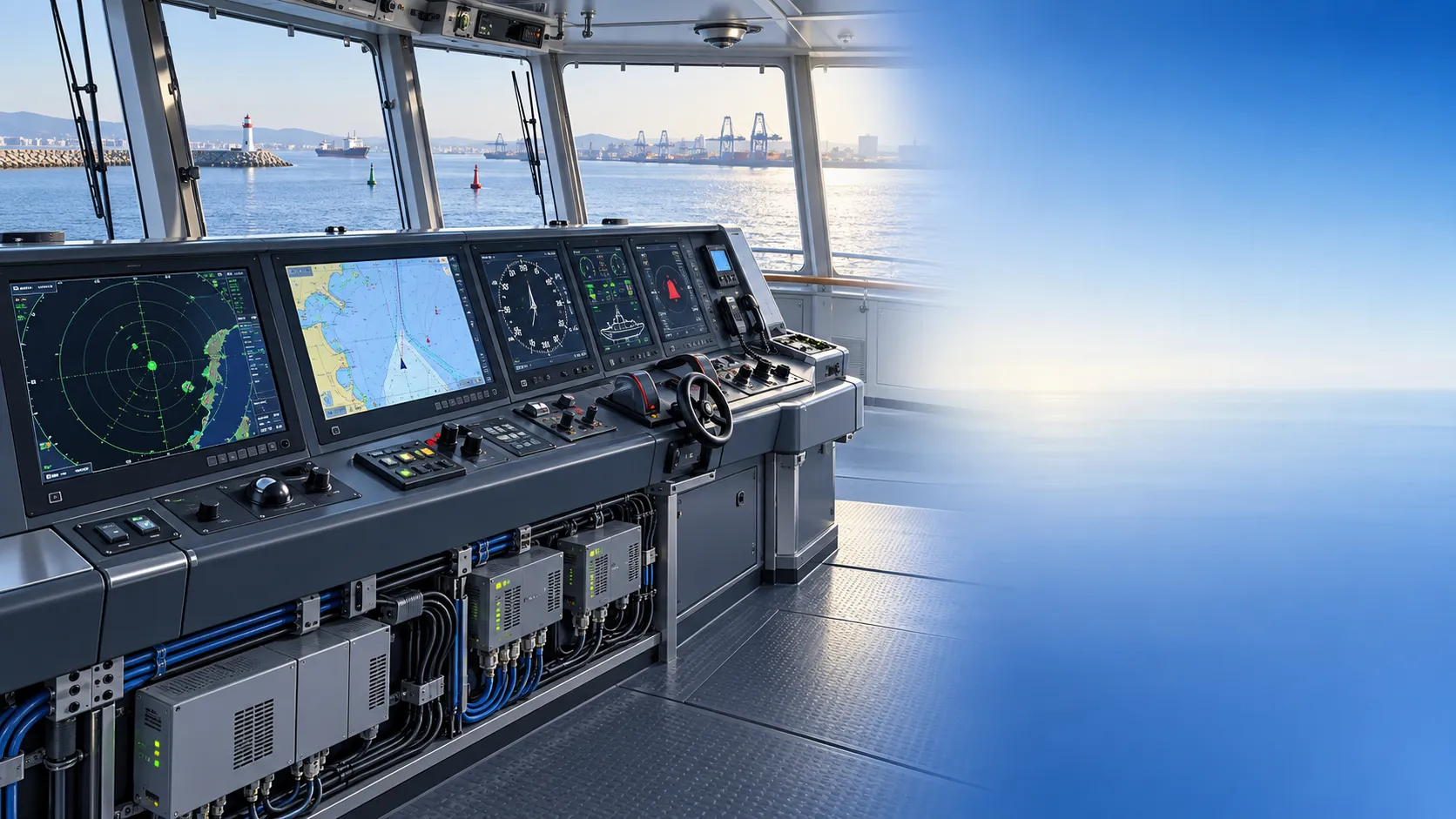
How to Specify Integrated Marine Electronics for Reliable Bridge Operations
Integrated marine electronics: learn how to specify reliable bridge systems with clear data flows, redundancy, alarm control, lifecycle interfaces, and operational testing.
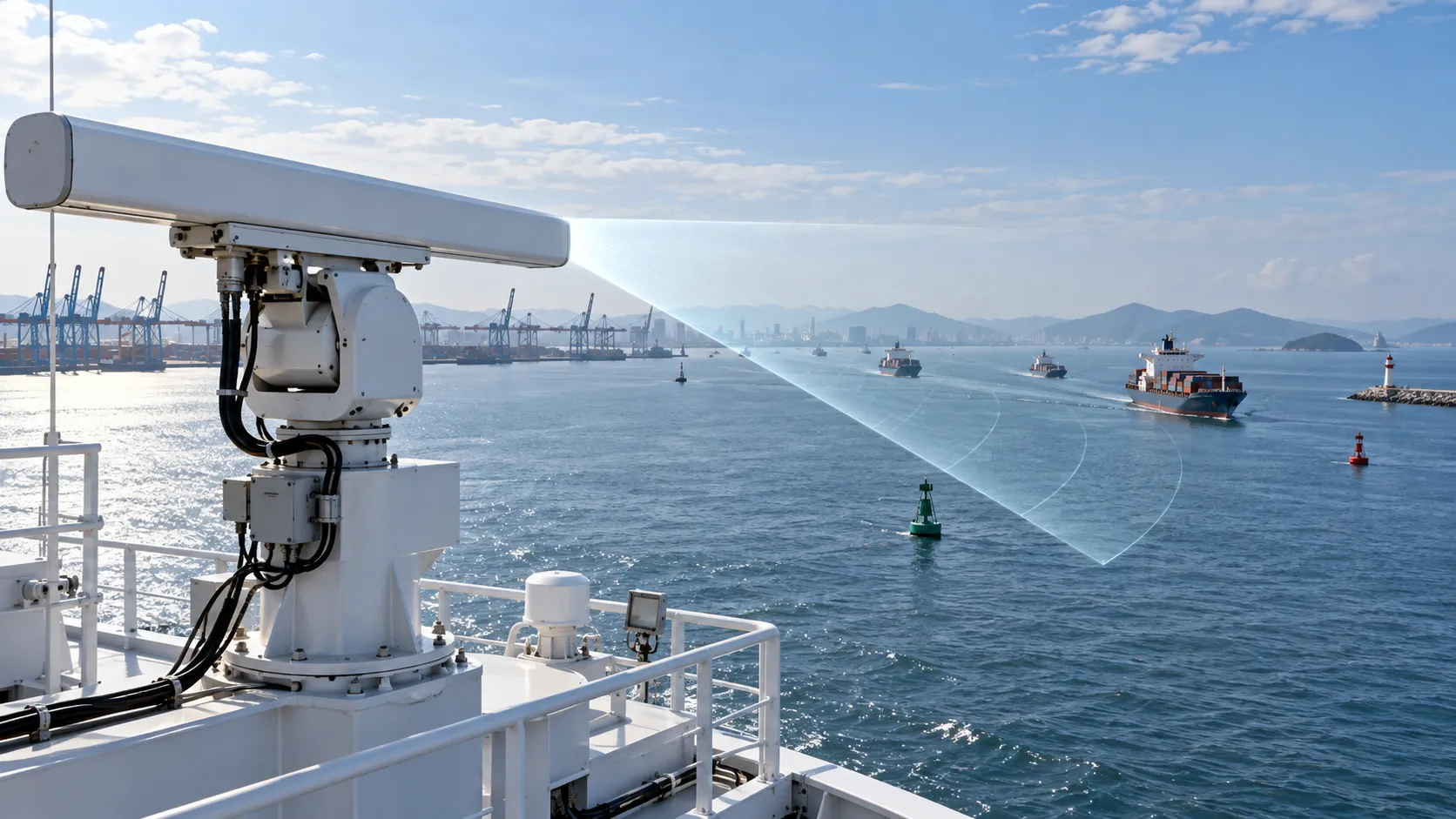
How to Evaluate Navigation Radar Manufacturers for Commercial Vessel Projects
Navigation radar manufacturers: learn how to compare performance, compliance, integration, support, and lifecycle cost for commercial vessel projects.

How Adjustable Cabin Ergonomics Reduce Operator Fatigue in Long-Shift Vehicles
Adjustable cabin ergonomics reduces operator fatigue through better seating, reach, visibility, vibration control, and climate comfort for safer long-shift vehicles.

How Rear-Impact Safety Components Work Together to Protect Vehicle Occupants
Explore how automotive safety components for rear impact work together—from crash structures and seats to head restraints and belts—to enhance occupant protection.
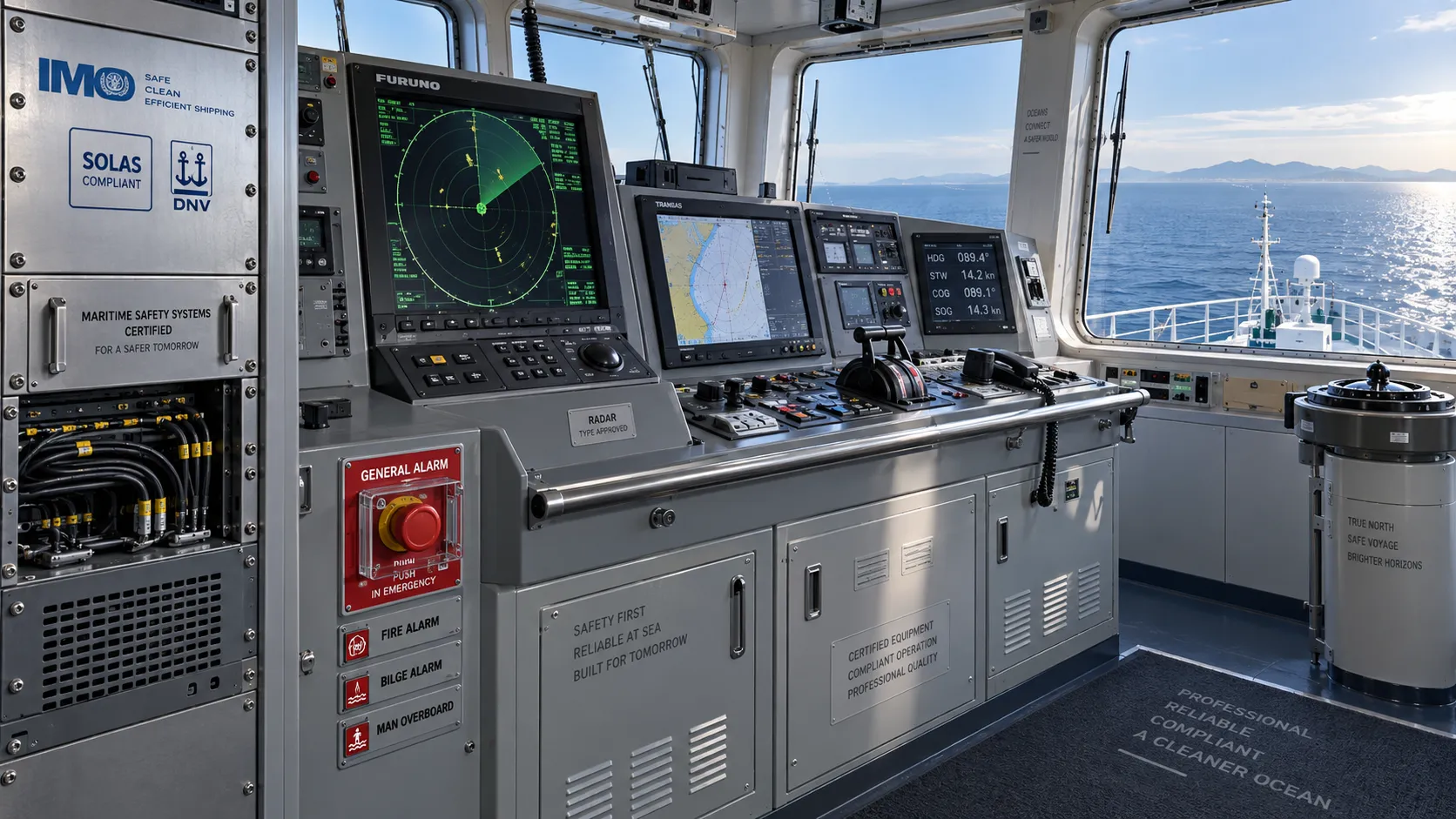
How to Evaluate a Marine Safety Systems Manufacturer for Vessel Compliance and Reliability
Marine safety systems manufacturer evaluation guide: verify compliance, engineering quality, lifecycle costs, and global service support for safer, reliable vessel operations.
Crash Test Regulations for Seatbelts: Key Compliance Requirements Explained
Crash test regulations seatbelts explained: explore FMVSS, UN rules, anchorage strength, and dynamic restraint testing for safer, compliant vehicle systems.

How to Calculate the Total Cost of Automotive Lightweighting for a Vehicle Program
Automotive lightweight solutions cost: learn how to calculate program-level costs, including materials, tooling, joining, validation, risk, and vehicle-level value.

How Automotive Seat Occupancy Sensing Improves Airbag Deployment Decisions
Automotive seat occupancy sensing helps optimize airbag deployment decisions, improving passenger classification, safety diagnostics, and compliance across real-world conditions.

What Drives Lightweight Body Component Costs in High-Volume Vehicle Programs?
Lightweight body components cost depends on material yield, forming, joining, tooling, validation, and logistics. Explore proven ways to optimize total vehicle program cost.
Related News
- 00
0000-00
How to Specify Integrated Marine Electronics for Reliable Bridge Operations - 00
0000-00
How Adjustable Cabin Ergonomics Reduce Operator Fatigue in Long-Shift Vehicles - 00
0000-00
How to Evaluate a Marine Safety Systems Manufacturer for Vessel Compliance and Reliability - 00
0000-00
How to Calculate the Total Cost of Automotive Lightweighting for a Vehicle Program - 00
0000-00
What Drives Lightweight Body Component Costs in High-Volume Vehicle Programs?
Weekly Insights
Stay ahead with our curated technology reports delivered every Monday.