
How to Evaluate Digitalized Mobility Equipment for Safer and Smarter Vehicle Platforms
Evaluating digitalized mobility equipment has become a platform-level decision, not a narrow component check. In vehicles and connected transport systems, safety, software behavior, structural performance, and regulatory fit now influence each other. That is why a strong review framework matters across navigation systems, lightweight structures, restraint technologies, and smart cabin assemblies.
The issue is especially relevant when products must operate across changing standards, tighter validation cycles, and higher expectations for traceability. A sensor, seat frame, inflator, or belt retractor may perform well alone, yet still create integration risk if data quality, update logic, and failure modes are poorly understood.
From the GNCS perspective, digitalized mobility equipment sits at the intersection of precision perception and physical protection. That includes marine navigation systems, auto body stampings, airbag assemblies, seatbelt systems, and smart seat assemblies. Each area contributes differently, but all demand disciplined evaluation before they enter a safer and smarter vehicle platform.
What digitalized mobility equipment really includes
The term covers more than connected hardware. It refers to equipment that combines mechanical performance, embedded electronics, sensing, software logic, and data-driven verification.
In practice, digitalized mobility equipment can include radar-backed navigation modules, hot-stamped body parts with simulation-linked validation records, airbags controlled by smart algorithms, pre-tensioning seatbelts, and seats with occupancy sensing or climate control.
What makes the category different is not only intelligence, but decision relevance. These systems influence route awareness, crash energy management, occupant containment, human-machine interaction, and long-term platform maintainability.
A useful evaluation therefore asks two questions at once: does the equipment meet its own specification, and does it strengthen the whole platform under real operating conditions?
Why the market is paying closer attention
Several shifts are raising the bar. One is the move toward lighter platforms, where every structural choice affects crash behavior, packaging space, and energy efficiency.
Another is the spread of software-managed safety functions. Updates, calibration, sensor fusion, and diagnostics now shape field performance as much as raw hardware quality.
Regulatory pressure also matters. Maritime compliance, ECDIS-related update discipline, and automotive protocols tied to IIHS or E-NCAP create a stricter environment for evidence-based decisions.
More importantly, the cost of a weak decision is no longer limited to replacement expense. It can delay platform launch, weaken safety ratings, complicate global certification, or reduce confidence from Tier 1 and OEM partners.
A practical framework for evaluation
A strong assessment of digitalized mobility equipment should balance six dimensions. Focusing on only one, such as price or headline performance, usually creates blind spots later.
This structure works well because it keeps digitalized mobility equipment tied to real platform outcomes. It also makes cross-functional review easier, since engineering, quality, compliance, and program planning can work from the same set of signals.
Where evaluation priorities change by equipment type
Not every category should be judged in the same way. The best evaluation method reflects the role of the equipment in perception, containment, or structural protection.
Navigation and perception systems
For marine or vehicle navigation modules, attention should go beyond nominal positioning accuracy. Signal stability, environmental resilience, software update governance, and sensor fusion quality often determine field reliability.
GNCS follows this area closely because precise spatial perception is only useful when it remains trustworthy under interference, weather variability, and changing route conditions.
Body structures and lightweight stampings
In structural parts, digitalized mobility equipment evaluation should compare simulation claims with production reality. Material grade, forming consistency, weld behavior, and crash energy paths deserve equal weight.
A lighter component is not automatically a better one. The better choice is the part that preserves repeatable crash performance while supporting weight, cost, and manufacturing targets.
Airbags, belts, and cabin restraint systems
Passive safety components require precise timing and controlled force transfer. For these systems, review pyrotechnic stability, control logic, deployment thresholds, occupant variation coverage, and compatibility with adjacent modules.
The same principle applies to seatbelt systems. Pre-tensioning and force-limiting functions must be judged as part of a coordinated restraint strategy, not as isolated devices.
Smart seating and cabin interfaces
Seats are often underestimated in digitalized mobility equipment planning. Yet they combine structure, comfort, occupant sensing, thermal control, and long-cycle durability.
Evaluation should include ergonomics, sensor reliability, frame integrity, wiring robustness, and the impact of seat behavior on restraint performance during severe events.
Common mistakes in business decisions
One common error is treating digitalized mobility equipment as a purchasing line item. When that happens, teams may compare specifications without understanding system dependencies.
Another mistake is accepting test data without checking context. Lab success may not reflect vibration, moisture, impact variation, electromagnetic disturbance, or field update behavior.
There is also a tendency to separate software review from hardware review. In connected safety equipment, that split creates risk. Functional logic, diagnostics, and physical response must be validated together.
- Do not rank options only by nominal performance.
- Do not ignore update protocols or data traceability.
- Do not assume compliance in one region transfers automatically.
- Do not overlook supplier process maturity and material discipline.
How to apply the framework in active programs
The most effective use of a review framework starts early, before detailed sourcing or final architecture freeze. At that stage, digitalized mobility equipment can be screened for fit, not just for features.
A practical sequence is to map each component to its platform function, define the worst-case operating conditions, then request evidence linked to those conditions. This turns evaluation into a decision record rather than a presentation exercise.
In GNCS-covered sectors, the most useful intelligence often comes from stitching together technical and regulatory signals. Crash test changes, ECDIS update practices, inflator chemistry shifts, and seat frame material trends can all affect what should be approved today.
It also helps to maintain a comparison sheet that connects performance claims with verification status, integration risk, and lifecycle implications. That makes trade-offs visible before they become launch issues.
Signals that deserve closer monitoring next
Several trends will reshape how digitalized mobility equipment is judged over the next few cycles. Lightweighting will continue, but with more scrutiny on material traceability and crash consistency.
Software-defined functions will bring stronger expectations for secure updates, data logging, and explainable failure handling. Smart seats and restraint systems will also be assessed more as linked occupant protection ecosystems.
At the same time, high-reliability demand is rising across maritime and automotive applications. That makes technical credibility, validated evidence, and cross-domain intelligence more valuable than generic product claims.
A sensible next step is to refine internal evaluation criteria around function, safety behavior, compliance path, and lifecycle control. Once those criteria are clear, comparing digitalized mobility equipment becomes faster, more consistent, and far more useful for platform decisions.
Related News
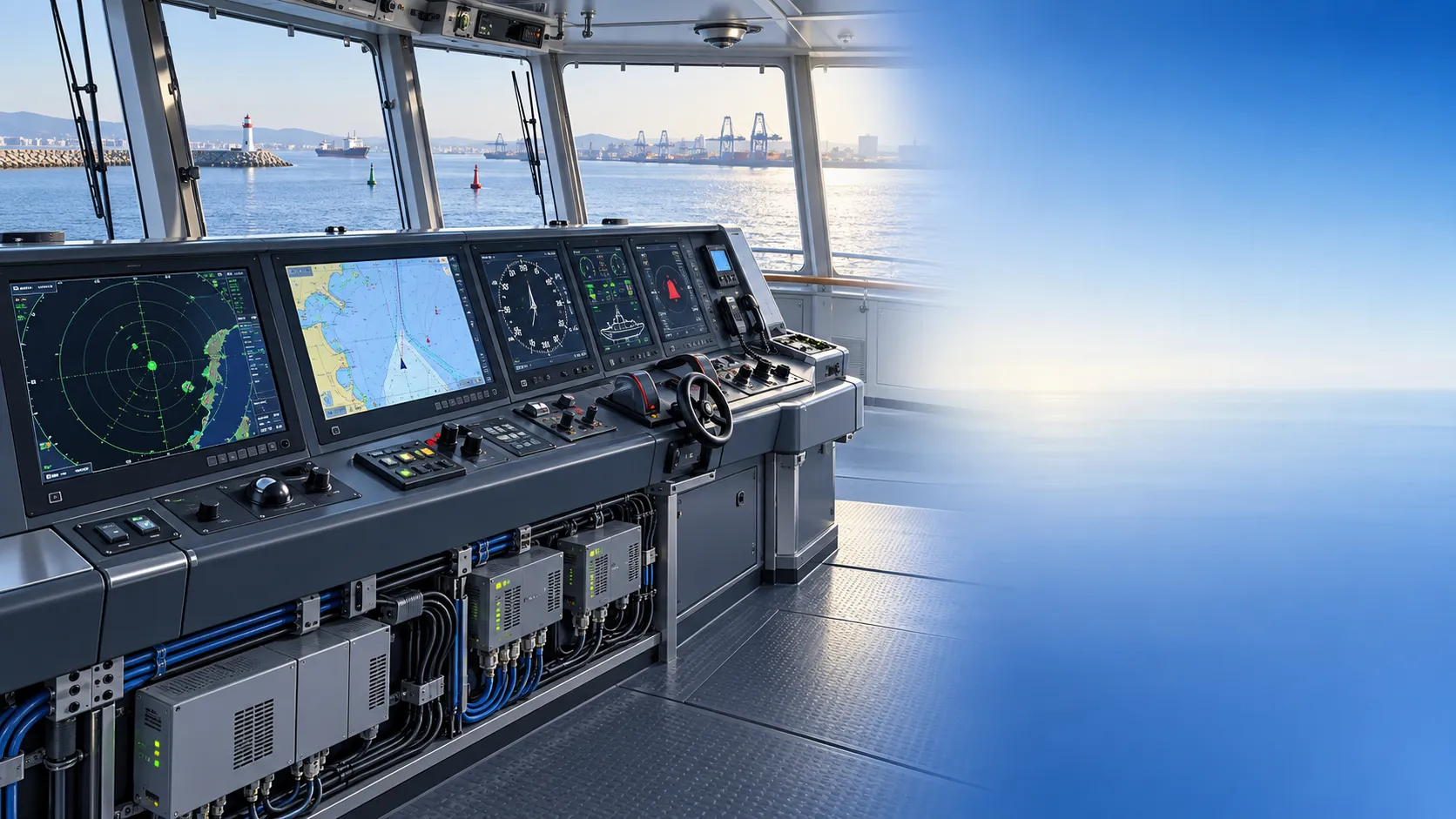
How to Specify Integrated Marine Electronics for Reliable Bridge Operations
Integrated marine electronics: learn how to specify reliable bridge systems with clear data flows, redundancy, alarm control, lifecycle interfaces, and operational testing.

How to Evaluate Navigation Radar Manufacturers for Commercial Vessel Projects
Navigation radar manufacturers: learn how to compare performance, compliance, integration, support, and lifecycle cost for commercial vessel projects.
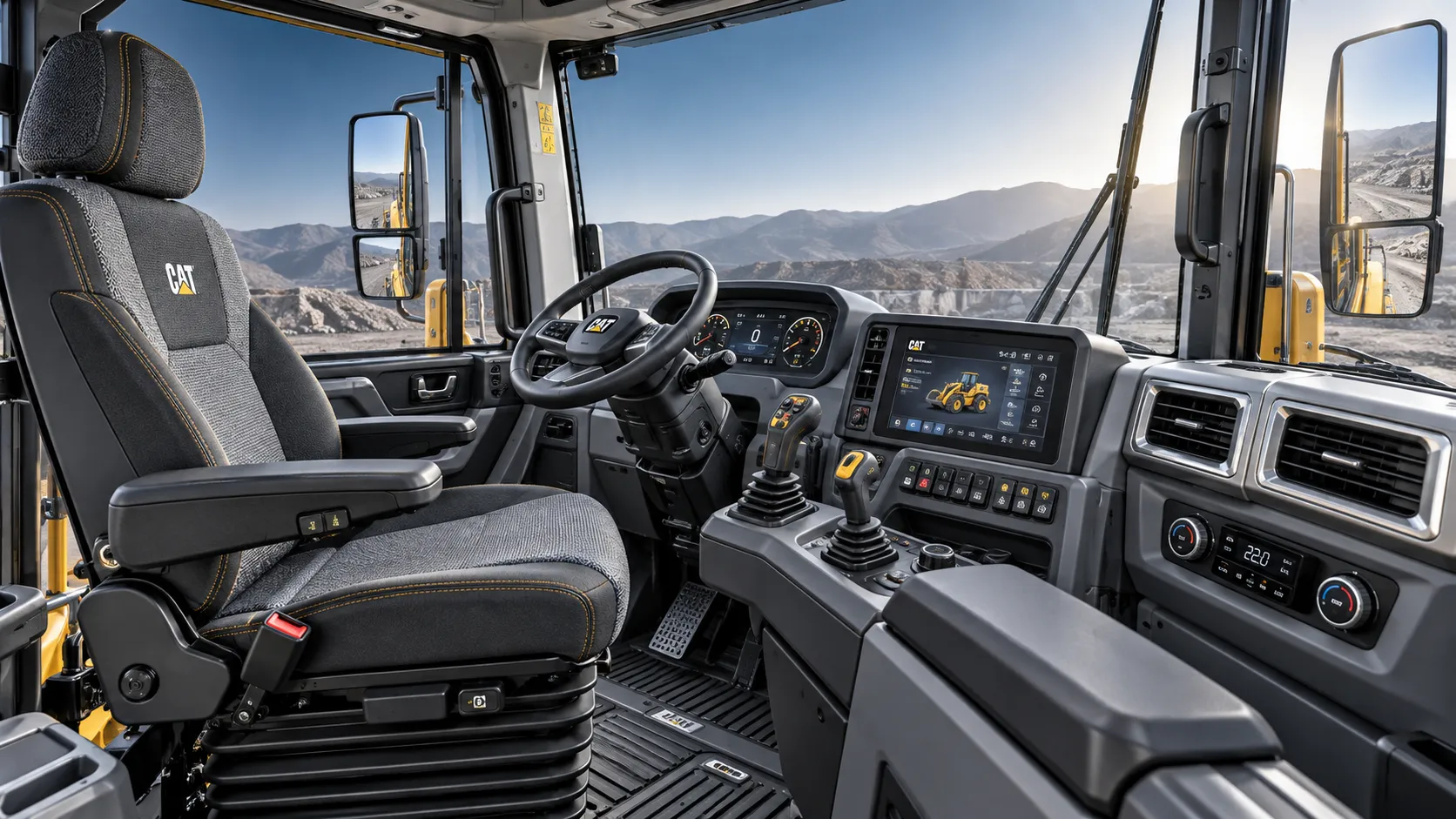
How Adjustable Cabin Ergonomics Reduce Operator Fatigue in Long-Shift Vehicles
Adjustable cabin ergonomics reduces operator fatigue through better seating, reach, visibility, vibration control, and climate comfort for safer long-shift vehicles.

How Rear-Impact Safety Components Work Together to Protect Vehicle Occupants
Explore how automotive safety components for rear impact work together—from crash structures and seats to head restraints and belts—to enhance occupant protection.
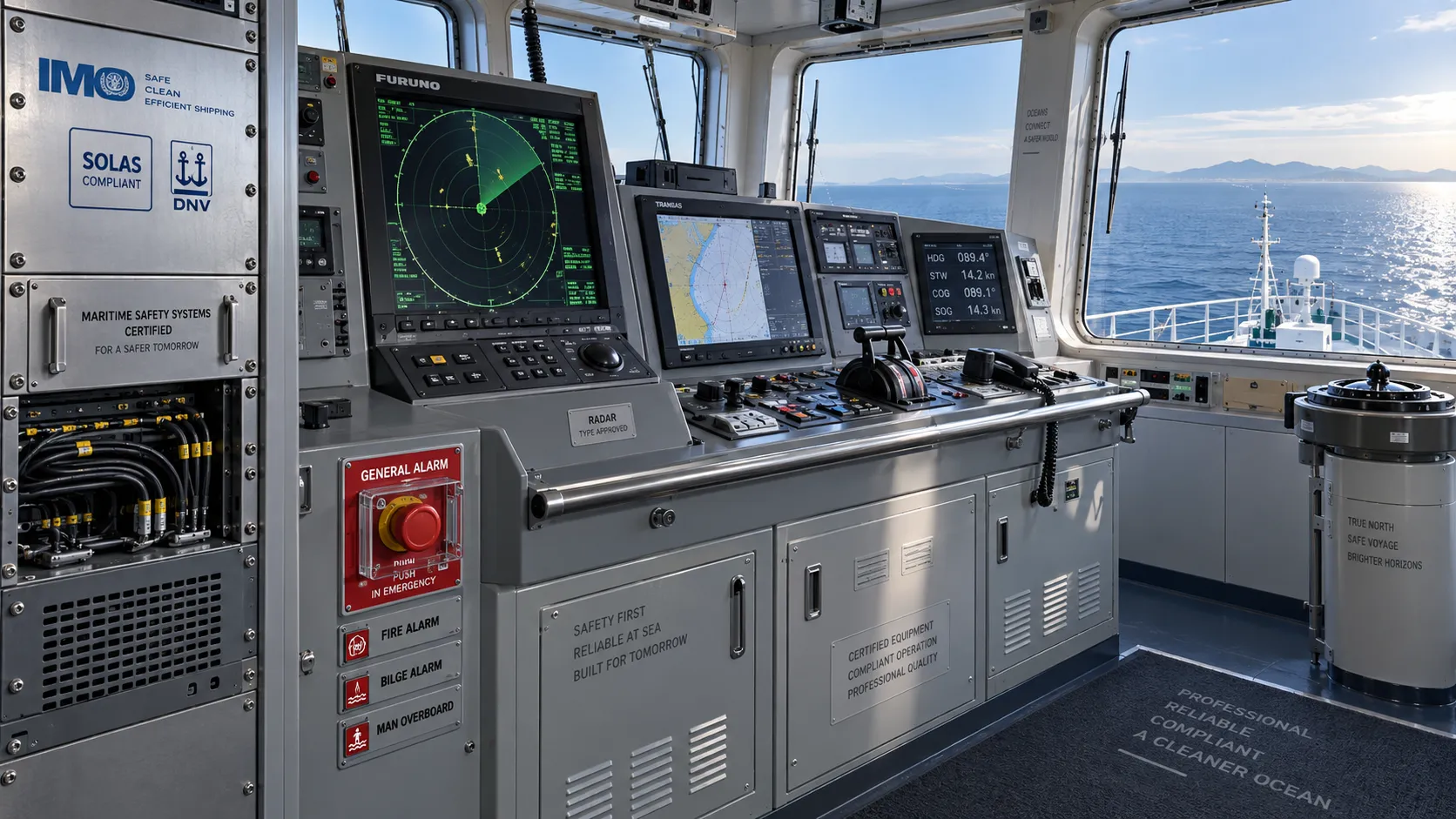
How to Evaluate a Marine Safety Systems Manufacturer for Vessel Compliance and Reliability
Marine safety systems manufacturer evaluation guide: verify compliance, engineering quality, lifecycle costs, and global service support for safer, reliable vessel operations.
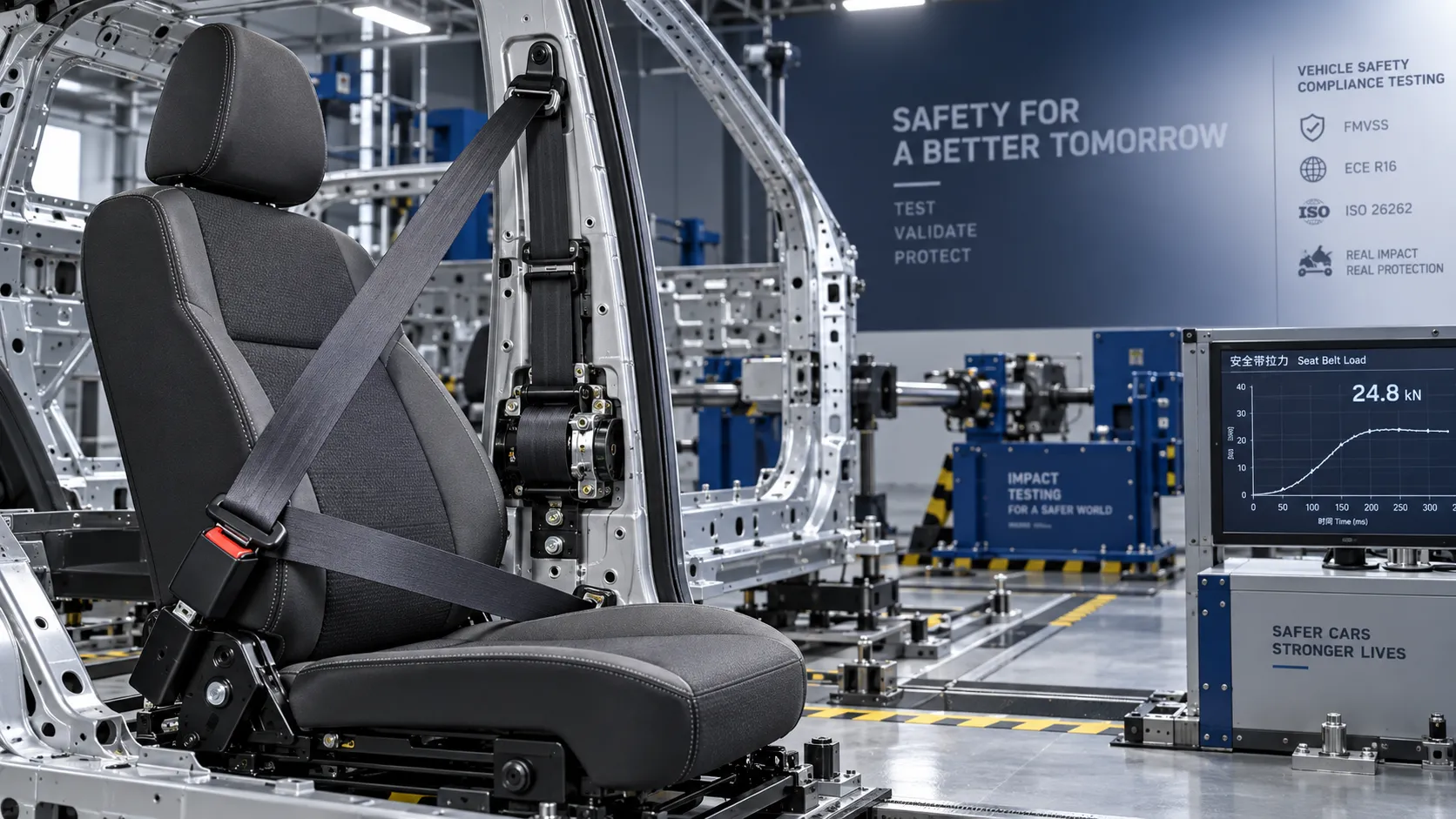
Crash Test Regulations for Seatbelts: Key Compliance Requirements Explained
Crash test regulations seatbelts explained: explore FMVSS, UN rules, anchorage strength, and dynamic restraint testing for safer, compliant vehicle systems.

How to Calculate the Total Cost of Automotive Lightweighting for a Vehicle Program
Automotive lightweight solutions cost: learn how to calculate program-level costs, including materials, tooling, joining, validation, risk, and vehicle-level value.

How Automotive Seat Occupancy Sensing Improves Airbag Deployment Decisions
Automotive seat occupancy sensing helps optimize airbag deployment decisions, improving passenger classification, safety diagnostics, and compliance across real-world conditions.

What Drives Lightweight Body Component Costs in High-Volume Vehicle Programs?
Lightweight body components cost depends on material yield, forming, joining, tooling, validation, and logistics. Explore proven ways to optimize total vehicle program cost.
Related News
- 00
0000-00
How to Specify Integrated Marine Electronics for Reliable Bridge Operations - 00
0000-00
How Adjustable Cabin Ergonomics Reduce Operator Fatigue in Long-Shift Vehicles - 00
0000-00
How to Evaluate a Marine Safety Systems Manufacturer for Vessel Compliance and Reliability - 00
0000-00
How to Calculate the Total Cost of Automotive Lightweighting for a Vehicle Program - 00
0000-00
What Drives Lightweight Body Component Costs in High-Volume Vehicle Programs?
Weekly Insights
Stay ahead with our curated technology reports delivered every Monday.