Maritime Compliance Standards Explained: How to Assess SOLAS, MARPOL, and ISM Requirements
Maritime compliance standards sit at the center of vessel safety, pollution control, and operating discipline. For any serious assessment, SOLAS, MARPOL, and the ISM Code are not separate boxes to tick. They work as a connected control system that shapes equipment selection, crew routines, maintenance quality, and incident response across the fleet.
That connection matters even more now. Digital navigation platforms, remote updates, stricter emissions oversight, and higher expectations for audit traceability have changed how compliance is reviewed. In practice, maritime compliance standards now require technical evidence, clean documentation, and a clear link between onboard conditions and shore-side management.
From the GNCS perspective, this is also part of a wider mobility intelligence problem. Marine navigation systems, safety-critical structures, and protective equipment all depend on the same discipline: reliable sensing, controlled risk, and measurable performance under pressure. Maritime rules simply make that discipline visible.
Why these three frameworks define the baseline
SOLAS, MARPOL, and ISM cover different risk domains, but together they define operational readiness.
SOLAS focuses on safety of life at sea. It covers construction, fire protection, lifesaving appliances, radio communications, navigation equipment, and emergency preparedness.
MARPOL addresses pollution prevention. It extends beyond oil discharge and includes chemicals, sewage, garbage, air emissions, and energy efficiency obligations.
The ISM Code governs the management system behind daily operations. It asks whether responsibilities are defined, risks are controlled, nonconformities are handled, and continuous improvement actually happens.
A vessel may carry compliant hardware and still fail in practice if procedures are weak. It may also have strong manuals but poor technical integrity. That is why maritime compliance standards must be assessed as a live operating framework, not a library of certificates.
What a technical assessment should actually examine
A useful review starts with evidence chains. The key question is simple: can the vessel prove that systems, records, and actions match the rule requirement?
System condition and performance
Inspect the physical and digital status of required systems. For navigation, this may include radar, ECDIS, AIS, GMDSS, gyro inputs, alarm handling, and backup arrangements.
The review should not stop at equipment presence. It should verify calibration, software currency, interface stability, redundancy behavior, and crew familiarity with normal and degraded modes.
Document integrity
Certificates matter, but so do logs, maintenance records, drill reports, corrective actions, permits, and change histories. Weak document control often exposes wider weaknesses in maritime compliance standards execution.
Risk control in operation
A sound assessment checks how risk is managed during bunkering, enclosed space entry, bridge navigation, machinery maintenance, waste handling, and emergency response.
What matters is consistency. Procedures should be usable, understood onboard, and reflected in actual behavior.
How to read SOLAS in practical terms
SOLAS assessments often become overly document-driven. A better approach is to connect each requirement to a functional safety objective.
In GNCS-covered navigation environments, one recurring issue is the gap between equipment sophistication and update governance. A high-performance bridge suite adds value only when data interfaces, cybersecurity discipline, and version management remain controlled.
How MARPOL moves from policy to measurable control
MARPOL is often treated as an environmental annex set, yet effective assessment depends on operating detail. The reviewer needs to see how pollution prevention is embedded into machinery, storage, transfer, and reporting routines.
Oil record books, bunker delivery notes, garbage logs, sewage arrangements, emissions documentation, and energy efficiency plans should tell one coherent story.
Discrepancies are usually revealing. If engine settings, fuel changeover records, and emissions control documents do not align, the problem is rarely clerical alone.
- Check whether discharge prevention equipment is installed, sealed, tested, and understood.
- Review whether waste segregation and storage practices match declared procedures.
- Confirm that fuel sulfur compliance records are complete and operationally plausible.
- Assess whether energy efficiency measures are active or merely filed.
This is where maritime compliance standards connect directly to business resilience. Environmental nonconformities can disrupt port access, insurance posture, charter confidence, and brand credibility far beyond the ship itself.
The ISM Code as the bridge between equipment and behavior
The ISM Code is sometimes seen as the paperwork layer. In reality, it determines whether safety and environmental controls survive routine pressure.
A useful ISM review looks for proof that the safety management system works in motion. That includes reporting lines, authority limits, maintenance planning, incident learning, and shore support responsiveness.
Strong systems usually show the same pattern. Procedures are short enough to use, deviations are reported early, and corrective actions change future behavior instead of closing a file.
Weak systems also show a pattern. Risk assessments are generic, drills are predictable, and recurring defects remain open under different labels.
For maritime compliance standards, ISM is the integrating lens. It explains why two vessels with similar hardware can show very different safety outcomes.
Where assessments commonly fail
The biggest assessment errors are usually methodological, not technical.
- Treating certificates as final proof instead of entry points for verification.
- Reviewing shipboard records without comparing them to observed conditions.
- Separating navigation performance from management system effectiveness.
- Ignoring software control, interface failures, and data version discipline.
- Accepting corrective actions that remove symptoms but not root causes.
These gaps matter in mixed mobility sectors as well. GNCS tracks similar patterns in automotive passive safety and intelligent cabin systems, where compliance only becomes real when design intent, traceability, and field performance stay aligned.
A practical way to structure the next review
A disciplined assessment of maritime compliance standards works best when it follows operational logic rather than regulation order.
- Map critical systems to applicable SOLAS, MARPOL, and ISM obligations.
- Test whether onboard evidence supports each claimed compliance status.
- Look for repeated weaknesses across equipment, records, and crew routines.
- Separate isolated defects from systemic control failures.
- Prioritize actions by safety exposure, pollution risk, and audit consequence.
Where navigation technology is involved, it helps to review update protocols, sensor reliability, alarm philosophy, and fallback modes together. Where environmental risk dominates, focus more closely on transfer processes, emissions evidence, and exception handling.
The most useful next step is not to gather more paperwork. It is to build a tighter evaluation matrix that links rule text, technical function, operational evidence, and management response. That approach turns maritime compliance standards into a decision tool for safer vessels and more reliable fleet performance.
Related News
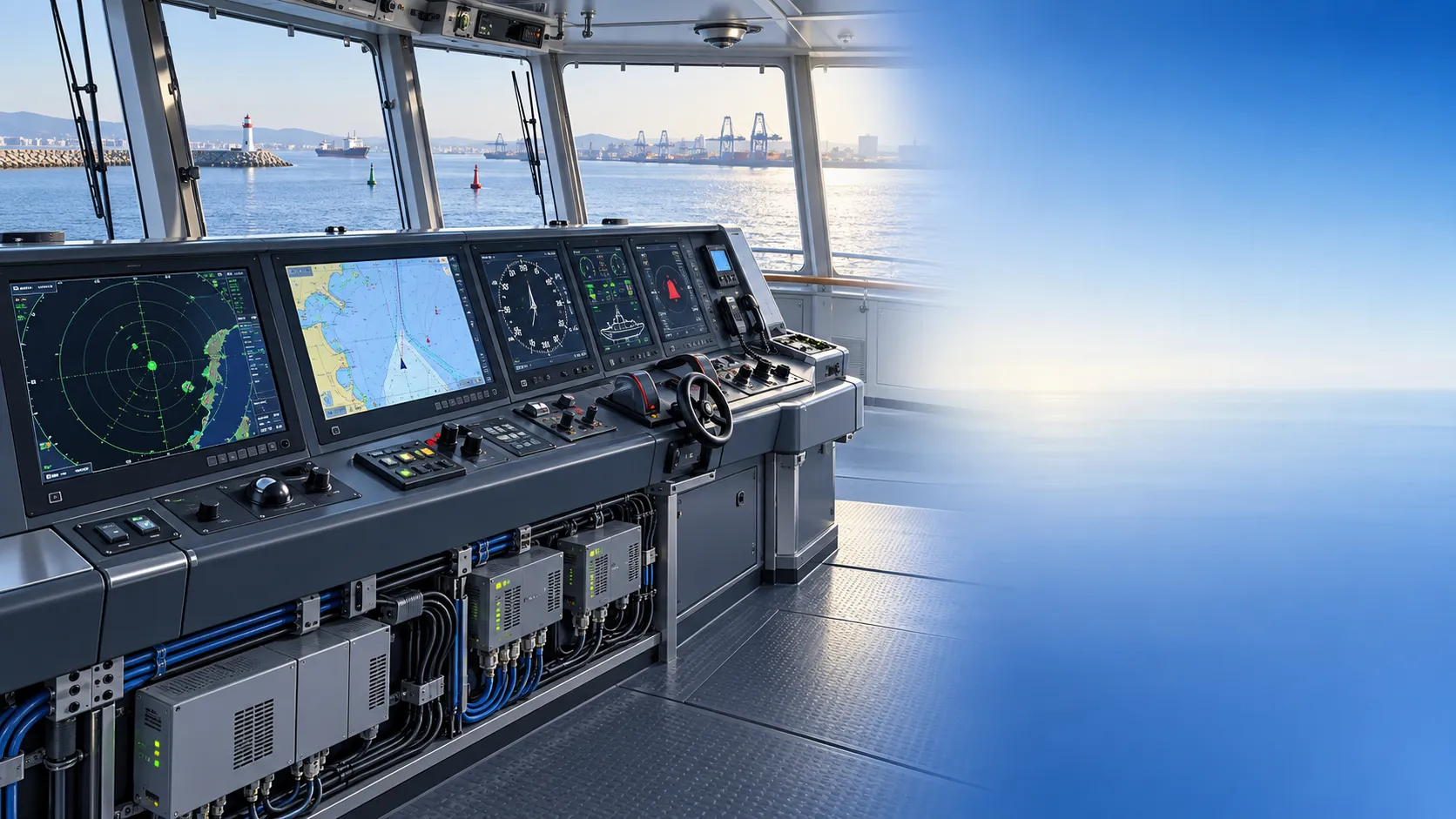
How to Specify Integrated Marine Electronics for Reliable Bridge Operations
Integrated marine electronics: learn how to specify reliable bridge systems with clear data flows, redundancy, alarm control, lifecycle interfaces, and operational testing.

How to Evaluate Navigation Radar Manufacturers for Commercial Vessel Projects
Navigation radar manufacturers: learn how to compare performance, compliance, integration, support, and lifecycle cost for commercial vessel projects.

How Adjustable Cabin Ergonomics Reduce Operator Fatigue in Long-Shift Vehicles
Adjustable cabin ergonomics reduces operator fatigue through better seating, reach, visibility, vibration control, and climate comfort for safer long-shift vehicles.

How Rear-Impact Safety Components Work Together to Protect Vehicle Occupants
Explore how automotive safety components for rear impact work together—from crash structures and seats to head restraints and belts—to enhance occupant protection.
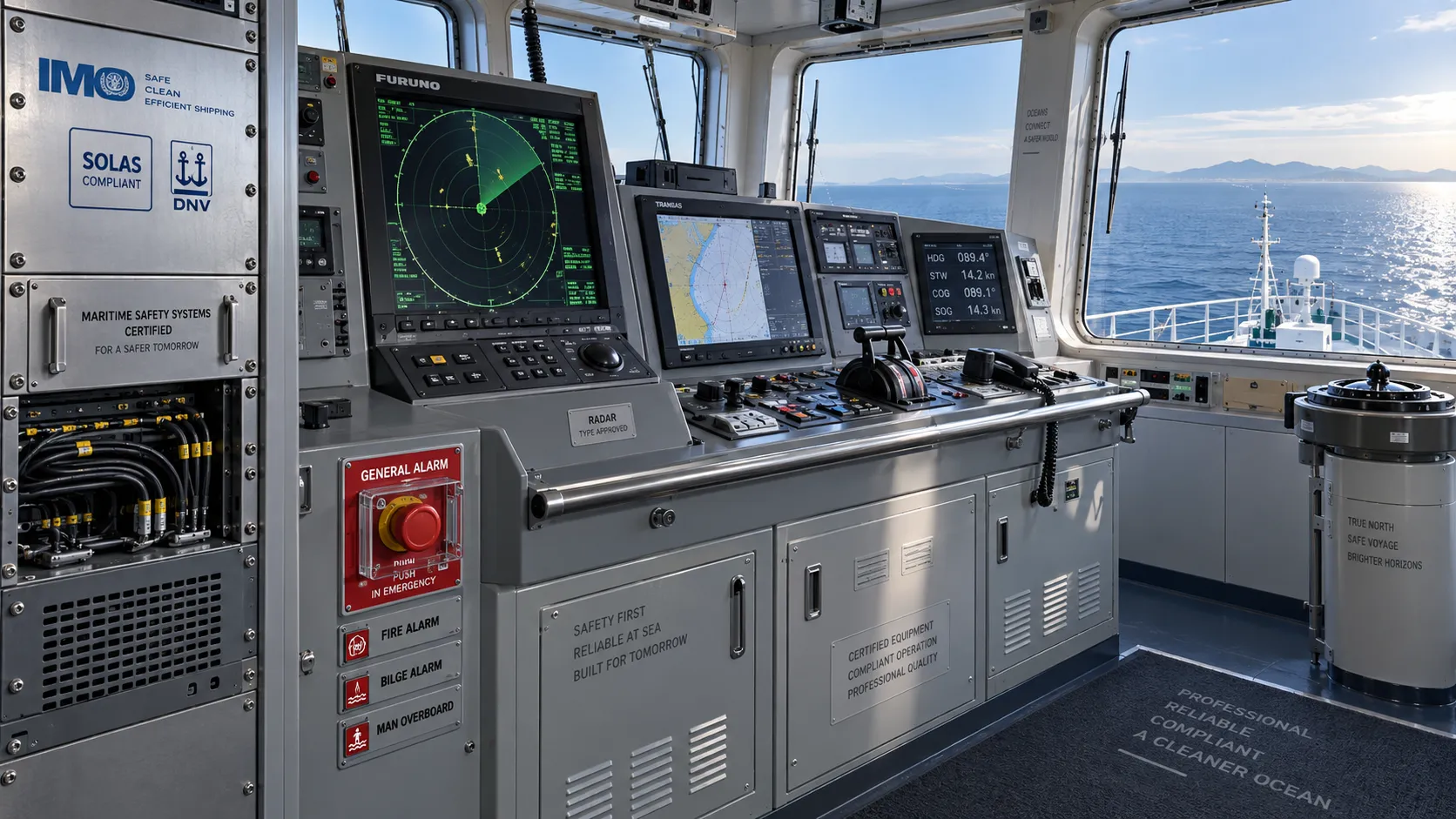
How to Evaluate a Marine Safety Systems Manufacturer for Vessel Compliance and Reliability
Marine safety systems manufacturer evaluation guide: verify compliance, engineering quality, lifecycle costs, and global service support for safer, reliable vessel operations.
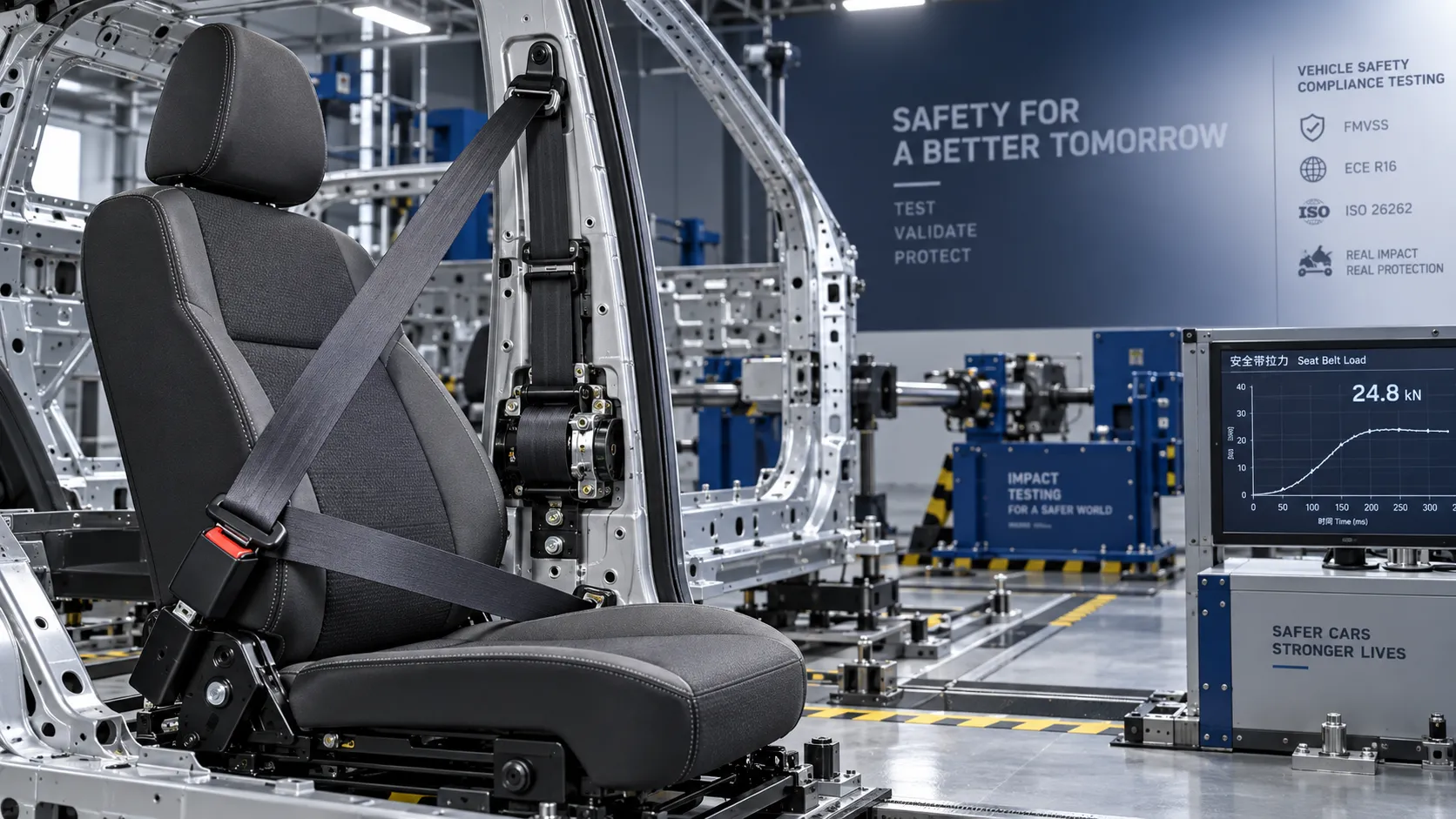
Crash Test Regulations for Seatbelts: Key Compliance Requirements Explained
Crash test regulations seatbelts explained: explore FMVSS, UN rules, anchorage strength, and dynamic restraint testing for safer, compliant vehicle systems.

How to Calculate the Total Cost of Automotive Lightweighting for a Vehicle Program
Automotive lightweight solutions cost: learn how to calculate program-level costs, including materials, tooling, joining, validation, risk, and vehicle-level value.

How Automotive Seat Occupancy Sensing Improves Airbag Deployment Decisions
Automotive seat occupancy sensing helps optimize airbag deployment decisions, improving passenger classification, safety diagnostics, and compliance across real-world conditions.

What Drives Lightweight Body Component Costs in High-Volume Vehicle Programs?
Lightweight body components cost depends on material yield, forming, joining, tooling, validation, and logistics. Explore proven ways to optimize total vehicle program cost.
Related News
- 00
0000-00
How to Specify Integrated Marine Electronics for Reliable Bridge Operations - 00
0000-00
How Adjustable Cabin Ergonomics Reduce Operator Fatigue in Long-Shift Vehicles - 00
0000-00
How to Evaluate a Marine Safety Systems Manufacturer for Vessel Compliance and Reliability - 00
0000-00
How to Calculate the Total Cost of Automotive Lightweighting for a Vehicle Program - 00
0000-00
What Drives Lightweight Body Component Costs in High-Volume Vehicle Programs?
Weekly Insights
Stay ahead with our curated technology reports delivered every Monday.