
Solution Comparison Resources for Latin America: How to Evaluate Vendors, Cost, and Fit
Solution Comparison Resources for Latin America: How to Evaluate Vendors, Cost, and Fit
For procurement teams navigating complex sourcing decisions, solution comparison resources Latin America can reveal far more than surface-level pricing.
In industries where compliance, safety performance, durability, and supplier credibility matter, a structured evaluation of vendors, total cost, and operational fit is essential.
This guide helps buyers compare options with greater clarity, reduce procurement risk, and identify partners that align with technical needs and long-term business goals.
That matters even more in Latin America, where import conditions, local certification, after-sales support, and lead-time volatility can quickly reshape a sourcing decision.
For high-value categories such as marine navigation systems, auto body stampings, airbag assemblies, seatbelt systems, and smart seat assemblies, comparison discipline is not optional.
Why Solution Comparison Resources Latin America Matter More Than Ever
Many sourcing teams begin with price sheets, product catalogs, and short vendor lists.
That is useful, but it is rarely enough.
Good solution comparison resources Latin America combine commercial data with technical, regulatory, and service-level evidence.
This is especially true when equipment performance affects passenger safety, vessel reliability, crash protection, or fleet operating efficiency.
From recent market shifts, one clearer signal stands out.
Buyers are no longer comparing only unit cost.
They are comparing supplier resilience, engineering depth, regional responsiveness, software update capability, and evidence of compliance across export markets.
In practical procurement work, that means better resources produce better decisions.
What to Compare First When Screening Vendors
Before detailed negotiation, define the evaluation frame.
The strongest solution comparison resources Latin America usually start with five vendor screening areas.
- Technical capability and product range
- Regional compliance and certification readiness
- Cost structure beyond ex-works pricing
- Delivery, inventory, and localization support
- Post-sale service and engineering responsiveness
For example, marine navigation equipment needs more than hardware specifications.
You also need to compare software maintenance cycles, integration with radar or ECDIS, and field support in coastal operating zones.
For passive safety components, the comparison should include traceability, validation history, material consistency, and test performance under global standards.
Without this structure, even strong-looking vendors can become expensive problems later.
How to Evaluate Cost Without Falling for Low Quotes
A low quote often wins attention first.
It should not win the decision by itself.
Reliable solution comparison resources Latin America help teams calculate total cost of ownership instead of purchase price alone.
That includes freight, duties, installation effort, downtime exposure, replacement cycles, warranty handling, and inventory carrying costs.
A vendor with a higher unit price may still be the cheaper option over three years.
This happens when failure rates are lower, lead times are shorter, and support is easier to access in the region.
The same principle applies to body stampings and seat systems.
Material yield, tooling life, defect rates, and packaging loss all affect actual landed cost.
Use a comparison table before moving to supplier selection.
Fit Matters: Technical Match, Compliance, and Operational Reality
Cost matters, but fit decides long-term success.
The best solution comparison resources Latin America show whether a supplier actually matches the operating environment, production process, and safety expectations.
For GNCS-relevant categories, fit should be reviewed from three angles.
- Engineering fit: interfaces, dimensions, materials, software compatibility, and validation records.
- Compliance fit: regional import rules, safety certifications, and alignment with customer market requirements.
- Service fit: response speed, spare parts access, and regional problem-solving capacity.
A smart seat supplier may offer impressive features.
Still, if climate control modules are difficult to service locally, the operational fit is weak.
An airbag assembly provider may present competitive pricing.
Yet if propellant chemistry, traceability documents, or audit transparency are incomplete, the risk remains high.
This is why vendor comparison tools should always move from specification fit to business fit.
How GNCS-Style Intelligence Improves Procurement Decisions
Not all comparison data has the same value.
Basic directories tell you who is selling.
Higher-value solution comparison resources Latin America explain how technologies are evolving and which suppliers can keep up.
This is where a strategic intelligence platform becomes useful.
GNCS focuses on high-precision navigation, lightweight vehicle structures, passive safety components, and cabin systems where reliability and compliance are deeply connected.
That means the sourcing conversation can move beyond brochure claims.
For example, buyers can compare vendor strength through signals such as update protocol maturity, material evolution, crash-related performance logic, and regional demand shifts.
This kind of intelligence is especially relevant when choosing suppliers for ECDIS-related systems, hot-stamped lightweight structures, non-toxic inflator technologies, or magnesium seat frame programs.
In short, better industry intelligence makes solution comparison resources Latin America more actionable and less speculative.
A Practical Evaluation Framework for Vendor Comparison
To make comparisons easier, use a weighted scorecard.
This keeps evaluation disciplined when several suppliers look similar on paper.
- Technical performance: 25%
- Compliance readiness: 20%
- Total cost: 20%
- Lead time and logistics stability: 15%
- Service and engineering support: 10%
- Supplier credibility and financial resilience: 10%
Then validate each score with evidence.
Use audit findings, customer references, test reports, sample performance, and service commitments.
This is where many sourcing decisions become clearer.
A supplier with a mid-range quote often rises to the top because risk-adjusted value is stronger.
That is the real purpose of solution comparison resources Latin America: turning scattered information into a defensible buying decision.
Common Mistakes That Distort Comparison Results
Even experienced teams make avoidable comparison errors.
- Treating all certifications as equal without checking regional acceptance
- Ignoring software updates or lifecycle support in connected systems
- Comparing quoted prices without landed cost modeling
- Overlooking field service capacity in Latin America
- Selecting on sample performance alone without production consistency checks
These mistakes usually appear when comparison resources are shallow or outdated.
A stronger process links market intelligence, technical validation, and commercial analysis in one view.
That approach is slower at the start, but much cheaper over the full contract cycle.
Final Takeaway for Better Sourcing Decisions
The best solution comparison resources Latin America do not just rank vendors.
They help reveal which supplier can truly support safety, compliance, uptime, and cost control over time.
For procurement decisions tied to navigation precision, occupant protection, lightweight structures, or cabin intelligence, depth matters.
Compare vendors with evidence, not assumptions.
Model total cost, not just quote price.
Test operational fit, not just technical promise.
When solution comparison resources Latin America are combined with sector-specific intelligence, sourcing decisions become faster, sharper, and easier to defend internally.
That is the foundation for choosing partners who can deliver value well beyond the first shipment.
Related News
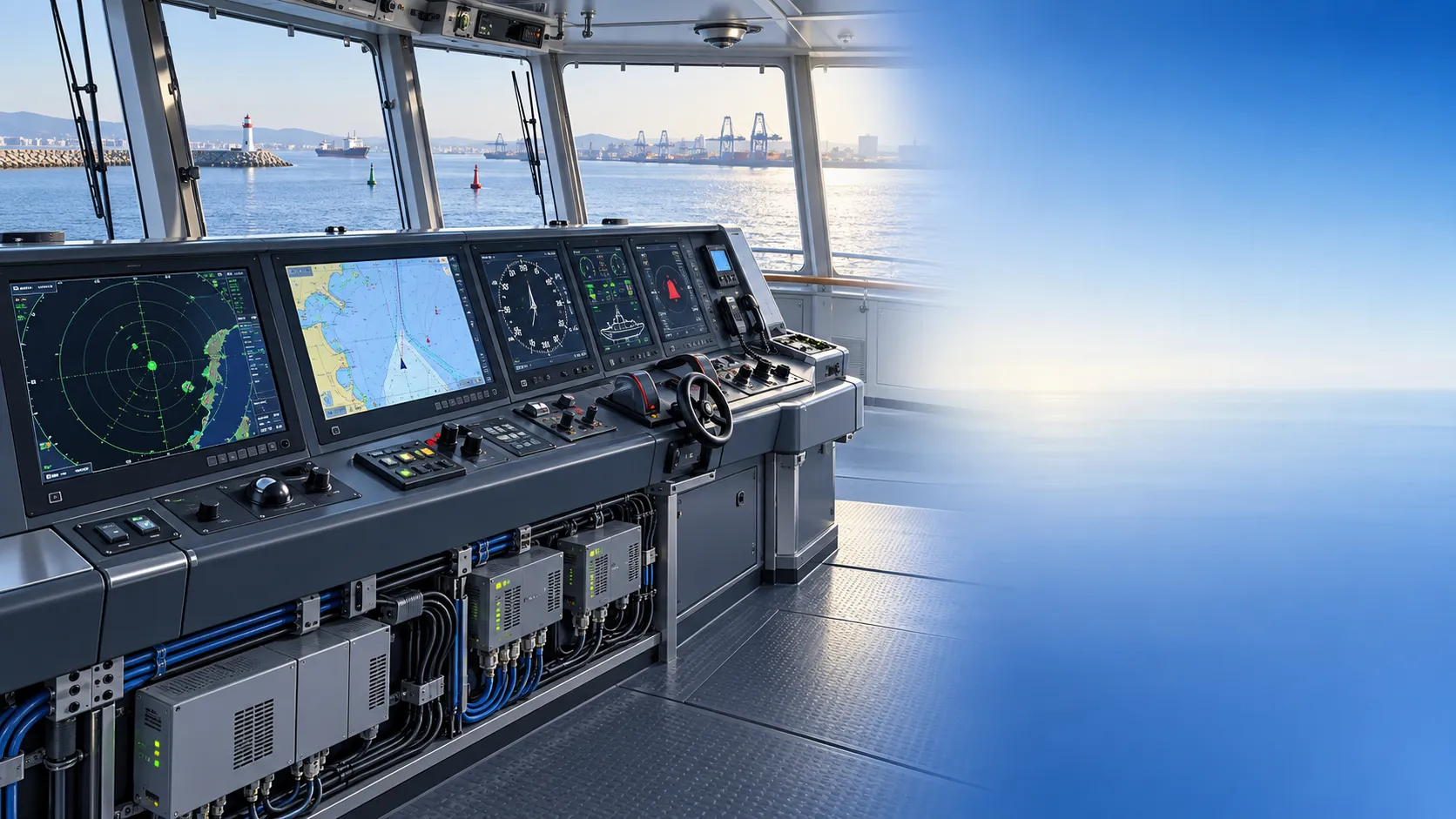
How to Specify Integrated Marine Electronics for Reliable Bridge Operations
Integrated marine electronics: learn how to specify reliable bridge systems with clear data flows, redundancy, alarm control, lifecycle interfaces, and operational testing.

How to Evaluate Navigation Radar Manufacturers for Commercial Vessel Projects
Navigation radar manufacturers: learn how to compare performance, compliance, integration, support, and lifecycle cost for commercial vessel projects.
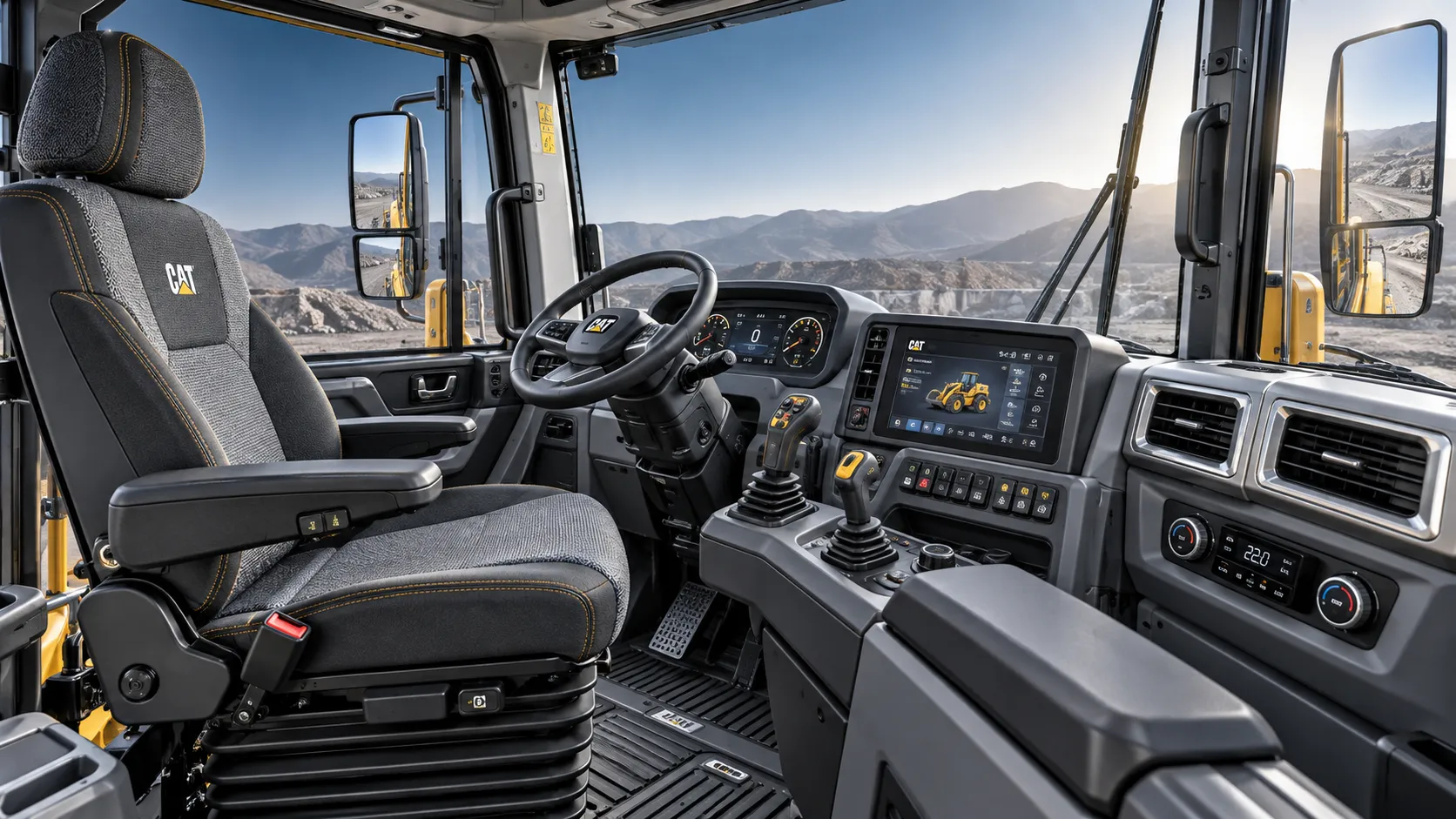
How Adjustable Cabin Ergonomics Reduce Operator Fatigue in Long-Shift Vehicles
Adjustable cabin ergonomics reduces operator fatigue through better seating, reach, visibility, vibration control, and climate comfort for safer long-shift vehicles.

How Rear-Impact Safety Components Work Together to Protect Vehicle Occupants
Explore how automotive safety components for rear impact work together—from crash structures and seats to head restraints and belts—to enhance occupant protection.
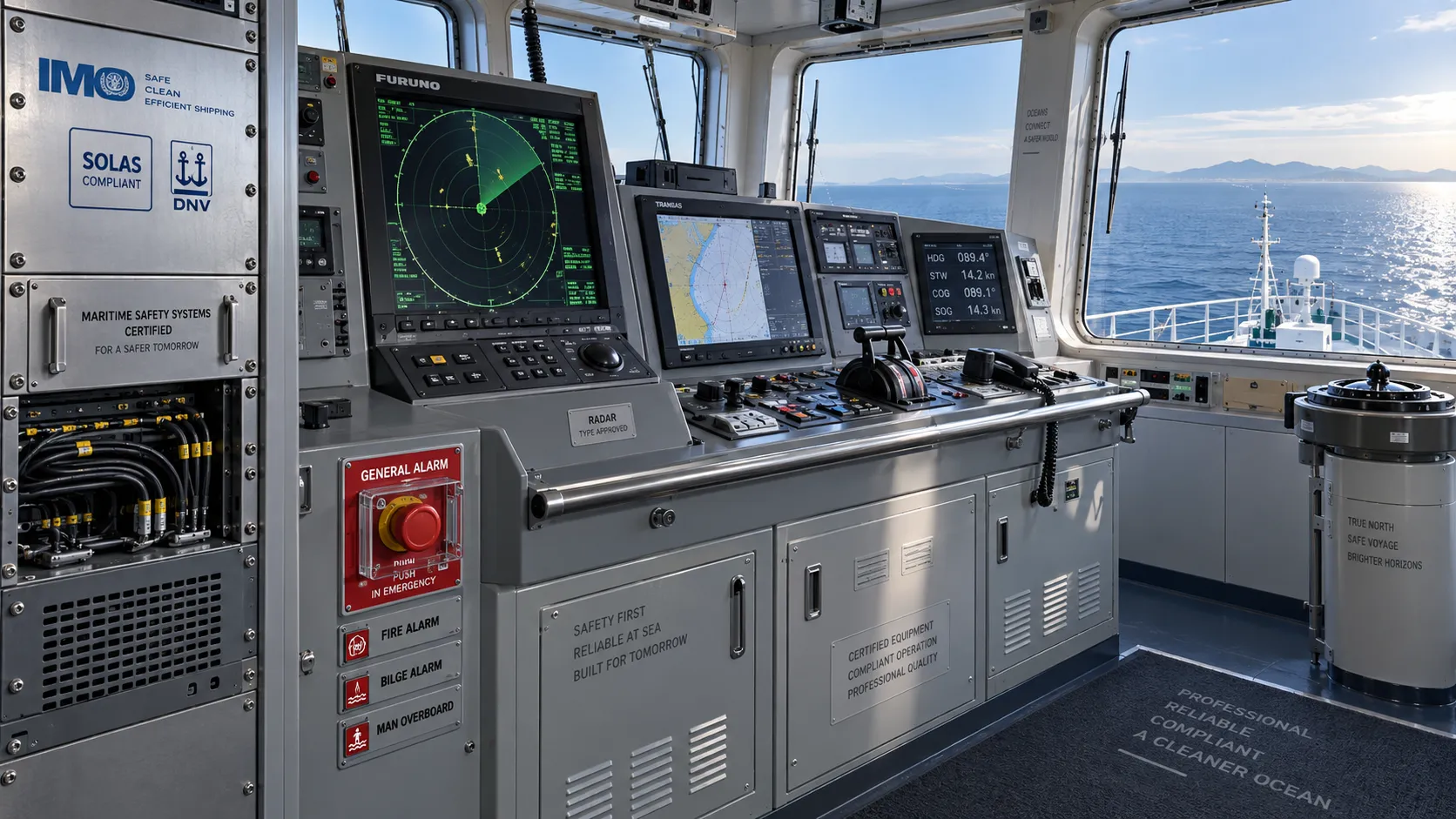
How to Evaluate a Marine Safety Systems Manufacturer for Vessel Compliance and Reliability
Marine safety systems manufacturer evaluation guide: verify compliance, engineering quality, lifecycle costs, and global service support for safer, reliable vessel operations.
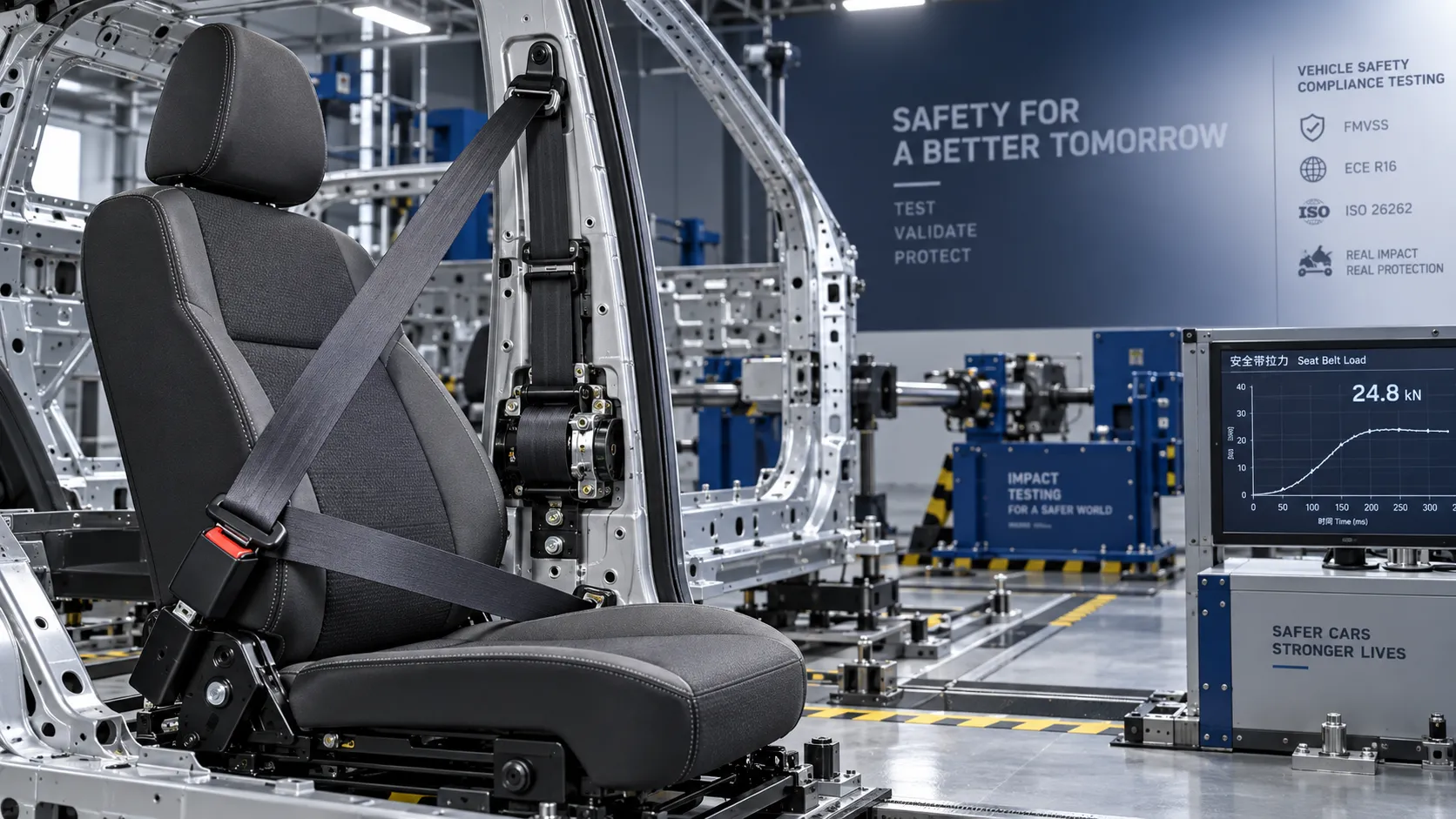
Crash Test Regulations for Seatbelts: Key Compliance Requirements Explained
Crash test regulations seatbelts explained: explore FMVSS, UN rules, anchorage strength, and dynamic restraint testing for safer, compliant vehicle systems.

How to Calculate the Total Cost of Automotive Lightweighting for a Vehicle Program
Automotive lightweight solutions cost: learn how to calculate program-level costs, including materials, tooling, joining, validation, risk, and vehicle-level value.

How Automotive Seat Occupancy Sensing Improves Airbag Deployment Decisions
Automotive seat occupancy sensing helps optimize airbag deployment decisions, improving passenger classification, safety diagnostics, and compliance across real-world conditions.

What Drives Lightweight Body Component Costs in High-Volume Vehicle Programs?
Lightweight body components cost depends on material yield, forming, joining, tooling, validation, and logistics. Explore proven ways to optimize total vehicle program cost.
Related News
- 00
0000-00
How to Specify Integrated Marine Electronics for Reliable Bridge Operations - 00
0000-00
How Adjustable Cabin Ergonomics Reduce Operator Fatigue in Long-Shift Vehicles - 00
0000-00
How to Evaluate a Marine Safety Systems Manufacturer for Vessel Compliance and Reliability - 00
0000-00
How to Calculate the Total Cost of Automotive Lightweighting for a Vehicle Program - 00
0000-00
What Drives Lightweight Body Component Costs in High-Volume Vehicle Programs?
Weekly Insights
Stay ahead with our curated technology reports delivered every Monday.