
What Determines Crash Management Systems Cost? A Buyer’s Guide to Total Ownership
A crash box may look like a simple stamped or extruded metal component. A bumper reinforcement can appear to be little more than a beam behind a fascia. For a procurement team, however, neither should be evaluated as a simple piece-price item. The real crash management systems cost is shaped by the work required to make a structure deform in a predictable way, protect the passenger cell, fit the vehicle architecture, and continue meeting regulatory and consumer-test expectations throughout production.
That distinction matters when sourcing front and rear crash systems, including bumper beams, crash boxes, longitudinal rails, energy absorbers, brackets, and related joining hardware. A supplier with the lowest quotation may still create the highest program cost if the part adds mass, requires expensive late-stage tuning, causes dimensional variation, or struggles to sustain crash performance after material or process changes.
For buyers, the question is not simply, “What does this component cost?” It is, “What will this crash system cost us to engineer, validate, manufacture, manage, and support over its full life?”
Why quoted unit price tells only part of the story
Crash management systems sit at the intersection of structural engineering, material science, manufacturing capability, and vehicle safety compliance. Their job is to absorb and route collision energy before it reaches more costly or safety-critical areas of the vehicle. That job is highly sensitive to geometry, wall thickness, joining location, material grade, and production consistency.
A low initial quote can conceal costs in several places: additional prototype loops, higher scrap rates, more complex assembly fixtures, expensive corrosion protection, heavy logistics packaging, or repeated validation after a design change. Conversely, a component with a higher purchase price may reduce vehicle mass, shorten assembly time, improve reparability after low-speed impacts, or avoid redesign work later in the program.
This is why sourcing decisions should separate part price from total ownership cost. The former is easy to compare; the latter is where a crash-management sourcing decision is won or lost.
The major cost drivers in a crash management system
1. Material selection and material volatility
Material is usually the most visible cost driver, but it is rarely just a commodity decision. Conventional high-strength steel, advanced high-strength steel, ultra-high-strength hot-stamped steel, aluminum extrusion, aluminum sheet, and hybrid multi-material concepts all bring different cost profiles.
Steel can offer strong energy absorption and established processing routes, particularly where hot stamping is already available. Yet high-strength grades may require tighter forming control, specialized die materials, and more demanding welding or joining procedures. Aluminum can support lightweighting goals and may simplify certain extrusion-based geometries, but its material price, joining requirements, surface treatment needs, and repair implications must be considered. Hybrid systems can achieve targeted performance but often introduce additional interfaces and validation complexity.
Procurement should ask suppliers to show the material strategy behind the quotation: grade, gauge range, yield assumptions, scrap factor, coil or billet sourcing model, and exposure to market fluctuations. A price that looks stable today may be built on material assumptions that are not contractually clear.
2. Geometry, packaging, and energy-management targets
Crash components are engineered shapes, not generic metal sections. Progressive folding triggers in a crash box, hat-section profiles in a rail, bead geometry in a stamping, or internal ribs in an extrusion can all influence how energy is absorbed.
Complex geometry often raises tooling, cycle-time, inspection, and scrap costs. It may also make the system more difficult to manufacture consistently across multiple plants. But simplification is not always a saving. A lower-cost geometry that creates unstable collapse behavior may force thicker material, additional reinforcements, or costly vehicle-level countermeasures.
Buyers should therefore connect cost review to the engineering target. Ask what the component must achieve: controlled deformation, peak-load limitation, intrusion management, offset-crash performance, low-speed repairability, or compatibility with battery protection zones. The cost of a part only has meaning when measured against its assigned load path and performance envelope.
3. Manufacturing route and capital intensity
The chosen process has a direct effect on both upfront investment and recurring cost. Common routes include cold stamping, hot stamping, roll forming, aluminum extrusion, hydroforming, casting for local nodes, and welded or bonded assemblies. Each route comes with its own tooling and equipment demands.
Hot-stamped components, for example, may require more substantial thermal-process infrastructure, dedicated die design, and careful control of cooling performance. Extrusions need die development, straightening, cutting, and often secondary machining or forming. Multi-piece welded assemblies may reduce the complexity of individual stampings but add fixtures, robots, quality controls, and joining-cycle time.
For low-volume or mixed-platform programs, flexible fabrication may be attractive despite a higher unit cost. For high-volume platforms, a capital-intensive solution can become economical if volumes, design stability, and program duration justify the investment. The right comparison is not “stamping versus extrusion” in the abstract; it is the cost curve for the anticipated production volume and product lifecycle.
4. Joining technology is a hidden budget line
A crash system is often an assembly rather than a single part. The cost of welding, riveting, clinching, adhesive bonding, bolting, or hybrid joining can materially change the business case. This is especially true in mixed-material designs, where conventional resistance spot welding may not be sufficient.
Joining affects capital expenditure, takt time, operator access, inspection requirements, repair strategy, and durability performance. It can also become a supply-chain constraint when a supplier has strong forming capability but limited experience in the joining methods required by the vehicle architecture.
During quotation review, request a joining map rather than accepting a broad statement such as “assembly included.” It should identify joint type, accessibility, automation level, inspection method, corrosion-management approach, and any critical-process controls. This makes it easier to compare two bids that may have similar part prices but very different manufacturing risk.
Engineering and validation costs: where cheap designs become expensive
Crash performance is not proven by a single simulation. The engineering burden typically includes CAE development, material characterization, coupon testing, component tests, subsystem tests, vehicle-level correlation, dimensional studies, and iterative design changes. The exact scope varies by vehicle type and market, but the commercial reality is consistent: validation work consumes budget and calendar time.
A supplier’s experience with crash energy absorption can reduce this burden, not because validation can be skipped, but because assumptions are more likely to be realistic from the beginning. Mature suppliers understand the practical gap that can occur between a clean digital model and a production component with material-lot variation, springback, welding distortion, coatings, and tolerance stack-up.
For procurement teams, it is useful to distinguish between costs included in the supplier’s quotation and costs that may return later as engineering change requests. A transparent proposal should clarify:
- the design responsibility split between OEM, Tier 1, and sub-suppliers;
- the number and type of prototype phases assumed;
- what simulation, testing, and reporting are included;
- who pays when performance targets change after design freeze;
- how revalidation is handled after a material, tool, process, or plant change.
These details are particularly important when the program must satisfy both statutory requirements and evolving consumer-assessment expectations. Regulations may define a baseline, while programs such as Euro NCAP or IIHS can influence market expectations and engineering priorities. The buyer does not need to prescribe every test method, but must ensure the supplier’s cost model reflects the intended compliance pathway.
Tooling cost should be assessed as a lifecycle asset
Tooling is often negotiated aggressively because it is visible, front-loaded, and substantial. Yet a cheap tool can be an expensive asset if it cannot hold tolerances, wears quickly, produces unstable parts, or requires long maintenance stops. For crash structures, dimensional control is not a cosmetic concern; it can alter fit-up, joint quality, and the behavior of the final assembly.
Tooling review should include more than the quoted build cost. Examine expected tool life, maintenance intervals, spare-part strategy, die material and coatings, changeover needs, backup-tool availability, and ownership rights. Where hot stamping or high-strength materials are involved, ask how the supplier controls wear, thermal cycles, and repeatability.
It is also wise to assess tool transfer conditions early. If a program is moved to another plant or supplier, can the tool be relocated? Are process parameters, design files, and inspection records available? A sourcing team may never need to execute that contingency, but the ability to do so changes the risk profile of the contract.
Volume, platform strategy, and localization shape the economics
Crash management systems cost behaves differently at 20,000 units than at 300,000 units. High volume can absorb dedicated capital and support automation; low volume may favor modular designs, common sections, and flexible production cells. A shared platform can create scale benefits, but only if regional variants do not multiply part numbers, brackets, beam lengths, or validation requirements.
Localization decisions add another layer. Producing near the vehicle assembly plant may reduce transport cost, packaging damage, inventory exposure, and lead time. However, the local supplier base must be able to control the necessary materials and processes. Shipping a structurally critical component long distances can be viable, but large lightweight assemblies are often inefficient to transport, and protective packaging itself can become meaningful.
Quality variation has a cost long before a recall
In passive safety components, poor quality does not need to reach the field to become expensive. A recurring dimensional issue can slow assembly, create line stoppages, increase sorting activity, require containment stock, and consume engineering resources. If the problem affects deformation behavior, the consequence may extend into revalidation, launch delays, and damaged supplier relationships.
Procurement should look for evidence that quality controls match the component’s safety relevance. That includes material traceability, incoming-material verification, in-process monitoring, dimensional inspection, weld or joint verification, process capability management, and change-control discipline. The goal is not to demand paperwork for its own sake. It is to understand whether the supplier can consistently reproduce the crash-relevant design intent.
For components made from high-strength steel or aluminum, special attention should be paid to material certification, heat or batch traceability, forming-window control, and post-process inspection. A crash component that appears acceptable in a static dimensional check may still carry process variation that matters under dynamic load.
Serviceability, warranty exposure, and circularity belong in the ownership calculation
Low-speed impacts are common, and the replaceability of a crash box or energy absorber can affect repair costs and customer experience. A design that protects expensive rails or battery-adjacent structures may offer value well beyond its initial purchase price. Conversely, a highly integrated system can lower manufacturing cost while making minor repairs more extensive.
Buyers should ask whether sacrificial components can be replaced without cutting, welding, or disturbing broader vehicle structures. Consider availability of service parts, attachment strategy, corrosion restoration after repair, and the likelihood of secondary damage. These questions are especially relevant for electric vehicles, where front and rear architecture may be closely tied to battery protection, thermal systems, and sensor packaging.
End-of-life considerations are also becoming more relevant. Multi-material assemblies can be technically effective but more difficult to separate and recycle. This may not determine today’s sourcing award on its own, yet material recoverability and dismantling logic can influence future compliance, sustainability reporting, and residual-value discussions.
A practical way to compare supplier quotations
Instead of asking suppliers for one all-in number and selecting the lowest, build a normalized cost comparison. Separate recurring part cost, amortized tooling, engineering and validation, logistics, packaging, quality provisions, service parts, and change-management assumptions. Then score the commercial proposal alongside technical maturity and manufacturing resilience.
A useful sourcing review may include the following questions:
- Does the supplier explain how the proposed structure achieves the required crash mode?
- Are material, process, and joining assumptions explicitly stated?
- Is the quote based on realistic volume, yield, and localization assumptions?
- What is the plan if tooling or a critical forming process becomes unavailable?
- Which performance changes would trigger added engineering or revalidation charges?
- Can the supplier support both launch ramp-up and stable serial production with traceable controls?
- Does the design protect downstream repair cost as well as vehicle-level crash performance?
It can also help to conduct a cross-functional review before nomination. Purchasing, body engineering, crash simulation, manufacturing, quality, service, and logistics teams often see different costs that no individual quotation captures. The best decision is usually made when these perspectives are brought together early, while the architecture is still open to adjustment.
Making a defensible buying decision
There is no universal “right” cost for a crash management system. A compact vehicle, a premium SUV, a commercial platform, and a battery-electric architecture will place different demands on mass, package space, repairability, and crash-load management. What matters is whether the quoted solution is credible for its intended role and transparent about the costs needed to sustain that role over time.
At GNCS, the broader view of passive safety is that energy-absorbing structures should be assessed with the same discipline applied to airbags, seatbelt systems, and seating interfaces: performance is only meaningful when it remains reliable in real production conditions. For procurement teams, that means moving beyond a unit-price comparison and treating crash structures as controlled safety systems with engineering, industrial, and lifecycle consequences.
When buyers evaluate material choices, tooling durability, validation scope, supplier process control, logistics, serviceability, and change risk together, crash management systems cost becomes easier to manage—and far less likely to become an unpleasant surprise after the sourcing decision has already been made.
Related News
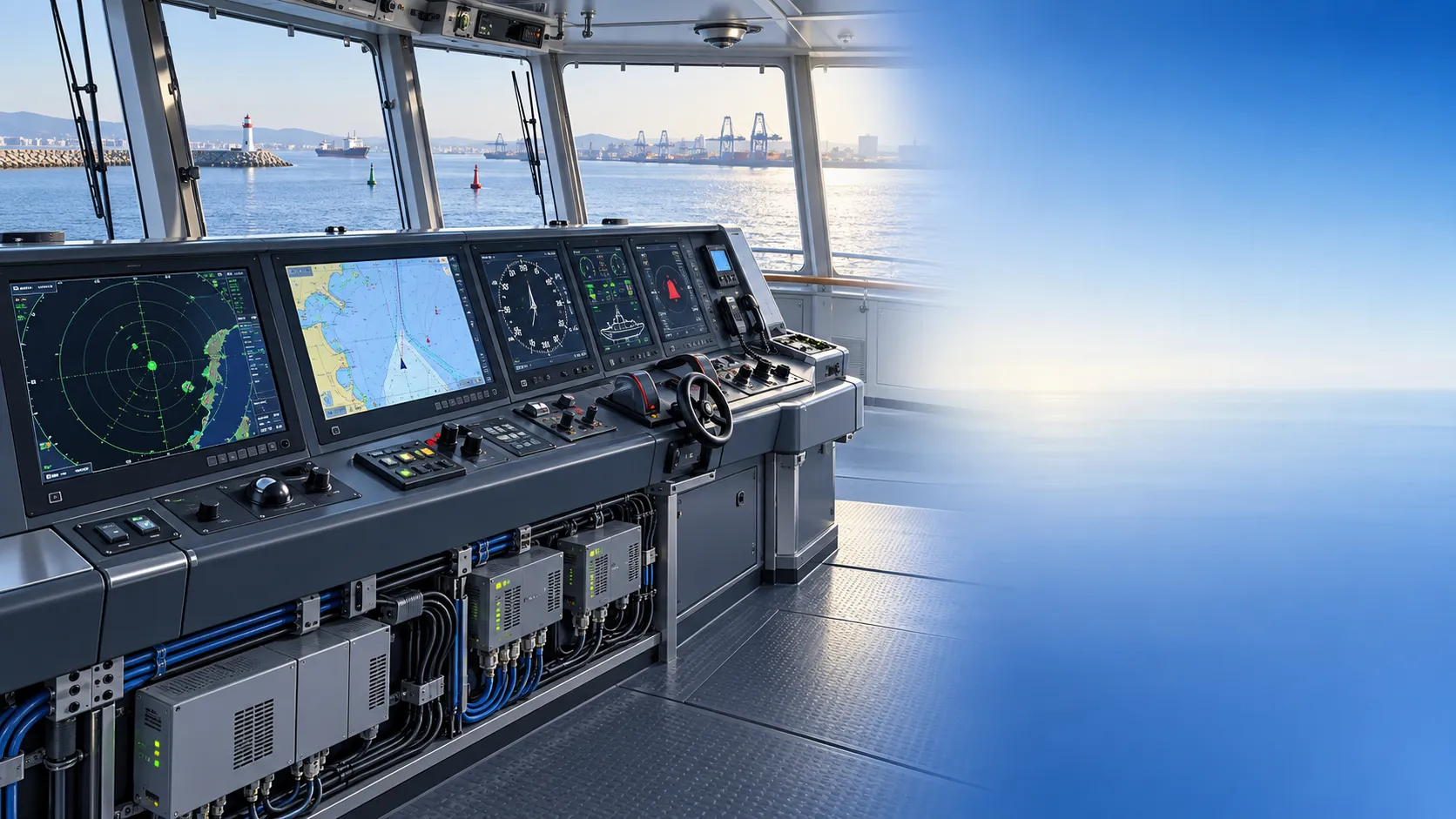
How to Specify Integrated Marine Electronics for Reliable Bridge Operations
Integrated marine electronics: learn how to specify reliable bridge systems with clear data flows, redundancy, alarm control, lifecycle interfaces, and operational testing.

How to Evaluate Navigation Radar Manufacturers for Commercial Vessel Projects
Navigation radar manufacturers: learn how to compare performance, compliance, integration, support, and lifecycle cost for commercial vessel projects.
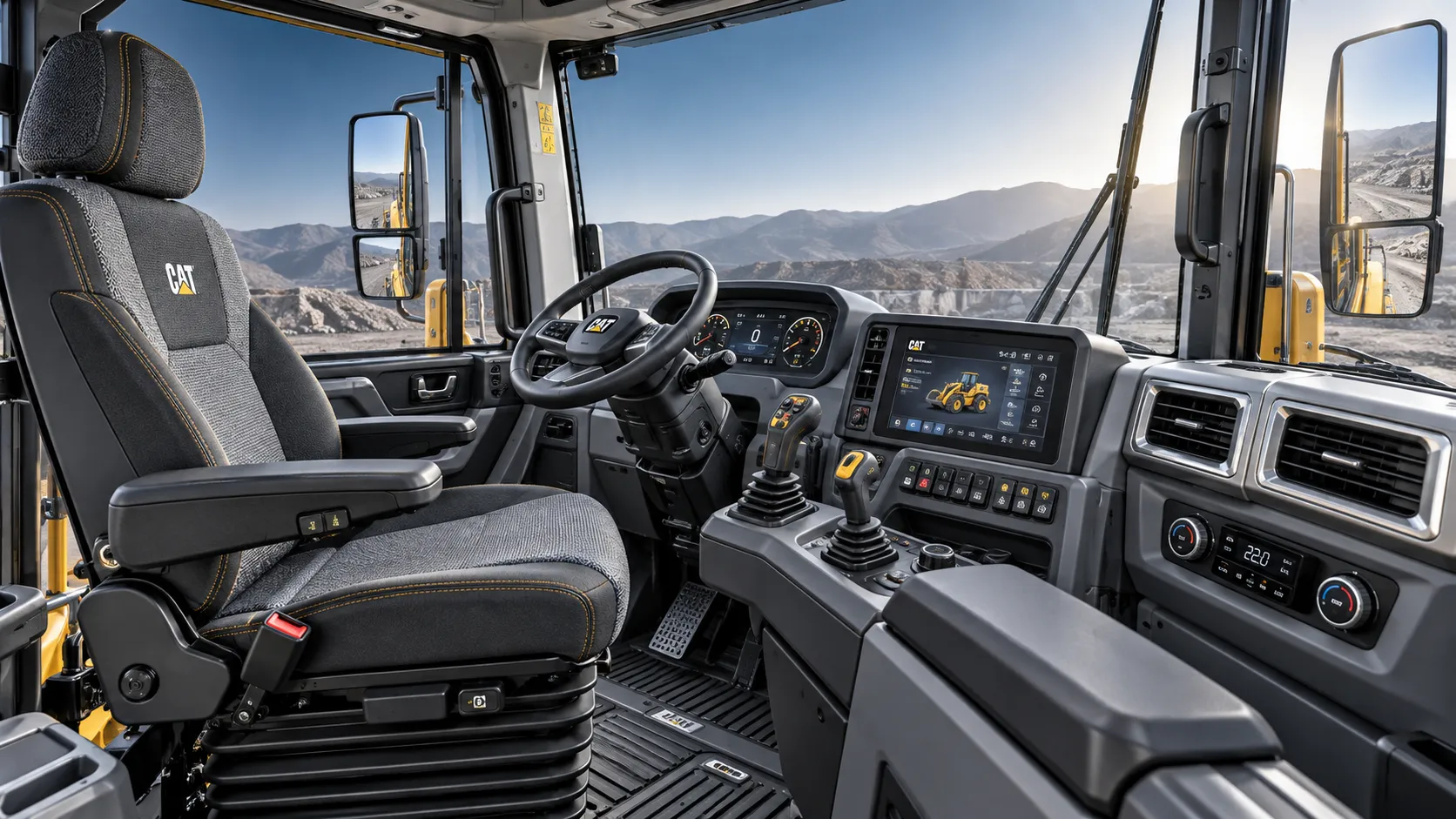
How Adjustable Cabin Ergonomics Reduce Operator Fatigue in Long-Shift Vehicles
Adjustable cabin ergonomics reduces operator fatigue through better seating, reach, visibility, vibration control, and climate comfort for safer long-shift vehicles.
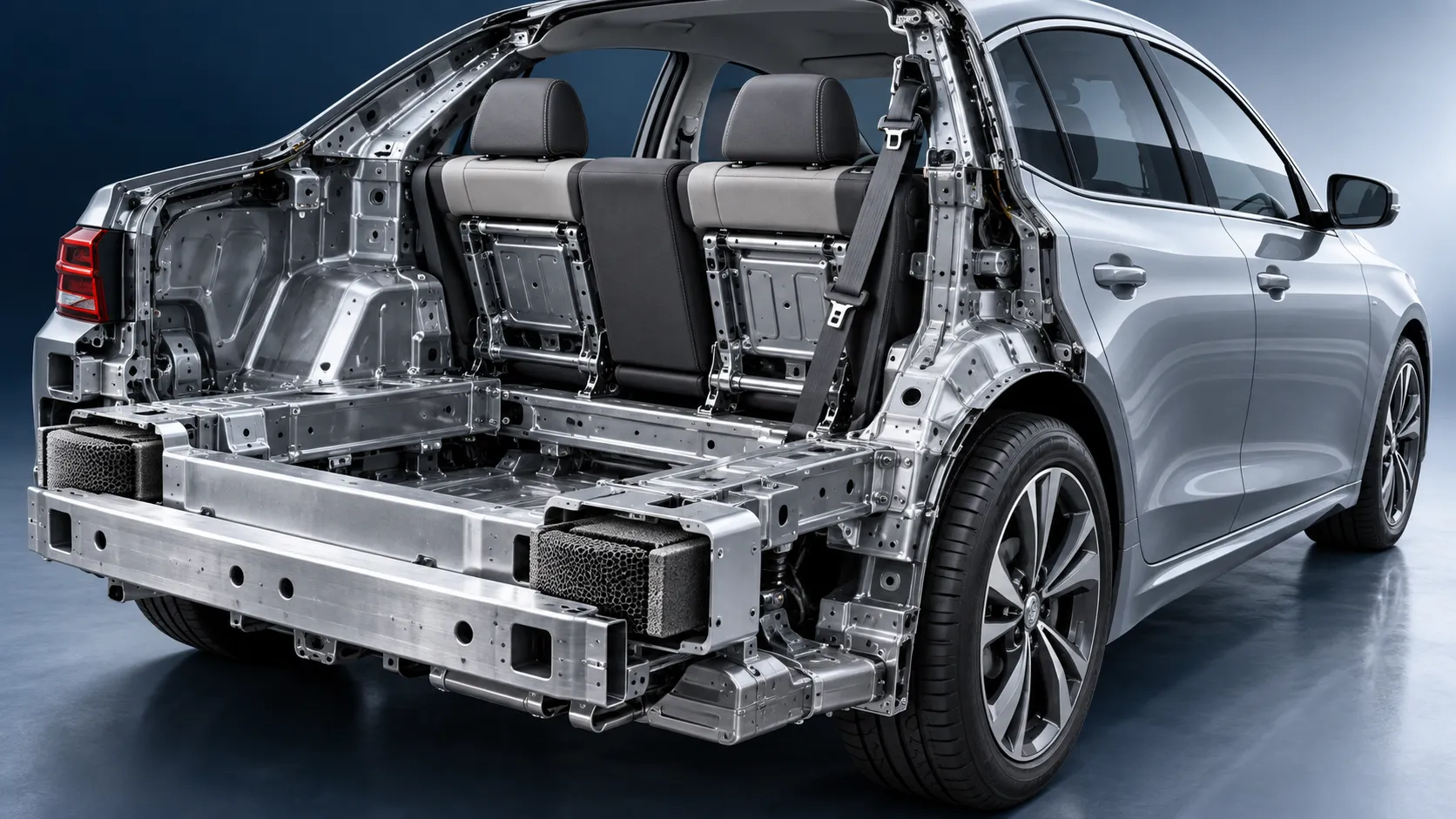
How Rear-Impact Safety Components Work Together to Protect Vehicle Occupants
Explore how automotive safety components for rear impact work together—from crash structures and seats to head restraints and belts—to enhance occupant protection.
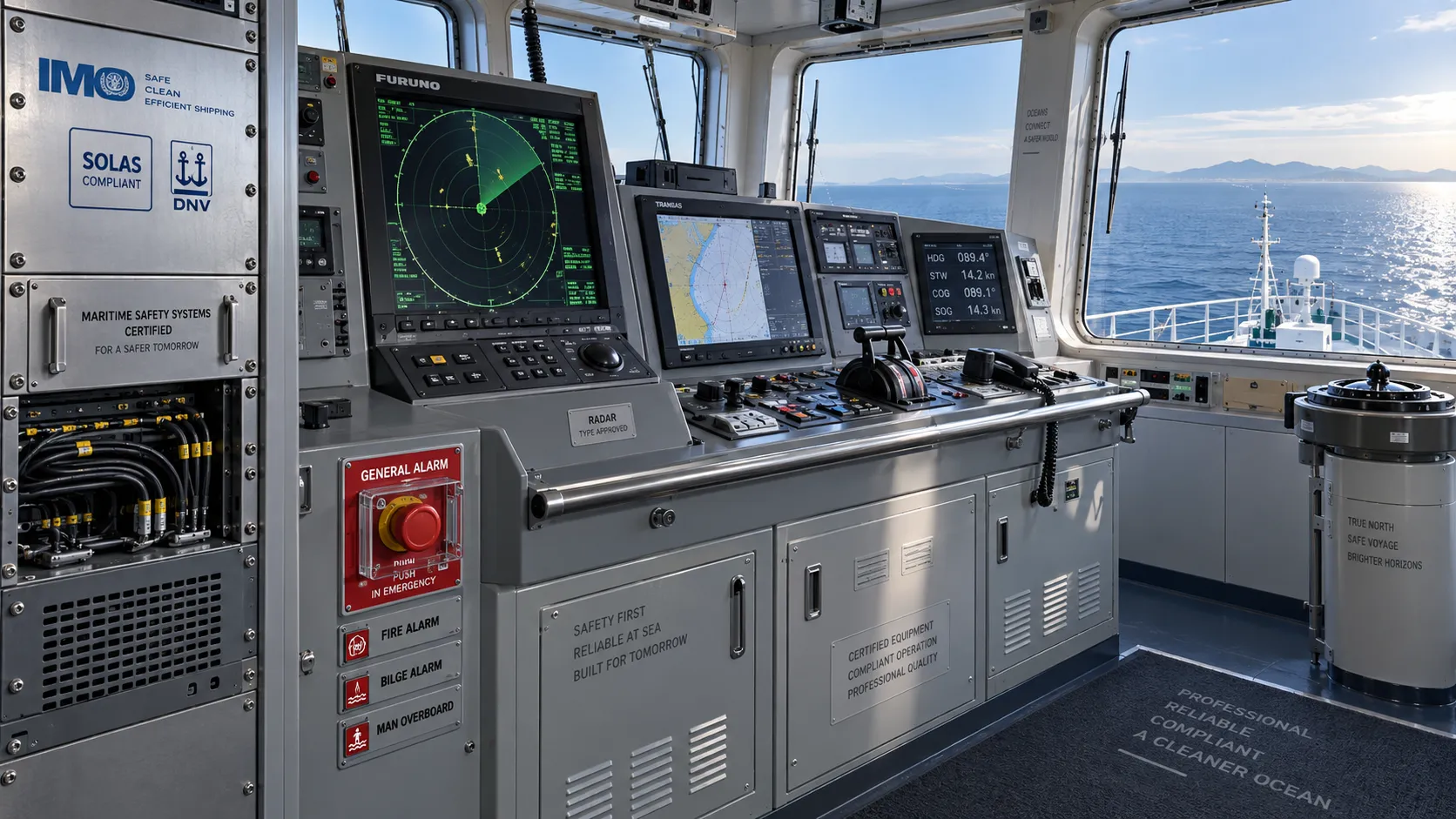
How to Evaluate a Marine Safety Systems Manufacturer for Vessel Compliance and Reliability
Marine safety systems manufacturer evaluation guide: verify compliance, engineering quality, lifecycle costs, and global service support for safer, reliable vessel operations.
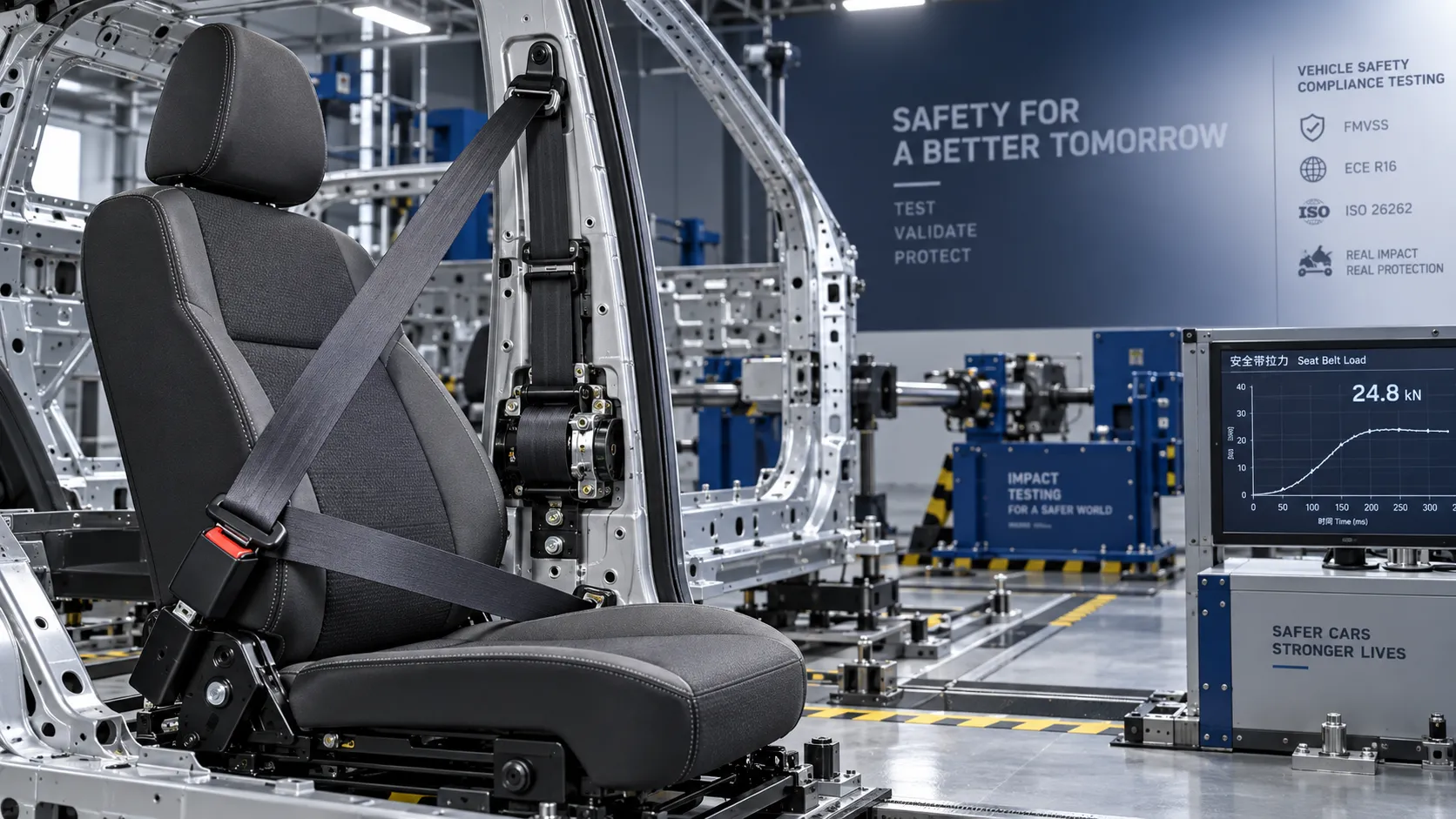
Crash Test Regulations for Seatbelts: Key Compliance Requirements Explained
Crash test regulations seatbelts explained: explore FMVSS, UN rules, anchorage strength, and dynamic restraint testing for safer, compliant vehicle systems.

How to Calculate the Total Cost of Automotive Lightweighting for a Vehicle Program
Automotive lightweight solutions cost: learn how to calculate program-level costs, including materials, tooling, joining, validation, risk, and vehicle-level value.
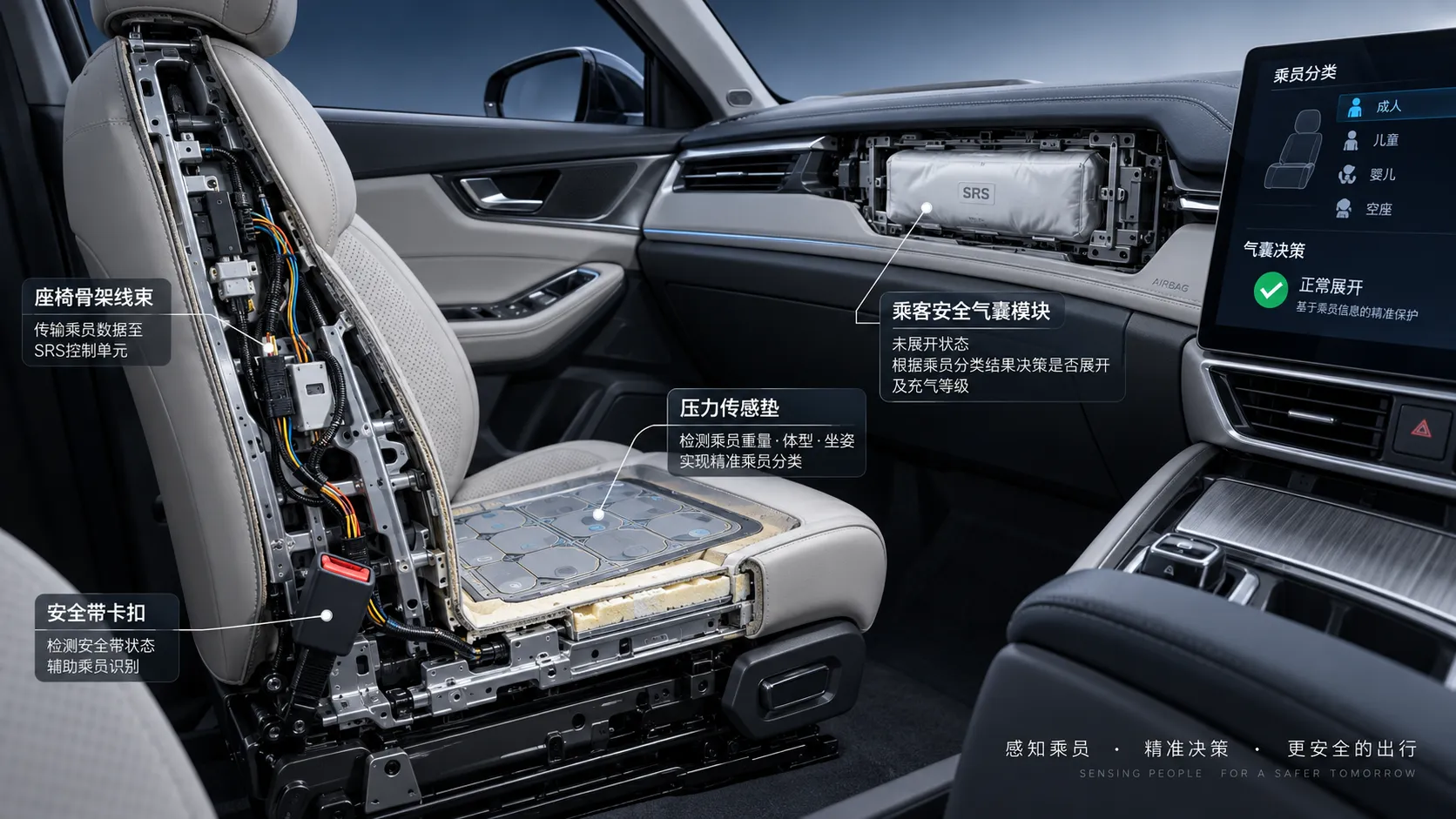
How Automotive Seat Occupancy Sensing Improves Airbag Deployment Decisions
Automotive seat occupancy sensing helps optimize airbag deployment decisions, improving passenger classification, safety diagnostics, and compliance across real-world conditions.
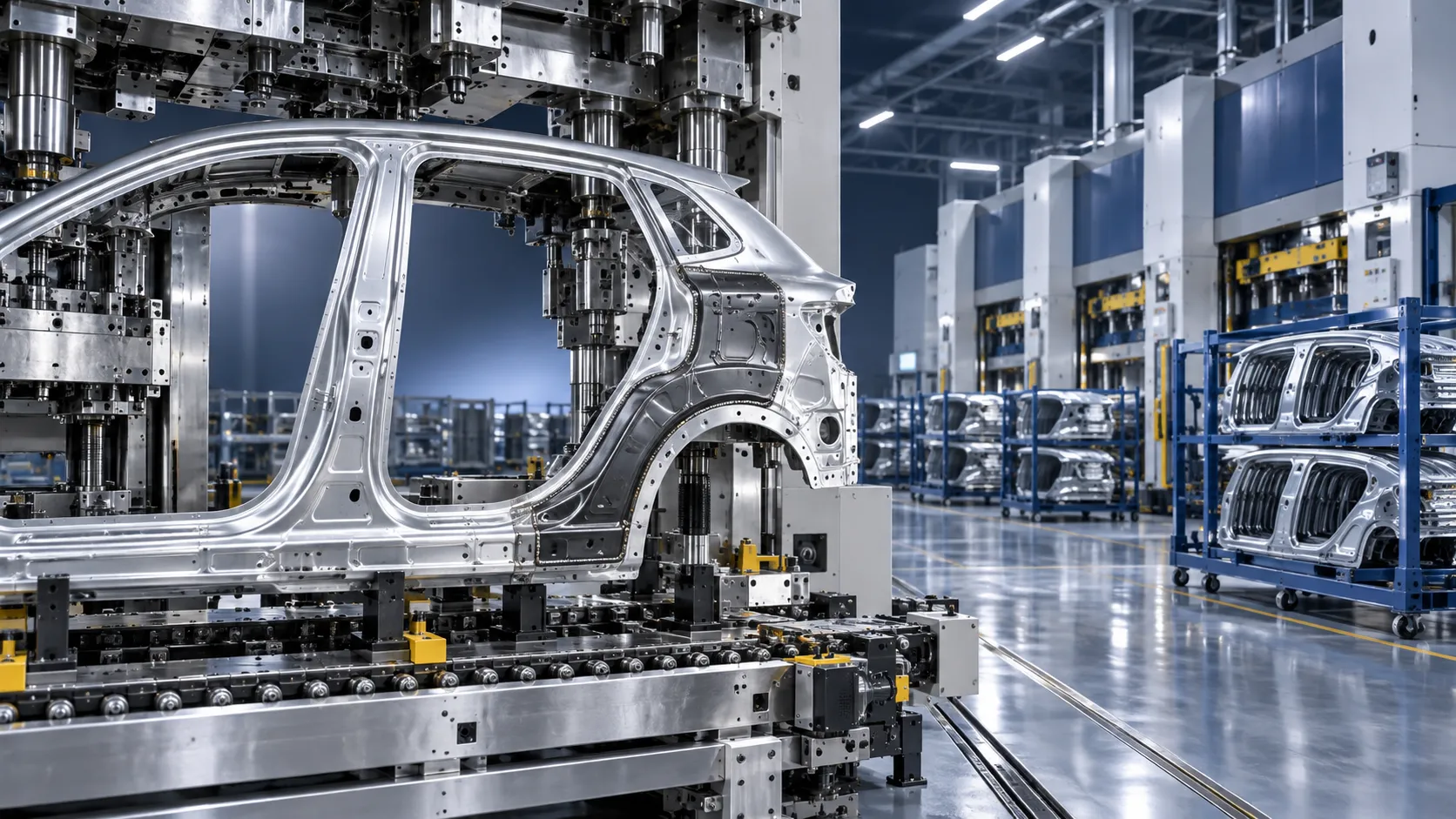
What Drives Lightweight Body Component Costs in High-Volume Vehicle Programs?
Lightweight body components cost depends on material yield, forming, joining, tooling, validation, and logistics. Explore proven ways to optimize total vehicle program cost.
Related News
- 00
0000-00
How to Specify Integrated Marine Electronics for Reliable Bridge Operations - 00
0000-00
How Adjustable Cabin Ergonomics Reduce Operator Fatigue in Long-Shift Vehicles - 00
0000-00
How to Evaluate a Marine Safety Systems Manufacturer for Vessel Compliance and Reliability - 00
0000-00
How to Calculate the Total Cost of Automotive Lightweighting for a Vehicle Program - 00
0000-00
What Drives Lightweight Body Component Costs in High-Volume Vehicle Programs?
Weekly Insights
Stay ahead with our curated technology reports delivered every Monday.