
How to Assess Cabin Comfort Manufacturers for Climate, Seating, and Integration Needs
A cabin program can look straightforward during early sourcing: a seat frame, foam, trim, heating or ventilation, controls, and a few electronic modules. The difficulty appears when these elements must work together in a hot, humid, cold, dusty, high-vibration, or high-usage vehicle environment. A supplier may offer an attractive unit price for an individual seat or climate feature, yet create higher program cost through packaging conflicts, software handoffs, inconsistent thermal performance, or late validation failures.
When assessing cabin comfort solutions manufacturers, procurement should not treat comfort as a trim-level feature or compare catalogs line by line. The central question is whether the manufacturer can engineer a stable, manufacturable cabin system for the intended vehicle, occupancy pattern, climate range, electrical architecture, and production volume. The strongest supplier is not automatically the one offering the most functions; it is the one that can prove functional performance, integration ownership, cost transparency, and repeatable quality within the program boundary.
Start with the operating scenario, not the feature list
Before issuing a request for quotation, define how the cabin will actually be used. A compact urban vehicle with short trips presents different priorities from a long-distance commercial vehicle, premium passenger car, shared-mobility platform, or off-road application. The seat may need to accommodate frequent ingress and egress, extended seated duration, heavy clothing, large occupant variation, repeated cleaning, or substantial vibration. Climate functions may need to perform under direct solar load, low ambient temperatures, high cabin humidity, or limited available electrical power.
A manufacturer cannot provide a meaningful technical proposal when the requirement is limited to “heated and ventilated seats” or “improved comfort.” Turn those broad requests into operating conditions and measurable decisions. This also prevents suppliers from quoting different assumptions that make price comparisons misleading.
- Vehicle segment, expected lifecycle, annual volume, and production locations.
- Occupant profile, including body-size range, driving duration, entry frequency, and rear-seat or commercial-use demands.
- Required functions: manual or powered adjustment, lumbar support, recline, memory, heating, ventilation, massage, occupancy sensing, or posture-related sensing.
- Environmental exposure, such as temperature extremes, solar load, humidity, dust, water ingress risk, and vibration.
- Packaging limits: seat track position, floor attachment points, roof clearance, console clearance, battery location, duct routing, and wiring paths.
- Electrical constraints, including voltage architecture, current limits, wake-up logic, network protocol, diagnostics, and software ownership.
- Applicable safety, flammability, material, electromagnetic compatibility, and vehicle-level compliance requirements.
The output should be a requirement baseline with priorities clearly separated into mandatory, preferred, and optional items. Without this discipline, a manufacturer may add expensive content to satisfy an implied expectation, while another may exclude essential integration work and appear cheaper.
Assess comfort engineering as a system capability
Seat comfort is the result of geometry, structure, foam behavior, trim material, suspension characteristics, adjustment range, thermal design, and control logic. Evaluating only the finished appearance or a brief showroom sit test will not reveal whether the supplier understands these interactions. Ask how the manufacturer moves from occupant requirements to design targets and how it verifies them across different use conditions.
Ergonomics and support
A credible manufacturer should be able to explain how it manages pressure distribution, pelvic support, lumbar adjustment, thigh support, side bolsters, head restraint relationship, and ease of adjustment. The right solution depends on vehicle type. Firmer support may be appropriate where body control matters, while a long-distance application may require different pressure-management and micro-movement characteristics. Neither direction is universally “more comfortable.”
Review physical samples when possible, but request the engineering rationale behind them. Useful questions include whether the supplier can adjust foam density zones, contour geometry, cushion length, lumbar travel, and bolster profile without forcing a complete structural redesign. This indicates whether the design can be tuned after human-factors reviews rather than becoming frozen too early.
Thermal comfort is more than adding fans
Heated and ventilated seating can perform poorly when airflow, material permeability, duct design, fan capacity, heating-element placement, and control calibration are developed separately. A ventilated seat may have audible airflow but little meaningful cooling at the occupant interface. A heating system may warm rapidly in one area while creating uneven sensation elsewhere. Procurement teams should ask manufacturers to define the intended thermal path rather than simply confirm that a heating pad or blower is included.
Examine how the supplier handles trim selection, perforation pattern, foam channels, fan mounting, noise isolation, condensation exposure, and service access. Also clarify whether climate functions interact with central HVAC controls, seat-zone controls, automatic comfort modes, or a body controller. A component supplier that provides only the hardware may not be the right lead partner when the vehicle requires coordinated cabin thermal behavior.
Durability must reflect actual use
Comfort performance can change as foam settles, trim stretches, mechanical joints wear, ducts clog, or sensors drift. Ask what the manufacturer considers a representative duty cycle for the proposed application. The answer should cover repeated adjustments, occupant loading, vibration, temperature cycling, ingress and egress, and cleaning or contamination exposure where relevant.
This discussion is especially important for vehicles with intensive daily use. A design that remains acceptable in a lightly used private vehicle may need different material choices, reinforcement, fastening methods, or serviceable subcomponents in a fleet environment. A low purchase price is not a saving if trim, blower modules, switches, or seat mechanisms are difficult to replace.
Find out who owns integration when interfaces fail
Integration risk is often the largest hidden cost in cabin comfort sourcing. A seat may be mechanically sound, but its occupancy sensor may conflict with restraint-system logic, its power demand may exceed the assigned circuit budget, its electronic module may not communicate reliably with the vehicle network, or its software diagnostics may not match the program’s service strategy.
During supplier assessment, map responsibility by interface rather than accepting general statements about “full support.” Mechanical, electrical, thermal, software, safety, and manufacturing interfaces all need named owners and clear deliverables.
A capable manufacturer does not need to control every interface internally. It does need to show how issues are documented, escalated, tested, and closed with vehicle engineering, electronics suppliers, trim suppliers, and assembly operations. Ask for examples of standard engineering artifacts they can provide, such as interface control documents, requirement traceability, design review inputs, test plans, fault trees, and change-control records. The value lies in the method, not in a polished presentation.
Compare supplier quotations on an equal technical basis
Quoted prices are frequently distorted by differing scope assumptions. One supplier may include seat tracks, harnesses, controllers, trim, calibration support, validation samples, packaging, and launch support. Another may price only a seat assembly and list most of the program work as exclusions. Procurement should normalize scope before ranking suppliers.
Build a cost comparison that separates recurring and non-recurring elements. The objective is not to force disclosure of every internal cost, but to identify what is included, what is variable, and what could become a later change request.
- Piece price: state the exact build configuration, included modules, trim grade, hardware, and packaging assumptions.
- Tooling and development: distinguish structural tooling, foam tools, trim patterns, electronics development, software calibration, and validation support.
- Engineering changes: identify the process and commercial treatment for changes in styling, packaging, performance targets, or regulations.
- Logistics: clarify shipping terms, returnable packaging, local assembly expectations, and customs exposure where applicable.
- Service parts: ask which components can be replaced independently and whether diagnostic or recalibration steps are needed afterward.
- Quality costs: review containment, sorting, rework, and warranty responsibilities rather than assuming they are covered by a generic quality clause.
Cost-down proposals deserve the same technical review as the original quote. Replacing a foam formulation, reducing a reinforcement, changing a fan supplier, or simplifying a trim attachment may affect comfort, noise, serviceability, or durability. Require the manufacturer to state the affected requirements and the validation needed before accepting a cost-reduction action.
Use samples to answer specific questions
Prototype reviews are valuable only when the evaluation criteria are defined in advance. A procurement review focused solely on visual quality may miss the issues that later affect program cost. Include engineering, quality, manufacturing, service, safety, and user-experience representatives where appropriate, but give each function a focused review objective.
For seating, inspect adjustment effort, latch feel, mechanism noise, trim fit at extreme positions, wiring protection, access to fasteners, and the effect of full travel on nearby components. For climate features, assess control response, airflow noise, local hot or cold areas, drainage or moisture considerations, and behavior when the vehicle is switched between operating states. Do not treat an early prototype as proof of final durability; use it to identify design assumptions that require formal verification.
It is also useful to compare the sample against the supplier’s stated bill of materials and process assumptions. A hand-built development seat may conceal manufacturing complexity. Ask which parts, materials, and assembly methods are representative of production intent, and which are temporary prototype solutions.
Check manufacturing readiness before selecting a preferred source
A supplier’s design team may be capable while its production system is poorly matched to the requested volume or variation. Cabin systems often combine stamped or formed metal parts, recliner mechanisms, foam, sewn trim, electrical components, sensors, and final assembly. Each handoff can create quality variation if process controls are weak.
Assess how the manufacturer controls incoming materials, critical assembly characteristics, traceability, functional testing, and containment of nonconforming parts. Focus on features tied directly to passenger experience and safety interfaces: seat-track operation, fastener application, recliner locking, harness routing, sensor connection, heating-element continuity, blower function, trim attachment, and final appearance standards.
For a multi-variant program, ask how changeovers are managed. Color, trim, left- and right-hand configurations, electronic options, and regional content can create selection errors. The supplier should be able to explain how production verification distinguishes variants and prevents incorrect modules from entering the final assembly.
Warning signs during a manufacturer assessment
Some weaknesses are visible long before nomination. Be cautious when a supplier responds to integration questions with only a component datasheet, cannot identify the assumptions behind its quote, or treats software and electrical issues as someone else’s responsibility without a defined handoff. Another warning sign is a comfort claim that is not linked to a test method, design target, or material rationale.
Pay attention to change discipline as well. Manufacturers that cannot clearly explain how they approve material substitutions, tooling modifications, or supplier changes may expose the program to inconsistent cabin feel over time. The same concern applies when service strategy is absent: sealed modules may be appropriate in some cases, but the lifecycle and replacement implications should be intentional rather than accidental.
Turn the assessment into a defensible sourcing decision
A practical selection decision combines commercial ranking with technical risk ranking. The lowest-priced proposal may remain competitive if its exclusions are limited and its integration plan is robust. A higher-priced supplier may be justified when it reduces interface risk, supports validation effectively, provides serviceable architecture, or avoids costly vehicle changes. Those benefits should be documented as scope and risk differences, not left as subjective impressions.
Before final nomination, request a written alignment on requirement ownership, interfaces, prototype stages, validation responsibilities, manufacturing deliverables, change control, and commercial assumptions. This turns the evaluation of cabin comfort solutions manufacturers from a feature comparison into a controlled decision about program execution. In cabin systems, comfort, safety, electronics, thermal performance, and assembly quality are connected; the supplier assessment should be organized the same way.
Related News
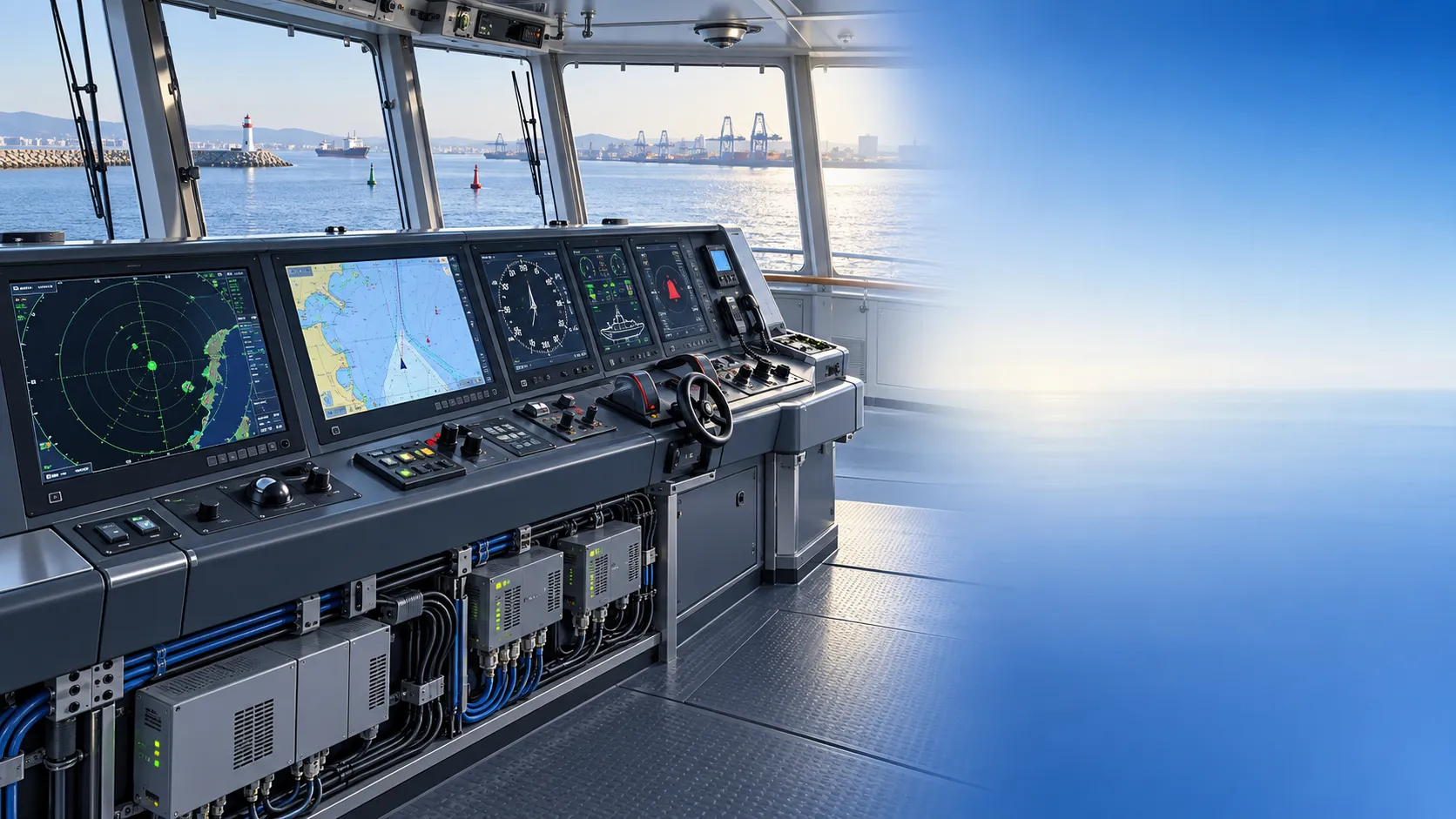
How to Specify Integrated Marine Electronics for Reliable Bridge Operations
Integrated marine electronics: learn how to specify reliable bridge systems with clear data flows, redundancy, alarm control, lifecycle interfaces, and operational testing.

How to Evaluate Navigation Radar Manufacturers for Commercial Vessel Projects
Navigation radar manufacturers: learn how to compare performance, compliance, integration, support, and lifecycle cost for commercial vessel projects.
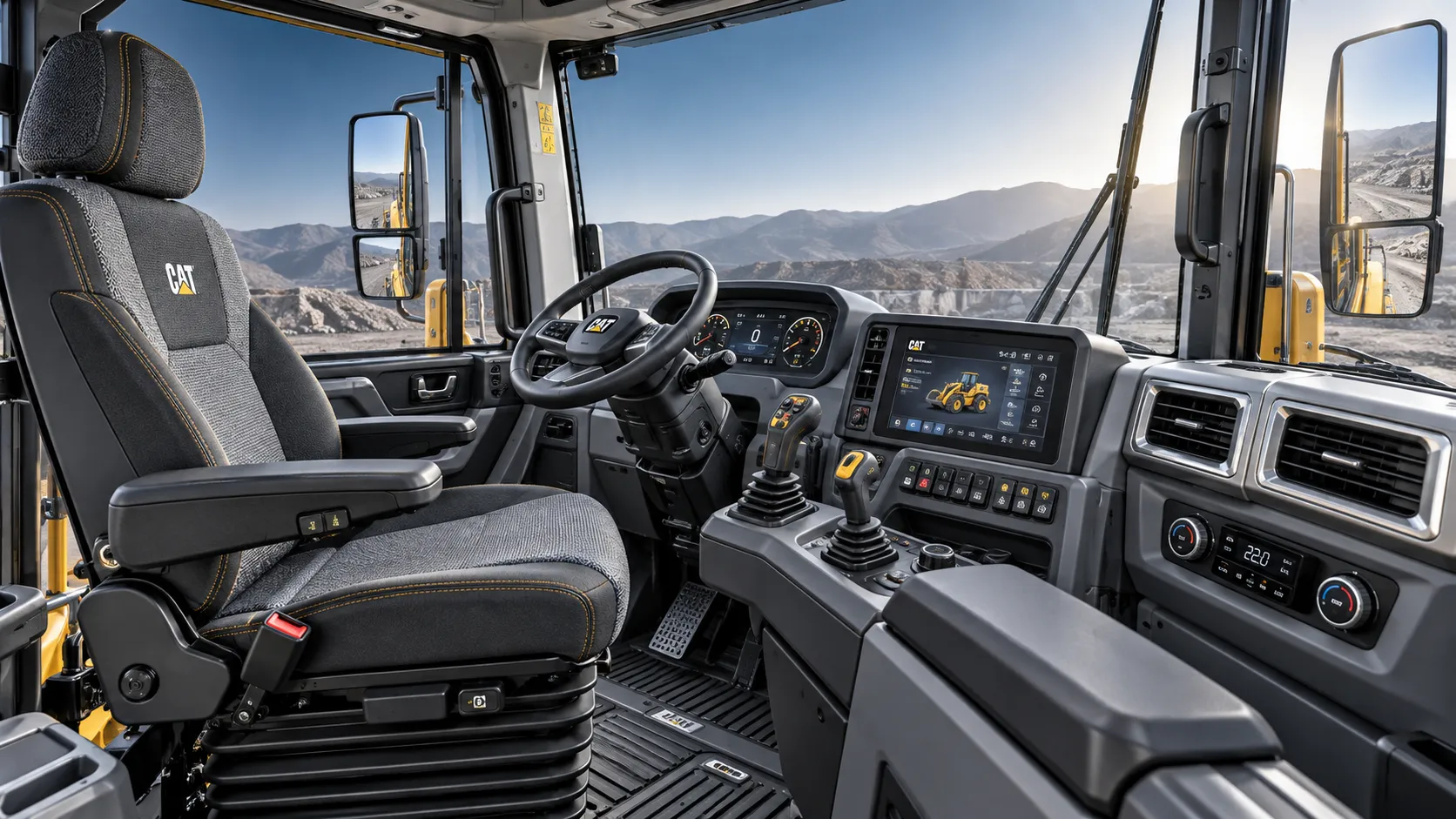
How Adjustable Cabin Ergonomics Reduce Operator Fatigue in Long-Shift Vehicles
Adjustable cabin ergonomics reduces operator fatigue through better seating, reach, visibility, vibration control, and climate comfort for safer long-shift vehicles.
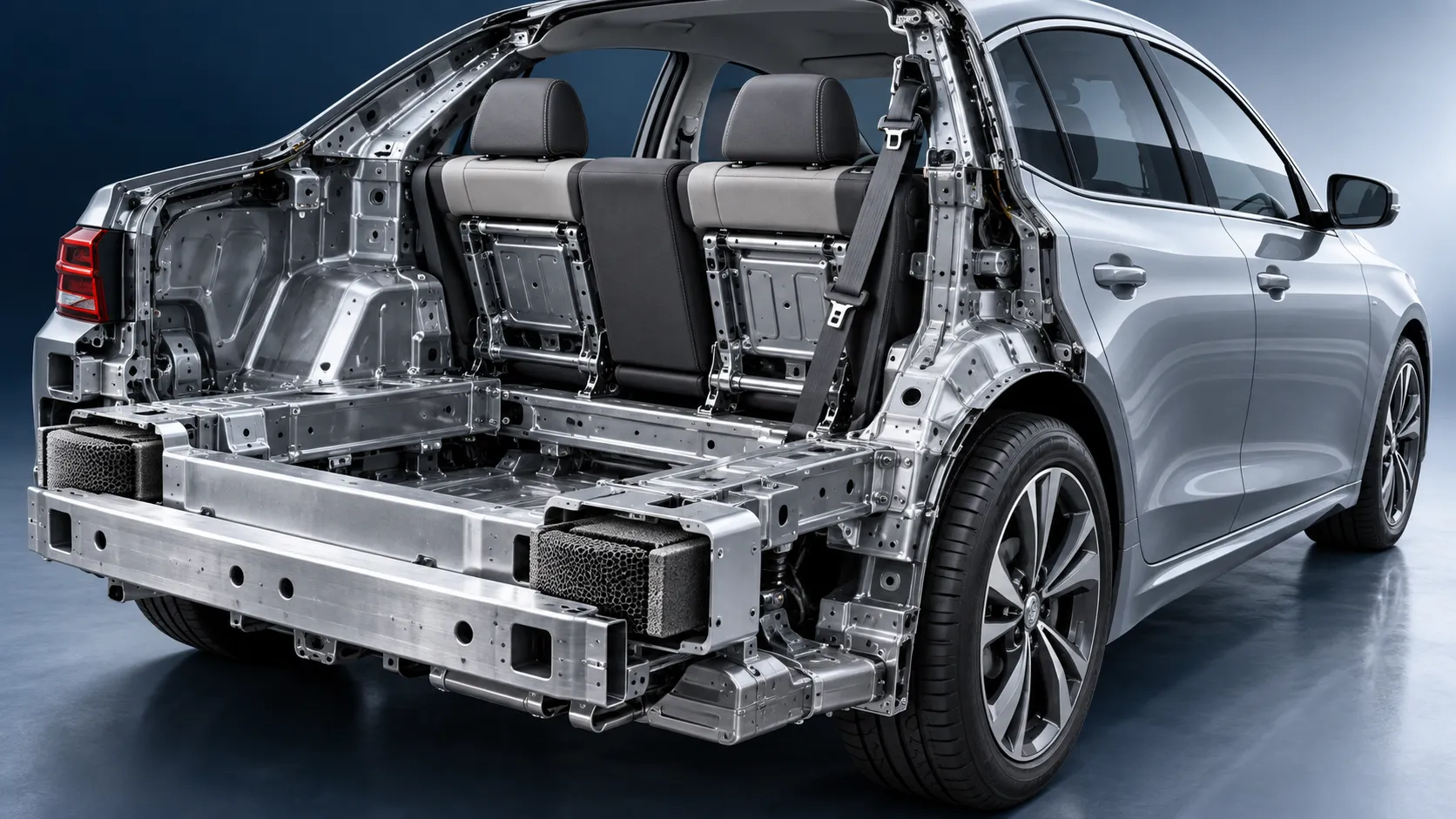
How Rear-Impact Safety Components Work Together to Protect Vehicle Occupants
Explore how automotive safety components for rear impact work together—from crash structures and seats to head restraints and belts—to enhance occupant protection.
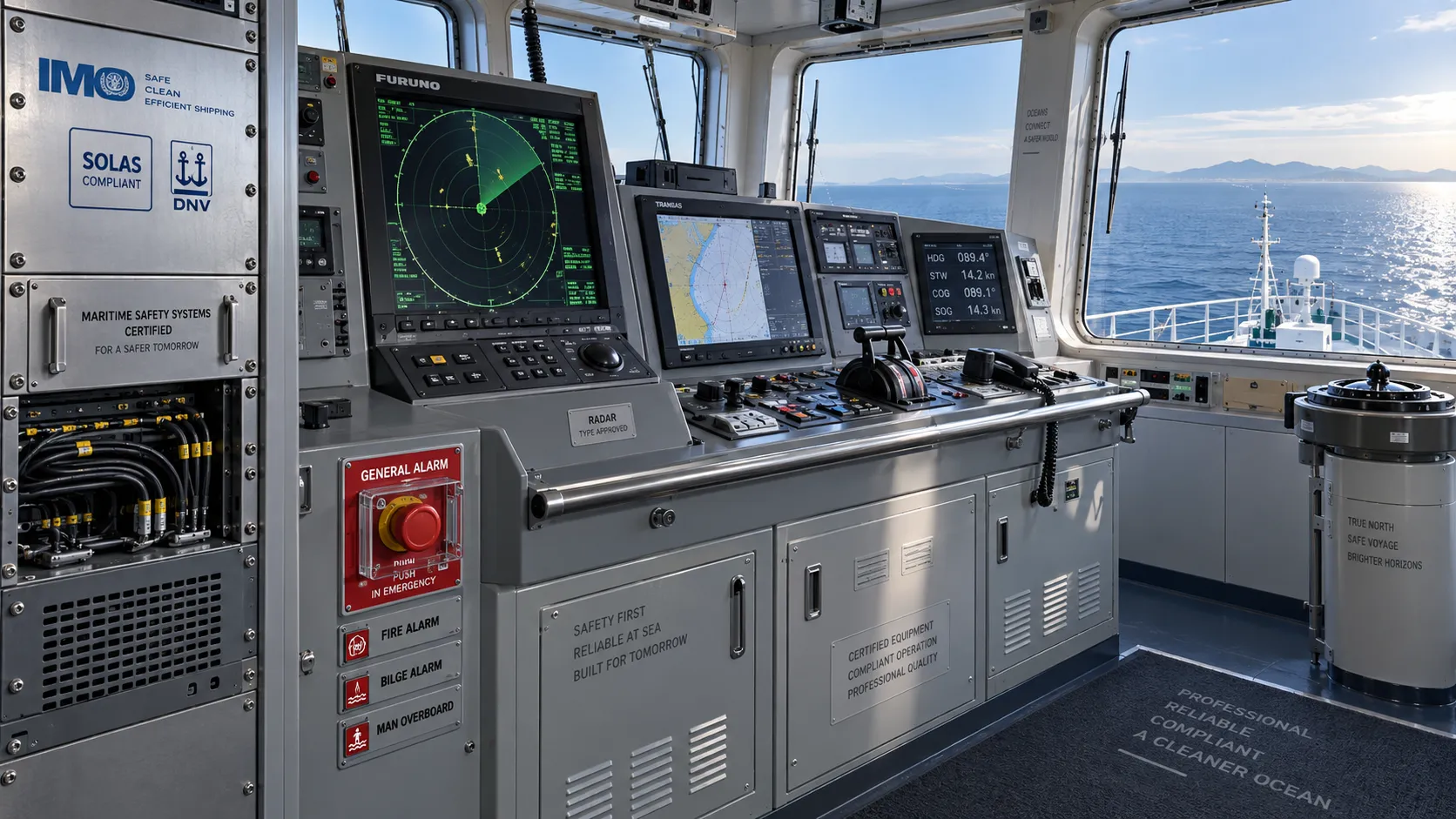
How to Evaluate a Marine Safety Systems Manufacturer for Vessel Compliance and Reliability
Marine safety systems manufacturer evaluation guide: verify compliance, engineering quality, lifecycle costs, and global service support for safer, reliable vessel operations.
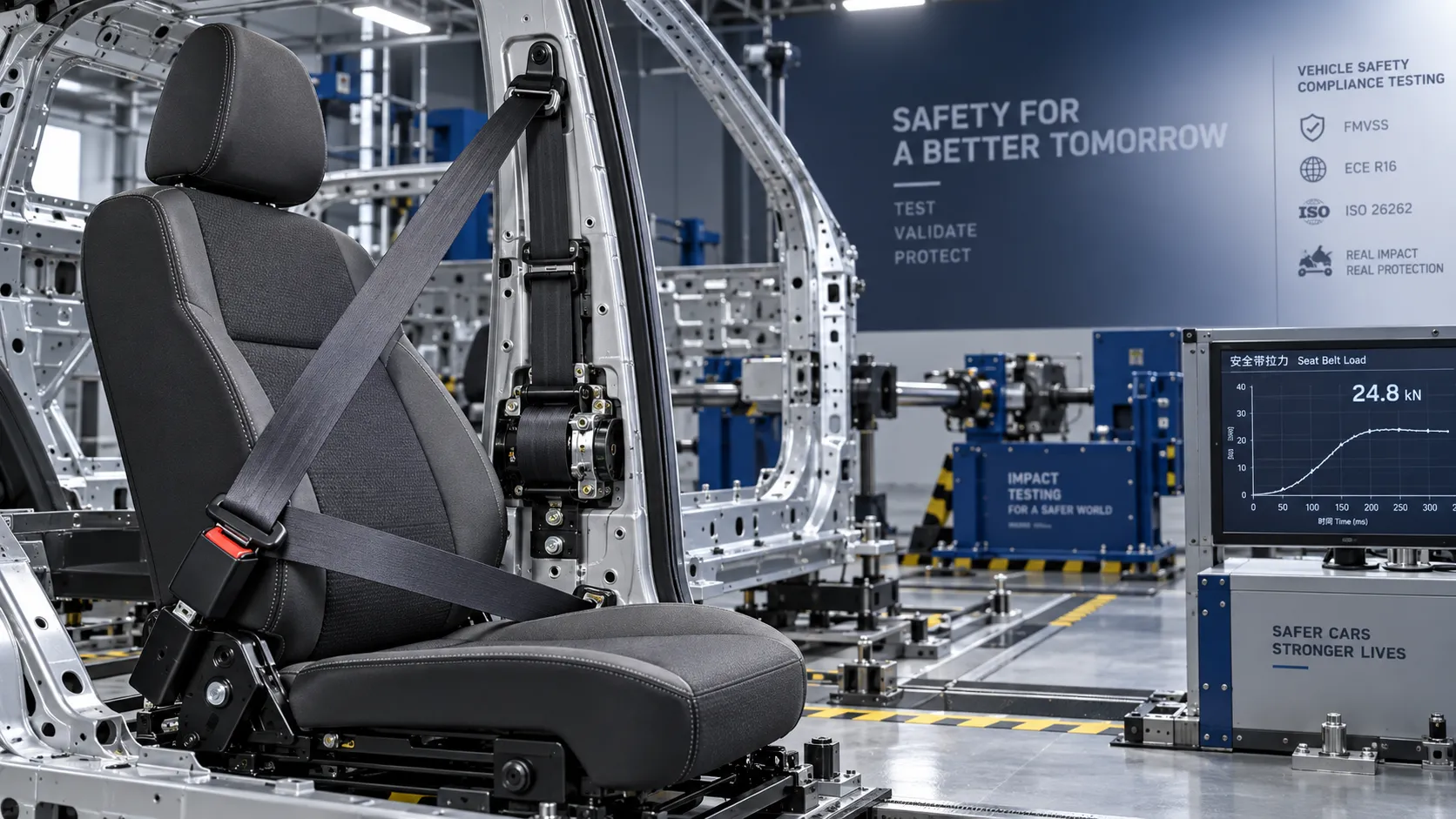
Crash Test Regulations for Seatbelts: Key Compliance Requirements Explained
Crash test regulations seatbelts explained: explore FMVSS, UN rules, anchorage strength, and dynamic restraint testing for safer, compliant vehicle systems.

How to Calculate the Total Cost of Automotive Lightweighting for a Vehicle Program
Automotive lightweight solutions cost: learn how to calculate program-level costs, including materials, tooling, joining, validation, risk, and vehicle-level value.
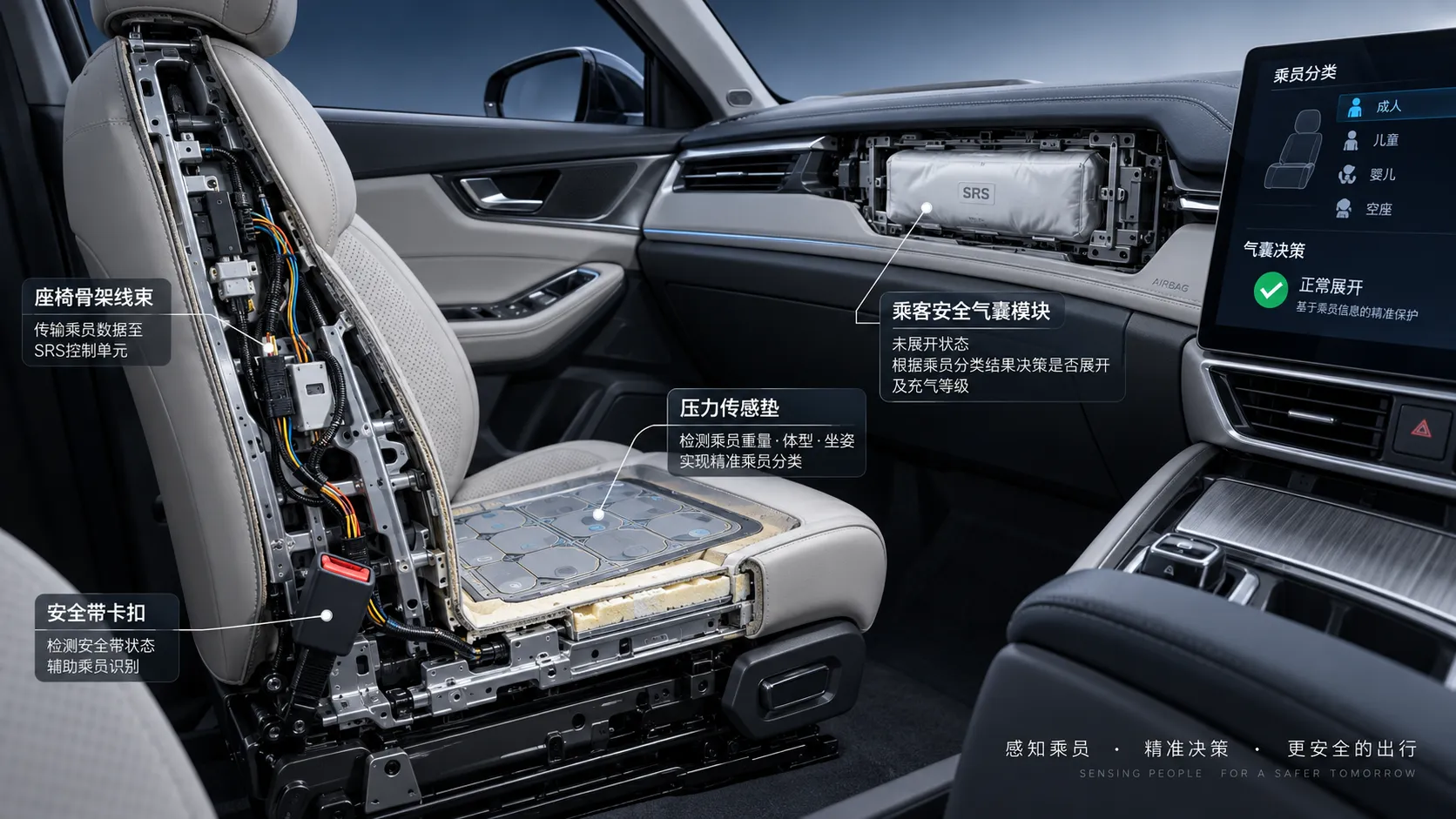
How Automotive Seat Occupancy Sensing Improves Airbag Deployment Decisions
Automotive seat occupancy sensing helps optimize airbag deployment decisions, improving passenger classification, safety diagnostics, and compliance across real-world conditions.

What Drives Lightweight Body Component Costs in High-Volume Vehicle Programs?
Lightweight body components cost depends on material yield, forming, joining, tooling, validation, and logistics. Explore proven ways to optimize total vehicle program cost.
Related News
- 00
0000-00
How to Specify Integrated Marine Electronics for Reliable Bridge Operations - 00
0000-00
How Adjustable Cabin Ergonomics Reduce Operator Fatigue in Long-Shift Vehicles - 00
0000-00
How to Evaluate a Marine Safety Systems Manufacturer for Vessel Compliance and Reliability - 00
0000-00
How to Calculate the Total Cost of Automotive Lightweighting for a Vehicle Program - 00
0000-00
What Drives Lightweight Body Component Costs in High-Volume Vehicle Programs?
Weekly Insights
Stay ahead with our curated technology reports delivered every Monday.