
Vehicle Lightweight Solutions Compared: Aluminum, High-Strength Steel, and Hybrid Designs
Vehicle lightweight solutions start with the operating context
Vehicle lightweight solutions are rarely decided by mass targets alone.
In real programs, the better question is what the structure must survive, absorb, and deliver over time.
That is why aluminum, high-strength steel, and hybrid body concepts keep coexisting.
Each responds differently to crash pulses, joining limits, repair pathways, and production scale.
Within GNCS coverage, this comparison matters beyond body mass.
A lighter body changes passive safety tuning, seat anchorage loads, restraint timing, and even component packaging.
The practical value of vehicle lightweight solutions appears when structural efficiency and cabin protection improve together.
That balance becomes critical under evolving IIHS, Euro NCAP, and regional durability expectations.
So the comparison is not material versus material.
It is scenario versus requirement, then requirement versus feasible architecture.
Why one lightweight strategy fails in another program
Different vehicle segments ask different things from the same kilogram saved.
A city EV values range, battery protection, and efficient high-volume assembly.
A premium crossover may accept higher material cost for stiffness, refinement, and brand positioning.
A commercial platform usually watches uptime, repairability, and supply continuity more closely.
This is where vehicle lightweight solutions must be judged as systems, not catalogs.
More mass reduction can help acceleration and emissions compliance.
Yet overly aggressive substitution may complicate stamping, joining, corrosion control, and post-crash service.
GNCS often tracks this systems view in adjacent fields too.
In navigation, signal precision is meaningful only when the full operating environment is understood.
Vehicle lightweight solutions follow the same logic.
Material selection becomes reliable only when crash energy paths, cabin interfaces, and compliance routes are mapped first.
When aluminum makes sense beyond the headline weight saving
Aluminum usually enters the discussion when aggressive mass reduction is non-negotiable.
It is especially attractive in closures, battery enclosures, subframes, and selected body-in-white zones.
In applications where every kilogram affects electric range or front-rear balance, aluminum can unlock real system gains.
But the useful judgment point is not density alone.
The real issue is whether the program can support different forming behavior, springback control, and joining methods.
In lower-volume premium models, that answer is often yes.
There, vehicle lightweight solutions based on aluminum can justify extra tooling and adhesive processes.
In very high-volume production, the same choice needs tighter scrutiny.
Repair ecosystems, scrap separation, and line takt stability may change the business case.
Another frequent oversight involves crash integration.
A lighter front structure can alter deceleration signatures that influence airbags, belts, and seat load paths.
That does not make aluminum risky by default.
It means aluminum-led vehicle lightweight solutions work best when passive safety calibration is developed in parallel.
High-strength steel stays strong where volume and crash consistency dominate
High-strength steel remains the baseline for many mainstream body architectures for good reason.
It combines familiar processing routes with strong crash energy management and broad supplier maturity.
For programs built around stable throughput, predictable forming, and competitive unit economics, it is difficult to displace.
Hot-stamped components are particularly effective in safety cages, pillars, rockers, and intrusion-critical zones.
These are the areas where vehicle lightweight solutions cannot sacrifice occupant survival space.
In practice, high-strength steel suits platforms facing mixed global regulations.
It helps when localized production, repair familiarity, and material availability matter as much as pure mass reduction.
The tradeoff is that steel-heavy structures may hit diminishing returns.
At some point, gauge reduction, geometry optimization, and press hardening no longer recover enough mass.
That is often the moment when vehicle lightweight solutions shift from steel optimization toward mixed-material design.
Hybrid designs fit the messy middle where most programs actually live
Hybrid body design is usually the most realistic answer, not the most glamorous one.
It accepts that different load zones need different materials.
A crash ring may favor advanced steel.
A hood, door, or seat frame bracket may justify aluminum or magnesium.
A battery surround may need a mixed solution driven by stiffness, thermal shielding, and service access.
This approach is common because vehicle lightweight solutions rarely operate under a single priority.
Most programs must satisfy cost control, crash ratings, emissions pressure, and manufacturing reality at once.
Hybrid layouts also align well with GNCS thinking around integrated safety systems.
Body structures, airbags, seatbelts, and seats do not function independently in a collision.
A mixed-material body can work extremely well, but only if interfaces are engineered with equal discipline.
Joint design, galvanic isolation, adhesive aging, and repair procedures become part of the safety conversation.
A practical comparison of common selection drivers
The differences become clearer when viewed against actual program conditions.
Where decisions often go wrong before launch
One common mistake is treating laboratory material performance as final structural truth.
Vehicle lightweight solutions succeed in geometry, joints, and load transfer, not in datasheets alone.
Another mistake is comparing only purchase cost per kilogram.
That misses tool wear, scrap handling, adhesive curing time, repair training, and warranty exposure.
A third misread appears in safety integration.
Teams may optimize the body shell while delaying updates to restraint calibration or seat structure interfaces.
GNCS analysis repeatedly shows that body mass, occupant motion, and containment systems move together.
Ignoring that coupling weakens the value of any lightweight strategy.
- Do not assume similar segments need identical material mixes.
- Do not separate crash targets from manufacturing constraints too early.
- Do not judge vehicle lightweight solutions without service and corrosion planning.
- Do not overlook regulation changes that affect side impact and small overlap behavior.
A grounded way to match vehicle lightweight solutions to real programs
Start with the structure map, not the material preference.
Identify which zones carry intrusion risk, battery protection duty, torsional stiffness demand, and closure mass sensitivity.
Then connect those zones to joining capability and validation budget.
In many cases, the answer becomes clearer quickly.
If manufacturing scale is high and crash consistency is central, high-strength steel deserves priority.
If range, premium positioning, or front-end mass reduction dominates, aluminum-led vehicle lightweight solutions become stronger.
If the program faces mixed pressures, hybrid design usually offers the safest compromise.
The next practical step is to formalize a scenario matrix.
List target mass reduction, crash modes, joining routes, repair assumptions, and regional compliance checkpoints.
That matrix prevents abstract debates and keeps vehicle lightweight solutions tied to operating reality.
For programs touching body stampings, cabin safety, and smart seating, this integrated view is the more durable one.
It supports lighter structures without losing the protective logic that mobility systems ultimately depend on.
Related News

How to Specify Integrated Marine Electronics for Reliable Bridge Operations
Integrated marine electronics: learn how to specify reliable bridge systems with clear data flows, redundancy, alarm control, lifecycle interfaces, and operational testing.

How to Evaluate Navigation Radar Manufacturers for Commercial Vessel Projects
Navigation radar manufacturers: learn how to compare performance, compliance, integration, support, and lifecycle cost for commercial vessel projects.
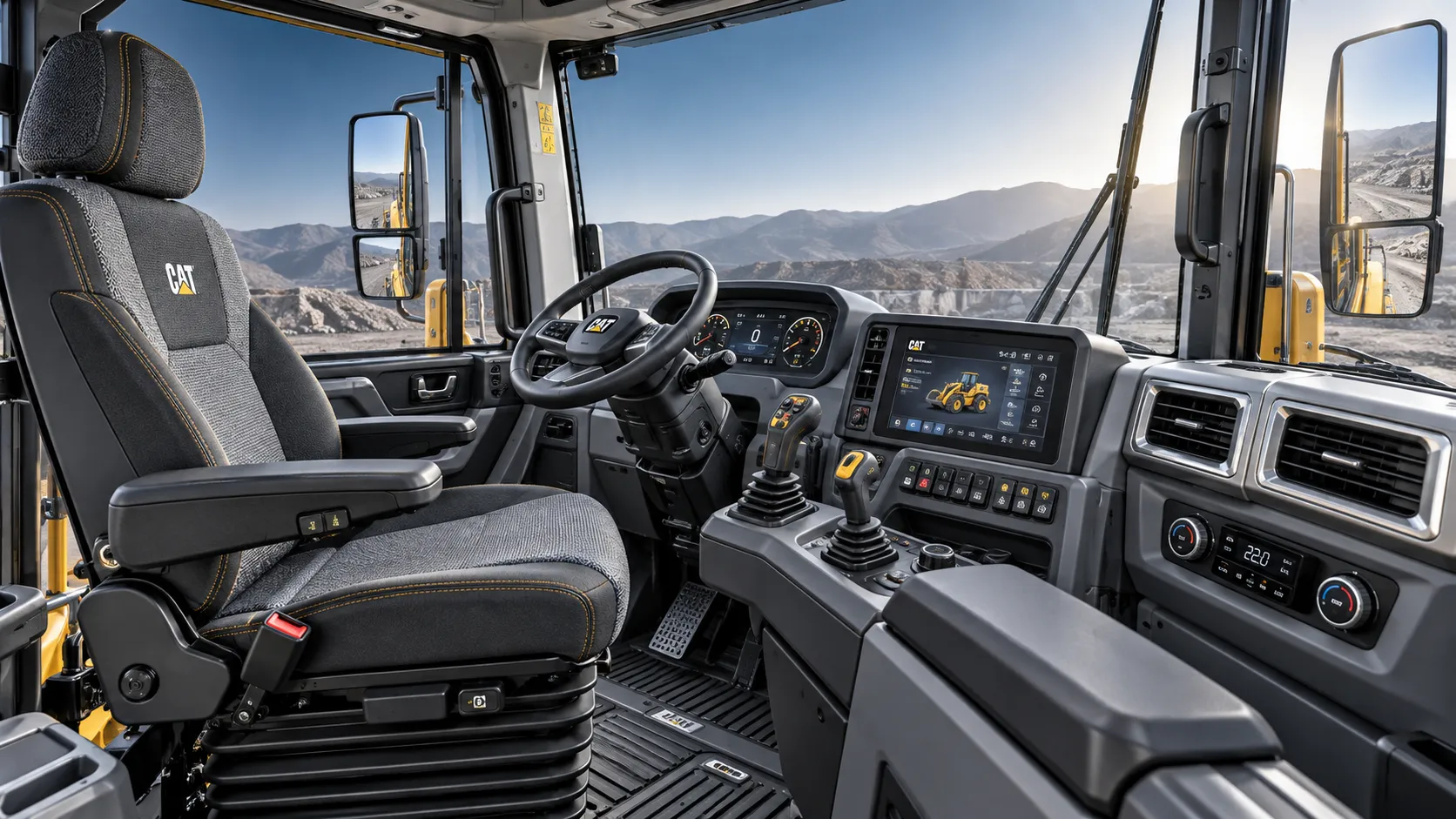
How Adjustable Cabin Ergonomics Reduce Operator Fatigue in Long-Shift Vehicles
Adjustable cabin ergonomics reduces operator fatigue through better seating, reach, visibility, vibration control, and climate comfort for safer long-shift vehicles.
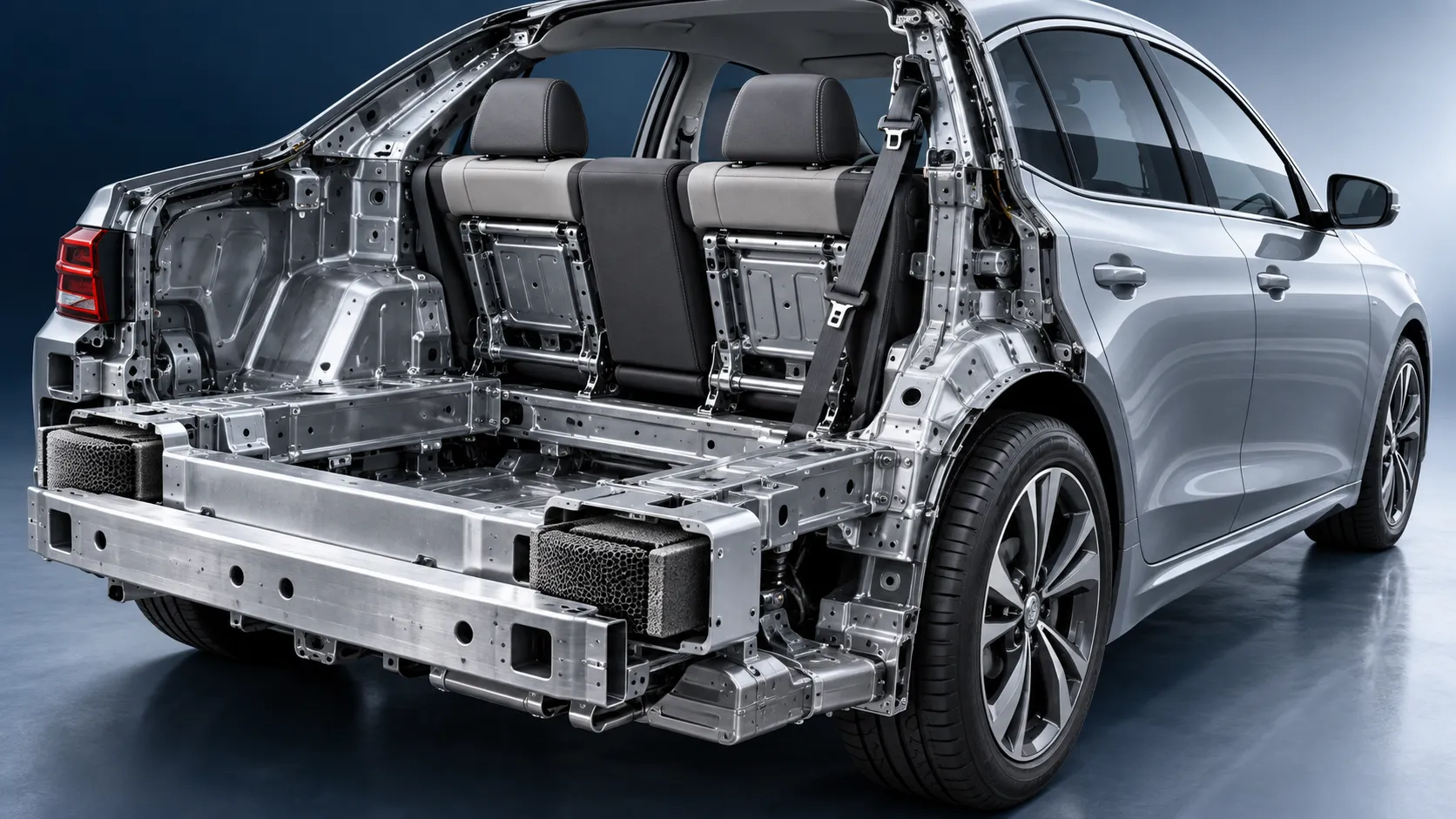
How Rear-Impact Safety Components Work Together to Protect Vehicle Occupants
Explore how automotive safety components for rear impact work together—from crash structures and seats to head restraints and belts—to enhance occupant protection.
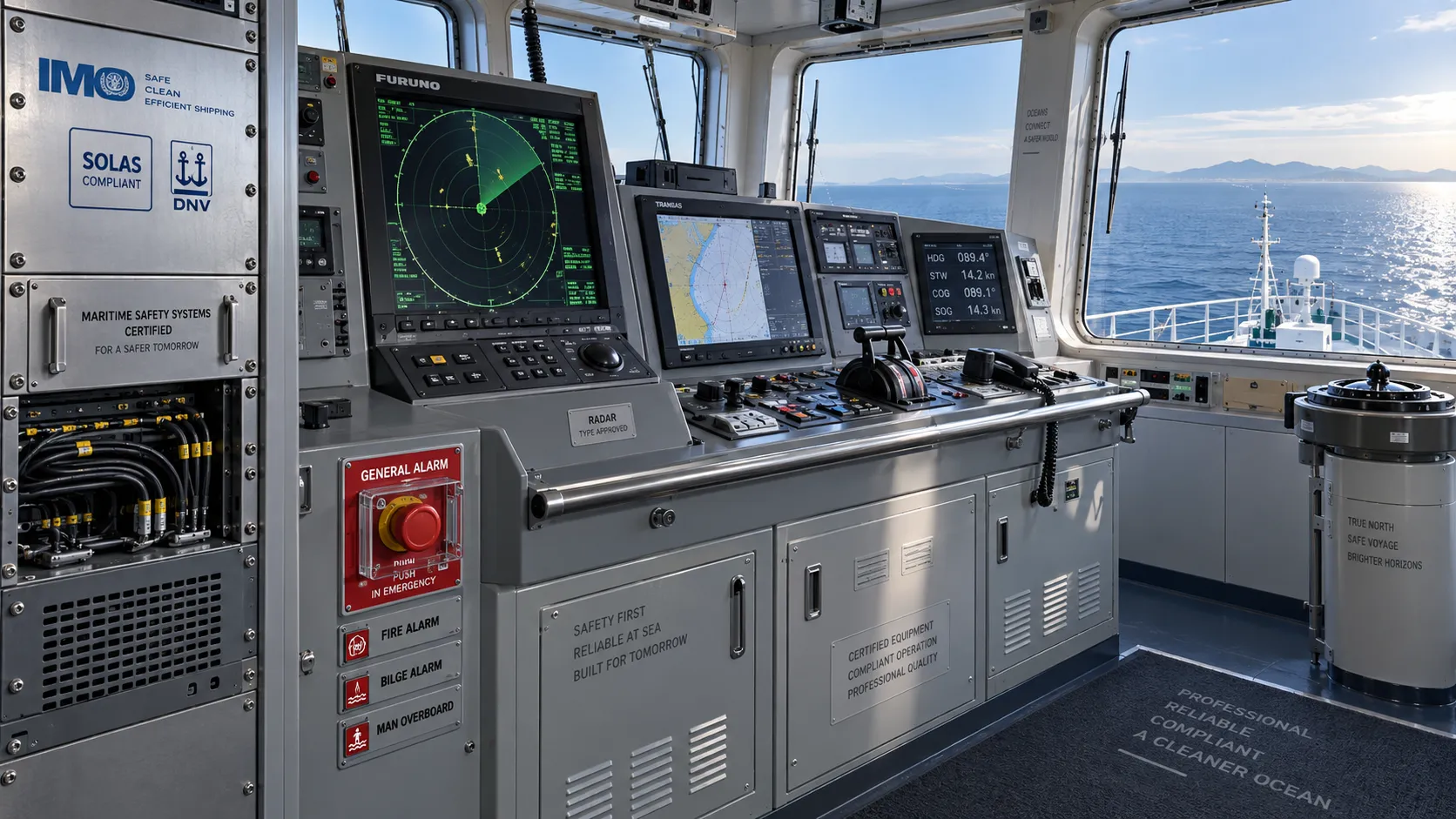
How to Evaluate a Marine Safety Systems Manufacturer for Vessel Compliance and Reliability
Marine safety systems manufacturer evaluation guide: verify compliance, engineering quality, lifecycle costs, and global service support for safer, reliable vessel operations.
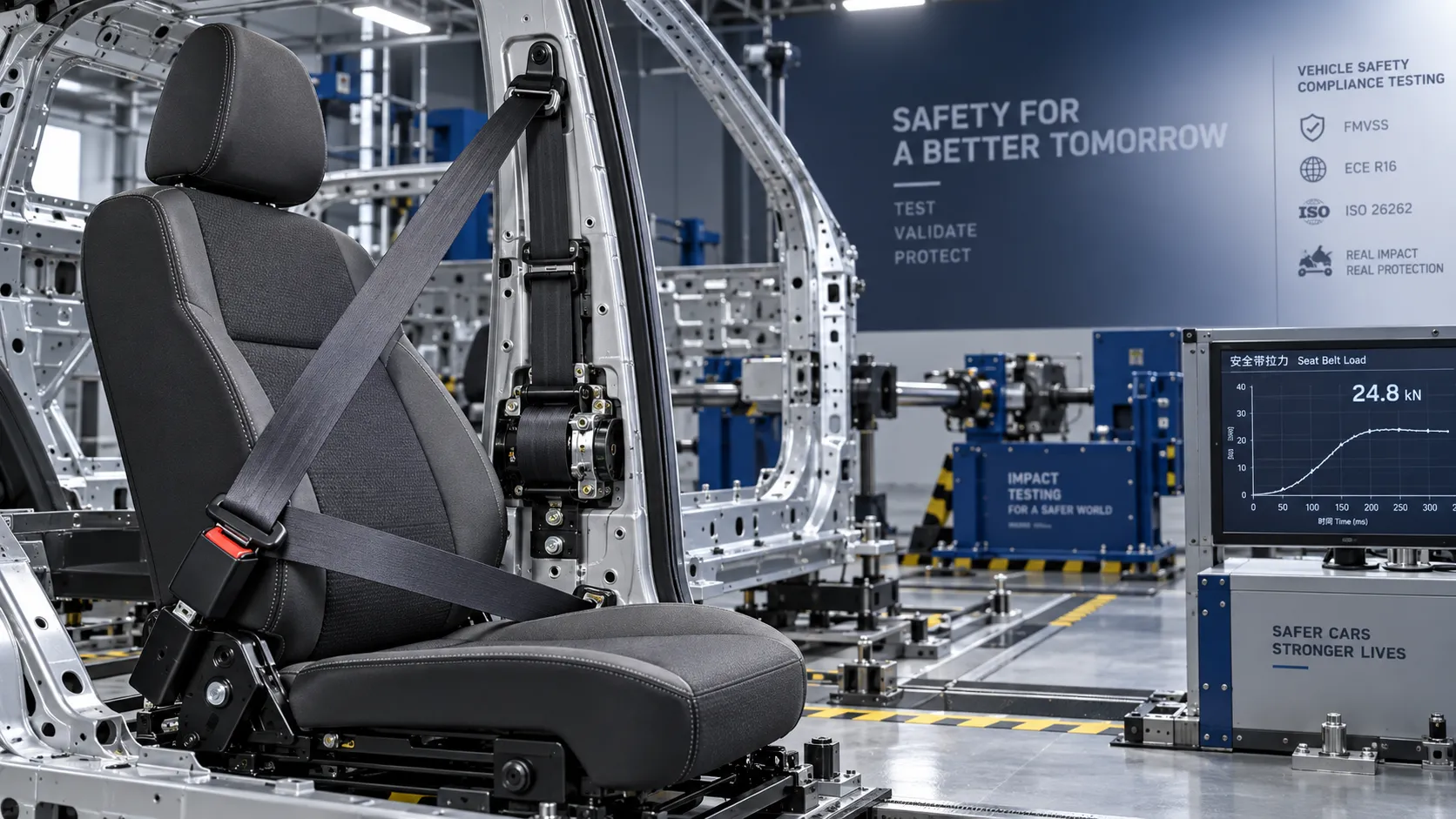
Crash Test Regulations for Seatbelts: Key Compliance Requirements Explained
Crash test regulations seatbelts explained: explore FMVSS, UN rules, anchorage strength, and dynamic restraint testing for safer, compliant vehicle systems.

How to Calculate the Total Cost of Automotive Lightweighting for a Vehicle Program
Automotive lightweight solutions cost: learn how to calculate program-level costs, including materials, tooling, joining, validation, risk, and vehicle-level value.

How Automotive Seat Occupancy Sensing Improves Airbag Deployment Decisions
Automotive seat occupancy sensing helps optimize airbag deployment decisions, improving passenger classification, safety diagnostics, and compliance across real-world conditions.

What Drives Lightweight Body Component Costs in High-Volume Vehicle Programs?
Lightweight body components cost depends on material yield, forming, joining, tooling, validation, and logistics. Explore proven ways to optimize total vehicle program cost.
Related News
- 00
0000-00
How to Specify Integrated Marine Electronics for Reliable Bridge Operations - 00
0000-00
How Adjustable Cabin Ergonomics Reduce Operator Fatigue in Long-Shift Vehicles - 00
0000-00
How to Evaluate a Marine Safety Systems Manufacturer for Vessel Compliance and Reliability - 00
0000-00
How to Calculate the Total Cost of Automotive Lightweighting for a Vehicle Program - 00
0000-00
What Drives Lightweight Body Component Costs in High-Volume Vehicle Programs?
Weekly Insights
Stay ahead with our curated technology reports delivered every Monday.