Maritime Compliance Standards Explained: What Ship Operators Must Track and Why
Maritime Compliance Standards Explained: What Ship Operators Must Track and Why
Maritime compliance standards are no longer a background issue handled only during inspections.
They now shape navigation reliability, crew safety, fuel strategy, insurance exposure, and port access.
That is why ship operators keep asking the same practical question: what exactly needs to be tracked, and what happens if it is missed?
In real operations, maritime compliance standards cover much more than certificates on a wall.
They include equipment approval, software update control, emissions records, crew drills, maintenance logs, and voyage data consistency.
For a platform like GNCS, this matters because marine navigation, physical protection, and regulatory intelligence increasingly connect.
A radar fault, an outdated ECDIS chart process, or weak inspection evidence can become both a safety issue and a business disruption.
The better approach is to treat compliance as an operational tracking system, not a last-minute paperwork exercise.
What do maritime compliance standards really include in daily ship operations?
The short answer is: every regulated element that proves a vessel can sail safely and legally.
That starts with international frameworks such as SOLAS, MARPOL, STCW, the ISM Code, and flag-state requirements.
But on board, compliance becomes more concrete.
It shows up in bridge equipment performance, lifesaving appliances, fire protection systems, planned maintenance records, and emissions documentation.
Maritime compliance standards also extend into digital control.
AIS configuration, ECDIS update discipline, cybersecurity procedures, and voyage data retention increasingly affect inspection outcomes.
A useful way to understand the scope is to split it into four tracking layers.
- Statutory compliance, including certificates, surveys, and mandatory equipment approvals.
- Operational compliance, including drills, checklists, bridge procedures, and reporting routines.
- Technical compliance, including calibration, firmware control, maintenance intervals, and fault closure.
- Environmental compliance, including fuel records, emissions limits, ballast obligations, and waste handling.
This layered view helps because many failures do not come from one big violation.
More often, problems appear when small gaps across several layers line up during an audit or incident review.
Which items should be tracked first when compliance work feels overwhelming?
When the list feels too long, start with the items that can stop a voyage, trigger detention, or weaken casualty defense.
That usually means certificates, navigation systems, emissions evidence, and crew readiness.
The table below gives a practical prioritization view.
If resources are limited, build the tracking routine around these areas first.
They usually carry the highest operational and legal consequence under maritime compliance standards.
Why do AIS, ECDIS, and navigation records get so much attention?
Because navigation systems sit at the intersection of safety, technology, and proof.
If a ship incident occurs, investigators look closely at what the vessel knew, displayed, transmitted, and recorded.
That makes AIS and ECDIS central to modern maritime compliance standards.
AIS is not just a tracking beacon.
Its static and dynamic data must stay accurate, especially vessel identity, voyage details, navigational status, and transmission behavior.
ECDIS brings a different challenge.
The issue is often not whether the system exists, but whether update workflows, backup arrangements, and officer competence are reliable.
In practice, the most common weak points include:
- Delayed chart updates before entering restricted waters.
- Unclear evidence showing who applied and checked updates.
- Bridge teams relying on habit rather than alarm management procedures.
- Mismatch between voyage planning records and live system settings.
GNCS closely follows this area because precise spatial perception depends on data integrity, not hardware alone.
When operators track software version control, sensor inputs, and navigational evidence together, compliance becomes far more defensible.
How are emissions rules and equipment certification connected?
They are often managed separately, but they influence each other more than many expect.
Emissions compliance depends on engine settings, fuel use, reporting discipline, and approved technical configuration.
Equipment certification determines whether the installed systems are accepted for that configuration in the first place.
For example, a scrubber, monitoring unit, or fuel-related component may be technically installed, yet still create compliance risk if documentation is incomplete.
The same logic applies to bridge electronics, distress systems, and safety equipment.
A certified device with poor maintenance evidence can become nearly as problematic as an uncertified one.
A practical review should ask three linked questions:
- Is the equipment type-approved for the intended service and jurisdiction?
- Does the vessel keep traceable installation, calibration, and maintenance records?
- Do operating logs match the technical limits declared in compliance documents?
This is where broader mobility intelligence becomes useful.
GNCS covers not only marine systems but also compliance thinking from automotive passive safety and controlled engineering validation.
That cross-sector discipline helps explain why traceability, material behavior, and system certification need to move together.
What mistakes cause the most trouble during audits, inspections, or incident reviews?
Major failures do matter, but repeated small inconsistencies usually create the hardest questions.
Inspectors tend to notice patterns.
If records, settings, maintenance history, and crew explanations do not align, confidence drops quickly.
The following trouble spots appear again and again under maritime compliance standards.
- Certificates are valid, but supporting logs are incomplete.
- Defects are reported, yet corrective action has no clear closure date.
- Crew members sign procedures they cannot confidently explain.
- Digital updates are applied, but no controlled record remains.
- Environmental reports differ from bunker, engine, or voyage data.
A common misunderstanding is that compliance means passing the next inspection.
A stronger definition is being able to reconstruct decisions and conditions after the fact.
That difference matters most when insurance claims, charter disputes, or accident liabilities enter the picture.
How can operators build a smarter compliance tracking routine without creating more admin burden?
The goal is not to produce more forms.
It is to connect critical evidence before a regulator, class surveyor, or investigator asks for it.
A workable routine usually starts with a small number of controlled checkpoints.
- Map each key requirement to one accountable record owner.
- Group related evidence, such as AIS settings, voyage plan, and ECDIS updates.
- Review defects by risk, not just by due date.
- Use short internal checks before port calls and survey windows.
- Track regulatory changes that affect software, emissions, or equipment approval status.
This is where intelligence platforms can support better decisions without becoming marketing noise.
GNCS, through its Strategic Intelligence Center, follows regulatory iteration, ECDIS update protocols, and safety-critical equipment evolution.
That kind of stitched intelligence helps turn scattered compliance tasks into a more coherent operating picture.
In simple terms, better maritime compliance standards management comes from visibility, traceability, and disciplined review.
If the next step is unclear, begin by listing the five records that would be hardest to defend after an incident.
Then compare them against actual vessel practice, update ownership, and evidence quality.
That gap check usually reveals where compliance risk is real, where training is thin, and where smarter tracking will pay off fastest.
Related News
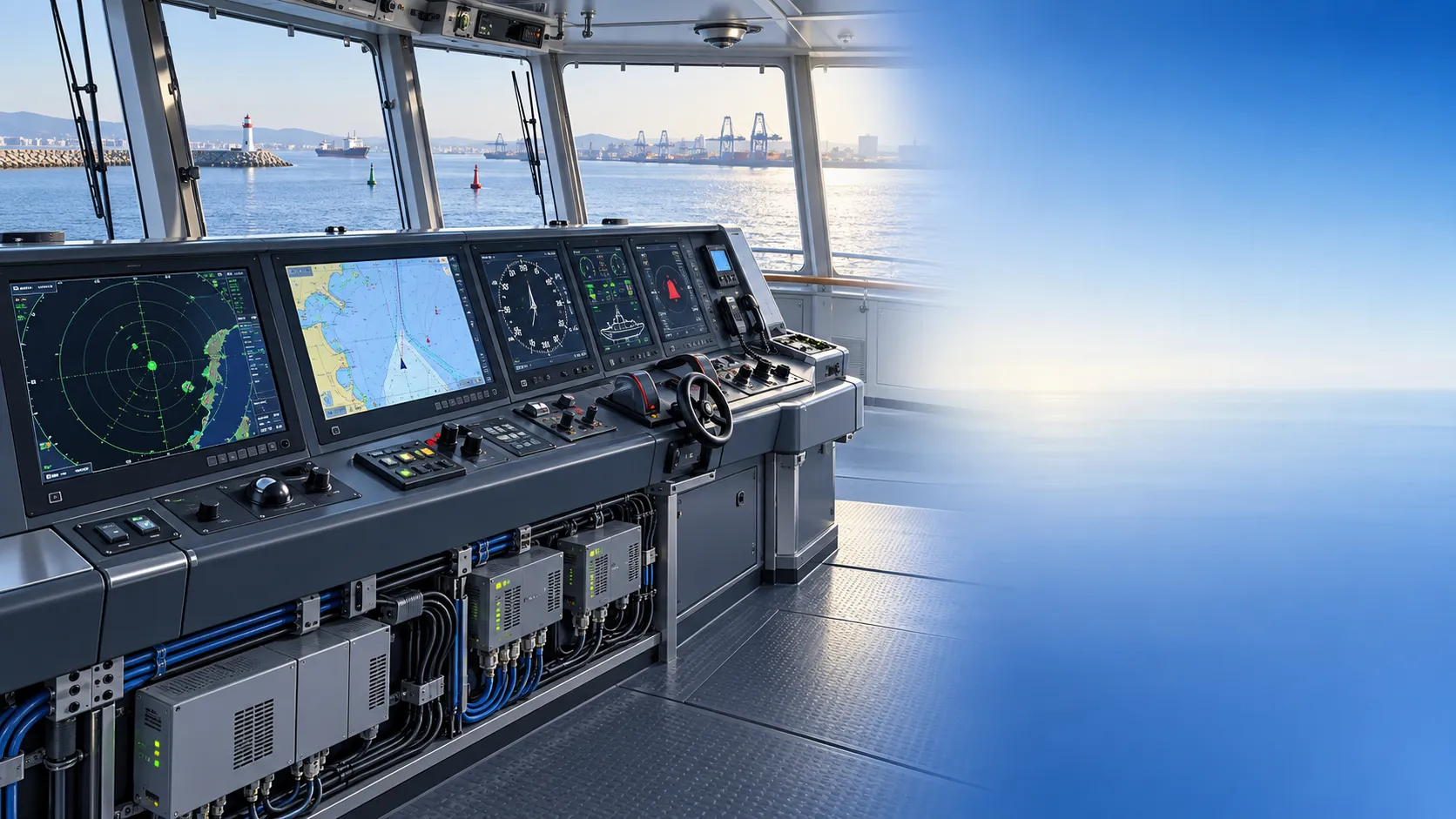
How to Specify Integrated Marine Electronics for Reliable Bridge Operations
Integrated marine electronics: learn how to specify reliable bridge systems with clear data flows, redundancy, alarm control, lifecycle interfaces, and operational testing.
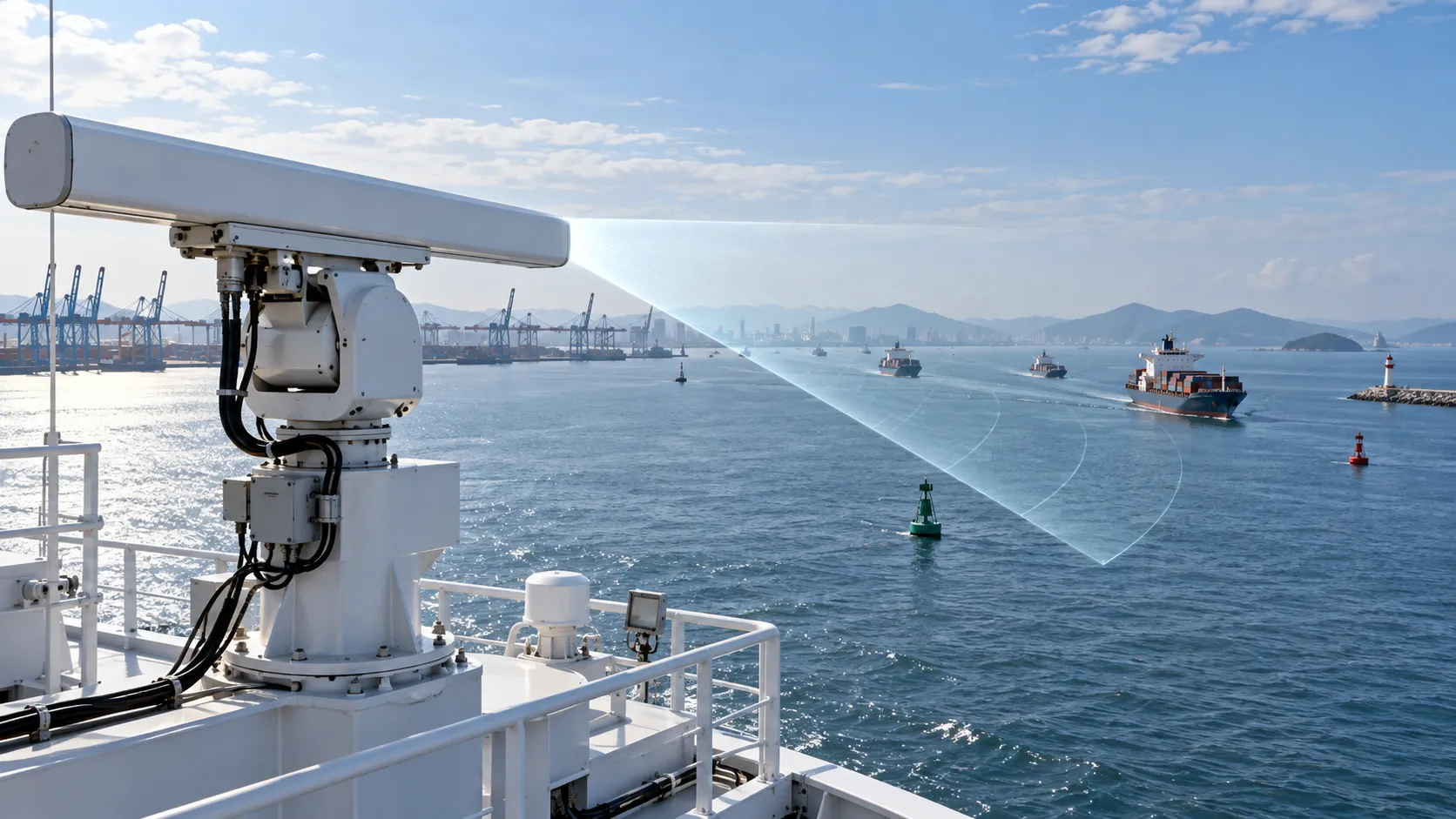
How to Evaluate Navigation Radar Manufacturers for Commercial Vessel Projects
Navigation radar manufacturers: learn how to compare performance, compliance, integration, support, and lifecycle cost for commercial vessel projects.

How Adjustable Cabin Ergonomics Reduce Operator Fatigue in Long-Shift Vehicles
Adjustable cabin ergonomics reduces operator fatigue through better seating, reach, visibility, vibration control, and climate comfort for safer long-shift vehicles.

How Rear-Impact Safety Components Work Together to Protect Vehicle Occupants
Explore how automotive safety components for rear impact work together—from crash structures and seats to head restraints and belts—to enhance occupant protection.
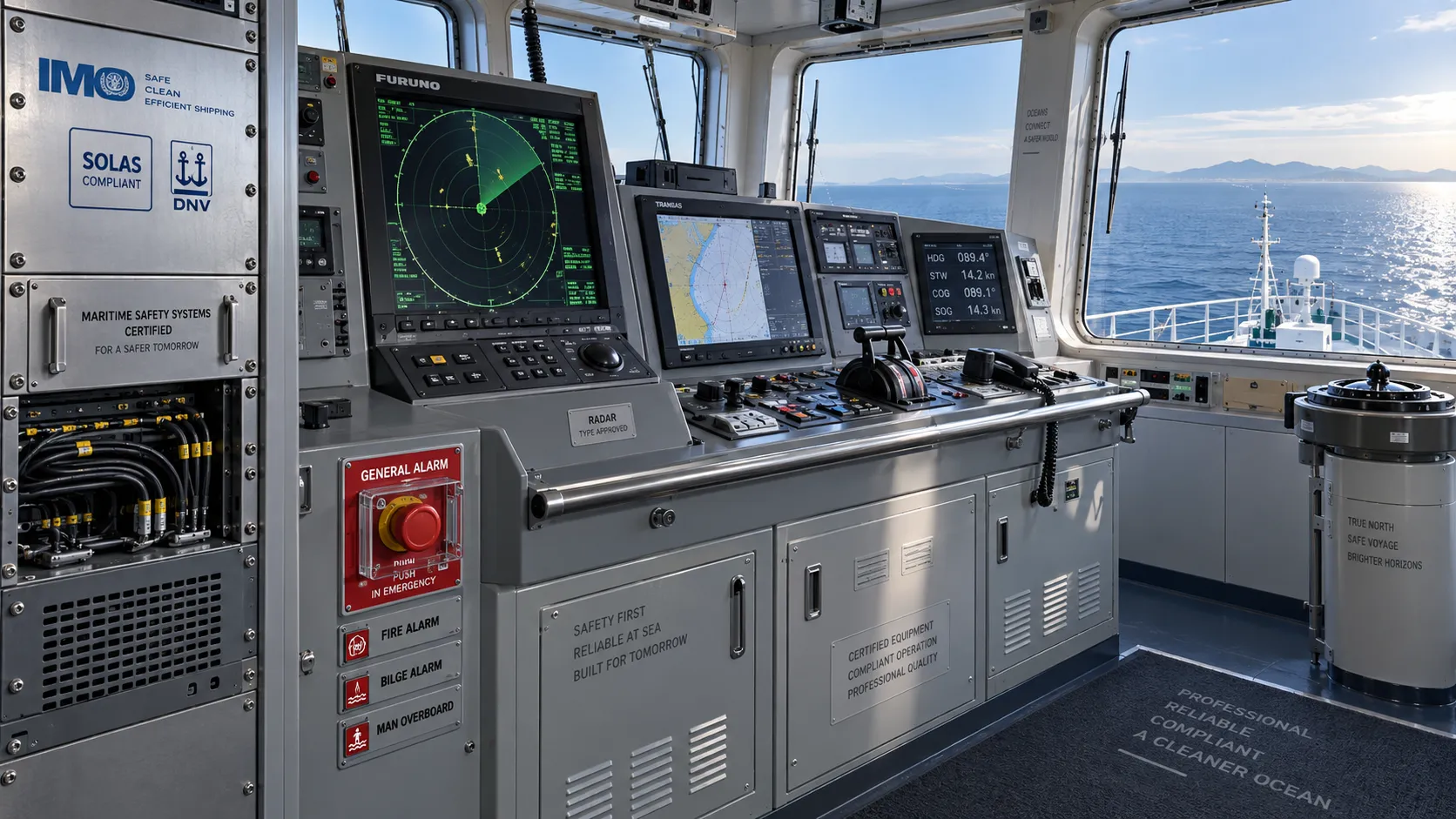
How to Evaluate a Marine Safety Systems Manufacturer for Vessel Compliance and Reliability
Marine safety systems manufacturer evaluation guide: verify compliance, engineering quality, lifecycle costs, and global service support for safer, reliable vessel operations.

Crash Test Regulations for Seatbelts: Key Compliance Requirements Explained
Crash test regulations seatbelts explained: explore FMVSS, UN rules, anchorage strength, and dynamic restraint testing for safer, compliant vehicle systems.

How to Calculate the Total Cost of Automotive Lightweighting for a Vehicle Program
Automotive lightweight solutions cost: learn how to calculate program-level costs, including materials, tooling, joining, validation, risk, and vehicle-level value.

How Automotive Seat Occupancy Sensing Improves Airbag Deployment Decisions
Automotive seat occupancy sensing helps optimize airbag deployment decisions, improving passenger classification, safety diagnostics, and compliance across real-world conditions.

What Drives Lightweight Body Component Costs in High-Volume Vehicle Programs?
Lightweight body components cost depends on material yield, forming, joining, tooling, validation, and logistics. Explore proven ways to optimize total vehicle program cost.
Related News
- 00
0000-00
How to Specify Integrated Marine Electronics for Reliable Bridge Operations - 00
0000-00
How Adjustable Cabin Ergonomics Reduce Operator Fatigue in Long-Shift Vehicles - 00
0000-00
How to Evaluate a Marine Safety Systems Manufacturer for Vessel Compliance and Reliability - 00
0000-00
How to Calculate the Total Cost of Automotive Lightweighting for a Vehicle Program - 00
0000-00
What Drives Lightweight Body Component Costs in High-Volume Vehicle Programs?
Weekly Insights
Stay ahead with our curated technology reports delivered every Monday.