
Smart Cabin Solutions for EVs: Key Functions, Use Cases, and Integration Challenges
Smart Cabin Solutions for EVs: Key Functions, Use Cases, and Integration Challenges
As EV platforms become digital living spaces, smart cabin solutions move from optional features to core vehicle architecture.
They now affect comfort, safety, energy efficiency, software strategy, and brand differentiation at the same time.
That shift matters because cabin systems are no longer isolated hardware modules.
They are becoming connected ecosystems that combine sensing, actuation, HMI, passive safety, seating, and cloud-enabled services.
In practical terms, smart cabin solutions help EV makers improve user experience without sacrificing lightweight targets or compliance readiness.
The challenge is that every added function creates new integration demands across electronics, software, thermal management, and interior packaging.
Why smart cabin solutions matter in EV programs
EVs create a different design logic for cabin engineering.
With quieter drivetrains and flatter floor layouts, occupants notice cabin quality, interface response, and seating comfort much more clearly.
At the same time, battery range pressure makes every watt and every kilogram more important.
This is where smart cabin solutions create value.
They can reduce energy waste through adaptive climate zones, occupancy-based functions, and predictive control logic.
They also support safety by linking cabin sensing with seatbelt status, occupant posture, airbag logic, and driver monitoring.
More importantly, they give OEMs a scalable way to deliver premium experiences across multiple trims and vehicle platforms.
Key functions behind smart cabin solutions
The most effective smart cabin solutions are not built around one feature.
They are built around coordinated functions that share data and respond in real time.
1. Occupant sensing and cabin perception
Sensors now detect presence, seating position, movement, fatigue signals, and child occupancy.
That information supports airbag deployment logic, seatbelt reminders, climate personalization, and anti-forget safety alerts.
2. Intelligent seating and posture adaptation
Smart seating systems adjust lumbar support, cushion pressure, ventilation, heating, and memory settings automatically.
In long-range EVs, this function directly influences fatigue reduction and perceived ride quality.
3. Adaptive thermal comfort
Traditional full-cabin HVAC is energy intensive.
Smart cabin solutions improve this by using zonal control, seat-based heating, humidity sensing, and pre-conditioning strategies.
The result is better comfort with lower impact on range.
4. Connected HMI and personalization
Displays, voice interfaces, touch surfaces, and ambient lighting increasingly operate as one coordinated layer.
Users expect profiles, contextual suggestions, and seamless transitions between driving and resting scenarios.
5. Safety-linked cabin automation
This is where smart cabin solutions become especially strategic.
When cabin data is connected to passive safety systems, the vehicle can prepare restraints, optimize occupant positioning, and issue timely interventions.
That creates a stronger bridge between comfort engineering and crash protection engineering.
Real-world use cases for smart cabin solutions
Use cases are becoming more specific as EV architectures mature.
The strongest programs focus on measurable outcomes rather than novelty alone.
Urban commuter EVs
In compact city EVs, smart cabin solutions often focus on energy-efficient comfort and simplified controls.
Occupancy-based HVAC, driver recognition, and smart seat heating improve daily convenience without adding excessive complexity.
Premium long-range vehicles
Here, the cabin becomes a major purchase driver.
Advanced seating, wellness modes, active noise adaptation, and multi-zone comfort packages help justify higher margins.
In this segment, smart cabin solutions also support brand identity through software-defined personalization.
Shared mobility and robotaxi preparation
This scenario brings a different priority set.
Cabin monitoring, automated cleaning prompts, wear detection, occupant alerts, and robust seat usage analytics become essential.
The cabin must support rapid turnover, predictable safety, and lower maintenance cost.
Commercial and specialty EV fleets
Fleet buyers care about uptime, driver fatigue, and training simplicity.
Smart cabin solutions help by combining ergonomic seating, usage logging, health monitoring alerts, and remote diagnostics.
That can improve retention, reduce incident risk, and support total cost of ownership targets.
Main integration challenges teams should expect
From a delivery standpoint, the hard part is rarely the feature concept.
The real difficulty is integrating smart cabin solutions across fragmented suppliers, timelines, and validation requirements.
System architecture complexity
Cabin functions often span ECUs, sensors, seat modules, HVAC controls, infotainment, and safety domains.
Without clear interface ownership, late-stage conflicts appear quickly.
Weight and packaging trade-offs
Every actuator, harness, sensor, and structural bracket adds mass and consumes package space.
This is especially sensitive in smart seating, where comfort functions must coexist with crash loads and lightweight frame targets.
Functional safety and compliance
Once smart cabin solutions influence restraint behavior or driver monitoring, safety validation becomes stricter.
Requirements must align with regional regulations, NCAP expectations, cybersecurity rules, and software update governance.
Data quality and user trust
Cabin intelligence is only as good as the sensor fusion behind it.
False detections, lag, or intrusive interface behavior can quickly damage adoption.
This is why calibration and scenario testing matter as much as feature selection.
A practical framework for selecting smart cabin solutions
A useful way to evaluate smart cabin solutions is to rank them against five decision filters.
- User value: Does the feature solve a real comfort, safety, or convenience problem?
- Energy impact: Does it protect EV range or create avoidable power draw?
- Platform fit: Can it scale across trims, body styles, and future programs?
- Integration risk: How many domains, suppliers, and software interfaces are affected?
- Safety relevance: Does it influence occupant protection or driver readiness?
This kind of framework helps prevent feature overload.
It also keeps smart cabin solutions aligned with launch timing, cost targets, and regulatory milestones.
Implementation priorities that reduce program risk
The most reliable programs usually make a few disciplined choices early.
- Define cabin function ownership before detailed design freezes.
- Separate must-have safety-linked functions from brand-enhancing convenience features.
- Validate sensor performance in real occupant scenarios, not only bench conditions.
- Use modular hardware and software blocks where possible.
- Track weight, power, and thermal budgets at subsystem level from the start.
These steps sound basic, but they often decide whether smart cabin solutions remain scalable or become launch bottlenecks.
From recent market shifts, the clearer signal is that cabin intelligence will keep expanding into safety-critical territory.
That means cross-functional coordination is no longer optional.
Final takeaway
Smart cabin solutions are now a strategic layer in EV product planning, not just an interior upgrade path.
When selected carefully, they improve comfort, safety, range efficiency, and digital differentiation together.
When integrated poorly, they create avoidable cost, complexity, and validation delays.
The best next move is to map smart cabin solutions against actual vehicle scenarios, architecture limits, and safety priorities before feature expansion begins.
That approach keeps cabin innovation practical, scalable, and ready for the next generation of EV mobility.
Related News
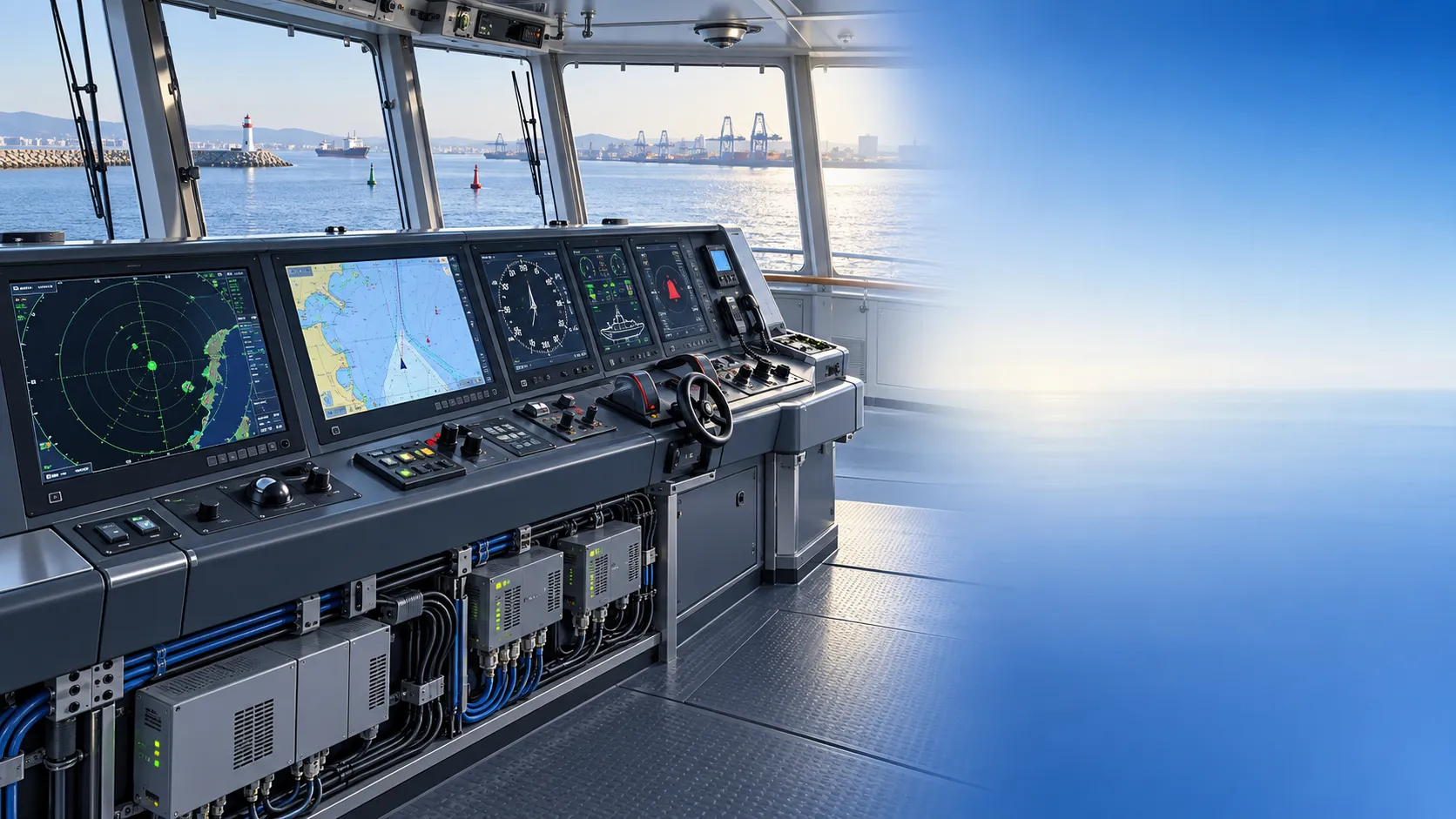
How to Specify Integrated Marine Electronics for Reliable Bridge Operations
Integrated marine electronics: learn how to specify reliable bridge systems with clear data flows, redundancy, alarm control, lifecycle interfaces, and operational testing.

How to Evaluate Navigation Radar Manufacturers for Commercial Vessel Projects
Navigation radar manufacturers: learn how to compare performance, compliance, integration, support, and lifecycle cost for commercial vessel projects.
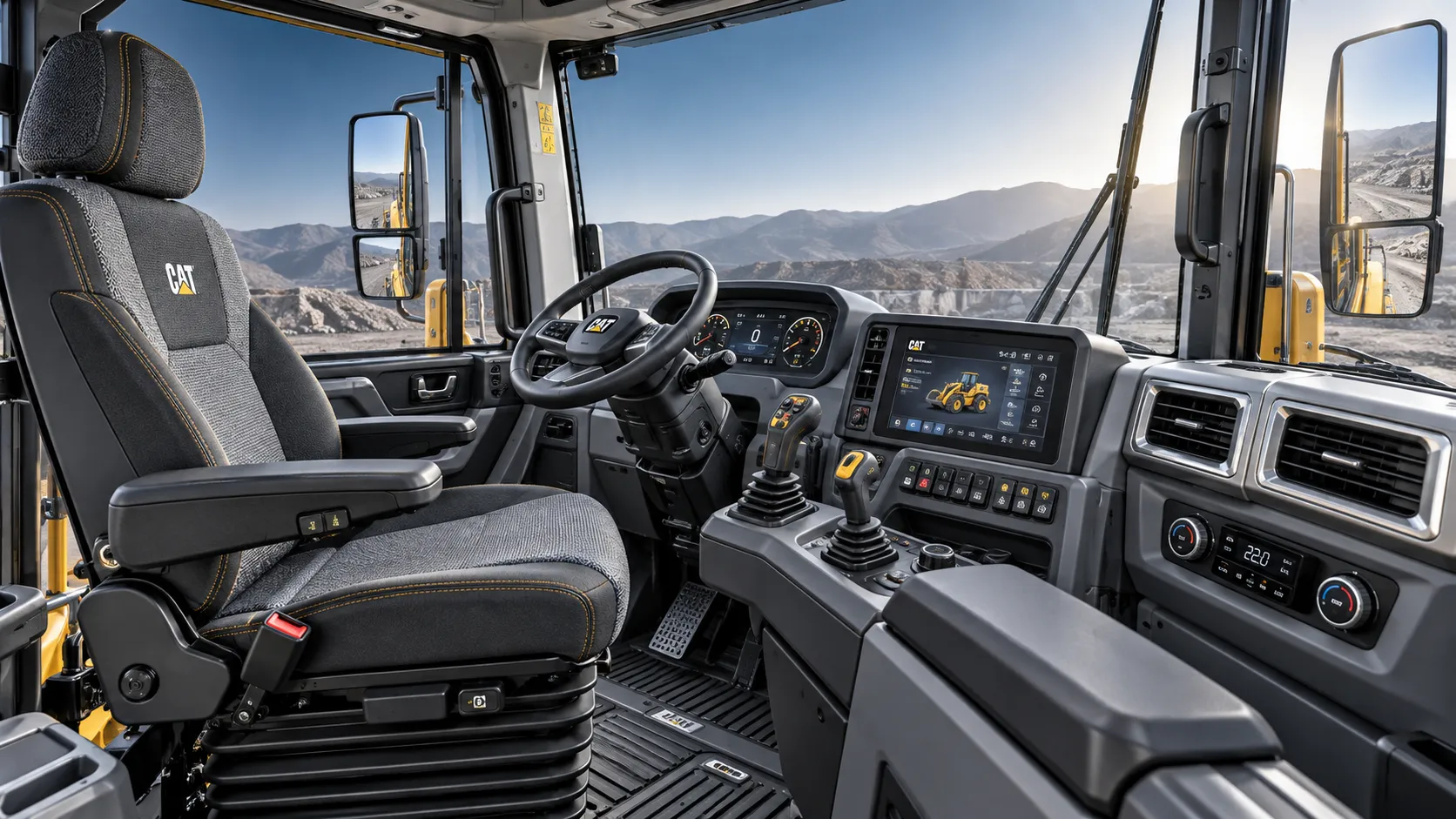
How Adjustable Cabin Ergonomics Reduce Operator Fatigue in Long-Shift Vehicles
Adjustable cabin ergonomics reduces operator fatigue through better seating, reach, visibility, vibration control, and climate comfort for safer long-shift vehicles.
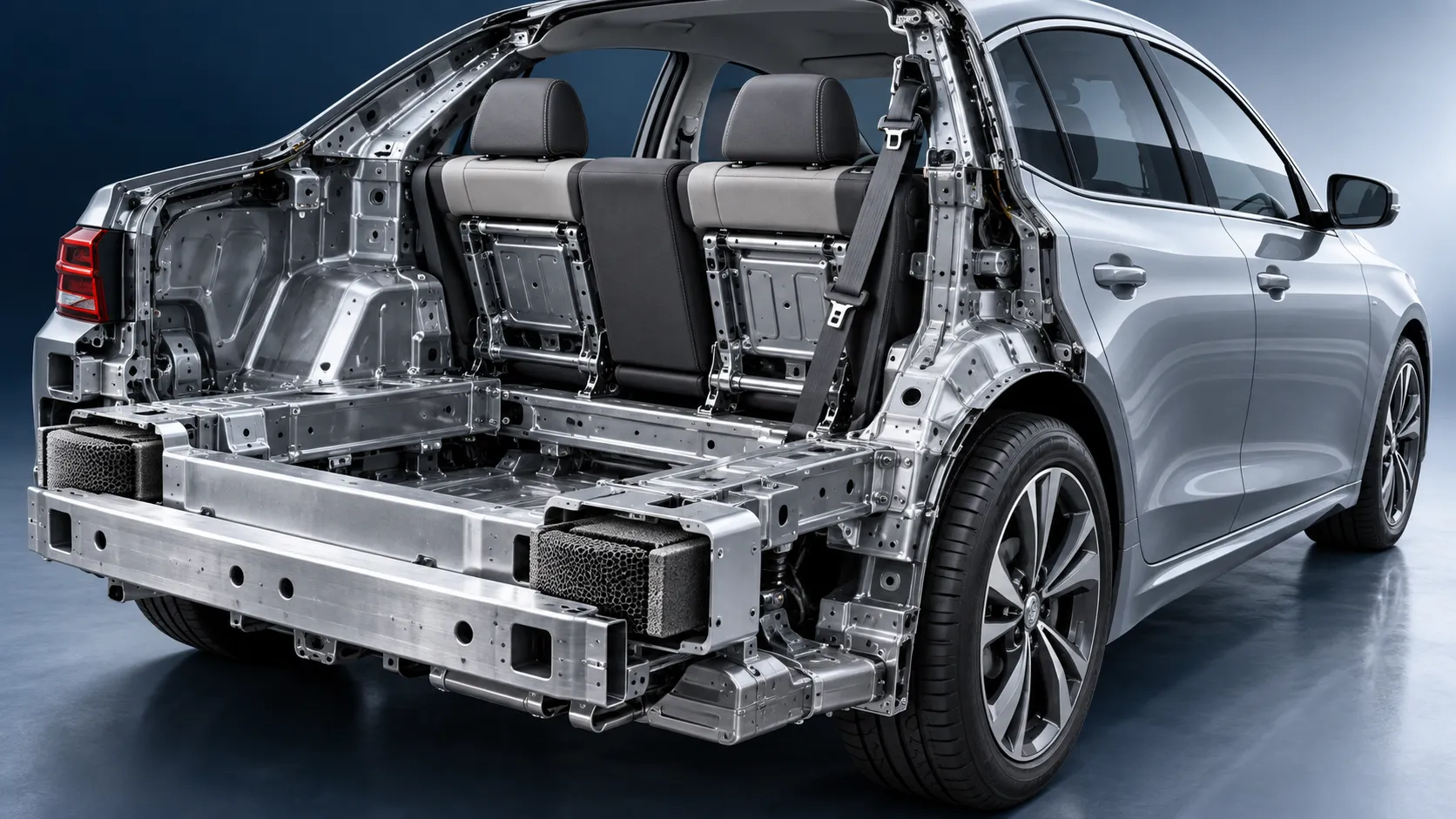
How Rear-Impact Safety Components Work Together to Protect Vehicle Occupants
Explore how automotive safety components for rear impact work together—from crash structures and seats to head restraints and belts—to enhance occupant protection.
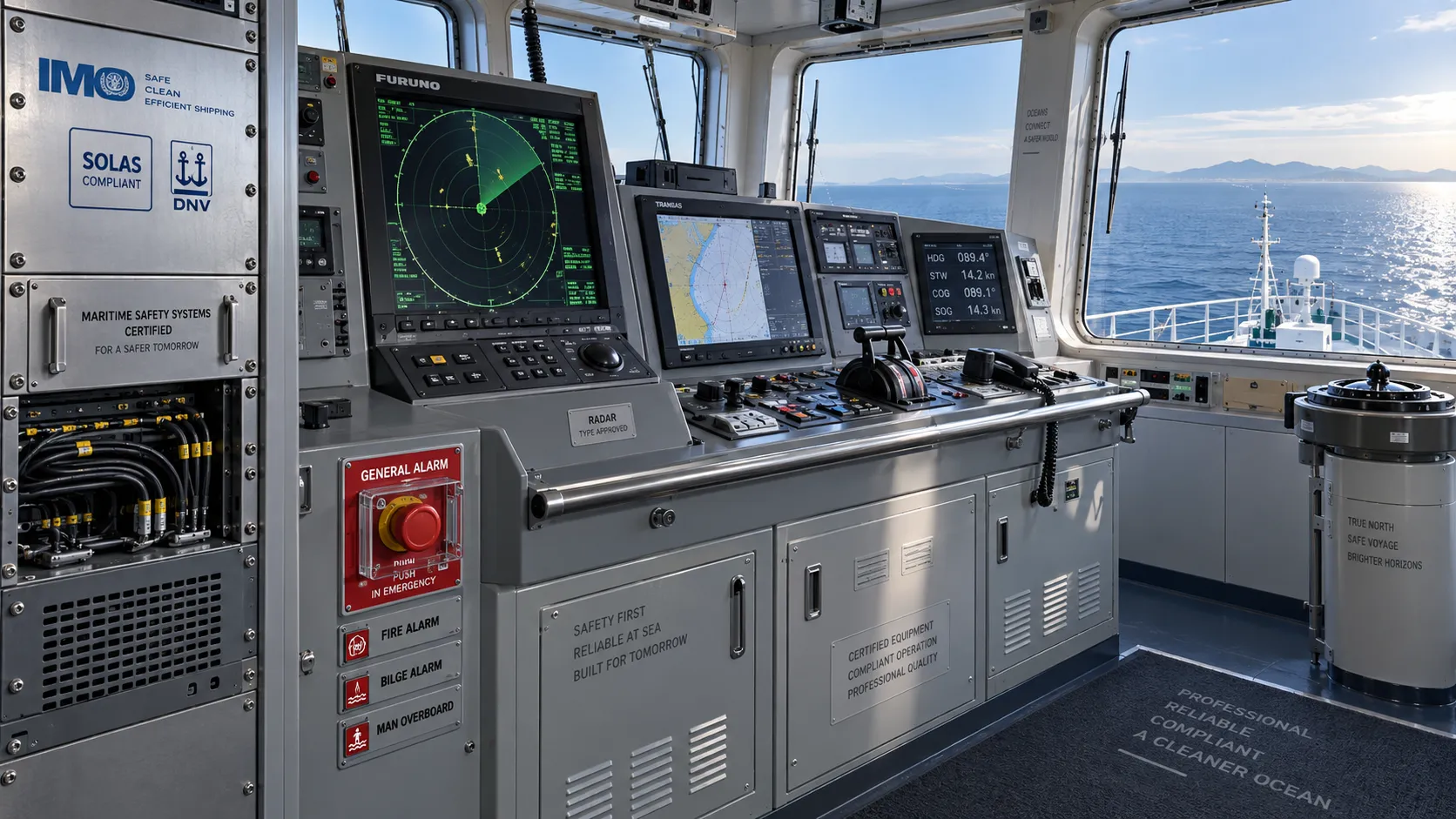
How to Evaluate a Marine Safety Systems Manufacturer for Vessel Compliance and Reliability
Marine safety systems manufacturer evaluation guide: verify compliance, engineering quality, lifecycle costs, and global service support for safer, reliable vessel operations.
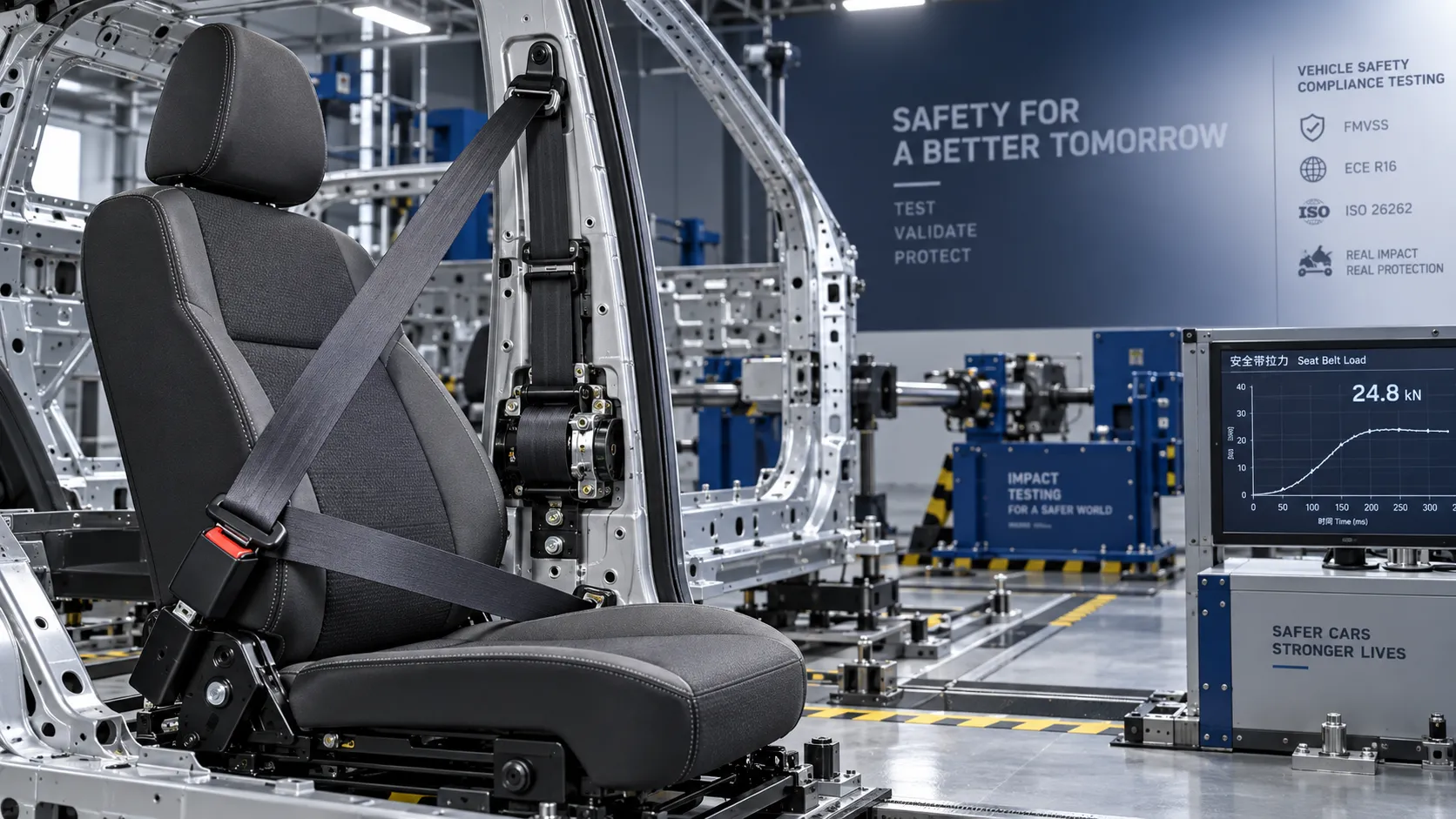
Crash Test Regulations for Seatbelts: Key Compliance Requirements Explained
Crash test regulations seatbelts explained: explore FMVSS, UN rules, anchorage strength, and dynamic restraint testing for safer, compliant vehicle systems.

How to Calculate the Total Cost of Automotive Lightweighting for a Vehicle Program
Automotive lightweight solutions cost: learn how to calculate program-level costs, including materials, tooling, joining, validation, risk, and vehicle-level value.
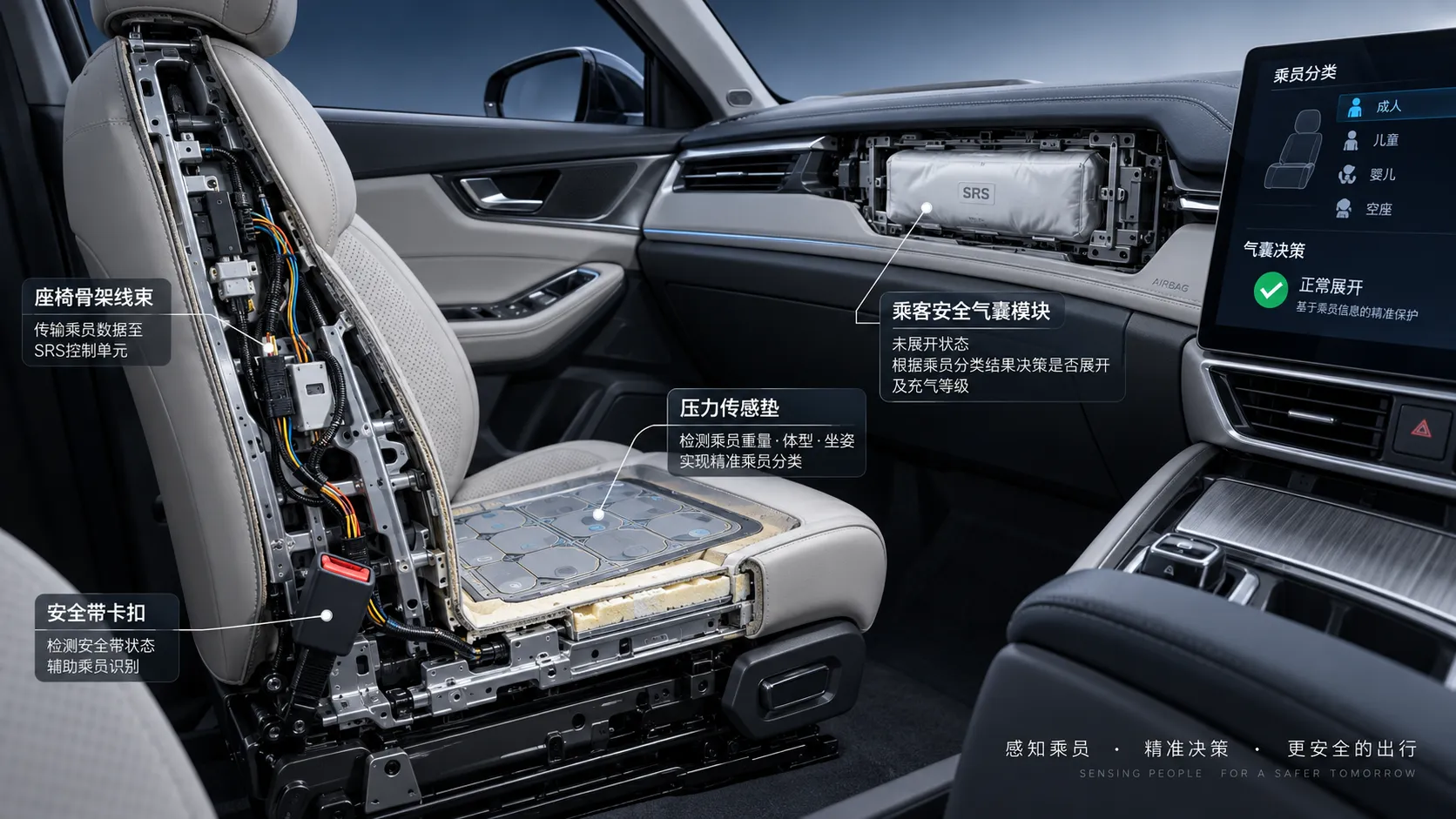
How Automotive Seat Occupancy Sensing Improves Airbag Deployment Decisions
Automotive seat occupancy sensing helps optimize airbag deployment decisions, improving passenger classification, safety diagnostics, and compliance across real-world conditions.
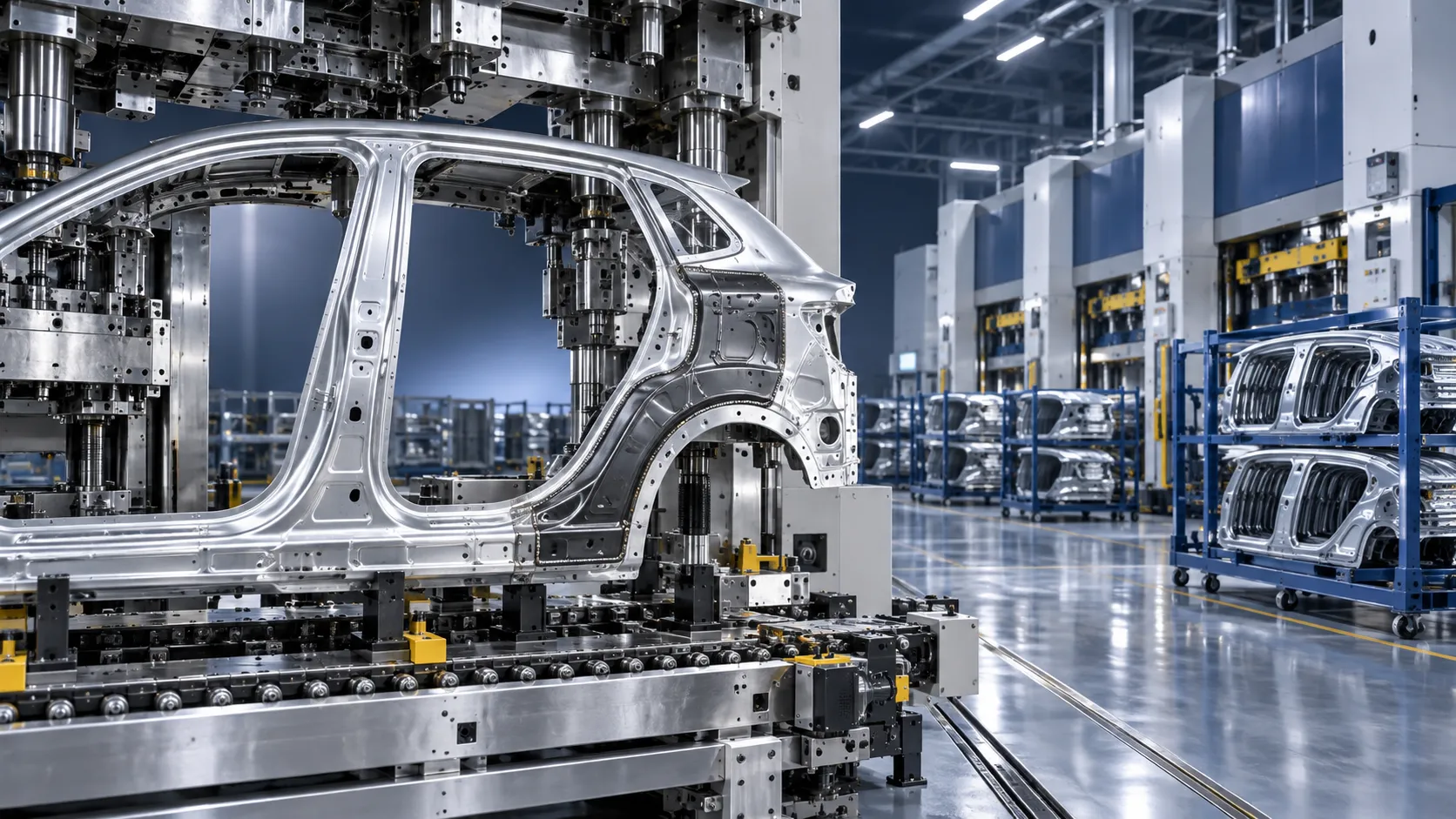
What Drives Lightweight Body Component Costs in High-Volume Vehicle Programs?
Lightweight body components cost depends on material yield, forming, joining, tooling, validation, and logistics. Explore proven ways to optimize total vehicle program cost.
Related News
- 00
0000-00
How to Specify Integrated Marine Electronics for Reliable Bridge Operations - 00
0000-00
How Adjustable Cabin Ergonomics Reduce Operator Fatigue in Long-Shift Vehicles - 00
0000-00
How to Evaluate a Marine Safety Systems Manufacturer for Vessel Compliance and Reliability - 00
0000-00
How to Calculate the Total Cost of Automotive Lightweighting for a Vehicle Program - 00
0000-00
What Drives Lightweight Body Component Costs in High-Volume Vehicle Programs?
Weekly Insights
Stay ahead with our curated technology reports delivered every Monday.