
How to Evaluate Intelligent Cabin Systems for Safety, UX, and Integration
How to Evaluate Intelligent Cabin Systems for Safety, UX, and Integration
Evaluating intelligent cabin systems requires more than checking feature lists. It calls for a practical view of safety, user experience, and integration across complex mobility platforms.
That is especially true when programs involve connected seats, restraint logic, sensing modules, HMI layers, and compliance targets in one cabin architecture.
A strong evaluation process helps teams avoid expensive redesigns. It also improves supplier selection, platform fit, and long-term upgrade potential.
In practice, the best intelligent cabin systems are not always the ones with the most functions. They are the ones that stay safe, feel intuitive, and integrate cleanly.
Start with the Evaluation Scope
Before comparing vendors, define what the cabin system must actually do. This sounds basic, but it often gets skipped.
Some intelligent cabin systems focus on comfort and personalization. Others support driver monitoring, occupant sensing, passive safety coordination, or software-defined cabin control.
From a decision standpoint, separate must-have functions from nice-to-have features. That keeps technical scoring tied to program risk.
- Define primary use cases, including daily operation, abnormal events, and failure recovery.
- Map cabin functions to platform architecture, safety goals, and regulatory constraints.
- Set measurable benchmarks for sensing, latency, uptime, and user response.
- Clarify whether the system must support future variants or regional compliance changes.
This early framing makes later comparisons far more objective. It also reduces the risk of buying an impressive demo instead of a workable solution.
Assess Safety as a System, Not a Feature
Safety should be the first screen in any intelligent cabin systems review. More importantly, safety must be assessed at system level.
A cabin sensor may perform well in isolation. That does not guarantee reliable coordination with airbags, seatbelt systems, seating actuators, and warning logic.
Look closely at how the supplier handles signal confidence, fault detection, fallback states, and false positive control.
Key Safety Checks
- Occupant detection accuracy across body sizes, seating positions, and cabin clutter.
- Coordination with passive safety triggers and seat position status.
- Diagnostic coverage, fail-operational logic, and safe degradation behavior.
- Performance under vibration, low light, glare, temperature shifts, and EMI exposure.
- Traceability to ISO 26262, NCAP-related targets, and regional homologation needs.
Recent market direction makes this even more important. Intelligent cabin systems now influence not only convenience, but also occupant protection decisions.
That means technical evaluators should ask for evidence from scenario testing, not just lab claims or slide-based safety summaries.
Measure User Experience with Real Tasks
User experience can make or break intelligent cabin systems adoption. A safe system still fails if people find it distracting, confusing, or inconsistent.
The most useful evaluation method is task-based review. Watch how users interact with alerts, seat controls, personalization, voice, and display transitions.
Focus on workload, clarity, and trust. If a function needs repeated explanation, the design is already signaling friction.
UX Criteria That Matter
- Consistency between screens, physical controls, voice prompts, and seat-related actions.
- Alert prioritization that avoids overload during high-stress moments.
- Low interaction steps for common tasks such as profile recall or climate-seat adjustment.
- Good accessibility across age groups, body dimensions, and cognitive load conditions.
- Predictable behavior when sensors disagree or data becomes temporarily unavailable.
In actual programs, cabin UX should be scored against context. A premium cockpit and a work-focused fleet cabin may need different interaction logic.
This also means intelligent cabin systems should be reviewed for emotional comfort. Smooth behavior builds trust faster than visual novelty.
Check Integration Readiness Early
Integration issues usually appear later than feature gaps, but they cost more. That is why integration readiness should be reviewed from day one.
Modern intelligent cabin systems must connect with ECUs, seat modules, restraint controllers, cloud services, and diagnostic tools without creating architecture stress.
Ask vendors how the system behaves inside mixed hardware environments. Many integration failures come from assumptions about timing, power, or middleware compatibility.
Integration Questions to Ask
- Which communication protocols are supported, such as CAN, LIN, Ethernet, or OTA pathways?
- How are APIs documented, versioned, and validated during updates?
- Can the solution interoperate with third-party sensing, seating, and safety suppliers?
- What are the compute, memory, thermal, and power demands?
- How long does integration typically take for a new platform release?
A technically elegant module is still a poor choice if it adds integration debt. Clean interfaces often matter more than headline feature count.
Review Data Quality, Interoperability, and Security
More intelligent cabin systems now depend on data fusion. That includes cameras, pressure sensing, seat occupancy signals, biometric inputs, and behavior models.
So the real question is not whether data exists. The question is whether the data is accurate, interoperable, and governable.
Evaluate how data is timestamped, normalized, shared, stored, and protected. Poor data discipline weakens both UX and safety outcomes.
As cabins become more connected, secure data handling is no longer optional. It is part of product quality and platform credibility.
Compare Suppliers on Execution, Not Promises
When several intelligent cabin systems appear similar, supplier execution becomes the real differentiator. This is where many selection decisions become clearer.
Look beyond brochures. Review engineering maturity, validation methods, change management, and support during launch and post-launch updates.
A capable supplier should explain tradeoffs openly. They should also show how the system performs when cabin conditions are messy, not ideal.
- Request test evidence tied to real operating scenarios.
- Check roadmap stability for software, sensors, and compliance updates.
- Review issue response times and field support structure.
- Assess openness to co-development and cross-supplier debugging.
This matters even more in intelligent cabin systems programs with long platform lifecycles. A flashy pilot is not the same as durable delivery capability.
Build a Practical Scoring Model
A useful scoring model keeps evaluation grounded. It also makes cross-functional decisions easier to defend later.
Most teams benefit from weighted scoring across safety, UX, integration, lifecycle cost, and supplier readiness.
Do not score intelligent cabin systems only on current features. Include update flexibility, regional scaling, and validation burden.
Example Scoring Structure
- Safety performance: 30%
- User experience quality: 20%
- Integration readiness: 25%
- Data and cybersecurity robustness: 10%
- Supplier execution capability: 15%
Weights will vary by platform strategy. Still, the discipline of scoring helps expose hidden weaknesses early.
This also creates a shared language between engineering, sourcing, compliance, and product planning teams.
Make the Final Decision with Future Readiness in Mind
The final choice should balance present needs with future readiness. That is the most reliable way to evaluate intelligent cabin systems for long-term value.
A good solution should support safe occupant interaction today, while remaining adaptable to software updates, new compliance rules, and evolving cabin functions.
In the broader mobility landscape, intelligent cabin systems are becoming central to safety orchestration and human-machine trust.
That makes careful evaluation a strategic task, not just a component review. Strong decisions come from evidence, realistic testing, and disciplined tradeoff analysis.
If the system proves safe, usable, and integration-ready under real conditions, it is far more likely to deliver lasting value across the platform lifecycle.
Related News
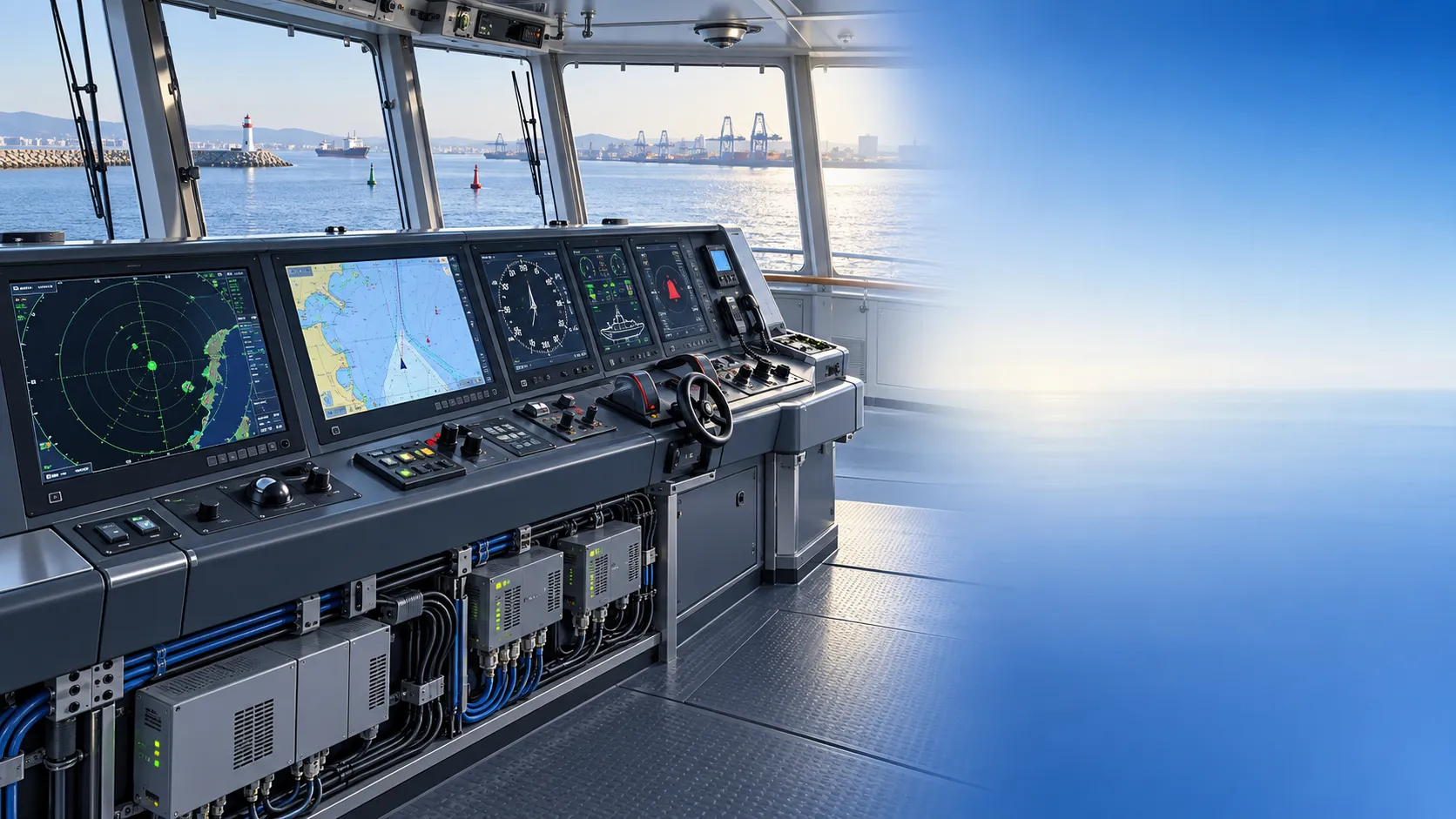
How to Specify Integrated Marine Electronics for Reliable Bridge Operations
Integrated marine electronics: learn how to specify reliable bridge systems with clear data flows, redundancy, alarm control, lifecycle interfaces, and operational testing.

How to Evaluate Navigation Radar Manufacturers for Commercial Vessel Projects
Navigation radar manufacturers: learn how to compare performance, compliance, integration, support, and lifecycle cost for commercial vessel projects.
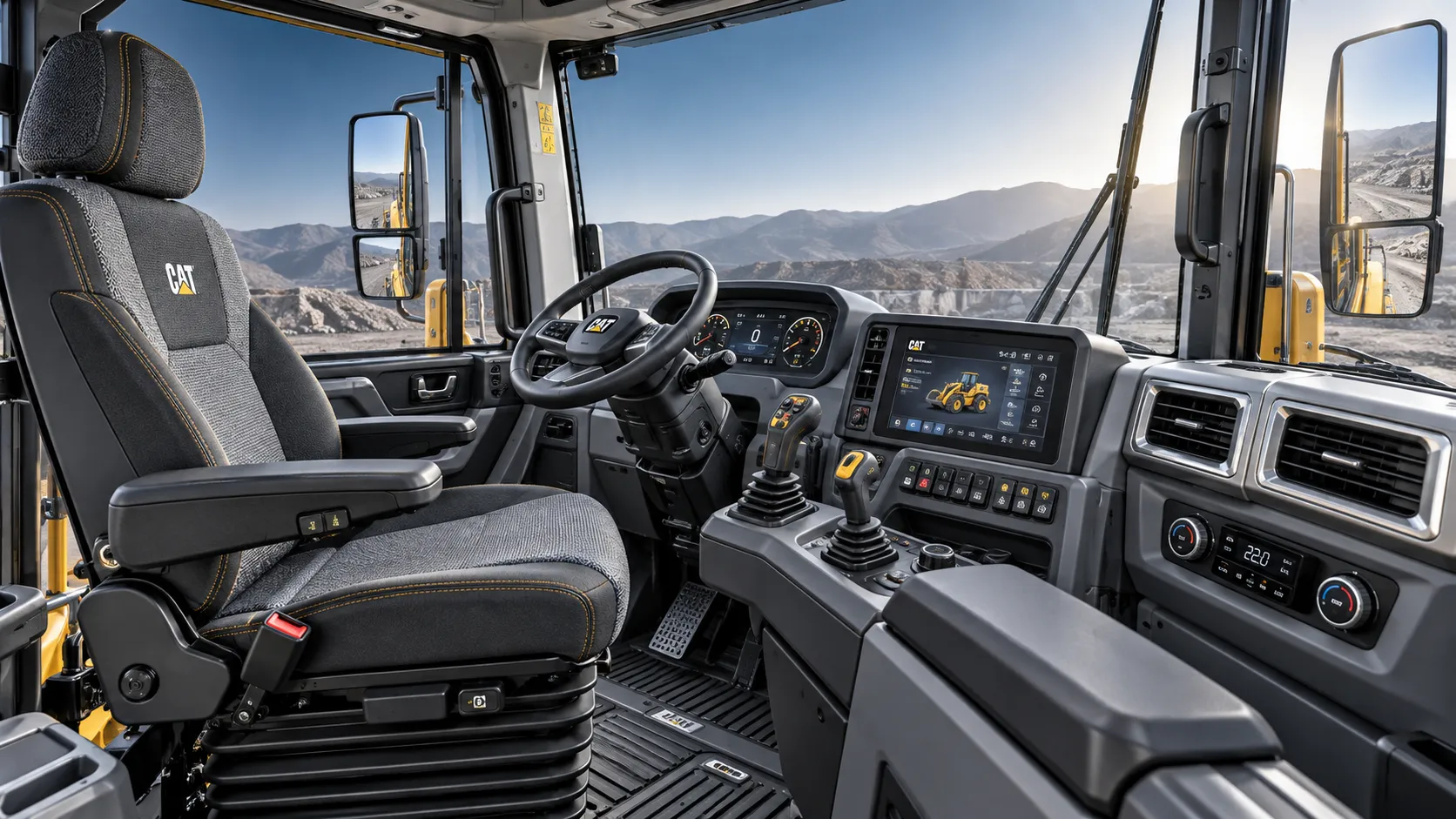
How Adjustable Cabin Ergonomics Reduce Operator Fatigue in Long-Shift Vehicles
Adjustable cabin ergonomics reduces operator fatigue through better seating, reach, visibility, vibration control, and climate comfort for safer long-shift vehicles.
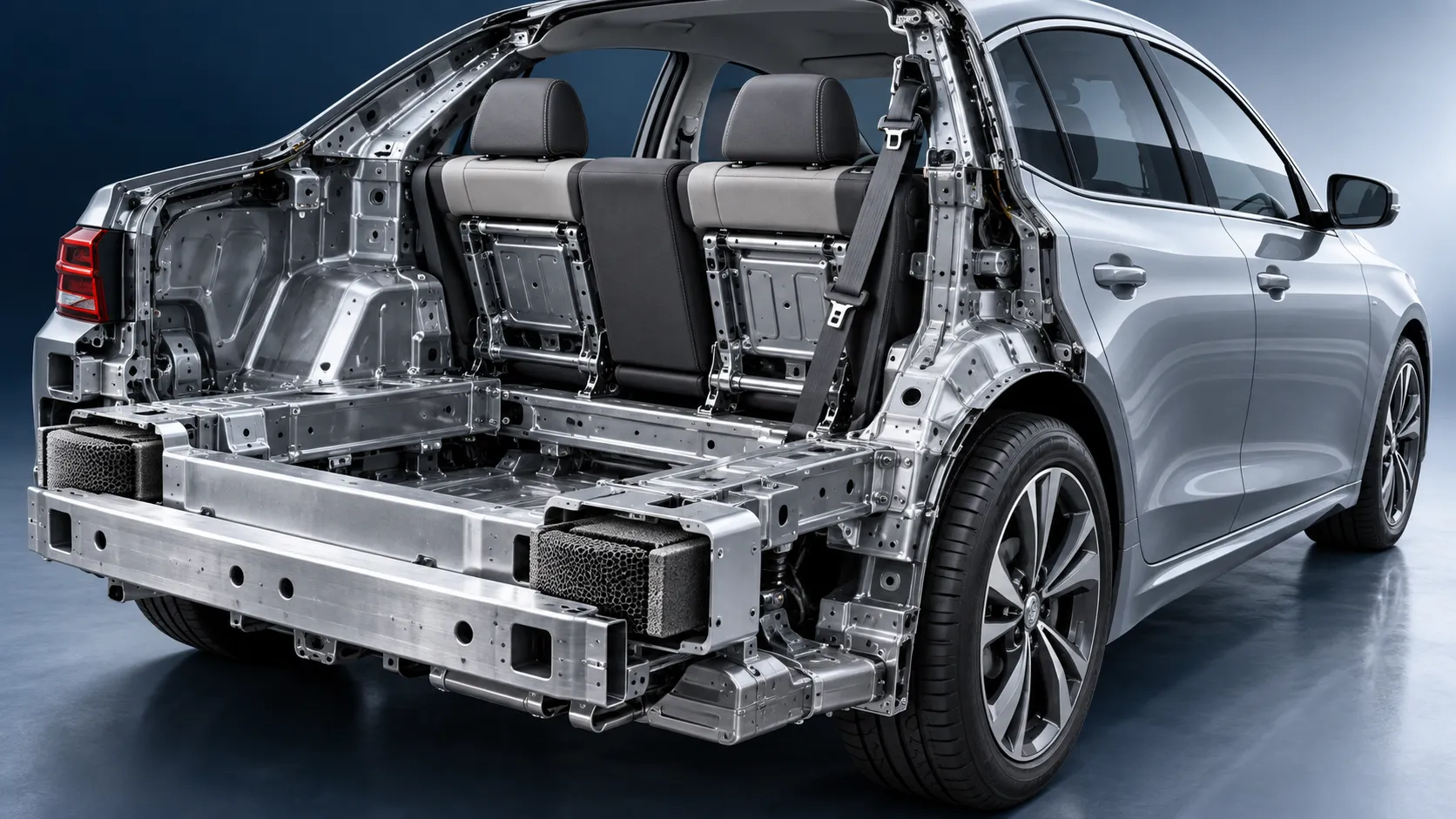
How Rear-Impact Safety Components Work Together to Protect Vehicle Occupants
Explore how automotive safety components for rear impact work together—from crash structures and seats to head restraints and belts—to enhance occupant protection.
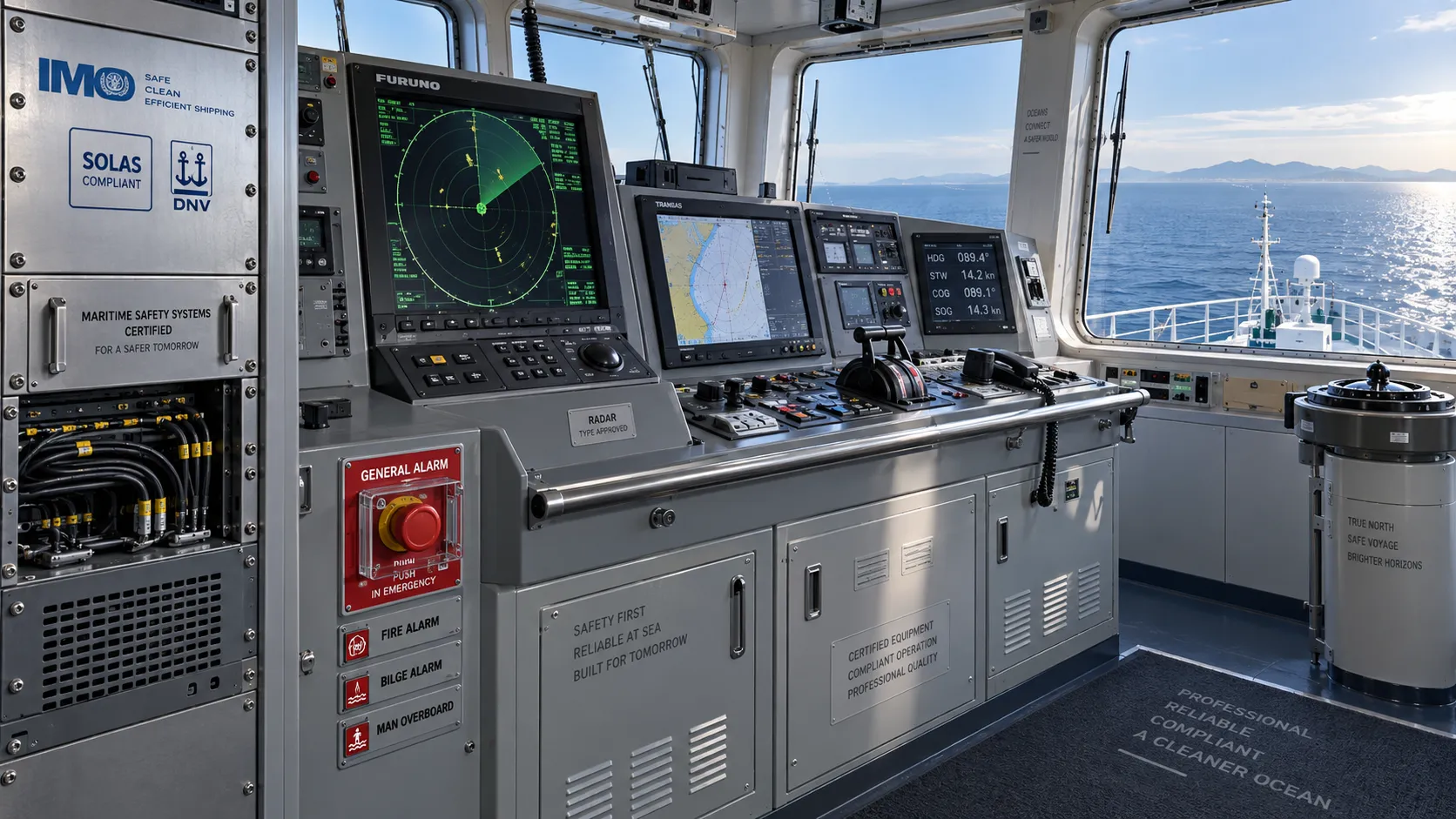
How to Evaluate a Marine Safety Systems Manufacturer for Vessel Compliance and Reliability
Marine safety systems manufacturer evaluation guide: verify compliance, engineering quality, lifecycle costs, and global service support for safer, reliable vessel operations.
Crash Test Regulations for Seatbelts: Key Compliance Requirements Explained
Crash test regulations seatbelts explained: explore FMVSS, UN rules, anchorage strength, and dynamic restraint testing for safer, compliant vehicle systems.

How to Calculate the Total Cost of Automotive Lightweighting for a Vehicle Program
Automotive lightweight solutions cost: learn how to calculate program-level costs, including materials, tooling, joining, validation, risk, and vehicle-level value.

How Automotive Seat Occupancy Sensing Improves Airbag Deployment Decisions
Automotive seat occupancy sensing helps optimize airbag deployment decisions, improving passenger classification, safety diagnostics, and compliance across real-world conditions.

What Drives Lightweight Body Component Costs in High-Volume Vehicle Programs?
Lightweight body components cost depends on material yield, forming, joining, tooling, validation, and logistics. Explore proven ways to optimize total vehicle program cost.
Related News
- 00
0000-00
How to Specify Integrated Marine Electronics for Reliable Bridge Operations - 00
0000-00
How Adjustable Cabin Ergonomics Reduce Operator Fatigue in Long-Shift Vehicles - 00
0000-00
How to Evaluate a Marine Safety Systems Manufacturer for Vessel Compliance and Reliability - 00
0000-00
How to Calculate the Total Cost of Automotive Lightweighting for a Vehicle Program - 00
0000-00
What Drives Lightweight Body Component Costs in High-Volume Vehicle Programs?
Weekly Insights
Stay ahead with our curated technology reports delivered every Monday.