
Cabin Protection Systems: Common Failure Points and How to Improve Occupant Safety
Cabin protection systems rarely fail in one dramatic moment. More often, safety margins erode through small mismatches between structure, restraints, seats, sensors, and validation methods.
That is why weak-link analysis matters. In collision cabins, marine bridges, and mobility interiors, occupant safety depends on how energy paths, human motion, and control logic work together.
Across the GNCS coverage landscape, this systems view is increasingly important. Lightweight body stampings, airbag assemblies, seatbelt systems, and smart seating now influence compliance as much as standalone component strength.
So where do cabin protection systems usually fall short, and what practical changes improve real-world protection instead of only test performance?
Where do cabin protection systems most often break down?
The common assumption is that failure starts with a broken part. In practice, cabin protection systems more often underperform at interfaces.
Typical failure points include load-path discontinuity, belt geometry drift, seat frame deformation, delayed airbag timing, and poor synchronization between sensing and restraint deployment.
A hot-stamped pillar can be strong, yet still transfer crash energy poorly if joining strategy redirects loads into weaker floor sections. The structure passes material checks but loses containment quality.
The same applies to restraint systems. A high-performing belt retractor may still allow harmful excursion if anchor locations shift under load or the seat cushion ramps the pelvis forward.
For GNCS-style evaluations, the better question is not “Which part failed?” but “Which interaction reduced occupant control?” That shift usually reveals the real improvement path.
Why do strong components still produce weak occupant safety results?
Because cabin protection systems are judged by occupant kinematics, not by isolated component specifications. Strong parts can still create unsafe motion.
This is especially visible in lightweight platforms. Mass reduction helps efficiency, but stiffness redistribution can change intrusion patterns, pulse shape, and belt-to-body interaction.
A seat frame made lighter with magnesium or mixed materials may improve weight targets. Yet if torsional behavior changes, torso alignment at impact can worsen airbag engagement.
Marine and off-road cabins show a similar pattern. A rigid console, display bracket, or equipment housing may meet durability targets but still create secondary injury zones during abrupt deceleration.
The practical lesson is simple. Cabin protection systems should be reviewed as an energy-management chain, not as a shopping list of compliant parts.
A quick judgment table helps separate apparent strength from actual protection
This kind of table is useful because it links symptoms to system causes. That is often where cabin protection systems reviews become more actionable.
Which areas deserve the closest scrutiny during evaluation?
Three areas usually deserve the most attention: structural containment, restraint coordination, and seat-controlled occupant posture.
Structural containment means more than surviving impact. It asks whether pillars, cross-members, floor sections, and attachment points preserve survivable space without creating harsh local acceleration.
Restraint coordination is the second priority. Belt pretensioners, force limiters, frontal airbags, side airbags, and side curtains must react to the same pulse in a coherent sequence.
Then comes posture control. Seats are not passive furniture inside cabin protection systems. They define hip position, torso angle, belt routing, and rebound behavior.
In actual audits, the most revealing checks are often basic:
- Does the primary load path remain continuous after joining and trim integration?
- Do restraint trigger maps still work with seating tolerance and body-size variation?
- Does seat deformation support the restraint strategy, or undermine it?
- Are hard interior surfaces positioned outside likely head and knee strike zones?
Those checks may sound ordinary, but they catch many problems before expensive redesign begins.
How can cabin protection systems be improved without overengineering?
Improvement usually comes from better integration, not from endlessly adding mass or hardware. The goal is controlled energy transfer and predictable occupant motion.
One effective step is refining the crash pulse early. If structural deceleration is too sharp, restraints must compensate aggressively, which often raises chest, neck, or pelvis injury measures.
Another is tightening seat-restraint tuning. Belt geometry should be reviewed together with cushion ramp angle, anti-submarining features, head restraint position, and seatback stiffness.
Airbag performance also improves when deployment logic reflects realistic occupant positioning. Static nominal posture is not enough for modern cabin protection systems.
In practice, the most reliable upgrades often include:
- Reinforcing joints and transitions instead of only thickening major stampings
- Matching force limiter levels to body region tolerance and expected pulse
- Using seat structures that preserve belt fit under dynamic load
- Reducing secondary impact hazards from consoles, brackets, and side hardware
- Expanding validation to small female, large male, and out-of-position scenarios
This is where GNCS intelligence is useful conceptually. The strongest safety gains often come from stitching materials, sensing, ergonomics, and compliance into one decision framework.
What mistakes make cabin protection systems look compliant but perform poorly in service?
A frequent mistake is validating only to a narrow test corridor. Passing a known protocol does not guarantee broad occupant safety.
Another mistake is ignoring manufacturing variation. Small changes in weld quality, foam density, inflator output, or anchor position can shift system behavior more than expected.
There is also a digital blind spot. Sensor logic and update pathways matter more as cabin protection systems become software-influenced. Calibration drift or version mismatch can affect deployment timing.
For marine-adjacent mobility equipment, evaluators should also watch environmental durability. Salt exposure, vibration, humidity, and thermal cycling can degrade connectors, pyrotechnic interfaces, and seat mechanisms.
The risk checklist below helps prevent false confidence:
- Do certification cases represent real loading diversity?
- Are software, sensors, and hardware validated as one release set?
- Have tolerance stacks been linked to injury variation?
- Do durability conditions alter restraint or seat performance over time?
When is the right time to intervene, and what should the next review focus on?
The best time is earlier than many programs assume. Cabin protection systems are hardest to correct once packaging, joining, and seat architecture are frozen.
An effective next review should map occupant motion against the full protection chain. Start with impact pulse and load path, then examine restraints, seat behavior, and contact surfaces.
If priorities need ranking, focus first on issues that reduce survivable space or destabilize pelvis and torso control. Those weaknesses amplify downstream injury risk.
It also helps to compare design intent with validation reality. If simulation, sled data, and full-system tests tell different stories, the integration model needs attention.
Cabin protection systems improve fastest when teams define a short list of measurable gates:
- Stable occupant kinematics across body sizes
- Controlled intrusion at critical lower and side zones
- Repeatable restraint timing under tolerance variation
- Seat structural behavior aligned with restraint strategy
- Durability confidence under service environment exposure
In short, better occupant safety comes from identifying the weakest interaction, not just the weakest component. That is the most practical way to strengthen cabin protection systems, improve compliance confidence, and reduce injury risk in service.
The next step is straightforward: review the current architecture against likely failure interfaces, compare test evidence with real occupant motion, and build an improvement list around integration gaps rather than isolated parts.
Related News
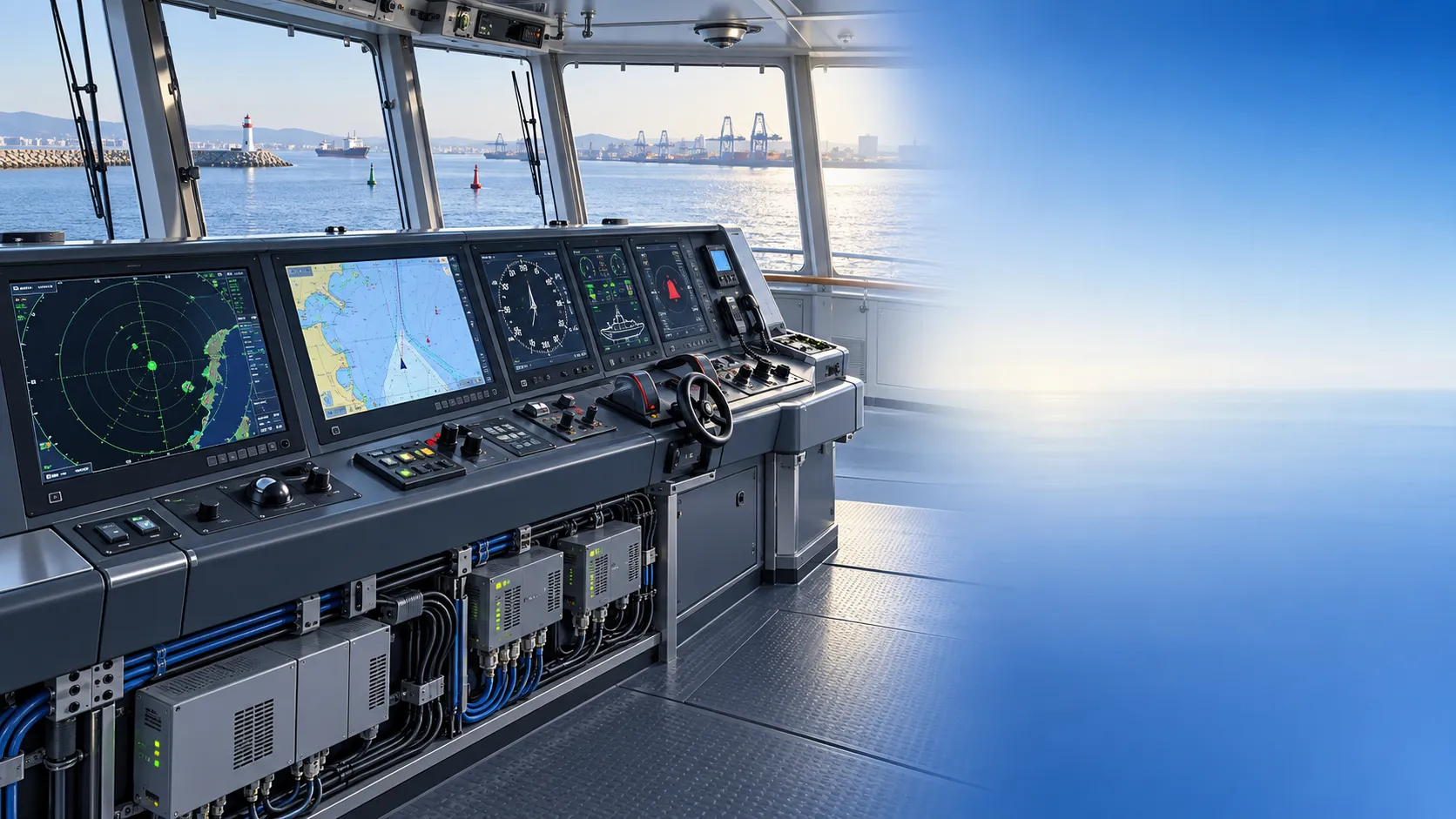
How to Specify Integrated Marine Electronics for Reliable Bridge Operations
Integrated marine electronics: learn how to specify reliable bridge systems with clear data flows, redundancy, alarm control, lifecycle interfaces, and operational testing.

How to Evaluate Navigation Radar Manufacturers for Commercial Vessel Projects
Navigation radar manufacturers: learn how to compare performance, compliance, integration, support, and lifecycle cost for commercial vessel projects.
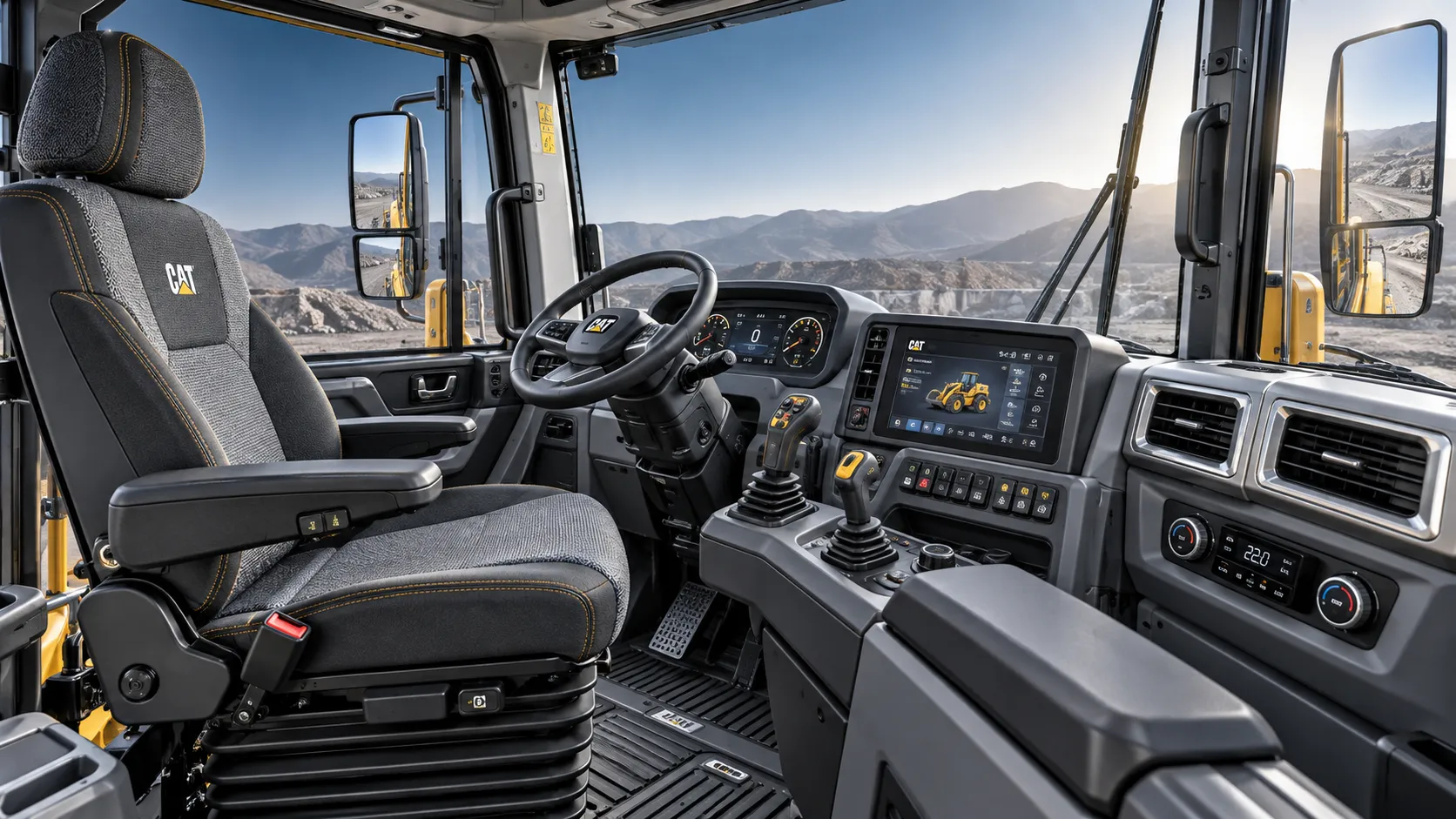
How Adjustable Cabin Ergonomics Reduce Operator Fatigue in Long-Shift Vehicles
Adjustable cabin ergonomics reduces operator fatigue through better seating, reach, visibility, vibration control, and climate comfort for safer long-shift vehicles.
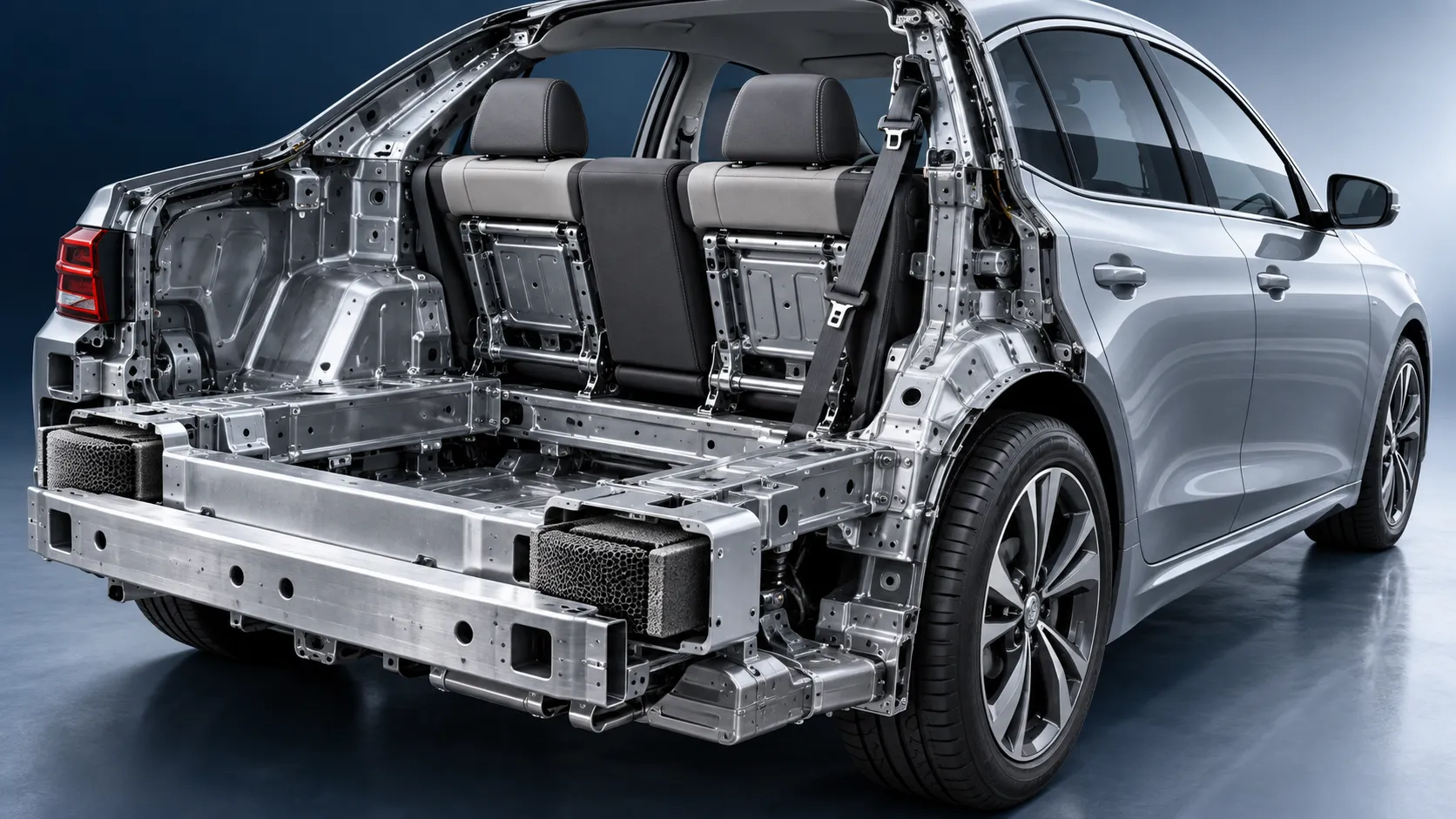
How Rear-Impact Safety Components Work Together to Protect Vehicle Occupants
Explore how automotive safety components for rear impact work together—from crash structures and seats to head restraints and belts—to enhance occupant protection.
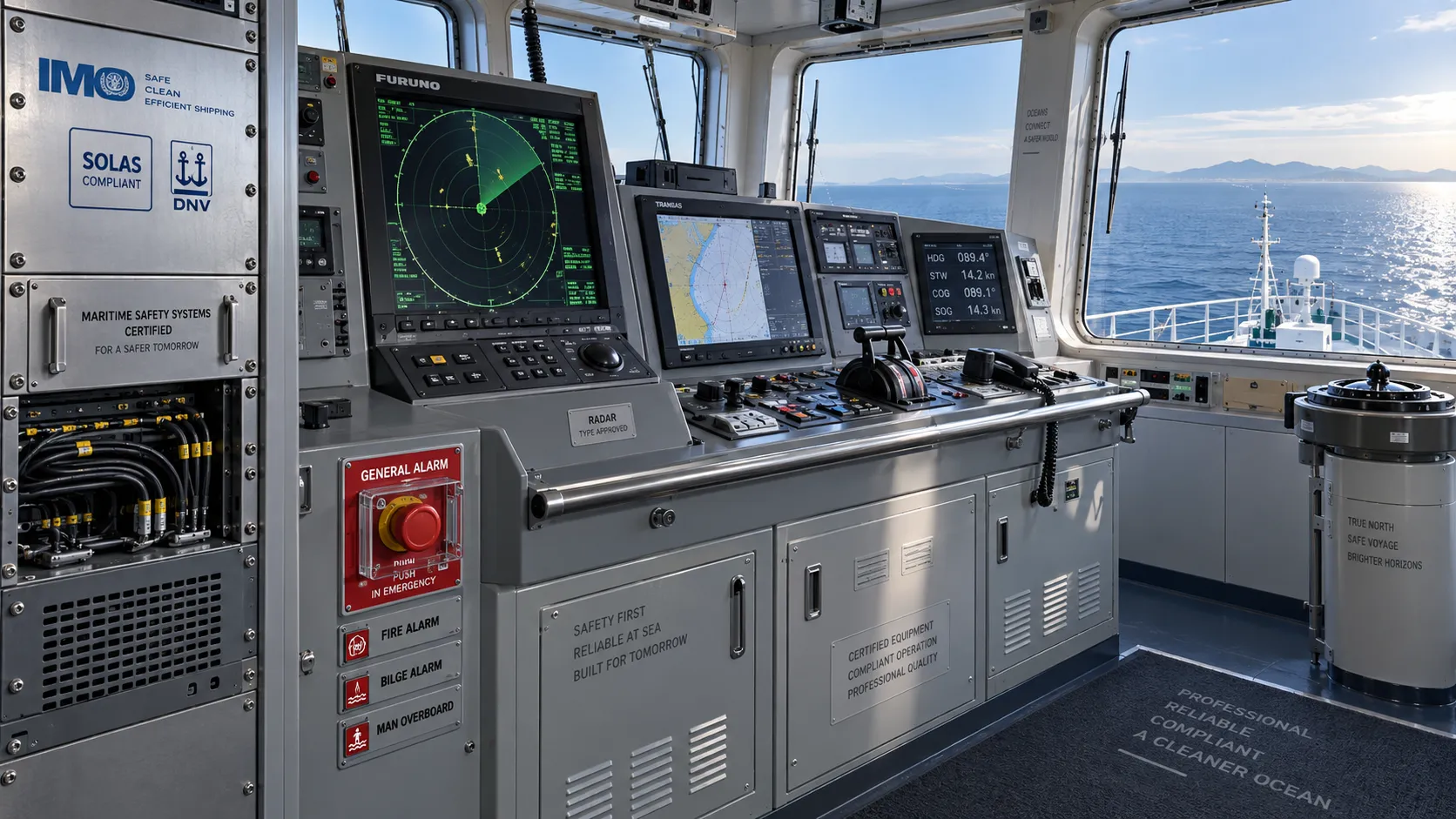
How to Evaluate a Marine Safety Systems Manufacturer for Vessel Compliance and Reliability
Marine safety systems manufacturer evaluation guide: verify compliance, engineering quality, lifecycle costs, and global service support for safer, reliable vessel operations.
Crash Test Regulations for Seatbelts: Key Compliance Requirements Explained
Crash test regulations seatbelts explained: explore FMVSS, UN rules, anchorage strength, and dynamic restraint testing for safer, compliant vehicle systems.

How to Calculate the Total Cost of Automotive Lightweighting for a Vehicle Program
Automotive lightweight solutions cost: learn how to calculate program-level costs, including materials, tooling, joining, validation, risk, and vehicle-level value.

How Automotive Seat Occupancy Sensing Improves Airbag Deployment Decisions
Automotive seat occupancy sensing helps optimize airbag deployment decisions, improving passenger classification, safety diagnostics, and compliance across real-world conditions.

What Drives Lightweight Body Component Costs in High-Volume Vehicle Programs?
Lightweight body components cost depends on material yield, forming, joining, tooling, validation, and logistics. Explore proven ways to optimize total vehicle program cost.
Related News
- 00
0000-00
How to Specify Integrated Marine Electronics for Reliable Bridge Operations - 00
0000-00
How Adjustable Cabin Ergonomics Reduce Operator Fatigue in Long-Shift Vehicles - 00
0000-00
How to Evaluate a Marine Safety Systems Manufacturer for Vessel Compliance and Reliability - 00
0000-00
How to Calculate the Total Cost of Automotive Lightweighting for a Vehicle Program - 00
0000-00
What Drives Lightweight Body Component Costs in High-Volume Vehicle Programs?
Weekly Insights
Stay ahead with our curated technology reports delivered every Monday.