Maritime Compliance Standards Checklist for Vessel Projects and Equipment Approval
Why do maritime compliance standards shape vessel project cost so early?
Vessel projects rarely fail because of one big technical mistake.
More often, they slow down because compliance evidence is incomplete, misaligned, or submitted too late.
That is why maritime compliance standards matter long before equipment reaches the shipyard.
For navigation, safety, and approval-sensitive systems, the standard is not just a legal box.
It directly affects specification freeze, supplier selection, test planning, and delivery timing.
In practical sourcing, the cheapest quote often becomes the most expensive option later.
A missing type approval, outdated software certificate, or unclear class applicability can trigger rework.
It can also create onboard integration delays and repeated inspection costs.
This is where GNCS offers useful context.
Its intelligence focus on marine navigation, safety systems, and technical regulation helps connect specification language with approval reality.
For teams comparing marine equipment, that connection is often what keeps budgets predictable.
What should a real maritime compliance standards checklist include?
A useful checklist goes beyond asking whether a product is “certified.”
The better question is whether the equipment is certified for this vessel, this route, and this authority path.
In most projects, five checkpoints deserve attention before order placement.
- Applicable regulations: SOLAS, IMO resolutions, flag requirements, and class society rules.
- Approval status: type approval, MED wheelmark if needed, and recognized laboratory test evidence.
- Technical fit: power supply, interfaces, software version, environmental rating, and redundancy logic.
- Document pack: drawings, manuals, certificates, factory test reports, and declaration consistency.
- Lifecycle support: update policy, spare parts, service coverage, and change control history.
This sounds basic, but weak projects usually fail inside one of these ordinary items.
Navigation electronics are a good example.
A radar or ECDIS may be compliant in general, yet not compliant in the requested software baseline.
That difference matters during inspection.
A strong maritime compliance standards checklist therefore needs both paperwork review and application review.
A quick judgment table before issuing the PO
The table below helps separate “approved in principle” from “ready for project use.”
Which equipment categories create the most approval friction?
Not all marine products carry the same compliance burden.
Commodity hardware can be checked quickly.
Integrated or safety-relevant equipment needs deeper review.
The highest-friction categories usually include navigation systems, bridge electronics, alarm interfaces, communication units, and lifesaving support devices.
These products sit close to operational safety and often connect to multiple onboard systems.
Because GNCS tracks high-precision marine navigation alongside other safety-critical equipment sectors, it highlights a useful pattern.
In regulated industries, approval trouble often starts at the interface level, not the component itself.
A device can pass bench testing yet still create compliance issues after integration.
For vessel projects, that means purchase review should ask two extra questions.
- Does this equipment remain compliant after being linked to other approved systems?
- Has the supplier already supported similar class and flag combinations?
The second question is especially valuable when schedules are tight.
Experience shortens clarification cycles and reduces document back-and-forth.
How can you compare suppliers without missing hidden compliance costs?
Price comparison becomes misleading when one quotation includes approval support and another does not.
The clean way to compare is to score commercial and compliance readiness together.
In actual sourcing rounds, the following factors often reveal the real total cost.
- Certificate validity window at expected shipment date
- Lead time for class comments and document revision
- Availability of approved equivalents if parts change
- Regional service network for commissioning support
- Control of software updates after factory acceptance
A supplier with stable change control often saves more money than one with a lower unit price.
That is particularly true for digitally managed navigation products.
GNCS regularly follows cloud-based update protocols for systems like ECDIS.
That perspective matters because software revisions can affect approval status, cybersecurity review, and onboard training needs.
So when evaluating maritime compliance standards, ask for the update governance process in writing.
If the answer is vague, the future cost probably is not.
Where do vessel projects usually get compliance wrong?
The common mistakes are not dramatic.
They are usually small assumptions that survive too long.
One frequent error is assuming previous approval equals automatic approval for the next vessel.
Class rules change, model variants change, and software packages change.
Another mistake is separating technical review from commercial review.
If compliance comments appear only after the purchase order, negotiation leverage disappears.
There is also a documentation trap.
Certificates may exist, but names, revisions, and serial references do not always match project records.
Inspectors notice these gaps quickly.
A practical prevention method is to build a pre-award review pack.
- Approved drawing list with revision dates
- Certificate matrix by model and project scope
- Deviation list with commercial ownership
- Commissioning and survey attendance plan
This keeps maritime compliance standards visible as a delivery requirement, not just a legal note.
What is the smartest next step before final supplier commitment?
The best next step is not a broader vendor search.
It is a tighter approval map.
Start by listing the vessel type, operating area, class society, flag, and equipment criticality.
Then connect each item to the exact compliance evidence required at bid stage, order stage, and delivery stage.
That simple structure makes supplier comparison far more accurate.
It also prevents last-minute escalation around certificates and interface changes.
Where the project includes navigation, bridge, or safety-related equipment, technical intelligence sources can shorten the review path.
GNCS is relevant here because it follows compliance shifts and engineering trends across marine navigation and adjacent safety-critical sectors.
That wider view helps interpret not only what is compliant today, but what may create risk tomorrow.
In the end, maritime compliance standards are less about paperwork than decision quality.
When the checklist is clear, costs are easier to defend, delivery is easier to protect, and vessel approvals move with fewer surprises.
Before final commitment, review the evidence set, challenge the assumptions, and confirm the support path after installation.
That is usually where a compliant purchase becomes a successful one.
Related News
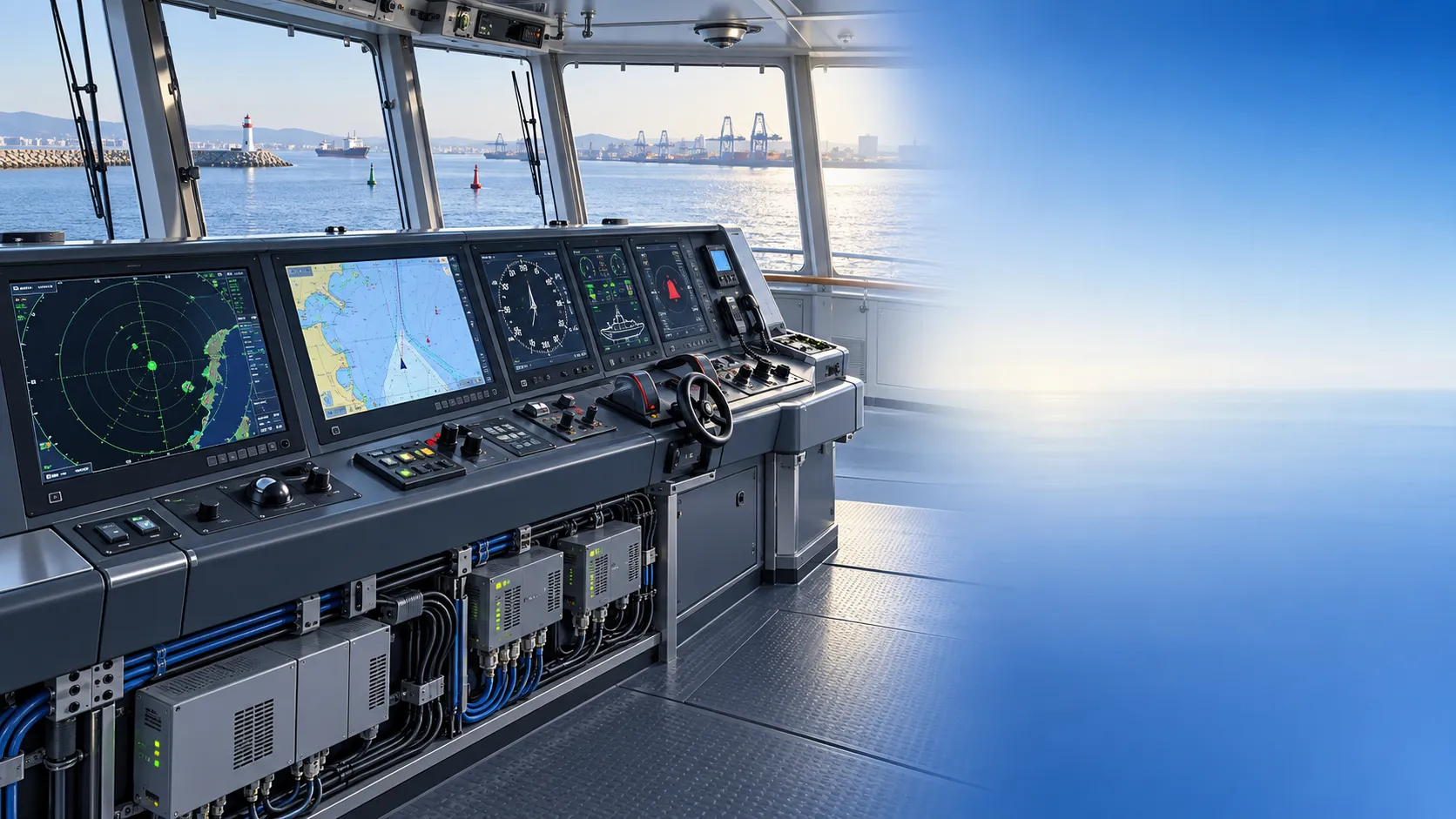
How to Specify Integrated Marine Electronics for Reliable Bridge Operations
Integrated marine electronics: learn how to specify reliable bridge systems with clear data flows, redundancy, alarm control, lifecycle interfaces, and operational testing.

How to Evaluate Navigation Radar Manufacturers for Commercial Vessel Projects
Navigation radar manufacturers: learn how to compare performance, compliance, integration, support, and lifecycle cost for commercial vessel projects.

How Adjustable Cabin Ergonomics Reduce Operator Fatigue in Long-Shift Vehicles
Adjustable cabin ergonomics reduces operator fatigue through better seating, reach, visibility, vibration control, and climate comfort for safer long-shift vehicles.

How Rear-Impact Safety Components Work Together to Protect Vehicle Occupants
Explore how automotive safety components for rear impact work together—from crash structures and seats to head restraints and belts—to enhance occupant protection.
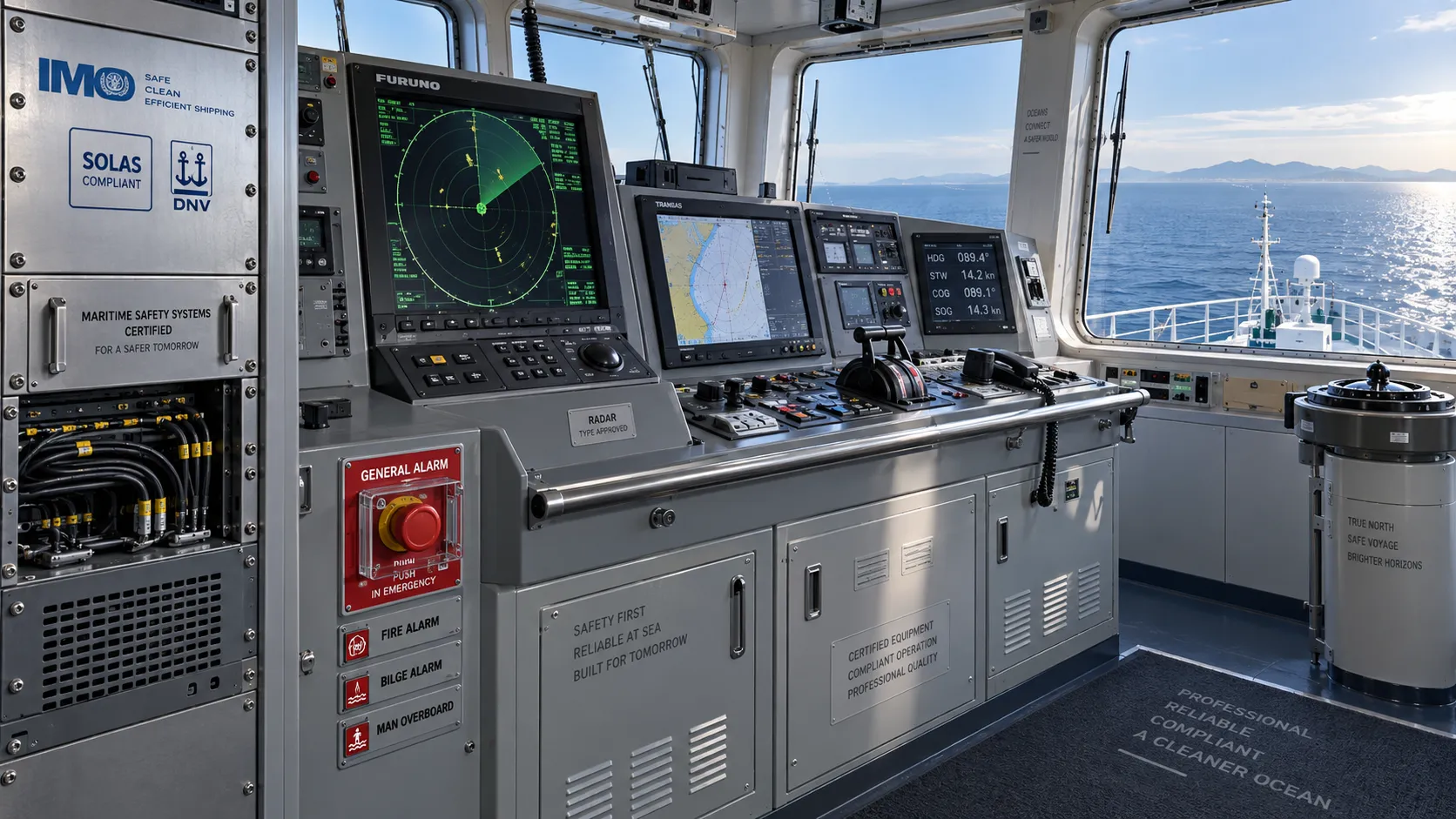
How to Evaluate a Marine Safety Systems Manufacturer for Vessel Compliance and Reliability
Marine safety systems manufacturer evaluation guide: verify compliance, engineering quality, lifecycle costs, and global service support for safer, reliable vessel operations.

Crash Test Regulations for Seatbelts: Key Compliance Requirements Explained
Crash test regulations seatbelts explained: explore FMVSS, UN rules, anchorage strength, and dynamic restraint testing for safer, compliant vehicle systems.

How to Calculate the Total Cost of Automotive Lightweighting for a Vehicle Program
Automotive lightweight solutions cost: learn how to calculate program-level costs, including materials, tooling, joining, validation, risk, and vehicle-level value.

How Automotive Seat Occupancy Sensing Improves Airbag Deployment Decisions
Automotive seat occupancy sensing helps optimize airbag deployment decisions, improving passenger classification, safety diagnostics, and compliance across real-world conditions.

What Drives Lightweight Body Component Costs in High-Volume Vehicle Programs?
Lightweight body components cost depends on material yield, forming, joining, tooling, validation, and logistics. Explore proven ways to optimize total vehicle program cost.
Related News
- 00
0000-00
How to Specify Integrated Marine Electronics for Reliable Bridge Operations - 00
0000-00
How Adjustable Cabin Ergonomics Reduce Operator Fatigue in Long-Shift Vehicles - 00
0000-00
How to Evaluate a Marine Safety Systems Manufacturer for Vessel Compliance and Reliability - 00
0000-00
How to Calculate the Total Cost of Automotive Lightweighting for a Vehicle Program - 00
0000-00
What Drives Lightweight Body Component Costs in High-Volume Vehicle Programs?
Weekly Insights
Stay ahead with our curated technology reports delivered every Monday.