
How skeletal mechanics is reshaping safer mobility design
How does skeletal mechanics matter in safer mobility design?
For technical evaluators shaping next-generation mobility systems, skeletal mechanics is no longer limited to seat structure theory—it is becoming a critical lens for safer cabin and body design.
From lightweight auto seat assemblies to crash energy management and restraint integration, skeletal mechanics connects comfort, compliance, and protection with measurable engineering value.
Across marine navigation cabins, passenger vehicles, and smart seating systems, skeletal mechanics helps define how load paths behave when humans, structures, and safety devices interact.
This matters in a broader industry context. GNCS tracks precision spatial perception, physical containment protection, and the compliance logic behind mobility equipment decisions worldwide.
In practice, skeletal mechanics informs frame geometry, joint stiffness, seatback response, belt anchorage behavior, and energy absorption under dynamic loading.
The result is better design judgment for lightweight structures, occupant packaging, and safety systems that must perform together, not separately.
What is skeletal mechanics in the context of cabins, seats, and body structures?
Skeletal mechanics describes how a structural framework carries forces, controls deformation, and protects function under static and dynamic conditions.
In mobility design, that framework may be a seat frame, a body-in-white section, a belt anchorage zone, or a marine operator console support.
The term also reflects human interaction. The occupant’s body has its own skeletal response, posture limits, and injury thresholds during impact or vibration exposure.
That is why skeletal mechanics is useful. It links machine structure and human structure into one engineering conversation.
When a seat frame is too soft, restraint timing may change. When it is too stiff, energy transfer to the torso or pelvis may increase.
Good skeletal mechanics balances support, controlled movement, and predictable collapse zones. That balance is central to safer mobility design.
Key engineering dimensions
- Load path continuity across seat, floor, and body attachments
- Torsional and bending stiffness during normal use and impact
- Energy absorption efficiency in joints, brackets, and stamped parts
- Compatibility with airbags, pretensioners, and force limiters
- Durability under vibration, humidity, corrosion, and cyclic loading
Which applications are most influenced by skeletal mechanics?
The strongest impact appears where structure and human protection meet directly. Auto seat assemblies are a leading example.
Seats are not only comfort products. They are dynamic safety platforms that guide posture, restraint fit, and impact kinematics.
Body stampings also depend on skeletal mechanics. High-strength steel and aluminum parts must absorb energy without creating unstable deformation patterns.
Airbag assemblies and seatbelt systems are influenced as well. Their performance depends on timing, geometry, and structural stability during collision events.
Marine navigation cabins should not be ignored. Operator seating, console fixation, and vibration isolation all rely on skeletal mechanics for fatigue reduction and safety.
Even intelligence platforms benefit. GNCS uses cross-domain technical stitching to interpret how design choices affect compliance and market readiness.
In some technical references, related product notes may appear as 无, but evaluation should remain performance-based.
High-impact use cases
- Lightweight seat frame redesign for EV range improvement
- Rear-impact seatback behavior and whiplash mitigation
- Floor anchorage strength for pretensioning seatbelt systems
- Hot-stamped body sections for side-impact energy routing
- Marine helm seating stability under continuous vibration
How can skeletal mechanics improve both lightweighting and crash performance?
A common misconception says lighter structures are automatically weaker. Skeletal mechanics shows that geometry and load management often matter more than raw mass.
Well-designed ribs, tailored blanks, reinforced joints, and tuned section shapes can raise efficiency while reducing unnecessary material.
For seats, magnesium alloys, advanced high-strength steel, and hybrid frames may reduce weight while maintaining safety targets.
However, material substitution alone is risky. Skeletal mechanics requires system-level validation, especially where belt loads and occupant motion overlap.
The best results come from integrated tuning. Frame stiffness, foam behavior, recliner strength, and sensor logic should be validated together.
This is why GNCS monitors weight-reduction effects, passive safety evolution, and cabin ergonomics as connected variables rather than isolated topics.
Practical design checks
- Map force transmission from occupant contact points to body attachments.
- Check deformation sequence during frontal, side, and rear events.
- Verify restraint geometry after structural deflection begins.
- Test durability under repeated vibration and thermal cycles.
- Compare simulation results with sled, rig, and full-vehicle tests.
What mistakes appear when skeletal mechanics is treated too narrowly?
One mistake is reducing skeletal mechanics to finite element stiffness alone. Numbers look precise, but real safety depends on interaction and timing.
Another mistake is separating comfort and safety teams too early. Posture, cushion contour, and frame compliance can alter crash positioning.
A third issue is ignoring regional compliance pathways. Different programs may emphasize occupant retention, neck protection, or side-impact intrusion differently.
Skeletal mechanics should therefore be reviewed against global test logic, including IIHS and E-NCAP expectations when relevant.
Teams also underestimate long-term fatigue. Structures that pass a crash event may still fail field expectations if vibration damage accumulates.
Where fragmented data exists, insight portals can help. Some archived references may list 无, yet decision quality still depends on cross-validation.
Risk reminders
- Do not optimize one component while shifting risk elsewhere.
- Do not assume lighter always means safer or cheaper.
- Do not ignore occupant size variation and seating posture diversity.
- Do not rely on one test mode for system approval.
How should skeletal mechanics be evaluated during selection and implementation?
A useful evaluation framework starts with intended load cases. Everyday vibration, emergency maneuvers, and severe crash pulses create different structural priorities.
Next, define the interface map. Seat frame, floor, rail, belt anchorage, airbag deployment space, and occupant contact surfaces must be reviewed together.
Then compare material and manufacturing options. Hot stamping, aluminum forming, magnesium casting, and mixed-material joining create different stiffness signatures.
Implementation timing matters too. Early skeletal mechanics analysis reduces redesign loops, tooling waste, and certification delays.
The strongest programs combine simulation, prototype testing, regulatory review, and field feedback in one controlled update cycle.
What does the rise of skeletal mechanics mean for future mobility systems?
It means safer mobility design will depend less on isolated component excellence and more on coordinated structural intelligence.
Skeletal mechanics is becoming a shared language across seat engineering, body development, passive safety, and cabin ergonomics.
That shift is especially relevant for electrified platforms, autonomous interiors, and marine systems requiring precision stability under changing conditions.
GNCS reflects this direction by linking navigation technology, crash energy management, smart seating, and compliance intelligence into one technical view.
If skeletal mechanics is reviewed early, teams gain clearer trade-off visibility across weight, safety, comfort, durability, and regulation.
The next practical step is simple: build every cabin and structural decision around verified load paths, human containment logic, and cross-system validation.
That is how skeletal mechanics reshapes safer mobility design—from theory into dependable engineering results.
Related News
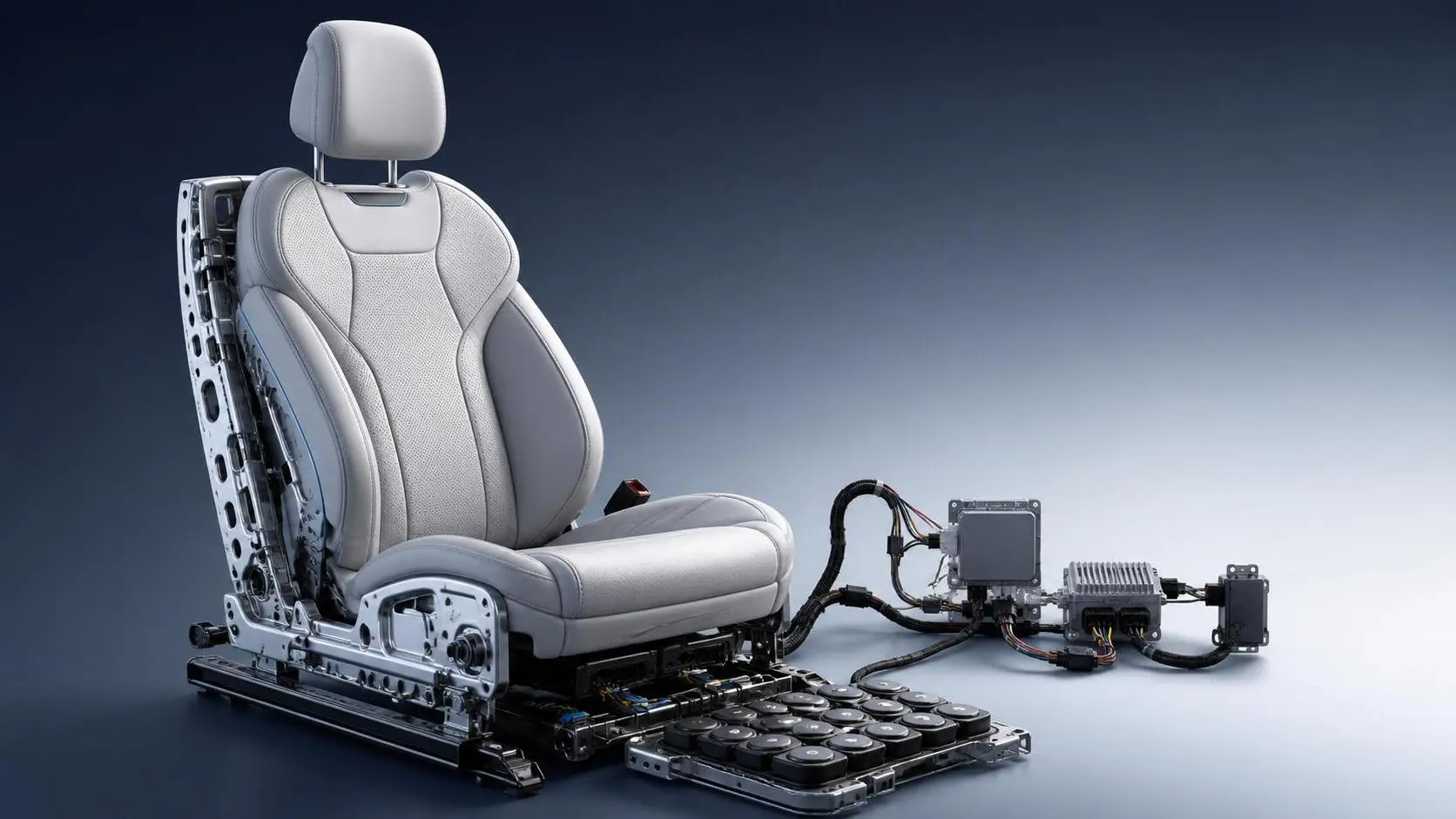
How to Evaluate Custom Smart Automotive Seating for Premium Vehicle Programs?
Custom smart automotive seating evaluation starts with safety, comfort, integration, and production readiness. Discover how premium vehicle teams choose smarter, lower-risk seat solutions.

B2B Product Intelligence Platforms: How to Compare Features, Data Coverage, and ROI
B2B product intelligence platform comparison: learn how to evaluate data coverage, feature depth, compliance visibility, and ROI to choose a sourcing tool that reduces risk and speeds decisions.
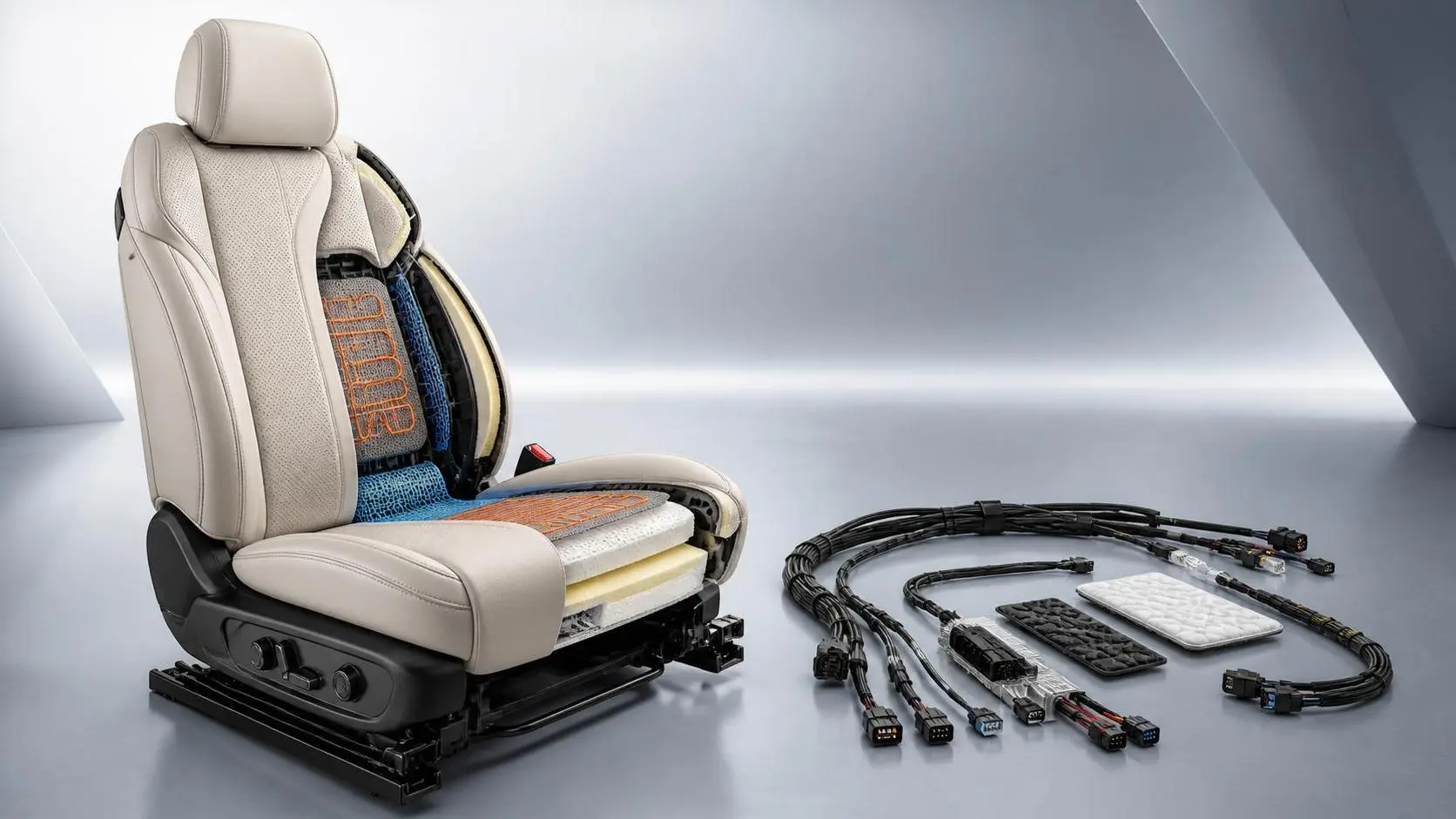
Climate Control Seats Cost: What Drives Price and Long-Term Ownership Value?
Climate control seats cost depends on materials, thermal tech, and integration. Learn what drives price and how to judge long-term value before you buy.
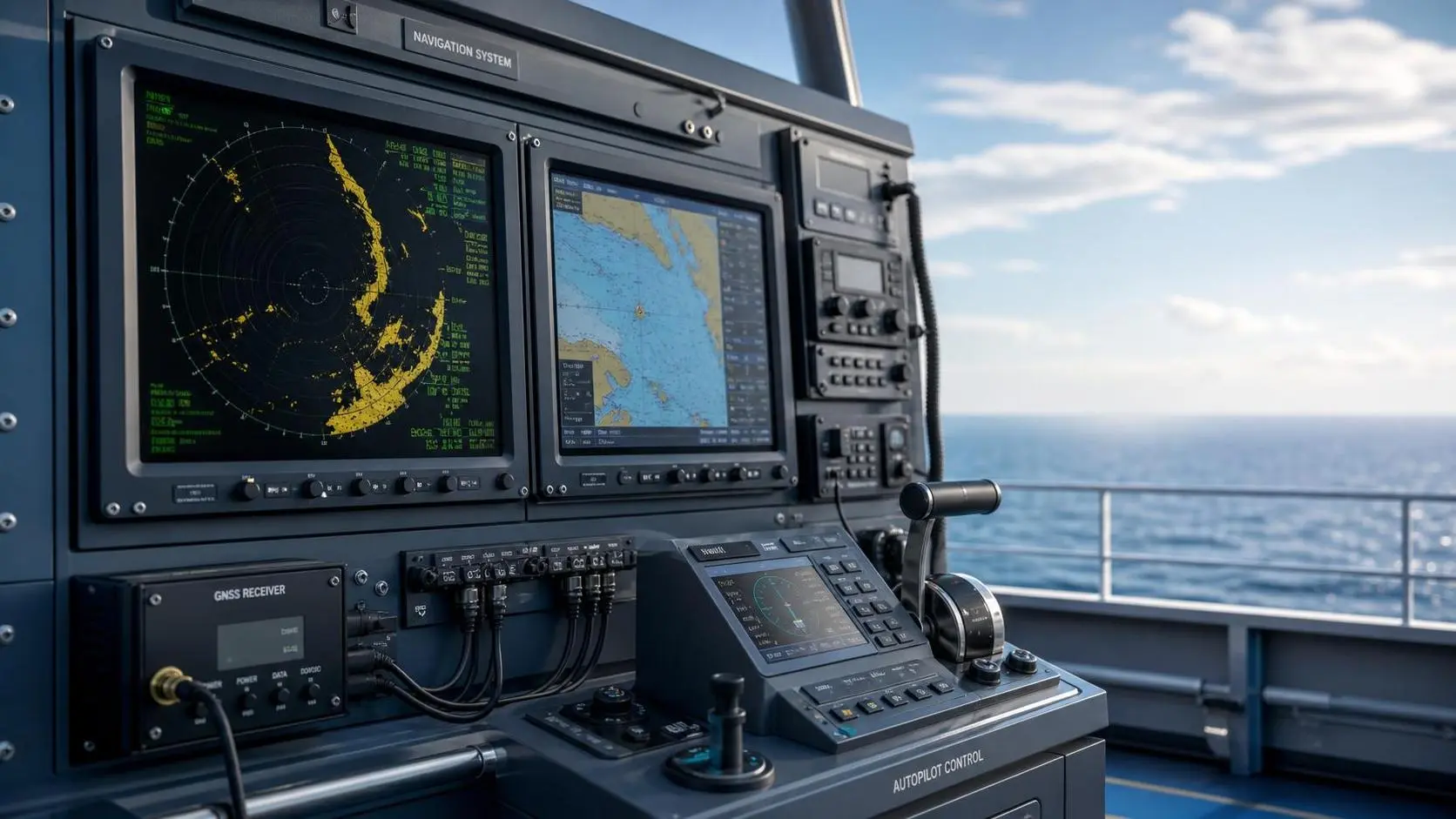
What Factors Drive Marine Navigation Components Cost in Commercial Vessel Projects?
Marine navigation components cost is shaped by integration, compliance, installation, and lifecycle support. Discover what drives pricing and how buyers can reduce risk while improving value.

How Much Does Seat Occupancy Sensing Cost? Key Pricing Factors for Buyers
Seat occupancy sensing price varies widely by technology, integration, and compliance needs. Learn the key cost drivers, avoid hidden fees, and make smarter buying decisions.

How to Specify Micro-Climate Control Cabins for Harsh Outdoor Worksites?
Micro-climate control cabins for harsh outdoor worksites: learn how to specify thermal control, filtration, pressurization, and durability for safer uptime and smarter buying.

How to Evaluate a B2B Product Knowledge Platform for Faster Procurement Decisions
B2B product knowledge platform procurement starts with reducing decision risk. Learn how to compare specs, compliance, and supplier data to speed sourcing with confidence.
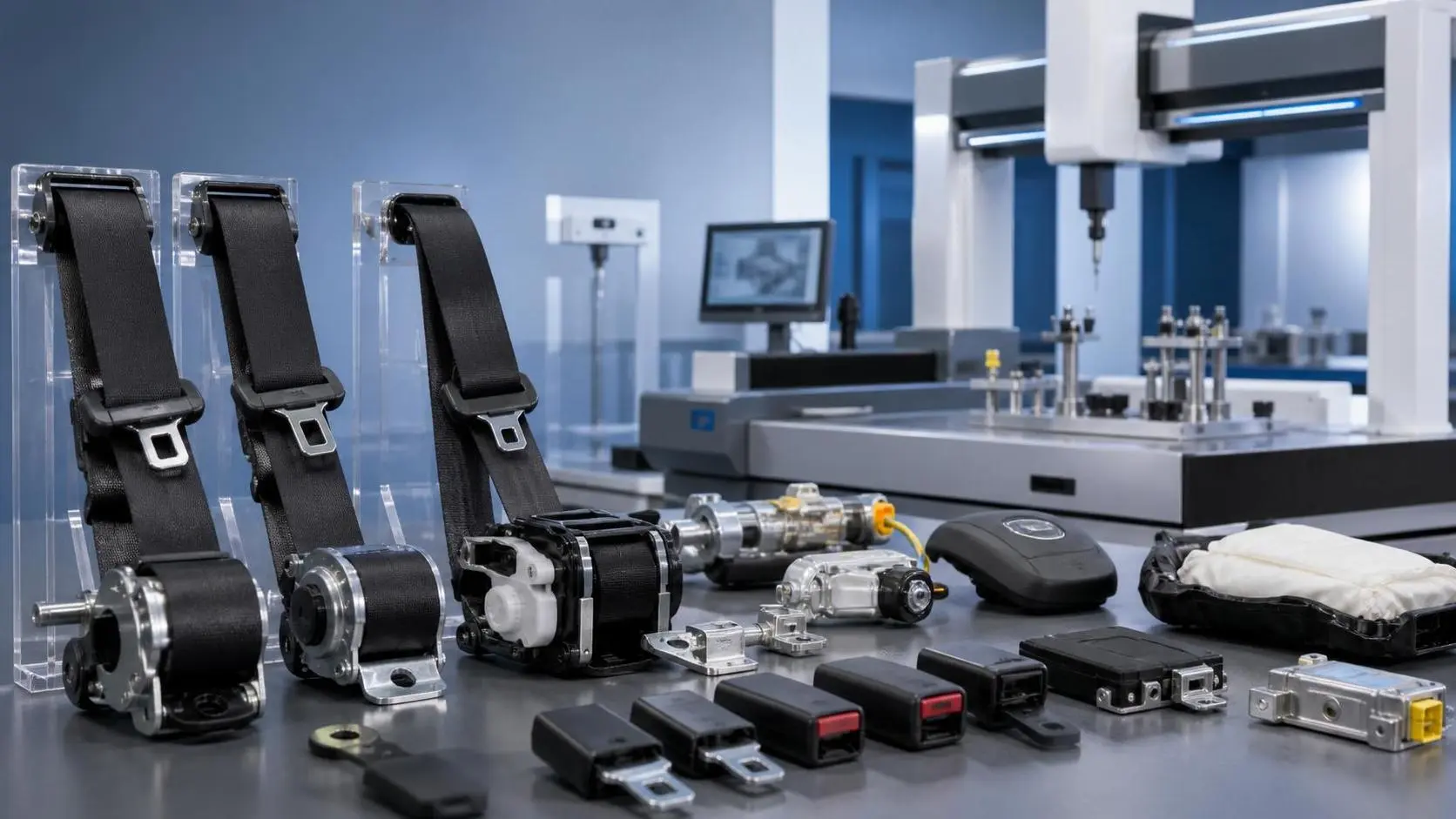
How to Evaluate an Occupant Restraint Systems Exporter for Quality, Compliance, and Supply Risk
Occupant restraint systems exporter evaluation guide: learn how to verify quality controls, compliance evidence, and supply risk before sourcing to avoid recalls, delays, and hidden costs.
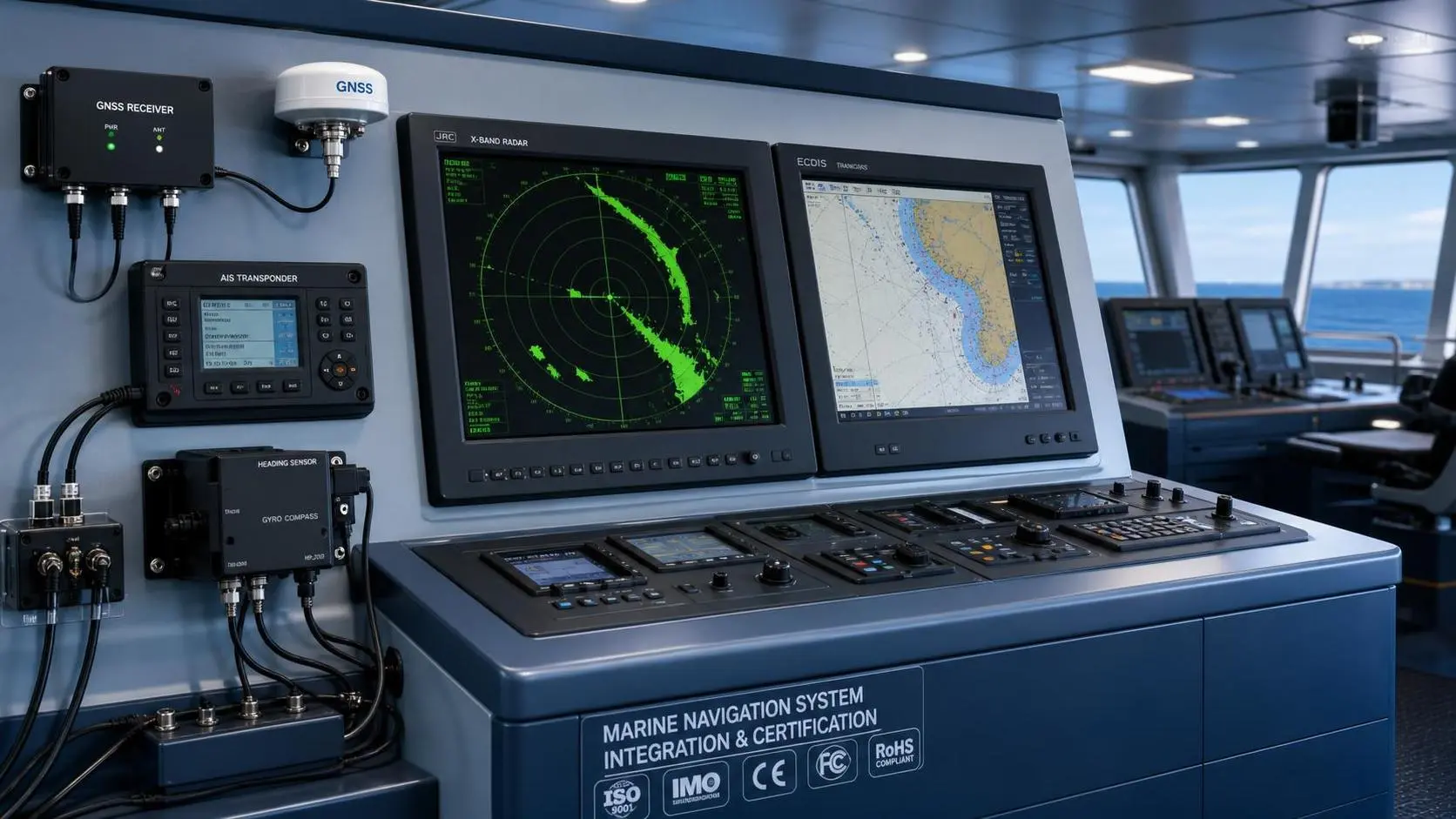
Navigation Compliance Certification: Which Marine Systems Need It and How to Prepare?
Navigation compliance certification explained: discover which marine systems need approval, what documents matter, and how to prepare early to avoid delays, rework, and costly project risks.
Related News
- 00
0000-00
B2B Product Intelligence Platforms: How to Compare Features, Data Coverage, and ROI - 00
0000-00
What Factors Drive Marine Navigation Components Cost in Commercial Vessel Projects? - 00
0000-00
How Much Does Seat Occupancy Sensing Cost? Key Pricing Factors for Buyers - 00
0000-00
How to Specify Micro-Climate Control Cabins for Harsh Outdoor Worksites? - 00
0000-00
How to Evaluate a B2B Product Knowledge Platform for Faster Procurement Decisions
Weekly Insights
Stay ahead with our curated technology reports delivered every Monday.