
Solution Comparison Resources for Systems: Which Criteria Matter Most in Vendor Evaluation?
Choosing among solution comparison resources systems now demands more than a clean product matrix or a polished demo. In mobility and safety-critical environments, every comparison touches regulation, durability, integration, and long-term accountability. That is especially true where marine navigation, passive safety, lightweight structures, and smart seating intersect, because a weak evaluation standard can hide operational risk long before deployment.
Why this topic carries more weight now
The market has changed in two important ways. Systems have become more connected, and compliance has become more dynamic. That combination makes vendor evaluation harder and more consequential.
A navigation platform is no longer just hardware accuracy. An airbag assembly is no longer just deployment timing. A seat structure is no longer just comfort and mass reduction.
Each solution now sits inside a wider chain of software updates, testing evidence, manufacturing discipline, traceability, and regional certification. Good solution comparison resources systems help reveal that chain.
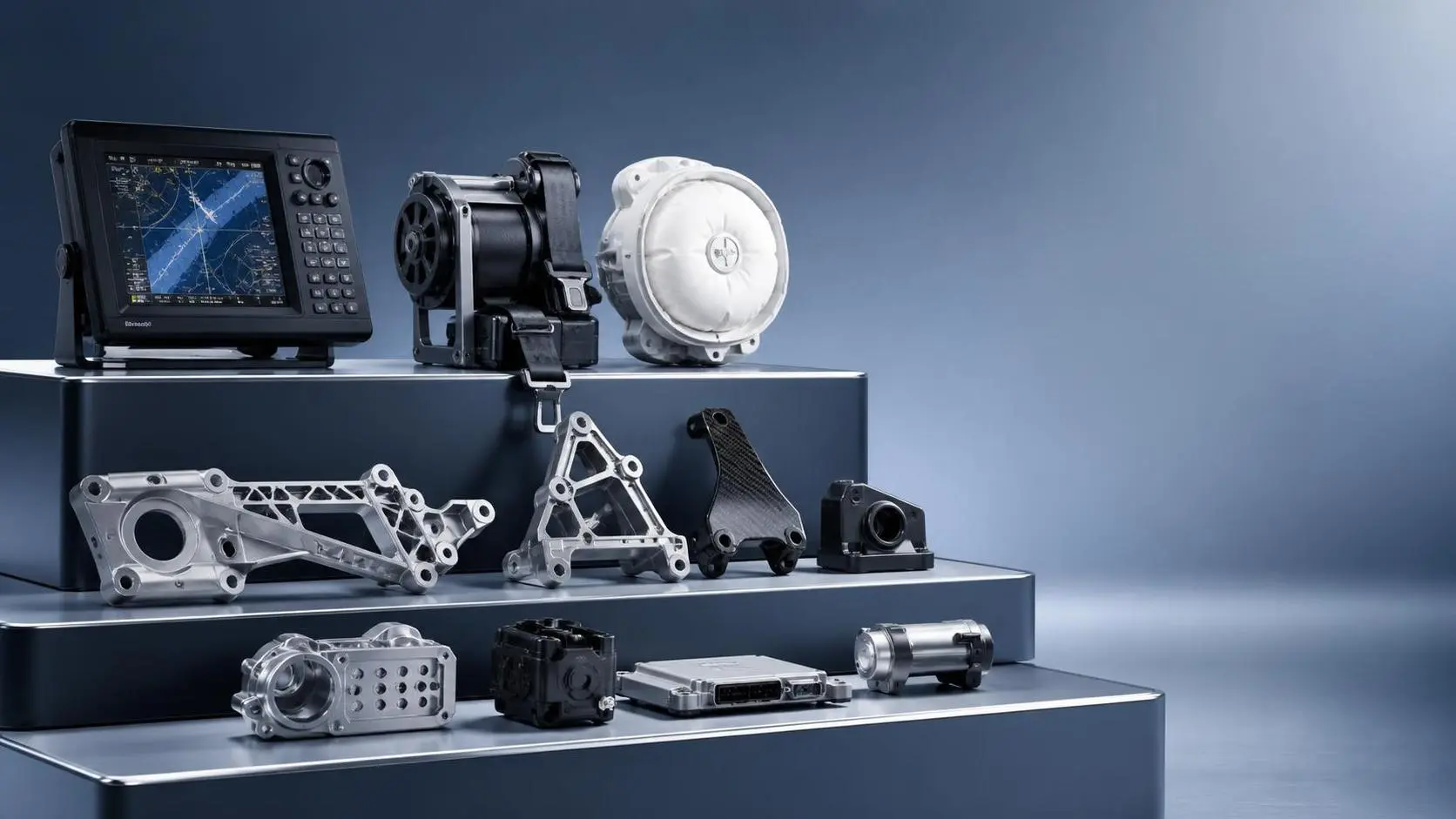
This is where GNCS brings context. Its coverage of marine navigation systems, body stampings, airbags, seatbelts, and seat assemblies reflects how technical decisions increasingly overlap across safety, perception, and cabin performance.
What solution comparison resources systems should actually do
At a practical level, solution comparison resources systems are structured tools, datasets, and evaluation frameworks used to compare vendors beyond headline specifications.
That means they should organize evidence, not just claims. They should support technical judgment, not replace it.
In stronger evaluation programs, these resources combine product data, certification status, validation results, update policies, support models, and lifecycle assumptions into one decision view.
The real value appears when different systems must be compared on unequal terms. One supplier may lead on performance. Another may be stronger on compliance maturity or field maintainability.
A useful comparison framework usually includes
- Technical fit against required operating conditions
- Verification evidence and test repeatability
- Regulatory coverage across target regions
- Integration effort with existing platforms
- Update, maintenance, and obsolescence planning
- Commercial resilience across the full lifecycle
The criteria that matter most in vendor evaluation
Not every project uses the same weighting, but some criteria consistently separate dependable suppliers from attractive shortlists built on incomplete information.
Compliance depth
Compliance should be treated as an operating capability, not a checkbox. A vendor may cite standards, yet struggle to document revision tracking, test interpretation, or regional adaptation.
For GNCS-covered sectors, this includes maritime rules, crash protocols, material requirements, and evolving standards such as IIHS, E-NCAP, or ECDIS-related obligations.
Engineering reliability
Reliability is not just about failure rate. It includes signal stability, environmental tolerance, repeatable production quality, and predictable behavior under edge conditions.
For marine electronics, that may mean electromagnetic robustness and all-weather accuracy. For passive safety, it may mean stable performance within milliseconds during severe impact conditions.
Integration readiness
A technically strong product can still become a weak program choice if interfaces are immature. Integration readiness should include software compatibility, data protocols, mechanical packaging, and validation support.
This is often where solution comparison resources systems expose hidden cost. The cheaper option may require far more customization, rework, and engineering hours after award.
Lifecycle cost and update capability
Initial price rarely captures the true value of a system. Update methods, spare strategy, service intervals, cloud support, and version control often drive the long-term economics.
GNCS has highlighted this clearly in areas such as cloud-based ECDIS updates and the evolution of non-toxic inflator propellants, where technical change directly affects sourcing choices.
How priorities shift across different system categories
The same comparison model should not be applied blindly across all technologies. A balanced framework adjusts by use case, failure consequence, and validation burden.
This is why solution comparison resources systems work best when they are customized by system family, not forced into one generic scoring sheet.
Where many evaluations go wrong
A common mistake is treating documentation quality as proof of technical maturity. Well-prepared materials can improve transparency, but they do not replace evidence from validation, audits, and field performance.
Another issue is evaluating products without their operating ecosystem. A radar, restraint module, or smart seat may perform well alone, yet create risk when paired with existing software, tooling, or assembly constraints.
Short-term commercial pressure can also distort decisions. A lower quote may look efficient until revision management, qualification delays, or warranty exposure are added back into the model.
Signals that deserve extra scrutiny
- Test data that cannot be traced to methods or conditions
- Compliance claims without region-specific detail
- Software update paths that remain vague after technical review
- Prototype performance without manufacturing capability evidence
- Support promises that are not backed by response metrics or escalation rules
Using industry intelligence to improve comparison quality
Better evaluation depends on better context. Technical teams rarely fail because they lack data entirely. More often, they lack the right external signals to interpret what vendor data really means.
That is where industry intelligence platforms become useful. GNCS, for example, connects product-level comparison with broader shifts in regulation, material science, software maintenance, and commercial demand.
This context matters. A supplier position can strengthen or weaken quickly when standards move, new materials scale, or digital update requirements become mandatory across fleets or vehicle programs.
In that setting, solution comparison resources systems should not be static. They should absorb new evidence, regulatory revisions, and performance signals over time.
A practical way to move from comparison to decision
A sound process starts by defining what failure would look like in the intended application. That changes the weighting of every comparison criterion.
From there, build a decision structure that separates mandatory thresholds from competitive advantages. Compliance gaps and integration blockers should not be diluted by strong pricing or appealing optional features.
It also helps to review solution comparison resources systems at two levels. One level compares technical fit now. The second examines whether the supplier can remain credible through updates, audits, and scaling.
The most durable vendor decisions usually come from this wider view. They account for current performance, future change, and the real cost of maintaining safety and reliability over time.
A useful next step is to refine the evaluation matrix around system-specific risk, then test each vendor claim against independent evidence, regulatory trajectory, and lifecycle assumptions. That is where comparison becomes decision-grade judgment.
Related News

What Factors Drive Marine Navigation Components Cost in Commercial Vessel Projects?
Marine navigation components cost is shaped by integration, compliance, installation, and lifecycle support. Discover what drives pricing and how buyers can reduce risk while improving value.

How Much Does Seat Occupancy Sensing Cost? Key Pricing Factors for Buyers
Seat occupancy sensing price varies widely by technology, integration, and compliance needs. Learn the key cost drivers, avoid hidden fees, and make smarter buying decisions.

How to Specify Micro-Climate Control Cabins for Harsh Outdoor Worksites?
Micro-climate control cabins for harsh outdoor worksites: learn how to specify thermal control, filtration, pressurization, and durability for safer uptime and smarter buying.
How to Evaluate a B2B Product Knowledge Platform for Faster Procurement Decisions
B2B product knowledge platform procurement starts with reducing decision risk. Learn how to compare specs, compliance, and supplier data to speed sourcing with confidence.

How to Evaluate an Occupant Restraint Systems Exporter for Quality, Compliance, and Supply Risk
Occupant restraint systems exporter evaluation guide: learn how to verify quality controls, compliance evidence, and supply risk before sourcing to avoid recalls, delays, and hidden costs.
Navigation Compliance Certification: Which Marine Systems Need It and How to Prepare?
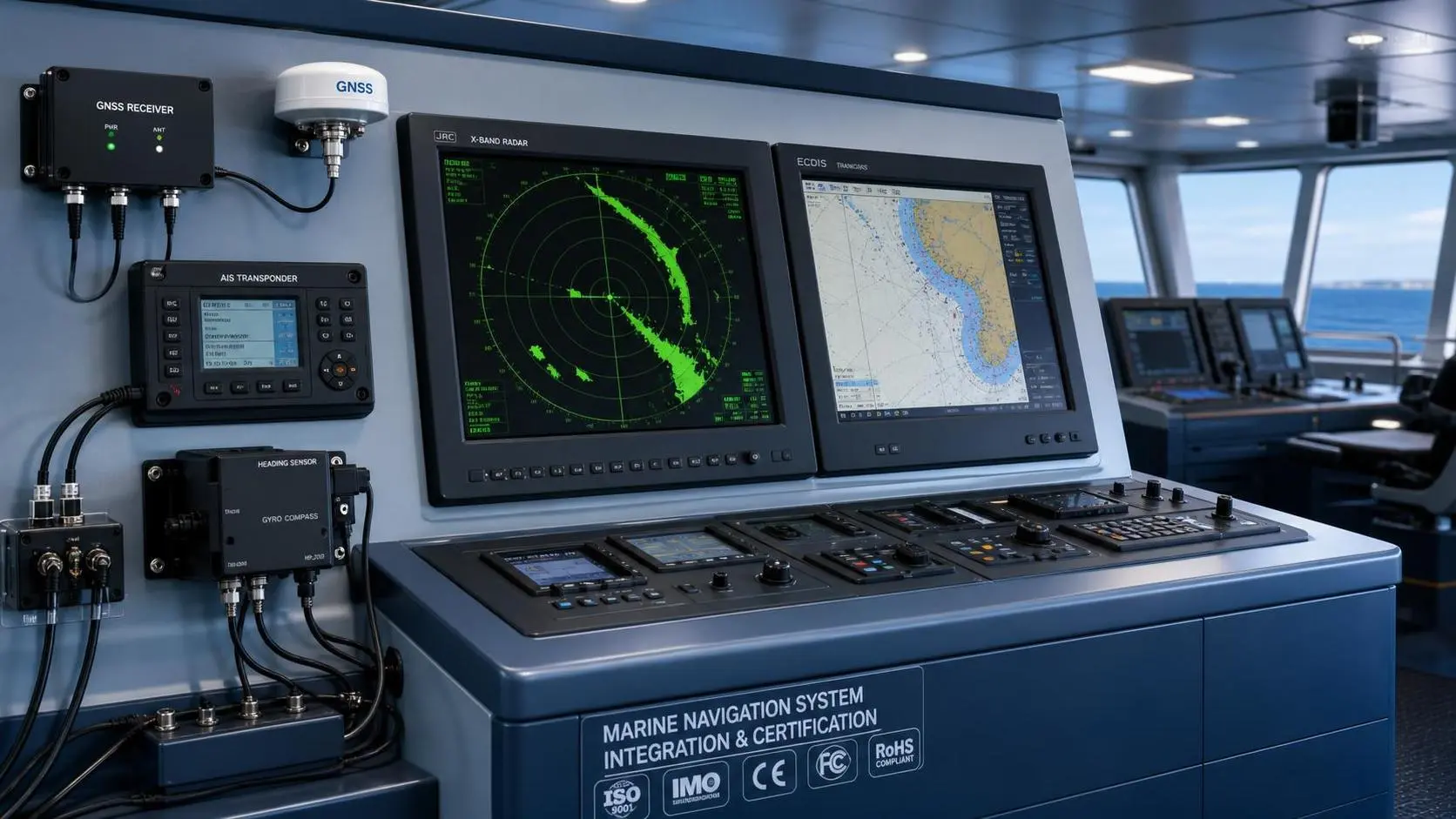
Navigation compliance certification explained: discover which marine systems need approval, what documents matter, and how to prepare early to avoid delays, rework, and costly project risks.

How to Evaluate Steel Auto Body Stampings for Strength, Fit, and Cost
Steel auto body stampings should be judged by strength, fit, and total cost together. Learn how to compare materials, forming limits, springback, joining, and tooling before choosing.
How to Evaluate Lightweight Automotive Components for EV Range and Crash Performance
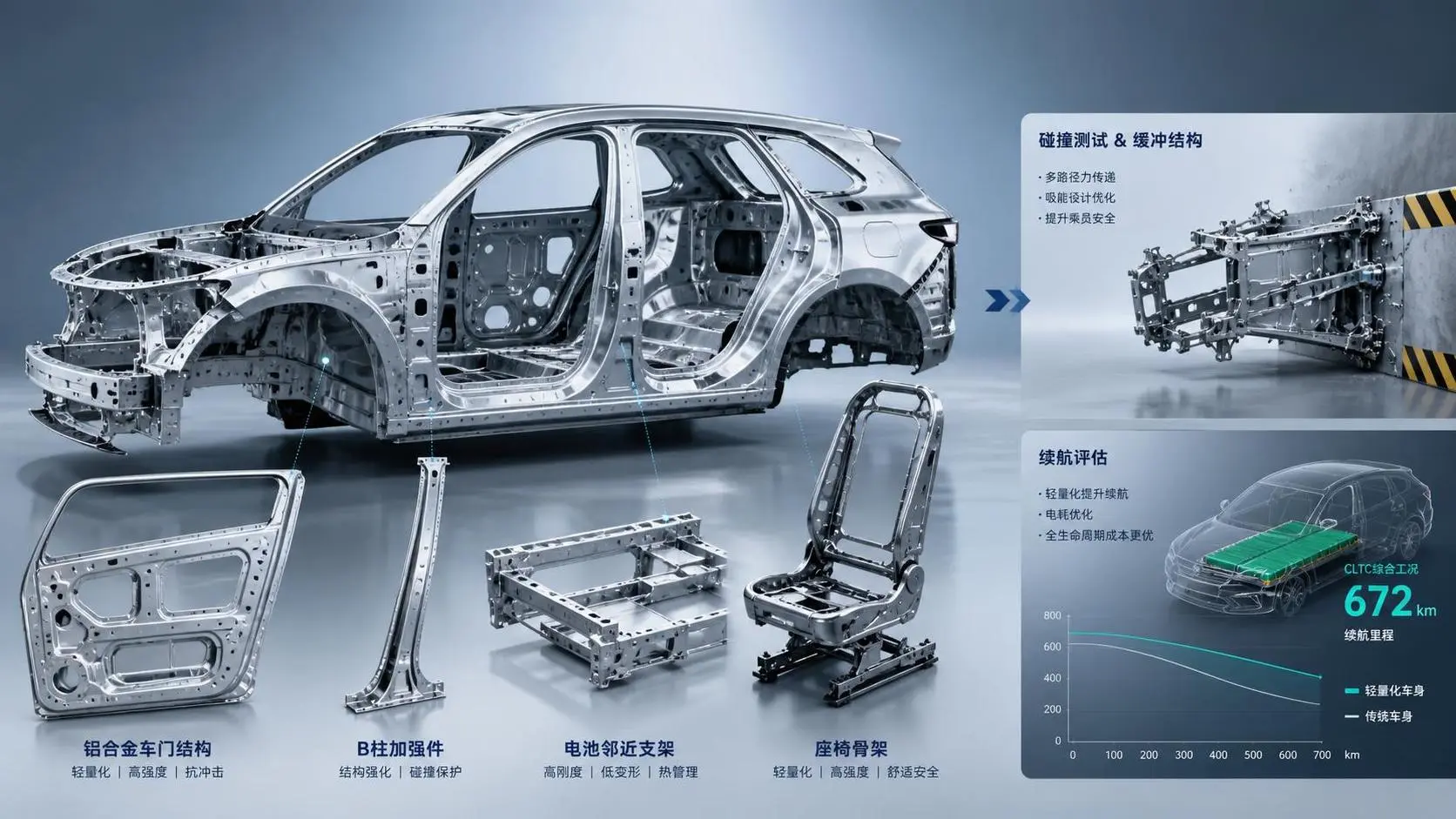
Lightweight automotive components for EVs: learn how to evaluate real range gains, crash performance, joining risk, and manufacturability to choose safer, smarter EV parts.

How to Evaluate Airbag Components for OEM Safety Performance and Compliance?
Airbag components evaluation guide for OEM teams: compare deployment performance, inflator consistency, compliance evidence, and supplier traceability to reduce safety risk and choose with confidence.
Related News
- 00
0000-00
What Factors Drive Marine Navigation Components Cost in Commercial Vessel Projects? - 00
0000-00
How Much Does Seat Occupancy Sensing Cost? Key Pricing Factors for Buyers - 00
0000-00
How to Specify Micro-Climate Control Cabins for Harsh Outdoor Worksites? - 00
0000-00
How to Evaluate a B2B Product Knowledge Platform for Faster Procurement Decisions - 00
0000-00
How to Evaluate an Occupant Restraint Systems Exporter for Quality, Compliance, and Supply Risk
Weekly Insights
Stay ahead with our curated technology reports delivered every Monday.