
What Are Magnesium Alloys Used For in Automotive Parts and How Do They Compare to Aluminum?
Why are magnesium alloys getting so much attention in automotive parts?
Magnesium alloys matter because lightweighting is no longer a niche engineering goal. It now affects efficiency, range, emissions, packaging, and even cabin safety integration.
In simple terms, magnesium alloys are among the lightest structural metals used in vehicles. They are far lighter than steel and still lighter than aluminum.
That weight advantage is the reason engineers keep revisiting them. When every kilogram counts, a lighter part can improve energy use and create room for design changes.
The interest is especially strong in areas linked to body structures, seating systems, and interior modules. Those are all relevant to GNCS-style mobility intelligence.
A lighter seat frame, steering support, or instrument carrier does more than save mass. It can also change vibration behavior, assembly strategy, and crash load paths.
That said, magnesium alloys are not a universal replacement. They solve specific problems well, but they also introduce trade-offs in corrosion control, cost, and processing.
Where are magnesium alloys actually used in vehicles today?
This is one of the most common questions, because the material sounds promising, yet many people rarely see where it appears in a real vehicle.
In practice, magnesium alloys are used more often in non-exterior structural parts and interior support components than in large exposed body panels.
Common automotive applications include:
- Instrument panel beams and dashboard supports
- Seat frames, seat backs, and seat structure brackets
- Steering wheel cores and steering column housings
- Transmission cases and gearbox housings in selected designs
- Center console carriers and cross-car supports
- Electronic housings and battery-related support parts
Seat systems are a particularly relevant example. Magnesium alloys can reduce mass in frames while preserving geometric complexity and occupant comfort functions.
That is why they often appear in discussions about smart seating, ergonomic structures, and integrated cabin systems. The part does not work alone.
It has to interact with recliners, sensors, airbags, pretensioning layouts, and packaging limits. Lightweighting becomes useful only when the whole system still performs.
More common use cases are usually parts that benefit from die casting. Magnesium alloys flow well in complex cast shapes, which helps consolidate multiple components.
Magnesium alloys vs aluminum: which one performs better?
The short answer is that neither material is simply better. The right choice depends on weight targets, part geometry, loading conditions, and production route.
Aluminum remains more broadly used across automotive platforms because it offers a strong balance of strength, corrosion behavior, supply maturity, and repair familiarity.
Magnesium alloys compete where lower density and complex castability bring enough value to offset their limitations. That distinction matters more than headline strength figures.
A practical comparison helps:
If the goal is maximum mass reduction in a compact support part, magnesium alloys often look attractive. If the goal is broad manufacturability, aluminum usually stays ahead.
Are magnesium alloys strong enough for safety-related automotive applications?
This question deserves nuance. Magnesium alloys can be strong enough for selected automotive parts, but they must be engineered around their actual behavior, not assumptions.
Strength alone is not the whole story. Engineers also care about stiffness, fatigue, ductility, impact response, wall thickness, joining method, and thermal stability.
That is why magnesium alloys are often chosen for supports, housings, and seat structures, yet remain less common in heavily loaded crash structures.
In cabin systems, safety performance is always systemic. A seat frame, for example, must cooperate with airbags, seatbelts, sensors, and occupant kinematics.
A lighter frame helps, but only if the assembly still meets durability targets and crash regulations. Real validation matters more than material reputation.
This is where industry observers such as GNCS add context. Material choices connect directly with passive safety architecture and compliance pathways like IIHS or E-NCAP expectations.
So the better question is not, “Is magnesium safe?” It is, “Is this magnesium design validated for this load case, joining route, and safety function?”
What usually limits wider use of magnesium alloys?
If magnesium alloys are so light, why are they not everywhere? The answer is a mix of engineering reality, manufacturing discipline, and commercial caution.
Corrosion is one of the first concerns. Magnesium is more sensitive than aluminum, especially where dissimilar metals, moisture, and poor coatings meet.
Joining is another issue. Fasteners, adhesives, inserts, and contact surfaces all need careful design to avoid galvanic problems and long-term durability loss.
There are also cost questions beyond raw material price. Tooling, process controls, protective treatments, scrap handling, and supplier capability all affect final economics.
Common misunderstandings include:
- Assuming lighter automatically means cheaper
- Comparing magnesium alloys and aluminum by one strength number only
- Ignoring coating and interface design
- Treating a cast magnesium part like a sheet aluminum part
- Overlooking recycling, repair, and supply consistency
In actual programs, magnesium alloys succeed when the part is redesigned around the material. They disappoint when used as a direct one-to-one swap.
How do you decide between magnesium alloys and aluminum for a new part?
A useful decision starts with the part function, not with the material trend. Ask what the part must do before asking what metal sounds more advanced.
The most reliable screening method is to compare several factors together:
For many cabin and support parts, the choice is not ideological. It is a systems decision shaped by geometry, crash logic, coating strategy, and lifecycle cost.
That is also why cross-domain intelligence matters. Lightweight body thinking, passive safety design, and smart seat engineering increasingly overlap in one package.
So, are magnesium alloys the future or just a selective solution?
The most realistic answer is selective growth. Magnesium alloys are not replacing aluminum across the board, but their role in automotive parts is expanding steadily.
They are especially relevant where mass reduction, cast complexity, and cabin integration create clear technical value. Seat structures remain one of the strongest examples.
They are less convincing where corrosion exposure is severe, manufacturing routes favor aluminum, or safety margins require more familiar material behavior.
For anyone evaluating magnesium alloys, the next step is practical: define the part function, compare load cases, map corrosion risk, and review total process cost.
It also helps to follow intelligence sources that connect materials with compliance, safety architecture, and real mobility systems, rather than isolated material claims.
In that sense, magnesium alloys are best understood not as a trend headline, but as a precise engineering option with growing importance in lightweight vehicle development.
Related News
How to Specify Integrated Marine Electronics for Reliable Bridge Operations
Integrated marine electronics: learn how to specify reliable bridge systems with clear data flows, redundancy, alarm control, lifecycle interfaces, and operational testing.

How to Evaluate Navigation Radar Manufacturers for Commercial Vessel Projects
Navigation radar manufacturers: learn how to compare performance, compliance, integration, support, and lifecycle cost for commercial vessel projects.
How Adjustable Cabin Ergonomics Reduce Operator Fatigue in Long-Shift Vehicles
Adjustable cabin ergonomics reduces operator fatigue through better seating, reach, visibility, vibration control, and climate comfort for safer long-shift vehicles.
How Rear-Impact Safety Components Work Together to Protect Vehicle Occupants
Explore how automotive safety components for rear impact work together—from crash structures and seats to head restraints and belts—to enhance occupant protection.

How to Evaluate a Marine Safety Systems Manufacturer for Vessel Compliance and Reliability
Marine safety systems manufacturer evaluation guide: verify compliance, engineering quality, lifecycle costs, and global service support for safer, reliable vessel operations.
Crash Test Regulations for Seatbelts: Key Compliance Requirements Explained
Crash test regulations seatbelts explained: explore FMVSS, UN rules, anchorage strength, and dynamic restraint testing for safer, compliant vehicle systems.
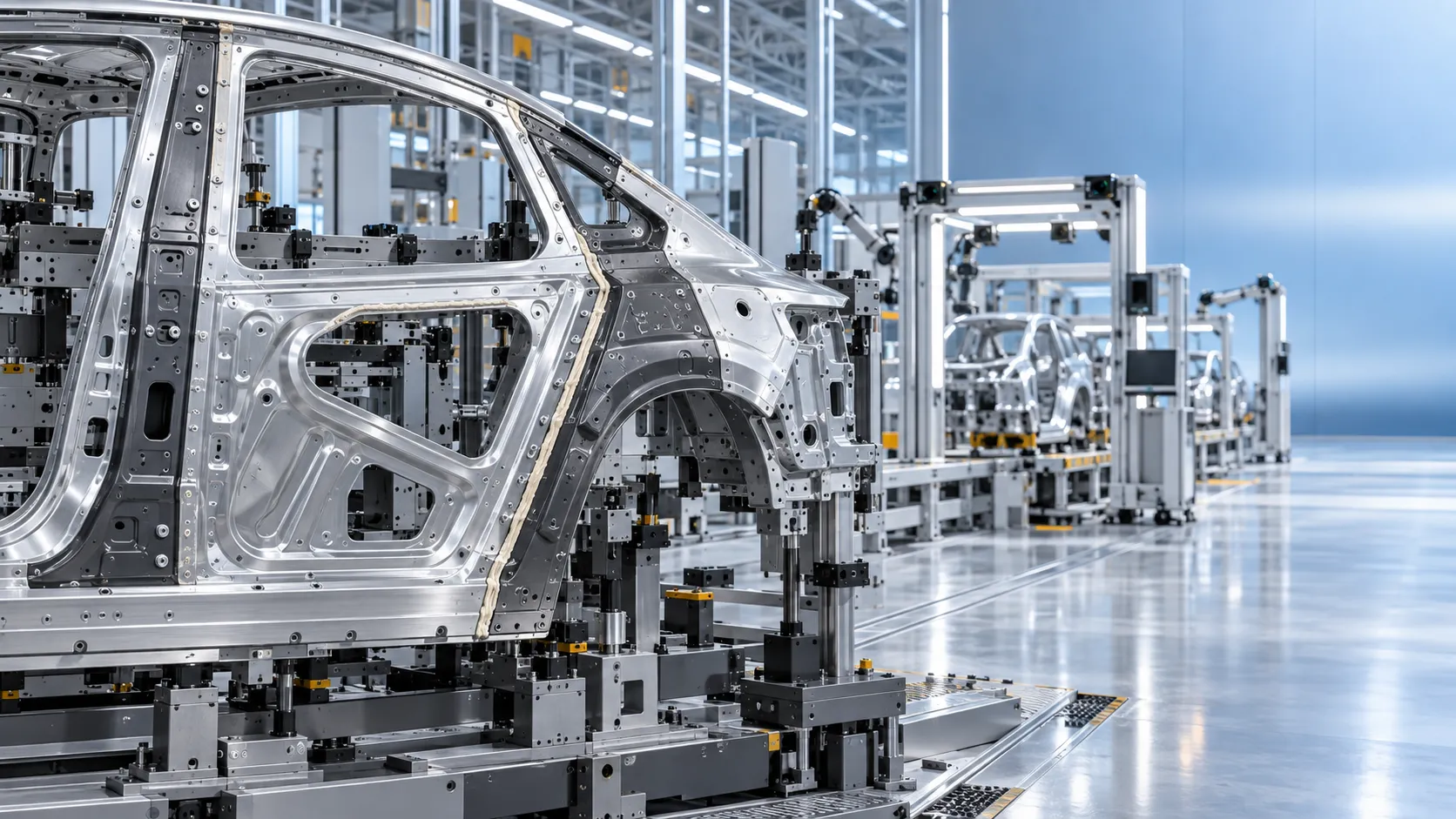
How to Calculate the Total Cost of Automotive Lightweighting for a Vehicle Program
Automotive lightweight solutions cost: learn how to calculate program-level costs, including materials, tooling, joining, validation, risk, and vehicle-level value.

How Automotive Seat Occupancy Sensing Improves Airbag Deployment Decisions
Automotive seat occupancy sensing helps optimize airbag deployment decisions, improving passenger classification, safety diagnostics, and compliance across real-world conditions.
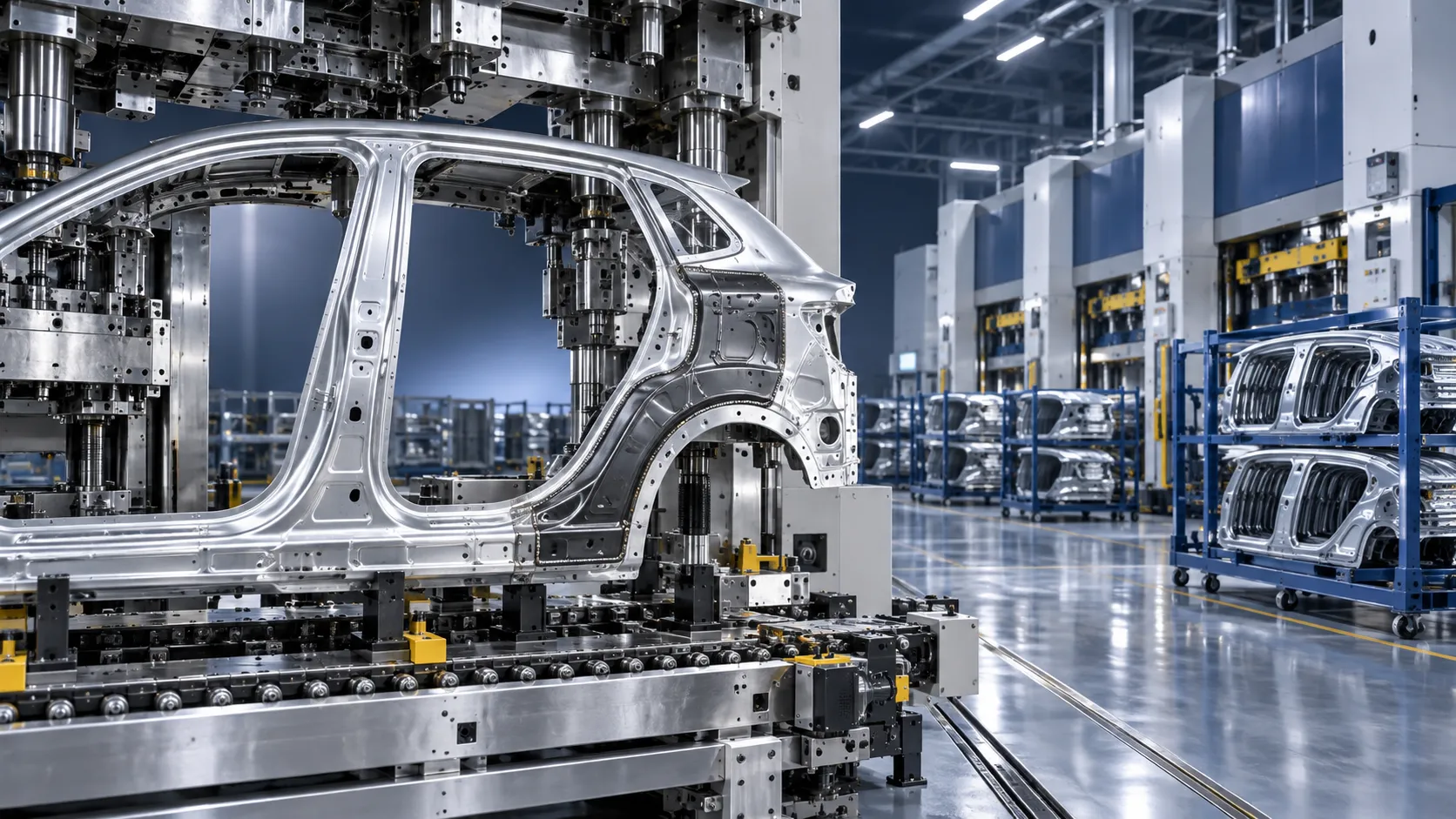
What Drives Lightweight Body Component Costs in High-Volume Vehicle Programs?
Lightweight body components cost depends on material yield, forming, joining, tooling, validation, and logistics. Explore proven ways to optimize total vehicle program cost.
Related News
- 00
0000-00
How to Specify Integrated Marine Electronics for Reliable Bridge Operations - 00
0000-00
How Adjustable Cabin Ergonomics Reduce Operator Fatigue in Long-Shift Vehicles - 00
0000-00
How to Evaluate a Marine Safety Systems Manufacturer for Vessel Compliance and Reliability - 00
0000-00
How to Calculate the Total Cost of Automotive Lightweighting for a Vehicle Program - 00
0000-00
What Drives Lightweight Body Component Costs in High-Volume Vehicle Programs?
Weekly Insights
Stay ahead with our curated technology reports delivered every Monday.