
What European OEMs Should Evaluate When Sourcing Memory Seat Modules
A memory seat module can appear straightforward on a sourcing sheet: store a preferred driving position, then return the seat, mirrors, steering column, and sometimes head-up display to that position. In a European vehicle program, however, a low quoted module cost can quickly become irrelevant if the unit does not match the seat ECU architecture, cannot manage motor load under cold-voltage conditions, or creates late validation work around diagnostics and electromagnetic compatibility.
The practical buying decision is to source a memory seat module as an integrated control function rather than as an isolated electronic box. European OEM teams should evaluate the module against the exact vehicle feature set, electrical architecture, safety concept, validation evidence, manufacturing controls, and lifetime commercial exposure. The best offer is not necessarily the one with the lowest piece price; it is the one that reduces engineering changes, end-of-line disruption, warranty exposure, and service complexity across the program.
Start with the function that the vehicle actually needs
“Memory seat” can describe several very different levels of functionality. A basic system may save two driver positions and operate only seat motors. A higher-content application may coordinate lumbar support, recline, cushion tilt, height, fore-aft travel, exterior mirrors, steering column position, welcome movement, easy-entry logic, and user-profile assignment. Before inviting quotations, the purchasing requirement should separate these functions clearly.
A frequent sourcing problem starts when a supplier prices a standard module based on motor recall only, while engineering expects coordinated cabin settings and a premium user experience. The gap may not become visible until integration. At that point, changes to inputs, network messages, software logic, memory capacity, or harness interfaces can add cost and timing risk.
Define the requested use cases in operational terms:
- How many individual memory profiles must be stored, and how are they selected?
- Which actuators belong to the recall sequence: seat only, mirrors, steering column, head restraint, lumbar, or other adjustable functions?
- Must movement stop immediately when an obstruction, unexpected motor current, switch command, or door-state change is detected?
- Is easy-entry required, and what conditions must be met before the seat moves?
- Will profiles be linked to a key, digital credential, infotainment account, or a local seat switch?
- Does the module need to support left-hand-drive and right-hand-drive variants without different hardware?
These questions affect more than software. They determine the number of motor outputs, sensor inputs, network interfaces, memory strategy, processor capacity, connector pin count, and power-stage design. A supplier should quote against a controlled function list and interface document, not against a generic phrase such as “driver seat memory.”
Check whether the module fits the electrical and network architecture
European OEM platforms may use different body-domain architectures. One program may expect a seat module to communicate directly over CAN or LIN. Another may place the seat controller behind a zonal controller, body controller, or gateway. The physical module might look similar in both applications, but its firmware, wake-up behavior, diagnostic routing, and bus-load assumptions can differ substantially.
Ask suppliers to describe the proposed architecture rather than simply state that CAN or LIN is supported. Relevant points include bus speed, message ownership, network-management behavior, sleep current, wake-up sources, diagnostic protocol support, boot timing, and reaction to lost communication. A module that handles motor movement correctly in a bench test can still be unsuitable if it wakes too often, does not enter the intended sleep state, or creates fault messages that the central diagnostic concept cannot interpret.
Power management deserves early attention
Seat adjustment motors are inductive loads with meaningful current demand, especially when the seat is near an end stop, under occupant load, or operating at low temperature. The module must tolerate realistic voltage behavior during starting, charging, jump-start scenarios, transient events, and low-battery conditions defined by the vehicle electrical specification. Buyers should request the supplier’s assumptions for nominal voltage range, cranking performance, reverse-polarity protection, load-dump resilience where applicable, and recovery behavior after a supply interruption.
It is also important to establish whether the module measures motor current directly, relies on external sensing, uses Hall feedback, counts pulses, or combines methods. Position accuracy, anti-pinch response, end-stop recognition, and calibration stability depend on that choice. When multiple seat axes move in a saved-position recall, the power budget and sequencing logic must prevent unwanted voltage drop or excessive thermal stress in the output stages.
Evaluate position recall as a control problem, not a convenience feature
Drivers judge memory seating by whether the vehicle returns to the expected position smoothly and repeatably. Procurement teams should therefore look beyond the headline number of stored profiles. The core questions are how the module learns position, retains reference after battery events, identifies mechanical limits, and avoids drift over the vehicle life.
There are several valid approaches. Some systems use positional sensors on motors or transmission elements; others calculate movement from pulses and establish reference positions during initialization. Each approach has trade-offs in cost, accuracy, assembly complexity, and recovery after power loss. A lower-cost method can be appropriate if the vehicle’s required recall precision and service process support it. It becomes less attractive when the user experience demands close alignment across several axes or when recalibration is difficult after a battery replacement.
Ask for a clear description of:
- initialization at vehicle assembly and after module replacement;
- recovery after battery disconnection, undervoltage, or interrupted movement;
- handling of a stalled motor, blocked rail, disconnected sensor, or implausible position signal;
- memory retention and protection against corrupted stored positions;
- the movement order for multi-axis recall and the logic for stopping or resuming it;
- service-tool access to learned positions, faults, software identification, and calibration status.
Recall speed should not be treated as an isolated comfort metric. Faster travel can shorten user wait time but may increase acoustic noise, current peaks, pinch risk, and the visible severity of a positioning error. The right acceptance criterion is a controlled sequence that behaves consistently across expected supply voltage, temperature, seat load, and actuator tolerance conditions.
Functional safety and misuse scenarios must be part of the RFQ
Any powered seat movement can create a hazard if the control logic acts at the wrong time or fails to stop. The level of safety engineering required depends on the vehicle-level hazard analysis and the functions allocated to the seat system. Purchasing should not assume that a module advertised as “safe” fits the program’s safety case.
Instead, require alignment with the OEM’s functional-safety process and ask what work products the supplier can provide for the allocated scope. Depending on the program, this may include safety requirements, hardware and software analyses, fault detection coverage, traceability, verification evidence, and support for integration activities. ISO 26262 is often relevant to automotive electronic development, but the applicable scope and target integrity level must come from the vehicle program rather than from a generic supplier statement.
Misuse and abnormal-operation scenarios need equal attention. A memory recall may be initiated while a rear passenger is entering, while the door is open, while the vehicle is in motion, or while a child seat or object limits seat travel. The module’s own logic may not own every condition; some permissions may come from another vehicle controller. The interface specification must state which ECU supplies each signal, what happens when that message is missing, and which response is required during communication failure.
Do not accept generic durability claims
Seat electronics operate in a mechanically active environment. They are exposed to vibration, harness movement, connector stress, temperature cycling, moisture risk, dust, and electromagnetic disturbance from other vehicle systems. A module mounted beneath a seat may face a different contamination and mechanical environment from one integrated into a seat frame or side trim.
When reviewing suppliers, link validation evidence to the intended installation location. Request the proposed environmental and electrical validation plan, including the applicable OEM specifications. The evidence should cover not only the electronic board but also the housing, connector retention, mounting arrangement, and harness interface. A robust PCB design cannot compensate for a connector position that is vulnerable to repeated cable flexing or accidental contact during service.
Compliance should be mapped to responsibility, not handled as a late document request
For European sourcing, compliance obligations are often shared across the OEM, module supplier, seat integrator, and sub-tier component chain. The purchasing package should identify which party owns declarations, material data, technical files, software evidence, test reports, and change notifications. Leaving this unclear may delay launch when a material, semiconductor, connector plating, or software dependency changes.
Material restrictions and end-of-life obligations may require information relevant to frameworks such as REACH, RoHS, and the End-of-Life Vehicles requirements, according to the part’s role and the OEM’s compliance process. Electromagnetic compatibility and vehicle approval requirements also need to be considered at the appropriate vehicle or component level. Buyers should ask for current declarations and a disciplined process for updating them, rather than relying on broad claims that a product is “EU compliant.”
Where the memory function communicates with user-profile systems or accepts software updates through a vehicle network, cybersecurity and software-update governance may also affect the module’s requirements. The necessary controls depend on the vehicle architecture. The key procurement question is whether the supplier can support secure software identification, controlled release management, vulnerability handling, and traceable updates within the OEM’s established processes.
Compare quotations on total program cost
Unit price comparisons can conceal major differences in scope. One quotation may include application software, diagnostics, validation support, fixtures, and end-of-line configuration. Another may assume the OEM provides network databases, calibration tools, test equipment, and software integration. These are not minor commercial details; they change who carries cost and schedule risk.
Build the commercial comparison around a common scope. Include non-recurring engineering, prototype phases, validation samples, tooling, software releases, localization, service parts, packaging, warranty responsibilities, and end-of-production support. Clarify whether the quoted hardware supports the full feature roadmap or only the launch configuration. Adding a future mirror-memory function or digital-profile feature may require a different processor, additional inputs, or an entirely new software baseline.
Supply resilience matters as much as the initial quotation. The module may depend on microcontrollers, power semiconductors, connectors, memory devices, and specialized seat-motor interfaces. Ask for critical component visibility, approved alternates, obsolescence monitoring, and the procedure for a sub-tier change. A supplier’s ability to notify early and revalidate controlled changes can be more valuable than a nominally lower price with limited component transparency.
Questions that expose hidden scope differences
- Is application software included, and who owns requirements changes after design freeze?
- Which diagnostics, calibration routines, and manufacturing configuration steps are delivered?
- What is included for vehicle integration, EMC support, fault investigation, and launch containment?
- Can the same module hardware support all planned trim levels and regional variants?
- What happens when a controlled semiconductor or connector change is necessary?
- How long can the supplier support service demand, repairs, and software traceability after production ends?
Use supplier assessment to test execution discipline
A technically credible design still requires stable execution. During supplier assessment, examine how requirements flow from the OEM to the module design, how software versions are controlled, how manufacturing units are serialized, and how end-of-line testing verifies outputs and stored configuration. For memory seat modules Europe programs, traceability is particularly useful when field issues involve intermittent movement, actuator mismatch, or software-version uncertainty.
Review the relationship between the module supplier and the seat assembler. Responsibility gaps often emerge around harness routing, connector mating, motor calibration, and vehicle-level fault diagnosis. A clear responsibility matrix should identify who owns each interface and who performs each verification step. It should also state how deviations are managed when a seat variant uses a different actuator, trim geometry, or mounting condition.
The final source decision should follow a gated comparison: confirm functional fit first, then architecture and safety compatibility, then validation maturity, supply-chain control, and commercial scope. This order prevents a familiar failure mode in which a low-cost module is selected before its limitations are understood. A properly specified module may cost more at piece level, yet avoid the far larger cost of late software changes, repeated validation, service confusion, or an inconsistent cabin experience.
Related News
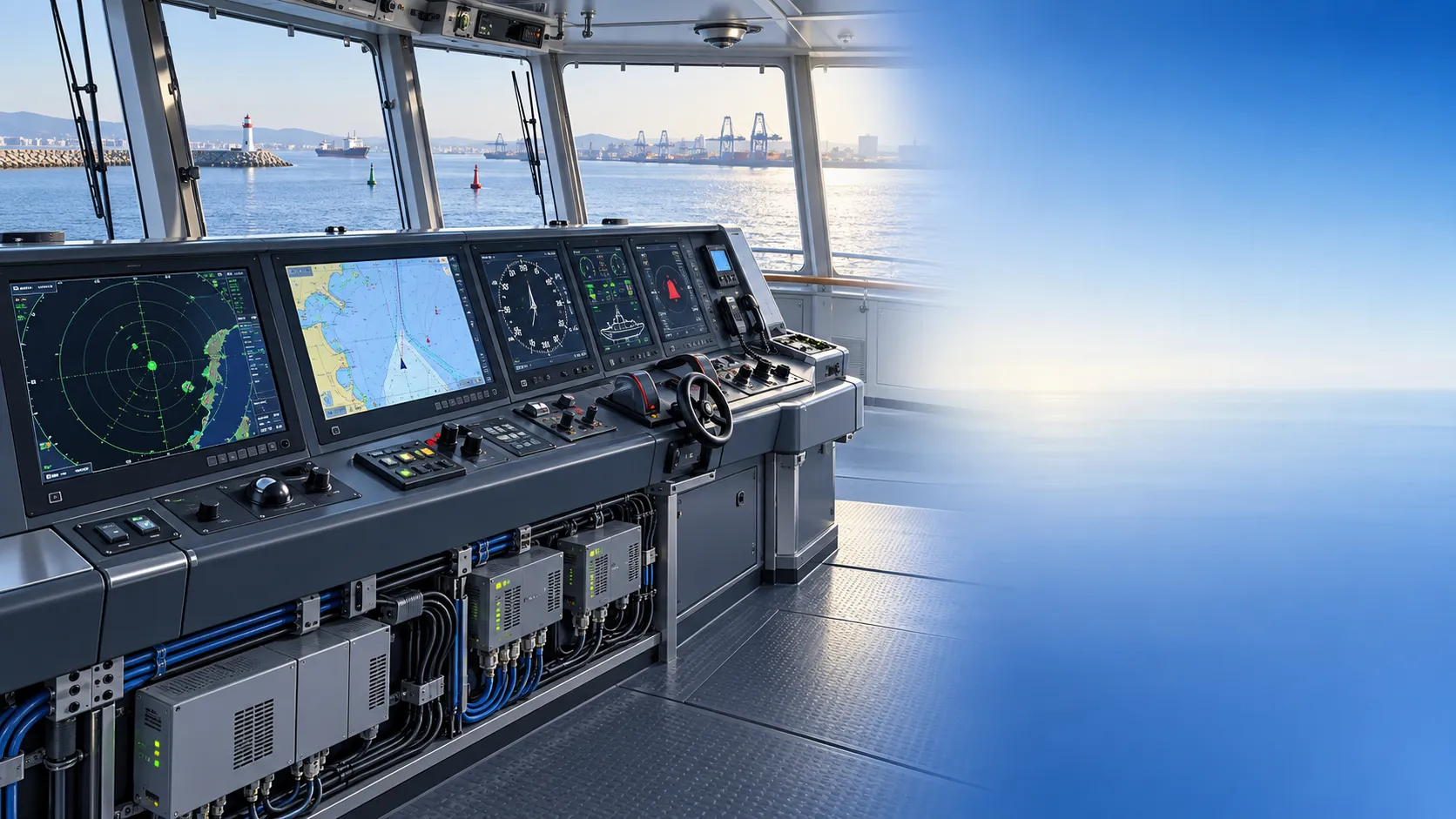
How to Specify Integrated Marine Electronics for Reliable Bridge Operations
Integrated marine electronics: learn how to specify reliable bridge systems with clear data flows, redundancy, alarm control, lifecycle interfaces, and operational testing.

How to Evaluate Navigation Radar Manufacturers for Commercial Vessel Projects
Navigation radar manufacturers: learn how to compare performance, compliance, integration, support, and lifecycle cost for commercial vessel projects.
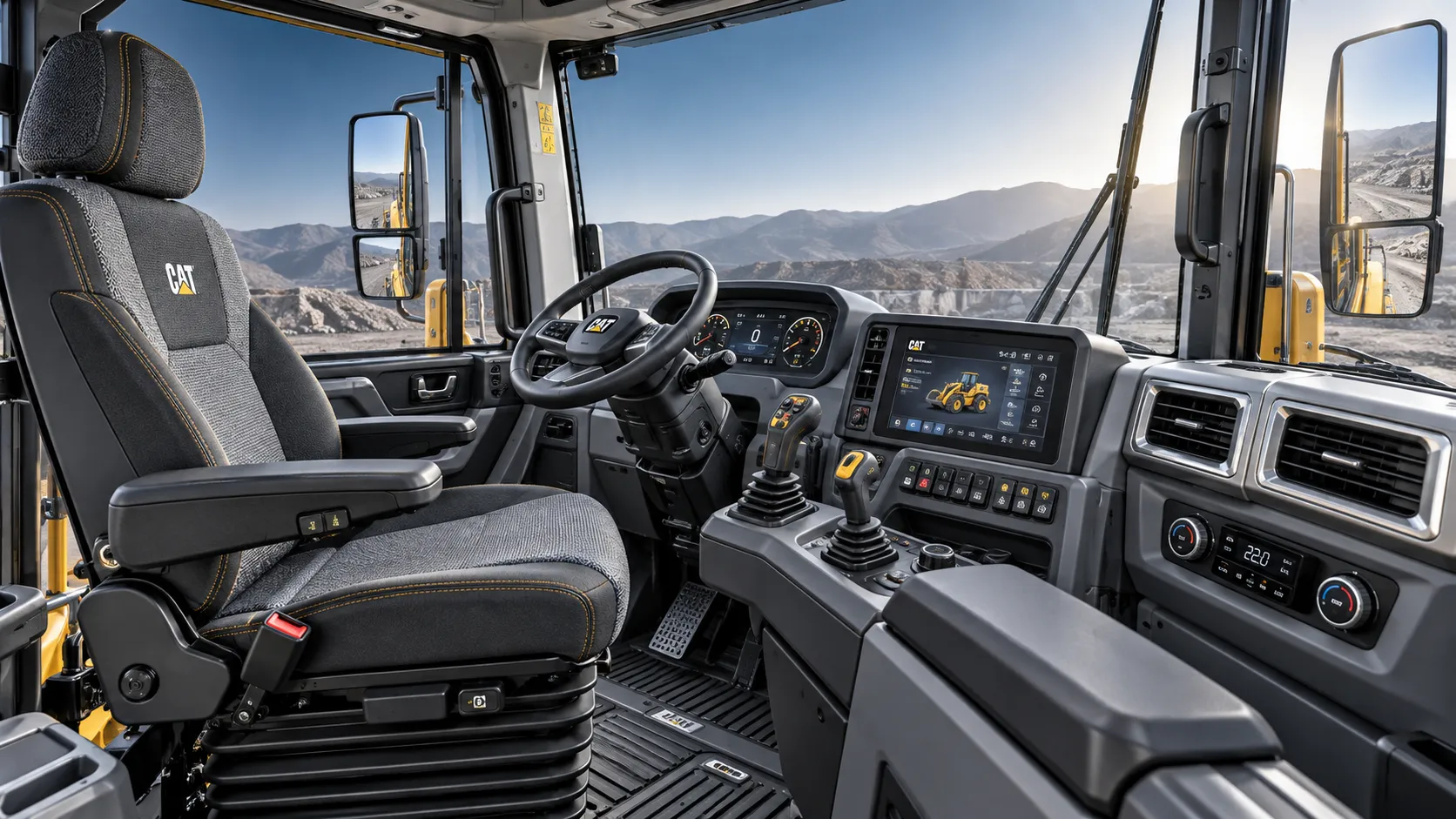
How Adjustable Cabin Ergonomics Reduce Operator Fatigue in Long-Shift Vehicles
Adjustable cabin ergonomics reduces operator fatigue through better seating, reach, visibility, vibration control, and climate comfort for safer long-shift vehicles.
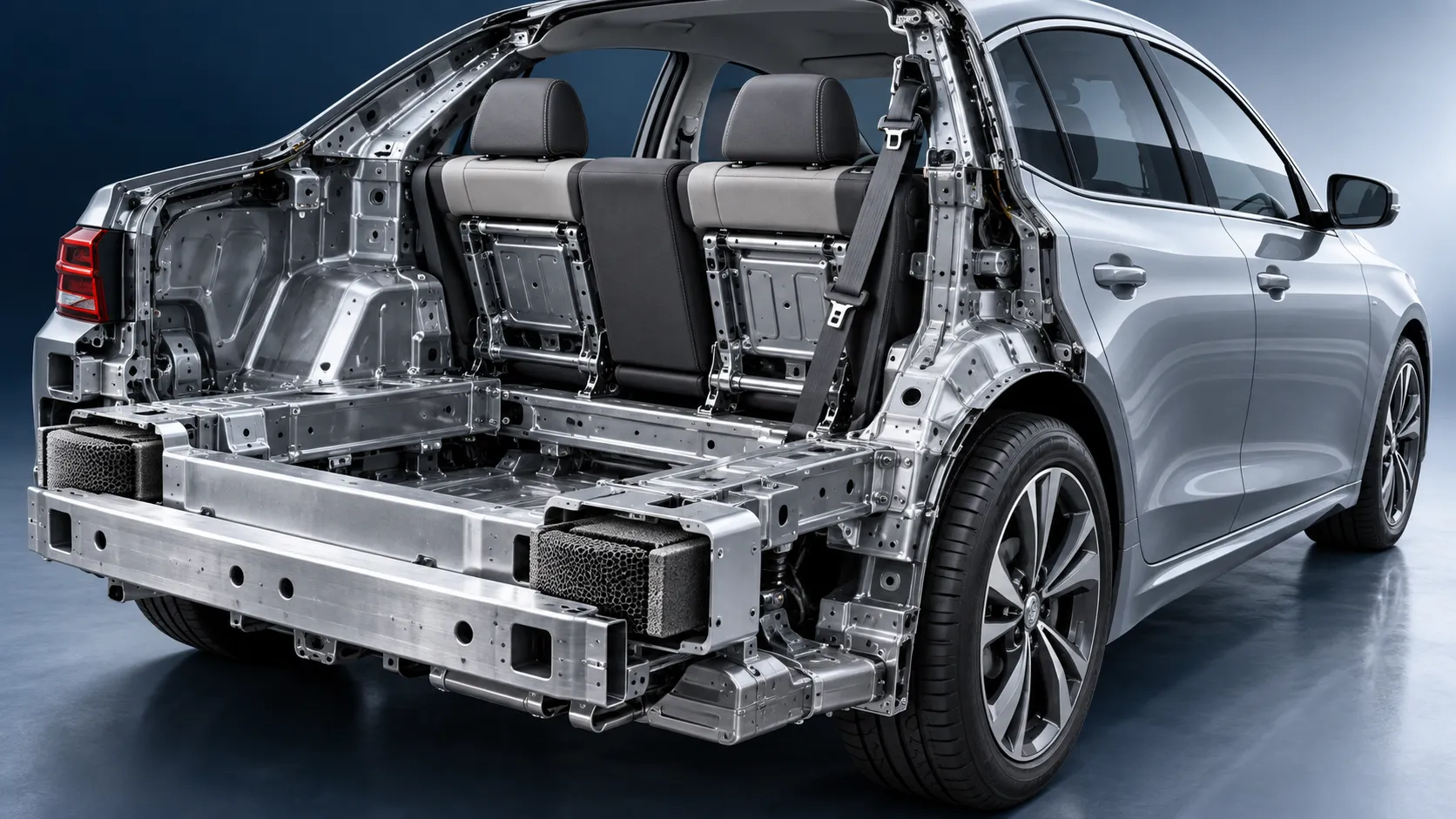
How Rear-Impact Safety Components Work Together to Protect Vehicle Occupants
Explore how automotive safety components for rear impact work together—from crash structures and seats to head restraints and belts—to enhance occupant protection.
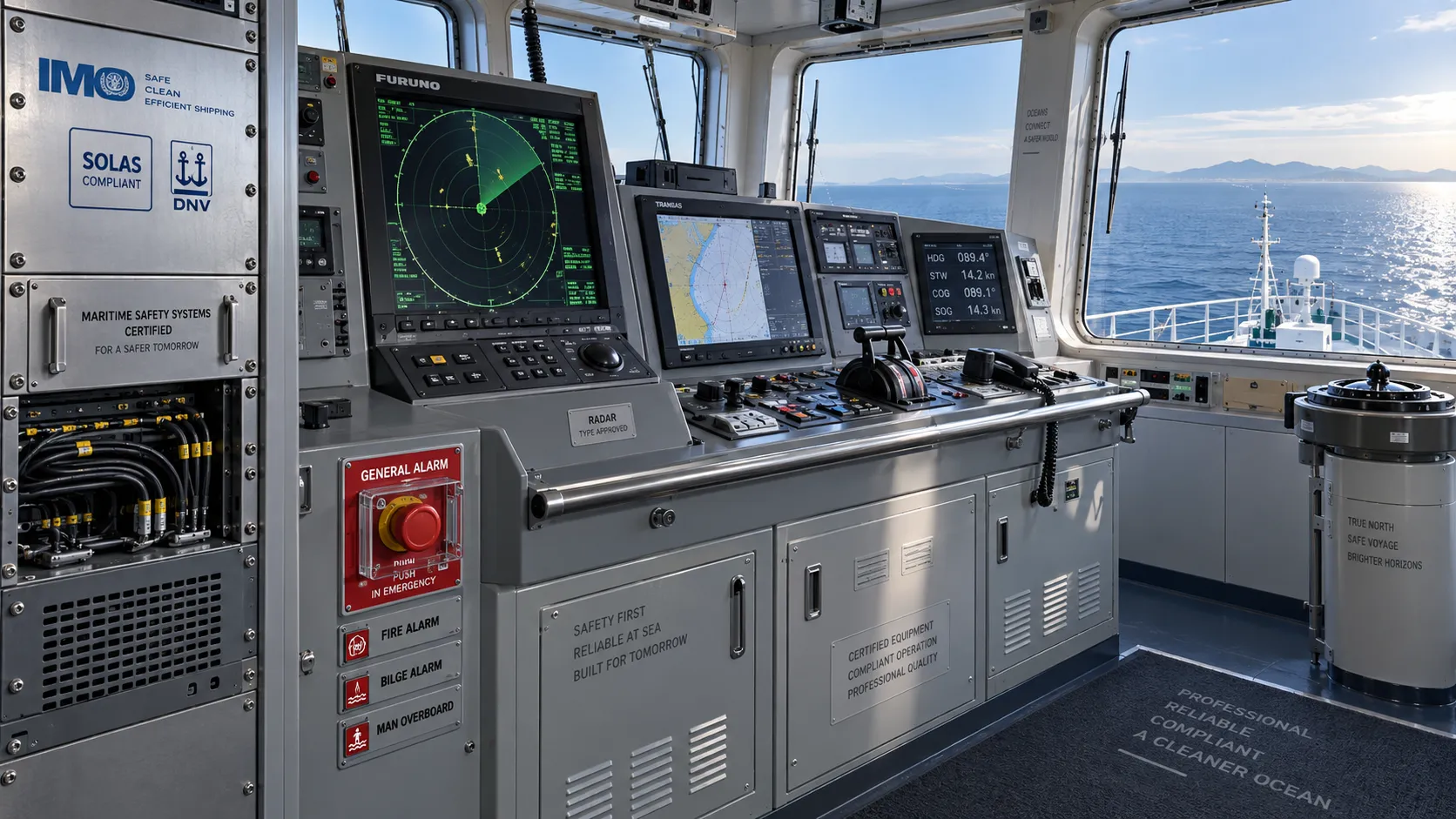
How to Evaluate a Marine Safety Systems Manufacturer for Vessel Compliance and Reliability
Marine safety systems manufacturer evaluation guide: verify compliance, engineering quality, lifecycle costs, and global service support for safer, reliable vessel operations.
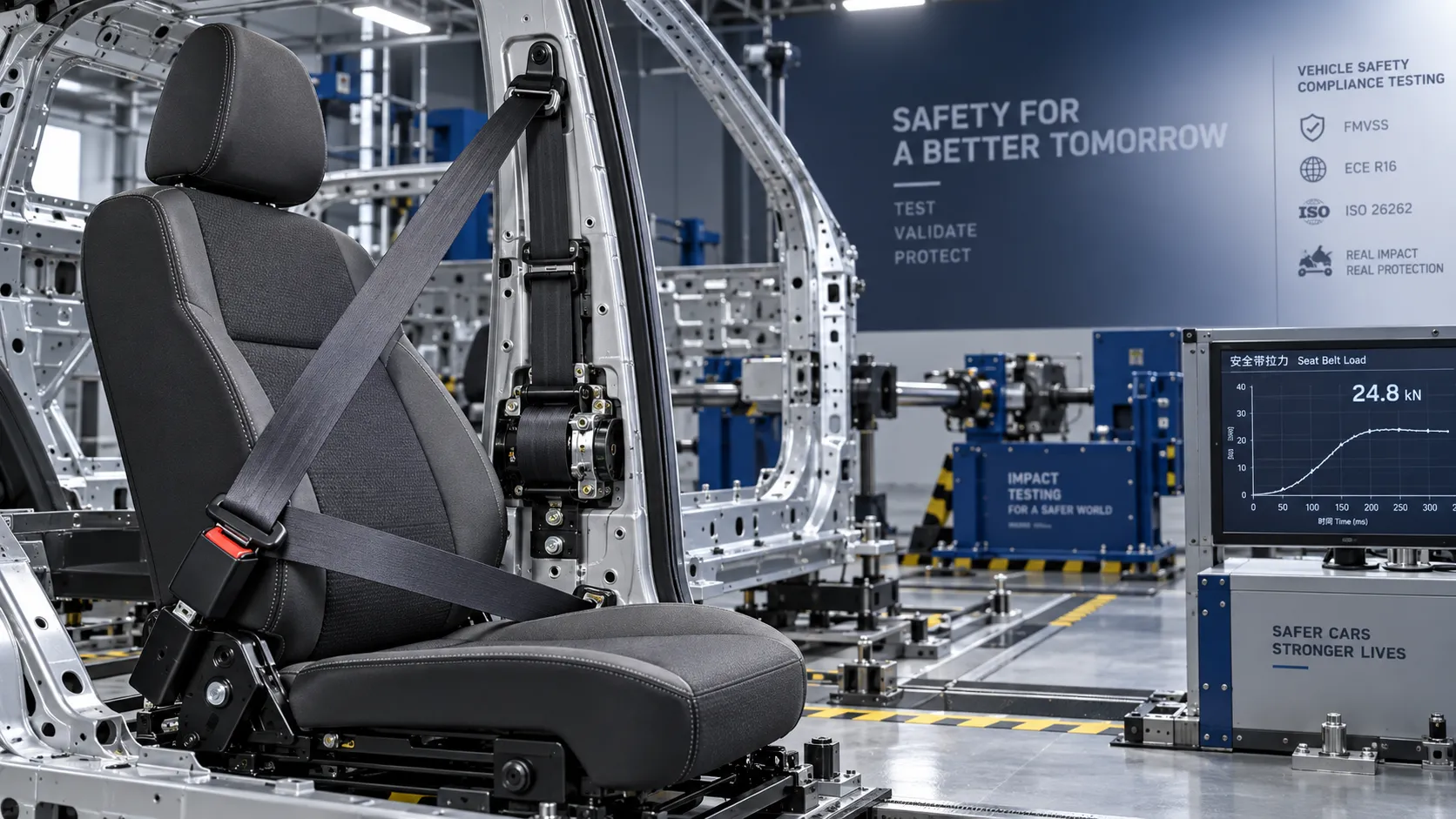
Crash Test Regulations for Seatbelts: Key Compliance Requirements Explained
Crash test regulations seatbelts explained: explore FMVSS, UN rules, anchorage strength, and dynamic restraint testing for safer, compliant vehicle systems.

How to Calculate the Total Cost of Automotive Lightweighting for a Vehicle Program
Automotive lightweight solutions cost: learn how to calculate program-level costs, including materials, tooling, joining, validation, risk, and vehicle-level value.
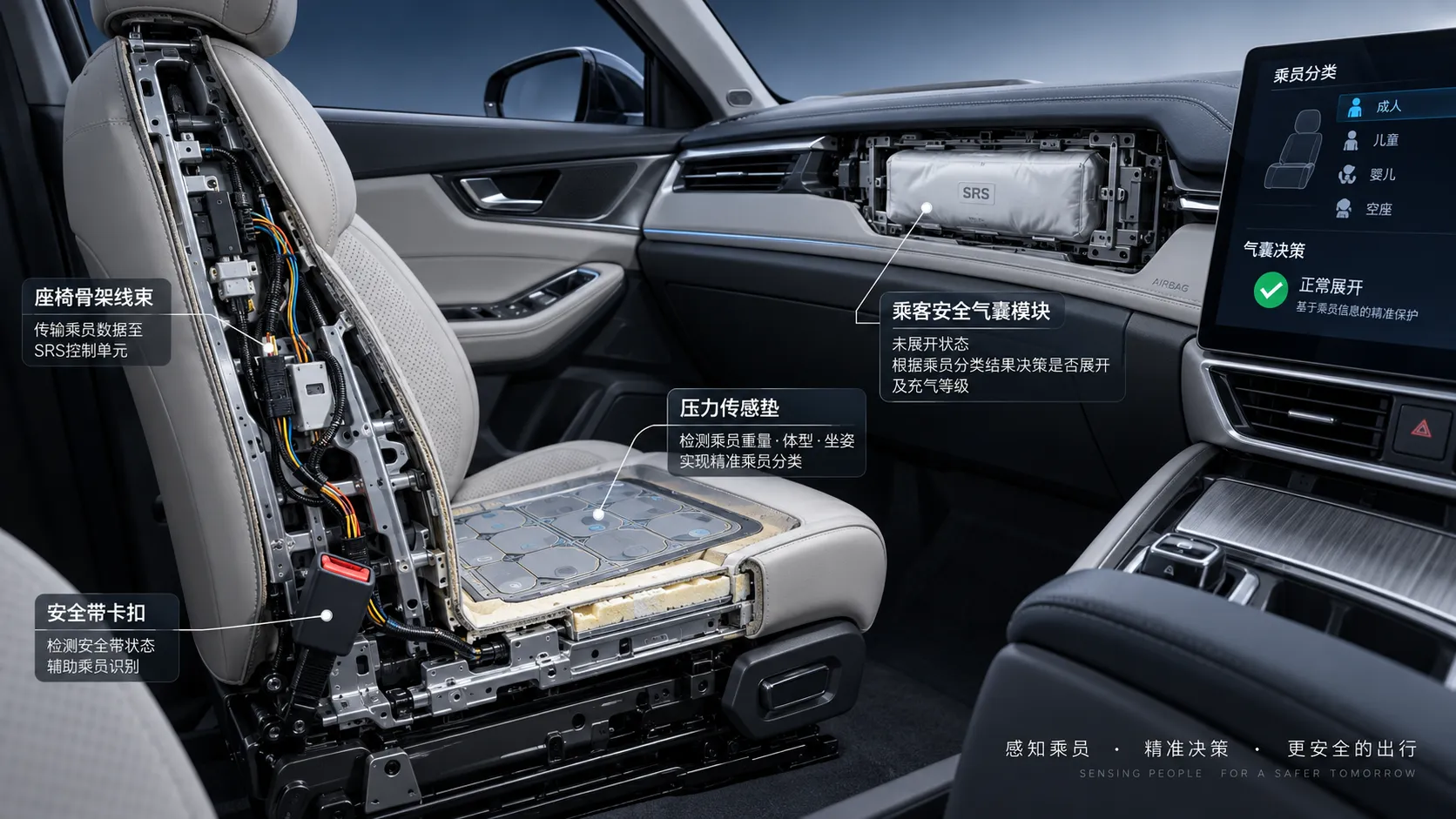
How Automotive Seat Occupancy Sensing Improves Airbag Deployment Decisions
Automotive seat occupancy sensing helps optimize airbag deployment decisions, improving passenger classification, safety diagnostics, and compliance across real-world conditions.
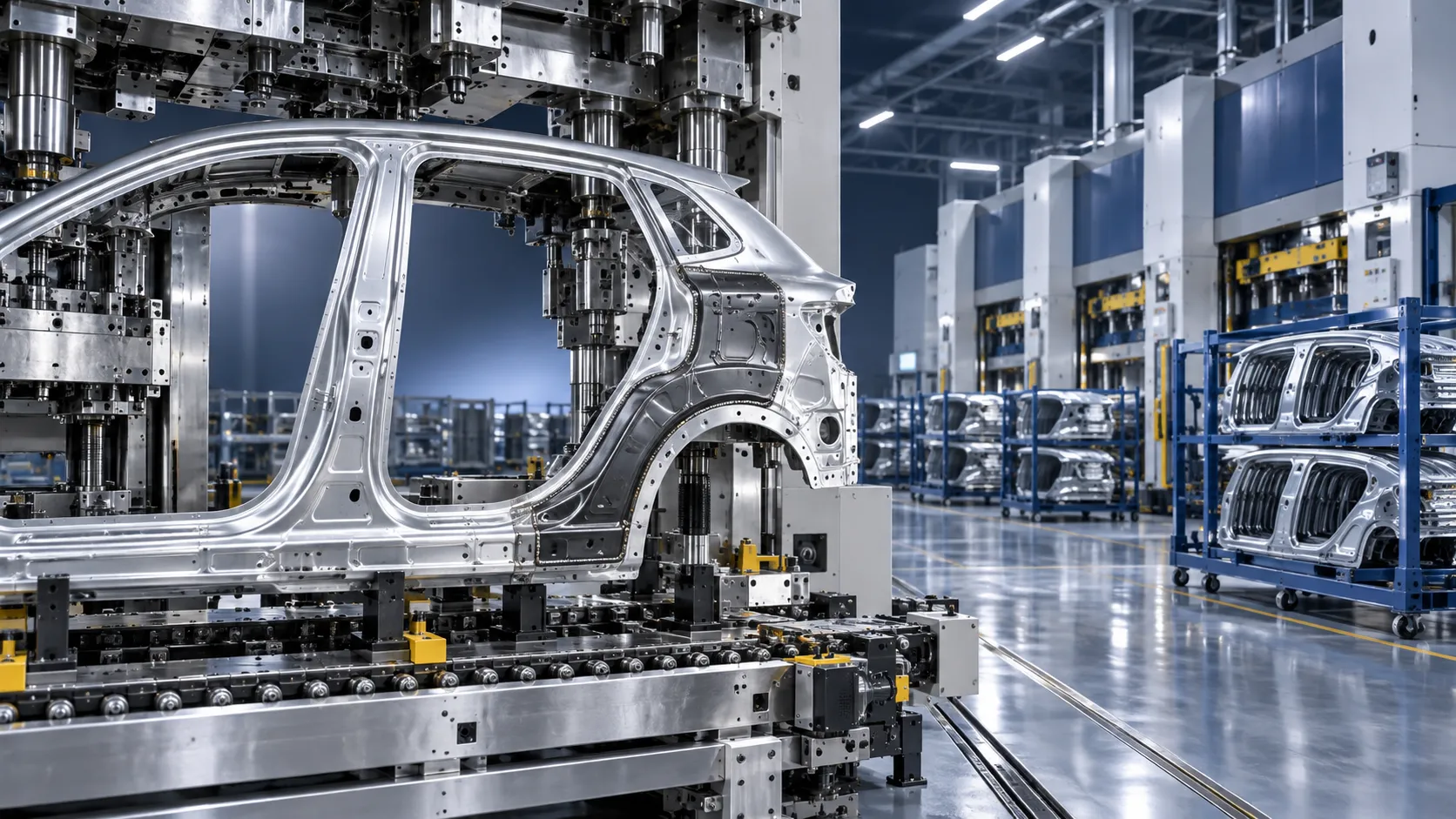
What Drives Lightweight Body Component Costs in High-Volume Vehicle Programs?
Lightweight body components cost depends on material yield, forming, joining, tooling, validation, and logistics. Explore proven ways to optimize total vehicle program cost.
Related News
- 00
0000-00
What European OEMs Should Evaluate When Sourcing Memory Seat Modules - 00
0000-00
How to Evaluate Custom Smart Automotive Seating for Premium Vehicle Programs? - 00
0000-00
How to Evaluate Custom Smart Seating Solutions for Comfort, Safety, and Integration? - 00
0000-00
What Affects Memory Seat Modules Price? Cost Drivers and Spec Trade-Offs - 00
0000-00
Smart Seat Systems Price Breakdown: What Drives Cost Across Sensors, Motors, and Modules?
Weekly Insights
Stay ahead with our curated technology reports delivered every Monday.