
How Micro-Climate Control Seats Improve Comfort in Long-Haul Driving
Long-haul driving places constant demands on the body, making seat comfort a critical factor in focus, fatigue control, and overall safety. By integrating micro-climate control technology into modern seating systems, drivers can maintain a more stable thermal environment, reduce moisture buildup, and preserve comfort over many hours on the road. In the broader mobility equipment landscape, this seating innovation is no longer a luxury feature alone. It is becoming a practical design direction that connects ergonomics, passive safety, energy efficiency, and intelligent cabin development.
Understanding micro-climate control in automotive seating
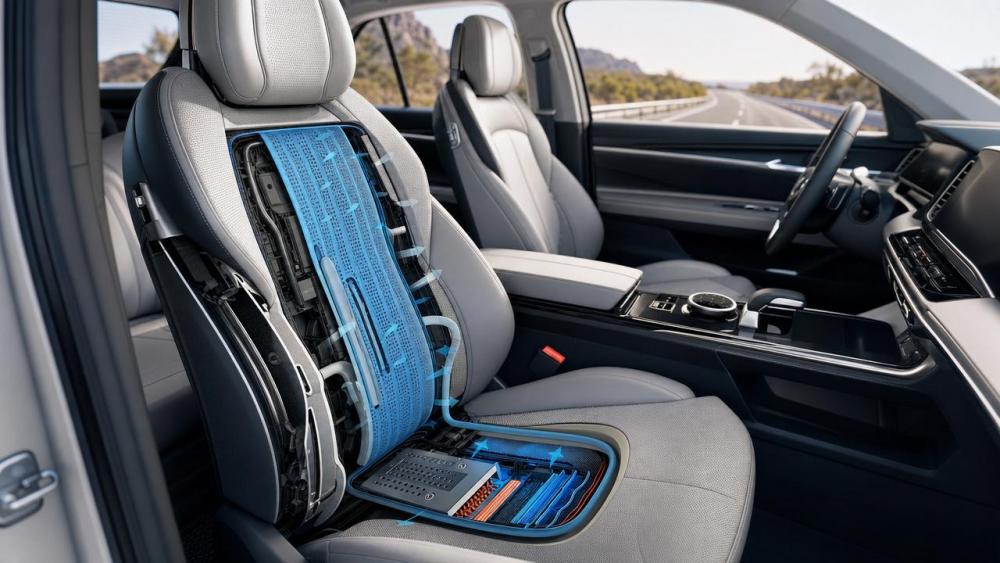
In automotive seating, micro-climate control refers to the active management of temperature, humidity, and airflow in the narrow space between the occupant and the seat surface. Unlike basic heated seats that only raise temperature, or traditional ventilation that simply pushes air through perforations, a true micro-climate control seat is designed to regulate the seat’s immediate contact environment in a more precise and responsive way.
This system usually combines several elements: breathable trim materials, internal air channels, fans or thermoelectric devices, seat foam engineered for airflow, and sensors that monitor cabin or surface conditions. In advanced smart seating systems, software logic adjusts heating, cooling, and airflow intensity based on external weather, trip duration, occupant load, and body heat accumulation. The result is a seating experience that feels more balanced and less fatiguing during long-haul use.
For long-distance driving, that balance matters because discomfort rarely begins as a major problem. It usually starts as mild warmth, trapped humidity, localized pressure, or a cold seat surface in winter. Over time, those small stressors increase body movement, reduce posture stability, and contribute to distraction. Micro-climate control addresses these issues at the source by improving the thermal and tactile conditions around the driver’s body.
Why long-haul driving raises the value of seat climate regulation
Long-haul driving is a demanding operating condition because the body stays in a restricted posture while being exposed to vibration, changing outside temperatures, and sustained attention requirements. Even with high-quality seat structure and cushioning, discomfort can increase if heat and moisture are trapped for hours. This is where micro-climate control adds measurable value.
A stable seat micro-environment helps in three important ways. First, it supports concentration by reducing irritation caused by sweating, overheating, or cold spots. Second, it lowers fatigue by limiting the need for constant shifting and posture correction. Third, it complements safety by helping the occupant remain properly positioned in the seat, which is important for seatbelt geometry and airbag effectiveness in real driving conditions.
Core benefits of micro-climate control seats for comfort and safety
The most obvious benefit of micro-climate control is improved comfort, but its influence goes further than personal preference. In a modern mobility environment, comfort and safety increasingly overlap because driver condition affects reaction quality, endurance, and cabin stability.
Thermal stability during long journeys
Seats that actively regulate temperature prevent sharp swings between too hot and too cold. This reduces the physical stress associated with changing climates, direct sunlight, or weak cabin air distribution. By keeping the body in a more neutral zone, micro-climate control improves perceived comfort without requiring aggressive HVAC settings throughout the whole cabin.
Lower moisture accumulation
A common source of driving discomfort is invisible moisture buildup at the seat interface. Breathable design and controlled airflow can reduce dampness around the back and legs, especially in warm or humid conditions. This helps preserve a clean, dry contact surface and reduces the sticky feeling that often leads to constant repositioning.
Better posture retention
When a seat becomes too warm or damp, the occupant tends to shift frequently. Excess movement can increase muscle tension and reduce the quality of body support. A properly designed micro-climate control seat helps the body remain settled against the cushion and backrest, improving support consistency during extended travel.
Support for passive safety effectiveness
Smart seating design is closely tied to the broader safety system. Stable posture contributes to proper interaction with seatbelt systems, airbags, and seat structures. While micro-climate control is not a crash protection device on its own, it supports occupant positioning and comfort conditions that matter in everyday driving and in emergency maneuvers.
Current industry focus and development signals
Across the global automotive and mobility equipment sector, intelligent seat design is shifting from isolated comfort functions toward integrated cabin systems. This trend is especially relevant to portals and intelligence platforms such as GNCS, where seating is evaluated not only as a trim feature but also as a structural, ergonomic, thermal, and safety-linked subsystem.
- Growth in smart seating systems that combine occupancy sensing, climate response, and memory adjustment.
- Stronger demand for lightweight seat frames and foams that still support airflow pathways for micro-climate control.
- Higher attention to energy-efficient thermal management, especially in electric vehicles where cabin power consumption affects range.
- Greater use of durable perforated materials and layered constructions that improve ventilation without compromising appearance or wear resistance.
- More integration between comfort engineering and passive safety packaging inside compact cabin architectures.
These signals show that micro-climate control is increasingly treated as part of a system-level design strategy. It sits at the intersection of occupant wellness, thermal engineering, digital control logic, and vehicle efficiency.
Typical application scenarios and seat categories
Not every vehicle requires the same seat climate solution. The best configuration depends on trip duration, cabin package size, usage intensity, and brand positioning. Still, several use cases consistently benefit from micro-climate control technology.
Practical considerations for effective seat climate design
To achieve real benefits from micro-climate control, the seat must be engineered as a complete system rather than as an add-on feature. Performance depends on material selection, air path design, foam density, acoustic control, and software calibration.
- Material compatibility: Surface trim must allow airflow while maintaining durability, appearance, and easy cleaning.
- Noise management: Fans and thermal modules should operate quietly to avoid replacing one discomfort source with another.
- Energy balance: Efficient micro-climate control design is especially important in battery-electric platforms.
- Sensor logic: Adaptive control should respond smoothly rather than cycle too aggressively between hot and cold states.
- Safety integration: Internal routing of airflow devices and wiring must not interfere with seat structure, airbags, or occupant detection systems.
- Long-term reliability: Dust resistance, fan durability, and consistent airflow performance are essential in real-world use.
When these factors are handled well, micro-climate control becomes a durable comfort asset rather than a short-lived cabin feature. It also aligns with the wider movement toward intelligent, human-centered mobility equipment.
Operational next steps for evaluating micro-climate control seats
A useful evaluation process starts with the actual travel profile. Consider route length, regional climate exposure, occupant expectations, cabin energy constraints, and the relationship between seating comfort and broader vehicle safety goals. Review whether the seat delivers only basic heating and ventilation or whether it offers true micro-climate control through responsive temperature and moisture management.
It is also worth comparing seat climate performance alongside structural comfort indicators such as pressure distribution, foam resilience, lumbar support, and vibration behavior. In modern smart seating systems, comfort quality comes from the interaction of all these factors rather than from a single feature alone.
As long-haul mobility continues to evolve, micro-climate control will remain an important reference point for advanced seat development. It supports a more comfortable, safer, and more intelligent cabin environment—one that reflects the broader industry goal of linking precision engineering with human-centered performance. For any evaluation of next-generation seating, it should be treated as a serious functional criterion, not just a premium option.
Related News
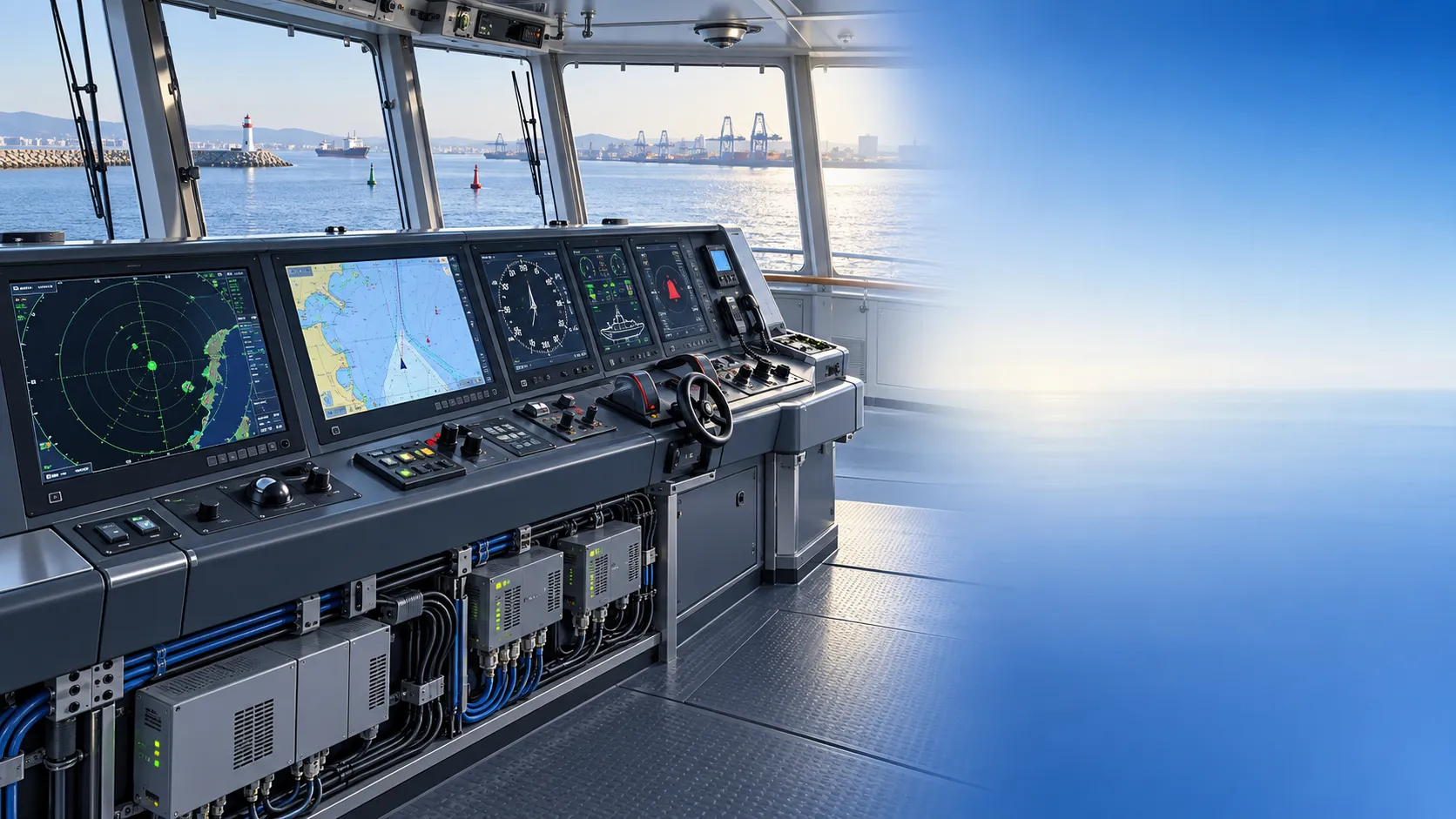
How to Specify Integrated Marine Electronics for Reliable Bridge Operations
Integrated marine electronics: learn how to specify reliable bridge systems with clear data flows, redundancy, alarm control, lifecycle interfaces, and operational testing.

How to Evaluate Navigation Radar Manufacturers for Commercial Vessel Projects
Navigation radar manufacturers: learn how to compare performance, compliance, integration, support, and lifecycle cost for commercial vessel projects.
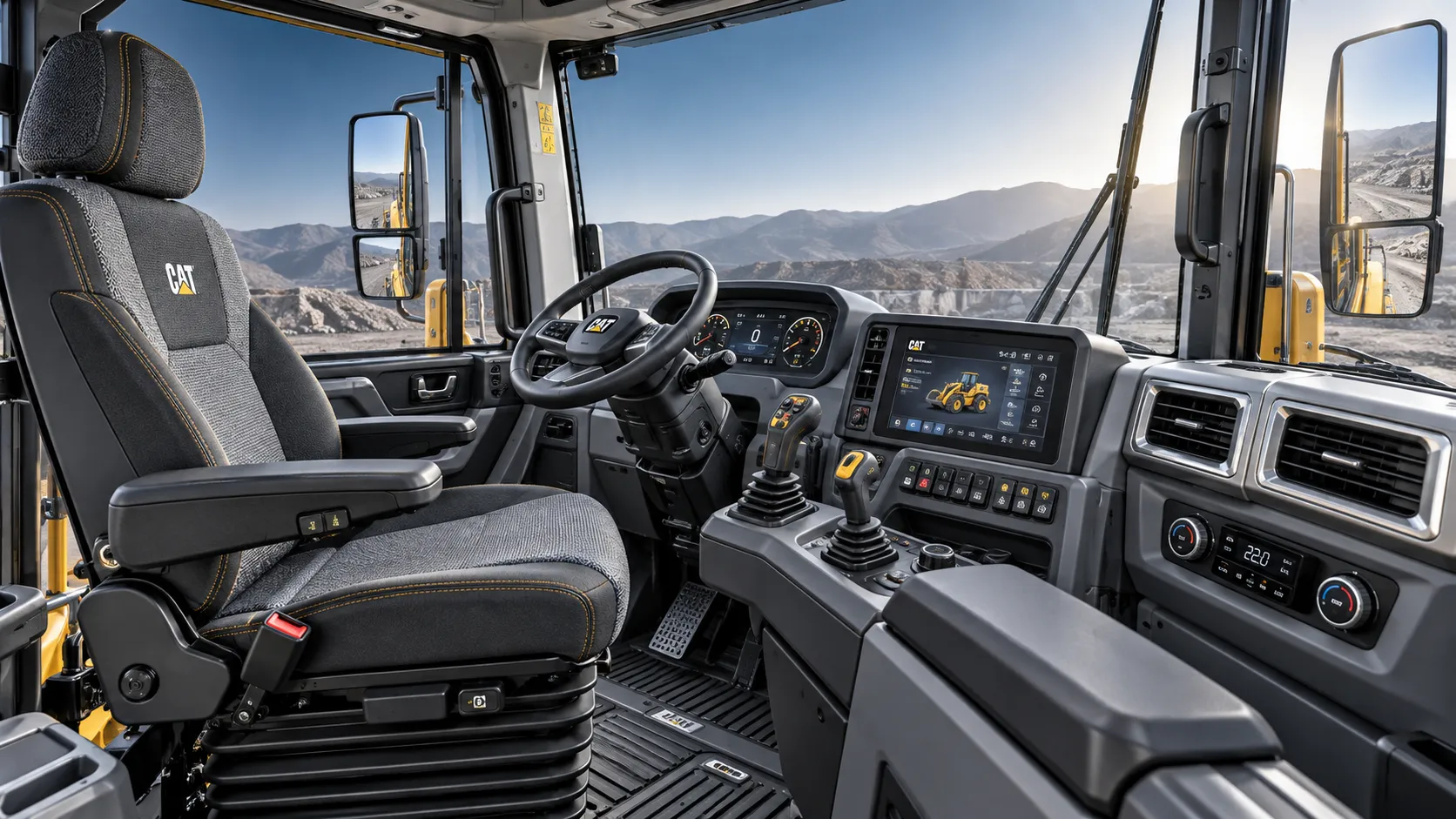
How Adjustable Cabin Ergonomics Reduce Operator Fatigue in Long-Shift Vehicles
Adjustable cabin ergonomics reduces operator fatigue through better seating, reach, visibility, vibration control, and climate comfort for safer long-shift vehicles.
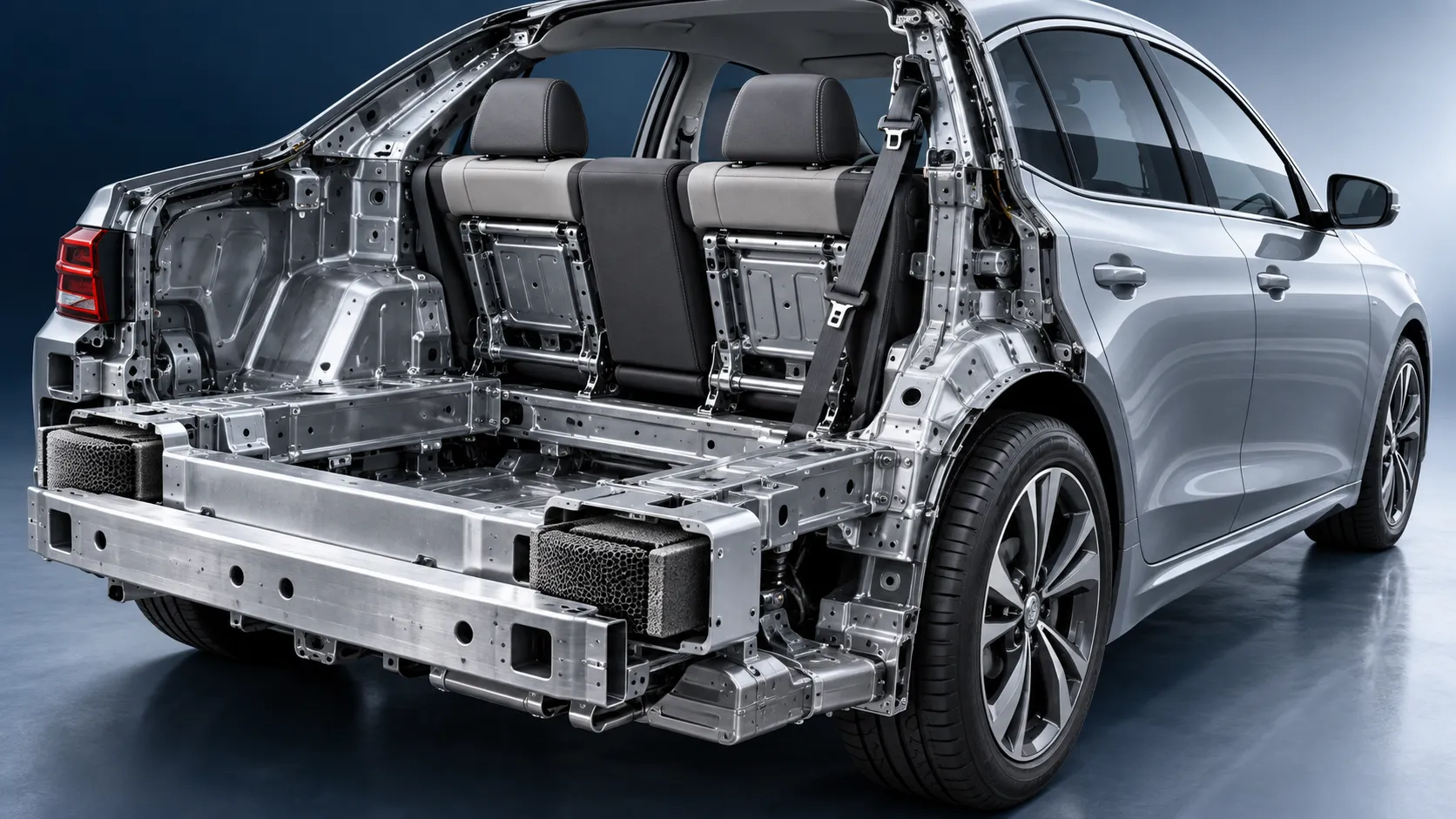
How Rear-Impact Safety Components Work Together to Protect Vehicle Occupants
Explore how automotive safety components for rear impact work together—from crash structures and seats to head restraints and belts—to enhance occupant protection.
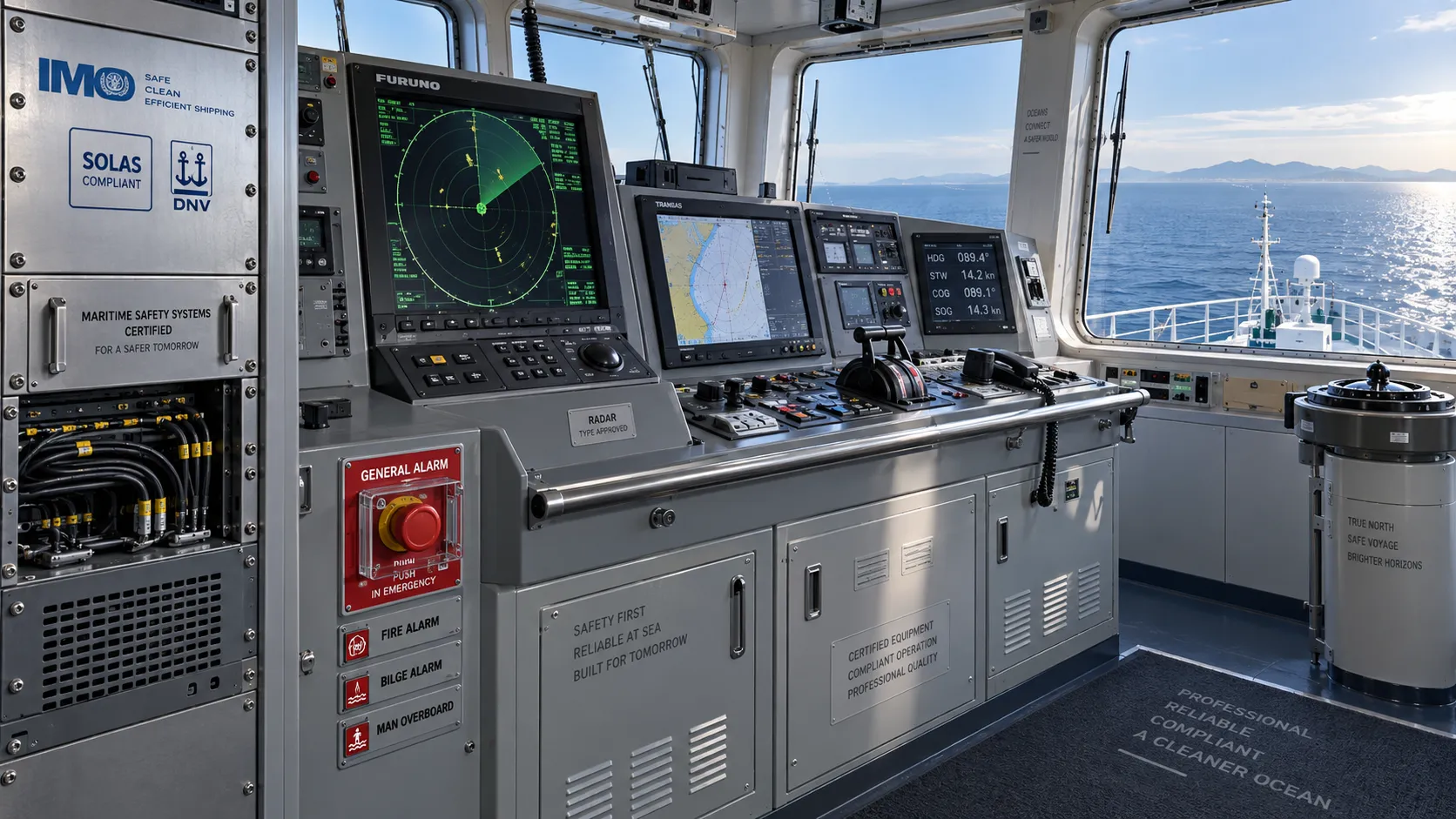
How to Evaluate a Marine Safety Systems Manufacturer for Vessel Compliance and Reliability
Marine safety systems manufacturer evaluation guide: verify compliance, engineering quality, lifecycle costs, and global service support for safer, reliable vessel operations.
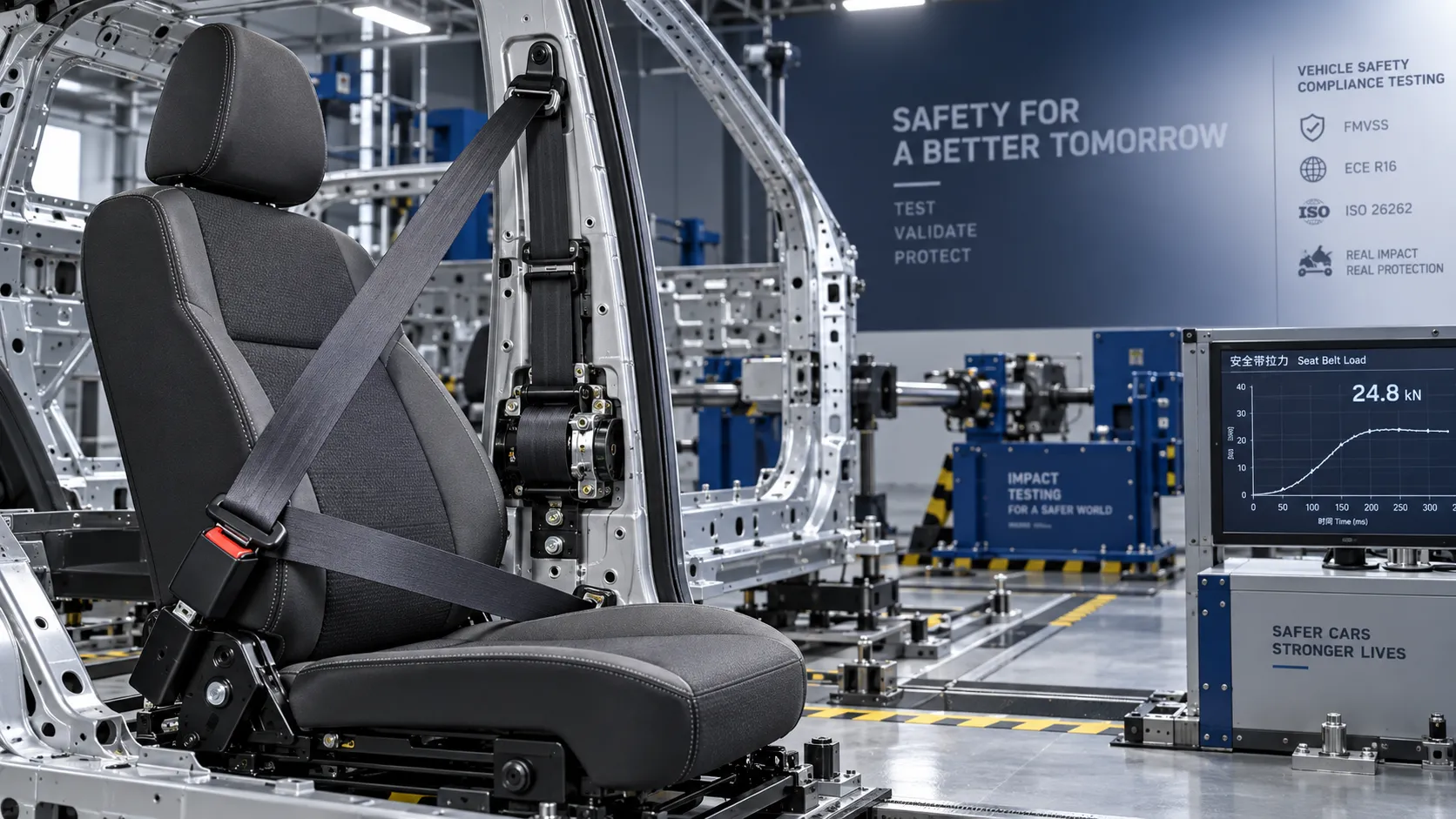
Crash Test Regulations for Seatbelts: Key Compliance Requirements Explained
Crash test regulations seatbelts explained: explore FMVSS, UN rules, anchorage strength, and dynamic restraint testing for safer, compliant vehicle systems.
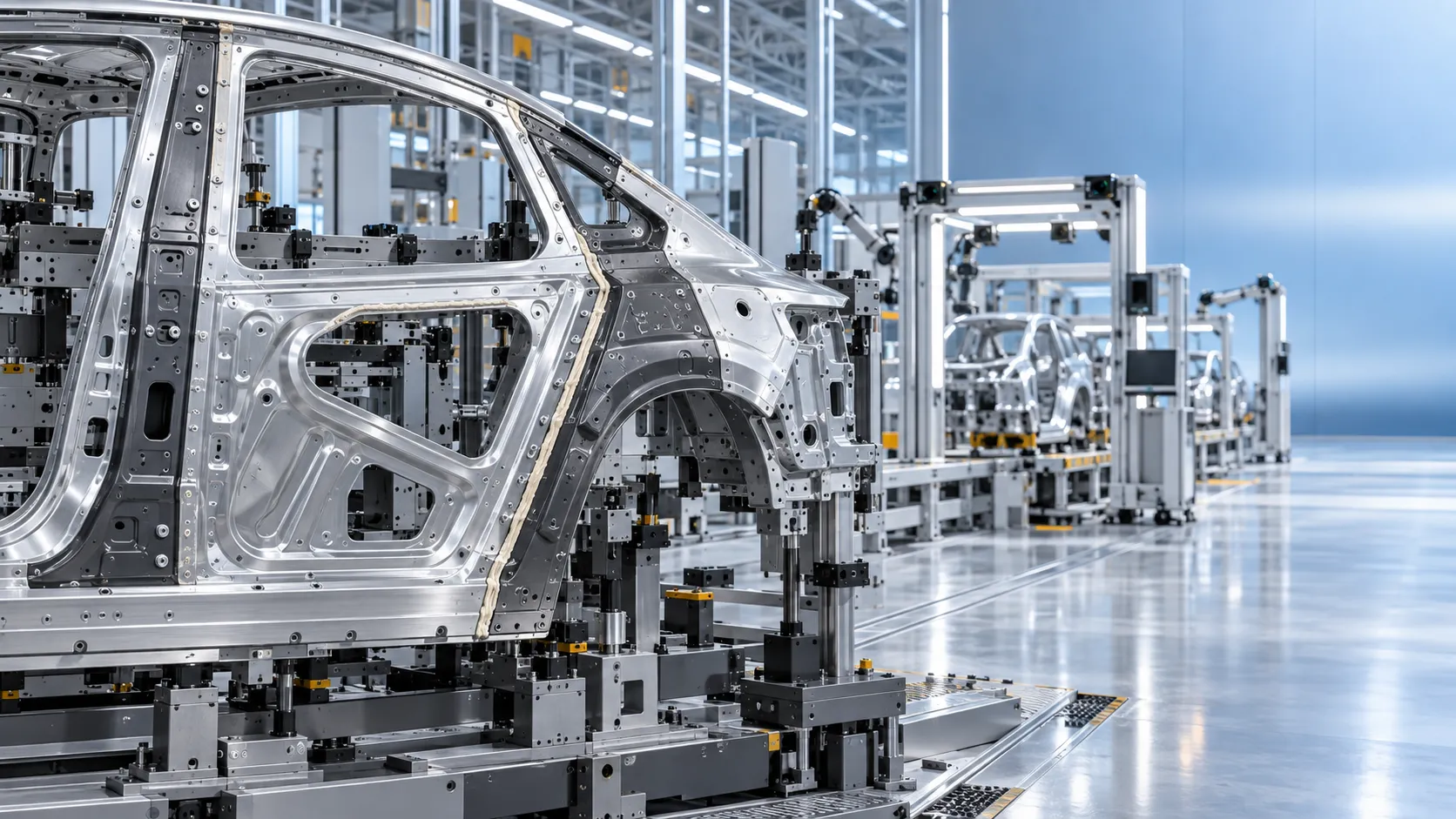
How to Calculate the Total Cost of Automotive Lightweighting for a Vehicle Program
Automotive lightweight solutions cost: learn how to calculate program-level costs, including materials, tooling, joining, validation, risk, and vehicle-level value.
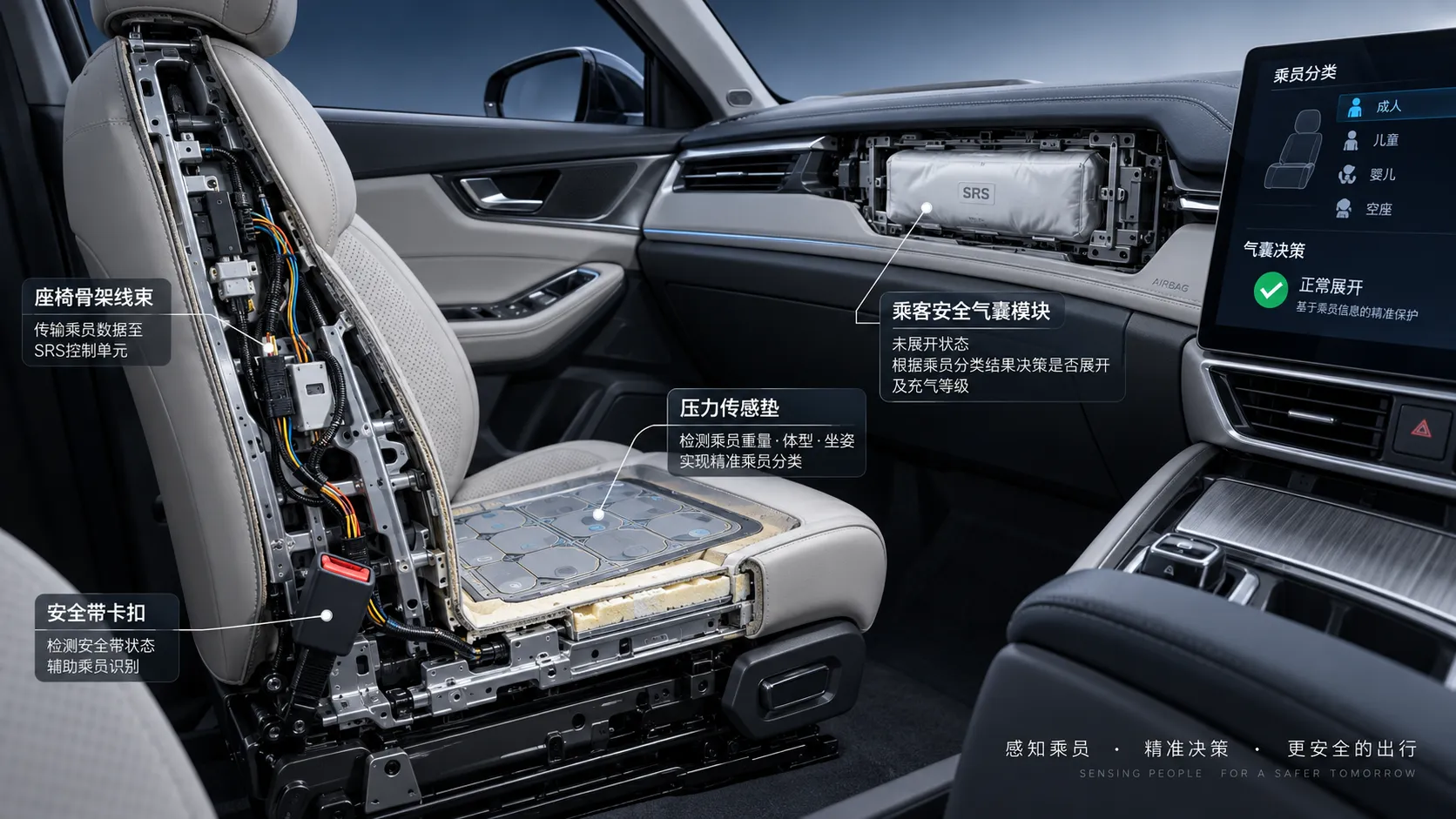
How Automotive Seat Occupancy Sensing Improves Airbag Deployment Decisions
Automotive seat occupancy sensing helps optimize airbag deployment decisions, improving passenger classification, safety diagnostics, and compliance across real-world conditions.
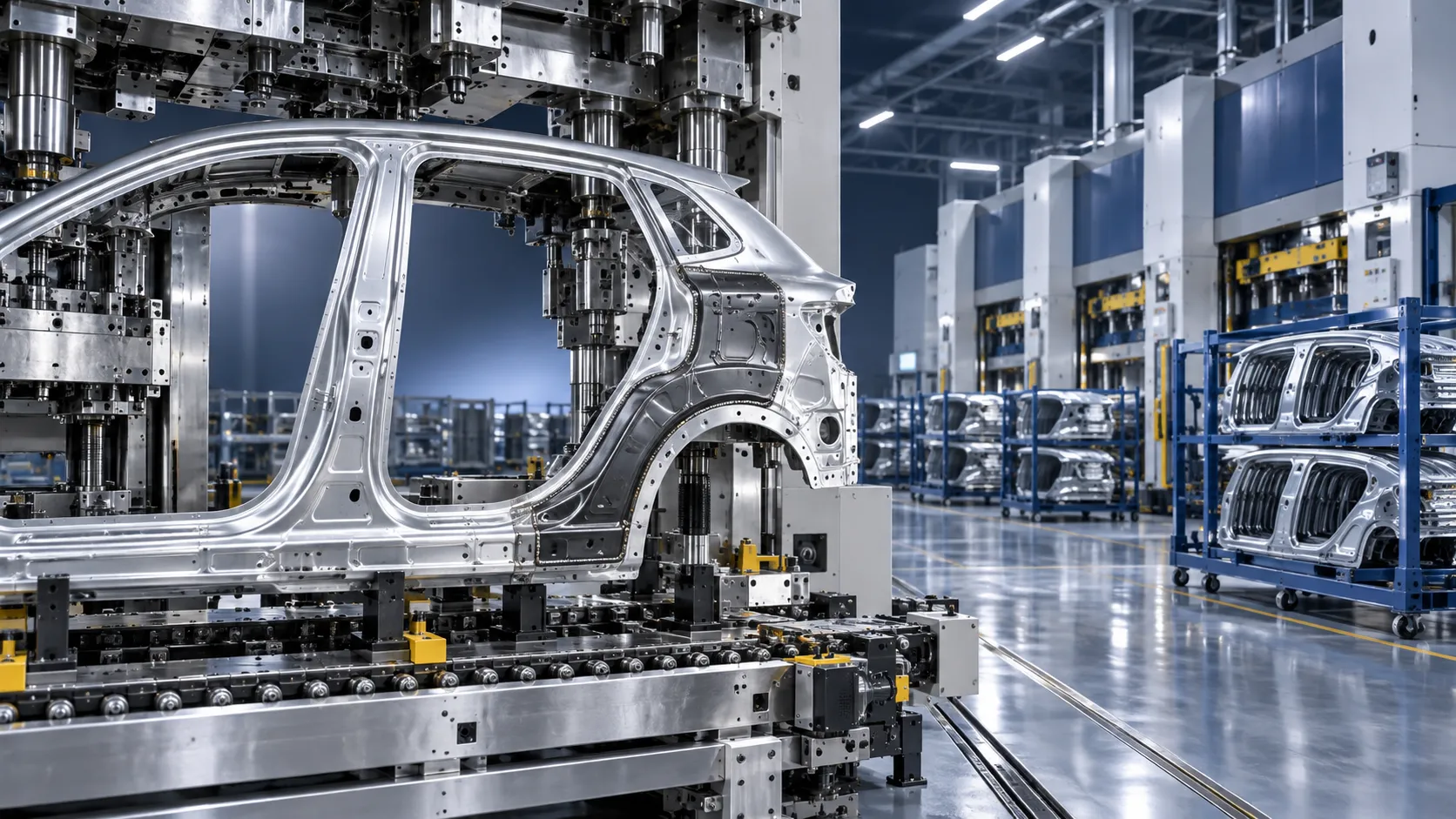
What Drives Lightweight Body Component Costs in High-Volume Vehicle Programs?
Lightweight body components cost depends on material yield, forming, joining, tooling, validation, and logistics. Explore proven ways to optimize total vehicle program cost.
Related News
- 00
0000-00
Climate Control Seats Cost: What Drives Price and Long-Term Ownership Value? - 00
0000-00
Seat Comfort Solutions Foam: How to Compare Density, Resilience, and Fatigue Performance - 00
0000-00
Seat Comfort Systems Manufacturer Selection Guide: Functions, Integration Options, and Testing Points - 00
0000-00
Seat Comfort Systems Explained: Key Functions, Module Types, and Integration Points - 00
0000-00
Seat Climate Systems Price Guide: What Affects Cost and Which Features Matter Most?
Weekly Insights
Stay ahead with our curated technology reports delivered every Monday.