
How to Evaluate a Seat Comfort Solutions Supplier for OEM Program Requirements
Start With the OEM Program, Not the Feature List
A seat comfort package can look impressive in a supplier presentation and still be a poor fit for an OEM program. Heated cushions, ventilation, massage functions, multi-way adjustment, lumbar support, occupant sensing, and trim options all add value only when they can be engineered, validated, manufactured, and serviced within the vehicle program's constraints.
For procurement teams, the central question is whether a seat comfort solutions supplier can support the full program lifecycle without creating avoidable cost, quality, launch, or warranty exposure. The lowest quotation is rarely the lowest program cost if the supplier later requires repeated design changes, cannot control foam variation, has limited validation capability, or depends on fragile sub-tier sourcing for electronic components.
A credible supplier evaluation should therefore connect comfort performance with four practical OEM requirements: platform integration, industrial maturity, regulatory and quality control, and commercial resilience. Suppliers should be assessed against the vehicle segment, target markets, production volume, electrical architecture, seat frame design, and ownership expectations for the complete seat system. A supplier suitable for an entry-level fleet vehicle may not be suitable for a premium long-distance EV, even if both offer similar functions on paper.
Define What “Comfort” Must Deliver in This Vehicle
Comfort is often treated as a collection of optional features. For an OEM, it is better defined as the seat's ability to maintain acceptable occupant support, thermal conditions, perceived quality, and usability over its intended service life. That definition is more demanding because it includes the interaction between the comfort system and the seat structure, trim, restraint system, vehicle electronics, and cabin environment.
Before comparing suppliers, procurement should align with engineering, design, quality, and program teams on the requirements that matter for the specific vehicle. A comfort system for a short-journey urban vehicle may prioritize rapid heating response, low energy consumption, simple controls, and easy assembly. A vehicle intended for long-distance travel may place greater weight on pressure distribution, lumbar adjustment range, ventilation effectiveness, noise levels, thermal consistency, and fatigue resistance.
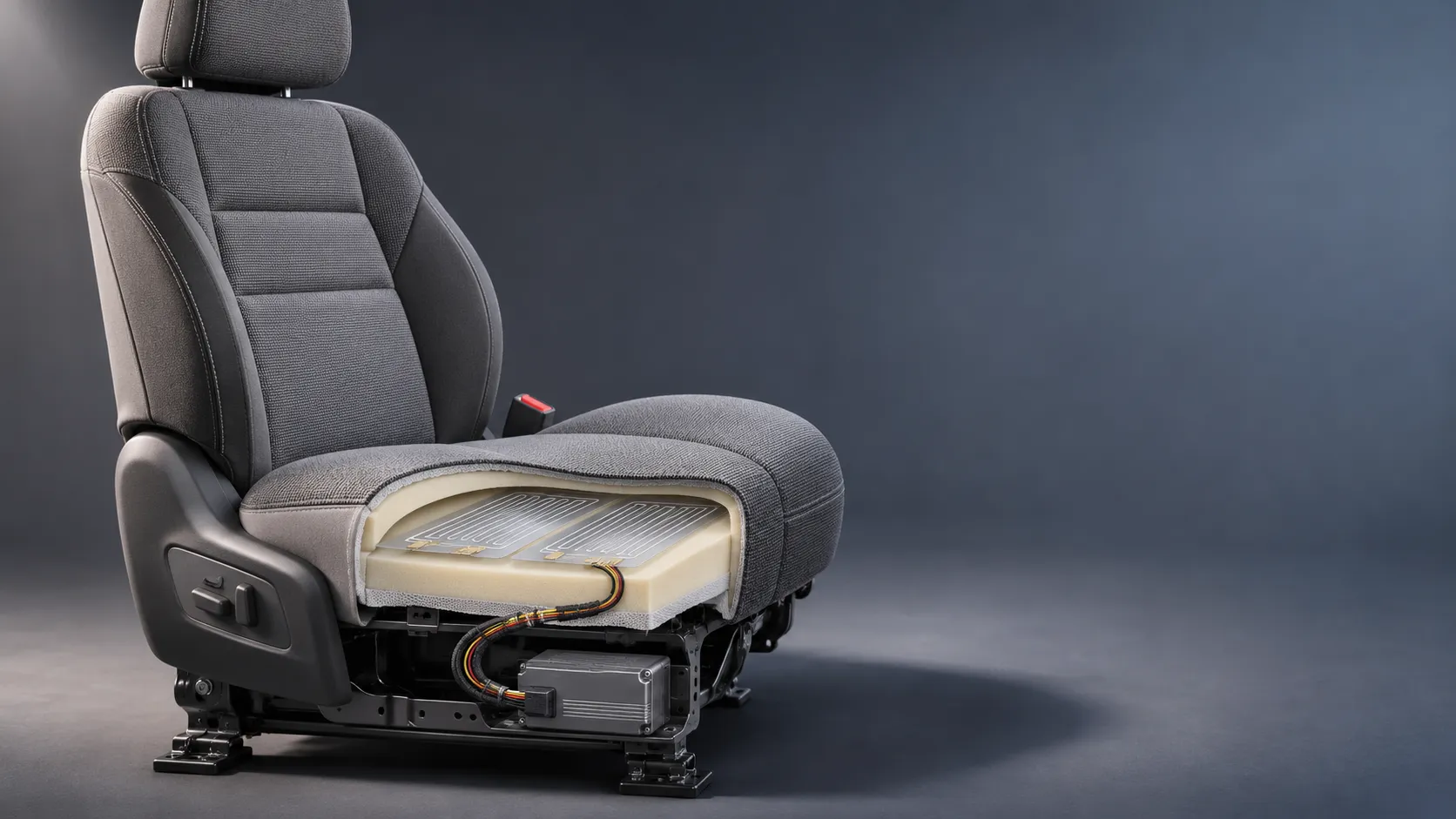
Requirements should distinguish between customer-visible functions and underlying performance. A ventilated seat, for example, is not adequately specified by the presence of fans. The OEM needs to define acceptable airflow distribution, acoustic limits, occupant contact areas, behavior across ambient temperatures, performance with different trim materials, and degradation after repeated use. The same applies to heating pads, massage units, pneumatic lumbar systems, and active bolsters.
Early requirement discipline prevents a familiar sourcing problem: suppliers quote different technical assumptions while appearing to quote the same content. One supplier may include integrated control electronics and diagnostic capability, while another quotes only the mechanical or thermal hardware. One may design for replacement of a failed subcomponent, while another assumes complete cushion replacement. These differences should be visible before nomination, not discovered during engineering change negotiations.
Questions That Should Be Answered Before RFQ Release
- Which comfort functions are mandatory, optional, or reserved for later vehicle grades?
- What occupant population, journey profile, climate range, and cabin use case are the seats expected to accommodate?
- Who owns the interfaces with the seat frame, foam, trim, wiring harness, body control system, and human-machine interface?
- What limits apply to weight, package space, current draw, noise, thermal behavior, and cycle time?
- Which faults must be diagnosable, repairable, or visible to the vehicle diagnostic system?
- What durability target applies to the complete seat rather than to isolated comfort components?
Assess Engineering Depth at the Interfaces
Seat comfort systems are interface-heavy products. A supplier may be technically competent in a single component yet struggle when that component is integrated into a production seat. Procurement should test whether the supplier understands the dependencies between comfort hardware and the surrounding seat assembly.
The seat frame affects available installation space, cable routing, vibration transmission, and the support surface beneath foam. Foam geometry and density influence heating response, air movement, occupant pressure distribution, and perceived firmness. Trim permeability can materially affect ventilation performance. Electrical design influences electromagnetic compatibility, diagnostics, power management, and the risk of nuisance faults. A supplier that treats these issues as another party's responsibility can create a slow and expensive launch process.
Ask suppliers to explain how they manage design changes at these interfaces. Strong answers include clear interface-control documents, design review gates, tolerance analysis, structured prototype builds, and traceable change-management practices. Weak answers tend to rely on generic catalog drawings, informal assumptions about seat architecture, or promises to resolve details after nomination.
For programs using smart seating functions, engineering capability should extend beyond mechanical integration. The supplier should be able to explain its software and electronics ownership model, whether control logic is developed internally or by a sub-tier, how diagnostics are handled, and how software revisions are controlled. Procurement does not need to audit source code, but it should establish who carries responsibility when a comfort function conflicts with vehicle network behavior, power-saving modes, or fault reporting requirements.
Prototype evidence matters more than polished demonstrations. A functional sample can show whether a supplier has solved a real integration problem, but it does not prove manufacturability. Buyers should ask which elements represent production-intent tooling, materials, electronics, and assembly methods. A prototype built by specialists with hand-fitted parts may conceal risks that appear at line speed.
Validate Materials and Durability as a System
Seat comfort complaints often emerge gradually: uneven heating, reduced airflow, local foam collapse, fan noise, rattles, trim wear, sensor drift, or intermittent electrical operation. These failures can be difficult to isolate because the visible symptom may result from a combination of material behavior, installation method, and vehicle use conditions.
Evaluation should cover the full stack-up rather than individual parts in isolation. Heating elements must remain stable after repeated loading and flexing. Ventilation ducts and fans need to retain airflow despite dust, lint, foam movement, and trim compression. Pneumatic components need to resist leakage and unwanted noise. Wiring and connectors must tolerate seat movement, vibration, and assembly variation. Adhesives, clips, and retention features must remain effective across thermal cycling and aging.
The supplier should provide a validation plan tied to the OEM's program requirements. The plan should explain how test conditions relate to the intended vehicle, which components are tested separately, and which tests are conducted on the assembled seat. Procurement should be cautious when evidence is limited to component-level results, especially for systems where foam, trim, and structure substantially affect output.
Material selection also has a commercial dimension. A supplier may quote an attractive price based on a narrow material source, a proprietary fan, or electronics that have limited second-source options. This does not automatically disqualify the supplier, but the dependency must be visible. For long-running vehicle programs, supply continuity can be as important as initial technical performance.
Look Beyond Certifications to Process Control
Quality-system certifications are useful entry conditions, but they do not establish that a supplier can launch and sustain an OEM seating program. The more useful question is how the supplier controls the characteristics most likely to affect customer perception and safety-related interfaces.
Procurement teams should examine manufacturing flow, not just quality documentation. This includes incoming inspection of heating mats, motors, valves, sensors, connectors, and foam-related materials; in-process checks for placement and routing; end-of-line functional tests; traceability by production batch; and containment procedures when a defect is found after shipment.
For seat comfort functions, traceability should support both warranty analysis and targeted containment. If a particular motor, control module, heating element, or connector lot is associated with failures, the supplier should be able to identify affected seat assemblies without recalling unrelated production. A broad inability to trace component lots can turn a localized issue into a costly field campaign.
Capacity assessment should be equally concrete. It is insufficient for a supplier to state an annual output figure. Buyers need to understand the planned line configuration, staffing assumptions, automation level, test-station capacity, ramp-up curve, maintenance approach, and backup arrangements for critical equipment. The relevant metric is stable output at required quality and cycle time, including during launch volatility and model-mix changes.
Where the supplier uses sub-tier electronics, textiles, foam inserts, motors, or molded components, procurement should also map those dependencies. The seat comfort supplier remains accountable to the OEM, even when the root cause sits deeper in the supply chain. A supplier with strong sub-tier governance can show approved-source controls, incoming verification, escalation routes, and alternate-source development where the risk justifies it.
Compare Cost on a Lifecycle Basis
Unit price remains important, but price comparisons must use a common technical and commercial baseline. An apparently low bid can exclude tooling maturity, validation support, software maintenance, launch staffing, packaging, service parts, diagnostic content, or engineering changes needed to meet final vehicle requirements.
A useful commercial review separates recurring and non-recurring cost, then connects both to risk. Recurring cost includes components, labor, scrap, test time, packaging, logistics assumptions, and expected warranty provision. Non-recurring cost may include design engineering, prototypes, tooling, validation equipment, software work, plant modifications, and launch support. Each item should have clear ownership and change-control rules.
Buyers should ask what happens when the vehicle program changes trim, seat geometry, electrical architecture, production volume, or market destination. Comfort systems can become expensive when a late packaging revision requires new ducting, revised heating coverage, altered wiring, or new control calibration. A supplier with modular architecture and disciplined engineering change processes may carry a higher initial price while reducing exposure to late-program disruption.
Warranty assumptions deserve direct scrutiny. Suppliers should explain the basis for their warranty exposure, fault detection method, repair concept, and field-return analysis process. A commercial model that transfers all downstream consequences to the OEM can be misleadingly cheap. Conversely, an aggressive supplier warranty commitment has limited value if the supplier lacks the traceability and financial capacity to honor it over the program life.
Use the Supplier Review to Test Program Behavior
The supplier's behavior during the sourcing process often reveals how it will behave under program pressure. Responsiveness alone is not enough. Procurement should look for disciplined responses that identify assumptions, distinguish proven content from development work, disclose dependencies, and quantify the impact of open items.
One practical approach is to score suppliers across a limited set of decision areas: technical fit, integration ownership, validation maturity, manufacturing readiness, supply-chain resilience, cost transparency, and program-management quality. The scoring model should not hide judgment behind a spreadsheet. Its purpose is to make trade-offs explicit when the best engineering candidate, lowest-cost candidate, and strongest manufacturing candidate are not the same supplier.
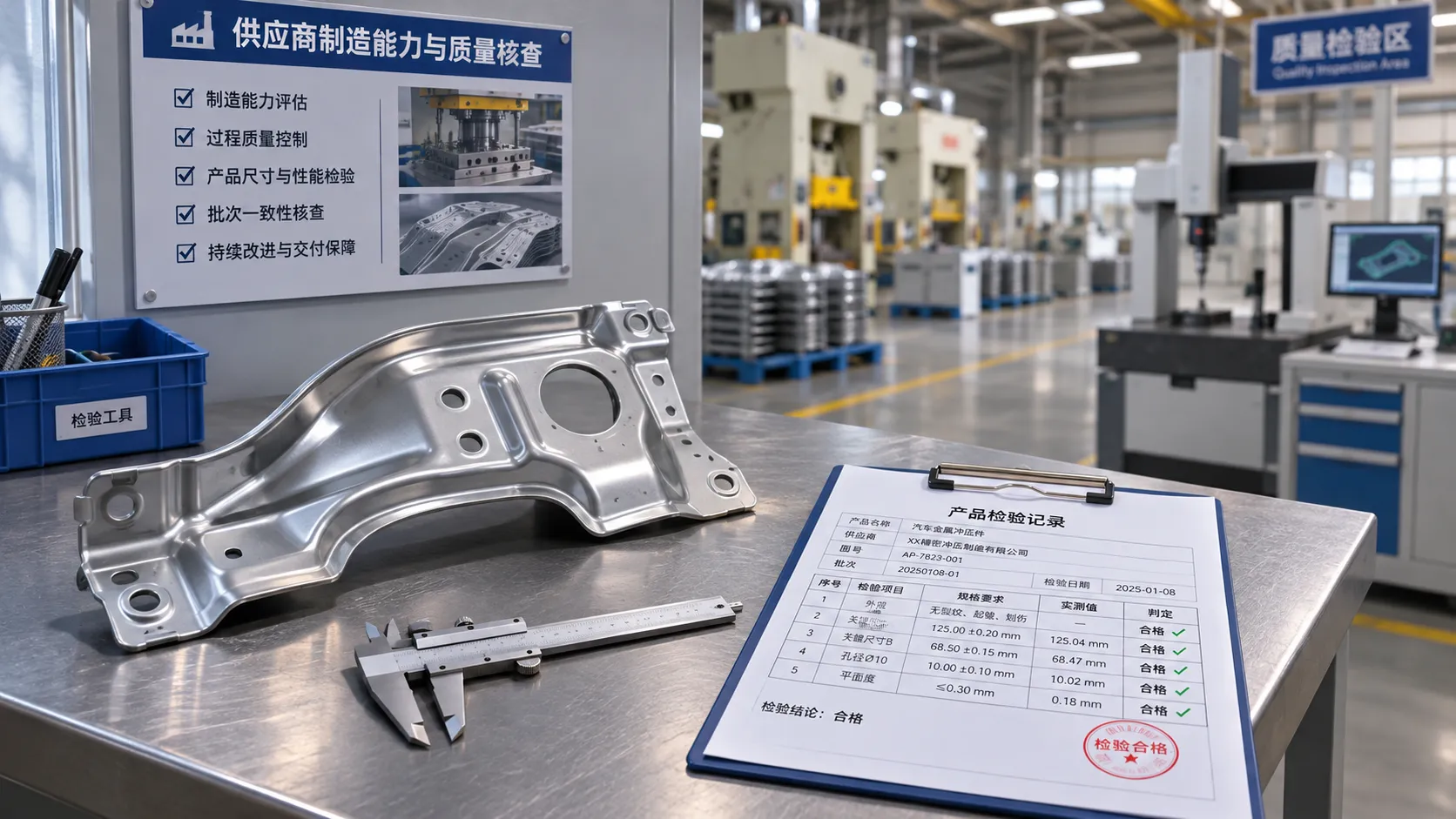
A site visit or structured technical review is particularly valuable when the comfort package includes electronics, pneumatic systems, thermal elements, or multiple sub-tier components. The review should follow the expected production path: material receiving, storage, assembly, testing, traceability, rework handling, shipment, and failure analysis. Discussion in a meeting room should be checked against what can actually be seen on the line and in the supplier's records.
Final nomination should be based on evidence that the supplier can meet the intended vehicle requirement repeatedly, at volume, while managing inevitable program changes. For an OEM, the best seat comfort solutions supplier is not necessarily the one offering the most functions or the lowest initial price. It is the one whose design, validation, production controls, and commercial commitments remain coherent when the seat moves from a sample vehicle into years of serial production.
Related News

How to Evaluate Supplier Solution References Before Signing a Contract
Evaluate supplier solution references with confidence. Learn how to verify technical evidence, identify delivery risks, and close gaps before signing a contract.
How Capacitive Seat Occupancy Sensing Works in Automotive Airbag Systems
Discover how capacitive seat occupancy sensing supports automotive airbag systems, and explore the design, calibration, and validation challenges behind reliable performance.
Industrial Product References: How to Verify Specs Before Ordering
Use an industrial product reference for procurement to verify specs, compatibility, and certifications before ordering—and reduce costly purchasing risks.
Choosing a Private Label Partner in Europe: Key Supplier Criteria
Private label cooperation Europe buyers can trust starts with the right supplier. Explore key criteria for compliance, quality, traceability and supply resilience.

Integrated Cabin Comfort Systems: How Seat and Cabin Climate Controls Work Together
Discover how integrated cabin comfort systems coordinate seat and climate controls to balance occupant comfort, energy use, safety, and performance.
Automotive Ergonomics Pricing: What Drives Seat System Costs?
Discover what drives automotive ergonomics pricing, from seat mechanisms and safety systems to tooling and volume, and learn how to compare supplier quotes.
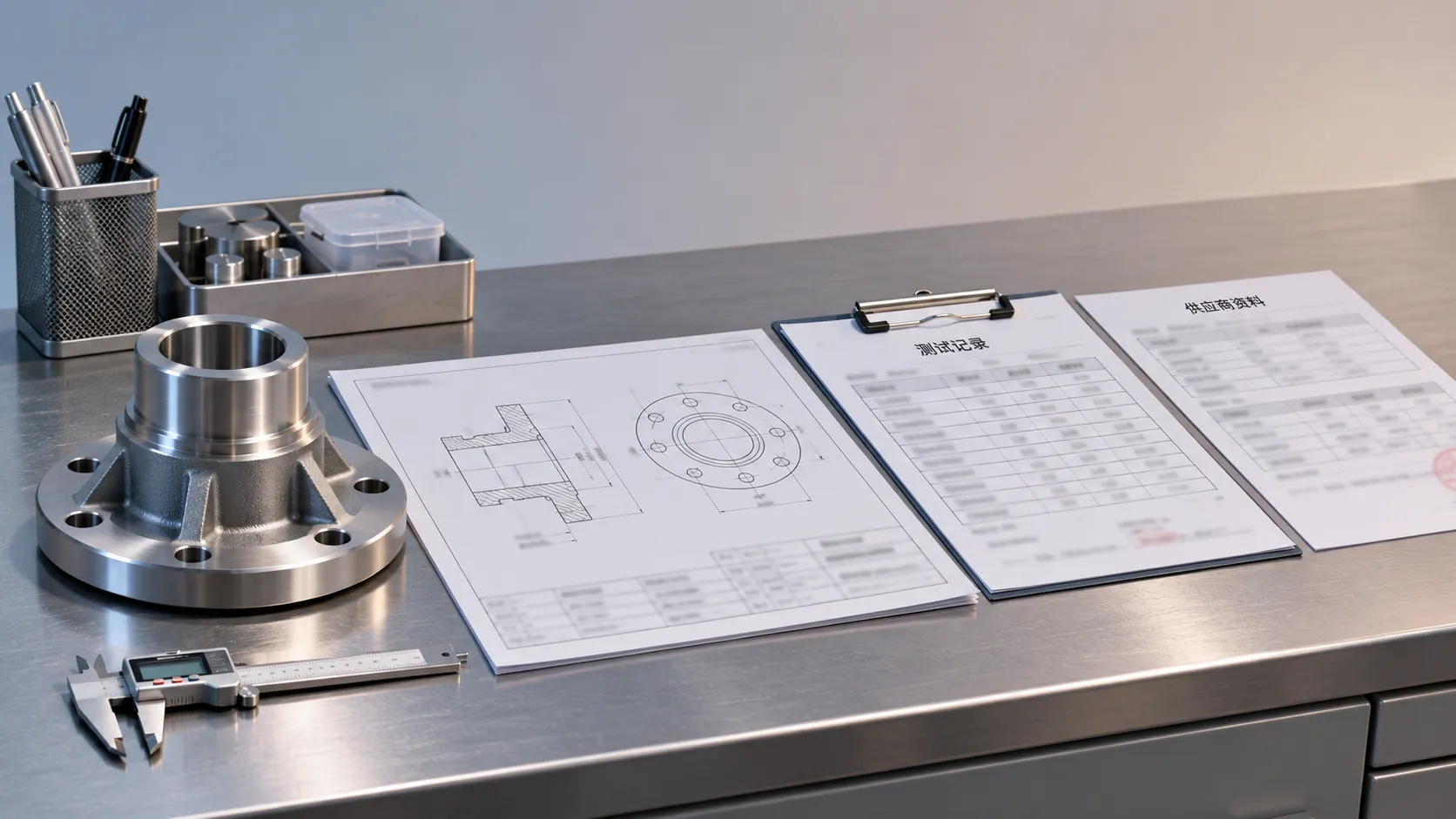
Evaluating Supplier Solutions: How to Verify References and Standards
Supplier solution references and standards can make or break a sourcing decision. Learn how to verify claims, assess compliance, and reduce risk before awarding a contract.
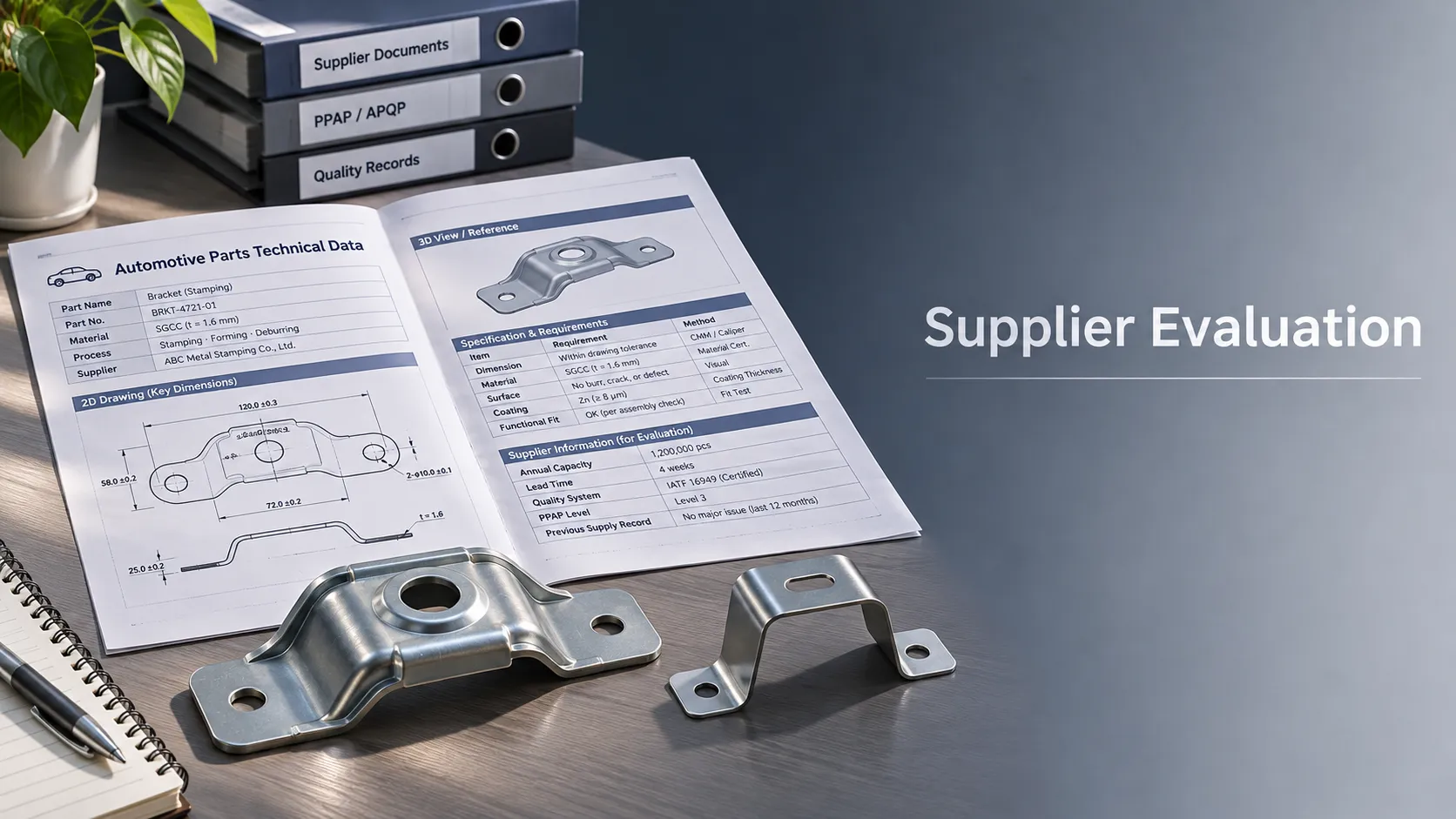
Choosing B2B Product Knowledge Platform Suppliers: Key Evaluation Criteria
Compare B2B product knowledge platform suppliers with confidence. Explore key criteria for data accuracy, supplier transparency, integrations, and value.

Choosing a Marine Radar Systems Supplier: What to Check Before Buying
Choosing a marine radar systems supplier? Compare installed costs, bridge compatibility, compliance evidence, and service support before you buy.
Related News
- 00
0000-00
Integrated Cabin Comfort Systems: How Seat and Cabin Climate Controls Work Together - 00
0000-00
Choosing a Seat Climate Systems Factory: Quality and Production Capacity - 00
0000-00
How Automotive Micro-Climate Control Improves Comfort in Heated and Ventilated Seats - 00
0000-00
How to Evaluate a Seat Comfort Solutions Supplier for OEM Program Requirements - 00
0000-00
Climate Control Seats Cost: What Drives Price and Long-Term Ownership Value?
0000-00
Weekly Insights
Stay ahead with our curated technology reports delivered every Monday.