
Choosing a Seat Climate Systems Factory: Quality and Production Capacity
A seat climate systems factory should be judged on its ability to deliver the specified comfort performance consistently, at the volume and timing your vehicle program requires. A competitive piece price is useful, but it does not compensate for unstable airflow, weak traceability, inadequate production capacity, or late engineering changes.
The most reliable comparison starts with a defined seat-level specification, followed by evidence from production-representative testing and a realistic capacity plan. This matters because the factory may supply anything from a heating mat or ventilation module to an integrated climate system. The production controls, testing responsibilities, and costs differ substantially across those scopes.
Define what the factory is expected to supply
Before requesting quotations, establish the boundary of the purchase. A supplier of heating elements may have strong textile and electrical assembly capabilities but rely on another company for electronic controls. A ventilation module supplier may be responsible for fans and air distribution, while the seat manufacturer controls the foam, upholstery, and final airflow path.
These distinctions affect both performance and accountability. A fan can meet its component specification yet deliver poor occupant comfort when installed beneath restrictive foam or an unsuitable seat cover. Similarly, a heater that performs well on a bench may behave differently under a compressed cushion or with a different trim material.
The request for quotation should identify the intended deliverables and interfaces, including:
- Heating, ventilation, or other climate functions included in the supply scope.
- Seat locations and variants, such as cushion and backrest, front and rear, or different trim levels.
- Electrical interfaces, control responsibilities, sensors, connectors, and packaging constraints.
- Expected operating conditions, durability requirements, noise limits, and acceptance criteria.
- Who supplies the foam, trim, seat structure, software, and final seat assembly for validation.
Specify the performance required at the agreed interface, not merely the parts to be purchased. When full-seat performance depends on components outside the supplier’s control, divide responsibility for design assumptions, integration tests, and corrective action before comparing bids.
Assess performance in the seat, not just on the component datasheet
For heated seats, buyers need evidence of temperature distribution, warm-up behavior, control accuracy, and protection against overheating under the specified conditions. Ask how the supplier evaluates potential hot spots around seams, folds, attachment points, and areas where the occupant compresses the cushion.
For ventilated seats, review airflow distribution and perceived comfort alongside fan output. Air has to move through the complete seat construction; leakage, blocked passages, dense foam, and trim choices can change the result. Ventilation noise also needs attention, especially where a fan sounds acceptable on its own but creates an objectionable tone or vibration when mounted in the seat.
Test conditions should be comparable across suppliers. A useful quotation package states the seat build, ambient conditions, electrical supply, control setting, measurement locations, and acceptance criteria. If one supplier quotes a component test and another quotes a complete-seat test, their results cannot be treated as equivalent.
Where active heating or cooling performance is sensitive to the occupant’s position, include representative loading conditions in the agreed validation plan. Also consider foreseeable misuse, such as an item left on the seat, where it is relevant to the system design. The purpose is not to demand every conceivable test from every bidder; it is to make sure the selected tests represent the risks of the intended application.
Look for manufacturing controls that protect consistency
A prototype demonstrates that a design can work. Production evidence shows whether the factory can build it repeatedly. During a supplier review, follow the material and assembly flow from incoming components through final inspection. The important question is how the factory detects a problem, contains affected stock, and prevents it from reaching the next operation or customer.
For heating assemblies, examine controls around conductor placement, electrical connections, insulation, and attachment to the carrier material. For ventilation modules, look at fan assembly, mounting features, air-channel integrity, and controls for noise or vibration where specified. Sensor placement and connector orientation deserve attention because errors can affect both performance and downstream assembly.
Ask to see the process flow, control plan, inspection records, and reaction plan for nonconforming product. These documents should correspond to the actual manufacturing process. A control plan that lists a check is less convincing if the line has no clear method for recording the result or isolating failed units.
End-of-line electrical or functional tests can detect faults, but they should not be the only safeguard. Some defects are easier to prevent or detect earlier, before parts are covered, bonded, or installed in a seat. Review how the factory manages test equipment calibration, software or parameter changes, rework, and the identification of reworked products.
Traceability should support a targeted response
If a connector, fan, sensor, or heating element proves defective, the supplier should be able to identify the affected production scope and its relevant material lots. The required traceability level depends on the product architecture and customer agreement; not every minor component necessarily needs individual serialization.
Ask the supplier to explain how it links incoming lots, production records, test results, and shipped batches. A practical demonstration using a sample production record is more informative than a general statement that the factory has traceability.
Translate capacity claims into a production plan
A factory’s quoted annual capacity is not the same as capacity available for your program. It may include multiple shifts, ideal cycle times, shared equipment, or product families with different processing requirements. Ask for a capacity calculation tied to the proposed line, product mix, operating calendar, and planned launch schedule.
The calculation should identify the bottleneck operation and show how much capacity is already committed. Include inspection, rework, planned maintenance, and changeovers where they affect output. A line may have enough assembly capacity but fall short at an automated test station or a specialized bonding process.
Compare the plan with your demand profile rather than a single annual total. A supplier that can meet steady-state volume may still struggle with a steep launch ramp, seasonal peaks, or several seat variants arriving on the same line. For programs with uncertain forecasts, discuss the lead time and cost of adding shifts, tooling, test stations, or external support.
Reserve capacity through a clear commercial agreement when continuity is critical. Define the forecast horizon, the portion of demand treated as firm, and how changes outside the agreed range are handled. A supplier cannot reasonably hold unlimited unused capacity without a cost, but an unreserved capacity promise offers limited protection when demand rises.
Compare total program cost, not only unit price
A useful cost comparison separates recurring production costs from one-time and conditional charges. Tooling, fixtures, validation, engineering changes, packaging, freight, inventory, and launch support may sit outside the quoted unit price. Ask each bidder to use the same volume assumptions and identify what is included.
Lower-priced components can also shift work downstream. For example, a less integrated ventilation assembly may require additional installation time, routing, or inspection at the seat plant. Conversely, an integrated module may simplify assembly but require a higher initial investment or create dependence on a proprietary interface. The better choice depends on program volume, assembly strategy, and the ability to accommodate future changes.
Include the likely cost of quality failures in the comparison, without inventing a failure rate. Consider who pays for sorting, replacement parts, transport, line disruption, and field support under the proposed terms. A clear allocation of responsibility makes offers easier to compare and reduces disputes if a problem occurs.
For low-volume or short-life programs, dedicated automation and tooling may not justify their upfront cost. A flexible line can be preferable if it meets quality requirements and offers a workable piece price. For stable, high-volume programs, investment in dedicated equipment may become more attractive when the total cost and capacity assumptions support it.
Check supply continuity beyond the final assembly line
The factory’s output depends on its own supply base. Identify components that are difficult to substitute, have long replenishment times, or require customer approval before a source change. Fans, electronic controls, specialized heating materials, and connectors may warrant particular attention depending on the design.
Ask how the supplier manages sub-tier performance, inventory, and changes in material or manufacturing location. A second source is useful only if its parts are qualified for the application and the required production capacity is available. An unapproved alternative may not be usable when a shortage occurs.
Review the recovery plan for equipment failure, logistics disruption, and quality containment. It should identify practical actions, decision owners, and the time needed to restore output. Where alternative production equipment or sites are proposed, establish what approval and validation would be needed before transferring production.
Use the same evidence package to select the supplier
Shortlist factories against a common set of requirements, then resolve material gaps before awarding the program. A structured review helps separate a supplier that has already demonstrated a capability from one that plans to develop it after nomination.
- Issue a consistent request: provide the same technical scope, demand profile, timing, commercial assumptions, and expected deliverables to each bidder.
- Review representative evidence: compare test reports, manufacturing controls, capacity calculations, and relevant quality-management documentation against the proposed scope.
- Examine the production process: assess the proposed site and line, including bottlenecks, traceability, sub-tier dependencies, and handling of nonconforming product.
- Resolve integration responsibilities: agree who owns seat-level validation, interfaces, design changes, and corrective action when performance depends on multiple suppliers.
- Close commercial gaps: align tooling ownership, capacity commitments, launch support, change control, warranty responsibilities, and the treatment of demand fluctuations.
A supplier need not own every process or perform every test to be a sound choice. It does need a credible plan for the responsibilities it accepts, transparent control over outsourced work, and evidence that the proposed production route can meet the program’s requirements. Where an important capability is still being developed, make its completion a measurable launch milestone rather than treating a promise as established capacity.
Related News
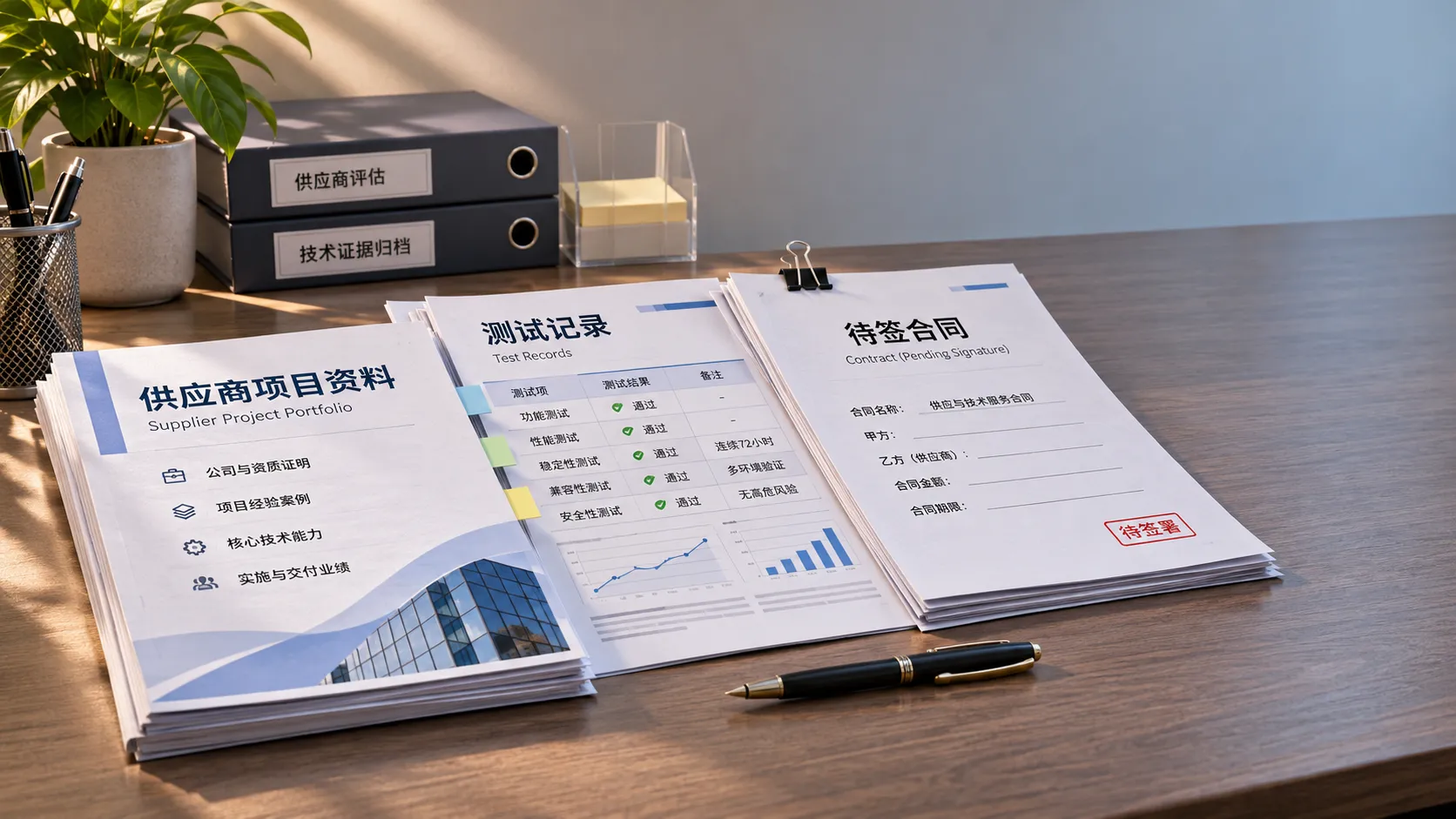
How to Evaluate Supplier Solution References Before Signing a Contract
Evaluate supplier solution references with confidence. Learn how to verify technical evidence, identify delivery risks, and close gaps before signing a contract.
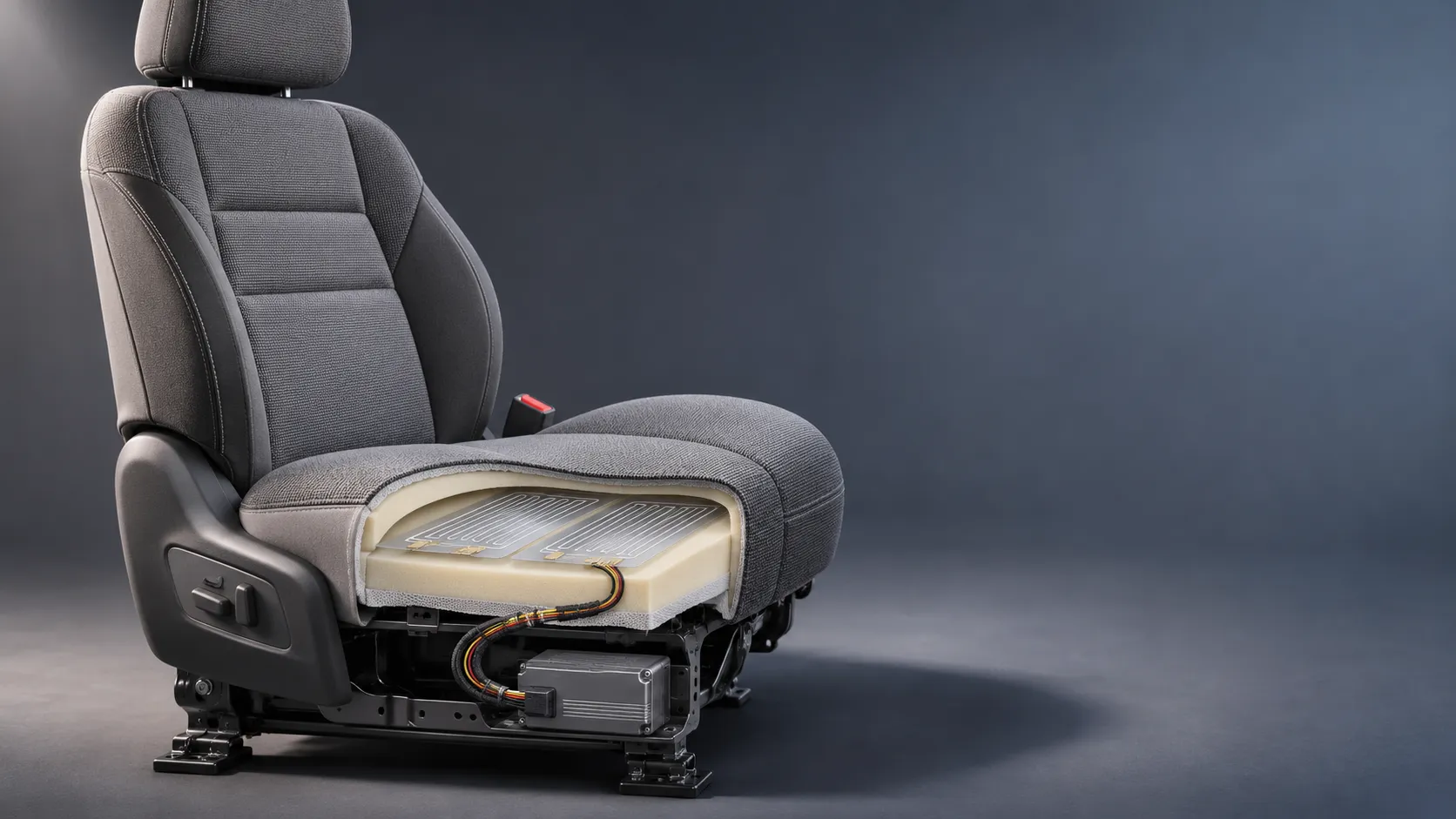
How Capacitive Seat Occupancy Sensing Works in Automotive Airbag Systems
Discover how capacitive seat occupancy sensing supports automotive airbag systems, and explore the design, calibration, and validation challenges behind reliable performance.
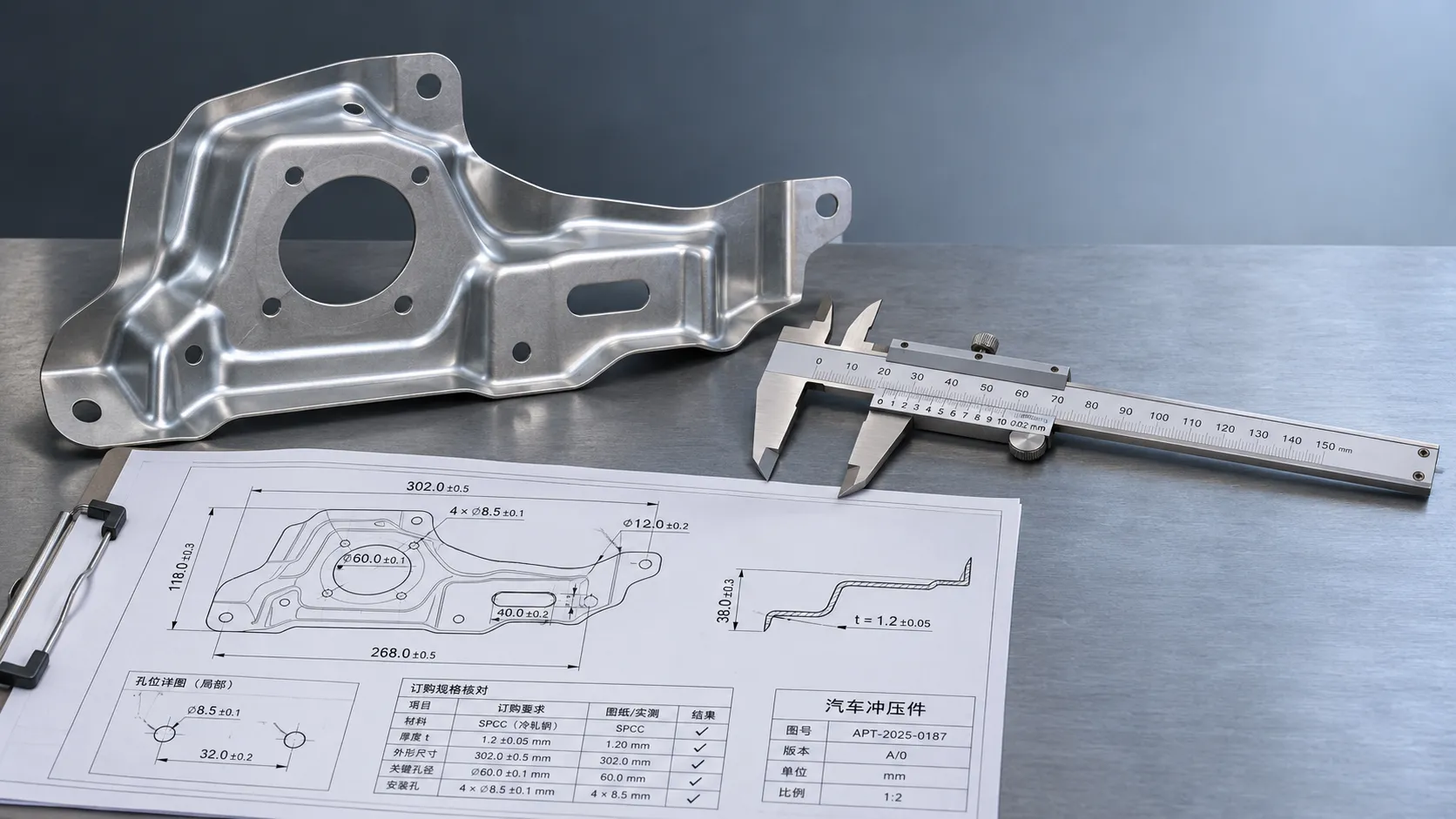
Industrial Product References: How to Verify Specs Before Ordering
Use an industrial product reference for procurement to verify specs, compatibility, and certifications before ordering—and reduce costly purchasing risks.
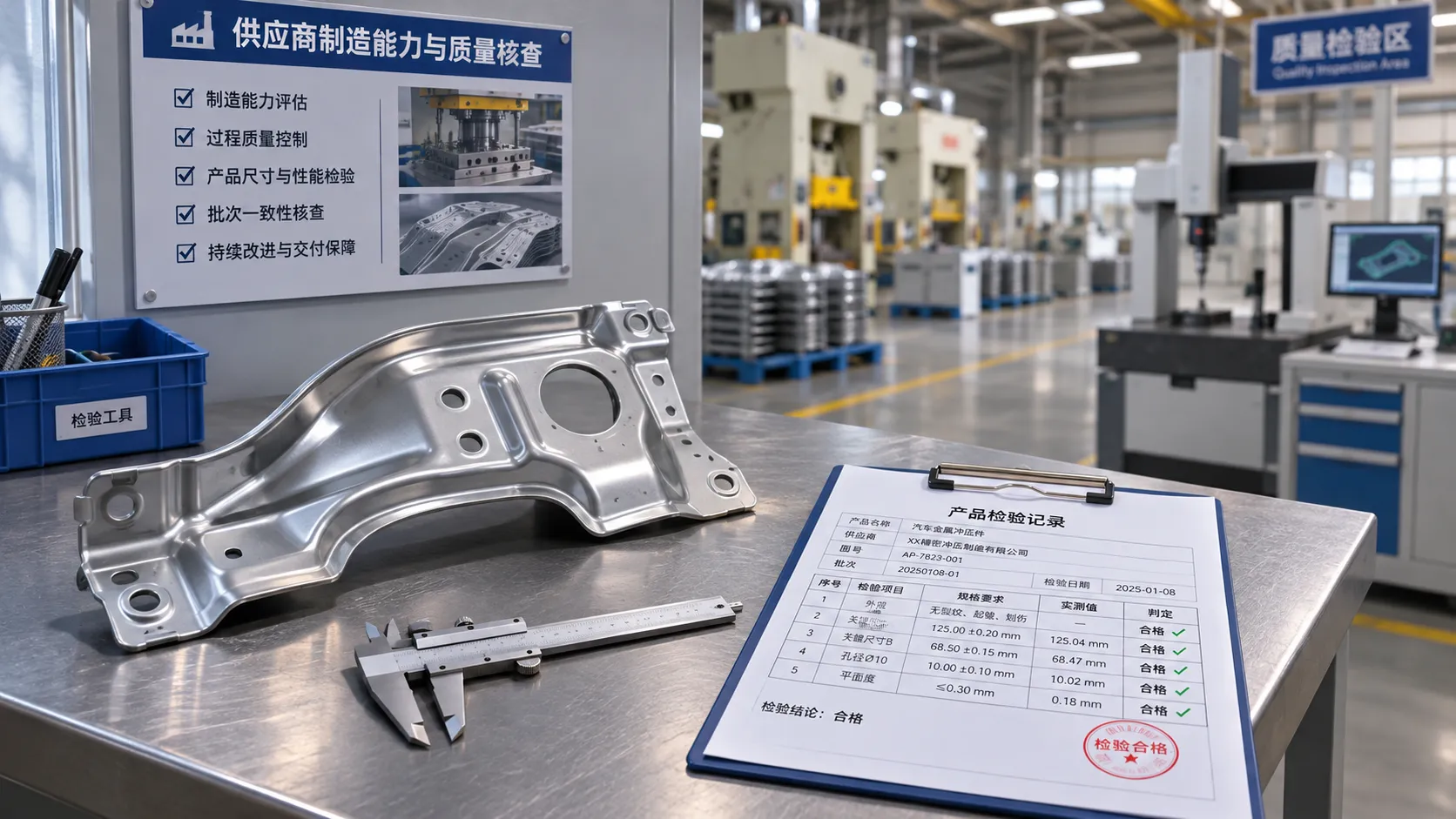
Choosing a Private Label Partner in Europe: Key Supplier Criteria
Private label cooperation Europe buyers can trust starts with the right supplier. Explore key criteria for compliance, quality, traceability and supply resilience.

Integrated Cabin Comfort Systems: How Seat and Cabin Climate Controls Work Together
Discover how integrated cabin comfort systems coordinate seat and climate controls to balance occupant comfort, energy use, safety, and performance.
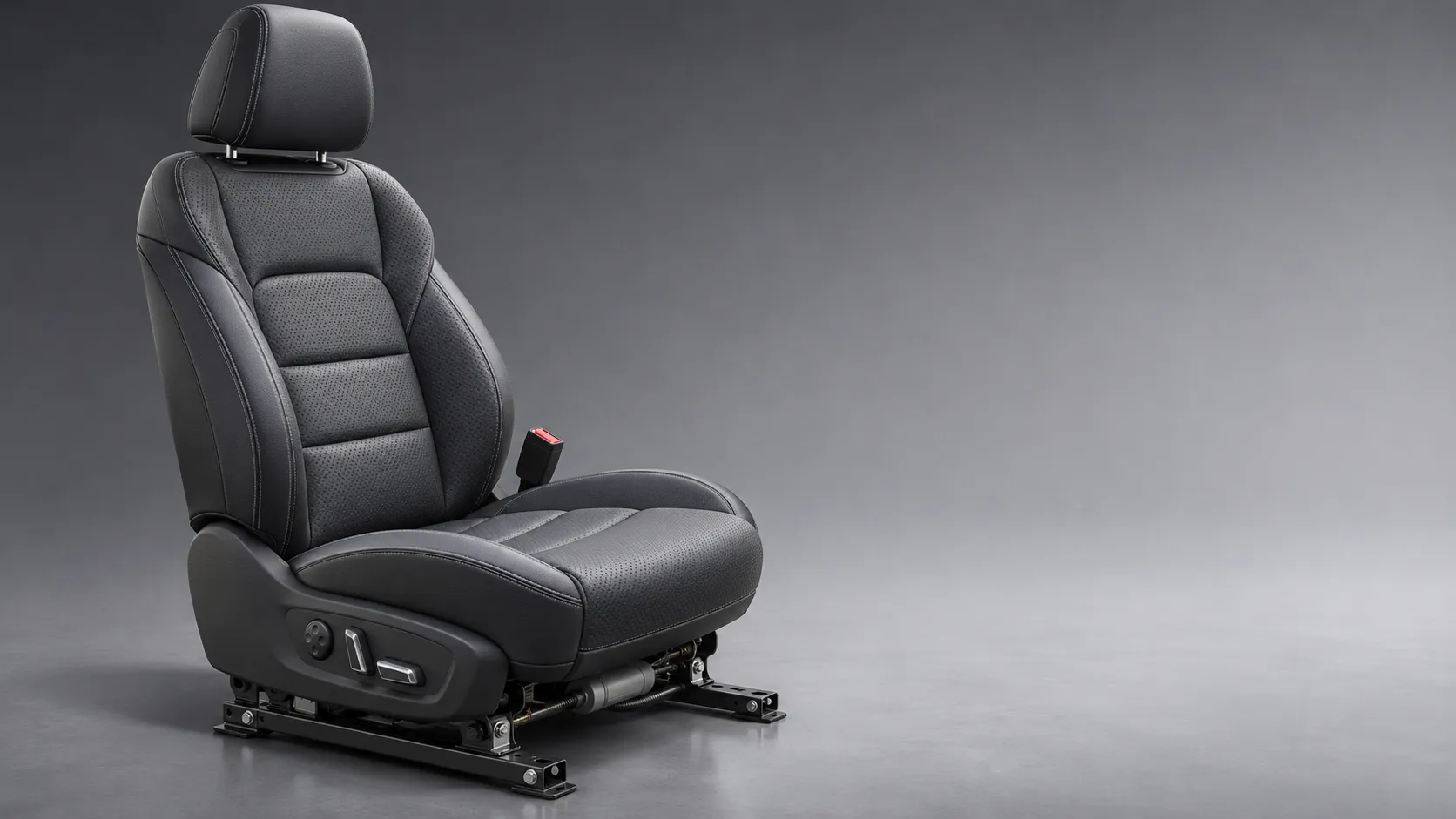
Automotive Ergonomics Pricing: What Drives Seat System Costs?
Discover what drives automotive ergonomics pricing, from seat mechanisms and safety systems to tooling and volume, and learn how to compare supplier quotes.
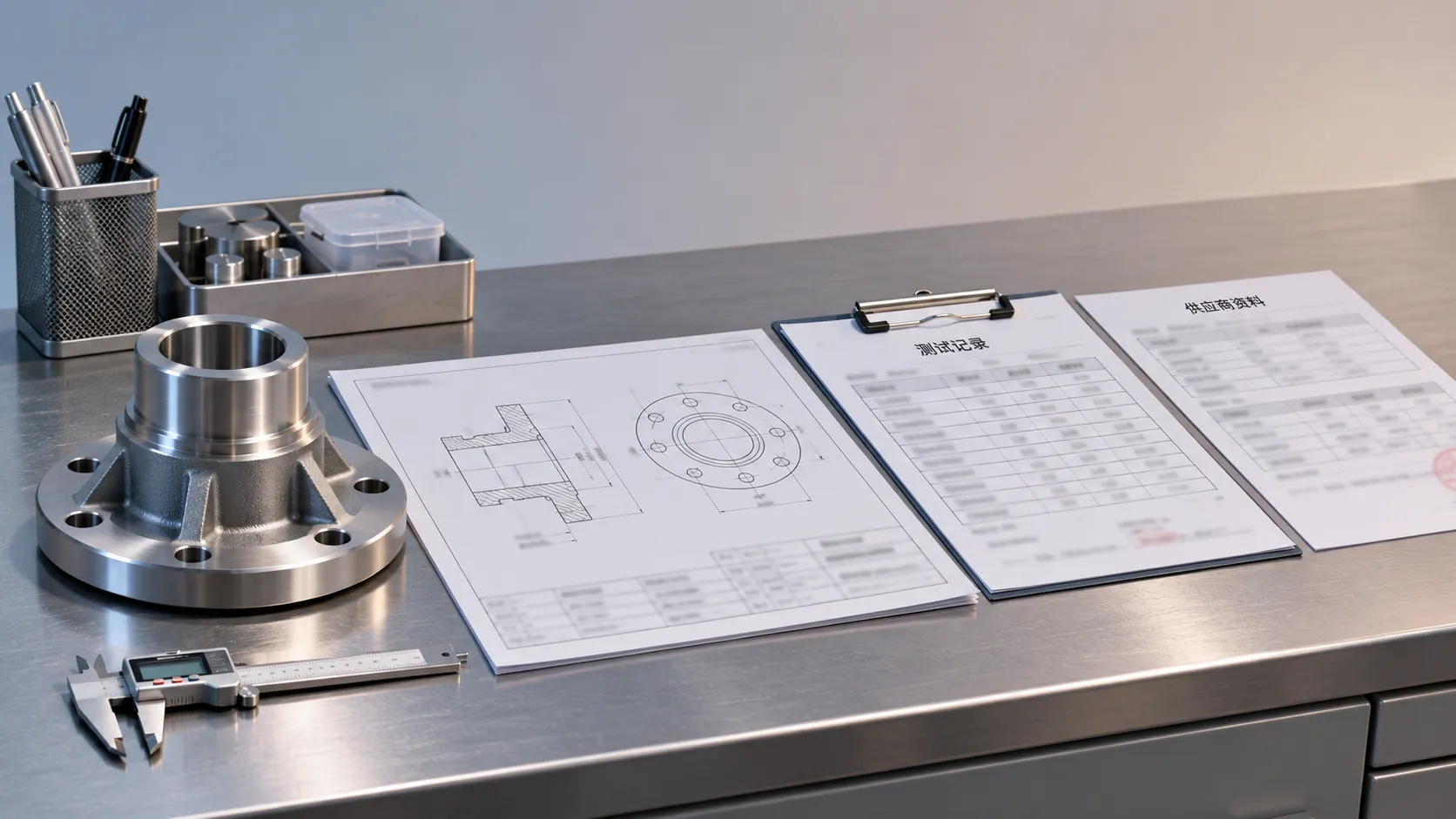
Evaluating Supplier Solutions: How to Verify References and Standards
Supplier solution references and standards can make or break a sourcing decision. Learn how to verify claims, assess compliance, and reduce risk before awarding a contract.
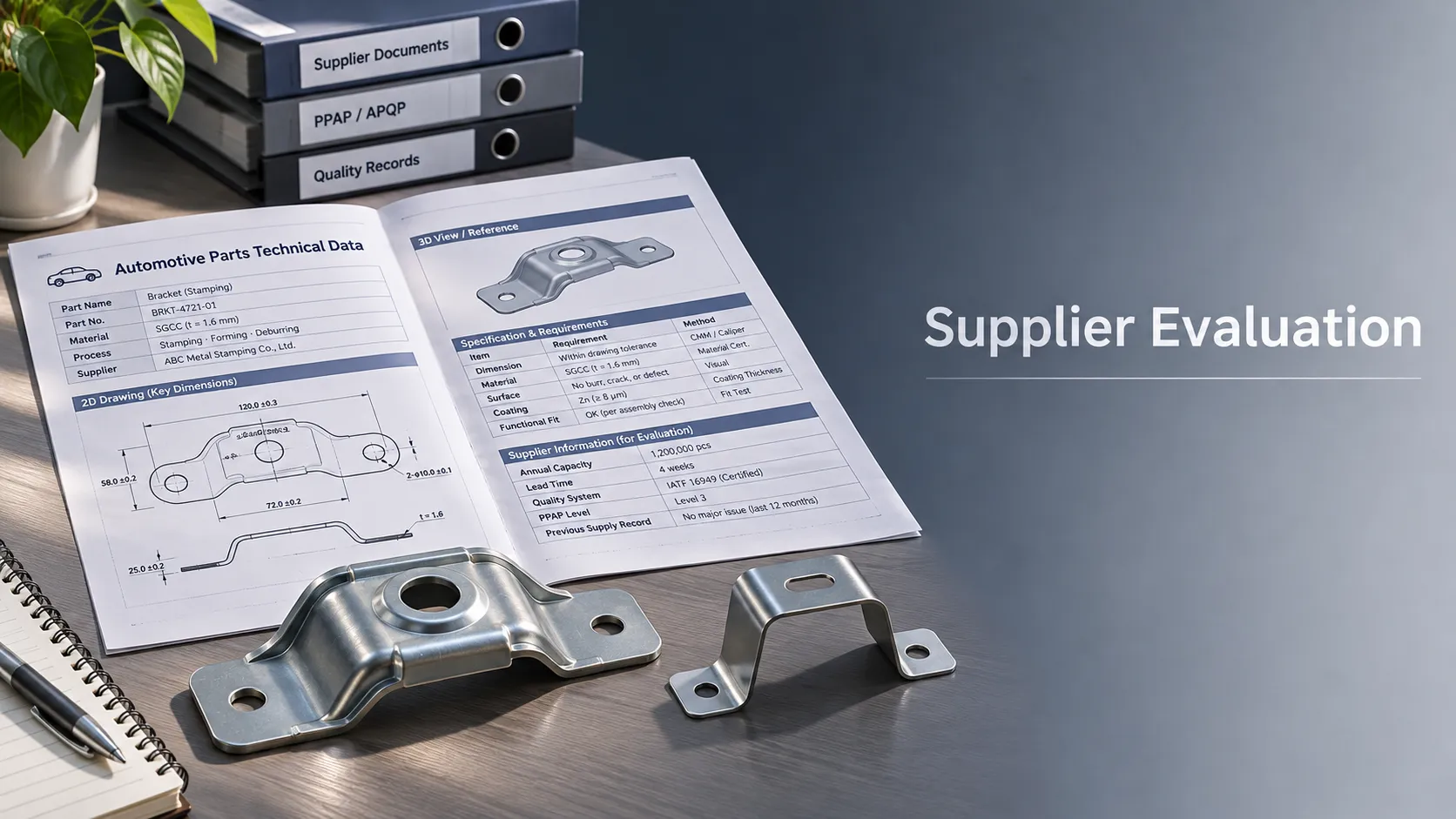
Choosing B2B Product Knowledge Platform Suppliers: Key Evaluation Criteria
Compare B2B product knowledge platform suppliers with confidence. Explore key criteria for data accuracy, supplier transparency, integrations, and value.

Choosing a Marine Radar Systems Supplier: What to Check Before Buying
Choosing a marine radar systems supplier? Compare installed costs, bridge compatibility, compliance evidence, and service support before you buy.
Related News
- 00
0000-00
Integrated Cabin Comfort Systems: How Seat and Cabin Climate Controls Work Together - 00
0000-00
Choosing a Seat Climate Systems Factory: Quality and Production Capacity - 00
0000-00
How Automotive Micro-Climate Control Improves Comfort in Heated and Ventilated Seats - 00
0000-00
How to Evaluate a Seat Comfort Solutions Supplier for OEM Program Requirements - 00
0000-00
Climate Control Seats Cost: What Drives Price and Long-Term Ownership Value?
0000-00
Weekly Insights
Stay ahead with our curated technology reports delivered every Monday.