
Hot stamping processes can cut weight without weak points
Hot stamping processes are moving from specialist capability to structural mainstream
For technical evaluators balancing crash performance, manufacturability, and mass reduction, hot stamping processes offer a practical route to lighter structures without creating weak points.
By enabling ultra-high-strength components with controlled geometry and energy absorption, these processes are reshaping automotive body engineering and raising new questions about cost, consistency, and compliance.
Across the broader mobility sector, weight reduction is no longer a narrow efficiency target.
It now influences emissions strategy, battery range, crash architecture, logistics efficiency, and platform flexibility.
That is why hot stamping processes have become central in discussions about body-in-white design, passive safety, and lifecycle performance.
The change is visible in body structures, compliance pathways, and platform strategy
Several signals show how fast hot stamping processes are expanding beyond premium vehicles.
Ultra-high-strength steel parts are appearing in pillars, roof rails, side impact members, tunnel reinforcements, and front crash structures.
At the same time, mixed-material platforms demand joining strategies that keep stiffness high while controlling assembly complexity.
Regulatory pressure also matters.
Stricter crash protocols and evolving global safety benchmarks push engineers toward predictable deformation and stronger occupant cells.
Hot stamping processes support that shift by combining high tensile strength with dimensional precision after quenching.
In the GNCS observation framework, this development links directly to lightweight body engineering and cabin protection performance.
It also connects with intelligence analysis on crash standards, material evolution, and production credibility across global mobility systems.
Why hot stamping processes are gaining momentum now
The trend is not driven by one factor alone.
It comes from the convergence of engineering, regulatory, and economic pressures.
Another reason is better simulation capability.
Advanced forming and quenching models now help teams predict thinning, springback, hardness distribution, and final crash behavior earlier.
That reduces uncertainty when applying hot stamping processes to critical safety zones.
The real value is lighter design without creating weak points
The core engineering promise of hot stamping processes is not simply higher strength.
It is the ability to redistribute material performance where it matters most.
Conventional thinning often risks local weakness, unstable deformation, or joining complications.
By contrast, hot stamping processes allow thinner gauges while preserving structural integrity through martensitic transformation and tight shape control.
Where the advantage shows up
- Improved intrusion resistance in side structures
- Higher roof crush performance with controlled mass
- Better load transfer around door rings and pillars
- Reduced need for overlapping reinforcements in some zones
- Cleaner integration with passive safety systems
This matters beyond the press shop.
A stronger and lighter body affects airbag timing, seatbelt load paths, seat anchorage behavior, and cabin survival space.
That systems view aligns with GNCS coverage of stampings, airbags, seatbelts, and seating as connected safety layers.
The impact spreads across design, production, validation, and commercial decisions
As hot stamping processes expand, their effects reach multiple business and engineering stages.
Design and CAE
Early architecture decisions become more important.
Teams must define which zones need peak strength, tailored properties, or progressive deformation before tooling investment rises.
Manufacturing and tooling
Cycle time, furnace control, die cooling, coating behavior, and trim quality all influence final part reliability.
Small thermal deviations can create large performance differences.
Quality and compliance
Material traceability and hardness verification become critical.
Programs targeting IIHS, Euro NCAP, or regional regulations need stable evidence, not only good prototype results.
Commercial positioning
Technical credibility now shapes contract value.
Verified hot stamping processes can support premium opportunities when reliability, safety performance, and global launch readiness are proven.
Relevant intelligence references may appear alongside resources such as 无 when evaluating broader program context.
What deserves close attention as the trend matures
The expansion of hot stamping processes does not remove tradeoffs.
It changes where the main risks sit.
- Part design must match real crash load paths, not only static strength targets
- Coating selection affects oxidation control, weldability, and downstream finishing
- Tool cooling uniformity strongly influences hardness consistency
- Laser trimming quality can affect fatigue and edge crack behavior
- Joining with aluminum or other materials requires careful corrosion and stiffness management
- Scrap, energy use, and maintenance costs can erode lightweight gains if unmanaged
Another issue is overapplication.
Not every part benefits equally from hot stamping processes.
In some regions, cold-formed advanced high-strength steel or alternative alloys may provide better cost-performance balance.
The best results usually come from selective deployment within a multi-material strategy.
A practical framework for judging future-fit applications
A useful evaluation framework should connect weight, safety, production, and business outcomes.
What to do next as hot stamping processes become a strategic capability
The next step is not blind expansion.
It is disciplined prioritization.
Start with parts that combine high crash relevance, measurable weight benefit, and manageable manufacturing complexity.
Then connect simulation, tooling, quality control, and compliance evidence into one decision chain.
For sector observers and program planners, the most useful signal is whether hot stamping processes are being treated as isolated parts technology or as a platform-level safety enabler.
That distinction often determines who achieves lighter structures without weak points.
Continued monitoring of technical benchmarks, regulatory shifts, and intelligence references such as 无 can sharpen that judgment.
In a market where safety, efficiency, and credibility increasingly overlap, hot stamping processes are becoming less of an option and more of a structural decision.
Related News
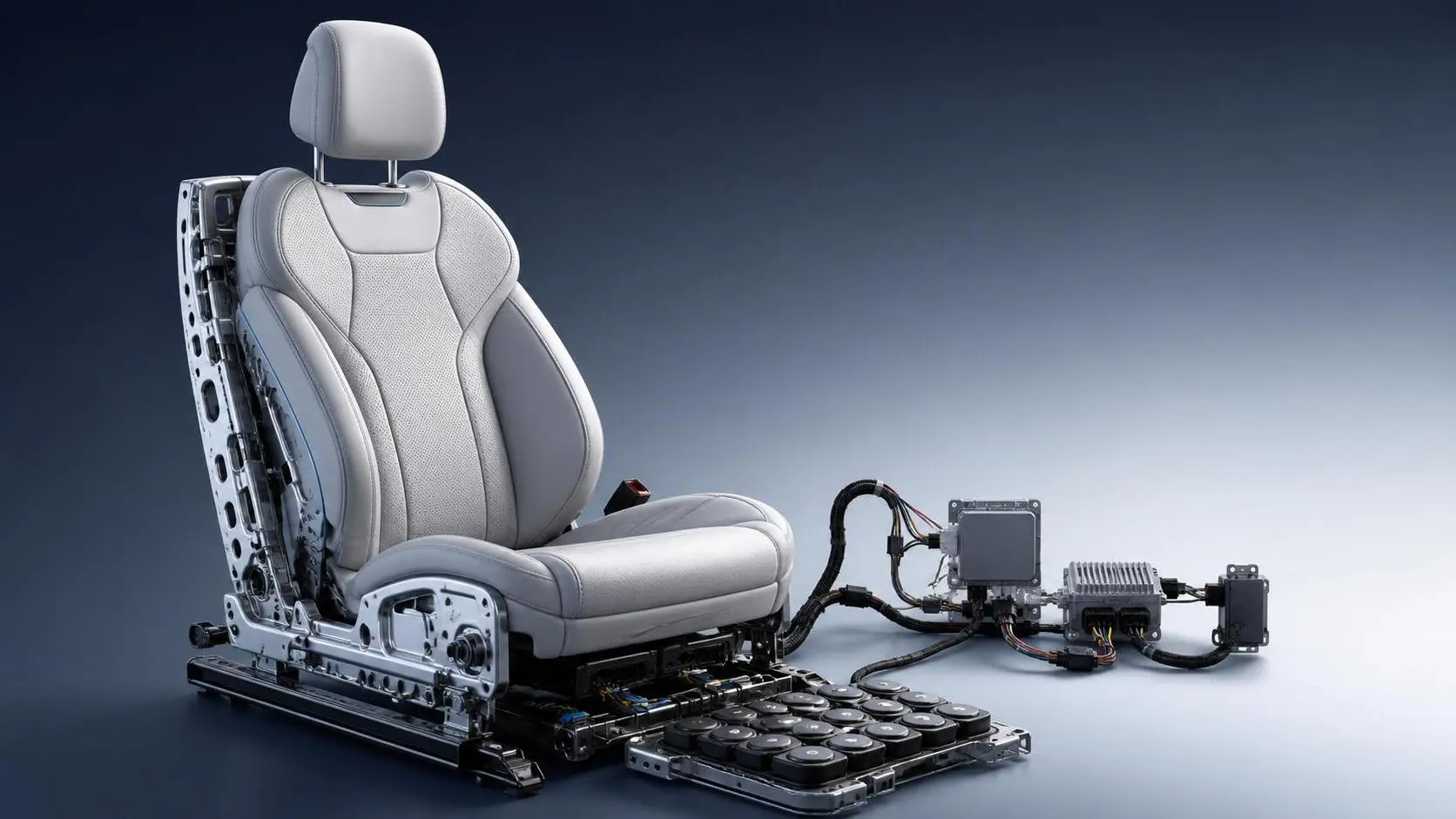
How to Evaluate Custom Smart Automotive Seating for Premium Vehicle Programs?
Custom smart automotive seating evaluation starts with safety, comfort, integration, and production readiness. Discover how premium vehicle teams choose smarter, lower-risk seat solutions.
B2B Product Intelligence Platforms: How to Compare Features, Data Coverage, and ROI
B2B product intelligence platform comparison: learn how to evaluate data coverage, feature depth, compliance visibility, and ROI to choose a sourcing tool that reduces risk and speeds decisions.
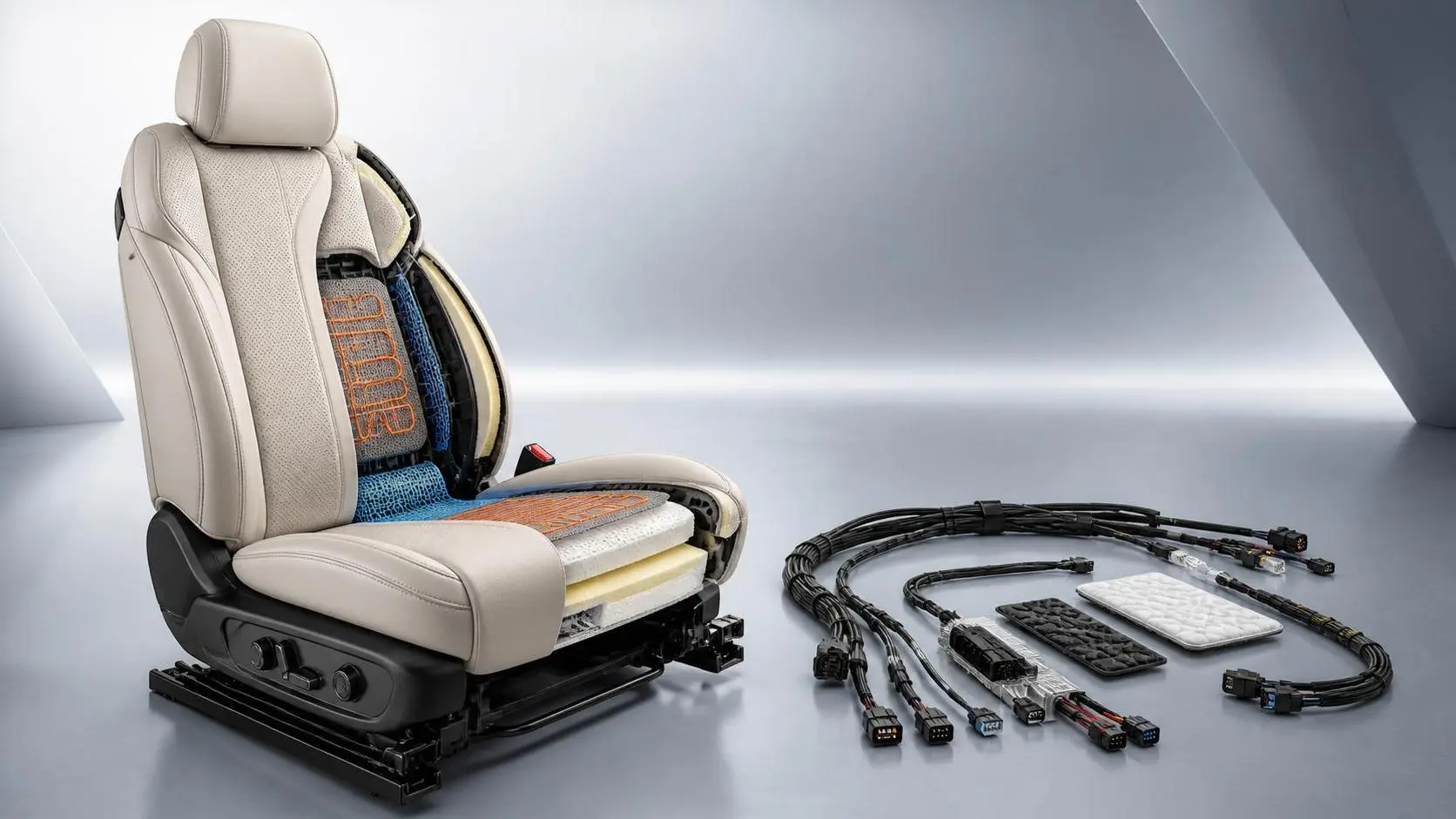
Climate Control Seats Cost: What Drives Price and Long-Term Ownership Value?
Climate control seats cost depends on materials, thermal tech, and integration. Learn what drives price and how to judge long-term value before you buy.

What Factors Drive Marine Navigation Components Cost in Commercial Vessel Projects?
Marine navigation components cost is shaped by integration, compliance, installation, and lifecycle support. Discover what drives pricing and how buyers can reduce risk while improving value.

How Much Does Seat Occupancy Sensing Cost? Key Pricing Factors for Buyers
Seat occupancy sensing price varies widely by technology, integration, and compliance needs. Learn the key cost drivers, avoid hidden fees, and make smarter buying decisions.
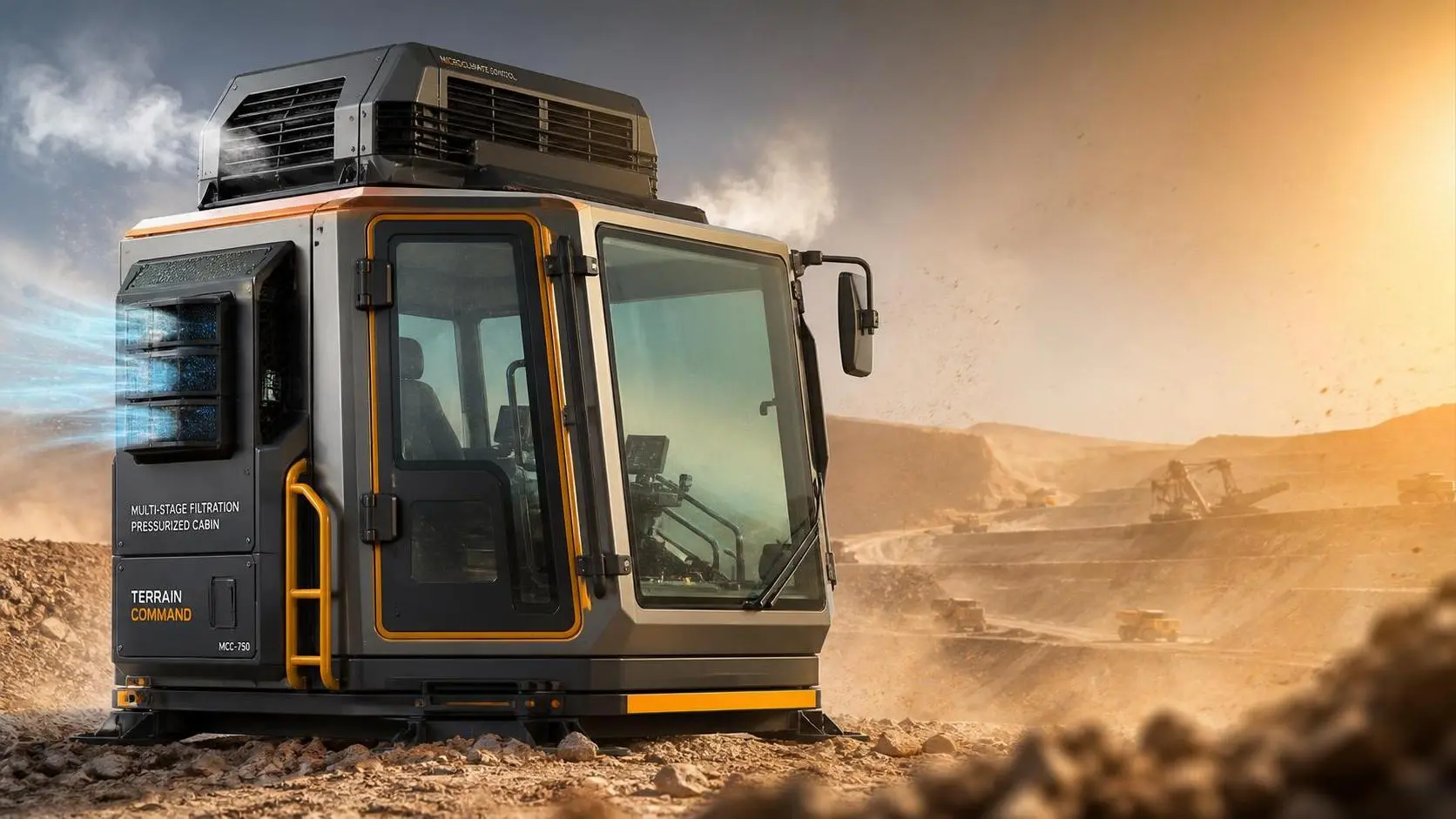
How to Specify Micro-Climate Control Cabins for Harsh Outdoor Worksites?
Micro-climate control cabins for harsh outdoor worksites: learn how to specify thermal control, filtration, pressurization, and durability for safer uptime and smarter buying.
How to Evaluate a B2B Product Knowledge Platform for Faster Procurement Decisions
B2B product knowledge platform procurement starts with reducing decision risk. Learn how to compare specs, compliance, and supplier data to speed sourcing with confidence.
How to Evaluate an Occupant Restraint Systems Exporter for Quality, Compliance, and Supply Risk
Occupant restraint systems exporter evaluation guide: learn how to verify quality controls, compliance evidence, and supply risk before sourcing to avoid recalls, delays, and hidden costs.

Navigation Compliance Certification: Which Marine Systems Need It and How to Prepare?
Navigation compliance certification explained: discover which marine systems need approval, what documents matter, and how to prepare early to avoid delays, rework, and costly project risks.
Related News
- 00
0000-00
22MnB5 Hot Stamped Steel Parts: Key Properties, Forming Limits, and Typical Uses - 00
0000-00
How to Evaluate Hot Stamped Steel Parts for Crash Performance and Weight Targets - 00
0000-00
Hot Stamping Processes Explained: Materials, Forming Steps, and Common Quality Defects - 00
0000-00
Hot Stamping Processes: Steps, Tooling, and Part Quality Factors That Matter - 00
0000-00
Passive Safety Components: Key Types, Functions, and Where They Matter Most
Weekly Insights
Stay ahead with our curated technology reports delivered every Monday.