
Which Passive Safety Engineering Standards Apply to Automotive Restraint Systems?
For automotive restraint systems, passive safety engineering standards are not a single checklist. The applicable requirements depend on the vehicle’s target market, seating layout, restraint architecture, and whether the assessment concerns type approval, self-certification, or consumer crash performance. Airbags, seatbelts, seat structures, anchorage points, child-restraint interfaces, and the vehicle body must be evaluated as one crash-management system.
The practical answer is this: vehicles sold in the United States are commonly assessed against Federal Motor Vehicle Safety Standards (FMVSS), while many other markets rely on UN Regulations under the 1958 Agreement, often referred to as UNECE regulations. Programs such as Euro NCAP and IIHS add influential crash-performance protocols, but they are generally not legal type-approval regulations. A component can meet its individual requirement and still perform poorly once installed in the complete vehicle.
How Passive Safety Engineering Standards Map to Restraint Systems
A restraint system begins with the occupant position and ends with the crash pulse delivered by the body structure. That is why technical reviews should not treat an airbag module, belt retractor, or seat frame as an isolated purchase item. The component must be compatible with vehicle geometry, sensor logic, occupant classifications, seat-track positions, and the expected crash deceleration profile.
This table is a starting point, not a certification strategy. A particular vehicle may need additional requirements for interior fittings, head restraints, electric vehicle safety, post-crash door operation, fuel-system integrity, or rear-impact protection. Exact applicability must be confirmed against the target market’s current legal text and vehicle category.
Seatbelts: The Standards Most Often Misread
Seatbelt compliance is often reduced to a strength question: can the webbing or anchorage carry the required load? That view misses the engineering interaction that causes real development delays. FMVSS No. 209 and UN R16 address the belt assembly itself, while FMVSS No. 210 and UN R14 address where that belt is attached. The belt, buckle, D-ring, retractor, pretensioner, load limiter, seat frame, floor structure, and B-pillar can all affect the final result.
A belt assembly that has passed its component-level tests is not automatically suitable for a new vehicle program. Changing the seat height, shoulder-belt guide location, belt path over the pelvis, or buckle stalk stiffness can alter dummy kinematics during a crash. The same is true when a supplier substitutes a retractor, modifies pretensioner output, or changes webbing friction characteristics.
One common mistake is to accept a test report without checking the tested configuration. Review the part number, revision level, buckle and retractor pairing, webbing specification, mounting orientation, test fixture, and approval scope. A valid approval for a prior program can be useful evidence, but it is not proof that the current installation meets the vehicle-level requirement.
Airbag Assemblies Are Governed by Vehicle Outcomes
Airbag assemblies are unusual because many core legal requirements focus on occupant protection in the complete vehicle rather than approving a front airbag module as a standalone safety device. In the United States, FMVSS No. 208 is central to frontal occupant crash protection. It has shaped requirements around crash sensing, deployment behavior, restraint use, and protection of different occupant conditions. Side airbags must also be considered within the applicable side-impact framework, including FMVSS No. 214 and relevant UN side-impact regulations.
For an airbag supplier assessment, the inflator, cushion, module housing, connectors, diagnostics, and deployment algorithm should be reviewed together. A module may be technically mature, yet still be unsuitable if its deployment timing conflicts with the vehicle crash pulse or the occupant is positioned outside its effective protection zone.
Pay particular attention to these questions:
- Has the module been validated with the intended seat, instrument panel, trim geometry, and windshield area?
- Are the restraint control unit calibration, crash sensors, and deployment thresholds under formal configuration control?
- Does the evidence cover out-of-position occupants, small adults, larger occupants, and rear-seat occupants where the applicable protocol requires it?
- Have post-deployment effects such as gas leakage, thermal exposure, electrical isolation, and emergency access been considered for the vehicle architecture?
Consumer protocols can expose gaps that legal compliance does not. Euro NCAP and IIHS tests are often used by vehicle manufacturers as development targets because they examine demanding crash scenarios and injury-risk metrics. Their methods should be treated as design inputs when the program has a rating objective, not confused with a universal substitute for regulatory certification.
Seats, Head Restraints, and Anchors Carry the Restraint Load
A seat is not merely a comfort component in a crash. In many vehicle layouts, it supports belt loads, controls occupant posture, retains the occupant during rear impact, and provides the mounting environment for side airbags, occupant sensors, and child-seat anchorages. FMVSS No. 207 and UN R17 address important seat-strength and retention topics, but a robust review also needs to examine seat-track locking, recliner durability, weld quality, joining methods, and structural behavior after repeated adjustment cycles.
Lightweighting increases the need for disciplined verification. High-strength steel stampings, aluminum structures, and magnesium seat-frame concepts may deliver meaningful mass reduction, yet their joining methods and local deformation behavior can change load transfer. A static pull test may demonstrate a required load threshold while failing to reveal a dynamic weakness at a recliner, seat track, or anchorage reinforcement.
This is where body-in-white and restraint engineering must work from shared assumptions. If the anchor load path travels through a hot-stamped reinforcement, the material grade alone is not enough. Forming history, thickness tolerance, weld placement, corrosion protection, local tearing behavior, and assembly variation all affect the result.
Build the Compliance Plan Before Prototype Testing
The most expensive restraint-system problems are usually discovered late: a seat package change shifts the belt geometry; a new trim surface interferes with side-airbag deployment; a body revision changes the crash pulse; a test report turns out to cover a non-equivalent part. These are process failures more than test failures.
A workable compliance plan normally follows this order:
- Define every intended sales market, vehicle category, seating position, and restraint configuration.
- Create a regulation matrix that separates mandatory legal requirements from internal targets and voluntary rating protocols.
- Map each requirement to a vehicle-level function, component owner, evidence type, test method, and release gate.
- Freeze interface assumptions early: seat position, anchor coordinates, dummy selection, body crash pulse, trim breakaway behavior, and electronic calibration ownership.
- Use simulation and subsystem testing to reduce risk, then confirm the integrated vehicle through the required official or witnessed tests.
- Maintain traceability from approved drawings and software versions to test vehicles, sample lots, material records, and final production controls.
The fourth step is routinely underestimated. Restraint performance is highly sensitive to interfaces, and an apparently minor geometry update may require reassessment. A compliance matrix that only lists regulation numbers is not sufficient; it needs to show what design change triggers retesting or engineering sign-off.
Standards Beyond the Crash Test
Legal crash regulations establish the minimum market-access baseline, but they do not cover every development risk. Functional safety processes such as ISO 26262 can be relevant where electronic control units, sensors, diagnostics, and deployment commands contribute to safety-related behavior. Cybersecurity and software-update governance may also matter where restraint-related electronics are connected to broader vehicle architectures. Their relevance should be determined by the system boundary and applicable market rules, rather than added as generic paperwork.
Quality-system evidence matters as well. A supplier’s initial test report has limited value if there is no credible method for controlling inflator lots, webbing material, pyrotechnic devices, weld processes, software calibration, and end-of-line verification. For safety-critical parts, production consistency is part of the safety case.
Information platforms such as GNCS can be useful when a program needs to connect regulatory changes with the linked engineering domains: airbag assemblies, belt systems, lightweight body stampings, and seat structures. The useful question is not simply whether a regulation has changed. It is which current design assumptions, supplier approvals, or validation plans may be affected by that change.
FAQ
Is UN R16 equivalent to FMVSS No. 209?
No. Both address seatbelt assemblies, but they arise from different regulatory systems and use different detailed requirements, test conditions, approval processes, and market obligations. Evidence prepared for one should be reviewed for technical relevance, not treated as automatic compliance with the other.
Do Euro NCAP and IIHS certification results allow a vehicle to be sold?
Not by themselves. They are influential consumer-information and performance-assessment programs. Legal market access depends on the applicable government regulations, approvals, declarations, and compliance procedures.
Can a seatbelt supplier provide all required compliance evidence?
The supplier can provide essential component evidence, but vehicle-level compliance also depends on anchorage design, seat geometry, body structure, occupant kinematics, and the complete restraint strategy. Final responsibility must be assigned clearly within the vehicle program.
When should restraint retesting be considered?
Retesting or formal reassessment should be considered after changes to restraint hardware, seat structure, anchorage geometry, body load paths, crash sensors, restraint-control software, trim interference zones, or the intended market configuration.
What a Defensible Assessment Looks Like
Strong passive safety engineering standards work is not demonstrated by a folder of certificates alone. It is demonstrated by a clear link between the regulation, the actual vehicle configuration, the tested hardware and software revisions, the measured outcome, and the production controls that preserve that outcome.
Start with the sales-market rule set, then test the interfaces between belts, airbags, seats, and body structure with the same rigor applied to the individual components. That approach avoids a familiar late-program surprise: every supplier is approved, yet the vehicle still needs another crash test because the system was never truly evaluated as a system.
Related News

How European B2B Teams Can Evaluate Product Intelligence Platforms for Sourcing
B2B product intelligence platform Europe: learn how procurement teams assess suppliers, compliance data, technical capabilities, and sourcing risks with confidence.
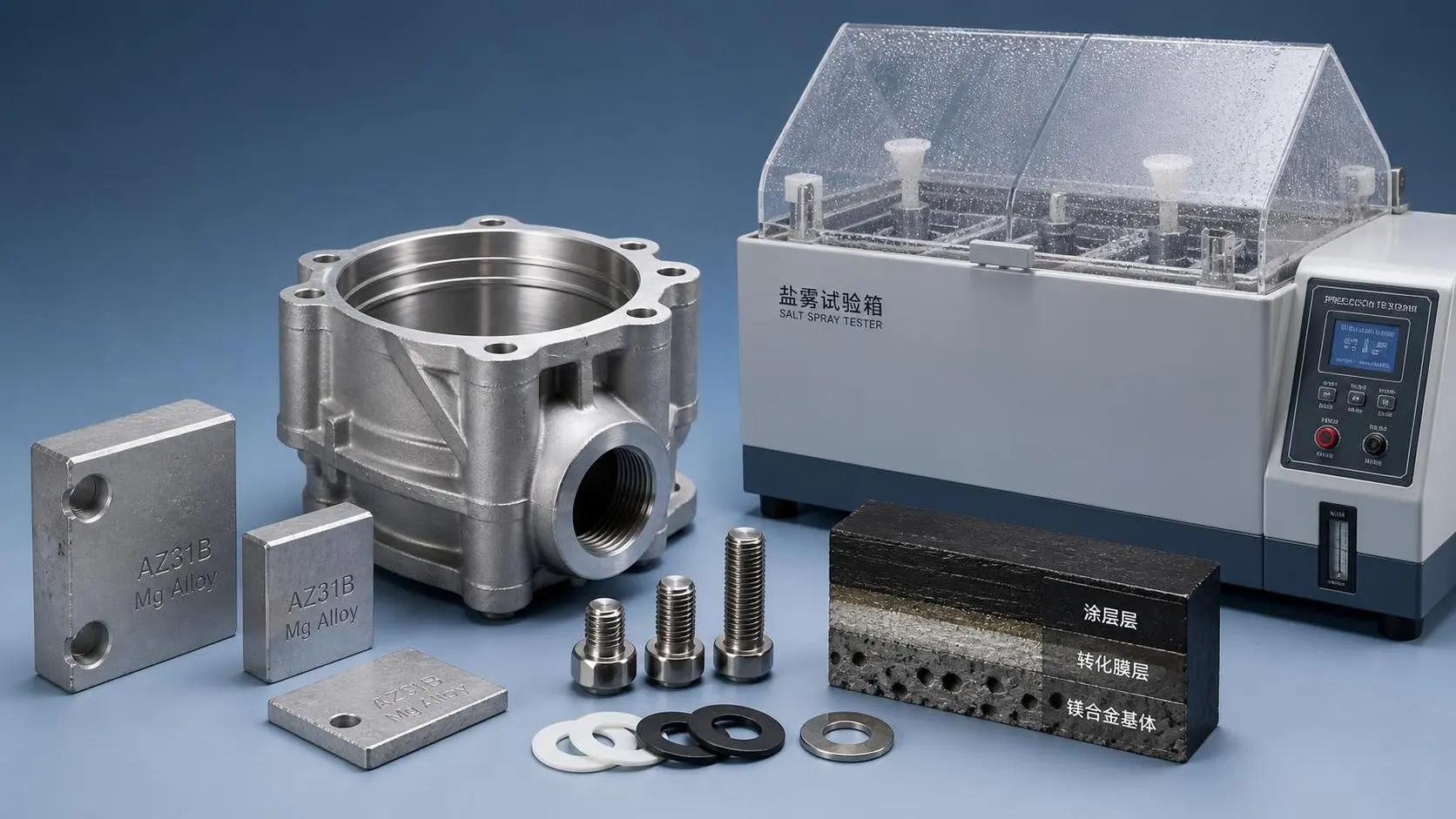
How to Evaluate Magnesium Alloys Corrosion Resistance for Marine Parts?
Magnesium alloys corrosion resistance for marine parts depends on more than alloy grade. Learn how to assess coatings, galvanic risk, geometry, and real-world exposure before you decide.
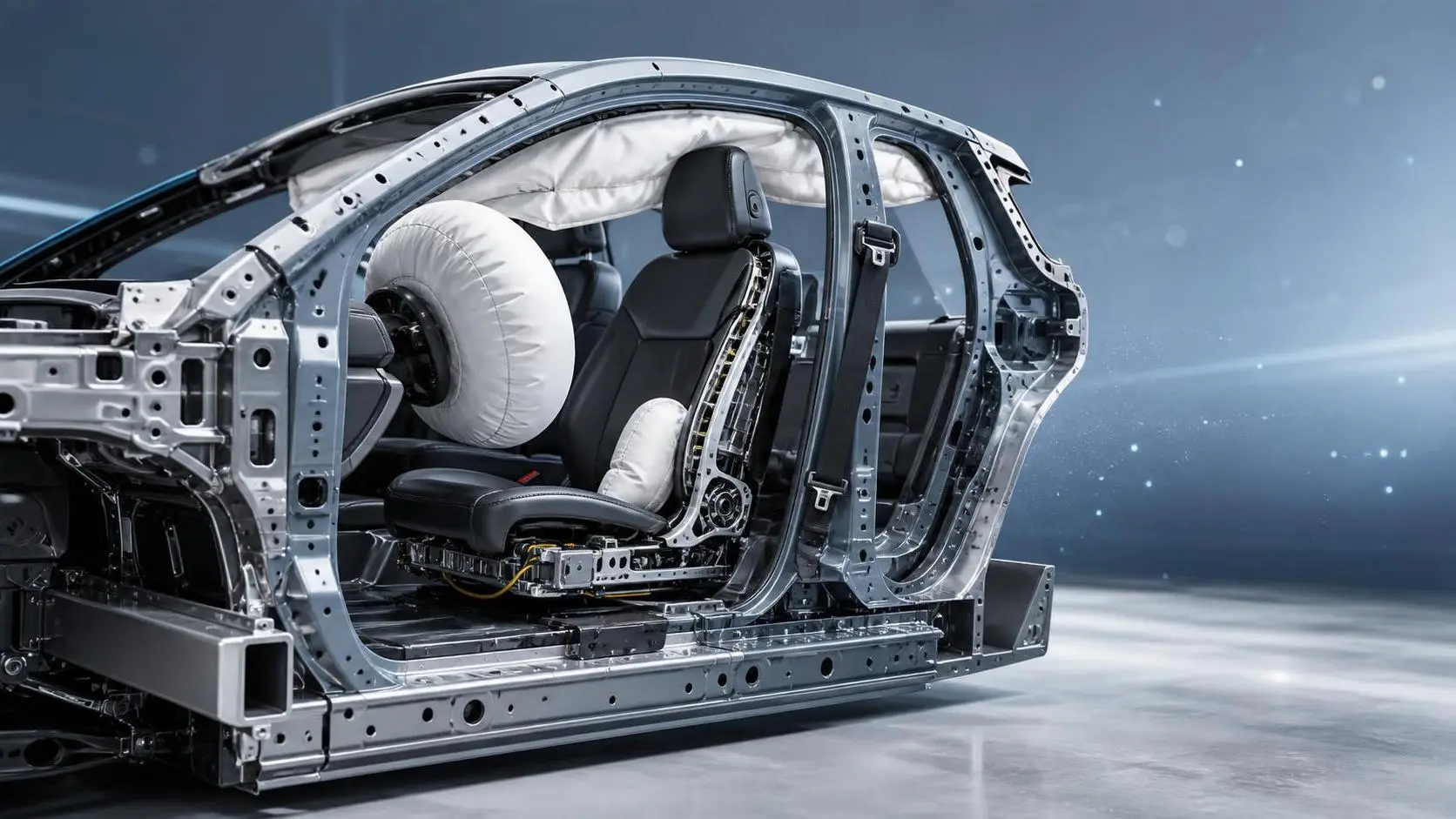
How to Evaluate Mobility Safety Systems for Safer Vehicle Platform Design
Mobility safety systems evaluation starts with platform architecture, crash energy management, and seat-restraint timing. Learn how to choose safer, validation-ready vehicle designs.
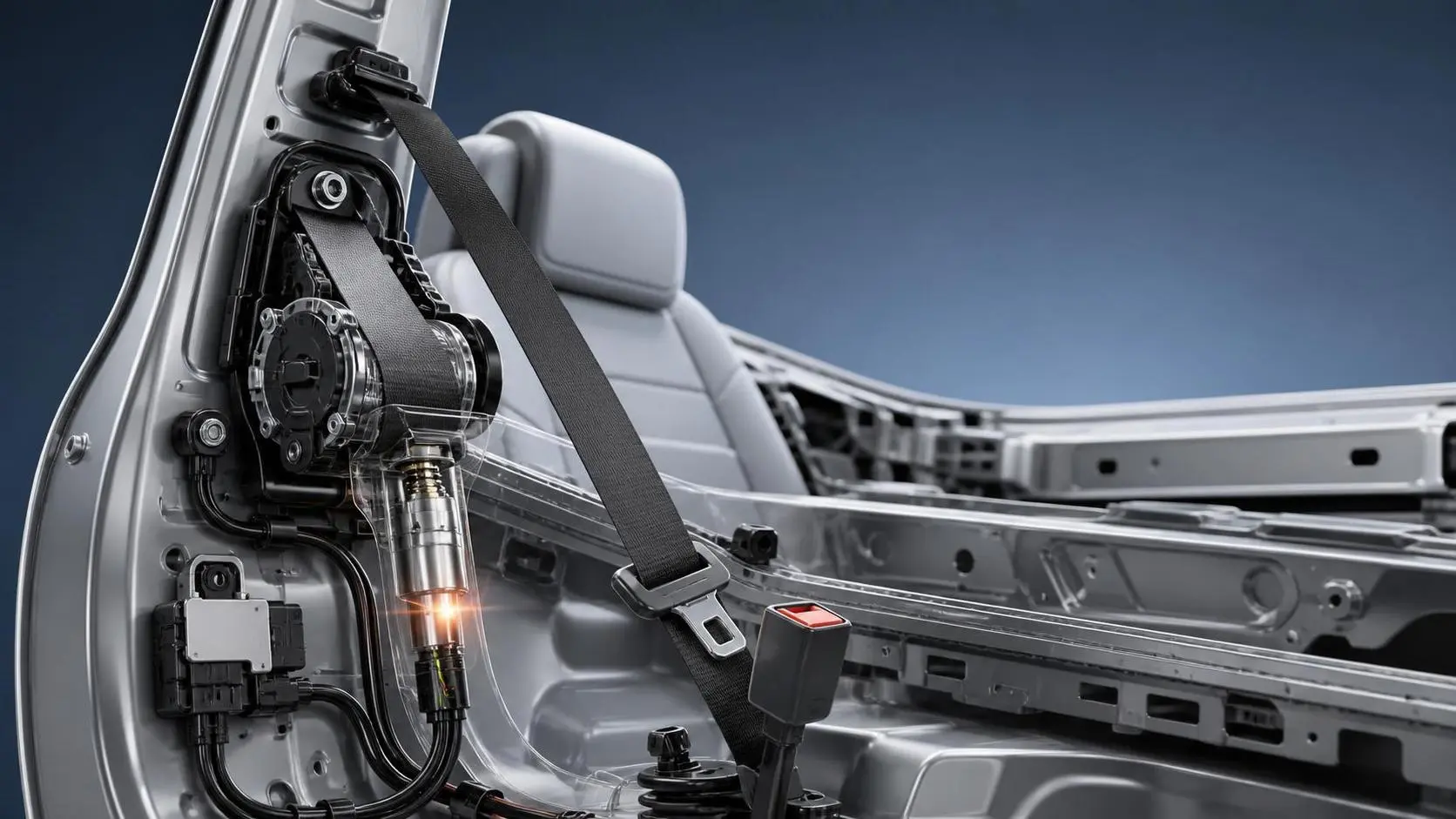
How Seat Belt Pretensioners for EVs Improve Crash Safety and System Response
Seat belt pretensioners for EVs improve crash timing, occupant control, and system response. Discover how smarter integration boosts EV safety performance.
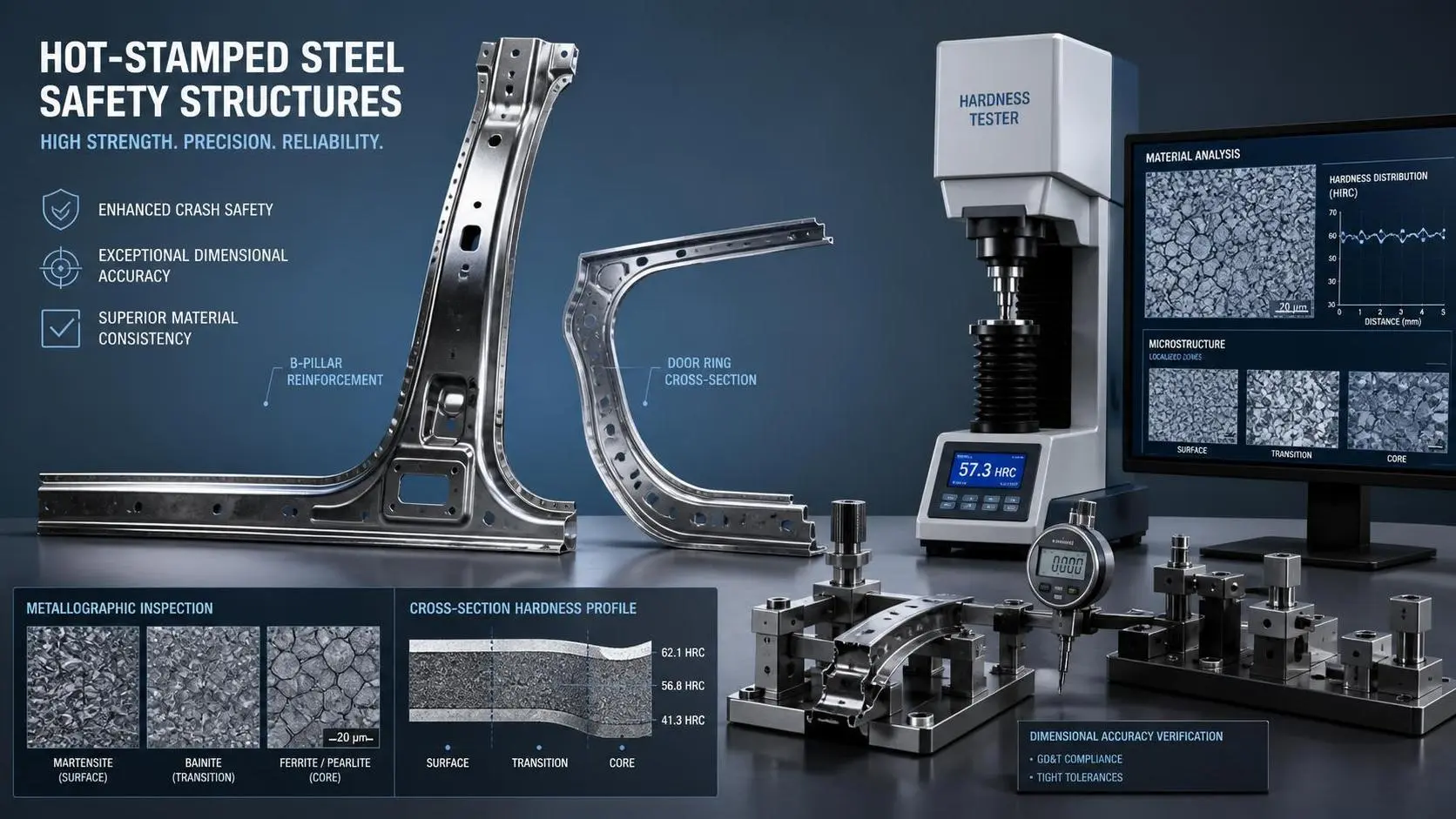
How to Evaluate High Strength Hot Stamped Steel Parts for Crash-Safety Applications
High strength hot stamped steel parts for crash-safety applications: learn how to assess strength, microstructure, dimensional accuracy, and process stability for safer sourcing decisions.
How Crash Management Components Reduce Repair Costs and Improve Impact Performance
Crash management components help reduce repair costs, protect critical vehicle structures, and improve impact performance. Learn how smarter design supports safer, more cost-efficient mobility programs.
How to Evaluate a Seat Sensing Systems Factory for Automotive Safety Programs
Seat sensing systems factory selection goes beyond price. Learn how to assess quality control, validation, PPAP readiness, and long-term supply reliability for safer automotive programs.
Supplier Capability Evaluation Process: Key Criteria for B2B Sourcing Decisions
Supplier capability evaluation process explained: learn the key criteria for B2B sourcing decisions, reduce supplier risk, and choose partners with confidence.
How to Evaluate a Seat Sensing Technology Supplier for Safety and Integration?
Seat sensing technology supplier evaluation guide: compare safety maturity, integration fit, algorithm reliability, and validation support to choose a partner that reduces risk.
Related News
- 00
0000-00
Which Passive Safety Engineering Standards Apply to Automotive Restraint Systems? - 00
0000-00
How to Evaluate a Seat Sensing Systems Factory for Automotive Safety Programs - 00
0000-00
How to Evaluate Airbag Components for OEM Safety Performance and Compliance? - 00
0000-00
Automotive Crash Protection Systems Selection Guide: Key Components and Test Criteria - 00
0000-00
Automotive Occupant Protection Devices: Types, Functions, and How They Work Together
Weekly Insights
Stay ahead with our curated technology reports delivered every Monday.