
How to Evaluate Mobility Safety Systems for Safer Vehicle Platform Design
Evaluating mobility safety systems has become more difficult precisely because vehicle platforms are becoming more integrated. A body-in-white decision now affects restraint timing. Seat architecture influences occupant kinematics. Sensor packaging can alter both active warning performance and passive protection outcomes. For technical assessors, this means selection cannot be handled as a component-by-component exercise. The real task is to judge whether a safety system stack will perform as a coherent platform under regulatory, packaging, cost, and durability constraints.
That challenge is especially visible in new platform programs, mixed-powertrain architectures, and export-oriented vehicle development. The safety package that looks acceptable in a bench-level comparison can create downstream problems in crash pulse tuning, wiring complexity, seat integration, homologation timing, or supplier validation. In practice, the best evaluation process is less about identifying the “highest specification” solution and more about identifying the safest technically stable combination for the intended vehicle use case.
Start with the vehicle platform, not the catalog
Many evaluation errors begin with an overly narrow definition of the problem. Teams compare airbags to airbags, seatbelts to seatbelts, or seating systems to seating systems, while the real engineering question is how the whole occupant protection chain behaves in a specific vehicle architecture.
Before comparing suppliers or system concepts, technical assessors need to define several boundary conditions clearly:
- Vehicle class, mass range, wheelbase, and center-of-gravity characteristics
- Target markets and homologation pathways
- Platform lifetime and refresh cadence
- Powertrain layout, including EV battery packaging where relevant
- Primary usage pattern: urban, highway, commercial fleet, mixed-duty, or special environment
- Cabin layout assumptions, including seat geometry, recline range, occupancy sensing, and interior modularity
Without these inputs, mobility safety systems are often judged against abstract performance claims rather than realistic crash and operational conditions. A restraint strategy that performs well in a conventional sedan may not translate cleanly to a lightweight crossover, compact electric vehicle, or commercial mobility platform with different seating postures and structural load paths.
Assess crash energy management before restraint sophistication
Technical teams sometimes overemphasize smart restraint features because they are easier to compare in specifications. But passive safety still starts with structural energy management. If the body structure does not provide a stable and predictable crash pulse, even a highly advanced airbag and seatbelt package will be operating from a compromised baseline.
For that reason, any evaluation of mobility safety systems should begin with the platform’s energy absorption logic:
- Load path continuity in frontal, side, and offset impacts
- Performance stability of hot-stamped and mixed-material members
- Joint integrity under high-rate deformation
- Intrusion control in occupant survival space
- Repairability implications for structural safety zones
In lightweight platforms, this becomes even more important. High-strength steel, aluminum, and multi-material construction can improve mass efficiency, but they also narrow the tolerance window for joining strategy, thermal distortion control, and crash repeatability. A technically attractive lightweight body concept can produce validation problems if local stiffness gradients are not well managed.
When assessors review body-related safety performance, they should look beyond peak crash-test scores and examine pulse consistency across variants. One of the common hidden risks in global programs is that the same nominal platform behaves differently after regional content changes, localized stamping substitutions, or seat mounting modifications.
Seatbelts and airbags should be evaluated as a timing system
Seatbelt systems and airbag assemblies are too often sourced or reviewed as adjacent systems rather than as one coordinated event-management architecture. In real crash conditions, the timing relationship between pre-tensioning, force limiting, occupant positioning, and airbag deployment is where much of the protection performance is decided.
Technical evaluation should therefore focus on interaction questions such as:
- How does belt pre-tensioning influence occupant forward excursion for the intended seat geometry?
- Is force limiting matched to occupant size range, crash severity, and airbag output profile?
- How sensitive is deployment calibration to seating posture variation?
- What is the effect of seat track position and cushion angle on chest, pelvis, and head injury metrics?
- How robust is the system for out-of-position occupants?
This is where supplier presentations can be misleading. A restraint package may show excellent standalone test data, but if it depends on tightly controlled occupant posture assumptions, its real-world robustness may be weaker than a slightly less aggressive but more tolerant design. For high-volume vehicle programs, tolerance to variation often matters as much as nominal performance.
Inflator chemistry, venting behavior, bag fold consistency, and electronic control strategy also deserve close review. Regulatory compliance is necessary, but it is not enough for platform-level confidence. Assessors should ask how the system behaves over temperature extremes, long storage periods, vibration exposure, and production variation. These details affect not just safety performance but also validation burden and field reliability.
Smart seating is now part of the safety architecture
Seats are no longer passive mounting structures with comfort functions attached. In current vehicle design, seat assemblies shape occupant posture, influence submarine risk, determine sensor placement, and increasingly serve as hosts for occupancy detection and belt integration features. That makes seat evaluation central to mobility safety systems selection.
Several technical issues deserve closer attention than they usually receive in early sourcing stages.
The first is seat frame stiffness versus controlled deformation. An overly rigid seat may transmit loads in ways that worsen occupant kinematics, while an overly compliant design can destabilize posture under crash loading. The second is cushion and bolster behavior across occupant sizes and long-term foam aging. Initial comfort performance does not automatically translate into stable restraint positioning over years of use.
The third is sensor integration. Smart seating often introduces weight sensing, occupant classification, belt status sensing, posture detection, or thermal and mechatronic features. These can improve system intelligence, but they also create failure pathways in connectors, harness routing, calibration drift, and software diagnostics. For technical assessors, the key question is not whether a seat is “smart,” but whether the added intelligence supports safety without weakening serviceability or reliability.
This is particularly relevant for export programs where environmental conditions vary sharply. Moisture, dust, temperature cycling, and vibration can degrade sensing accuracy or connector integrity over time. A seating system that performs well in controlled validation may become problematic in heavy-use fleet or emerging-market conditions if protection logic depends on fragile sensing assumptions.
Active and passive functions are converging, but validation is not simple
Modern mobility safety systems increasingly combine active sensing with passive response logic. Occupant status feeds may influence airbag suppression or deployment strategy. Pre-crash sensing can trigger reversible belt pre-tensioning in some vehicle architectures. Cabin monitoring may support post-crash response or misuse detection.
These integrations can improve protection, but they also complicate technical evaluation. The issue is not only whether each feature works, but whether the platform can validate system interactions at an acceptable cost and timeline.
Three questions usually separate feasible architectures from risky ones:
- How many cross-domain dependencies exist between sensors, ECUs, restraints, and seat functions?
- What is the diagnostic strategy when one input becomes unreliable or unavailable?
- Can the OEM or integrator realistically validate enough edge cases before SOP?
In theory, more sensor fusion can always improve decision quality. In practice, every additional dependency expands failure mode analysis, software verification, cybersecurity review, and field-service complexity. For technical assessors, this means architecture simplicity remains a safety criterion, not a limitation. An elegant, bounded system is often safer to industrialize than a feature-rich one with difficult-to-prove interactions.
Regulatory fit is broader than passing a crash test
When evaluating solutions for global vehicle programs, regulatory fit must be treated as a moving target rather than a static checklist. It includes current homologation requirements, consumer test protocols, documentation expectations, change-management discipline, and the supplier’s ability to support evidence generation.
Applicable regulations and testing frameworks vary by market and vehicle category. Depending on the program, teams may need to consider UNECE regulations, FMVSS requirements, regional NCAP protocols, IIHS evaluation logic, maritime or special mobility standards in niche applications, and market-specific occupant detection or seat integrity requirements. Because these requirements evolve, technical assessors should be careful not to rely on historical supplier claims without confirming their validity for the target launch window.
Some details may require program-specific confirmation and should be treated as 【待核实】 until formally aligned with the target market and vehicle class.
The practical question is whether the proposed system reduces or increases homologation uncertainty. A supplier with acceptable hardware but weak change traceability can be a higher risk than a technically similar supplier with stronger validation support, calibration discipline, and audit readiness.
Look closely at integration burden, not just unit performance
A safety subsystem may be technically excellent and still be the wrong choice if it imposes excessive integration burden on the vehicle platform. This is a recurring issue in body structures, airbags, and seat assemblies.
Examples include:
- Airbag modules that demand difficult instrument panel packaging or local redesign of mounting structures
- Seatbelt geometries that conflict with B-pillar architecture or seat-integrated designs
- Seat assemblies that force compromises in H-point targets, battery packaging, or cabin modularity
- Sensing systems that increase ECU load, network traffic, or software integration complexity
For technical assessors, integration burden should be quantified early. A lower-cost subsystem can become more expensive once tooling changes, CAE iteration cycles, wiring revisions, or revalidation campaigns are included. The strongest evaluation teams build a total engineering impact view rather than treating safety components as isolated line items.
Supplier capability matters because safety performance must survive production reality
In mobility safety systems, prototype success does not guarantee manufacturing stability. Technical evaluation should therefore include a disciplined review of process capability, traceability, materials control, and change management.
For body stampings, this may involve hot forming repeatability, die wear control, coating behavior, and joining consistency. For airbags and seatbelts, it may involve inflator sourcing discipline, pyrotechnic handling controls, sewing quality, webbing consistency, and end-of-line verification. For seats, it includes frame tolerances, recliner durability, foam process stability, and electronic subsystem robustness.
One recurring industry mistake is underestimating the safety impact of supplier-side engineering changes after nomination. Material substitutions, local process adjustments, or electronics revisions can alter crash behavior or sensing performance even when the part remains commercially “equivalent.” Technical assessors should examine how tightly the supplier controls PPAP-related changes, validation reruns, and regional manufacturing transfers.
Common evaluation mistakes that distort decision quality
Several patterns appear repeatedly across platform development programs.
One is scoring systems too heavily by benchmark feature count. More stages, more sensors, or more software logic do not automatically produce safer outcomes. Another is overreliance on consumer-test optimization. Good NCAP performance is valuable, but platform safety should not be reduced to test-condition tuning alone.
A third is treating durability and serviceability as downstream issues. In reality, false diagnostics, seat sensor drift, connector failures, or post-repair restraint misalignment can undermine protection integrity long after SOP. The fourth is late-stage structural compromise: teams freeze body or cabin packaging decisions first and then ask safety systems to adapt. By that point, the realistic solution space is already narrowed.
The strongest technical evaluation practice is front-loaded. It identifies architecture conflicts early, tests assumptions about occupant behavior, and asks where the system is most fragile rather than where it performs best.
A practical selection lens for technical assessors
When comparing mobility safety systems for a vehicle platform, the most useful decision lens is usually built around five questions:
- Does the structure generate a predictable and controllable crash environment?
- Do restraints and seating produce stable occupant kinematics across realistic variation?
- Can sensor-linked functions be validated without excessive complexity or hidden failure modes?
- Will the solution remain compliant and supportable across target markets and product changes?
- Can the supplier deliver the same safety performance repeatedly in production, not just in development samples?
If one of these five areas is weak, the platform carries latent risk even when the headline specification looks strong. That is why good assessment is less about selecting the most advanced subsystem and more about selecting the most coherent safety architecture.
For vehicle platform design, safer outcomes rarely come from a single breakthrough component. They come from disciplined matching: structure to crash pulse, seat to posture, belt to airbag timing, sensing to validation capability, and supplier process to long-term field stability. Technical assessors who evaluate on that basis tend to make fewer late-stage compromises and build platforms that are not only compliant, but genuinely more robust in real-world use.
Related News
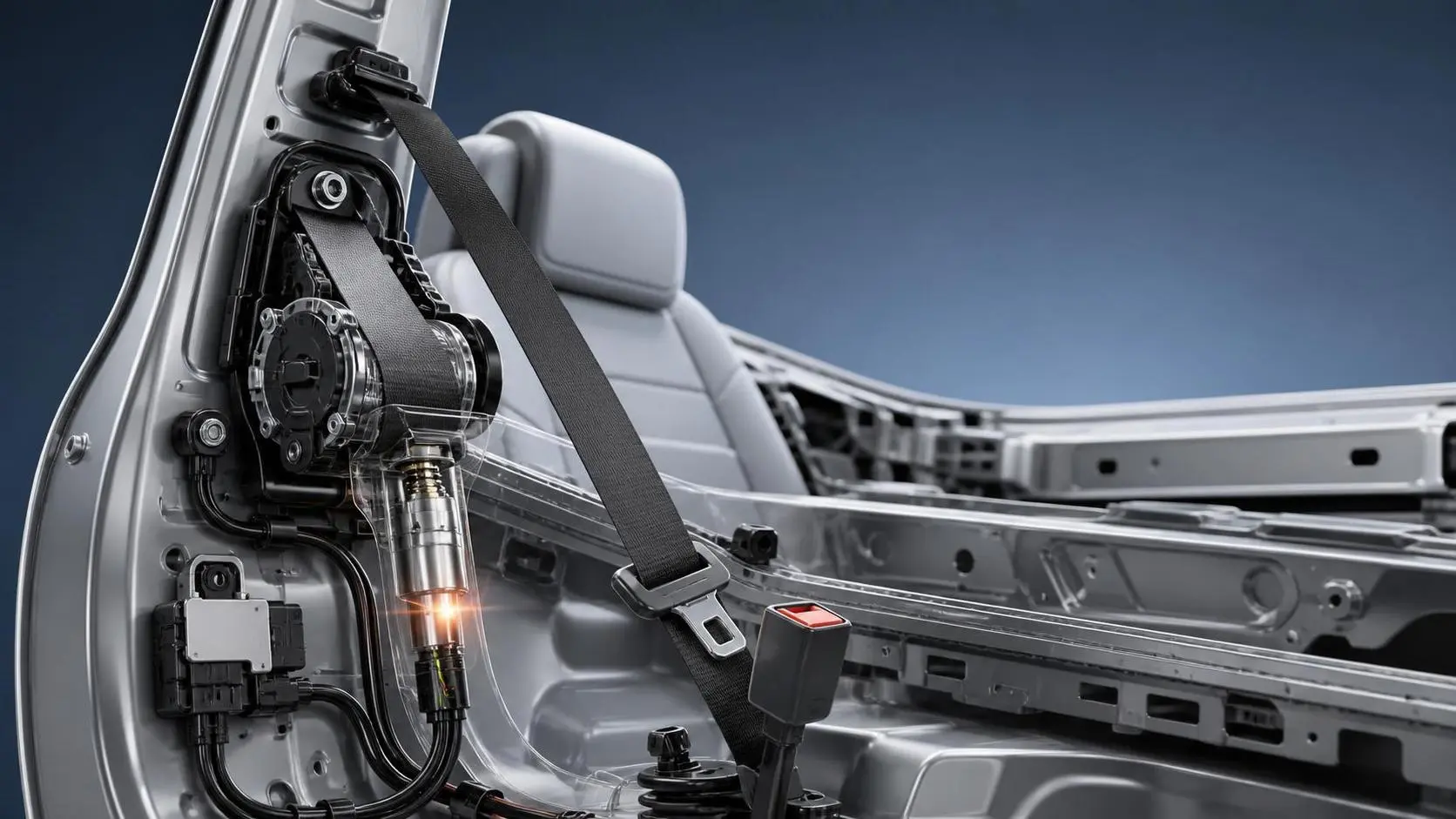
How Seat Belt Pretensioners for EVs Improve Crash Safety and System Response
Seat belt pretensioners for EVs improve crash timing, occupant control, and system response. Discover how smarter integration boosts EV safety performance.
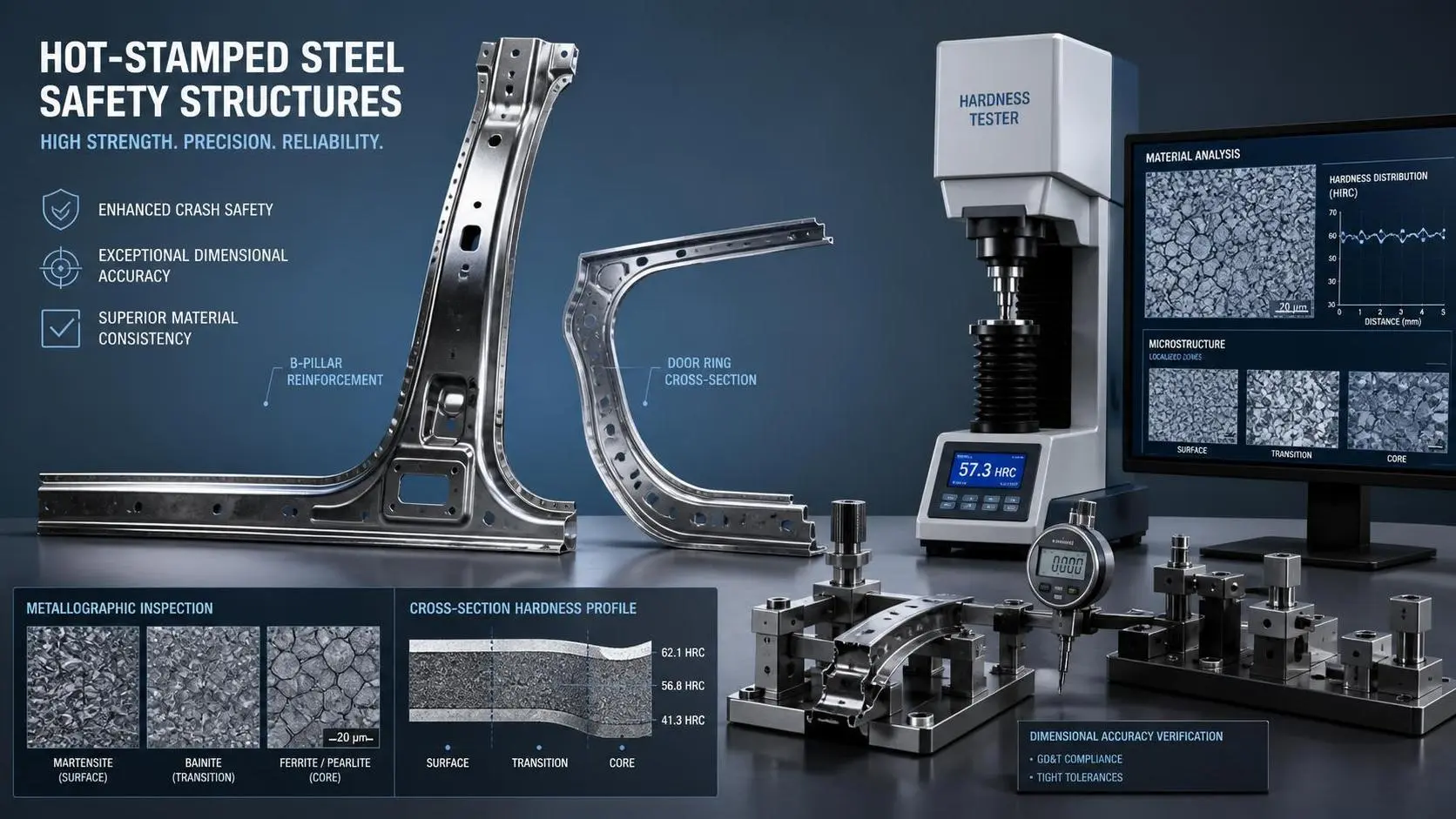
How to Evaluate High Strength Hot Stamped Steel Parts for Crash-Safety Applications
High strength hot stamped steel parts for crash-safety applications: learn how to assess strength, microstructure, dimensional accuracy, and process stability for safer sourcing decisions.
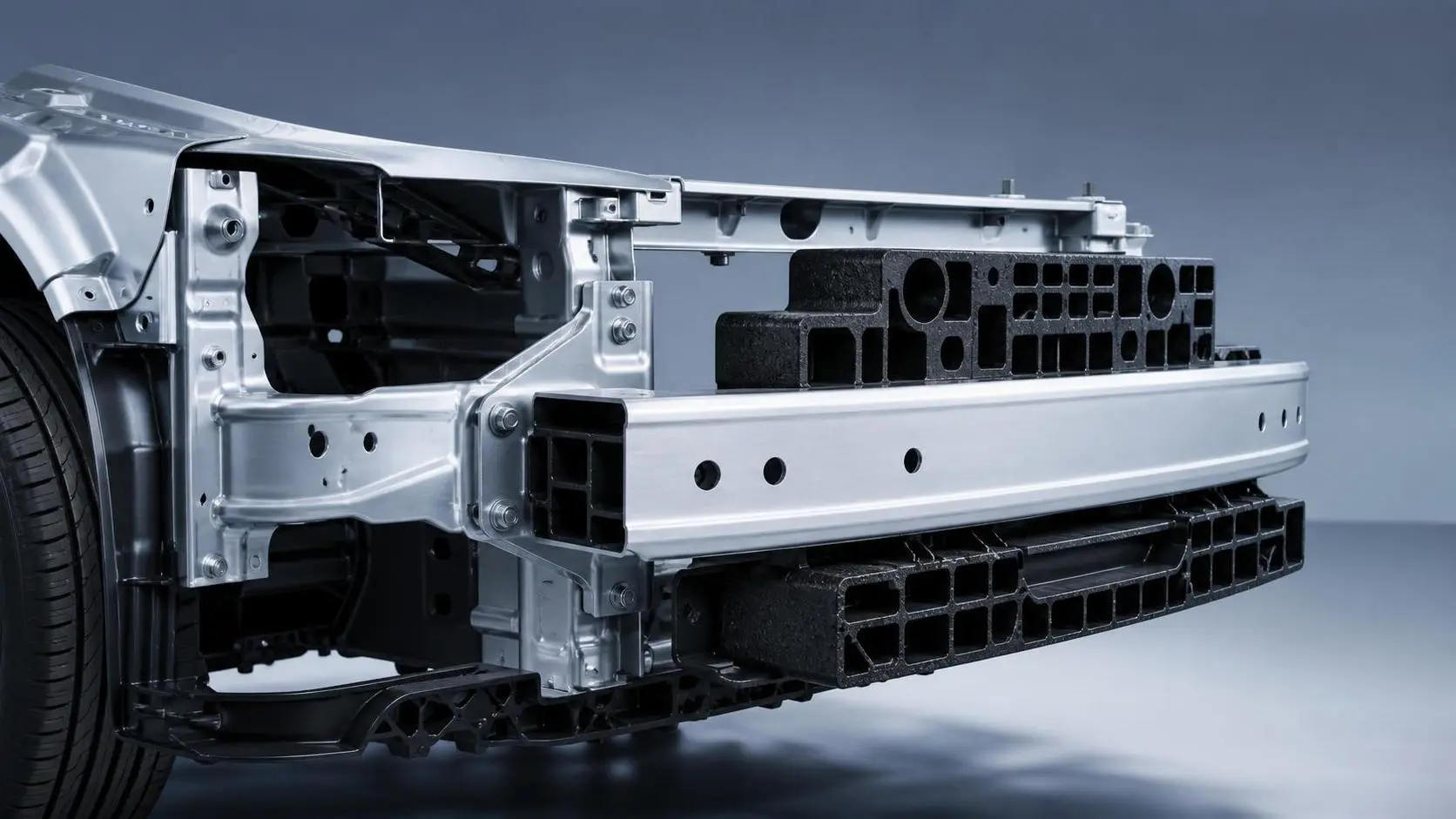
How Crash Management Components Reduce Repair Costs and Improve Impact Performance
Crash management components help reduce repair costs, protect critical vehicle structures, and improve impact performance. Learn how smarter design supports safer, more cost-efficient mobility programs.
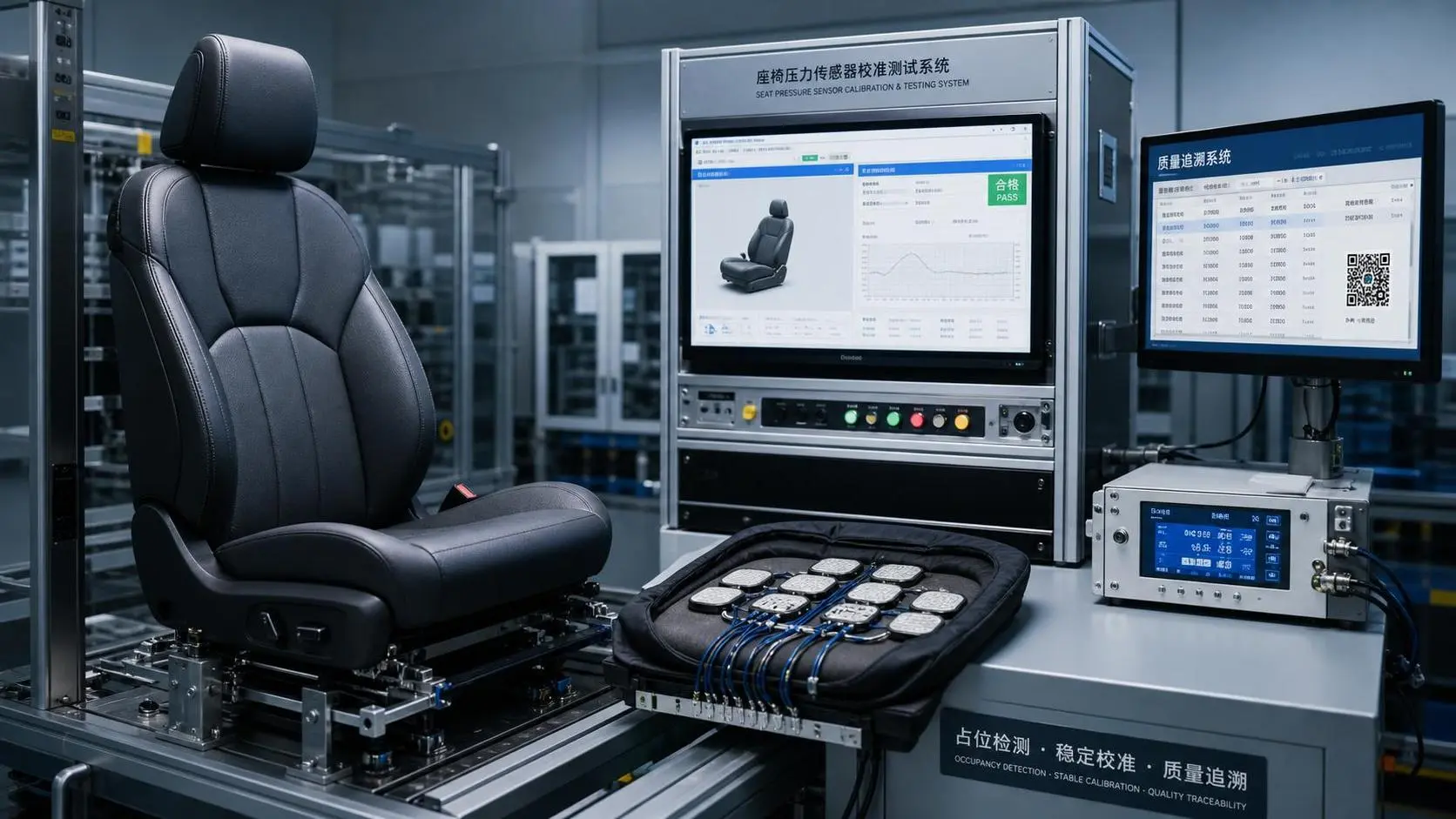
How to Evaluate a Seat Sensing Systems Factory for Automotive Safety Programs
Seat sensing systems factory selection goes beyond price. Learn how to assess quality control, validation, PPAP readiness, and long-term supply reliability for safer automotive programs.
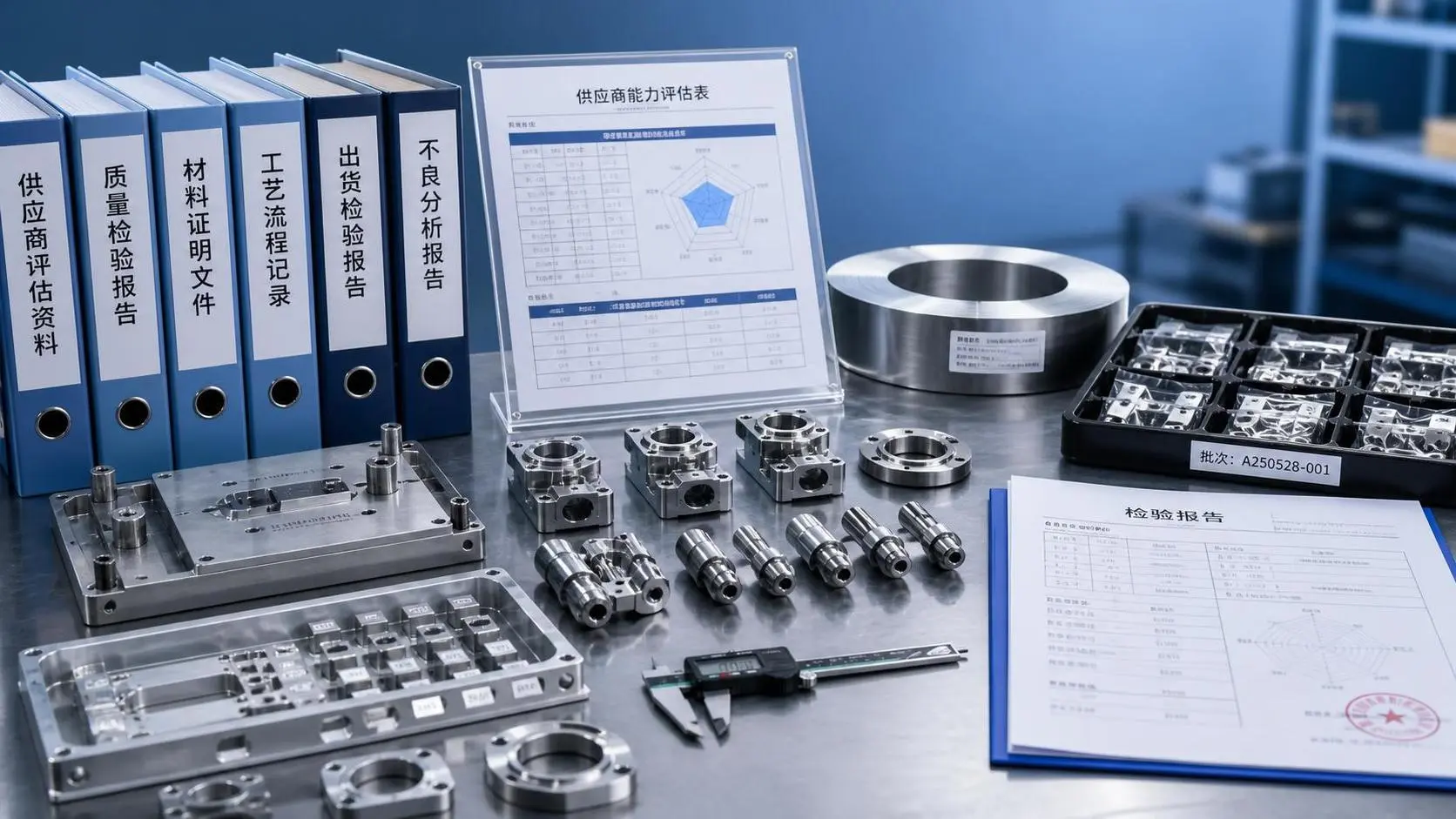
Supplier Capability Evaluation Process: Key Criteria for B2B Sourcing Decisions
Supplier capability evaluation process explained: learn the key criteria for B2B sourcing decisions, reduce supplier risk, and choose partners with confidence.
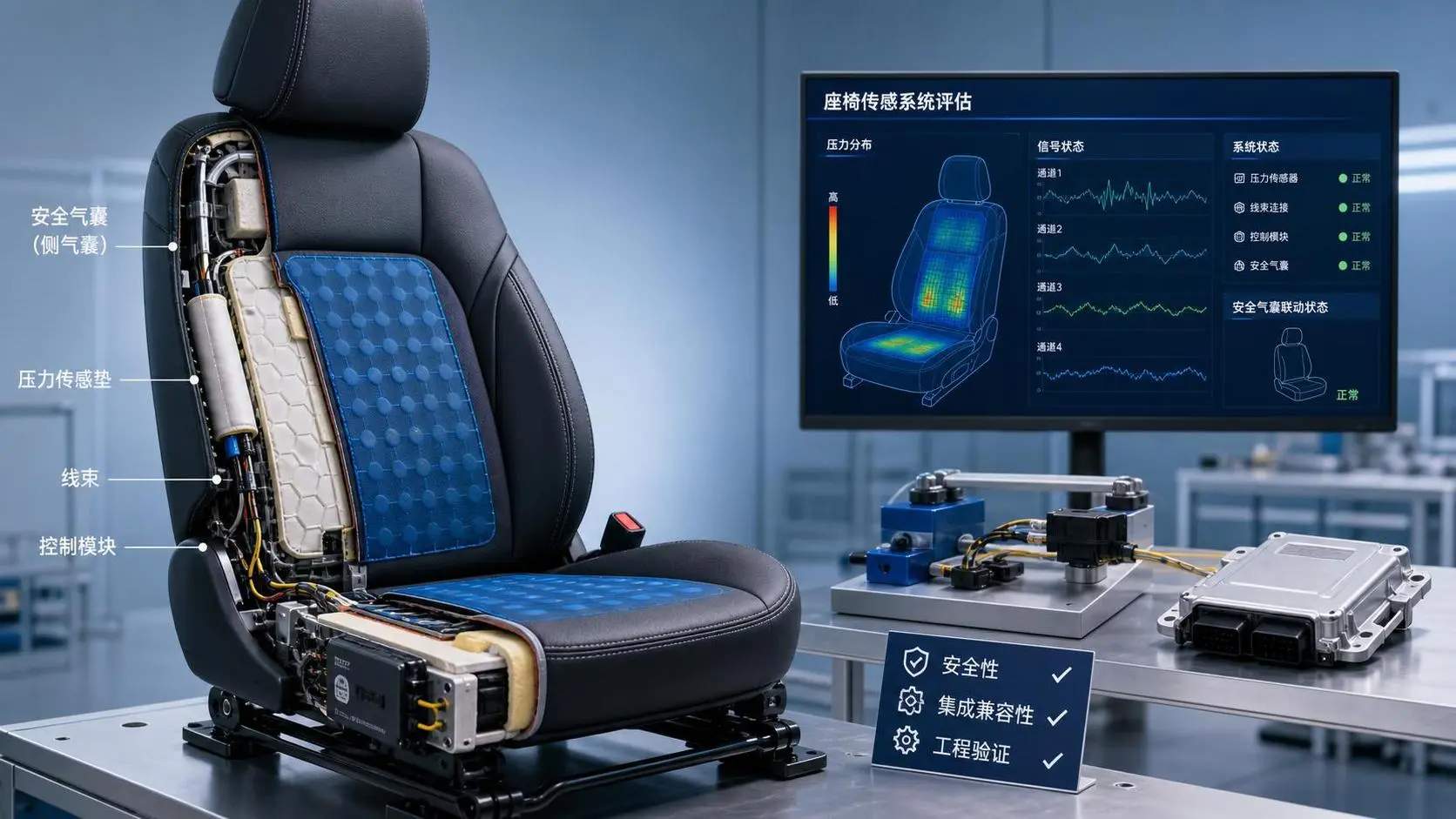
How to Evaluate a Seat Sensing Technology Supplier for Safety and Integration?
Seat sensing technology supplier evaluation guide: compare safety maturity, integration fit, algorithm reliability, and validation support to choose a partner that reduces risk.
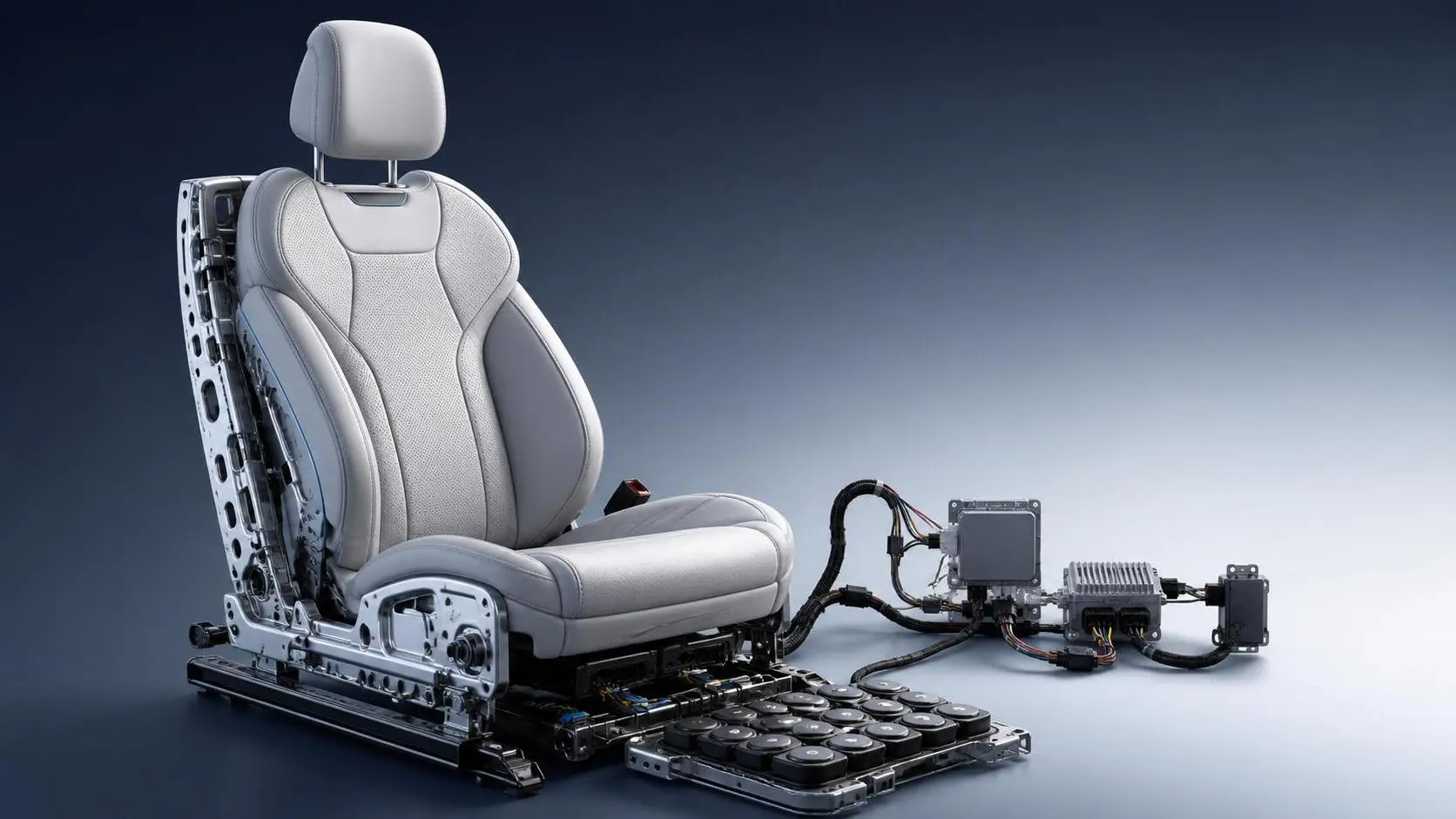
How to Evaluate Custom Smart Automotive Seating for Premium Vehicle Programs?
Custom smart automotive seating evaluation starts with safety, comfort, integration, and production readiness. Discover how premium vehicle teams choose smarter, lower-risk seat solutions.
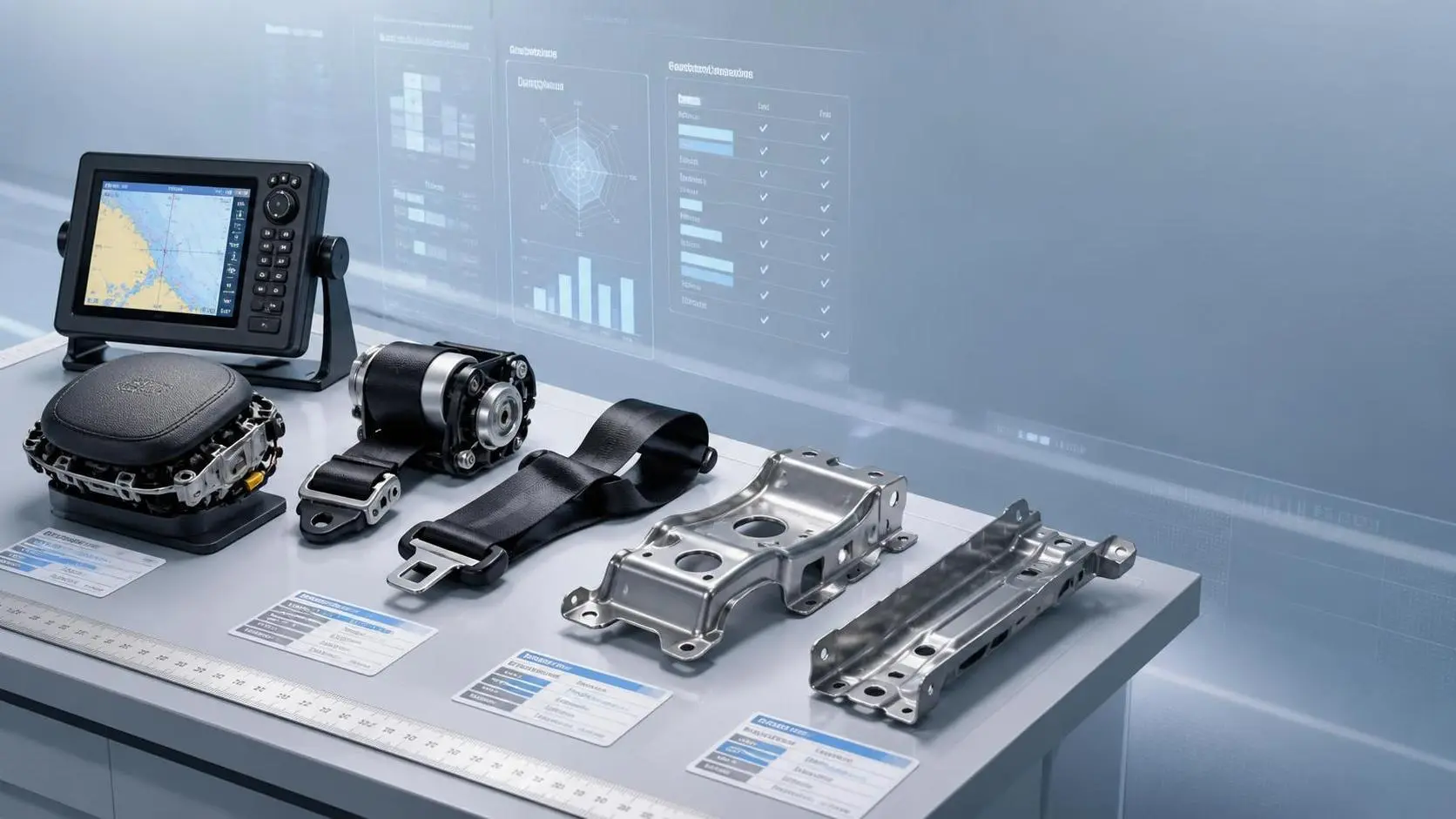
B2B Product Intelligence Platforms: How to Compare Features, Data Coverage, and ROI
B2B product intelligence platform comparison: learn how to evaluate data coverage, feature depth, compliance visibility, and ROI to choose a sourcing tool that reduces risk and speeds decisions.
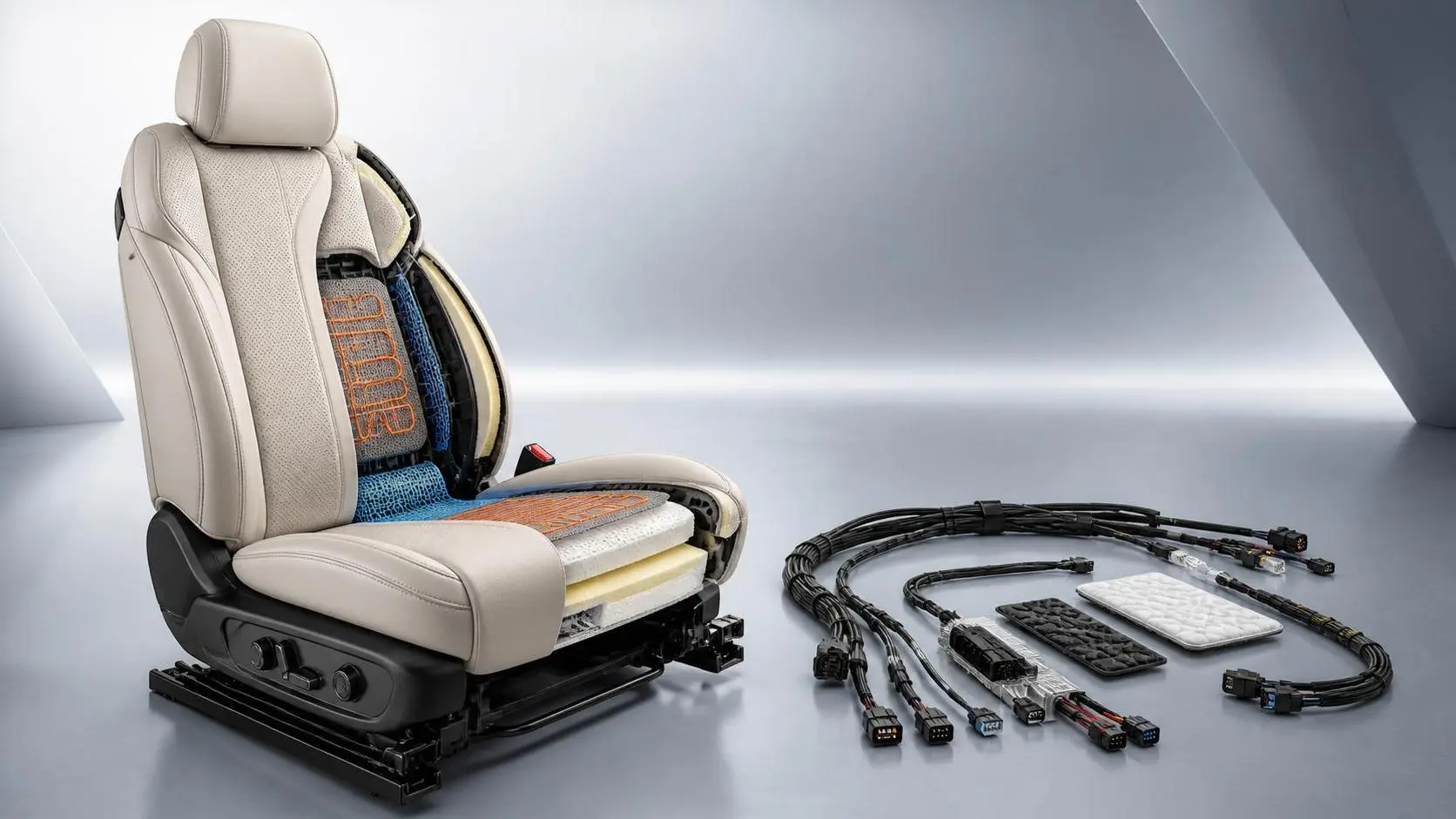
Climate Control Seats Cost: What Drives Price and Long-Term Ownership Value?
Climate control seats cost depends on materials, thermal tech, and integration. Learn what drives price and how to judge long-term value before you buy.
Related News
- 00
0000-00
How to Evaluate Mobility Safety Systems for Safer Vehicle Platform Design - 00
0000-00
How Crash Management Components Reduce Repair Costs and Improve Impact Performance - 00
0000-00
Supplier Capability Evaluation Process: Key Criteria for B2B Sourcing Decisions - 00
0000-00
How to Evaluate a Seat Sensing Technology Supplier for Safety and Integration? - 00
0000-00
B2B Product Intelligence Platforms: How to Compare Features, Data Coverage, and ROI
Weekly Insights
Stay ahead with our curated technology reports delivered every Monday.