
How Crash Management Components Reduce Repair Costs and Improve Impact Performance
For project managers balancing safety targets, cost control, and platform efficiency, crash management components play a critical role in modern vehicle development. By absorbing impact energy in a controlled way, these systems help reduce structural damage, lower repair costs, and support stronger crash performance across multiple scenarios. Understanding their design value is essential for making smarter engineering, sourcing, and lifecycle decisions in a competitive mobility market.
Why Crash Management Components Matter to Project Managers
When engineering teams discuss crash performance, the conversation often centers on occupant protection ratings. For project managers, however, the business case is broader and more immediate.
Crash management components influence repair costs, insurance outcomes, vehicle downtime, tooling decisions, material strategy, and platform scalability. They are not just safety parts.
In practical terms, these components are designed to absorb and redirect collision energy before it reaches expensive structural zones. That changes both impact behavior and post-crash economics.
For programs under cost pressure, well-designed crash management components can deliver a measurable advantage. They reduce secondary damage while preserving compliance and supporting lightweight body strategies.
What Are Crash Management Components Actually Designed to Do?
Crash management components are structural parts placed in strategic load paths to control deformation during impact. Their purpose is to absorb energy predictably and protect the vehicle’s primary structure.
Typical examples include crash boxes, bumper beams, reinforcement members, brackets, front-end modules, and energy-absorbing interfaces between external impact zones and the body-in-white.
In low- and medium-speed collisions, these parts are often the first engineered line of defense. They are expected to deform in a controlled sequence.
That sequence matters because uncontrolled deformation can transfer energy into rails, battery enclosures, cooling modules, suspension mounts, or occupant cell structures. Repair costs then rise quickly.
For project leaders, the main value is controlled sacrificial performance. A lower-cost replaceable part takes damage so that higher-cost systems do not.
How They Reduce Repair Costs in Real Programs
The clearest financial benefit of crash management components is repair containment. They localize damage to replaceable modules rather than allowing impact loads to spread through major structural assemblies.
Consider a front-end impact at urban speeds. If the crash box and bumper system collapse as intended, the frame rail, headlights, cooling package, and hood geometry may remain largely intact.
That outcome shortens repair time, lowers parts replacement cost, and reduces labor-intensive body alignment work. For fleets and insurers, those differences are commercially significant.
Project managers should also consider serviceability early. A part that performs well in testing but requires excessive teardown can still create poor lifecycle economics.
Designing for easy replacement, clear attachment points, and reduced calibration burden after minor impacts can produce strong total-cost benefits across the vehicle lifecycle.
This is especially relevant in premium platforms and commercial fleets, where downtime carries direct economic consequences. Faster return-to-service becomes part of the product value proposition.
Why Impact Performance Is More Than Passing a Crash Test
Many teams evaluate safety parts through formal regulatory and consumer test outcomes. That is necessary, but it is not sufficient for sound project decisions.
Impact performance also includes repeatability, load-path stability, compatibility with different collision scenarios, and predictable behavior across production variation, temperature ranges, and material tolerances.
A crash management system that performs well in one validation setup but shows unstable deformation in offset or angled events introduces downstream program risk. Project managers need robustness, not isolated peak results.
This is where component architecture becomes important. Geometry, joining method, material grade, crush initiators, and mounting interfaces all influence how energy is absorbed.
Better crash management components help maintain structural integrity in a wider operating envelope. That strengthens engineering confidence and reduces expensive late-stage redesign cycles.
Key Design Choices That Affect Cost and Safety Outcomes
For non-specialist decision-makers, several design variables have an outsized influence on both crash performance and repair economics. Understanding them helps teams ask better questions earlier.
First is material selection. High-strength steel, aluminum, and multi-material solutions each bring tradeoffs in crush behavior, weight, corrosion management, joining complexity, and replacement cost.
Second is deformation strategy. Engineers need the component to fold, buckle, or crush in a controlled pattern instead of transmitting peak loads too quickly into adjacent structures.
Third is packaging integration. Crash management components do not operate alone. They interact with sensors, airbag timing logic, cooling systems, pedestrian protection requirements, and front-end styling constraints.
Fourth is modularity. Replaceable subassemblies usually support lower repair bills, but only if the interfaces are durable, accessible, and validated for real-world service conditions.
Finally, manufacturing consistency matters. A strong design can lose value if stamping variation, weld quality, or dimensional instability alters crash behavior across production batches.
How Lightweighting Changes the Crash Management Equation
Lightweight vehicle development has made crash management components even more important. As body structures become lighter, every load path must be engineered with greater precision.
Reducing mass can improve range, emissions, and performance, but it may also narrow structural margins if the energy management strategy is not carefully rebalanced.
That is why automotive lightweight bodies and crash systems must be developed together. A lightweight platform cannot rely on legacy impact assumptions.
Hot-stamped steel, aluminum extrusions, tailored blanks, and hybrid assemblies can all support strong results. The challenge is to match material behavior with desired crush progression and repair strategy.
For project managers, the lesson is straightforward: lightweighting gains should never be evaluated in isolation. The right metric is platform efficiency with preserved impact containment and acceptable repair economics.
Questions Project Managers Should Ask Suppliers and Engineering Teams
Strong procurement and development decisions begin with better questions. Crash management components should be evaluated as business-critical systems, not as narrow commodity parts.
Ask how the design performs across low-speed, offset, angled, and repair-relevant collision scenarios. A supplier should be able to explain more than compliance headlines.
Ask which structural zones are intentionally protected and which components are expected to be sacrificial. This reveals whether the repair strategy is engineered or accidental.
Ask about part replacement complexity, workshop accessibility, and calibration implications for sensors or advanced driver assistance systems after a minor impact.
Ask how manufacturing tolerances affect deformation repeatability. This is essential when sourcing across plants, regions, or multiple production partners.
Ask for evidence linking component behavior to total repair cost trends, warranty exposure, or insurance-class outcomes where such data is available. That speaks directly to program value.
Where Programs Commonly Go Wrong
One common mistake is optimizing only for crash test pass criteria while underestimating repairability. That can create compliant vehicles with unnecessarily high ownership costs.
Another is treating crash management components as late-stage packaging items. By that point, architecture constraints may already limit performance and drive costly compromises.
Teams also run into trouble when they separate lightweighting goals from collision energy management. Material savings gained early can trigger expensive redesign later.
A further issue is weak cross-functional alignment. Safety engineering, body engineering, procurement, cost control, aftersales, and supplier quality teams often evaluate success using different metrics.
Project managers create value by forcing those metrics into one decision framework. The right component strategy must satisfy safety, manufacturability, serviceability, and commercial logic together.
How to Evaluate Return on Investment
Not every improvement in crash management components should be justified only through direct part cost. The better approach is to assess lifecycle return.
Start with avoided structural damage in common collision scenarios. Then estimate labor savings, replacement scope reduction, workshop cycle-time improvement, and possible insurance or fleet cost advantages.
Add program-level benefits such as lower redesign risk, better platform carryover potential, and improved compatibility with future body derivatives. These can materially affect long-term profitability.
For electric and multi-platform architectures, the stakes are even higher. Protecting battery-adjacent structures and expensive electronics can justify more sophisticated crash energy management solutions.
In that context, a slightly higher component cost may be rational if it reduces total claim severity, preserves major assemblies, and improves operational uptime.
The Strategic Role of Crash Management Components in Modern Mobility
As global mobility systems evolve, crash management components are becoming more strategically important, not less. Vehicles are lighter, more electronic, more sensor-dense, and more expensive to repair.
That means energy absorption is no longer just a structural detail. It is part of a broader systems decision connecting safety performance, platform cost, aftersales economics, and brand competitiveness.
For organizations operating across lightweight bodies, passive safety components, and intelligent cabin systems, this integration is especially relevant. Structural protection choices influence many downstream product outcomes.
Project managers who understand this relationship are better positioned to guide tradeoff decisions early, align suppliers more effectively, and avoid expensive surprises later in development.
Conclusion
Crash management components reduce repair costs and improve impact performance by doing one job exceptionally well: managing collision energy before damage spreads into expensive or safety-critical structures.
For project managers, their value goes beyond technical compliance. They shape lifecycle cost, serviceability, lightweight platform viability, and the resilience of the overall vehicle architecture.
The strongest decisions come from evaluating these components through both engineering and business lenses. When the deformation strategy, material choice, modularity, and repair logic are aligned, the payoff is substantial.
In modern vehicle programs, crash management components should be treated as a strategic investment in controlled damage, predictable safety performance, and better total program economics.
Related News
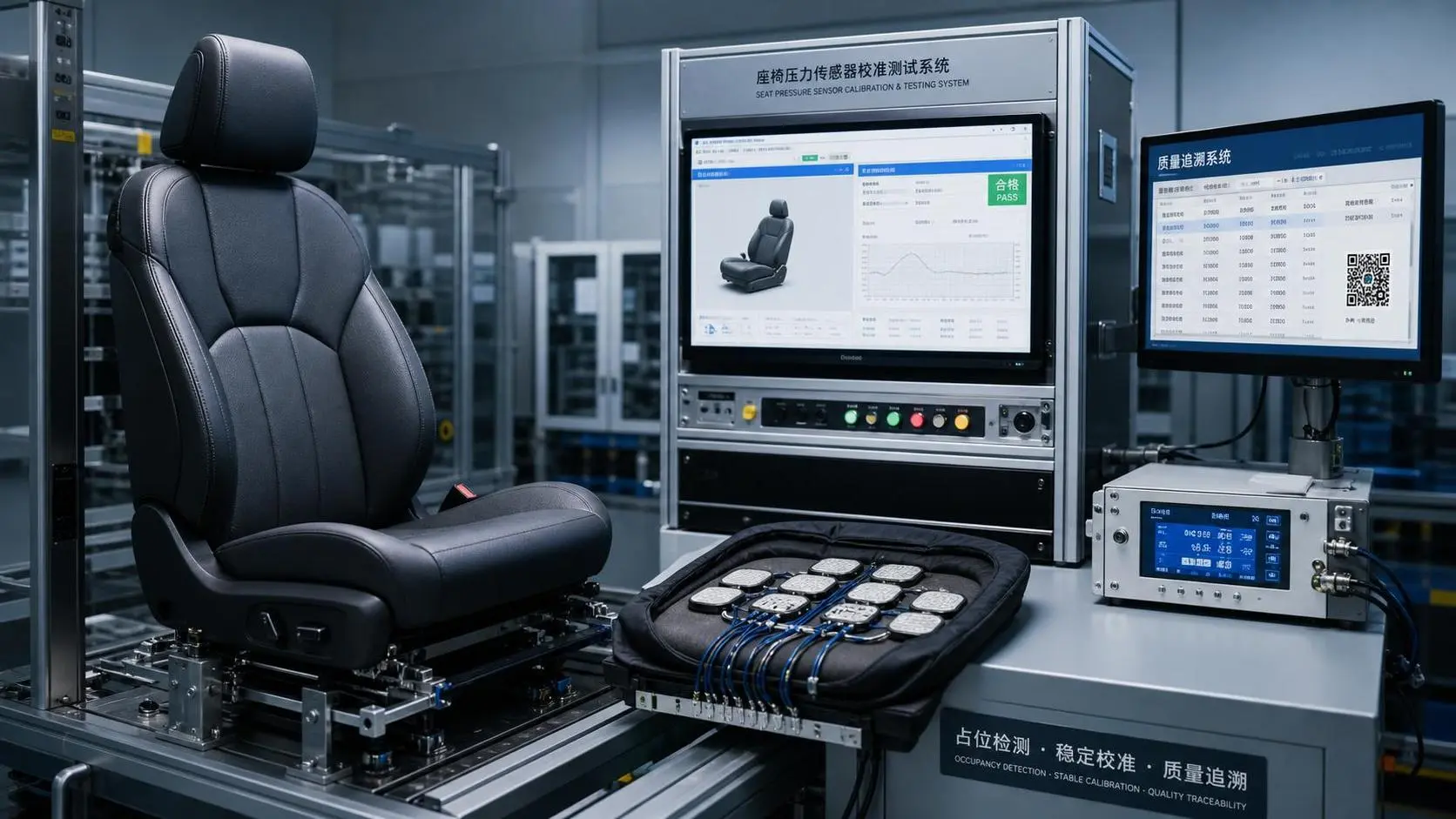
How to Evaluate a Seat Sensing Systems Factory for Automotive Safety Programs
Seat sensing systems factory selection goes beyond price. Learn how to assess quality control, validation, PPAP readiness, and long-term supply reliability for safer automotive programs.
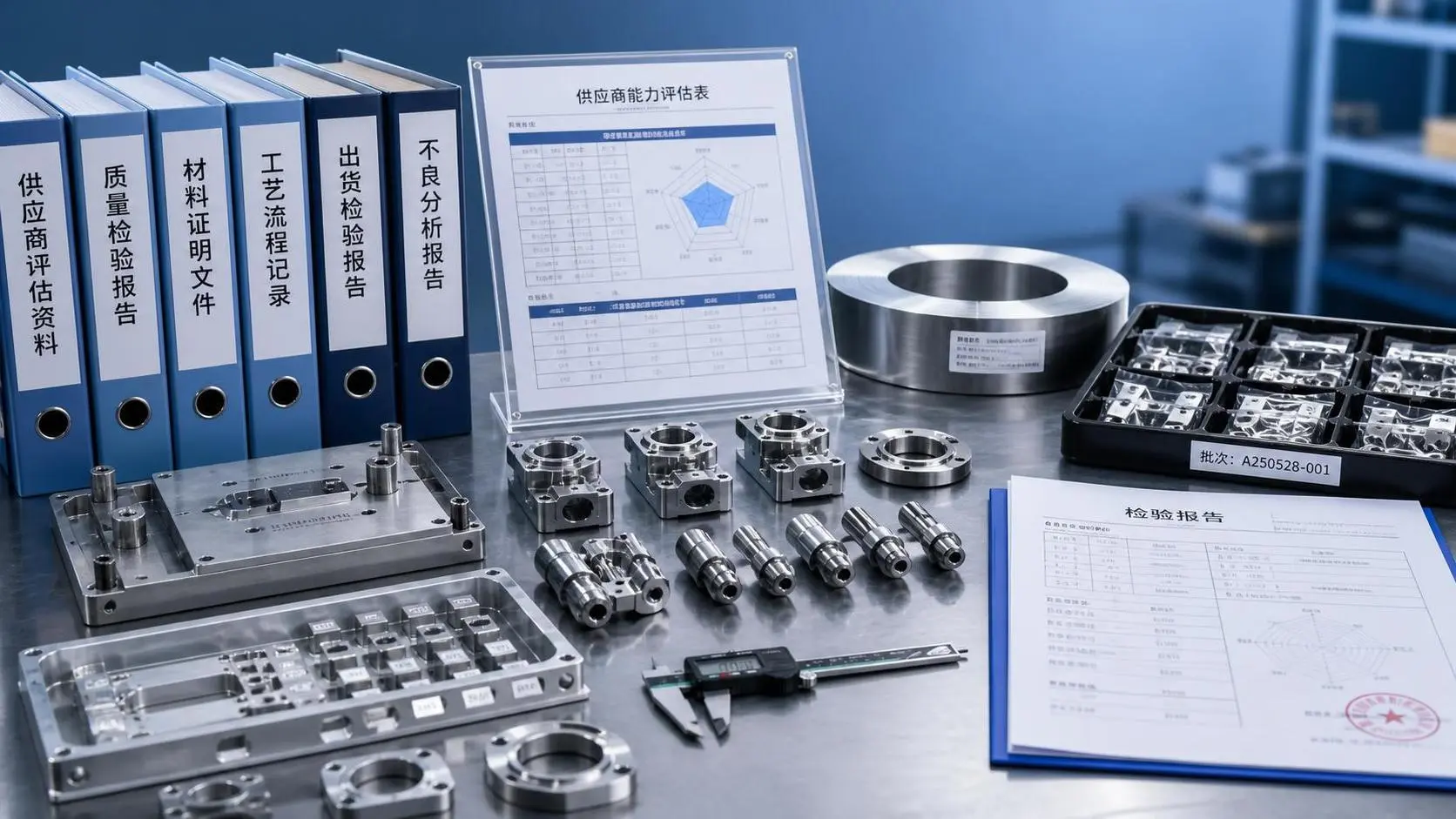
Supplier Capability Evaluation Process: Key Criteria for B2B Sourcing Decisions
Supplier capability evaluation process explained: learn the key criteria for B2B sourcing decisions, reduce supplier risk, and choose partners with confidence.
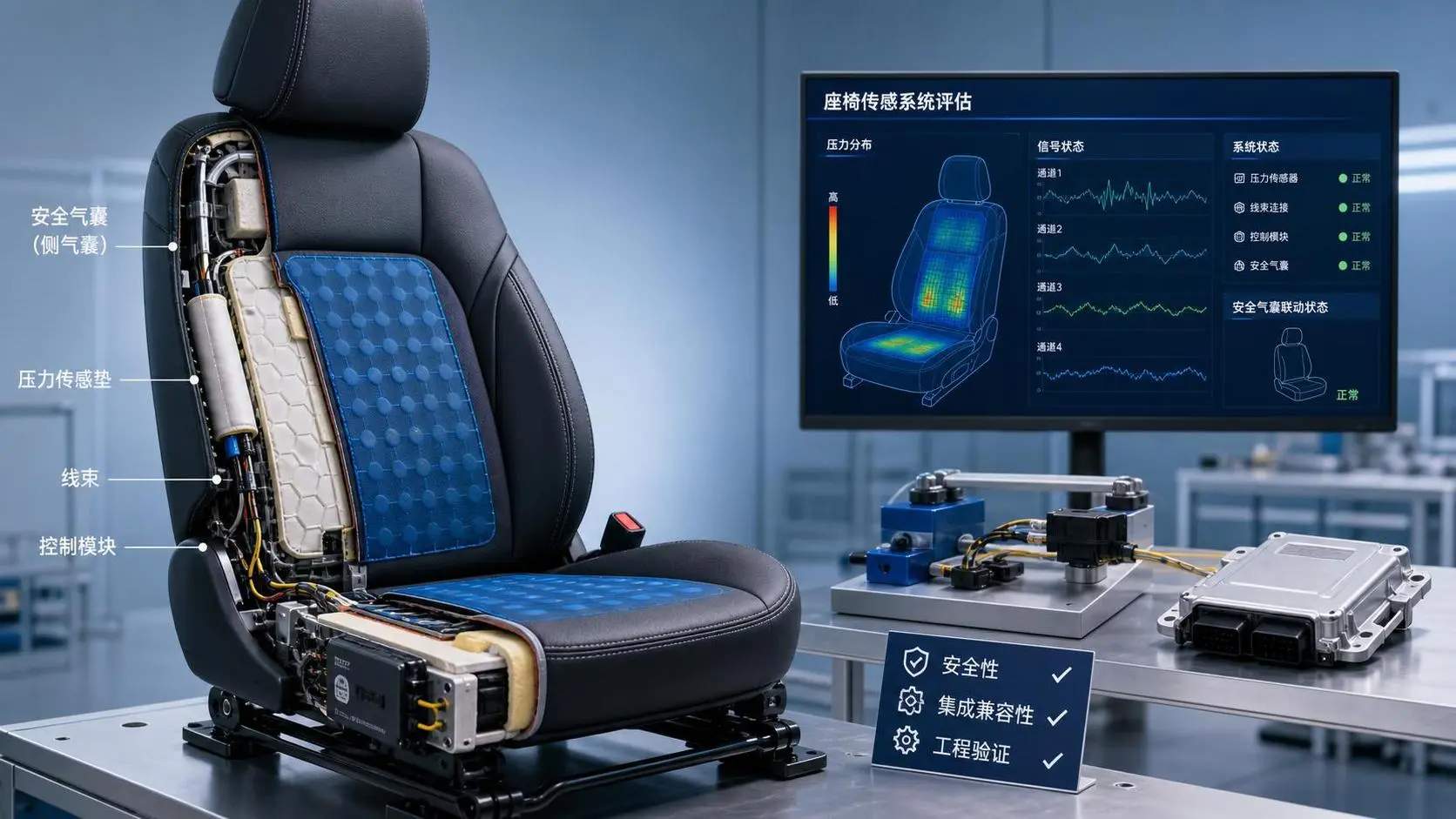
How to Evaluate a Seat Sensing Technology Supplier for Safety and Integration?
Seat sensing technology supplier evaluation guide: compare safety maturity, integration fit, algorithm reliability, and validation support to choose a partner that reduces risk.
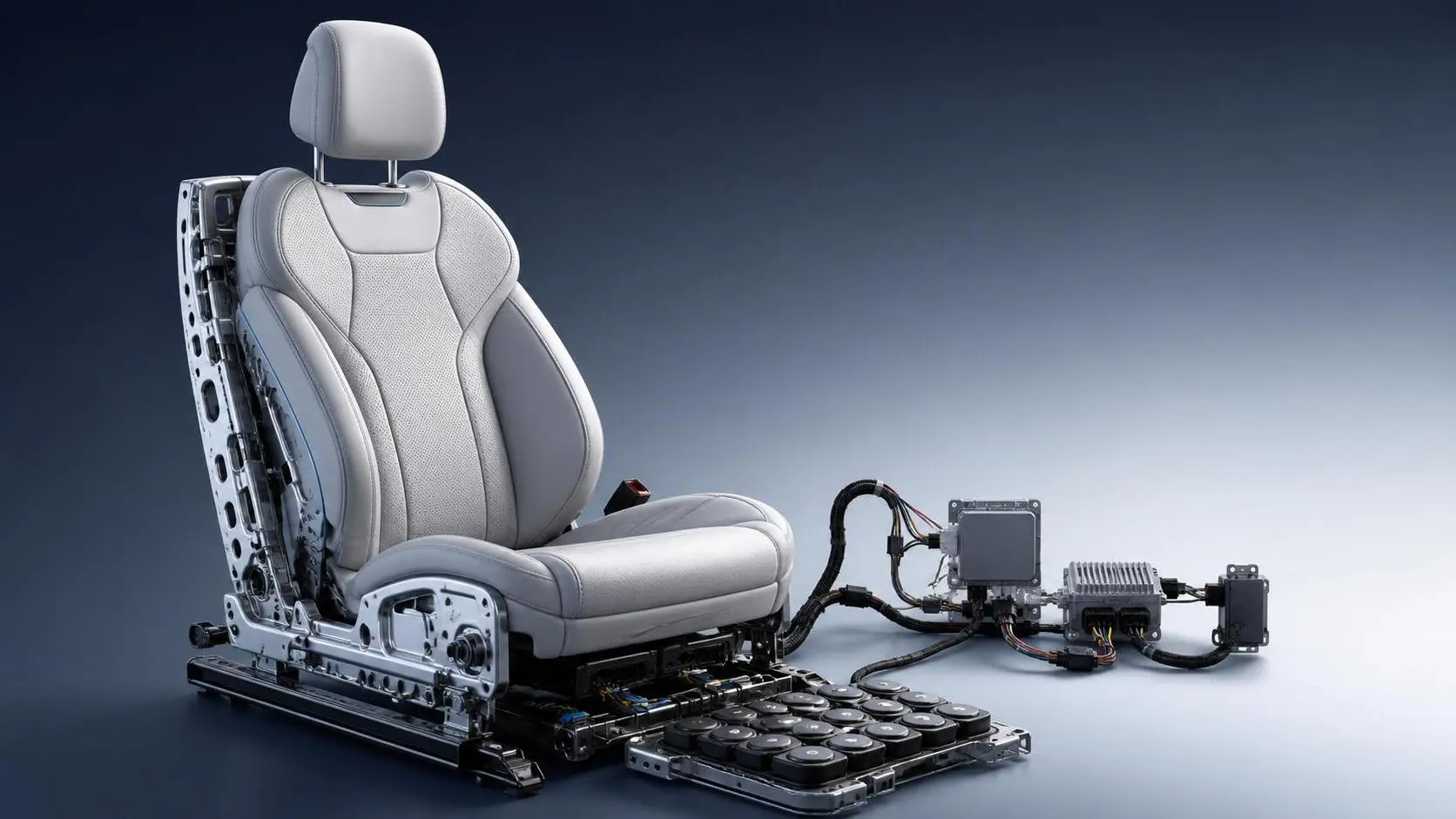
How to Evaluate Custom Smart Automotive Seating for Premium Vehicle Programs?
Custom smart automotive seating evaluation starts with safety, comfort, integration, and production readiness. Discover how premium vehicle teams choose smarter, lower-risk seat solutions.
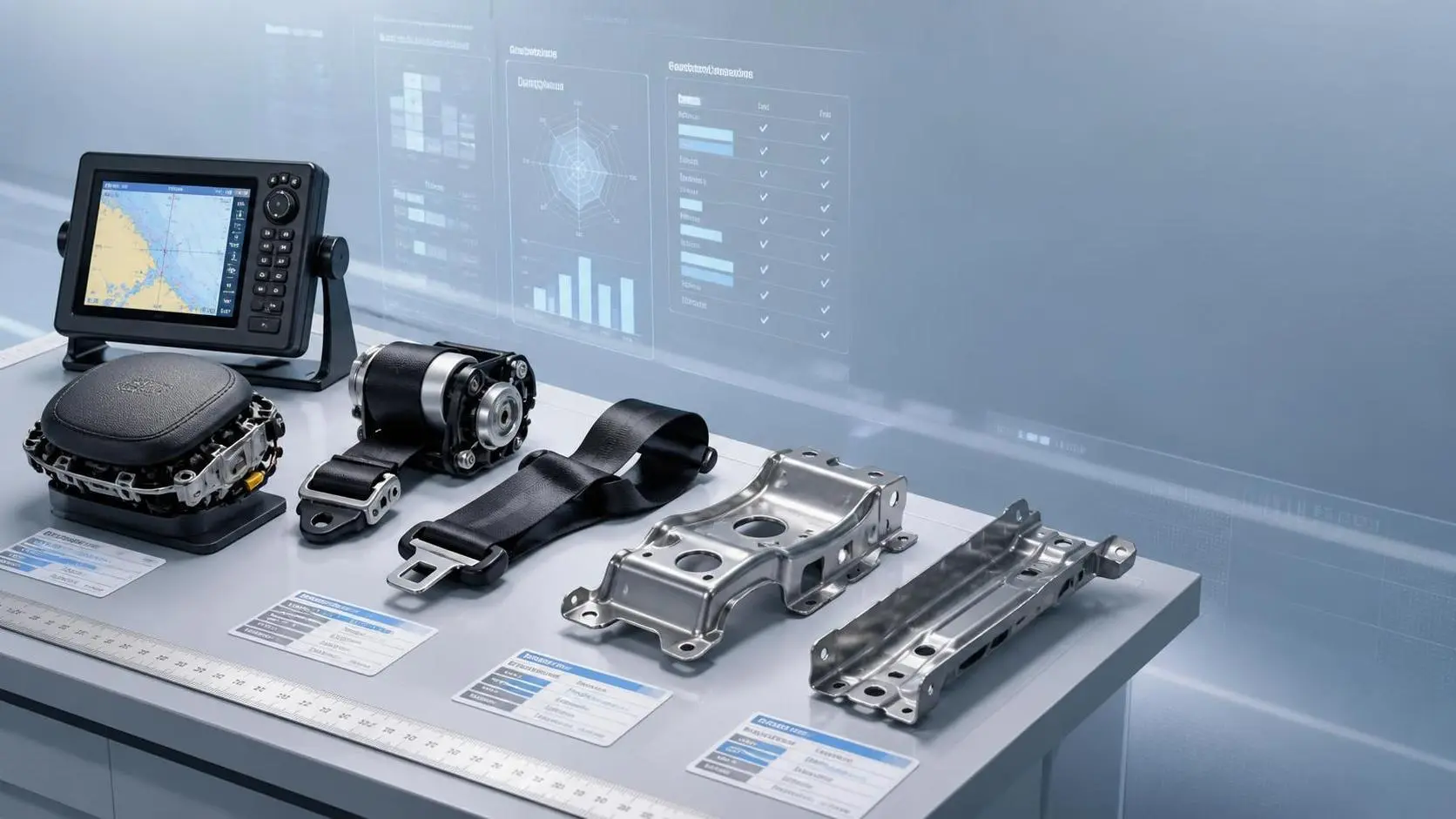
B2B Product Intelligence Platforms: How to Compare Features, Data Coverage, and ROI
B2B product intelligence platform comparison: learn how to evaluate data coverage, feature depth, compliance visibility, and ROI to choose a sourcing tool that reduces risk and speeds decisions.
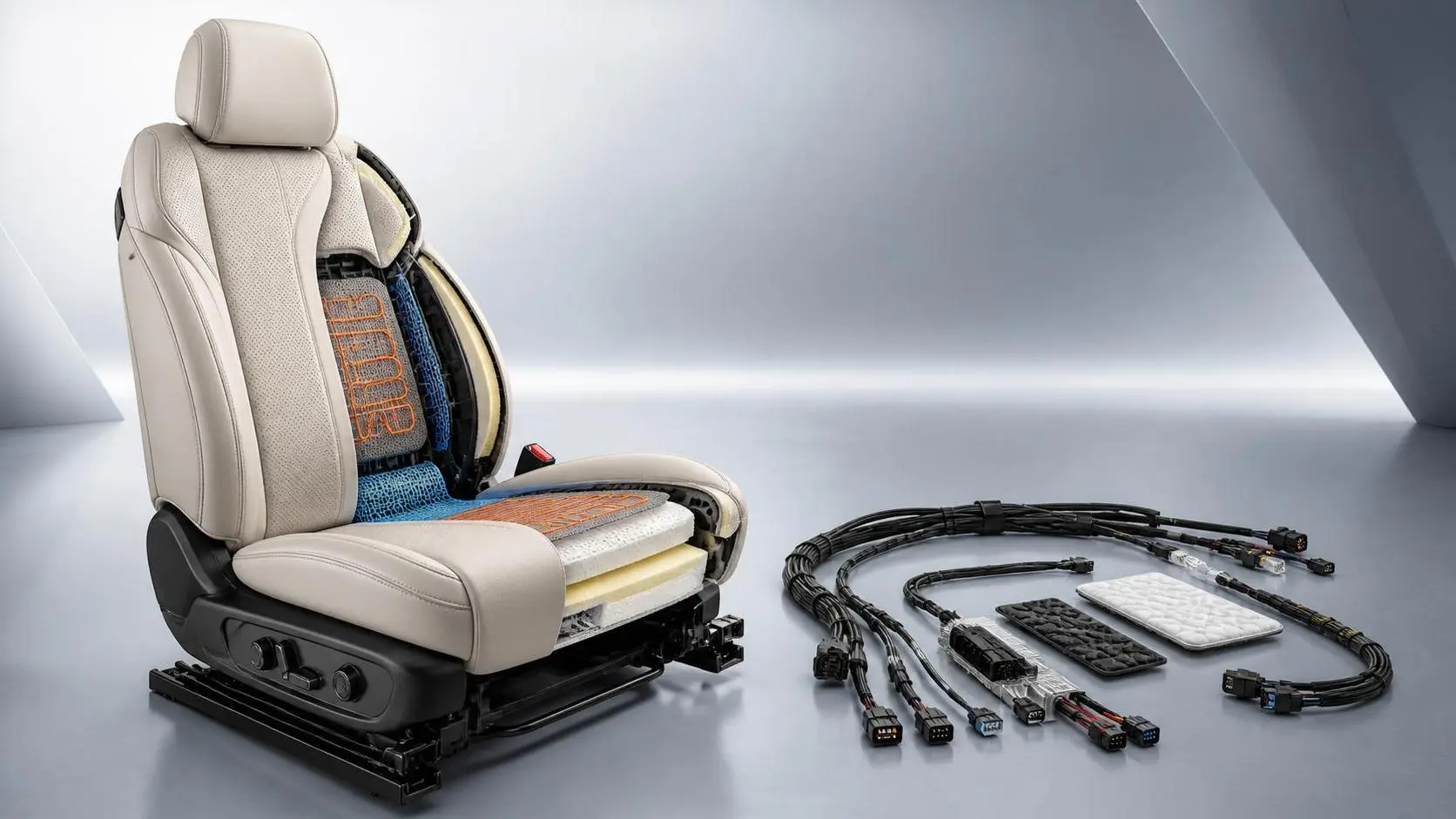
Climate Control Seats Cost: What Drives Price and Long-Term Ownership Value?
Climate control seats cost depends on materials, thermal tech, and integration. Learn what drives price and how to judge long-term value before you buy.
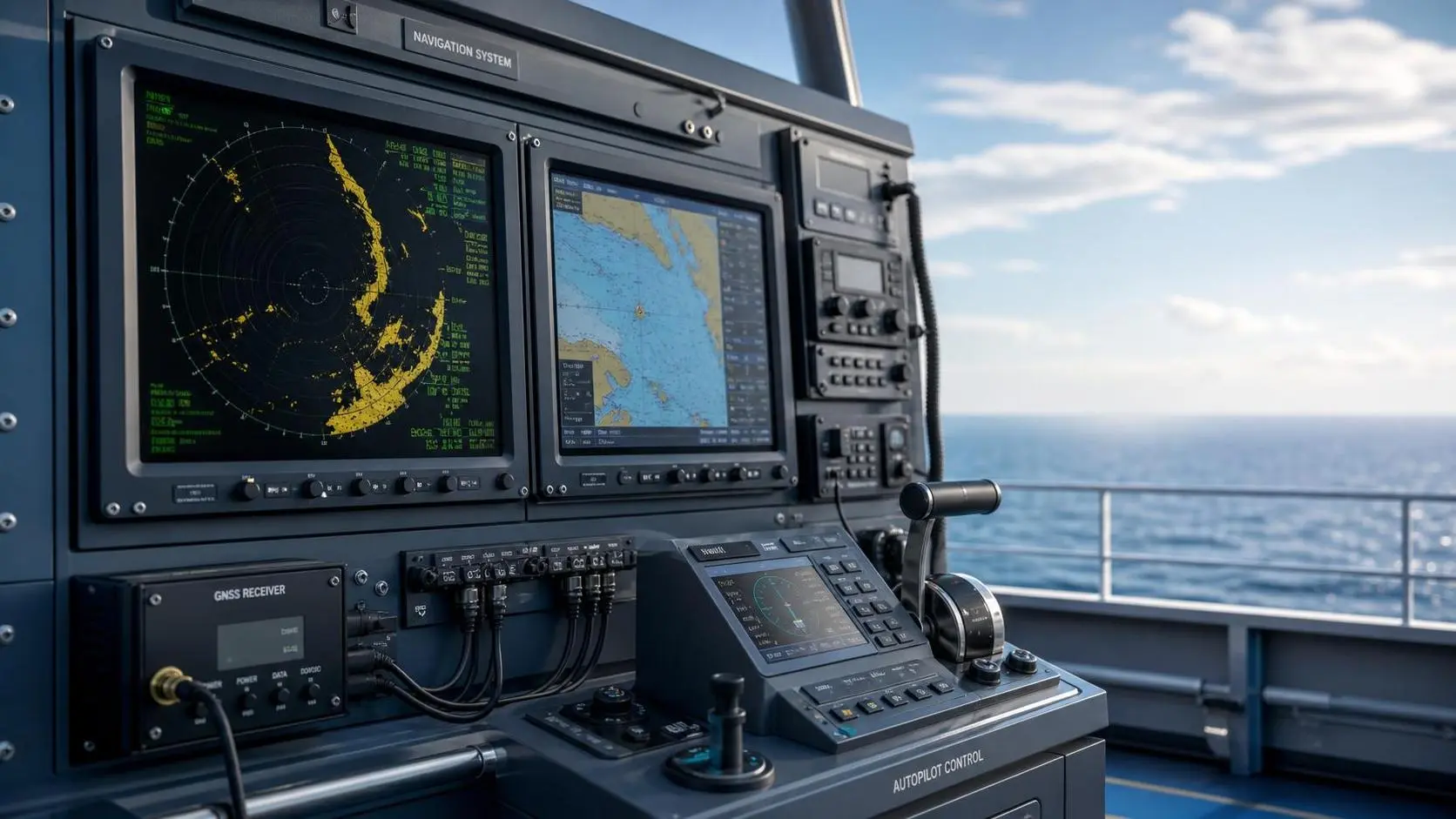
What Factors Drive Marine Navigation Components Cost in Commercial Vessel Projects?
Marine navigation components cost is shaped by integration, compliance, installation, and lifecycle support. Discover what drives pricing and how buyers can reduce risk while improving value.

How Much Does Seat Occupancy Sensing Cost? Key Pricing Factors for Buyers
Seat occupancy sensing price varies widely by technology, integration, and compliance needs. Learn the key cost drivers, avoid hidden fees, and make smarter buying decisions.
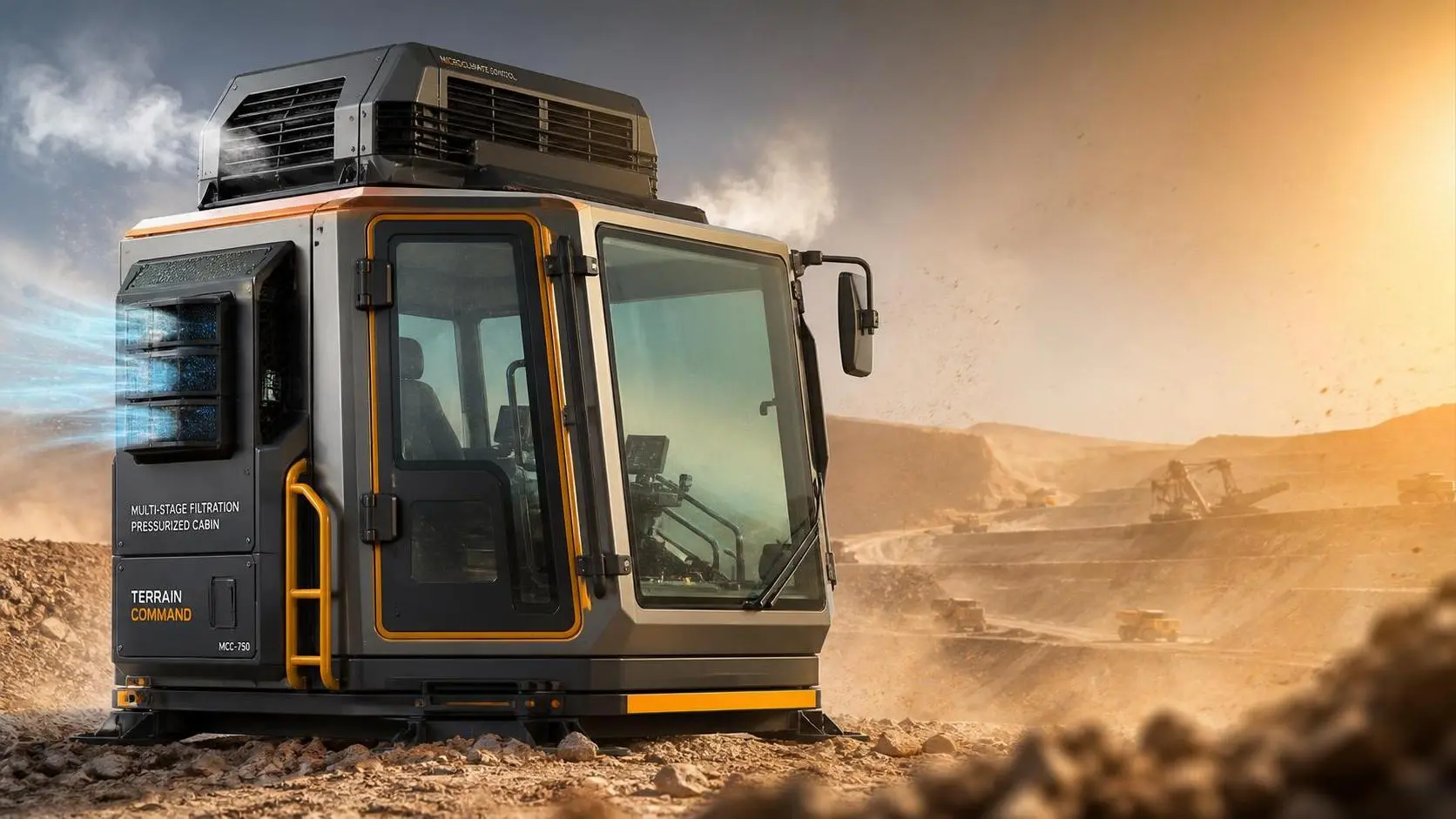
How to Specify Micro-Climate Control Cabins for Harsh Outdoor Worksites?
Micro-climate control cabins for harsh outdoor worksites: learn how to specify thermal control, filtration, pressurization, and durability for safer uptime and smarter buying.
Related News
- 00
0000-00
How Crash Management Components Reduce Repair Costs and Improve Impact Performance - 00
0000-00
Supplier Capability Evaluation Process: Key Criteria for B2B Sourcing Decisions - 00
0000-00
How to Evaluate a Seat Sensing Technology Supplier for Safety and Integration? - 00
0000-00
B2B Product Intelligence Platforms: How to Compare Features, Data Coverage, and ROI - 00
0000-00
What Factors Drive Marine Navigation Components Cost in Commercial Vessel Projects?
Weekly Insights
Stay ahead with our curated technology reports delivered every Monday.