
How European B2B Teams Can Evaluate Product Intelligence Platforms for Sourcing
Why This Decision Has Become More Important
For European procurement teams sourcing safety-critical mobility and marine technologies, a product intelligence platform is no longer simply a directory of suppliers or a convenient way to monitor market news. It increasingly sits between early supplier discovery, technical qualification, compliance review, and long-term supply-chain risk management.
That shift matters because the categories involved are difficult to assess through basic purchasing data alone. A marine navigation system may look comparable on a feature sheet while differing materially in integration capability, software-update governance, electromagnetic performance, documentation maturity, or vessel-class suitability. A lightweight body stamping supplier may offer attractive capacity, but its real value depends on material traceability, hot-stamping process control, tooling expertise, automotive programme experience, and the ability to maintain quality across production ramps. In airbags, seatbelts, and seat assemblies, the gap between an approved component and a production-ready supplier is even more consequential.
The search for a B2B product intelligence platform Europe buyers can rely on is therefore usually not a search for “more information.” It is a search for a better decision process: one that reduces blind spots before a request for quotation is issued, makes supplier comparisons more defensible, and gives procurement a common factual basis for discussions with engineering, quality, legal, sustainability, and programme teams.
The central question is not whether a platform has a large supplier database. It is whether it helps a buyer understand which suppliers, products, technical claims, and market signals are relevant to a specific sourcing decision.
Start With the Sourcing Decision, Not the Platform Demo
A common mistake is to evaluate intelligence platforms as generic software purchases. This tends to produce lengthy feature comparisons around dashboards, search filters, alerts, or data visualisation, while leaving the actual sourcing problem poorly defined. Procurement leaders should instead begin with the decision that the platform must improve.
For example, the required intelligence differs substantially across common use cases:
- Identifying alternative suppliers after a component supply disruption.
- Pre-screening manufacturers before a new electric vehicle, marine electronics, or cabin-system programme enters RFQ.
- Monitoring regulatory changes that could affect product specifications, technical files, or market access.
- Comparing suppliers' manufacturing capabilities before deciding whether to localise a supply base in Europe.
- Tracking technology transitions, such as smart sensing in seats, lower-toxicity inflator chemistry, advanced high-strength steel forming, or connected navigation architectures.
- Supporting supplier-development plans where the incumbent has production capability but gaps in quality systems, compliance evidence, or engineering maturity.
These are not interchangeable tasks. A platform useful for broad market mapping may be weak at validating a specific production site's certification scope. A strong regulatory-monitoring service may not provide enough visibility into sub-tier capability. A supplier database may make discovery faster but offer little help in interpreting whether a claimed capability is commercially proven.
Before evaluating vendors, procurement should define three practical points: the category scope, the decision horizon, and the level of evidence needed to advance a supplier to the next stage. “Find European airbag suppliers” is too broad. “Build a qualified longlist of airbag module manufacturers with demonstrable European production relevance, appropriate quality-system evidence, and the capacity to support a 2027 programme” is sufficiently specific to test whether a platform can deliver useful results.
Supplier Coverage Is Only the First Test
Wide coverage has obvious appeal, especially for multinational buyers looking beyond incumbent supplier panels. Yet the number of listed companies says little about whether a platform is usable for complex sourcing. In categories involving navigation, passive safety, structural stampings, or smart seating, coverage should be judged through relevance and depth.
A useful platform should allow buyers to distinguish among design owners, component manufacturers, assembly operations, engineering firms, distributors, contract manufacturers, and trading entities. These entities may all appear under a broad product category, but they play very different roles in a sourcing strategy.
It should also indicate, where available, the geographic meaning of an entry. A European headquarters does not establish European production. A sales office does not imply local technical support. A company with a plant in the region may still source its critical material, electronics, inflators, radar modules, or subassemblies from a concentrated overseas supply base. The more safety-critical the component, the more important this distinction becomes.
Buyers should test platform coverage with real category questions rather than abstract claims. Ask for a representative set of suppliers in a narrow segment, then assess the results manually. Can the system differentiate a supplier that produces stamped reinforcements from one that can engineer, tool, validate, and serially manufacture hot-stamped crash structures? Can it identify whether a navigation provider supports a particular class of vessel or merely resells equipment? Can it separate complete seat-system suppliers from foam, trim, frame, recliner, or sensor specialists?
One practical indicator is the proportion of entries that can be moved into a credible sourcing longlist without extensive external research. If procurement must independently verify most basic facts, the platform may be useful for lead generation but should not be treated as decision intelligence.
Technical Taxonomy Determines Whether Search Results Can Be Trusted
Technical categories are often flattened in commercial databases. That creates misleading comparisons. “Automotive seating,” for example, can include mechanical seat frames, complete front-seat assemblies, thermal comfort systems, occupant sensing, trim materials, electronic control units, and aftermarket accessories. A buyer searching only by broad labels can receive a list that appears comprehensive while omitting the specialist capability actually needed.
The same problem occurs in marine navigation. Satellite positioning, radar, sonar, electronic chart display systems, automatic identification systems, bridge integration, and software support may be grouped under a single navigation heading despite having different procurement requirements and regulatory implications.
A platform should therefore be assessed on the quality of its taxonomy and the flexibility of its filters. Buyers need to search by the factors that drive qualification, such as:
- Product architecture and subsystem, not just market category.
- Material and manufacturing process, including high-strength steel, aluminium, magnesium, injection moulding, electronics integration, or chemical inflator technology.
- Functional and safety relevance.
- Production versus prototype capability.
- End-market application, including passenger vehicle, commercial vehicle, vessel type, or industrial use.
- Geographic footprint at plant, engineering, and service levels.
- Relevant standards, testing capability, and certification evidence.
There is a limit to what any taxonomy can accomplish. Many distinctions depend on documents, engineering conversations, audits, or sample evaluation. But a platform should at least help the buyer ask the right questions and avoid treating loosely related suppliers as equivalent options.
Compliance Intelligence Must Be Linked to Products and Operations
European sourcing decisions are increasingly shaped by compliance obligations that cannot be handled as a final-stage legal check. Product safety, environmental requirements, cybersecurity expectations, data governance, sustainability reporting, chemicals restrictions, export controls, and sector-specific approvals can influence supplier selection from the start.
For automotive and mobility components, buyers may need visibility into the evolving practical impact of EU rules as well as test and approval frameworks used across markets. For marine technologies, applicable international conventions, flag-state requirements, classification expectations, equipment approvals, and software maintenance practices can all affect procurement decisions. The exact requirements depend on the product and market, and should be confirmed by specialist functions rather than inferred from a platform profile.
The important evaluation question is whether the platform connects regulatory information to the supplier and product context. A regulatory news feed alone is useful but insufficient. Procurement needs to understand questions such as: Which product families could be affected? Which suppliers may need to provide new evidence? Does a change affect design, materials, testing, documentation, software, or service obligations? Is the issue immediately applicable, emerging, or still subject to interpretation?
Strong platforms make the source, date, jurisdiction, and status of compliance information visible. They distinguish between verified certifications, supplier-declared claims, and editorial interpretation. They also avoid presenting old certification information as current fact. In safety-critical sourcing, an undated badge or a vague “compliant” label should be treated as a prompt for verification, not as proof.
Data Provenance Matters More Than Data Volume
Procurement teams often underestimate the operational risk created by poorly sourced intelligence. A database may contain thousands of supplier records, but the commercial value of those records depends on how they were collected, validated, refreshed, and corrected.
During evaluation, ask direct questions about provenance. Is the information drawn from public filings, supplier submissions, certification bodies, trade records, site visits, proprietary research, news monitoring, or third-party databases? Which fields are verified? How frequently are key fields updated? How are duplicate entities managed? Can users see when a data point was last checked? Is there a process for suppliers or buyers to challenge inaccurate information?
The answers should influence how the platform is used internally. A record based on a recent and traceable source may be suitable for initial screening. A self-declared capacity figure may be valuable for hypothesis building but requires confirmation during RFQ or audit. An unverified production location should not drive a localisation decision.
No external platform eliminates validation work. The right objective is to focus validation efforts where they matter most, rather than spending time reconstructing basic supplier intelligence from fragmented sources.
Assess Workflow Fit Across Procurement, Engineering, and Quality
A platform can have excellent information and still fail to create value if it does not fit the way decisions are made. In many European organisations, sourcing is cross-functional by design. Procurement may own supplier engagement, but engineering determines technical feasibility, quality evaluates manufacturing readiness, legal and compliance review obligations, and sustainability teams assess reporting and due-diligence exposure.
That makes collaboration features more important than they first appear. Buyers should assess whether users can save search logic, document reasons for inclusion or exclusion, assign follow-up actions, compare suppliers against shared criteria, export evidence cleanly, and maintain a record of how a shortlist was created. Without this, platform use can become individual research activity rather than an institutional sourcing capability.
Integration should be evaluated with equal realism. A platform does not need to replace the supplier relationship management system, quality management system, product lifecycle management environment, or enterprise resource planning system. In fact, forced integration can create unnecessary complexity. But it should be possible to move relevant intelligence into the systems that govern sourcing and supplier approval, with clear ownership of updates and access controls.
Data privacy and access rights deserve particular scrutiny in Europe. Buyers should understand where data is hosted, how personal data is handled, which user actions are logged, what can be exported, and whether supplier information may be reused for purposes beyond the customer relationship. These points matter when internal supplier assessments, sourcing strategies, or commercially sensitive notes are stored in the platform.
Do Not Confuse Market Signals With Supplier Proof
Product intelligence is particularly valuable when markets are changing quickly. It can reveal patent activity, investments, new facilities, product launches, partnership announcements, regulatory consultations, hiring patterns, recalls, and shifts in customer demand. For categories such as lightweight vehicle structures, restraint systems, connected cabin functions, and marine electronics, those signals can help a buyer anticipate where capability and risk may emerge.
However, market signals are not proof of supplier readiness. A new factory announcement does not confirm operational capacity. A technology partnership does not establish serial-production competence. A sustainability statement does not demonstrate traceable material performance. A supplier receiving media attention for advanced sensing does not automatically have the validation capability required for a safety-relevant deployment.
Procurement should use intelligence signals to trigger targeted questions. If a supplier is investing in a new hot-stamping line, ask about tooling lead times, material grades, press tonnage, process monitoring, scrap controls, and programme-specific capacity. If an airbag supplier announces a new inflator technology, ask about validation status, chemical handling, supply continuity, regulatory implications, and application history. If a navigation provider promotes cloud-connected systems, examine update ownership, cybersecurity controls, offline operation, interoperability, and lifecycle support.
The best platforms encourage this discipline by separating facts, reported developments, analyst interpretation, and unresolved risk. Platforms that collapse these categories into a single confidence score may look simple but can make sourcing decisions harder to defend.
Run a Category-Specific Pilot Before Committing
Procurement organisations should resist buying an intelligence platform based solely on a polished demonstration. A short pilot built around a live or recently completed sourcing case is more revealing. Select a category with enough complexity to test technical search, supplier filtering, compliance context, and collaboration, but avoid a highly confidential programme that cannot be used safely in a trial environment.
Define success criteria before the pilot begins. The criteria might include the number of credible new suppliers identified, time required to create a defensible longlist, accuracy of facility and capability data, usefulness of compliance alerts, evidence traceability, usability across functions, and quality of export into existing sourcing documentation. Measure not only speed, but also the number of false positives and the amount of manual correction required.
It is also worth involving sceptical users. Category managers, commodity buyers, supplier-quality engineers, and technical specialists often expose different weaknesses. A platform that works for an analyst may be impractical for a buyer managing multiple RFQs. A system that satisfies procurement may frustrate engineers if its technical terminology is too generic. These tensions are useful; they reveal whether the platform can support a real operating model.
What a Strong Decision Looks Like
The most suitable platform is rarely the one with the most features or the broadest headline coverage. It is the one that improves the quality and pace of decisions in the categories a business actually buys. For European teams operating around mobility equipment and marine technology, that usually means combining credible supplier intelligence with technical context, traceable compliance insight, practical market monitoring, and workflows that support cross-functional scrutiny.
GNCS-style sector intelligence can be useful in this environment when buyers need to follow the intersection of navigation technology, passive safety, lightweight structures, and cabin systems rather than view each area in isolation. But specialist editorial insight should complement, not replace, formal supplier qualification, contract controls, testing, audits, and engineering validation.
The final test is straightforward. After using the platform, can the procurement team explain why a supplier was included, what evidence supports the decision, what remains unverified, and what must happen before a commercial commitment is made? When the answer is clear, product intelligence has become part of sourcing governance rather than another information subscription.
Related News
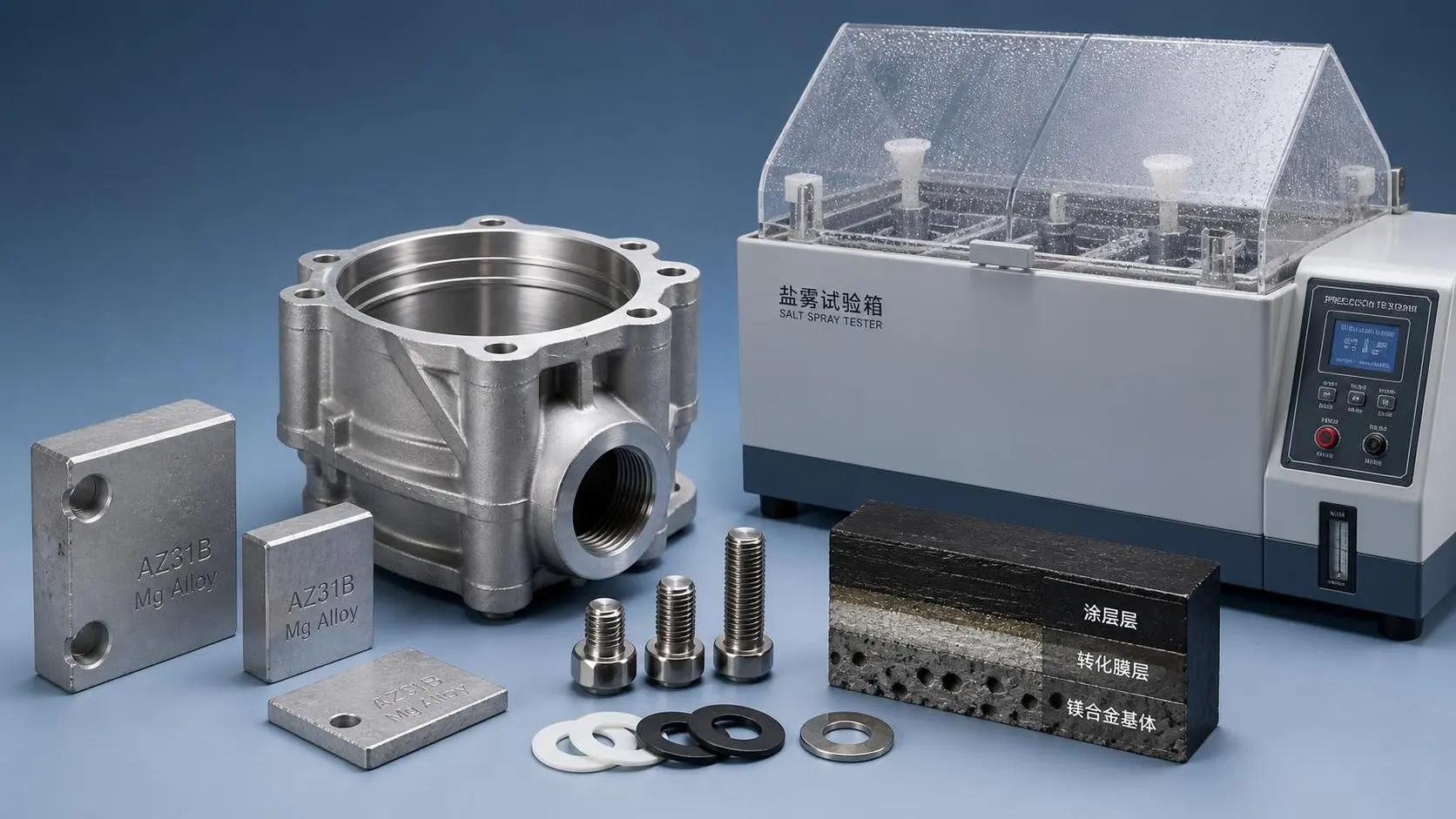
How to Evaluate Magnesium Alloys Corrosion Resistance for Marine Parts?
Magnesium alloys corrosion resistance for marine parts depends on more than alloy grade. Learn how to assess coatings, galvanic risk, geometry, and real-world exposure before you decide.

How to Evaluate Mobility Safety Systems for Safer Vehicle Platform Design
Mobility safety systems evaluation starts with platform architecture, crash energy management, and seat-restraint timing. Learn how to choose safer, validation-ready vehicle designs.

How Seat Belt Pretensioners for EVs Improve Crash Safety and System Response
Seat belt pretensioners for EVs improve crash timing, occupant control, and system response. Discover how smarter integration boosts EV safety performance.
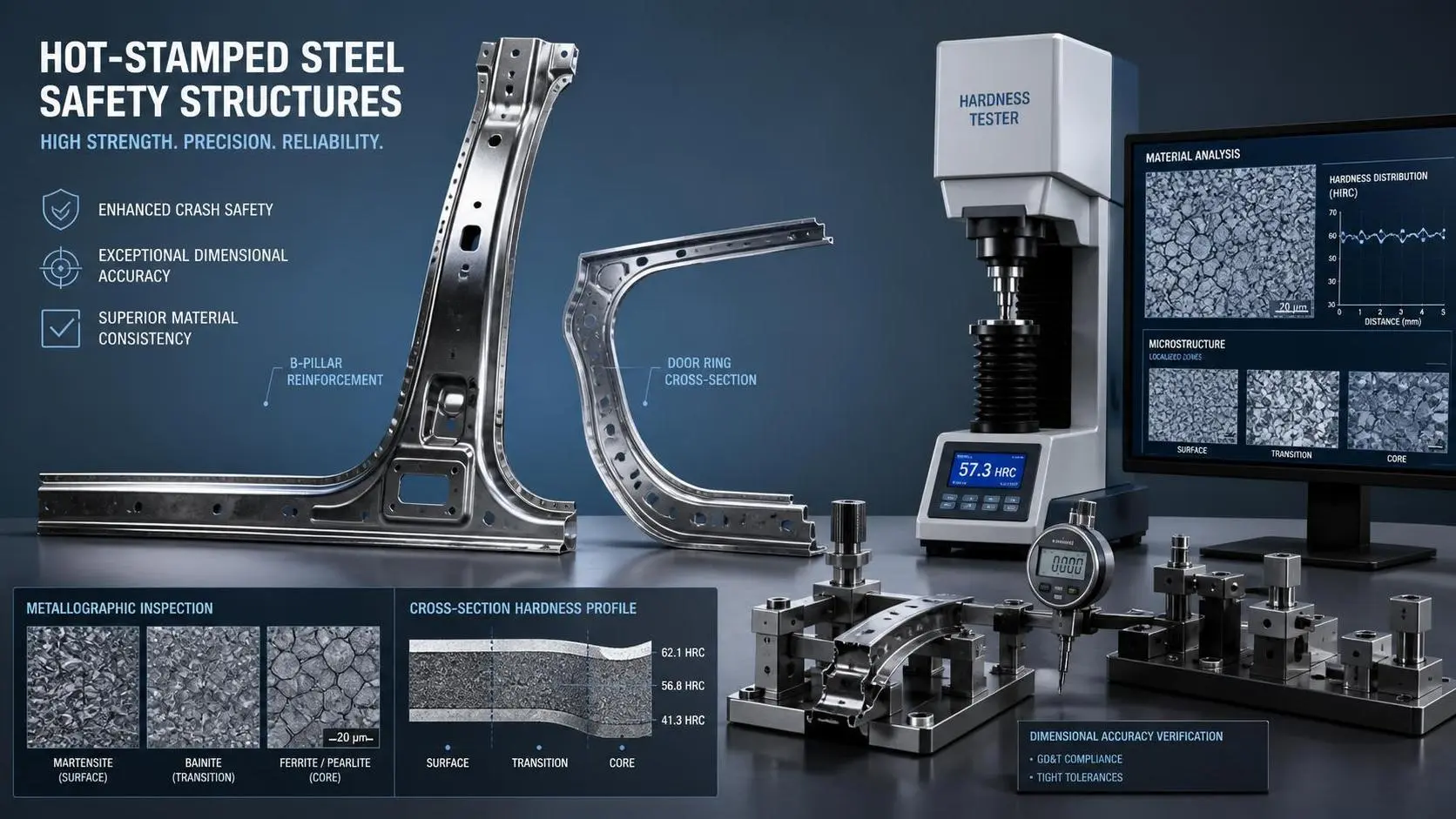
How to Evaluate High Strength Hot Stamped Steel Parts for Crash-Safety Applications
High strength hot stamped steel parts for crash-safety applications: learn how to assess strength, microstructure, dimensional accuracy, and process stability for safer sourcing decisions.

How Crash Management Components Reduce Repair Costs and Improve Impact Performance
Crash management components help reduce repair costs, protect critical vehicle structures, and improve impact performance. Learn how smarter design supports safer, more cost-efficient mobility programs.
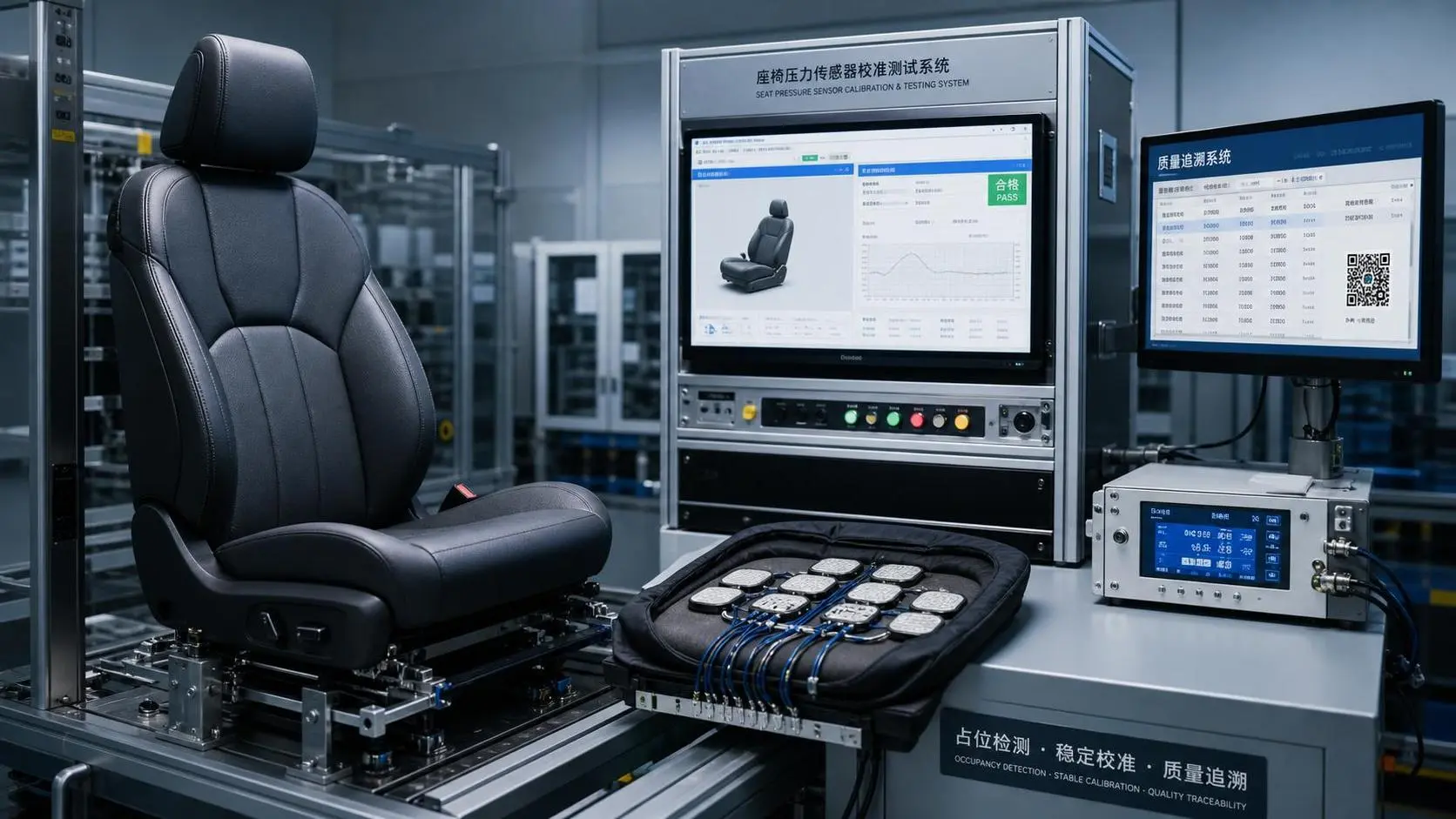
How to Evaluate a Seat Sensing Systems Factory for Automotive Safety Programs
Seat sensing systems factory selection goes beyond price. Learn how to assess quality control, validation, PPAP readiness, and long-term supply reliability for safer automotive programs.
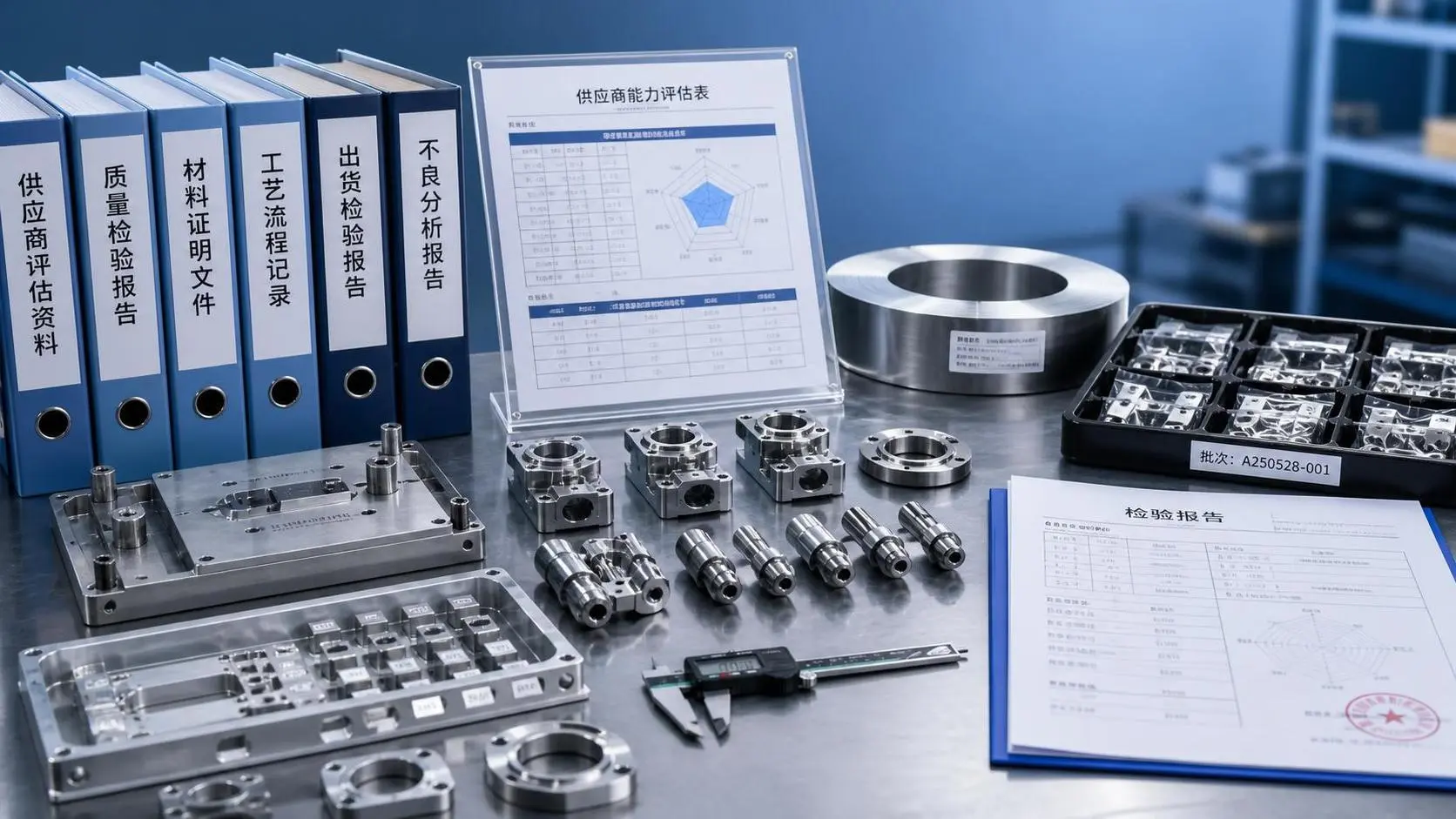
Supplier Capability Evaluation Process: Key Criteria for B2B Sourcing Decisions
Supplier capability evaluation process explained: learn the key criteria for B2B sourcing decisions, reduce supplier risk, and choose partners with confidence.
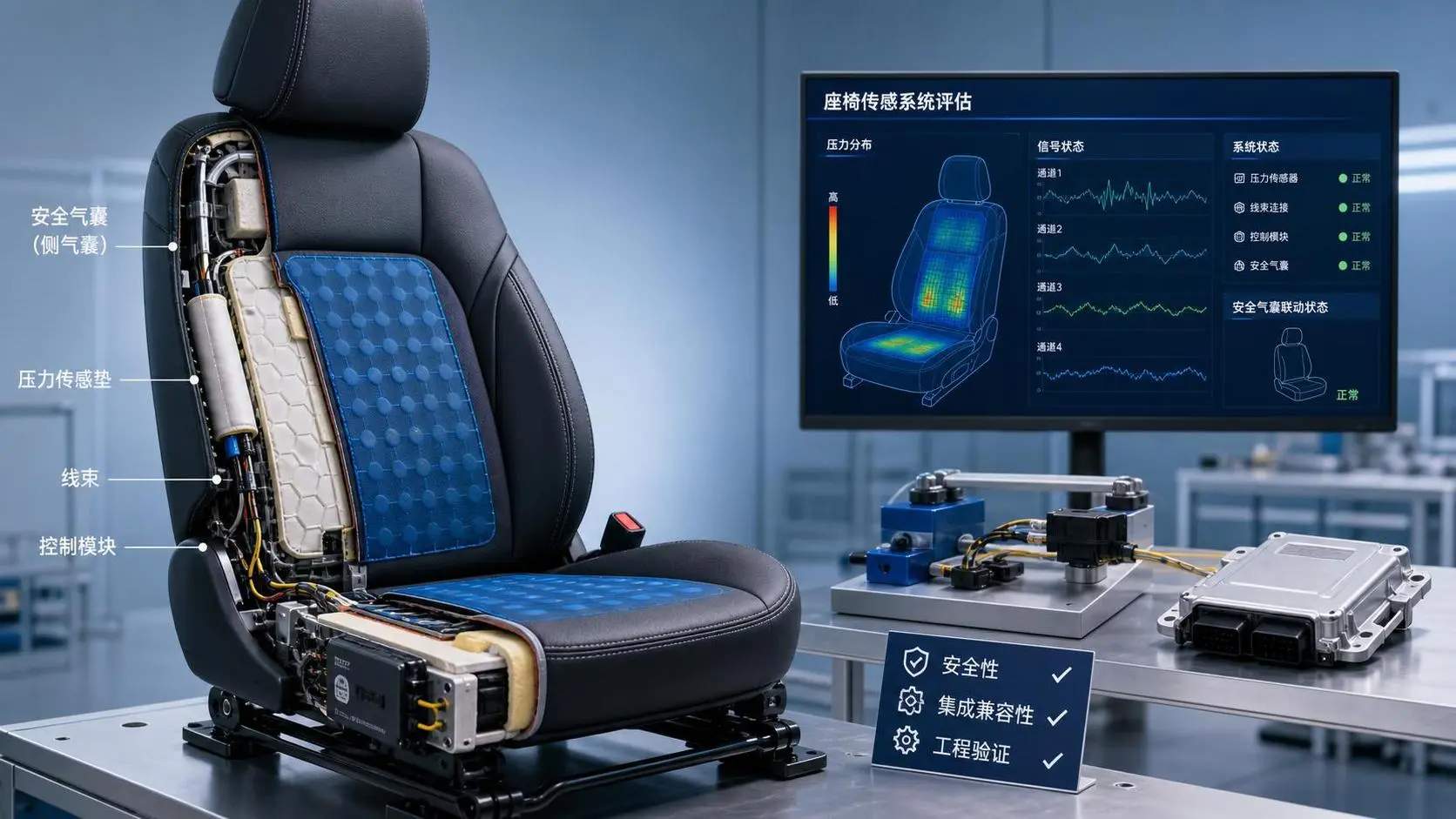
How to Evaluate a Seat Sensing Technology Supplier for Safety and Integration?
Seat sensing technology supplier evaluation guide: compare safety maturity, integration fit, algorithm reliability, and validation support to choose a partner that reduces risk.

How to Evaluate Custom Smart Automotive Seating for Premium Vehicle Programs?
Custom smart automotive seating evaluation starts with safety, comfort, integration, and production readiness. Discover how premium vehicle teams choose smarter, lower-risk seat solutions.
Related News
- 00
0000-00
How European B2B Teams Can Evaluate Product Intelligence Platforms for Sourcing - 00
0000-00
How to Evaluate Magnesium Alloys Corrosion Resistance for Marine Parts? - 00
0000-00
How to Evaluate Mobility Safety Systems for Safer Vehicle Platform Design - 00
0000-00
How Crash Management Components Reduce Repair Costs and Improve Impact Performance - 00
0000-00
Supplier Capability Evaluation Process: Key Criteria for B2B Sourcing Decisions
Weekly Insights
Stay ahead with our curated technology reports delivered every Monday.