
How to Compare Airbag Module Suppliers Before Nomination
How to Compare Airbag Module Suppliers Before Nomination
How can I compare airbag module suppliers before nomination? For an OEM or Tier 1 purchasing team, this is not a conventional sourcing exercise. An airbag module is a tightly engineered restraint device whose real performance emerges only when the cushion, inflator, housing, steering wheel or instrument panel, seatbelt system, sensors, restraint control unit, vehicle structure, and occupant position work together in a crash event.
A low quotation may look attractive in a sourcing comparison, but it says little about deployment repeatability, diagnostic robustness, traceability of safety-critical parts, or the supplier’s ability to support a late-stage calibration issue. Before nomination, the practical question is not simply whether a supplier can manufacture an airbag. It is whether that supplier can maintain controlled occupant-protection performance through design changes, validation, launch pressure, regional compliance requirements, and years of series production.
The most reliable comparison combines engineering evidence with commercial discipline. Procurement should not be asked to judge crash safety alone, and engineering should not be expected to uncover every supply-chain exposure. A cross-functional review gives the program team a clearer view of where a quoted module is genuinely competitive and where risk may be hiding behind an incomplete technical assumption.
Start With the Restraint-System Boundary
“Airbag module” can describe very different products: driver airbags integrated into steering wheels, passenger modules beneath an instrument panel, thorax airbags, curtain airbags, knee airbags, center airbags, or seat-integrated restraints. Each has a different interface, packaging constraint, deployment pathway, and failure mode. Comparing suppliers without defining that boundary often leads to misleading conclusions.
The request for quotation should therefore state what is fixed and what remains open. This includes the intended vehicle architecture, available package space, target markets, steering-wheel or IP interface, trim and cover requirements, restraint control-unit strategy, sensor inputs, anticipated vehicle variants, and validation responsibilities. If the supplier is expected to participate in early restraint-system tuning, that should be explicit. A supplier that is strong in build-to-print production may not be the right partner for a program that still requires simulation-led module design and active crash-development support.
This systems view is familiar across the GNCS coverage of passive safety, lightweight body structures, seating, and seatbelt technology. Occupant protection is not a collection of independent components. A change in hot-stamped rail geometry, seat travel, belt load limiting, or seat-mounted sensor logic can alter the conditions under which an airbag must perform. Nomination decisions should reflect those interfaces rather than isolate the module as a commodity line item.
Compare Technical Capability Through Evidence, Not Claims
A supplier presentation can show global facilities, product photographs, and generic test footage. Those materials may be useful, but they are not proof of capability for a particular platform. Ask suppliers to demonstrate how they translate vehicle-level protection targets into module-level design choices. The useful evidence is project-specific: engineering assumptions, interface management, analysis methods, proposed validation logic, change-control discipline, and the experience of the people who will actually support the program.
For inflator-related decisions, examine the supplier’s technical ownership and sourcing model. Is the inflator designed and produced within the supplier’s controlled organization, sourced from an approved external manufacturer, or nominated by the customer? There is no universally correct model. What matters is a clear account of responsibility for compatibility, lot control, storage conditions, end-of-line verification, transport restrictions, field monitoring, and engineering changes. A module assembler that cannot explain the inflator interface in detail creates a difficult escalation path if an issue appears after launch.
Electronics deserve the same attention. The module may contain connectors, igniters, harnesses, sensing-related interfaces, or diagnostic features that must communicate reliably with the vehicle restraint system. Teams should review electrical interface definitions, fault-detection coverage, connector retention, electromagnetic compatibility responsibilities where applicable, and the handling of software or calibration dependencies. “Compatible with the ECU” is not enough; compatibility needs to be defined against the actual architecture and controlled through revision management.
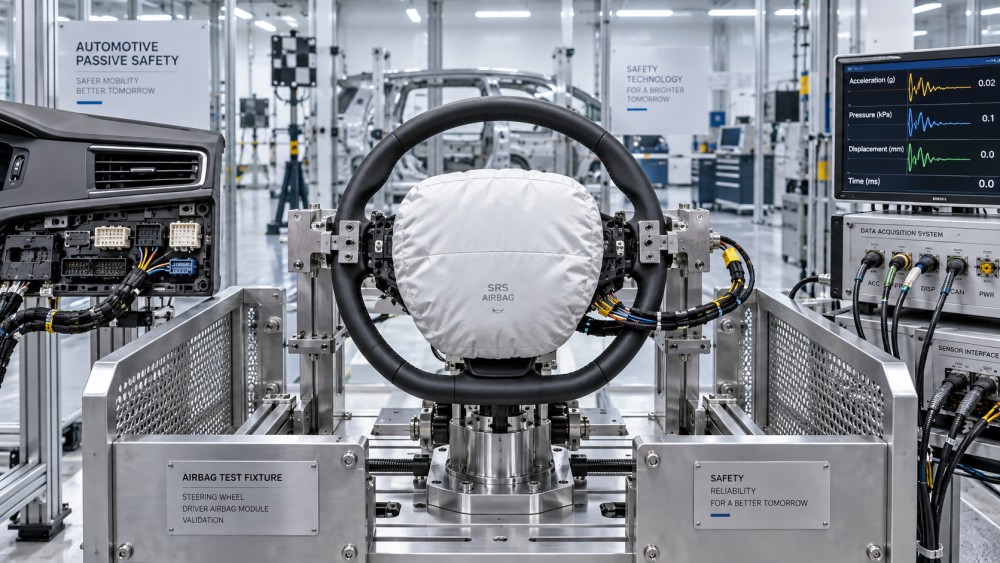
Questions that expose engineering depth
- Can the supplier explain how cushion fabric, coating, venting, tethering, folding, and inflator output interact for the intended occupant and vehicle package?
- What simulation, deployment testing, and vehicle-level correlation activities are proposed before design freeze?
- How are design deviations, tolerance stack-ups, and trim or cover changes assessed for their effect on deployment?
- Who owns the technical decision when the airbag, steering wheel, instrument panel, seat, or restraint controller changes?
- Can the proposed engineering team provide documented lessons learned without disclosing another customer’s confidential data?
A capable supplier does not need to promise that every uncertainty has already been solved. It should, however, be able to identify uncertainties early, place them in a validation plan, and state the data needed to close them.
Validation Capacity Matters as Much as Design Capacity
Airbag development is constrained by time, test hardware, specialist resources, and access to appropriate laboratories. A supplier may have sound design knowledge but limited capacity to execute a compressed development schedule. Before nomination, request a realistic validation roadmap rather than a high-level statement that testing will be completed “to requirements.”
The roadmap should distinguish component tests from system and vehicle tests. Module deployment characteristics, environmental conditioning, vibration exposure, corrosion-related considerations, connector performance, cover opening behavior, and abuse conditions can require different methods. Vehicle crash assessments introduce further dependencies: body structure, seating position, belt system behavior, occupant sensing, and test configurations. The applicable requirements will vary by vehicle category and market, so the program team should confirm the governing regulations, consumer-test expectations, and internal engineering targets rather than assume one protocol covers all intended sales regions.
Ask where testing will occur and how capacity is secured. In-house laboratories can shorten feedback loops, while qualified external laboratories may provide valuable independent capability. Either arrangement can work if booking lead times, test readiness, sample logistics, data ownership, and retest contingencies are managed. What should concern a buyer is a plan that contains no allowance for iteration after an unexpected result.
Audit the Process That Protects Repeatability
Airbag performance is affected not only by drawings and nominal specifications, but by controlled production reality. Folding quality, cushion handling, inflator installation, igniter connection, torque application, cover assembly, labeling, and packaging all require disciplined process control. A factory audit should focus less on whether a line appears modern and more on whether critical steps are controlled, traceable, and recoverable after an abnormal condition.
Review how the supplier identifies safety-critical characteristics, verifies them at the line, and prevents nonconforming parts from progressing. Error-proofing should be examined in practical terms: what happens if an incorrect component is scanned, a connector is incompletely seated, a tool result falls outside the permitted window, or material status is uncertain? A credible answer includes containment action, escalation ownership, disposition controls, and a record that can be linked back to affected parts.
Traceability must be usable, not merely available. In a field investigation, the buyer may need to connect a finished module to production date, manufacturing location, equipment status, operator or station record where relevant, cushion and inflator lots, and applicable engineering revision. The required depth depends on the program and local requirements, but the retrieval process should be tested before nomination. Ask for a demonstration using a sample serial number and an explanation of retention periods, data integrity protections, and access rights.
Look Beyond the Tier 1 Factory
Airbag supply resilience is multi-tier by nature. The module supplier may control final assembly while relying on specialist sources for inflators, woven fabric, coated textiles, sewn cushions, electronic elements, steel or aluminum housings, covers, and packaging materials. A sourcing team should understand where single-source exposure exists and whether alternative capacity is technically qualified or merely listed as a possibility.
This does not mean demanding a second source for every part. In safety components, uncontrolled source changes can be more dangerous than concentration. The better question is whether the supplier has a governed continuity process: supplier monitoring, capacity review, inventory policy, transport planning for regulated materials, change notification, and a structured response to disruptions. Global programs also need clarity on the relationship between local production sites and central engineering authority. A regional plant that can build the module but cannot obtain rapid design decisions may struggle during launch escalation.
Commercial comparisons should include total program exposure, not only piece price. Tooling, development scope, validation support, logistics, service parts, warranty responsibilities, engineering-change charges, currency assumptions, and end-of-production obligations can materially change the apparent cost position. Transparent assumptions make supplier quotations comparable; hidden exclusions do not.
Treat Compliance as a Living Program Requirement
A supplier should be able to show a structured approach to applicable automotive quality systems, product-safety governance, material declarations, and market-specific regulatory requirements. However, a certificate or compliance statement should begin the discussion, not end it. The buyer still needs to verify scope: which site is covered, which process is covered, who owns product-safety escalation, and how compliance requirements are updated when the program enters new markets or undergoes a design change.
Requirements tied to vehicle safety assessment may also evolve during a platform’s development cycle. Programs targeting demanding consumer-test environments, including those associated with organizations such as Euro NCAP or IIHS, need alignment on the intended test conditions and engineering objectives. These organizations’ protocols are not interchangeable with every legal approval requirement, and neither should be treated as a substitute for a complete vehicle-level safety strategy.
GNCS tracks this intersection of physical containment protection, body energy management, smart seating, and evolving mobility compliance. The useful lesson for nomination teams is straightforward: airbag module selection cannot be finalized solely by reviewing the module. It has to be checked against the changing architecture and market intent of the whole vehicle.
Use a Weighted Decision, Then Challenge the Result
A weighted scorecard can help bring engineering, quality, purchasing, manufacturing, and program management into one decision. Common categories include technical integration, validation readiness, manufacturing control, quality history, supply resilience, commercial position, launch support, and regional footprint. The weights should reflect the vehicle program. A mature carryover module may justify a different balance from a new architecture with unconventional packaging or new restraint features.
Do not let a scorecard create false precision. After scoring, hold a challenge review around the largest uncertainties. Which assumptions remain untested? Which supplier dependency would be most difficult to recover from? What evidence is missing? If the lowest-cost bidder is selected, what technical or operational protections are needed in the nomination conditions? If the technically strongest bidder has a cost gap, is the gap caused by scope, capacity, tooling, localization, or a genuine efficiency difference?
The best nomination package records these decisions openly. It defines deliverables, timing, technical gateways, approval rights, data requirements, change-management rules, and escalation contacts. That discipline protects both parties when the vehicle program inevitably changes.
A Sound Nomination Is One That Can Survive Change
Comparing airbag module suppliers before nomination is ultimately an exercise in judging controlled response under pressure. The preferred supplier should offer credible crash-performance engineering, disciplined manufacturing, transparent multi-tier sourcing, usable traceability, and enough program capacity to manage iteration rather than simply promise it away.
Before signing, confirm the unresolved items that could affect package space, inflator selection, ECU interfaces, target-market requirements, testing access, and launch timing. A supplier that helps make those dependencies visible is usually more valuable than one that offers the cleanest initial quotation. In passive safety, confidence comes from evidence, interfaces, and repeatable control—not from a price comparison alone.
Related News

How to Evaluate Supplier Solution References Before Signing a Contract
Evaluate supplier solution references with confidence. Learn how to verify technical evidence, identify delivery risks, and close gaps before signing a contract.
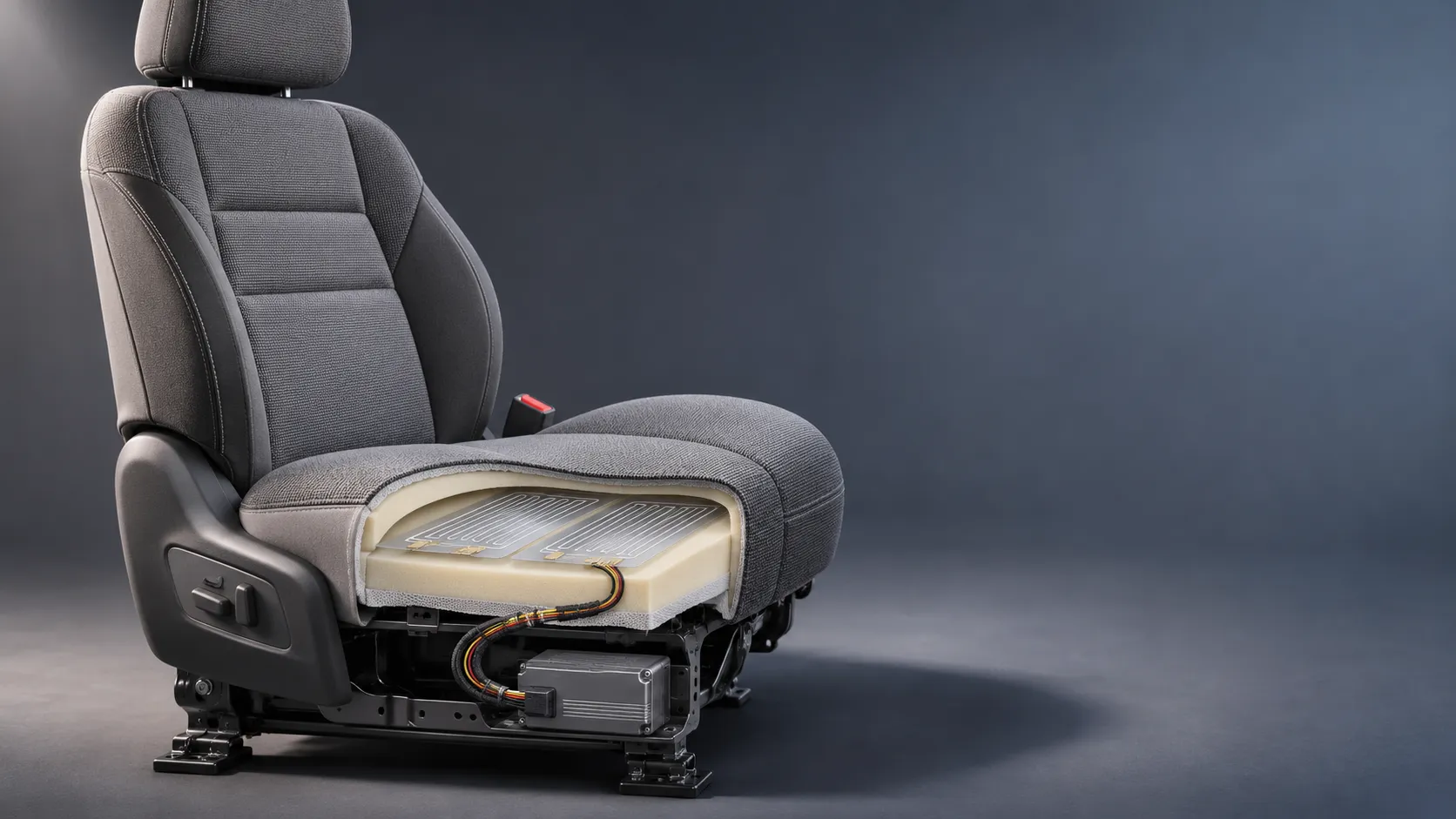
How Capacitive Seat Occupancy Sensing Works in Automotive Airbag Systems
Discover how capacitive seat occupancy sensing supports automotive airbag systems, and explore the design, calibration, and validation challenges behind reliable performance.
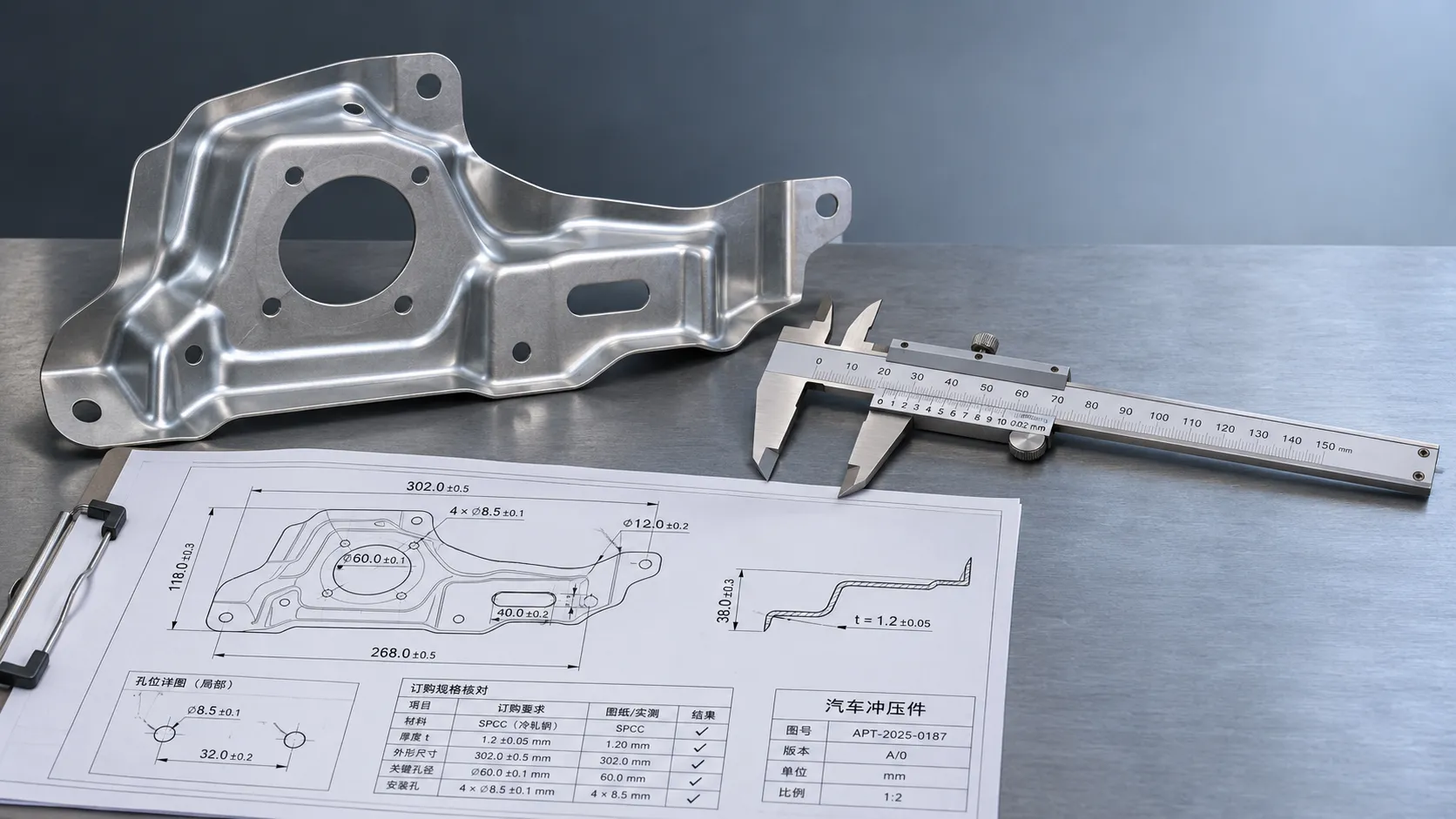
Industrial Product References: How to Verify Specs Before Ordering
Use an industrial product reference for procurement to verify specs, compatibility, and certifications before ordering—and reduce costly purchasing risks.
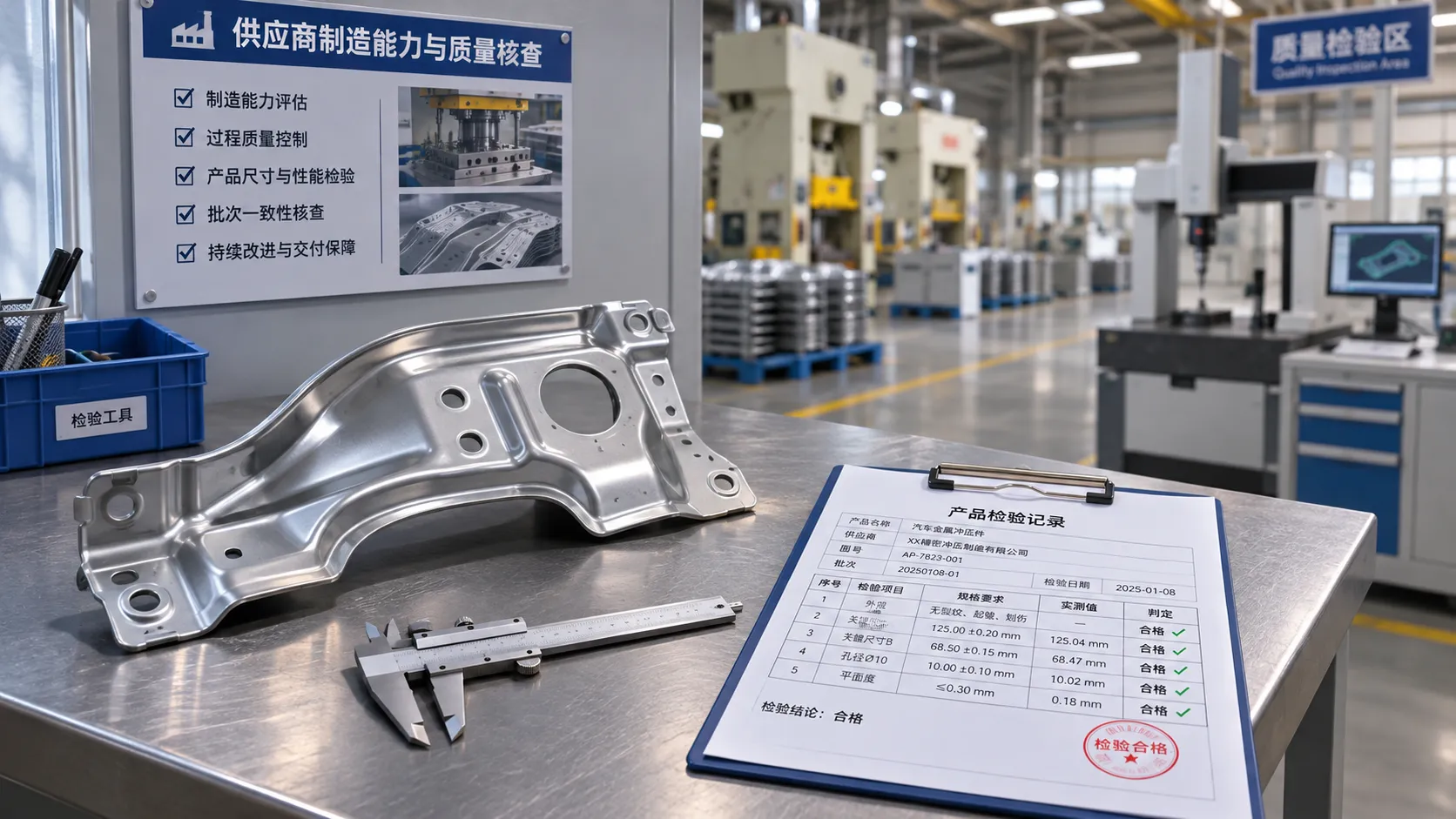
Choosing a Private Label Partner in Europe: Key Supplier Criteria
Private label cooperation Europe buyers can trust starts with the right supplier. Explore key criteria for compliance, quality, traceability and supply resilience.

Integrated Cabin Comfort Systems: How Seat and Cabin Climate Controls Work Together
Discover how integrated cabin comfort systems coordinate seat and climate controls to balance occupant comfort, energy use, safety, and performance.
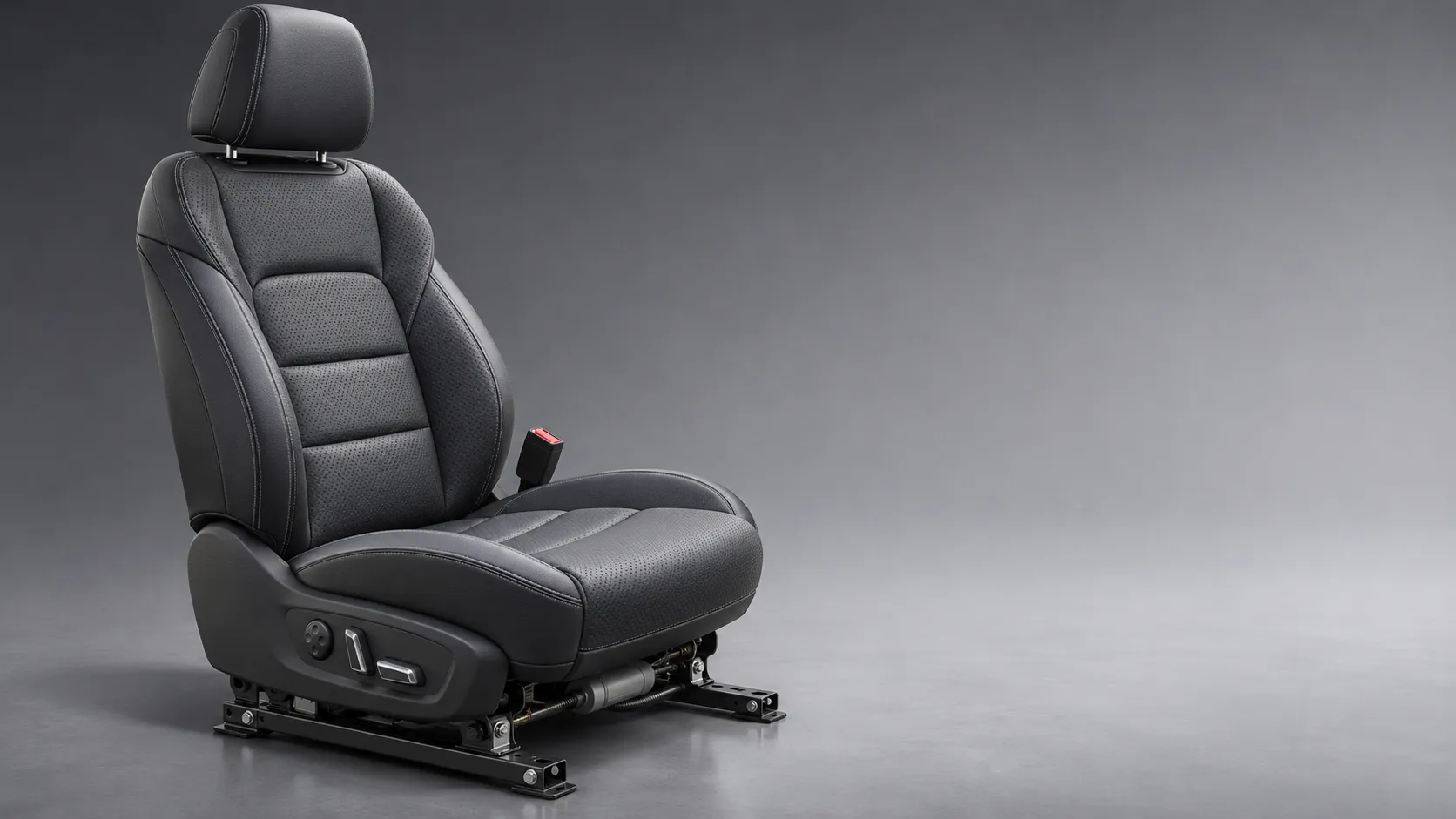
Automotive Ergonomics Pricing: What Drives Seat System Costs?
Discover what drives automotive ergonomics pricing, from seat mechanisms and safety systems to tooling and volume, and learn how to compare supplier quotes.

Evaluating Supplier Solutions: How to Verify References and Standards
Supplier solution references and standards can make or break a sourcing decision. Learn how to verify claims, assess compliance, and reduce risk before awarding a contract.
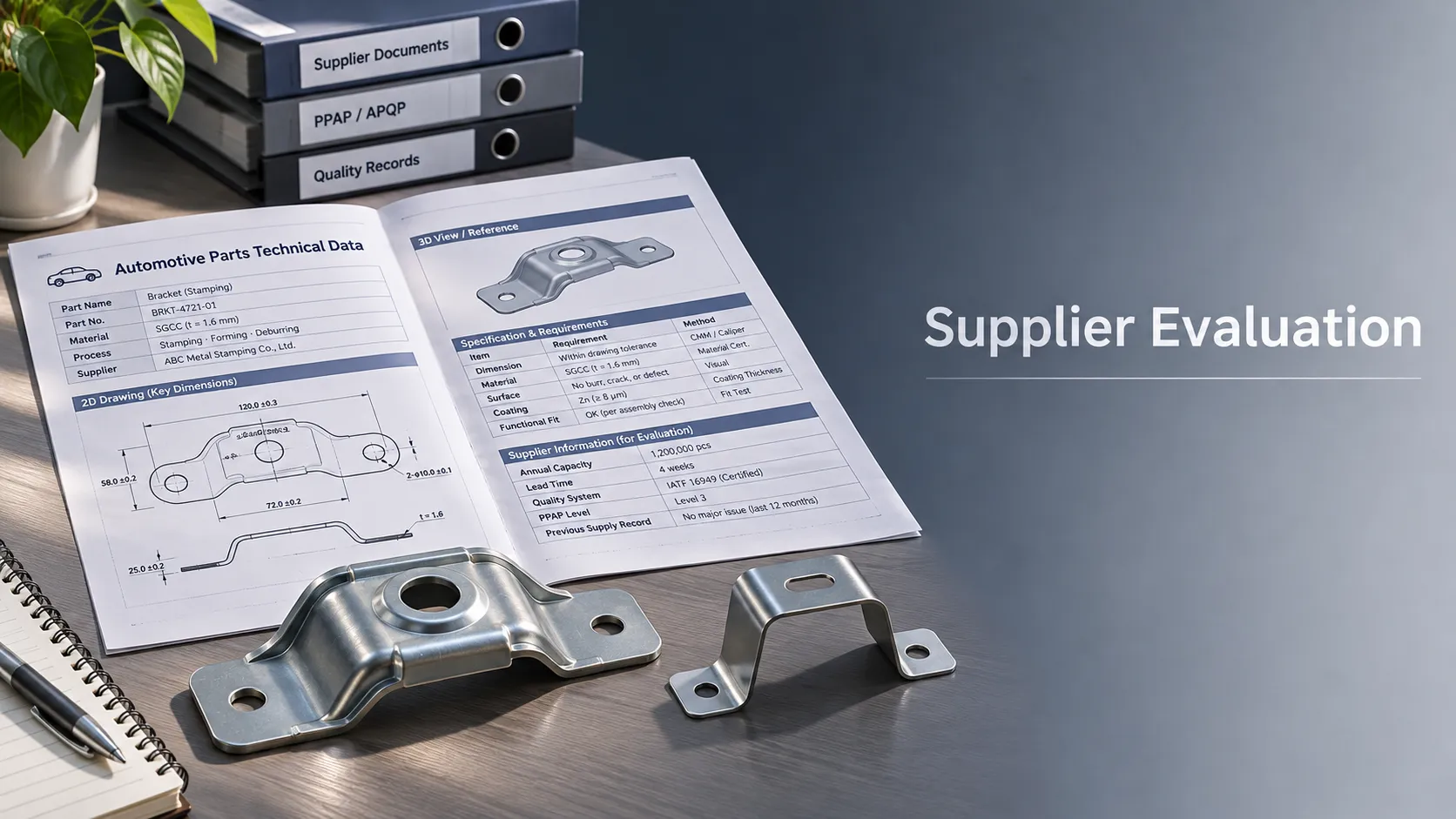
Choosing B2B Product Knowledge Platform Suppliers: Key Evaluation Criteria
Compare B2B product knowledge platform suppliers with confidence. Explore key criteria for data accuracy, supplier transparency, integrations, and value.
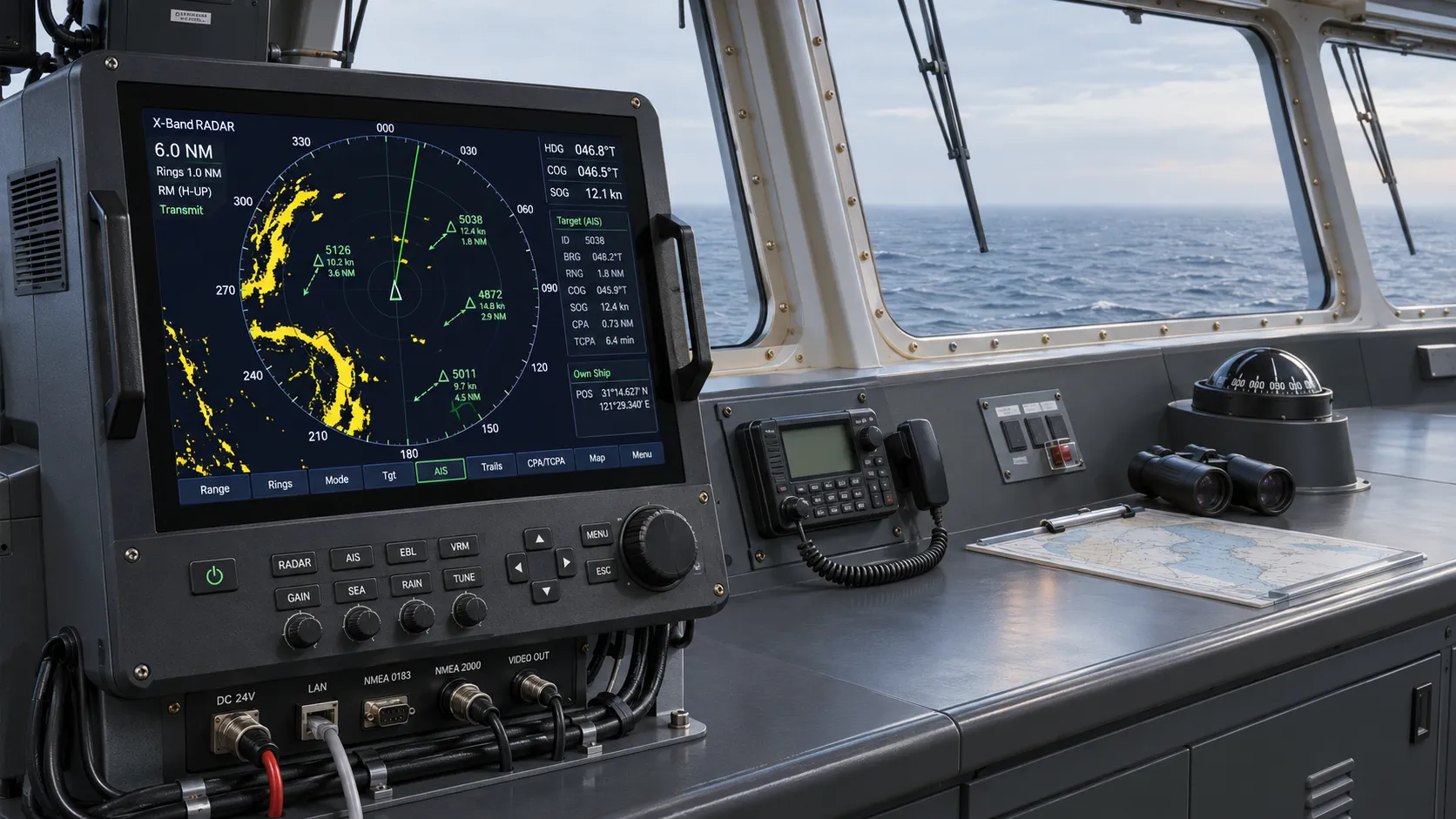
Choosing a Marine Radar Systems Supplier: What to Check Before Buying
Choosing a marine radar systems supplier? Compare installed costs, bridge compatibility, compliance evidence, and service support before you buy.
Related News
- 00
0000-00
Evaluating Non-Toxic Propellant Claims in Airbag Inflator Formulations - 00
0000-00
How to Compare Airbag Module Suppliers Before Nomination - 00
0000-00
How Hybrid Airbag Inflators Balance Gas Output, Pressure, and Deployment Time - 00
0000-00
Automotive Inflator Technology Price: What Drives Cost Across Types and Performance Levels? - 00
0000-00
Inflator Technology Price Breakdown: What Drives Cost Across Materials, Output, and Certification
0000-00
Weekly Insights
Stay ahead with our curated technology reports delivered every Monday.