
Evaluating Non-Toxic Propellant Claims in Airbag Inflator Formulations
Evaluating Non-Toxic Propellant Claims in Airbag Inflator Formulations
What evidence makes an airbag inflator’s “non-toxic” claim credible? Assessing a non-toxic propellants formulation requires more than confirming the absence of sodium azide: ingredient hazards, combustion products, particulate emissions, and potential occupant exposure all warrant scrutiny. Thermal stability, aging behavior, and gas-generation performance must also be evaluated under relevant operating conditions.
The central distinction is between reduced-toxicity chemistry and a demonstrated reduction in risk. A formulation can remove a hazardous ingredient while introducing different combustion by-products, moisture sensitivity, or long-term stability concerns. The useful question is not simply whether the chemistry is newer. It is whether a defined inflator design provides reliable protection with acceptable chemical exposure throughout its intended service life.
Define what “non-toxic” actually covers
“Non-toxic” is not a complete engineering specification. Unless the supplier identifies the substance, exposure route, operating condition, and acceptance criterion behind the term, it remains an ambiguous claim.
An evaluation should distinguish four subjects: the unreacted gas generant, emissions during deployment, residues left afterward, and material released through damage or abnormal operation. Evidence for one does not establish safety for the others. A favorable ingredient classification, for example, cannot demonstrate that deployment gases are non-irritating.
Ask the supplier to convert its headline claim into a bounded statement. “Sodium-azide-free” describes composition. “Lower measured emissions than a specified reference inflator under a defined test” describes a comparative result. “No hazardous exposure” requires a much broader assessment. These statements should not be treated as interchangeable.
A credible claim also identifies its comparator. Reduced toxicity relative to a legacy material does not automatically mean negligible risk, and a percentage reduction is unhelpful without the original concentration, measurement uncertainty, and relevance to occupant exposure.
Azide-free chemistry is a starting point, not a verdict
Sodium azide presents significant toxicity concerns, so its removal addresses a genuine material hazard. Nevertheless, alternative gas-generant systems still require scrutiny of their fuels, oxidizers, binders, processing aids, and combustion residues. A nitrogen-rich ingredient does not guarantee that the resulting discharge contains only nitrogen.
Depending on the chemistry and combustion conditions, relevant analytes may include carbon monoxide, nitrogen oxides, ammonia, and other formulation-specific species. Solid residues may also warrant chemical characterization. The analytical scope should follow the actual formulation and plausible reaction pathways rather than a short, generic emissions checklist.
Safety data sheets help establish handling hazards, but they are not deployment toxicology reports. Proprietary composition may require review under confidentiality arrangements. Commercial confidentiality should not prevent access to the information needed for a competent hazard assessment.
The Takata inflator recalls illustrate why composition and durability cannot be separated. NHTSA has described how prolonged exposure to heat and humidity can contribute to degradation in affected ammonium-nitrate-based inflators, potentially causing rupture. That history does not condemn every alternative chemistry; it demonstrates why an azide-free designation cannot substitute for long-term system validation.
Read emissions reports as exposure evidence
A report stating that an inflator “passed gas analysis” is insufficient without the test configuration. A collection vessel, a deployment chamber, and a vehicle cabin can produce different measured concentrations because dilution, cooling, surface deposition, and sampling timing differ.
For every reported result, establish where the sample came from and when it was collected. A whole-test average may obscure a short peak, while a delayed sample may miss reactive species or particles already deposited on surfaces. Conversely, a concentrated vessel result should not be presented as a measured occupant breathing-zone concentration.
The report should make several details visible:
- Inflator and module identification, including production configuration and conditioning history.
- Chamber volume, ventilation state, sampling positions, and sampling intervals.
- Analytical methods, calibration, detection and quantification limits, and relevant recovery checks.
- Individual results, replicate count, variability, and the basis for acceptance.
- Whether multiple restraint devices were deployed where simultaneous activation is relevant.
“Not detected” means below the method’s detection capability under the stated conditions—not absent. The detection limit must be low enough to support the proposed acceptance criterion. Likewise, occupational exposure limits should not be adopted automatically as passenger-cabin criteria: exposure duration and the populations being protected differ. A qualified toxicological review should justify the benchmark used.
Particles require more than a total mass result
Collected particulate mass alone cannot describe inhalation or contact risk. Particle-size distribution, chemical composition, solubility, and irritancy may all matter. The assessment should distinguish material retained within the inflator from material discharged into the cushion and ultimately released into the cabin.
Visible deployment smoke is not a reliable toxicity indicator. Neither is the absence of visible smoke proof of low exposure. Filtration performance, cushion venting, and module construction can change the exposure profile even when the underlying propellant remains unchanged.
Aging must connect chemistry to pressure behavior
A formulation that performs consistently when new may behave differently after moisture ingress, thermal cycling, or prolonged storage. Changes in material condition or mechanical integrity can affect combustion behavior. Seals, housing materials, and other inflator components also influence the environment experienced by the generant.
Thermal analysis can help identify decomposition behavior and changes after conditioning. It does not, by itself, prove service-life reliability. Small-sample laboratory measurements must be connected to component-level deployment data and an aging rationale appropriate to the intended vehicle environment.
Request paired evidence for fresh and conditioned units: relevant material characterization, gas-output behavior, pressure-time traces, emissions, and structural integrity. Review cold and hot operating conditions as well as nominal conditions. A stable average can conceal increased scatter, so individual traces and outliers deserve attention.
Accelerated aging also needs justification. A simple time-temperature equivalence may be inadequate when moisture transport, phase changes, or multiple degradation mechanisms govern behavior. The supplier should explain what its conditioning represents, which assumptions support the extrapolation, and where uncertainty remains.
Chemical improvements must preserve restraint performance
An airbag is not a gas-quality device in isolation. Its primary function is to manage occupant motion during a crash. Lower emissions cannot compensate for delayed inflation, excessive output, inconsistent deployment, or loss of containment.
Compare candidate formulations within the intended inflator and module architecture. Useful parameters include ignition delay, pressure-rise behavior, gas delivery over time, discharge temperature, and repeatability across operating conditions. No single peak-pressure value describes all of these characteristics.
Tank testing supports controlled comparison, but it does not establish occupant protection on its own. Cushion geometry, vents, deployment staging, seat position, seatbelt pretensioning, and load limiting affect the final response. A chemistry change may therefore require reassessment beyond the inflator, especially if output timing or temperature changes.
Separate regulatory compliance from chemical substantiation
FMVSS No. 208 addresses occupant crash protection in the United States. UN Regulations No. 94 and No. 137 address frontal-impact protection within their respective scopes. Compliance with an applicable vehicle-level requirement does not, by itself, substantiate a “non-toxic propellant” claim.
The ISO 12097 series provides relevant airbag-component test provisions. Evaluators should verify the applicable part, edition, test configuration, and contractual requirements rather than accepting a general statement of “ISO compliance.” Euro NCAP and IIHS ratings likewise concern vehicle safety performance; they are not chemical safety certifications for gas generants.
Laboratory competence is a separate question. ISO/IEC 17025 accreditation can support confidence in testing, but only where the relevant work falls within the laboratory’s accreditation scope. An accredited laboratory’s logo does not validate every method or every conclusion in a supplier presentation.
Build a requirements matrix that separates legal obligations, OEM specifications, component tests, and claim-specific toxicological evidence. This prevents a strong result in one category from masking missing evidence in another.
Make the technical decision traceable
The final assessment should link each claim to a controlled design and a specific body of evidence. At minimum, retain the formulation revision, inflator configuration, production-lot identification, conditioning records, test methods, acceptance rationale, and unresolved limitations. A development sample cannot automatically represent later production.
Change control matters just as much as initial qualification. Changes to ingredient sources, manufacturing controls, sealing, or filtration can affect the evidence supporting the claim. The qualification agreement should identify which changes trigger review and which require additional testing.
For Global Navigation & Cabin Safety (GNCS), connecting chemical evidence with restraint-system behavior is a natural part of passive-safety intelligence. Understanding the inflator alongside seatbelts, seating geometry, and crash energy management avoids treating an appealing material claim as an isolated safety conclusion.
The defensible outcome may be conditional acceptance rather than an unrestricted “non-toxic” designation. State exactly which hazards were reduced, which exposure scenarios were assessed, and which configurations remain outside the evidence. If those boundaries cannot be written clearly, the next step is targeted testing—not stronger marketing language.
Related News

How to Evaluate Supplier Solution References Before Signing a Contract
Evaluate supplier solution references with confidence. Learn how to verify technical evidence, identify delivery risks, and close gaps before signing a contract.

How Capacitive Seat Occupancy Sensing Works in Automotive Airbag Systems
Discover how capacitive seat occupancy sensing supports automotive airbag systems, and explore the design, calibration, and validation challenges behind reliable performance.
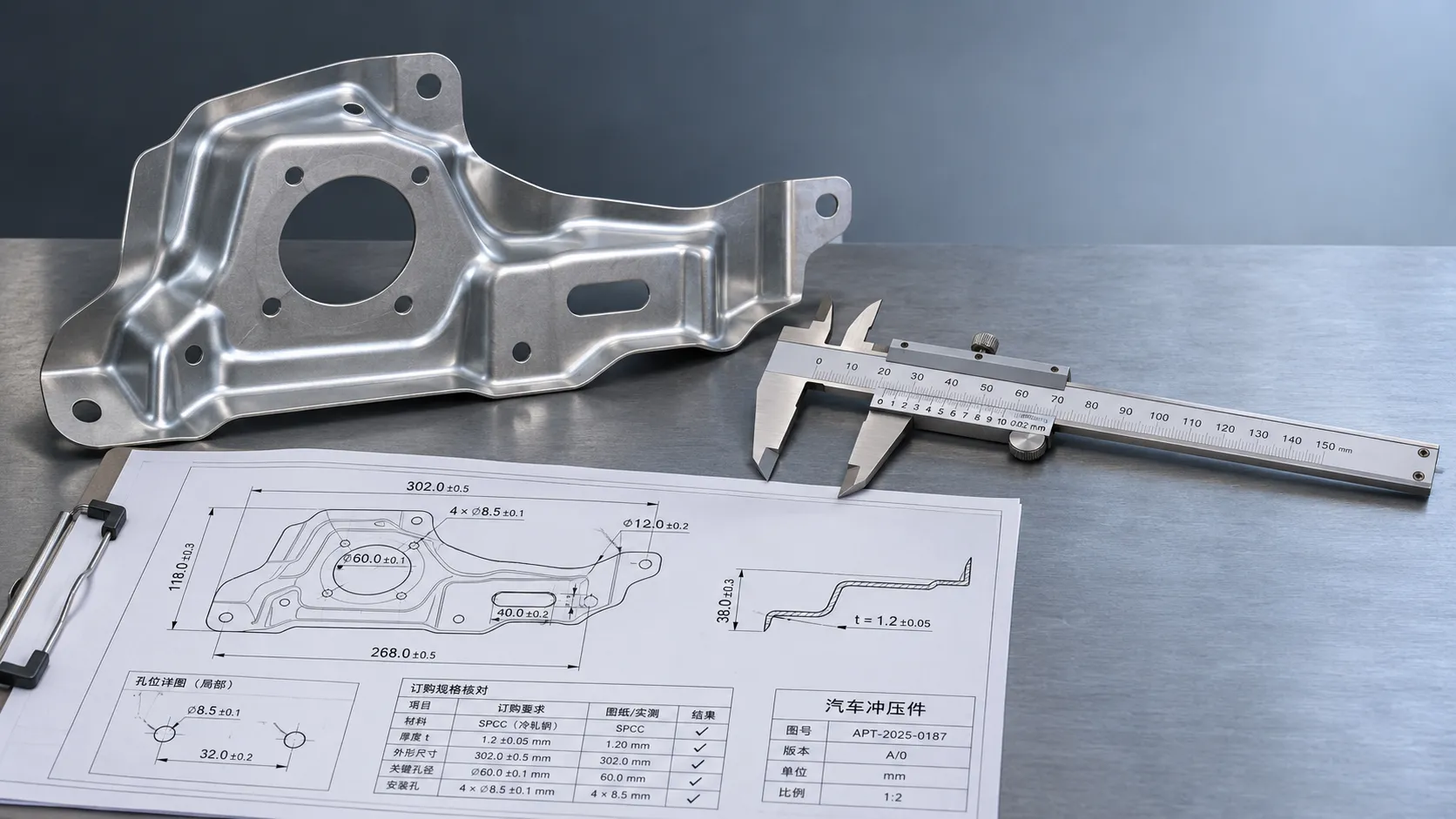
Industrial Product References: How to Verify Specs Before Ordering
Use an industrial product reference for procurement to verify specs, compatibility, and certifications before ordering—and reduce costly purchasing risks.
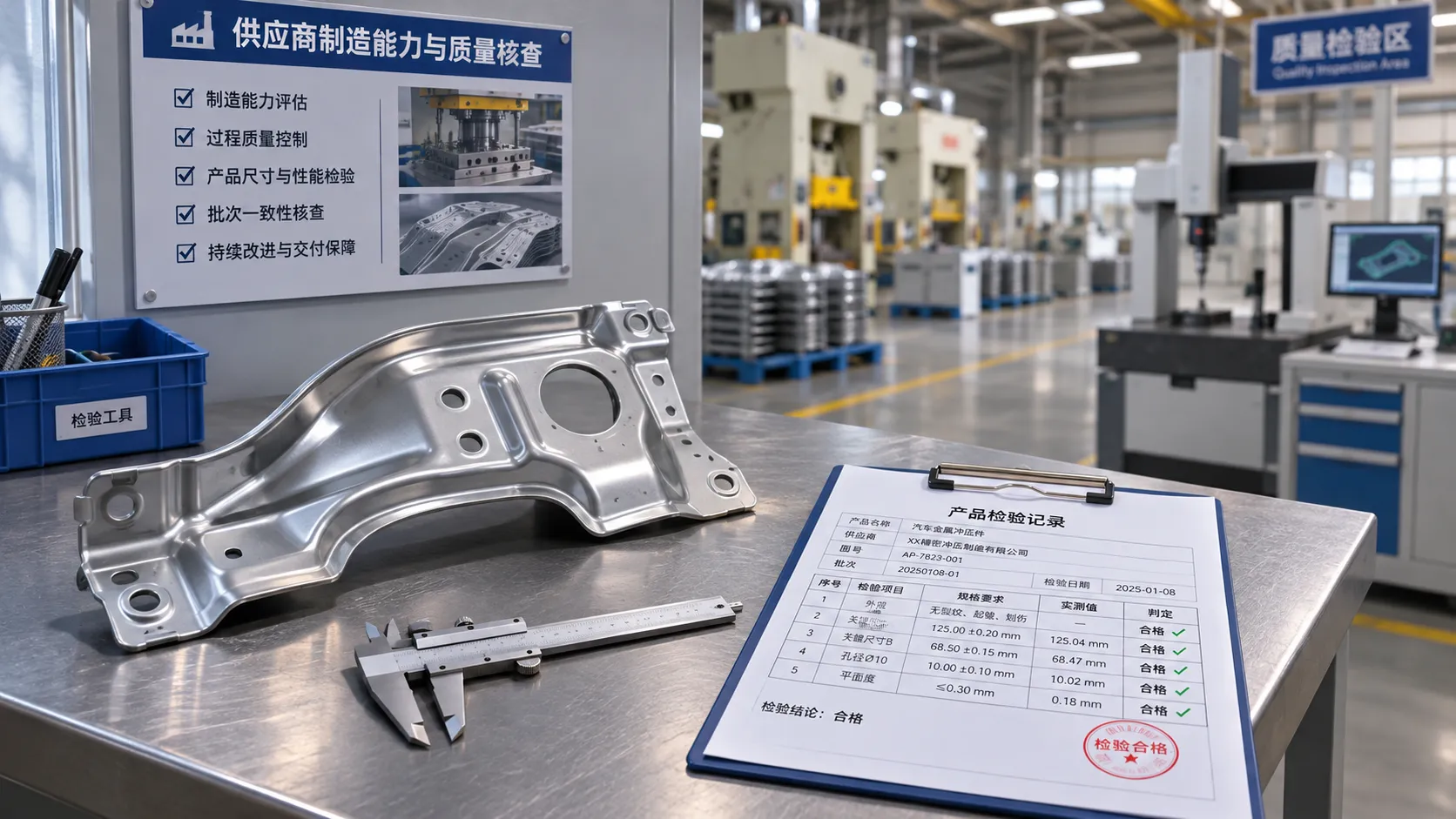
Choosing a Private Label Partner in Europe: Key Supplier Criteria
Private label cooperation Europe buyers can trust starts with the right supplier. Explore key criteria for compliance, quality, traceability and supply resilience.

Integrated Cabin Comfort Systems: How Seat and Cabin Climate Controls Work Together
Discover how integrated cabin comfort systems coordinate seat and climate controls to balance occupant comfort, energy use, safety, and performance.

Automotive Ergonomics Pricing: What Drives Seat System Costs?
Discover what drives automotive ergonomics pricing, from seat mechanisms and safety systems to tooling and volume, and learn how to compare supplier quotes.
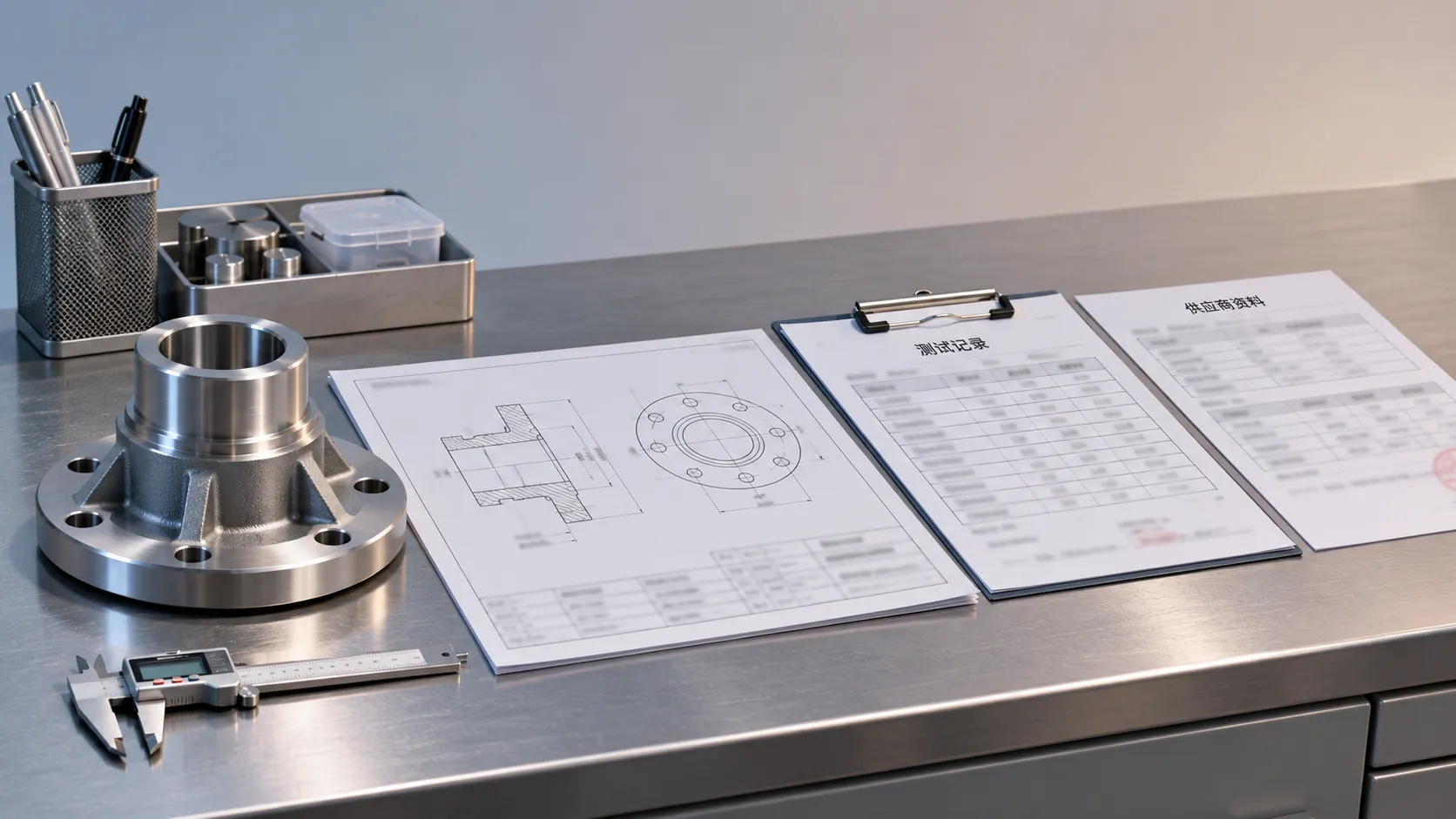
Evaluating Supplier Solutions: How to Verify References and Standards
Supplier solution references and standards can make or break a sourcing decision. Learn how to verify claims, assess compliance, and reduce risk before awarding a contract.
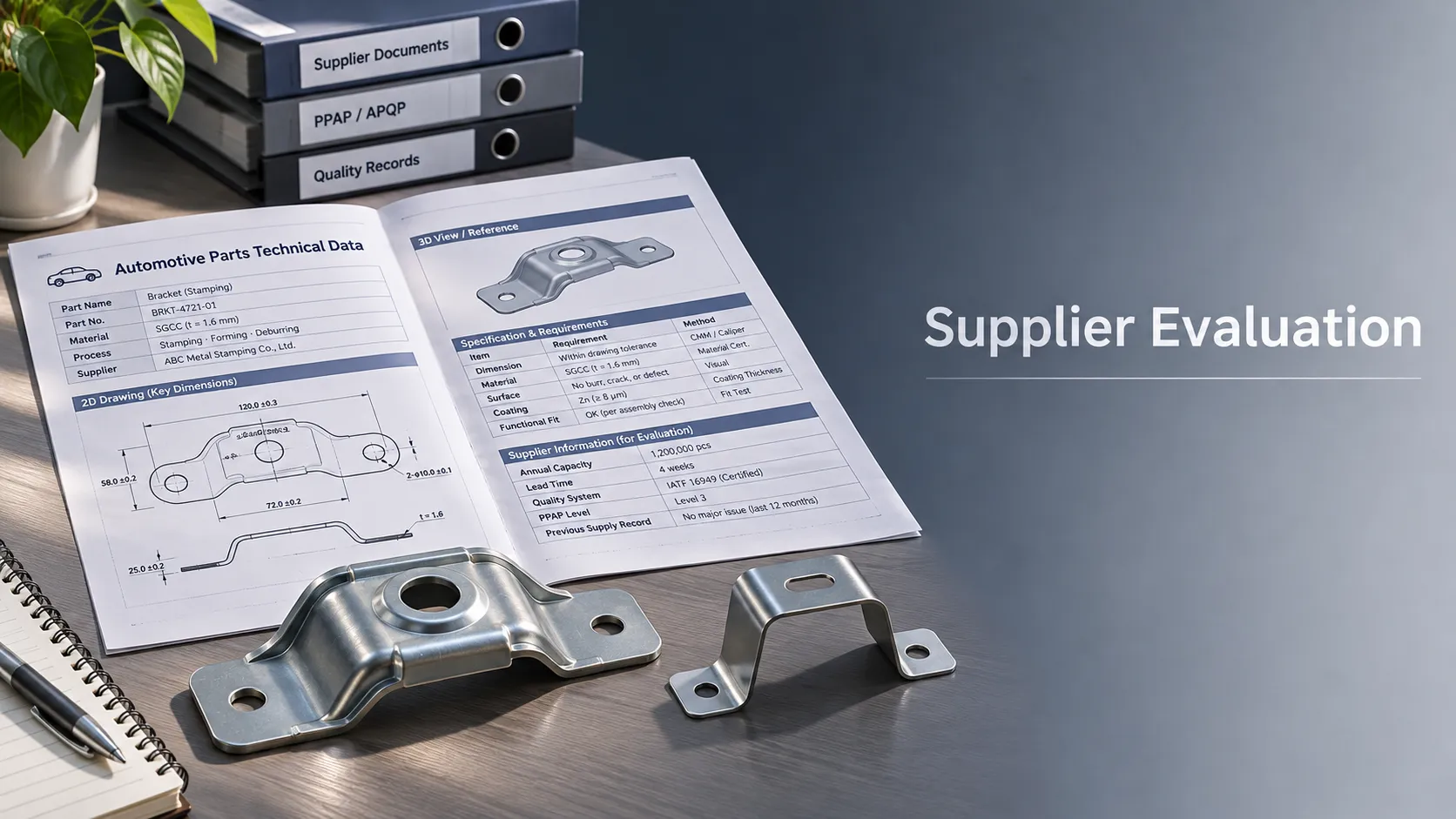
Choosing B2B Product Knowledge Platform Suppliers: Key Evaluation Criteria
Compare B2B product knowledge platform suppliers with confidence. Explore key criteria for data accuracy, supplier transparency, integrations, and value.
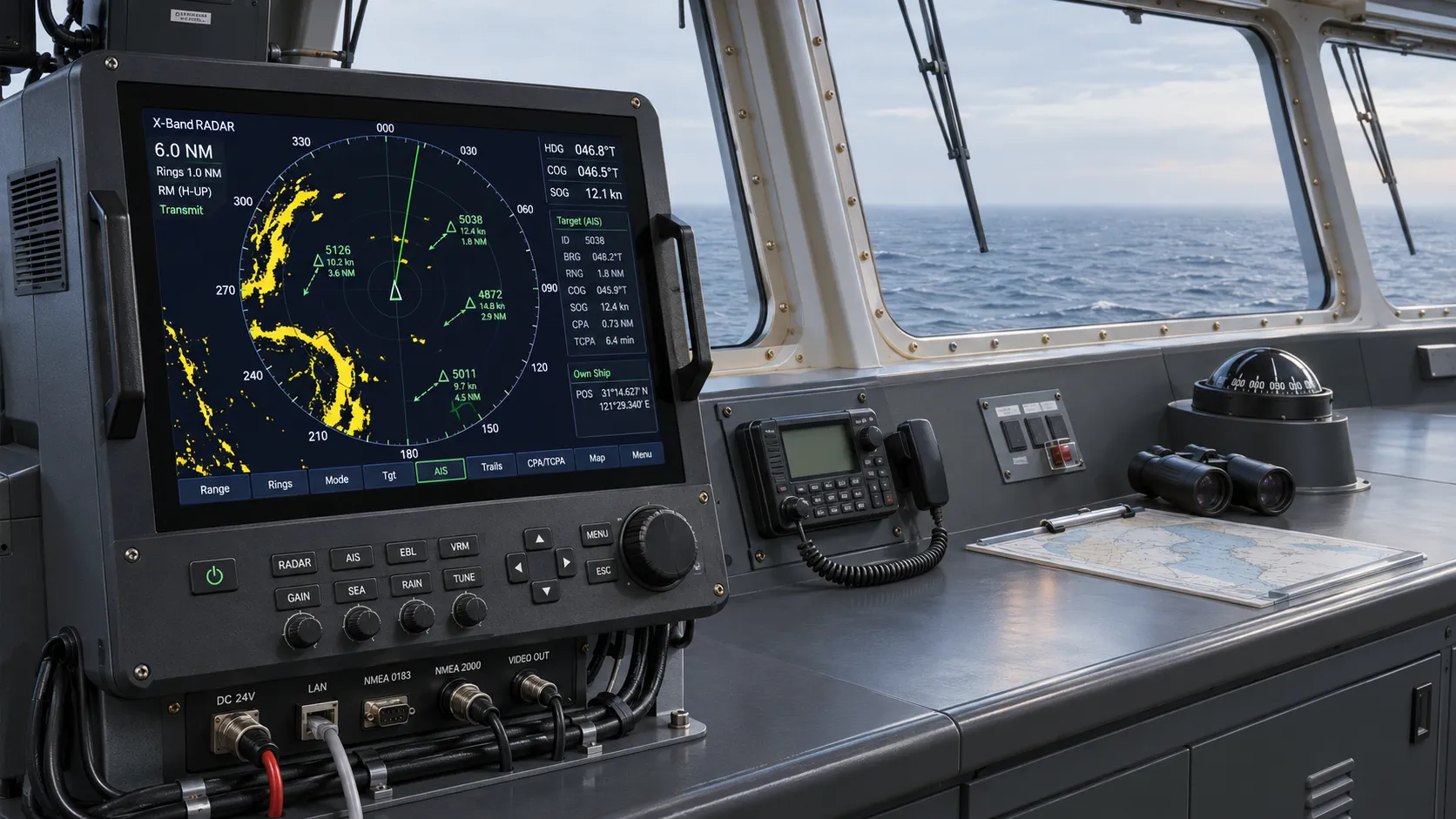
Choosing a Marine Radar Systems Supplier: What to Check Before Buying
Choosing a marine radar systems supplier? Compare installed costs, bridge compatibility, compliance evidence, and service support before you buy.
Related News
- 00
0000-00
Evaluating Non-Toxic Propellant Claims in Airbag Inflator Formulations - 00
0000-00
How to Compare Airbag Module Suppliers Before Nomination - 00
0000-00
How Hybrid Airbag Inflators Balance Gas Output, Pressure, and Deployment Time - 00
0000-00
Automotive Inflator Technology Price: What Drives Cost Across Types and Performance Levels? - 00
0000-00
Inflator Technology Price Breakdown: What Drives Cost Across Materials, Output, and Certification
0000-00
Weekly Insights
Stay ahead with our curated technology reports delivered every Monday.