
How Hybrid Airbag Inflators Balance Gas Output, Pressure, and Deployment Time
How Hybrid Airbag Inflators Balance Gas Output, Pressure, and Deployment Time
Hybrid airbag inflators are engineered to balance stored gas and pyrotechnic output, delivering the pressure profile and deployment speed required for reliable occupant protection. For technical evaluators, understanding how gas generation, chamber design, ignition timing, and crash-sensing inputs interact is essential when assessing inflator performance across different vehicle architectures, restraint strategies, and regulatory test conditions.
The central engineering challenge is not simply to inflate an airbag quickly. An airbag must reach a useful shape before the occupant moves too far forward, yet it must not create an unnecessarily aggressive interaction with a small occupant, an out-of-position passenger, or a belted driver in a lower-severity event. The inflator therefore sits inside a larger restraint system: crash sensors, the airbag control unit, seatbelt pretensioners, load limiters, cushion vents, seat position, steering-wheel geometry, instrument-panel structure, and the deformation behavior of the body-in-white all influence the acceptable deployment window.
This is why a nominal gas-output figure alone is rarely sufficient for a sound technical comparison. Evaluators need to examine the complete pressure-time behavior, the tolerance of that behavior across temperature and life conditions, and the way the inflator responds to the firing strategy commanded by the electronic control unit.
The Hybrid Principle: Stored Energy and Generated Gas
A hybrid inflator combines a pressurized stored-gas chamber with a pyrotechnic gas-generating element. Before deployment, the chamber contains an inert gas, commonly an argon-based mixture in many designs. On command, an initiator activates the pyrotechnic material. The resulting hot gas opens a sealing element or burst disk and helps drive the stored gas through filters and diffuser ports into the cushion.
The stored gas provides a substantial portion of the inflation mass without requiring all gas to be chemically generated during the event. The pyrotechnic charge supplies rapid energy release, supports the pressure rise, and can be calibrated to compensate for the limitations of a purely stored-gas system. In practical terms, the hybrid approach allows engineers to shape the early part of the deployment curve while maintaining sufficient total gas delivery for the cushion volume and intended crash pulse.
That balance differs from a purely pyrotechnic inflator, where most inflation gas results from propellant combustion, and from a cold-gas inflator, which releases compressed gas without a gas-generating charge. Neither alternative is automatically superior. The appropriate architecture depends on packaging, target cushion volume, desired response, mass, cost targets, environmental exposure, and the vehicle’s restraint calibration.
Why pressure is not the same as gas output
Gas output is often discussed as though it directly determines cushion pressure. It does not. Pressure inside a deployed airbag reflects the mass of gas delivered, gas temperature, available cushion volume, fabric permeability, venting area, occupant interaction, and the timing of these variables. A cushion that is free-deploying into an empty space behaves differently from one that contacts an occupant shortly after initial inflation.
The pyrotechnic event raises temperature sharply, while stored gas expands as the chamber opens. Filters moderate the temperature and capture combustion residues before gases enter the airbag. Diffuser geometry then governs how quickly gas reaches different regions of the cushion. These processes occur in milliseconds, but their combined effect determines whether the bag unfolds predictably, reaches the intended geometry, and transitions into a controlled energy-management device rather than a rigid barrier.
The Pressure-Time Curve Is the Real Performance Signature
For a technical review, the most useful question is often: what does the inflator contribute to the system pressure-time curve under specified conditions? A curve should be interpreted with the test configuration clearly defined. Tank testing, static cushion deployment, sled testing, and full-vehicle crash testing each answer different questions. A pressure trace from a sealed vessel can be valuable for manufacturing consistency and inflator characterization, but it does not represent the full dynamics of an installed restraint system.
The early pressure rise influences deployment speed and cushion positioning. The middle section affects how the bag fills and meets the occupant. The later portion, together with vents and fabric behavior, influences support during deceleration. A very rapid initial rise may be necessary for certain package locations or crash pulses, but it can also reduce calibration margin if the cushion is close to the occupant. A slower curve may improve some interaction conditions while leaving too little time for the bag to establish its protective shape in others.
Hybrid airbag inflators give system engineers several levers for managing this profile: stored-gas pressure, chamber volume, pyrotechnic charge characteristics, ignition configuration, filter resistance, burst-disk opening behavior, and diffuser-port design. These features are interdependent. Increasing stored pressure may change both delivery rate and structural demands on the housing. Altering filter flow resistance can reduce gas temperature and manage particulates, but it may also affect response. A design change that appears small at component level can create a meaningful shift in vehicle-level occupant metrics.
Deployment Time Begins Before the Inflator Fires
Airbag deployment time is sometimes described as an inflator property, but the vehicle sees a chain of events. Crash sensing detects deceleration or pressure changes; the restraint control algorithm distinguishes a deployable event from noise or a lower-severity impact; the control unit issues a firing command; the initiator responds; the inflator opens and releases gas; the cushion exits its module and unfolds. The relevant occupant-protection timing is the sum of these stages, not just the chemical reaction inside the inflator.
Sensor strategy matters particularly in modern vehicle architectures. Front-end structures can change substantially with lightweight body stampings, aluminum-intensive assemblies, battery enclosures, pedestrian-protection requirements, and varying powertrain layouts. Such changes alter the crash pulse reaching the sensor location. An inflator that performed acceptably in a previous platform cannot simply be assumed to retain the same system behavior after structural redesign.
For this reason, the restraint-control algorithm and inflator firing logic should be assessed together. Single-stage systems provide one calibrated output. Multi-stage or dual-stage designs can use staged initiators or separate pyrotechnic elements to vary delivered energy according to crash severity, occupant classification, seat position, belt use, and other validated inputs. The purpose is not unlimited adaptability; it is a controlled set of response states that can be verified under the vehicle program’s defined conditions.
Temperature, Aging, and Tolerances Can Change the Margin
A hybrid inflator must remain predictable over the environmental conditions relevant to the target market and vehicle life. Cold conditions can affect internal pressure, material behavior, and combustion characteristics. High temperatures raise the initial pressure of stored gas and impose demands on seals, housing materials, and propellant stability. Humidity exposure, corrosion risk, vibration, manufacturing variation, and long-term sealing performance also need consideration.
The stored-gas element makes hermetic integrity especially important. A modest pressure loss may not be visible during assembly, but it can narrow performance margin after aging. Conversely, an excessive fill condition or a housing issue can increase the burden on the pressure vessel. Technical evaluation should therefore consider the supplier’s control of fill pressure, leak testing, traceability, initiator integration, sealing processes, and lot-to-lot material control. These are not merely production details. They support the repeatability of the deployment event.
Propellant chemistry also deserves scrutiny beyond the headline description of “gas generation.” Evaluators should understand the expected gas composition, combustion residues, filter function, thermal management approach, and compatibility with the surrounding module. Current industry attention to less hazardous and lower-residue chemistries is understandable, but a material change should be reviewed as a system change. It can affect ignition behavior, filtration demand, cushion temperature exposure, and validation evidence.
How to Assess a Hybrid Inflator Beyond Its Datasheet
A credible technical assessment starts by defining the actual restraint task. Is the inflator intended for a driver airbag, passenger airbag, knee airbag, side torso bag, curtain airbag, or another application? These modules have different packaging limits, cushion volumes, deployment paths, and protection objectives. A passenger bag behind an instrument panel and a side airbag integrated into a seat have little reason to share the same evaluation logic.
It is equally important to distinguish regulatory compliance from engineering sufficiency. Vehicle regulations and regional homologation requirements establish mandatory conditions, while consumer-test programs and internal vehicle targets may create more demanding or differently weighted scenarios. Depending on the target market, the applicable framework may include national requirements, United Nations regulations, or program-specific protocols. The exact requirements must be checked against the vehicle category, sales region, model year, and intended seating configuration rather than inferred from a generic airbag specification.
Common Review Errors
One recurring mistake is selecting an inflator around maximum output alone. Peak pressure can look attractive in a component comparison, yet excessive early energy may complicate occupant interaction or require compensating changes elsewhere in the module. Another is treating a nominal deployment time as universal. The time to a specified tank pressure, the time to break a cover, and the time to effective occupant protection are related but different measures.
A third error is overlooking the seatbelt system. Pretensioner timing and force-limiting behavior strongly affect when and how the occupant reaches the airbag. Smart seating systems add further variables, including seat-track position, recline angle, occupant sensing, and integrated side-impact packaging. The best inflator curve for one seating and belt configuration may be poorly matched to another.
Finally, changes in lightweight structures should not be treated as separate from passive-safety development. Hot-stamped reinforcements, aluminum stampings, joining methods, and load paths influence intrusion and deceleration. The “steel skeleton” and the “ultimate buffer” are linked by the crash pulse. Restraint tuning should follow structural decisions closely rather than arrive as a late-stage correction.
A Systems View of Inflator Selection
At GNCS, the technical relationship between physical containment protection, vehicle structure, and cabin ergonomics is central to how safety developments are interpreted. Hybrid airbag inflators illustrate that relationship clearly: chemical energy, compressed-gas storage, electronics, fabric behavior, and occupant kinematics must work as one controlled system. A sound evaluation connects inflator test evidence with the crash pulse, belt strategy, seating environment, and applicable compliance pathway.
The practical next step is not to ask which hybrid inflator is “best” in isolation. It is to define the required cushion behavior, identify the relevant crash and occupant conditions, establish environmental and lifecycle expectations, and then review whether the component’s output range can be validated within that system. Pressure, gas output, and deployment time are not competing targets. They are variables that must be balanced around the occupant, the vehicle, and the evidence required for the program.
Related News
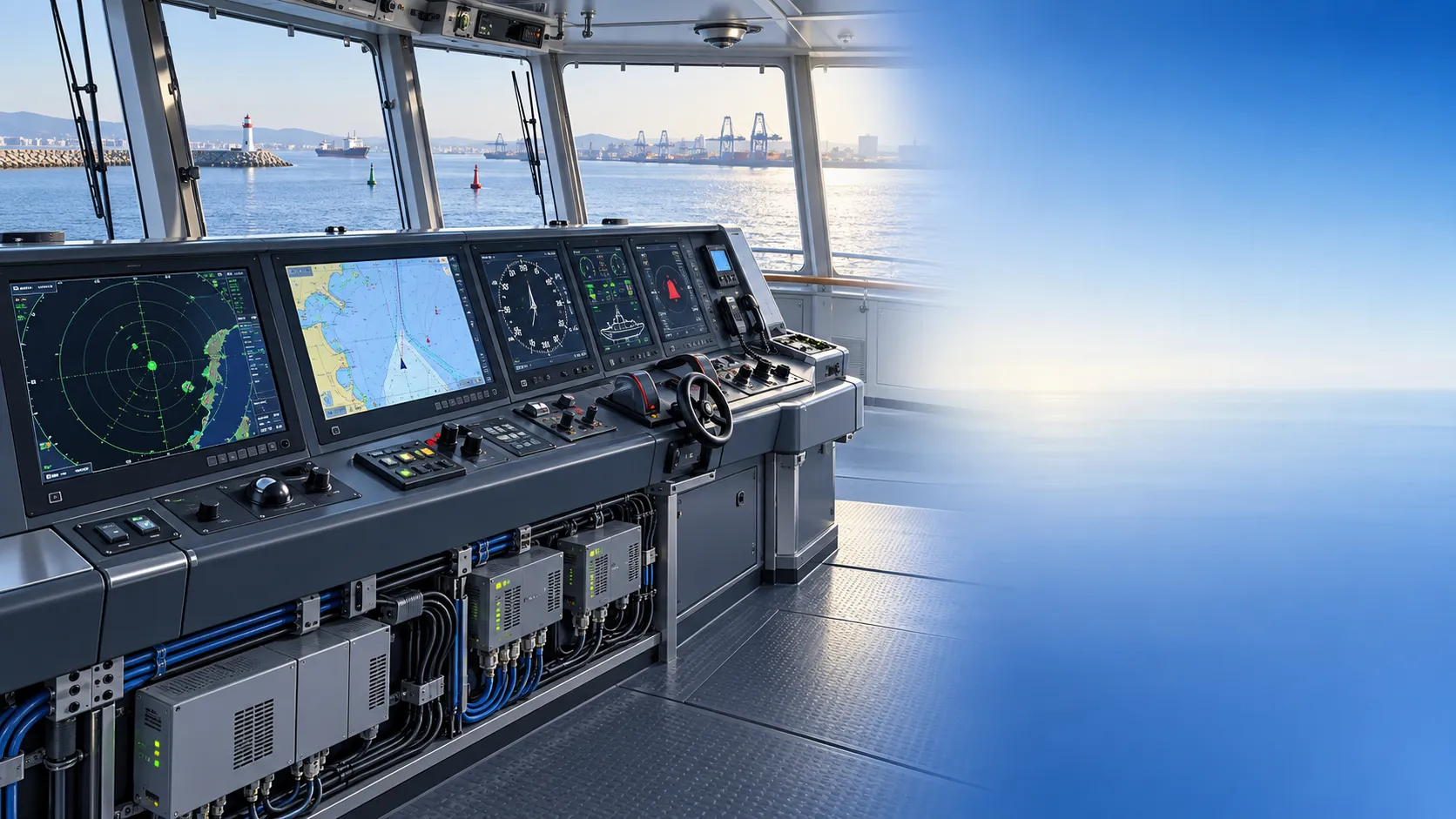
How to Specify Integrated Marine Electronics for Reliable Bridge Operations
Integrated marine electronics: learn how to specify reliable bridge systems with clear data flows, redundancy, alarm control, lifecycle interfaces, and operational testing.

How to Evaluate Navigation Radar Manufacturers for Commercial Vessel Projects
Navigation radar manufacturers: learn how to compare performance, compliance, integration, support, and lifecycle cost for commercial vessel projects.

How Adjustable Cabin Ergonomics Reduce Operator Fatigue in Long-Shift Vehicles
Adjustable cabin ergonomics reduces operator fatigue through better seating, reach, visibility, vibration control, and climate comfort for safer long-shift vehicles.

How Rear-Impact Safety Components Work Together to Protect Vehicle Occupants
Explore how automotive safety components for rear impact work together—from crash structures and seats to head restraints and belts—to enhance occupant protection.
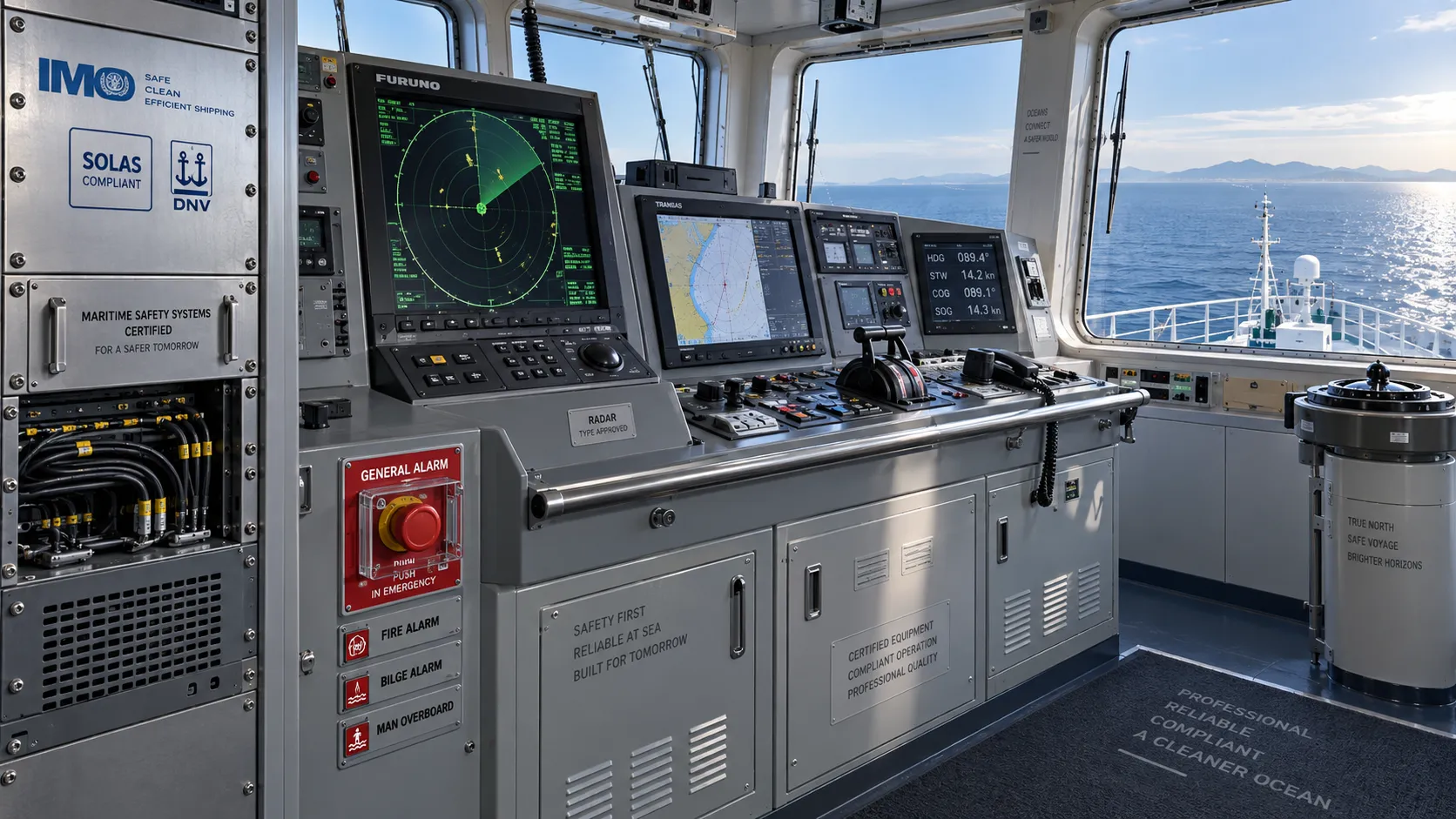
How to Evaluate a Marine Safety Systems Manufacturer for Vessel Compliance and Reliability
Marine safety systems manufacturer evaluation guide: verify compliance, engineering quality, lifecycle costs, and global service support for safer, reliable vessel operations.
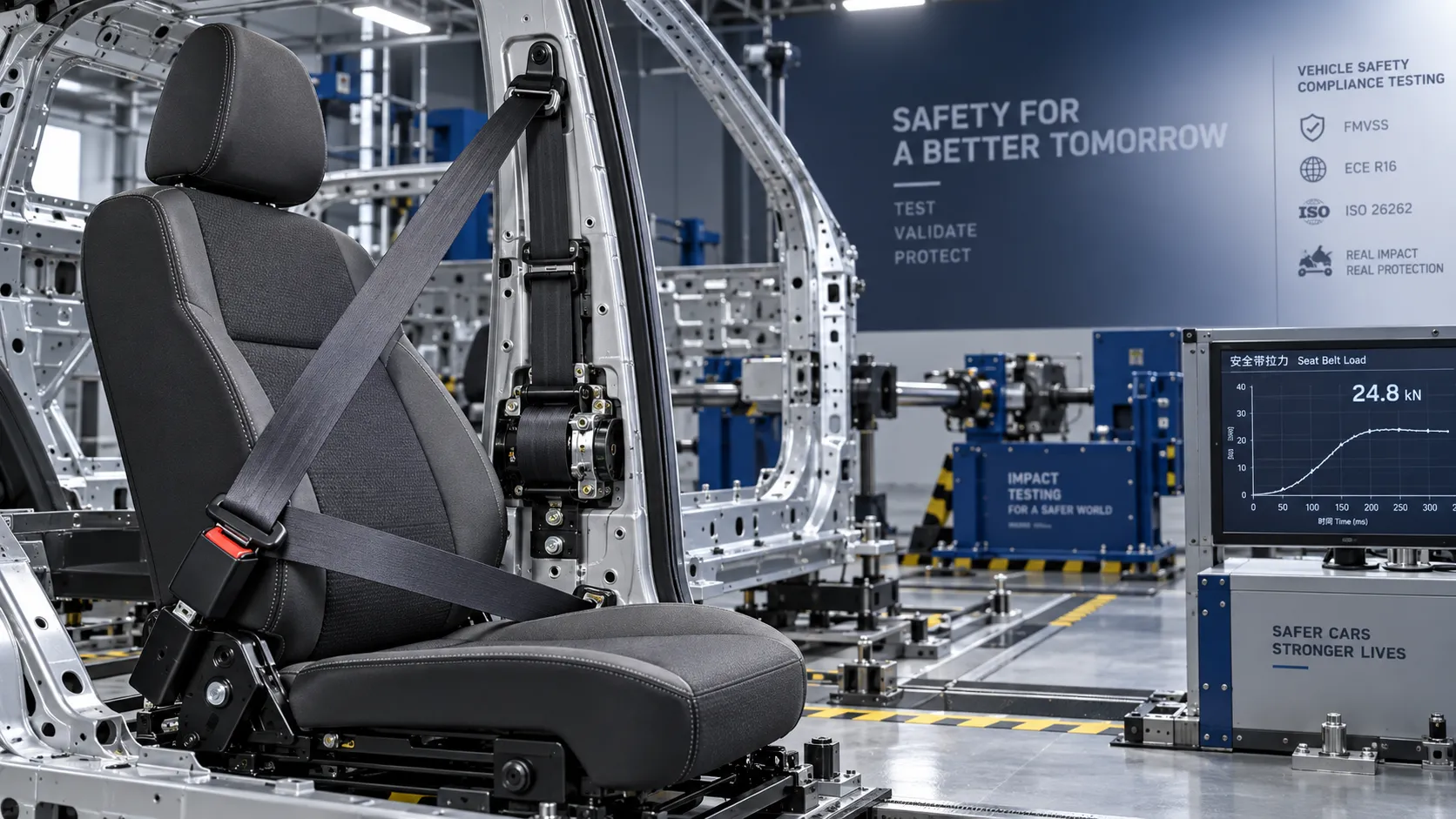
Crash Test Regulations for Seatbelts: Key Compliance Requirements Explained
Crash test regulations seatbelts explained: explore FMVSS, UN rules, anchorage strength, and dynamic restraint testing for safer, compliant vehicle systems.
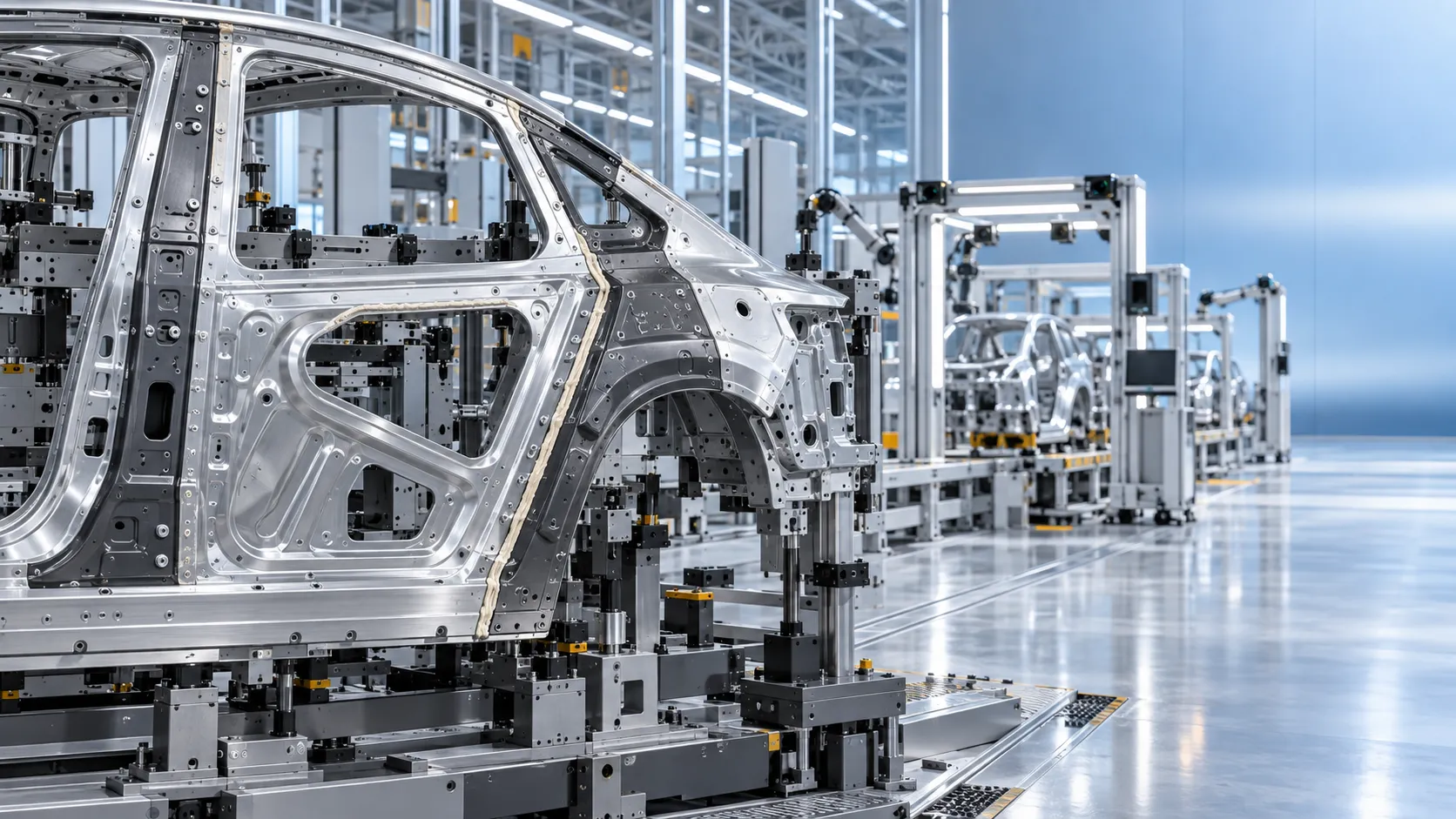
How to Calculate the Total Cost of Automotive Lightweighting for a Vehicle Program
Automotive lightweight solutions cost: learn how to calculate program-level costs, including materials, tooling, joining, validation, risk, and vehicle-level value.

How Automotive Seat Occupancy Sensing Improves Airbag Deployment Decisions
Automotive seat occupancy sensing helps optimize airbag deployment decisions, improving passenger classification, safety diagnostics, and compliance across real-world conditions.
What Drives Lightweight Body Component Costs in High-Volume Vehicle Programs?
Lightweight body components cost depends on material yield, forming, joining, tooling, validation, and logistics. Explore proven ways to optimize total vehicle program cost.
Related News
- 00
0000-00
How Hybrid Airbag Inflators Balance Gas Output, Pressure, and Deployment Time - 00
0000-00
Automotive Inflator Technology Price: What Drives Cost Across Types and Performance Levels? - 00
0000-00
Inflator Technology Price Breakdown: What Drives Cost Across Materials, Output, and Certification - 00
0000-00
How to Evaluate Certified Automotive Inflator Technology for Safety, Output, and Integration - 00
0000-00
Non-Toxic Propellants for Inflators: Key Types, Performance Trade-Offs, and Safety Standards
Weekly Insights
Stay ahead with our curated technology reports delivered every Monday.