
Integrated Cabin Comfort Systems: How Seat and Cabin Climate Controls Work Together
Integrated cabin comfort systems bring seat heating, ventilation, and cabin climate controls together to create a more responsive occupant environment. Rather than treating the seat and HVAC system as separate features, engineers can coordinate sensors, control strategies, and localized airflow to address thermal comfort while managing energy use. For technical evaluators, understanding these interactions is essential to assessing system integration, performance trade-offs, and suitability for modern vehicle platforms.
The difficult question is not whether a heated or ventilated seat feels comfortable in isolation. It is whether the complete system can deliver a consistent experience across different occupants, weather conditions, vehicle states, and seat configurations—without undermining visibility, safety, or the energy budget.
Where the seat and HVAC system meet
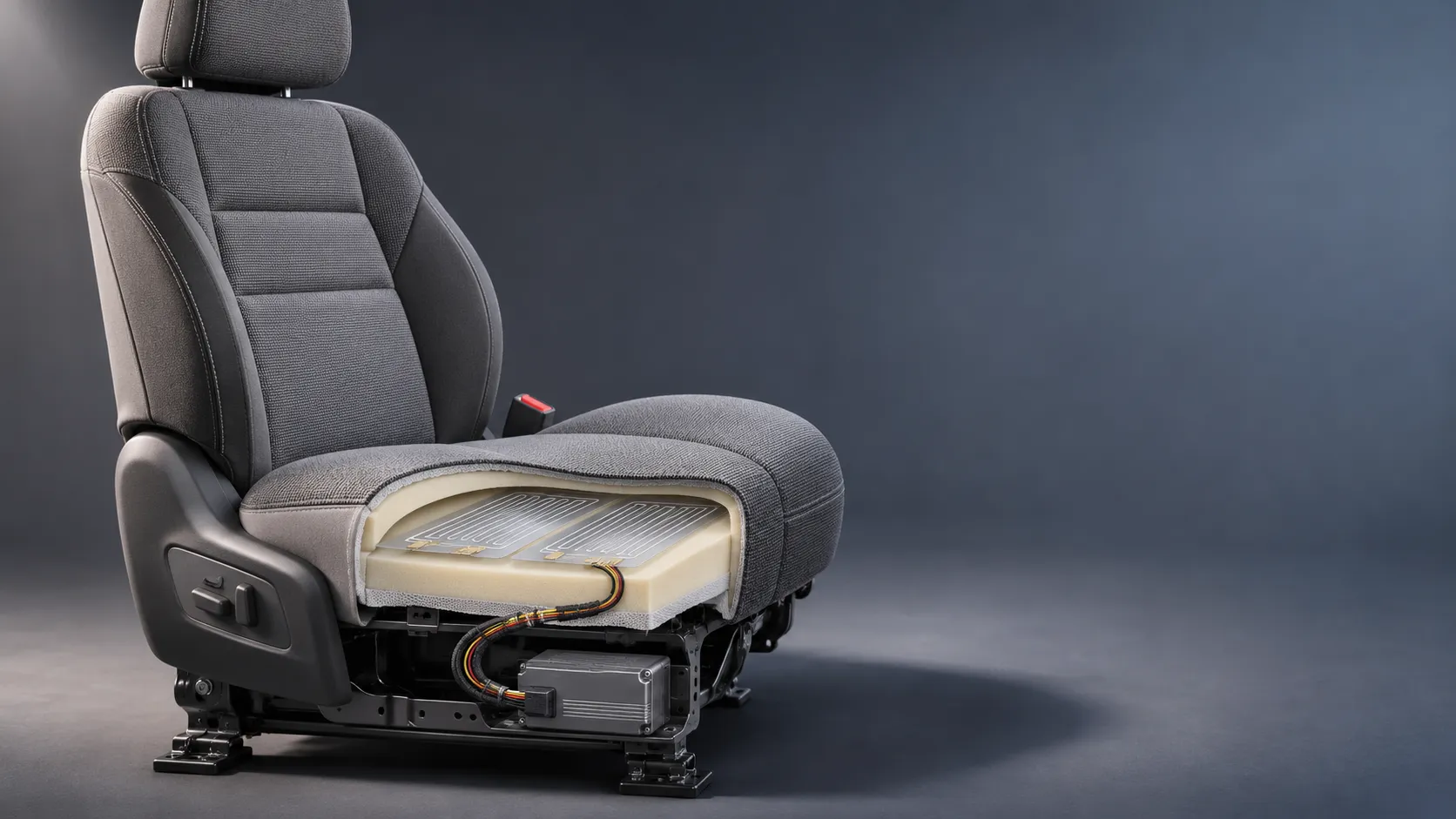
Cabin HVAC conditions the air around occupants, manages ventilation, and supports windshield demisting and defrosting. A seat works at a different scale. Heating elements transfer warmth through the upholstery, while seat ventilation moves air through or away from the contact surface, depending on the design. Some systems include active cooling, but ventilation alone should not be assumed to cool air below cabin temperature.
These functions overlap in how occupants perceive temperature. On a cold start, a heated cushion and backrest can provide localized warmth while the cabin air is still warming. In hot weather, airflow at the back and cushion can reduce the sensation of heat and moisture trapped at the body-seat interface. Neither function replaces the need to manage the rest of the cabin.
Coordination may be implemented in a central climate controller, distributed across seat and HVAC controllers, or divided between them. The architecture matters less than the clarity of its interfaces: which controller owns the comfort request, which limits apply locally, and what happens when messages arrive late or disappear.
From sensor inputs to coordinated control
A typical control strategy combines cabin and ambient temperature readings with user settings. Depending on the vehicle, it may also consider sunlight, humidity, seat occupancy, surface temperature, or power availability. These signals are not interchangeable. A cabin air sensor cannot directly measure how warm an occupant’s back feels, and an occupancy sensor does not necessarily describe body size, clothing, or thermal preference.
Consider a vehicle parked in direct sun. The air temperature can fall relatively quickly after the HVAC starts, while the seat surface remains hot. A controller that relies only on cabin air temperature may reduce cooling demand before the contact surface feels comfortable. Conversely, a surface sensor located away from the hottest contact region may give an incomplete picture. Sensor placement and calibration therefore deserve as much attention as the control algorithm.
A practical control sequence might request stronger cabin cooling during pull-down, operate seat ventilation for an occupied position, and then reduce one or both outputs as conditions change. The transition should avoid noticeable oscillation: repeated fan-speed changes or alternating heating and ventilation can be more irritating than a small deviation from the target.
User commands also need an explicit priority. If a driver manually selects a higher seat-heating level, does automatic climate control respect that choice until the next ignition cycle, for a defined period, or only until conditions cross a safety limit? The answer should be visible in the system requirements and verified in the user interface, not left to integration testing.
Define the boundaries between controllers
An interface specification should identify signal sources, units, update rates, valid ranges, timeout behavior, and default states. It should also distinguish a requested level from the actual actuator state. A seat controller may be unable to deliver the requested output because of a temperature limit, a detected fault, or a supply constraint; the climate controller needs to know whether that limitation affects its next decision.
Loss of network communication is a particularly useful design test. Seat heating should retain appropriate local protective controls even if a supervisory message is missing. The selected fallback—such as shutting an output down or using a bounded local mode—must follow the project’s safety analysis rather than an assumption that comfort functions are harmless.
Energy savings depend on the operating case
Localized heating can make it possible to use a different cabin temperature target while maintaining acceptable comfort for some occupants. That possibility is especially relevant to electric vehicles, where climate loads compete with propulsion and other electrical demands. It is not proof that every integrated strategy saves energy.
A meaningful comparison must include the seat heaters or fans, HVAC blower, compressor or heating device, control electronics, and any change in operating time. The result also depends on outside conditions, cabin insulation, solar load, trip duration, occupancy, and user settings. A strategy that performs well in a short cold-start test may behave differently on a long journey or with all seats occupied.
There are limits to how far localized comfort can substitute for cabin conditioning. Windshield visibility, fresh-air requirements, battery-related operating constraints, and the comfort of unoccupied areas that may soon be occupied can all affect the HVAC request. An evaluator should ask for energy results alongside the comfort and visibility conditions maintained during the test. Lower consumption achieved by accepting an unreported comfort penalty is not an equivalent comparison.
Seat construction changes the outcome
The same fan or heater can behave differently in two seats. Foam permeability, cover perforation, trim layers, occupant contact pressure, and the routing of air channels all influence heat and moisture transfer. A component-level airflow figure is therefore useful, but it does not establish airflow distribution through the finished seat with an occupant in place.
Acoustics are another integration issue. Seat ventilation may be acceptable in a component rig yet noticeable in a quiet vehicle, particularly when a fan is close to the occupant or when trim transmits vibration. Testing should include the installed seat, expected fan levels, and a representative cabin noise environment.
Changes to a seat assembly can also affect more than comfort. Wiring routes, attachment points, foam modifications, and trim changes need to be reviewed against seat strength, occupant sensing, side-airbag deployment where fitted, and service access. A thermal upgrade should not be treated as an isolated accessory if it alters an assembly involved in restraint performance.
This intersection is relevant to the Global Navigation & Cabin Safety (GNCS) perspective on smart seating and passive safety: the seat is both a comfort interface and part of the occupant protection environment. The relevant evidence must come from the specific vehicle and seat configuration, rather than from comfort performance alone.
Safety and standards: check applicability, not just a list
There is no single comfort standard that establishes compliance for an entire integrated seat and cabin climate system. The applicable framework depends on the vehicle category, market, system architecture, and the functions affected. Standards and regulations must be checked for the edition, scope, and implementation relevant to the program.
- Functional safety: ISO 26262 addresses functional safety of electrical and electronic systems in road vehicles. A hazard analysis determines whether a particular malfunction falls within the project’s safety lifecycle and what measures are appropriate; integration alone does not determine an automotive safety integrity level.
- Electrical disturbances: ISO 7637 and ISO 16750 include standards relevant to electrical disturbances and environmental conditions for road-vehicle equipment. The applicable parts and test severities should be agreed for the vehicle electrical architecture and component location.
- Electromagnetic compatibility: CISPR 25 provides methods and limits associated with protection of onboard receivers from radio disturbances. Vehicle-level and market-specific EMC obligations may require additional assessment.
- Thermal environment assessment: ISO 14505 addresses evaluation of thermal environments in vehicles. It can inform assessment methods, but a project still needs occupant-relevant acceptance criteria and representative operating conditions.
- Seat and restraint requirements: Applicable seat, anchorage, airbag, and occupant-protection regulations must be identified for each destination market. A comfort modification may require reassessment where it changes the validated assembly.
These references do not replace a compliance matrix. That matrix should connect each requirement to the affected hardware and software, the responsible organization, the test configuration, and the evidence needed for release. It should also identify open questions: for example, whether a new upholstery material changes an existing seat validation or whether a software update changes fallback behavior.
Design a test program around actual interactions
A bench test can verify heater resistance, fan operation, sensor plausibility, and controller responses. It cannot, by itself, demonstrate occupant comfort in a complete vehicle. Integration testing should move from component and seat-assembly checks to cabin-level testing, with consistent instrumentation and clearly recorded software and hardware versions.
The most revealing scenarios exercise competing demands. Cold soak followed by a short drive exposes warm-up behavior and control handover. A hot, sun-loaded cabin tests the relationship between air pull-down and seat-surface recovery. Humid conditions help expose demisting demands and the limits of perceived cooling. Different clothing, body sizes, seating positions, and seat covers can change the result, so the test population and configuration should be documented rather than treated as background detail.
Measurements should combine objective and subjective evidence. Useful channels include cabin and ambient conditions, seat-surface temperatures at defined locations, actuator commands, actual electrical power, fan noise, and time histories of user settings. Occupant ratings add context that sensors cannot fully capture, but the evaluation method, participant conditions, and acceptance criteria should be specified before comparing concepts.
Fault testing should include implausible sensor readings, open or short circuits where relevant, communication timeouts, low supply voltage, blocked airflow, and recovery after a fault clears. For heating elements, assess temperature control and protective behavior under representative adverse conditions, including situations in which heat can accumulate locally. The precise tests and limits must follow the design and hazard analysis.
What to settle before a design is released
A credible evaluation package should show more than a successful demonstration. Ask for the control architecture, interface definitions, power budget, environmental assumptions, diagnostic coverage, and evidence linking the production-intent seat to the tested configuration. Check who owns calibration when the seat supplier and HVAC supplier are different organizations, and how changes to trim, foam, fans, or software trigger regression testing.
Serviceability is easy to overlook. A failed fan, damaged heater circuit, or intermittent connector may require different diagnostic procedures and repair access. The program should define fault reporting, replacement boundaries, and whether replacement components require calibration or software configuration.
The most useful next step is to select a small set of representative vehicle conditions and compare competing control strategies against the same comfort, energy, visibility, noise, and safety criteria. Where those criteria are not yet agreed, the uncertainty belongs in the decision record—not hidden behind an isolated seat-temperature or power-consumption result.
Related News

How to Evaluate Supplier Solution References Before Signing a Contract
Evaluate supplier solution references with confidence. Learn how to verify technical evidence, identify delivery risks, and close gaps before signing a contract.
How Capacitive Seat Occupancy Sensing Works in Automotive Airbag Systems
Discover how capacitive seat occupancy sensing supports automotive airbag systems, and explore the design, calibration, and validation challenges behind reliable performance.
Industrial Product References: How to Verify Specs Before Ordering
Use an industrial product reference for procurement to verify specs, compatibility, and certifications before ordering—and reduce costly purchasing risks.
Choosing a Private Label Partner in Europe: Key Supplier Criteria
Private label cooperation Europe buyers can trust starts with the right supplier. Explore key criteria for compliance, quality, traceability and supply resilience.
Automotive Ergonomics Pricing: What Drives Seat System Costs?
Discover what drives automotive ergonomics pricing, from seat mechanisms and safety systems to tooling and volume, and learn how to compare supplier quotes.
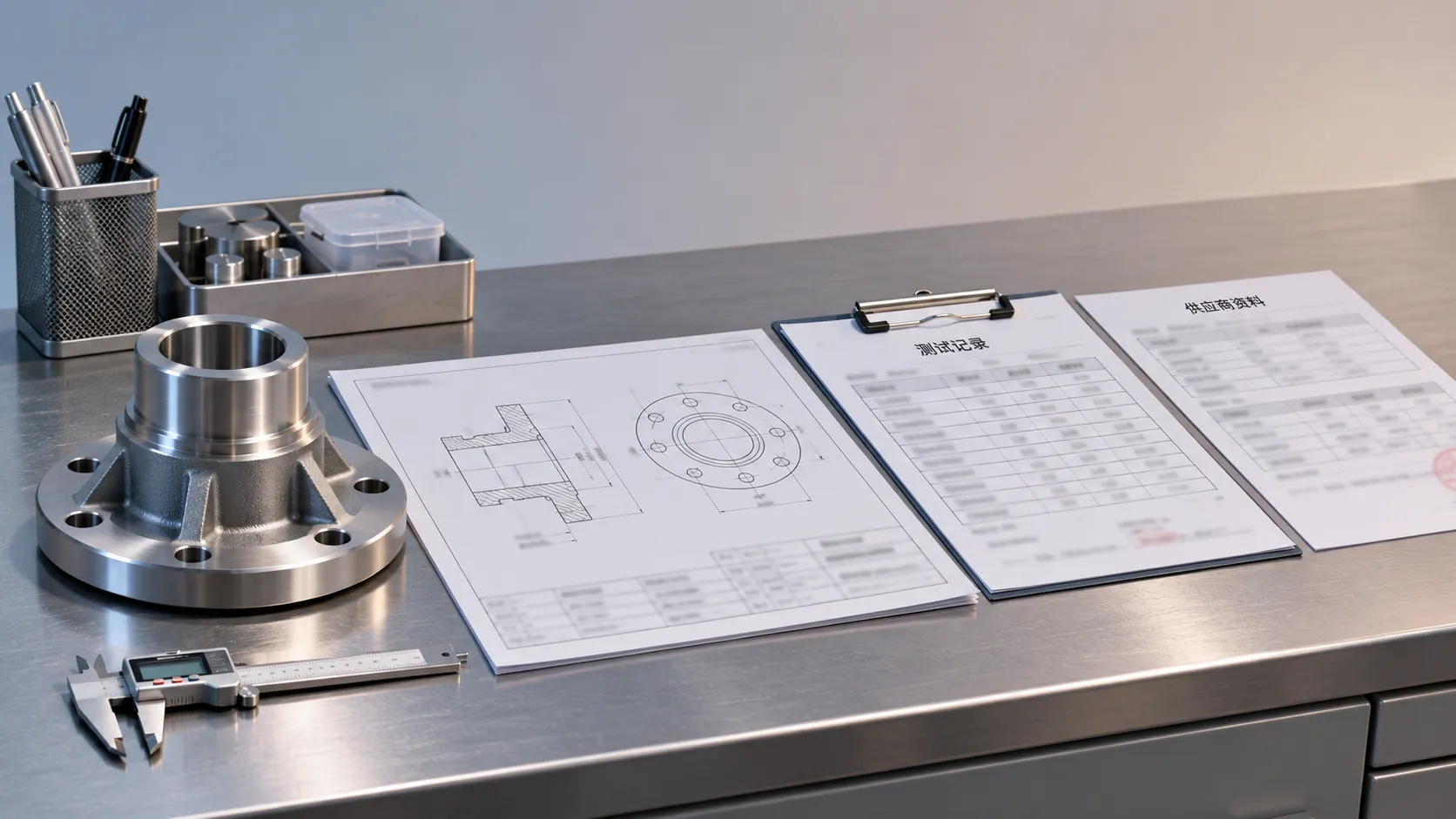
Evaluating Supplier Solutions: How to Verify References and Standards
Supplier solution references and standards can make or break a sourcing decision. Learn how to verify claims, assess compliance, and reduce risk before awarding a contract.
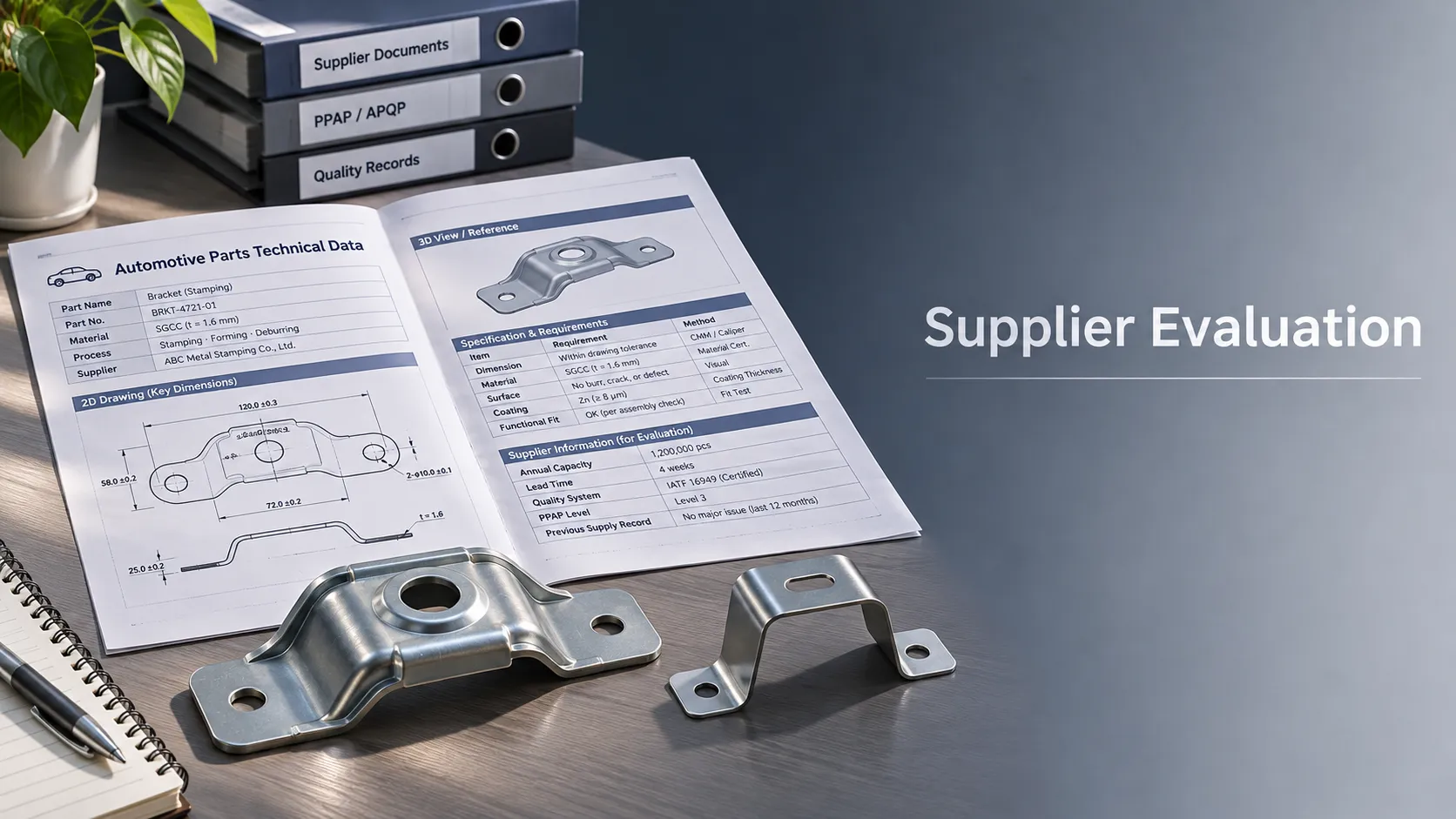
Choosing B2B Product Knowledge Platform Suppliers: Key Evaluation Criteria
Compare B2B product knowledge platform suppliers with confidence. Explore key criteria for data accuracy, supplier transparency, integrations, and value.
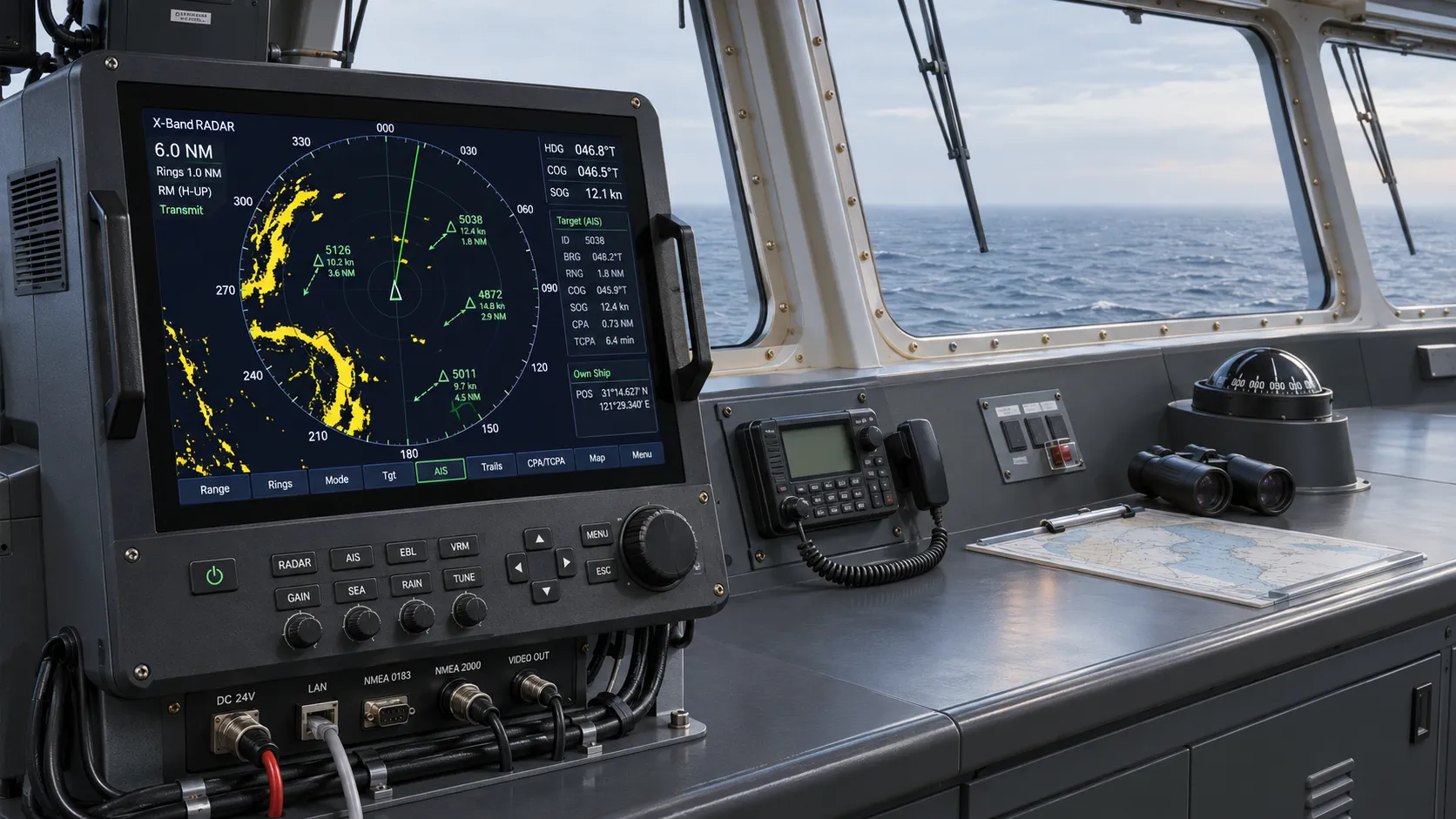
Choosing a Marine Radar Systems Supplier: What to Check Before Buying
Choosing a marine radar systems supplier? Compare installed costs, bridge compatibility, compliance evidence, and service support before you buy.

Solution Comparison Resources: How to Evaluate Unbiased Sources
Discover how to evaluate solution comparison resources, spot bias, verify evidence, and make confident purchasing decisions with a practical checklist.
Related News
- 00
0000-00
Integrated Cabin Comfort Systems: How Seat and Cabin Climate Controls Work Together - 00
0000-00
Choosing a Seat Climate Systems Factory: Quality and Production Capacity - 00
0000-00
How Automotive Micro-Climate Control Improves Comfort in Heated and Ventilated Seats - 00
0000-00
How to Evaluate a Seat Comfort Solutions Supplier for OEM Program Requirements - 00
0000-00
Climate Control Seats Cost: What Drives Price and Long-Term Ownership Value?
0000-00
Weekly Insights
Stay ahead with our curated technology reports delivered every Monday.