
How Smart Seatbelt Systems Use Sensors and Active Retractors
A driver brakes sharply as traffic stops ahead. Before any collision occurs, a motor in the seatbelt retractor may remove some belt slack, helping bring the occupant into a more controlled position. If a crash follows, a separate crash-triggered pretensioner may act much faster, while a force limiter manages the load transmitted through the belt.
That sequence captures the promise—and the complexity—of smart seatbelt systems. They do not rely on a single “smart” sensor or a universal retractor design. Their behavior depends on how vehicle data, occupant information, control logic, mechanical restraint components, and crash calibration work together. For technical evaluators, the central question is not simply whether a belt can tighten, but when it tightens, how much it tightens, and what the rest of the restraint system does next.
What makes a seatbelt system smart?
A conventional three-point seatbelt restrains the occupant through webbing, anchorages, a buckle, and a locking retractor. The retractor typically allows normal movement but locks in response to rapid webbing payout or vehicle deceleration. Many conventional systems also include crash-activated pretensioners and force limiters.
A smart seatbelt system adds sensing, control, or actuation that adapts its behavior to the occupant or driving situation. Depending on the vehicle architecture, that may include a reversible motorized retractor, occupant classification inputs, pre-crash signals from driver assistance systems, or feedback about belt engagement and motor operation.
“Smart” is not a defined performance level. A buckle reminder alone, a motorized comfort adjustment, and a coordinated pre-crash restraint function represent very different capabilities. An evaluation should therefore begin with the specific function and its operating conditions rather than the marketing label.
From sensor input to belt action
The control path usually spans several vehicle domains. Sensors generate information, electronic control units interpret it, and an actuator changes belt tension or prepares another restraint function. The exact allocation varies by manufacturer: the restraint control unit, a body controller, or a centralized vehicle computer may each have a role.
Vehicle motion and crash sensing
Acceleration sensors, yaw-rate sensors, wheel-speed signals, and braking information can indicate severe deceleration or a developing loss of stability. Dedicated crash sensors provide inputs used by the restraint control system to distinguish an actual crash from events such as potholes or curb strikes.
These signals serve different purposes. Heavy braking may justify reversible belt tightening, but it does not by itself mean that an irreversible pretensioner should fire. Crash deployment decisions use calibrated algorithms and sensor combinations appropriate to the vehicle and impact mode.
Pre-crash perception
Radar, cameras, and other advanced driver assistance sensors may provide information about an approaching obstacle or an imminent collision. A control strategy can combine that information with vehicle speed, braking, steering, and other signals to request early belt tightening.
Perception is not certainty. Occluded objects, adverse weather, sensor contamination, and ambiguous traffic scenes can affect detection. Evaluators should ask how the system handles uncertain inputs and whether an unnecessary intervention can be released promptly without surprising or distracting the occupant.
Occupant and belt-status inputs
Seat occupancy, buckle status, seat position, and occupant classification may influence whether and how a restraint function operates. Some systems also use belt payout, motor current, or other signals to estimate retractor position or resistance. Availability and accuracy depend on the design; a motor-current estimate, for example, is not automatically a direct measurement of belt force on the occupant.
Seat position and posture matter because a belt can remove slack without placing every occupant in the same position. A reclined seat, loose clothing, or an incorrectly routed shoulder belt can change the outcome. Smart actuation does not eliminate the need for proper belt use or a well-designed seating package.
Reversible retractors versus crash pretensioners
These mechanisms are often discussed together, but their functions and operating timelines are distinct. A vehicle may have both, and the architecture must account for how their actions interact.
A reversible retractor can tighten before impact because it does not need to wait for crash confirmation. Its motor, gearing, spool, clutch arrangement, and control electronics determine how quickly and smoothly it takes up webbing. Once the triggering condition has passed, the system can relax the belt according to its control strategy.
A pretensioner is intended to remove slack during a crash sequence. Depending on the design, it may act at the retractor, buckle, or another belt anchorage. Its deployment and the deployment of airbags are coordinated by the restraint system, but neither should be assumed to occur in every collision. Crash severity, direction, seat occupancy, and the vehicle’s calibrated deployment strategy all matter.
Where the force limiter fits
After the belt has engaged the occupant, an appropriately designed force limiter allows controlled webbing payout or deformation above a calibrated load. This helps manage chest loading while the occupant continues to be restrained. A torsion bar in the retractor is one common approach; other designs can provide different load characteristics.
Force limiting is not simply “less force is safer.” If belt load is reduced too much, occupant excursion may increase and contact with interior structures or poor interaction with the airbag may become more likely. The useful calibration depends on the occupant, crash pulse, seat, airbag, belt geometry, and available restraint space.
Why integration with the seat and airbag matters
The belt is part of a restraint system, not an independent protective layer with a fixed result. Its shoulder-belt path is affected by upper anchorage location, seat height, backrest angle, and occupant stature. The lap belt must remain positioned over the pelvis rather than migrating onto the abdomen during a crash.
Seat structure and cushion design also influence occupant motion, including the risk of submarining beneath the lap belt. An active retractor may improve pre-crash positioning in a defined scenario, but it cannot be assumed to correct every posture or compensate for an unsuitable seat geometry.
Airbag timing and cushion characteristics must be assessed alongside belt behavior. For example, earlier slack removal can change the occupant’s position relative to the deploying airbag. Technical reviews should look for evidence from the complete vehicle and relevant seating configurations, not only component-level retractor data.
How to evaluate smart seatbelt system performance
A specification sheet may list motor torque, pretensioner stroke, and communication interfaces. Those are useful starting points, but they do not show whether the system makes the right decision in a changing traffic scene or protects a range of occupants in a crash.
- Define the intended function. Identify triggering scenarios, supported seating positions, eligible occupants, speed ranges, release conditions, and any dependencies on other vehicle systems.
- Trace the signal chain. Document sensor sources, control-unit responsibilities, network paths, timestamps, diagnostic coverage, and the actuator command. Distinguish measured quantities from calculated estimates.
- Measure intervention behavior. Assess detection-to-actuation latency, webbing take-up, belt-force behavior where measurable, release behavior, noise, and occupant perception across relevant conditions.
- Examine incorrect and missed interventions. Include false pre-crash alerts, degraded perception, communication delays, and scenarios in which the system must not inhibit the basic belt restraint function.
- Validate the complete restraint system. Use appropriate sled and vehicle crash tests, occupant surrogates, seating positions, and impact conditions to examine excursion, belt loads, and injury-related measures.
- Review durability and serviceability. Consider repeated motor cycles, temperature, humidity, contamination, electrical disturbances, wear, and the inspection or replacement requirements after deployment or a fault.
Test results should be tied to a defined vehicle configuration and acceptance criteria. A favorable bench result for one retractor does not establish equivalent performance in another vehicle with different anchorages, seat geometry, crash pulse, or software calibration.
Safety, fault handling, and standards
Technical evaluation should separate regulatory compliance from functional-safety and performance claims. Requirements vary by market, vehicle category, seating position, and the applicable version of each regulation. In the United States, relevant requirements can include FMVSS No. 209 for seat belt assemblies and FMVSS No. 208 for occupant crash protection. In markets applying UN regulations, UN Regulation No. 16 addresses safety belts and restraint systems, while other vehicle-level requirements may also apply.
ISO 26262 provides a framework for functional safety of electrical and electronic systems in road vehicles; it is not a substitute for demonstrating restraint performance in crash testing. Where behavior depends on perception and other functions that may have limitations even without a component failure, ISO 21448 on safety of the intended functionality may also be relevant. ISO/SAE 21434 provides a framework for automotive cybersecurity engineering. Applicability and the required work products depend on the system and project scope.
Ask how the design responds to loss of power, a stuck or obstructed motor, implausible sensor data, network faults, and control-unit resets. The key issue is not merely whether a diagnostic trouble code is stored. Evaluators need to understand the resulting belt behavior, any driver warning, and whether the underlying mechanical restraint remains available as designed.
Software updates deserve similar scrutiny. A change to perception thresholds, vehicle communication, or restraint calibration can affect when the belt intervenes. Configuration control, impact analysis, regression testing, and a clear separation between updateable functions and safety-critical deployment logic are important review topics. Remote updating should never be assumed to be present or permissible for a particular restraint controller.
Questions worth asking before approval
- Which pre-crash scenarios trigger tightening, and what evidence supports the chosen thresholds?
- How are tension and release controlled for different occupant sizes and seating positions?
- What happens when perception data are unavailable, late, or inconsistent with vehicle-motion signals?
- How does reversible tightening interact with pretensioner deployment and force-limiter behavior?
- Which vehicle-level tests support claims for the intended markets and configurations?
- What components require inspection or replacement after a crash or pyrotechnic deployment?
The most convincing smart seatbelt systems are not necessarily those that intervene most often or pull hardest. They are the ones whose sensing assumptions, control decisions, mechanical behavior, and limitations can be traced to evidence. For evaluators, that evidence must connect the early warning from a sensor to the occupant’s actual motion in a fully integrated vehicle.
Related News

How to Evaluate Supplier Solution References Before Signing a Contract
Evaluate supplier solution references with confidence. Learn how to verify technical evidence, identify delivery risks, and close gaps before signing a contract.
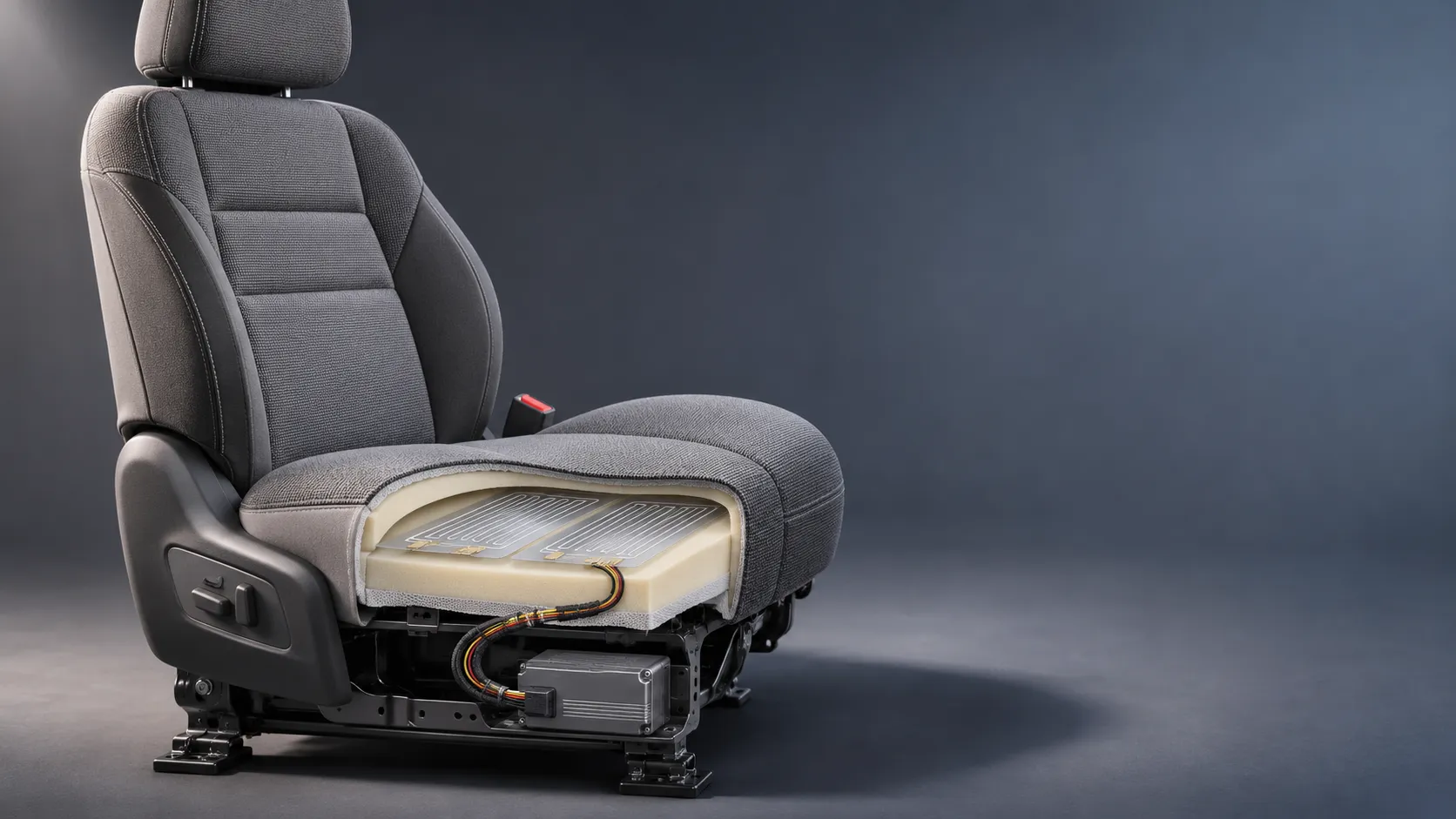
How Capacitive Seat Occupancy Sensing Works in Automotive Airbag Systems
Discover how capacitive seat occupancy sensing supports automotive airbag systems, and explore the design, calibration, and validation challenges behind reliable performance.
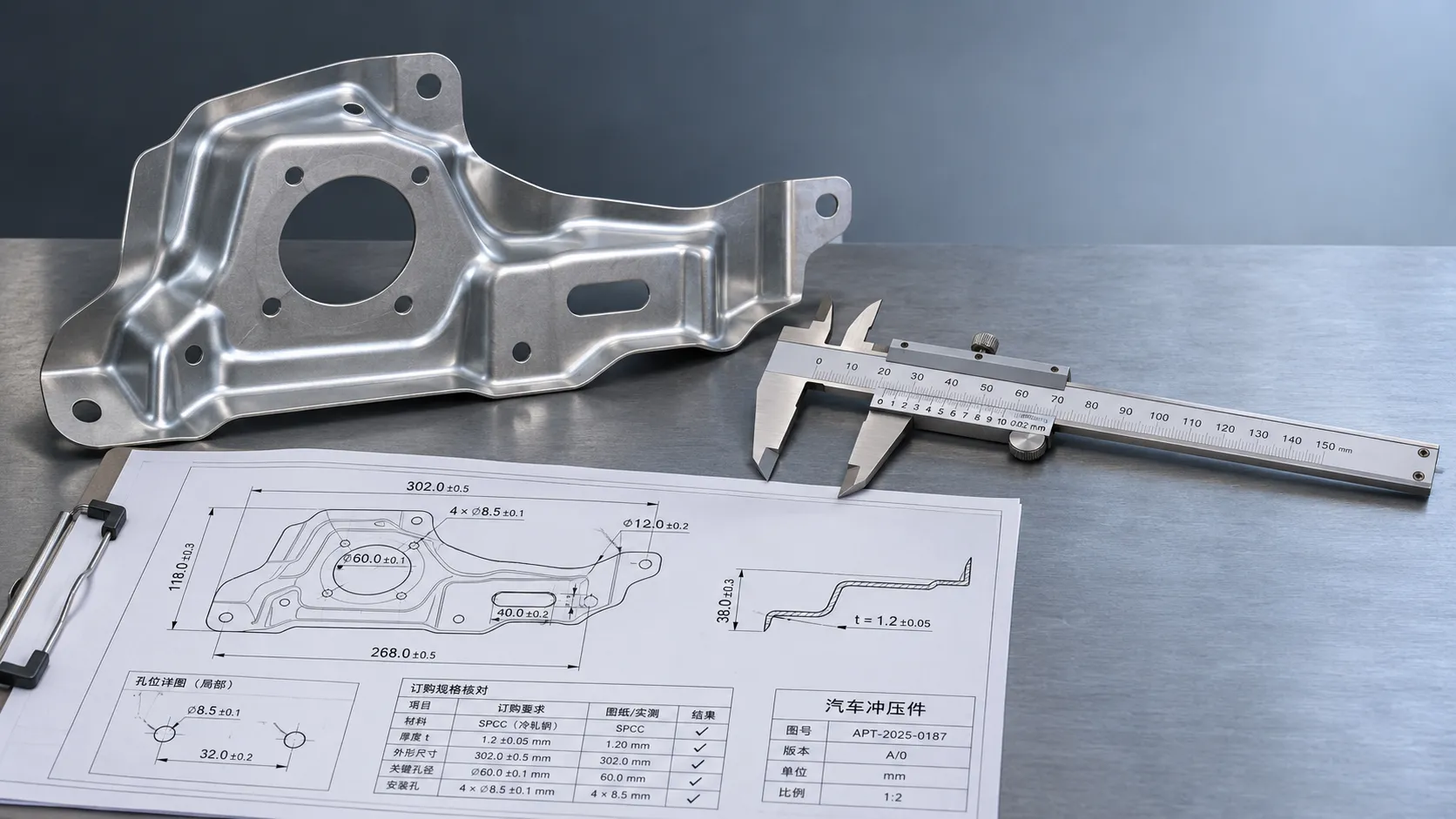
Industrial Product References: How to Verify Specs Before Ordering
Use an industrial product reference for procurement to verify specs, compatibility, and certifications before ordering—and reduce costly purchasing risks.
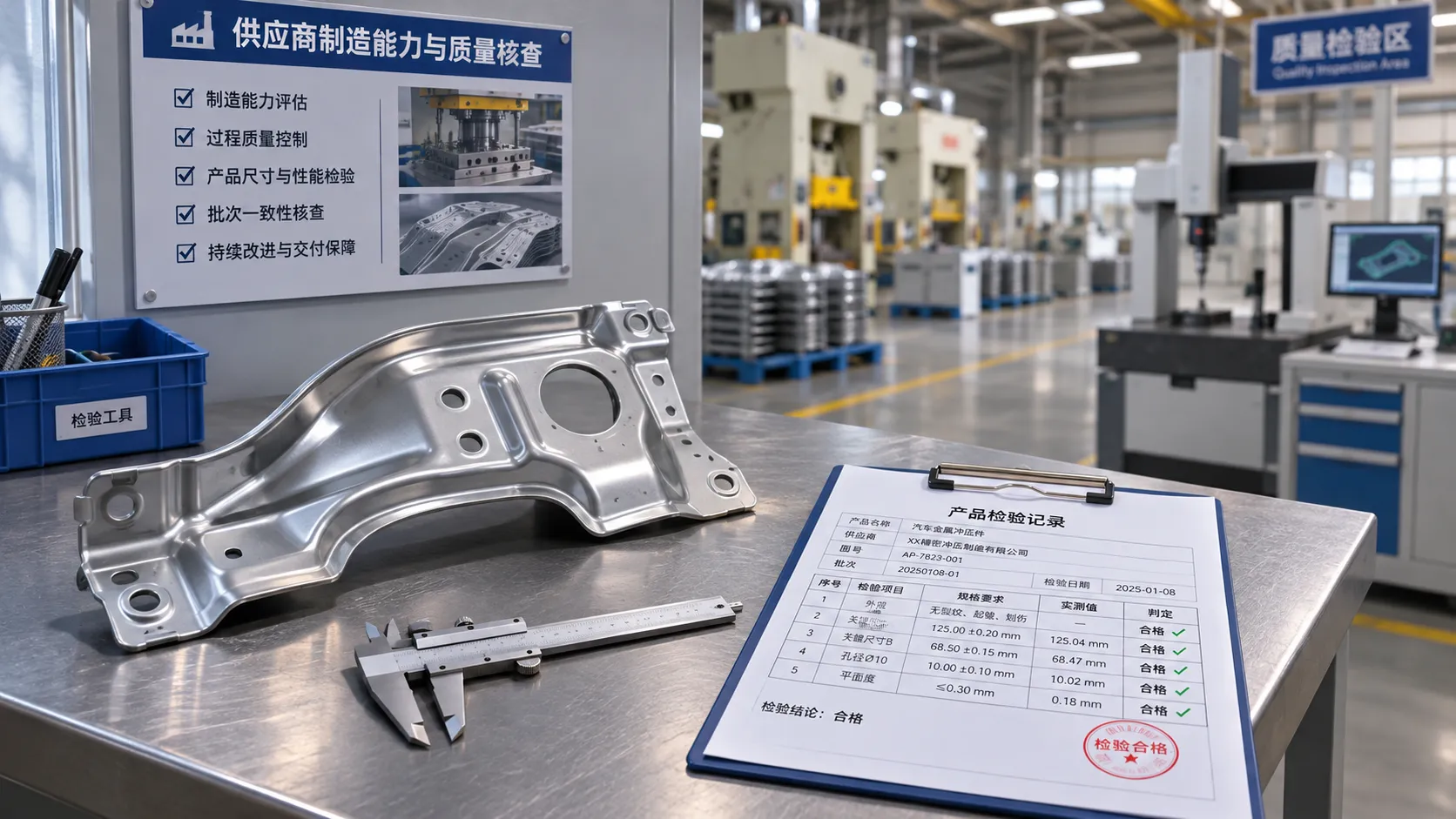
Choosing a Private Label Partner in Europe: Key Supplier Criteria
Private label cooperation Europe buyers can trust starts with the right supplier. Explore key criteria for compliance, quality, traceability and supply resilience.

Integrated Cabin Comfort Systems: How Seat and Cabin Climate Controls Work Together
Discover how integrated cabin comfort systems coordinate seat and climate controls to balance occupant comfort, energy use, safety, and performance.
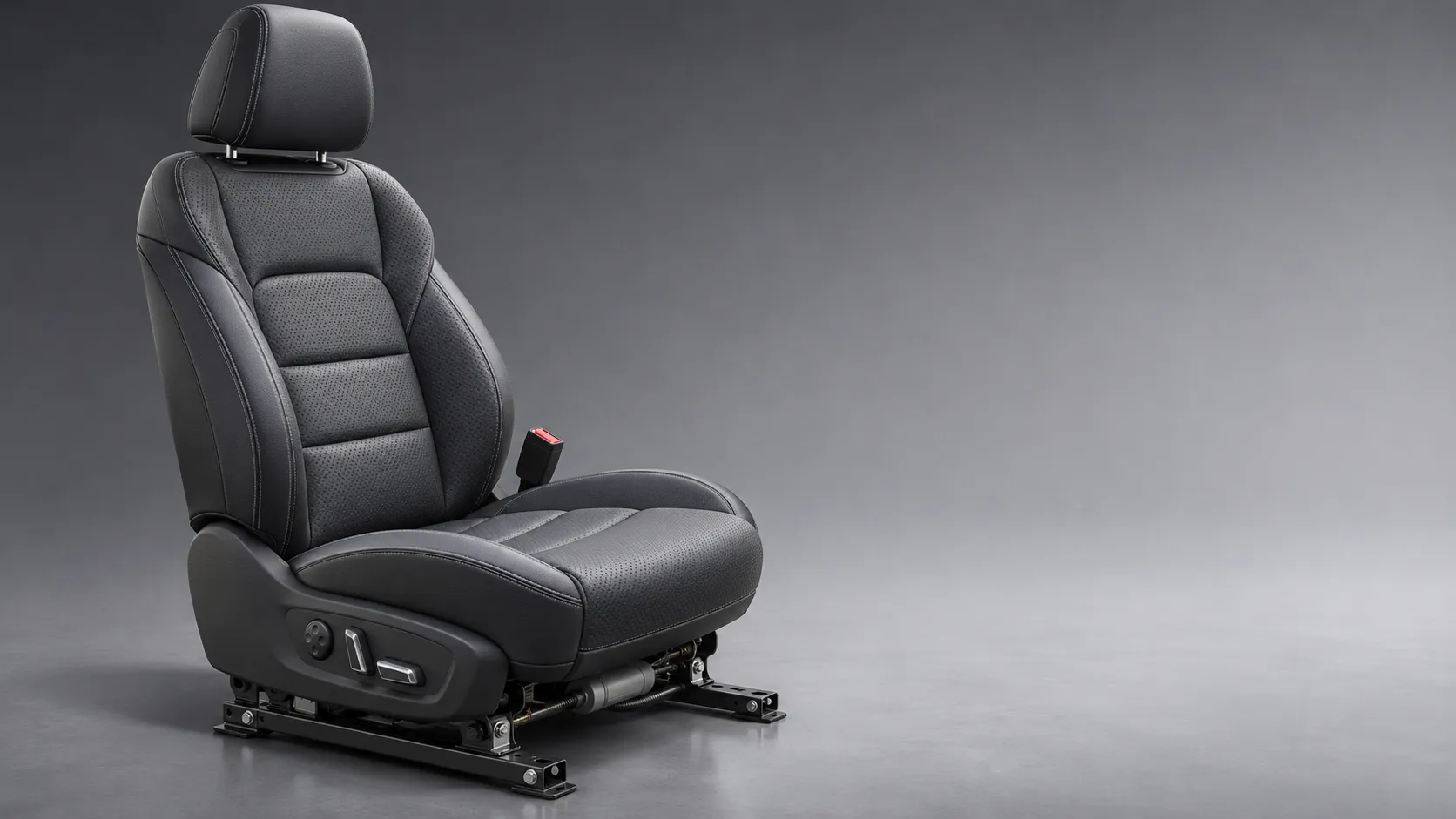
Automotive Ergonomics Pricing: What Drives Seat System Costs?
Discover what drives automotive ergonomics pricing, from seat mechanisms and safety systems to tooling and volume, and learn how to compare supplier quotes.
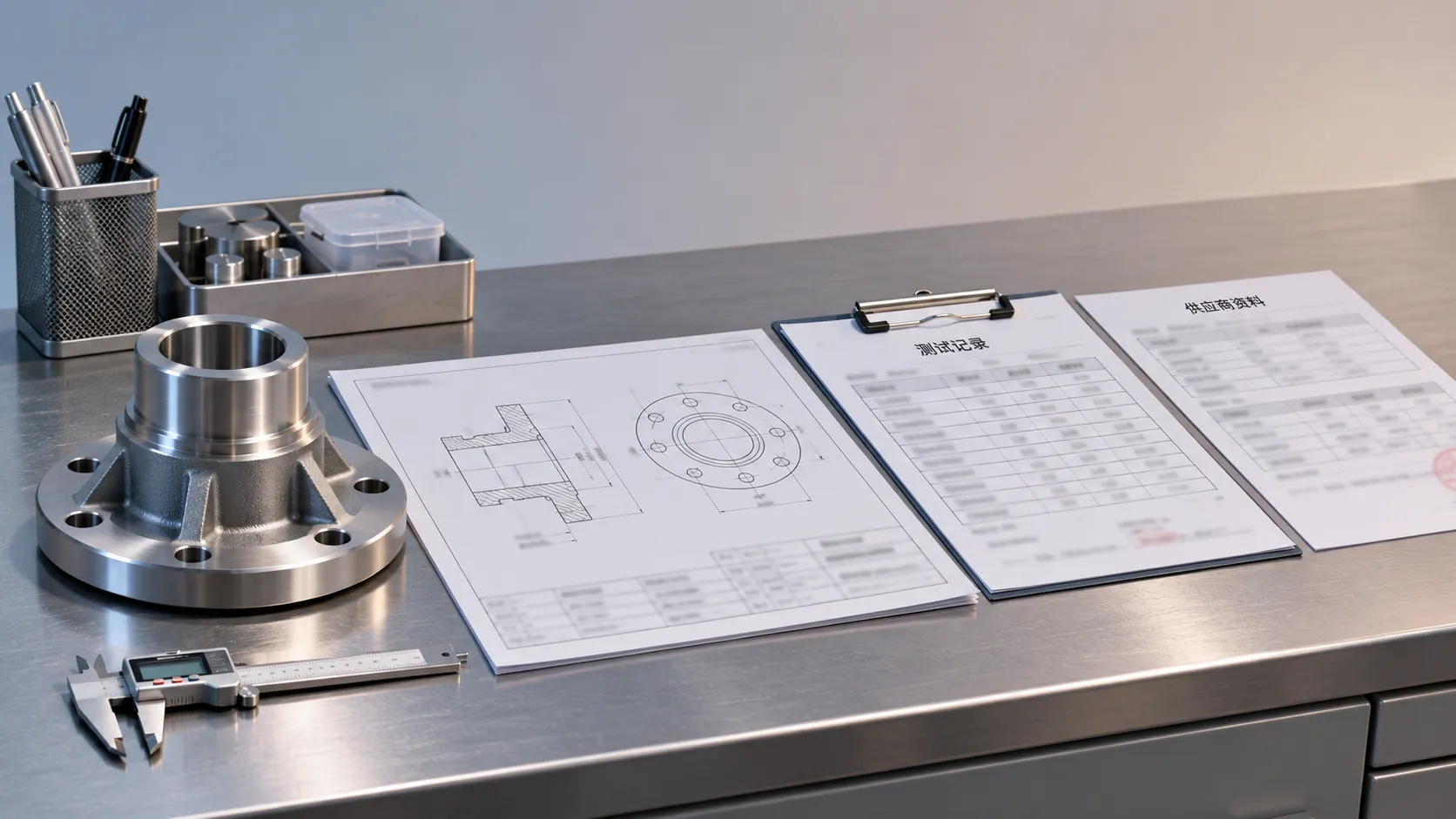
Evaluating Supplier Solutions: How to Verify References and Standards
Supplier solution references and standards can make or break a sourcing decision. Learn how to verify claims, assess compliance, and reduce risk before awarding a contract.
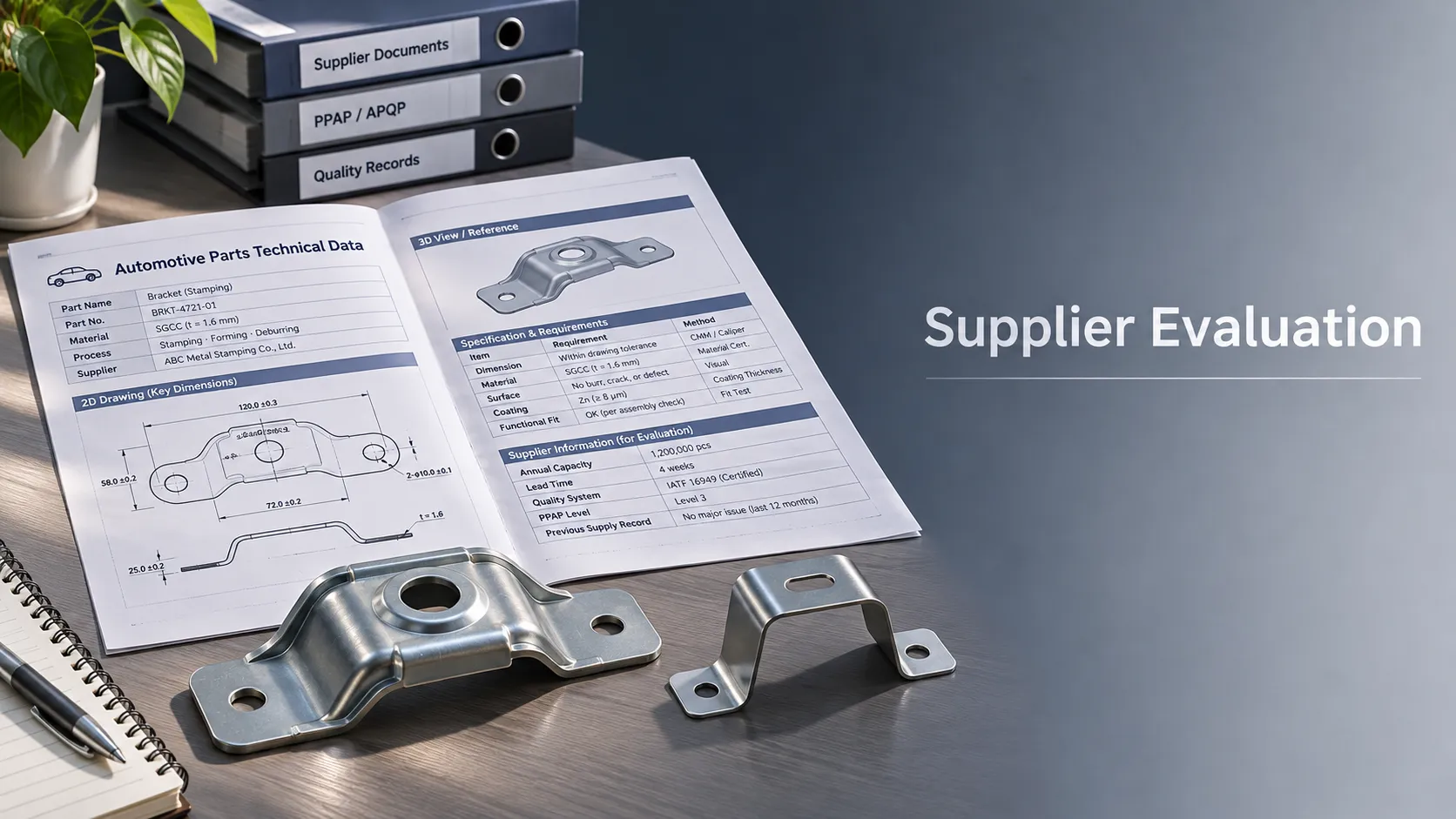
Choosing B2B Product Knowledge Platform Suppliers: Key Evaluation Criteria
Compare B2B product knowledge platform suppliers with confidence. Explore key criteria for data accuracy, supplier transparency, integrations, and value.
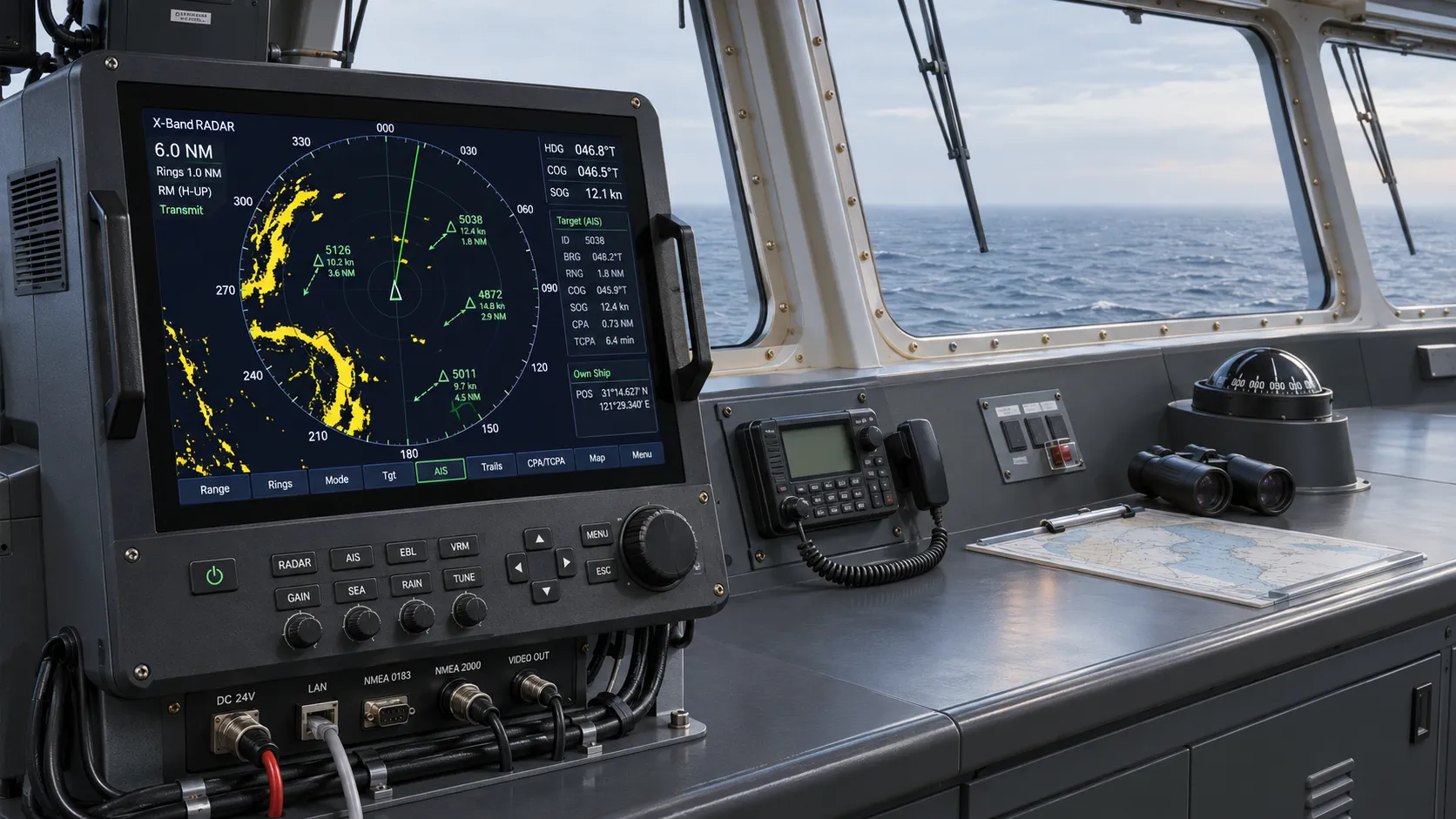
Choosing a Marine Radar Systems Supplier: What to Check Before Buying
Choosing a marine radar systems supplier? Compare installed costs, bridge compatibility, compliance evidence, and service support before you buy.
Related News
- 00
0000-00
How Smart Seatbelt Systems Use Sensors and Active Retractors - 00
0000-00
Adaptive Force Limiter Systems Explained: How to Compare Load Limits, Sensors, and Use Cases - 00
0000-00
Why force-limiting systems matter in crash tests - 00
0000-00
When force-limiting systems add value in modern restraint
0000-00
Weekly Insights
Stay ahead with our curated technology reports delivered every Monday.