
Zero-Casualty Mobility in Europe: EU Policies Behind the 2050 Road Safety Goal
Europe’s ambition to approach zero road deaths and serious injuries by 2050 is reshaping demand for vehicle safety equipment, road infrastructure and crash protection. The strongest market signal comes from the combination of mandatory vehicle requirements and policies addressing the conditions in which crashes occur. Emergency braking, safer road layouts and coordinated restraint systems address different parts of the same problem: preventing human error from becoming fatal.
The EU’s policy framework sets an intermediate objective of reducing road deaths and serious injuries by 50% between 2020 and 2030. Its longer-term Vision Zero ambition concerns fatalities and serious injuries, rather than a promise that every collision will disappear. Understanding zero-casualty mobility in Europe therefore requires separating policy targets, binding approval requirements and evidence of safety improvements.
The 2050 ambition depends on several policy mechanisms
The Safe System approach starts from two practical observations: people make mistakes, and the human body has limited tolerance for crash forces. Responsibility extends across road design, vehicle construction, speed management, road use and post-crash care. A road system designed around these limits provides protection even when an individual action fails.
This changes how progress should be assessed. A vehicle fitted with advanced collision avoidance remains exposed to unsafe junctions, excessive impact speeds and inadequate roadside protection. Conversely, a redesigned urban street cannot compensate for every restraint failure inside a vehicle. The policy framework connects these interventions because their effects overlap.
Several instruments translate that framework into different obligations and market signals:
The distinction matters commercially. A strategic objective supports a long-term investment case; a type-approval requirement creates a specific compliance threshold. Neither alone establishes the size or timing of demand for an individual component.
The General Safety Regulation makes prevention part of the baseline
Regulation (EU) 2019/2144, commonly called the General Safety Regulation, is a central mechanism behind Europe’s vehicle safety transition. Its main rollout included requirements applying to new vehicle types from July 2022 and broader application to new vehicles from July 2024. Some provisions have later implementation dates, so those milestones should not be treated as a universal deadline for every function.
The regulation covers technologies including intelligent speed assistance, driver drowsiness and attention warning, reversing detection, emergency stop signals and event data recorders. Passenger cars and vans face requirements for functions such as advanced emergency braking and emergency lane keeping. Requirements for heavy vehicles also address risks involving pedestrians and cyclists, including detection around areas where direct visibility is limited.
Vehicle category, approval date and the applicable technical provisions determine the actual obligation. A feature appearing in a summary of the regulation does not establish that identical hardware or performance requirements apply to every passenger car, van, bus and truck.
Intelligent speed assistance illustrates the difference between regulatory purpose and popular interpretation. It supports recognition of the applicable speed limit and provides feedback or intervention through an approved implementation. It should not be described as a universal hard speed limiter that makes speeding impossible. Its safety contribution depends partly on reliable speed-limit information, understandable feedback and continued engagement with the function.
Emergency braking presents a different set of conditions. Detecting a crossing pedestrian, a stationary vehicle and a cyclist travelling alongside a truck involves different sensing geometries and collision trajectories. Performance depends on the scenario covered by the requirement, sensor visibility and available braking distance. A system’s presence on a specification sheet cannot establish equivalent performance across every road environment.
These distinctions shift equipment demand toward validated integration. Cameras, radar, braking controllers and warning interfaces must work together within defined conditions. Repair also becomes part of safety performance: changes to sensor alignment, windscreen installation or mounting geometry can affect the system after the vehicle leaves production.
Collision avoidance raises the importance of coordinated occupant protection
Wider adoption of active safety does not remove demand for passive protection. Residual crashes still occur, including impacts outside a detection system’s operating conditions and collisions where insufficient stopping distance remains. The passenger compartment, seats, belts and airbags must manage those events together.
Avoidance technology also changes the sequence before impact. Strong pre-crash braking moves occupants relative to their initial seated positions. Belt slack, posture and restraint timing influence where the torso and head are when the collision begins. This strengthens the engineering connection between braking behaviour, belt control, seat geometry and airbag deployment.
Body structures must control intrusion and deceleration
For body stampings, material strength alone is an incomplete measure of safety. A passenger compartment needs resistance to intrusion, while surrounding structures need controlled deformation to absorb energy. Increasing stiffness in the wrong location can alter the crash pulse transmitted to occupants or redirect loads into less suitable structural paths.
Hot-stamped steel, aluminium structures and mixed-material assemblies therefore require assessment at vehicle level. Thickness distribution, joining methods, local ductility and dimensional accuracy influence how the intended load path behaves. A lightweight substitution that meets a static strength target still needs evaluation for crash deformation, joint failure and compatibility with the restraint system.
Belts, airbags and seats share the occupant load
A pretensioner removes belt slack early in a crash sequence; a load limiter controls belt force as the occupant moves forward. These functions must be coordinated with airbag support and available clearance inside the cabin. Excessive belt loading increases chest injury risk, while excessive forward movement creates other contact risks.
Seat construction affects this balance through cushion geometry, frame deformation, anchorage strength and the occupant’s position relative to the belt. Changes made for comfort, packaging or weight reduction can alter pelvic support and belt routing. Airbag volume, venting and deployment timing likewise need to match the protected space and expected occupant movement.
The resulting market opportunity concerns validated performance across an assembly. An individual component’s strength, deployment speed or low mass offers limited evidence unless its interaction with the surrounding vehicle is understood.
Infrastructure policy addresses crashes that vehicle technology cannot solve alone
The amended Road Infrastructure Safety Management Directive extends systematic safety management across the road categories within its scope, including the trans-European road network, motorways and other primary roads. Its approach includes network-wide assessment, inspections and attention to vulnerable road users. It does not place every local street under an identical EU inspection regime.
Infrastructure investment changes both crash likelihood and crash severity. Median separation addresses head-on conflicts. Forgiving roadsides reduce the consequences of leaving the carriageway. Junction layouts, crossing locations and protected cycling infrastructure influence where road users meet and how much time remains to react.
Speed connects all these measures. Higher impact speed increases the energy that structures and restraints must manage, while also reducing the time available for avoidance. In streets with frequent pedestrian and cycling movements, physical design that supports lower speeds provides protection across the vehicle fleet, including older vehicles without newer assistance systems.
Infrastructure quality also affects technology performance. Clear lane markings support camera-based lane functions, and consistent, visible signs support speed-limit recognition. Temporary roadworks create a harder environment when markings conflict or signs are obscured. Consequently, assistance-system penetration and road maintenance cannot be assessed as independent trends.
Regulatory compliance and safety ratings send different signals
EU type approval establishes legal requirements for placing vehicles on the market. Consumer safety assessment programmes provide a separate comparison of performance under their own protocols. A strong assessment result does not replace regulatory approval, and legal compliance does not imply the highest available assessment score.
This distinction explains why development demand can move ahead of a legal minimum. Assessment protocols can encourage broader collision scenarios, improved occupant monitoring or stronger protection across seating positions. However, a feature rewarded by a voluntary programme should not be reported as an EU-wide statutory obligation.
Comparisons also require attention to timing. Test protocols evolve, meaning that results awarded in different years may reflect different scenarios and scoring rules. Counting installed functions produces an incomplete picture when the underlying assessment also considers intervention quality, occupant protection and performance in difficult conditions.
Market growth will follow fleet turnover and implementation quality
Mandatory fitment creates the clearest immediate demand in newly produced vehicles. Its effect on population-wide safety develops more slowly because existing vehicles remain in service. This creates a gap between the proportion of new vehicles carrying a function and its prevalence across vehicles actually travelling on European roads.
That gap changes the expected contribution of different interventions. New-vehicle regulation supports sustained demand for compliant equipment, while infrastructure improvements and speed management also protect people travelling in the existing fleet. Forecasts that assume rapid fleet-wide adoption risk overstating near-term effects.
Unit volumes alone are also insufficient for estimating component-market value. Several safety functions can share sensing hardware, while more demanding software, diagnostics and validation increase development work without a matching increase in sensor count. Platform consolidation can therefore coexist with greater engineering complexity.
Serviceability adds another dimension. Safety performance must survive routine repairs, component replacement and software changes. Calibration procedures, traceable replacement parts and clear diagnostic information influence whether an approved function continues to perform as intended. For passive systems, repair quality also determines whether structural load paths, belt anchorages and deployment components retain their intended behaviour after damage.
Progress toward 2050 needs evidence beyond equipment installation
Fatality totals remain essential, but they do not explain every change in risk. Traffic volume, travel mode and exposure affect the interpretation of outcomes. A reduction in deaths alongside a substantial reduction in travel carries a different meaning from the same reduction during increased travel.
Serious-injury assessment adds a further challenge because police reporting and medical injury classification do not always capture the same cases. More consistent injury definitions and linked data improve comparisons. Safety performance indicators, including observed speeds and restraint use, help identify whether protective conditions are improving before long-term casualty trends become clear.
The decisive test for Europe’s 2050 ambition is whether policy produces lower exposure to dangerous conflicts and better protection when crashes occur. Equipment adoption provides evidence of implementation; sustained reductions in fatal and serious injury risk establish whether that implementation is delivering the intended result.
Related News

How to Evaluate Supplier Solution References Before Signing a Contract
Evaluate supplier solution references with confidence. Learn how to verify technical evidence, identify delivery risks, and close gaps before signing a contract.
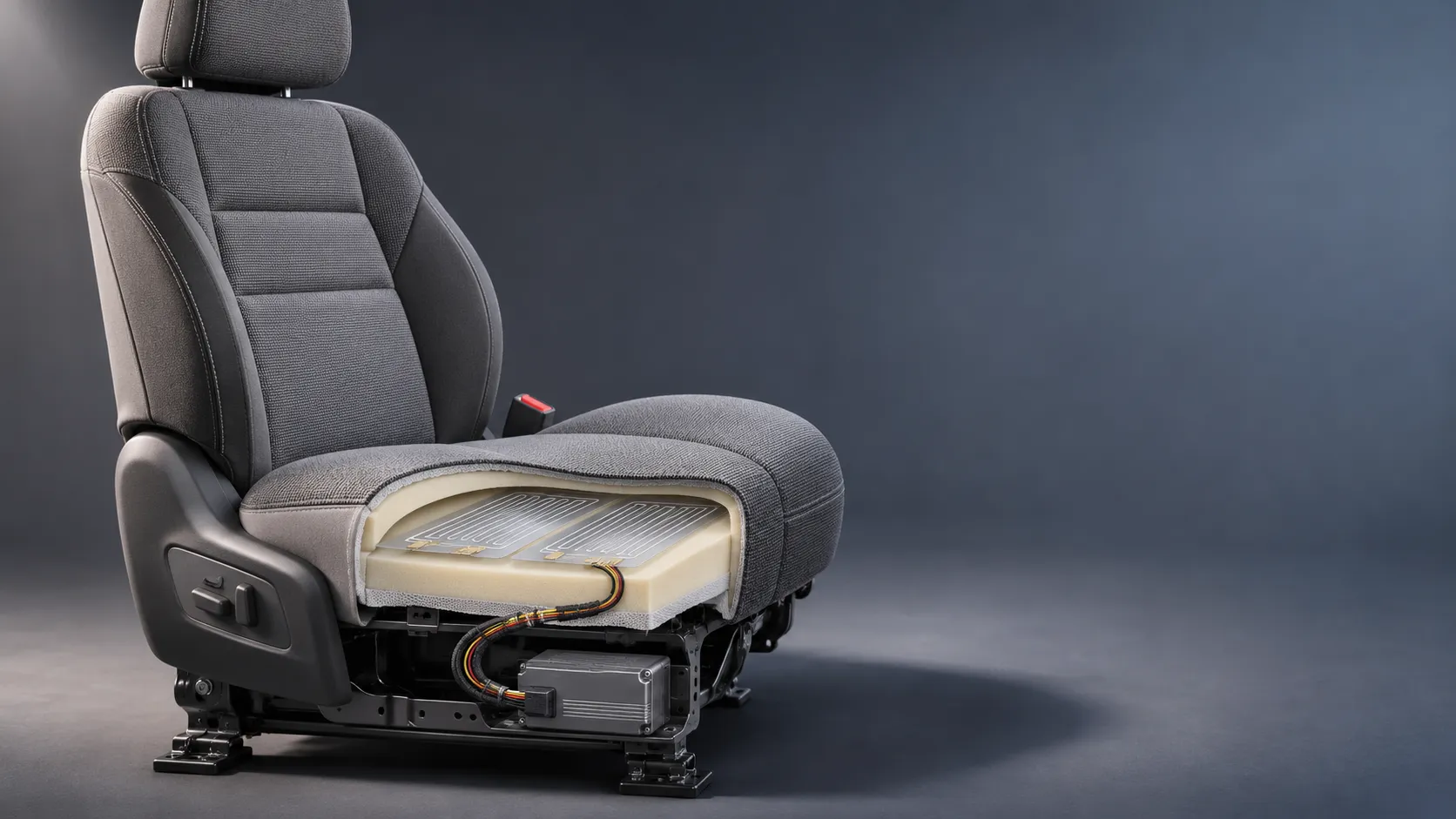
How Capacitive Seat Occupancy Sensing Works in Automotive Airbag Systems
Discover how capacitive seat occupancy sensing supports automotive airbag systems, and explore the design, calibration, and validation challenges behind reliable performance.
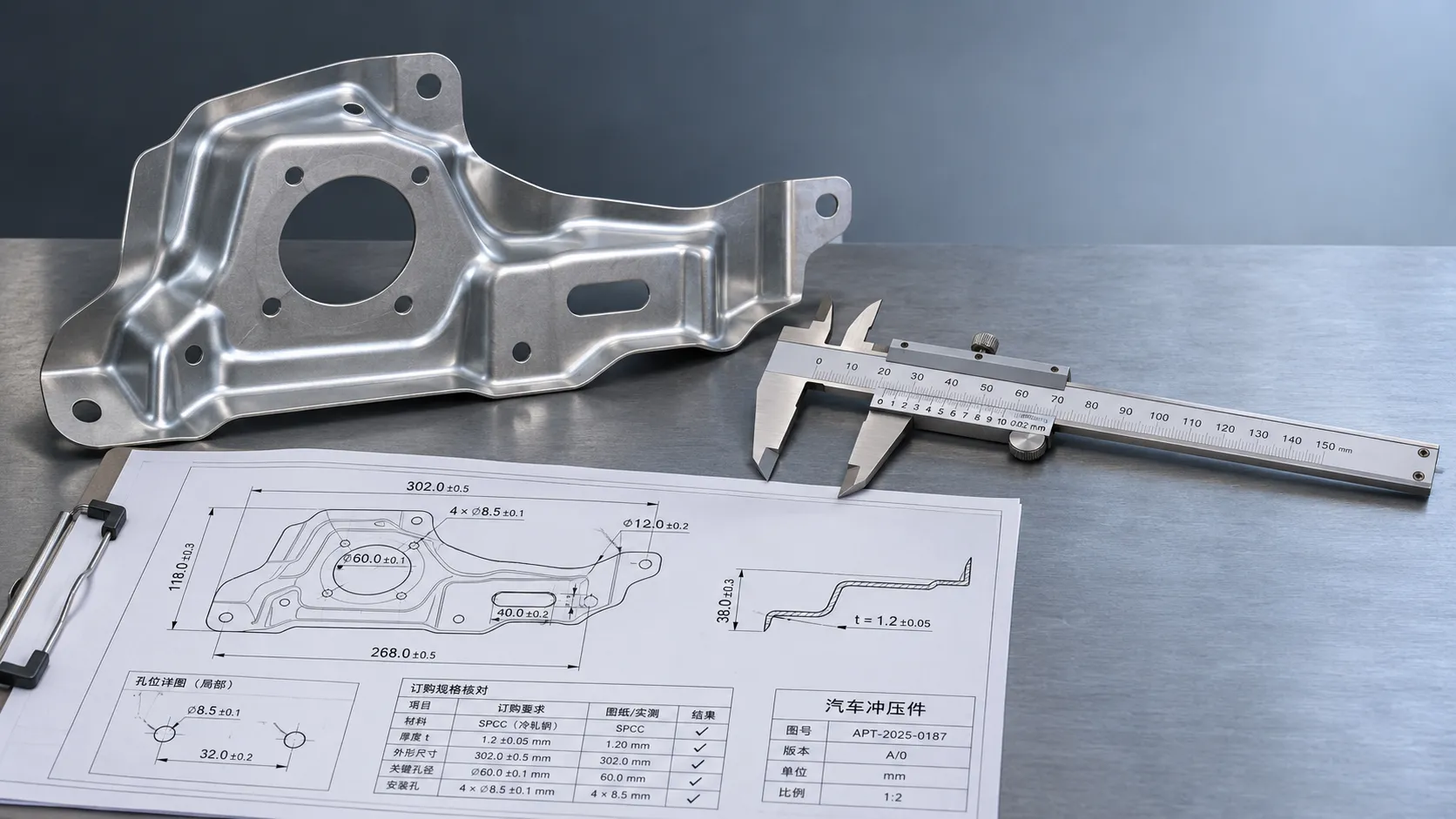
Industrial Product References: How to Verify Specs Before Ordering
Use an industrial product reference for procurement to verify specs, compatibility, and certifications before ordering—and reduce costly purchasing risks.
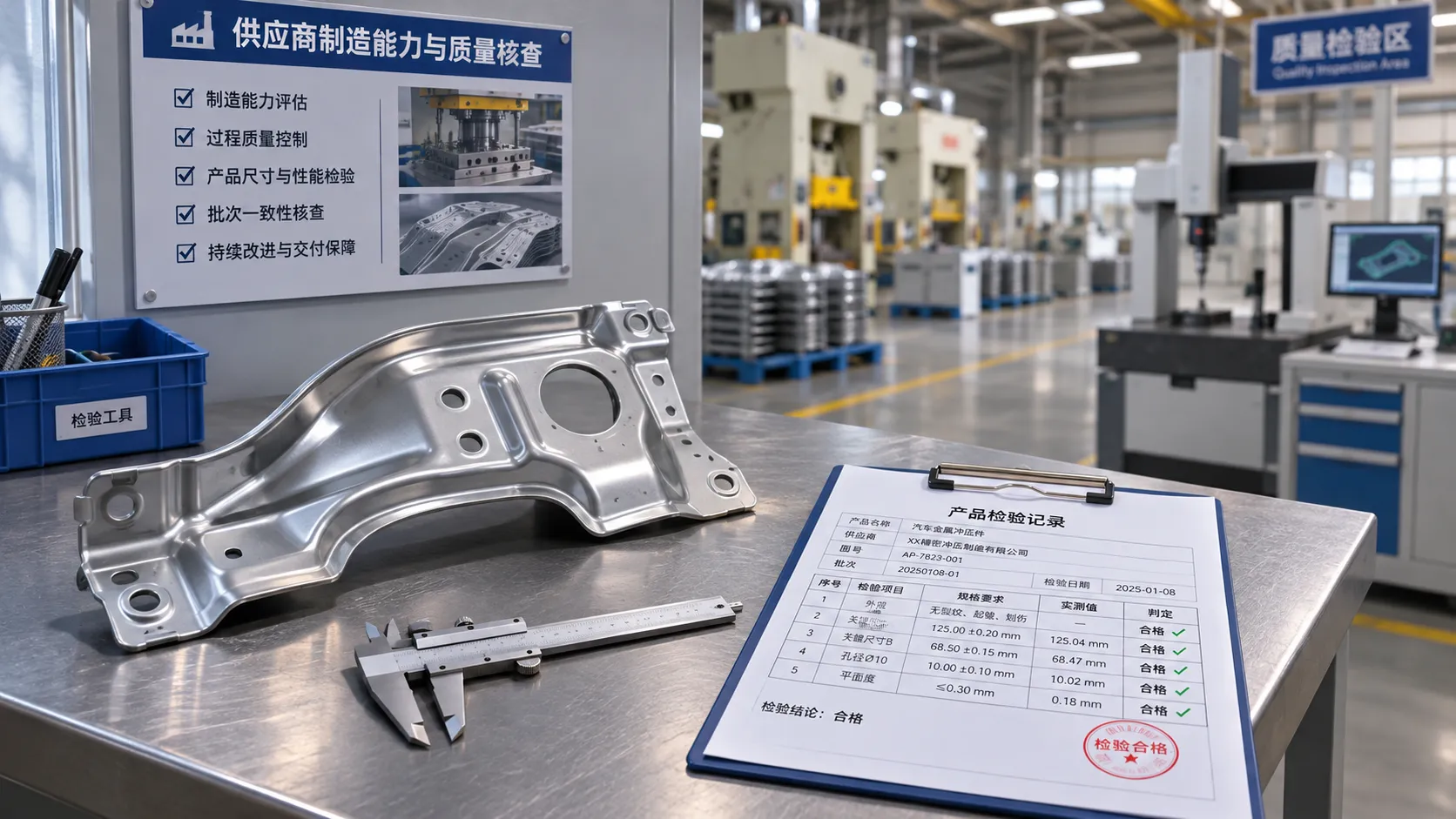
Choosing a Private Label Partner in Europe: Key Supplier Criteria
Private label cooperation Europe buyers can trust starts with the right supplier. Explore key criteria for compliance, quality, traceability and supply resilience.

Integrated Cabin Comfort Systems: How Seat and Cabin Climate Controls Work Together
Discover how integrated cabin comfort systems coordinate seat and climate controls to balance occupant comfort, energy use, safety, and performance.

Automotive Ergonomics Pricing: What Drives Seat System Costs?
Discover what drives automotive ergonomics pricing, from seat mechanisms and safety systems to tooling and volume, and learn how to compare supplier quotes.

Evaluating Supplier Solutions: How to Verify References and Standards
Supplier solution references and standards can make or break a sourcing decision. Learn how to verify claims, assess compliance, and reduce risk before awarding a contract.
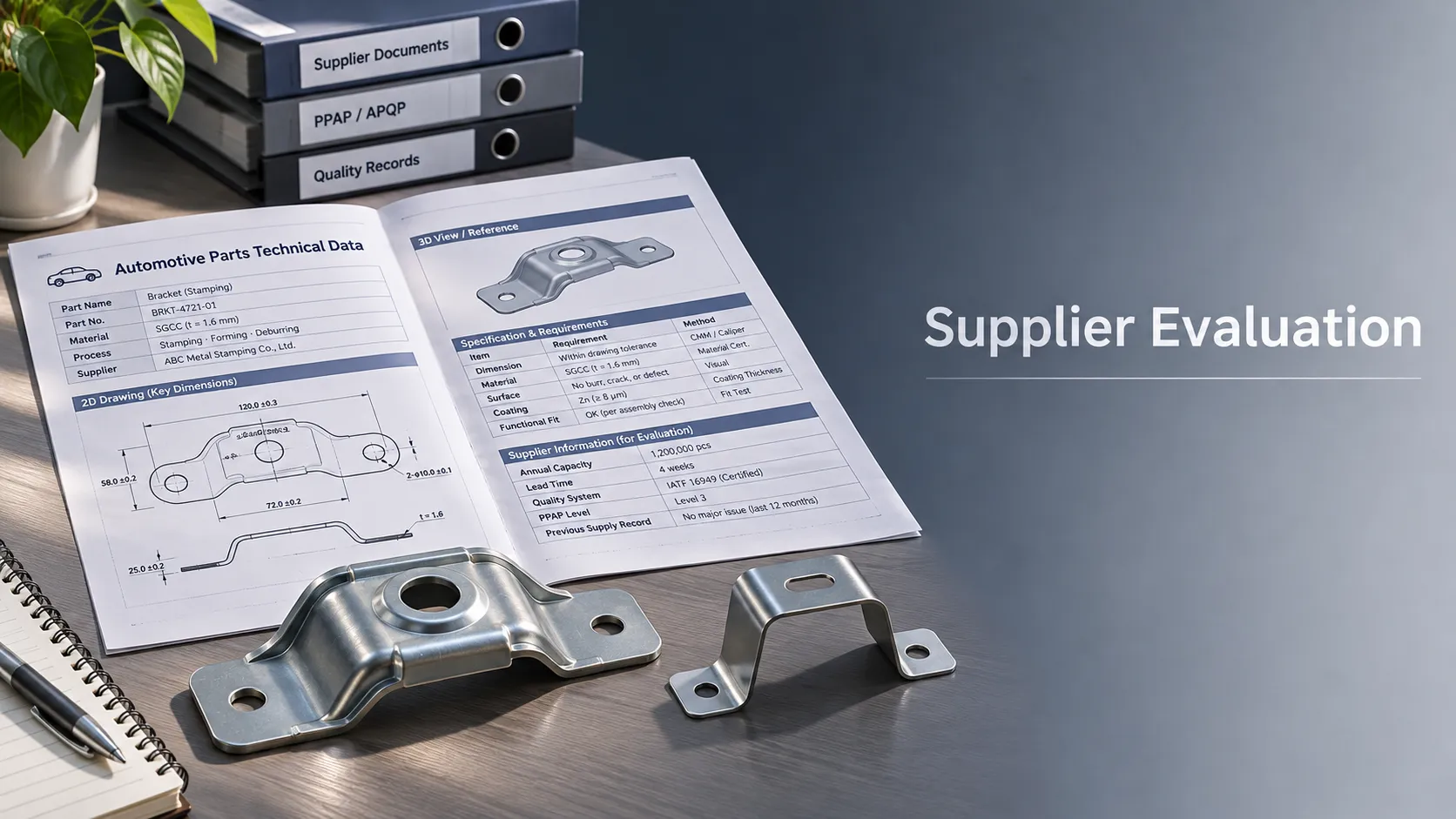
Choosing B2B Product Knowledge Platform Suppliers: Key Evaluation Criteria
Compare B2B product knowledge platform suppliers with confidence. Explore key criteria for data accuracy, supplier transparency, integrations, and value.
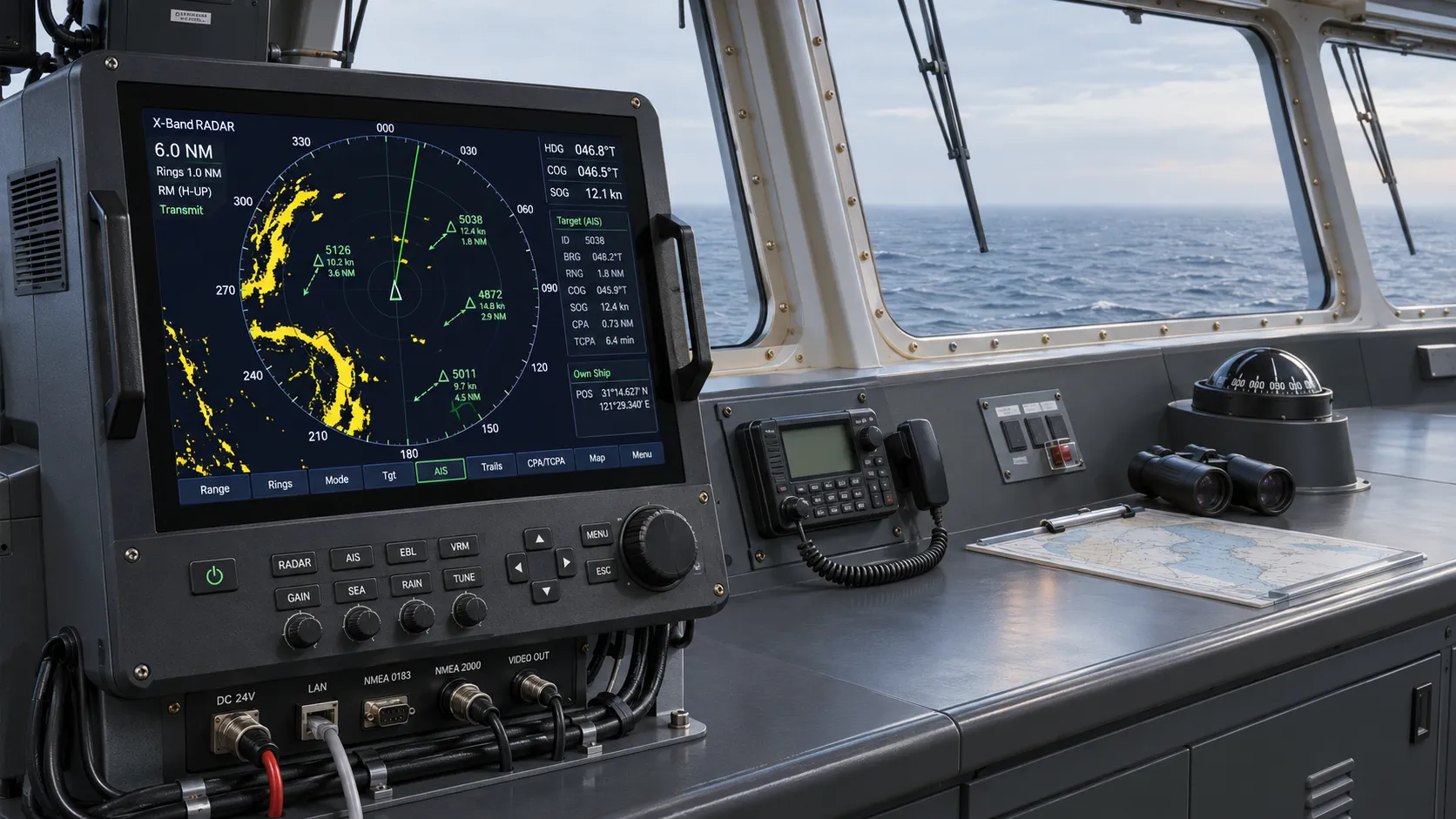
Choosing a Marine Radar Systems Supplier: What to Check Before Buying
Choosing a marine radar systems supplier? Compare installed costs, bridge compatibility, compliance evidence, and service support before you buy.
Related News
- 00
0000-00
Zero-Casualty Mobility in Europe: EU Policies Behind the 2050 Road Safety Goal - 00
0000-00
What is driving the US automotive light weight body panel market - 00
0000-00
What Is Driving Demand for Lightweight Automotive Bodies in Europe? - 00
0000-00
Zero-Casualty Mobility in Practice: Safety Strategies, System Design, and Deployment Challenges - 00
0000-00
Digitalized Mobility Equipment vs Conventional Systems: Where the Cost Difference Comes From
0000-00
Weekly Insights
Stay ahead with our curated technology reports delivered every Monday.