
What is driving the US automotive light weight body panel market
What Is Driving the US Automotive Light Weight Body Panel Market?
The US automotive light weight body panel market is moving forward for a simple reason: vehicle makers are being asked to do several conflicting things at once. They must improve energy efficiency, protect electric-vehicle range, preserve crash performance, accommodate larger battery packs and new electronics, and keep vehicles affordable enough to sell in volume. Body panels sit directly in the middle of that equation.
For business evaluators, this is not merely a materials story. A lighter hood, door, tailgate, fender, roof panel, or structural closure system affects stamping capacity, joining methods, corrosion protection, repairability, tooling investment, logistics, supplier qualification, and insurance economics. The winning solution is rarely the lightest material on paper. It is the one that works across the full vehicle program without creating an unmanageable cost or manufacturing problem.
That is why aluminum, advanced high-strength steel, hot-stamped steel, plastics, fiber-reinforced composites, and multi-material assemblies are all gaining attention. Their roles differ by vehicle segment, production volume, part geometry, safety load path, and the automaker’s established manufacturing footprint. The market is expanding through a series of practical engineering decisions rather than one universal material replacement trend.
Electrification Has Changed the Weight Conversation
Electric vehicles have made mass management more visible to both engineers and finance teams. Battery systems add considerable weight, while customers still expect acceptable driving range, acceleration, cargo capacity, ride comfort, and crash protection. Removing mass from closures and exterior panels cannot solve every packaging challenge, but it can help offset the heavier electric powertrain architecture.
The important distinction is that EV lightweighting is no longer limited to maximizing range. A lighter liftgate can reduce the load on hinges and power-opening systems. A lighter door can influence side-impact design, window regulator selection, sealing behavior, and the effort required for manual operation. A roof panel may interact with panoramic glass, roof rails, head-curtain airbags, and rollover performance. Each panel becomes part of a wider system calculation.
This is one reason the US automotive light weight body panel market is likely to remain closely tied to EV platform decisions, even when the pace of EV adoption varies by region or consumer segment. OEMs planning flexible architectures still need material strategies that can support internal-combustion, hybrid, and battery-electric models without forcing a complete redesign every few years.
Pickup trucks and SUVs deserve special attention. These vehicles remain central to the US market, and their size creates more opportunity to remove mass from larger closures and panels. At the same time, utility expectations are demanding: dent resistance, towing-related durability, corrosion performance, repair practicality, and perceived solidity matter. A panel that performs well on a compact crossover may not be commercially suitable for a work-oriented truck application.
Crash Performance Is Keeping Steel Relevant
A common mistake is to treat automotive lightweighting as a straight migration from steel to aluminum or composites. In practice, advanced high-strength steel and press-hardened steel remain deeply relevant because they can provide high strength in carefully engineered sections while fitting established stamping and assembly ecosystems.
Hot-stamped components are particularly important where vehicle designers need controlled deformation, intrusion resistance, or strong passenger-compartment load paths. These parts are not always visible exterior panels, but they shape the business case for body-panel choices around them. If a side structure relies on hot-stamped reinforcement, the outer panel, inner panel, adhesive pattern, hem flange, and joining method need to be evaluated as an integrated crash system.
US automakers also work under the influence of consumer safety ratings and evolving crash-test expectations, including assessments associated with organizations such as IIHS and programs such as NCAP. Exact test requirements and program targets must be confirmed for each vehicle and model year, but the commercial lesson is clear: lighter panels cannot come at the expense of repeatable structural behavior in real crash configurations.
This favors suppliers that understand more than material datasheets. They need to discuss forming limits, flange design, weld access, adhesive cure windows, corrosion isolation, joining consistency, and variation control. A material can appear attractive in early design reviews and still fail economically once prototype scrap, tool wear, or assembly-cycle disruption is understood.
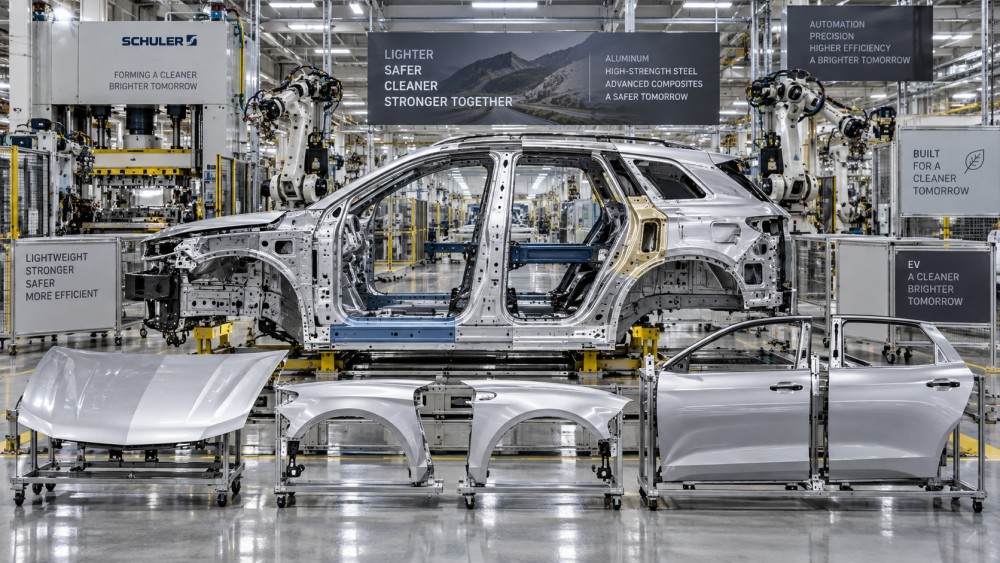
Why Multi-Material Design Is Becoming the Practical Middle Ground
Most high-volume US vehicles are unlikely to become single-material bodies. The more realistic direction is selective material placement. Aluminum may be appropriate for hoods, closures, fenders, and some large exterior panels where its corrosion behavior and mass advantage justify the cost. High-strength or ultra-high-strength steel may remain the preferred answer for reinforcements, pillars, rails, and underbody structures. Thermoplastics and composite solutions can fit panels with complex styling, integrated functions, or low-volume production needs.
The challenge is joining. Mixed-material bodies introduce concerns that do not disappear after the prototype stage: galvanic corrosion between dissimilar materials, fastener cost, adhesive compatibility, thermal expansion differences, paint-shop exposure, and repair procedures. Rivets, self-piercing fasteners, flow-drill screws, structural adhesives, clinching, and laser-based methods may all have a place, but none is a universal answer.
A procurement team should be cautious when a supplier presents material substitution as a simple part-for-part exchange. Replacing a steel panel with aluminum can change blank handling, stamping lubrication, die design, hemming performance, and surface-quality controls. Replacing metal with composite may reduce corrosion concerns but introduce questions around paint adhesion, recycling routes, thermal behavior, and field repair. The decision belongs at vehicle-system level, not solely at piece-price level.
Cost Pressure Is Filtering Out Impressive but Fragile Concepts
Automotive lightweighting is often discussed in terms of kilograms saved. Finance teams should look beyond that metric. The relevant number is closer to cost per functional outcome: mass reduction achieved while preserving manufacturability, safety contribution, surface quality, durability, and serviceability.
This matters especially in the US, where high labor costs, volatile material markets, regional supplier networks, and transport distances can reshape a sourcing decision. An imported lightweight component may look competitive until logistics, inventory buffers, tariffs where applicable, engineering change response, and quality containment are included. Conversely, a domestic supplier with higher nominal piece pricing may reduce program risk if it has nearby stamping, heat-treatment, coating, or assembly capability.
Tooling is another point where early enthusiasm can become expensive. Aluminum forming, for example, may require different die strategies and more careful management of surface defects. Hot stamping requires capital-intensive process capability and disciplined thermal control. Composite parts can be attractive where conventional stamping tools are hard to justify, yet cycle time can become the limiting factor at scale.
The strongest supplier proposals explain these trade-offs directly. They do not promise that every design can be lighter, cheaper, easier to manufacture, and more robust at the same time. Usually one variable has to give, and the best programs decide early which variable is least negotiable.
Repairability and Insurance Are Becoming More Relevant in Material Selection
Vehicle buyers may never ask what alloy is used in a hood inner panel, but they notice repair bills, parts availability, panel fit, corrosion after repair, and time spent waiting for a collision shop. These downstream considerations increasingly influence material choices, particularly for high-volume vehicles.
Aluminum repair requires appropriate shop equipment and technician practices. Multi-material assemblies can complicate damage assessment because an apparently minor exterior impact may affect bonded joints or hidden reinforcements. Some composite panels are well suited to replacing rather than repairing, but that can alter spare-parts economics. There is no single superior approach; the key is whether the OEM, repair network, and insurer can support the chosen architecture through the vehicle lifecycle.
For evaluators assessing the US automotive light weight body panel market, this is a useful screening question: does the supplier understand only factory production, or can it explain how the component behaves after a real-world impact? Suppliers with a narrow manufacturing view can still be valuable, but the program owner should ensure that repair and service implications are covered elsewhere.
Where Supplier Opportunity Is Likely to Concentrate
The most durable opportunities are likely to sit at the intersection of material expertise and process integration. Conventional stampers can remain competitive when they build capability in high-strength grades, springback control, hot stamping, tailored blank management, and automated quality verification. Aluminum specialists need to demonstrate repeatable forming, hemming, joining, corrosion management, and cosmetic surface control. Companies offering joining technologies have an opening where mixed-material designs become more common, although they must prove reliability under production conditions rather than only in laboratory trials.
There is also increasing value in early engineering involvement. By the time a part reaches final sourcing, many critical lightweighting choices have already been locked into geometry, attachment points, crash loads, and manufacturing assumptions. A supplier that enters only at quotation stage may be left competing on price. One that can support design-for-manufacture reviews, material simulations, joining trials, and validation planning has a more defensible position.
GNCS tracks this market through the broader relationship between automotive body stampings, passive safety systems, and cabin architecture. That connection matters. The body shell sets the geometry and energy-management environment in which airbags, seatbelts, seats, sensors, and occupants must perform. Lightweighting decisions should therefore be read alongside crash-energy pathways and cabin containment requirements, not as isolated sheet-metal procurement events.
What to Watch Before Making a Market Call
The market outlook will depend less on a single material trend than on the pace of platform renewal. New vehicle architectures provide the cleanest opportunity to redesign panel systems, joining methods, and supplier footprints. Facelift programs can still generate demand, but they usually favor targeted substitutions and localized improvements over radical body-in-white changes.
A disciplined assessment should examine the vehicle mix being produced in the United States, planned EV and hybrid platforms, local availability of aluminum and high-strength steel processing, hot-stamping capacity, repair-network readiness, and the OEM’s willingness to accept new joining technologies. It should also separate visible exterior panels from structural body components; they are often grouped together in market discussions but have very different qualification paths.
The US automotive light weight body panel market is not being driven by a race to eliminate steel. It is being driven by a more demanding form of engineering judgment: putting the right material in the right place, proving that it can be built consistently, and ensuring that the whole vehicle still makes sense after it leaves the assembly line.
Related News

How to Evaluate Supplier Solution References Before Signing a Contract
Evaluate supplier solution references with confidence. Learn how to verify technical evidence, identify delivery risks, and close gaps before signing a contract.
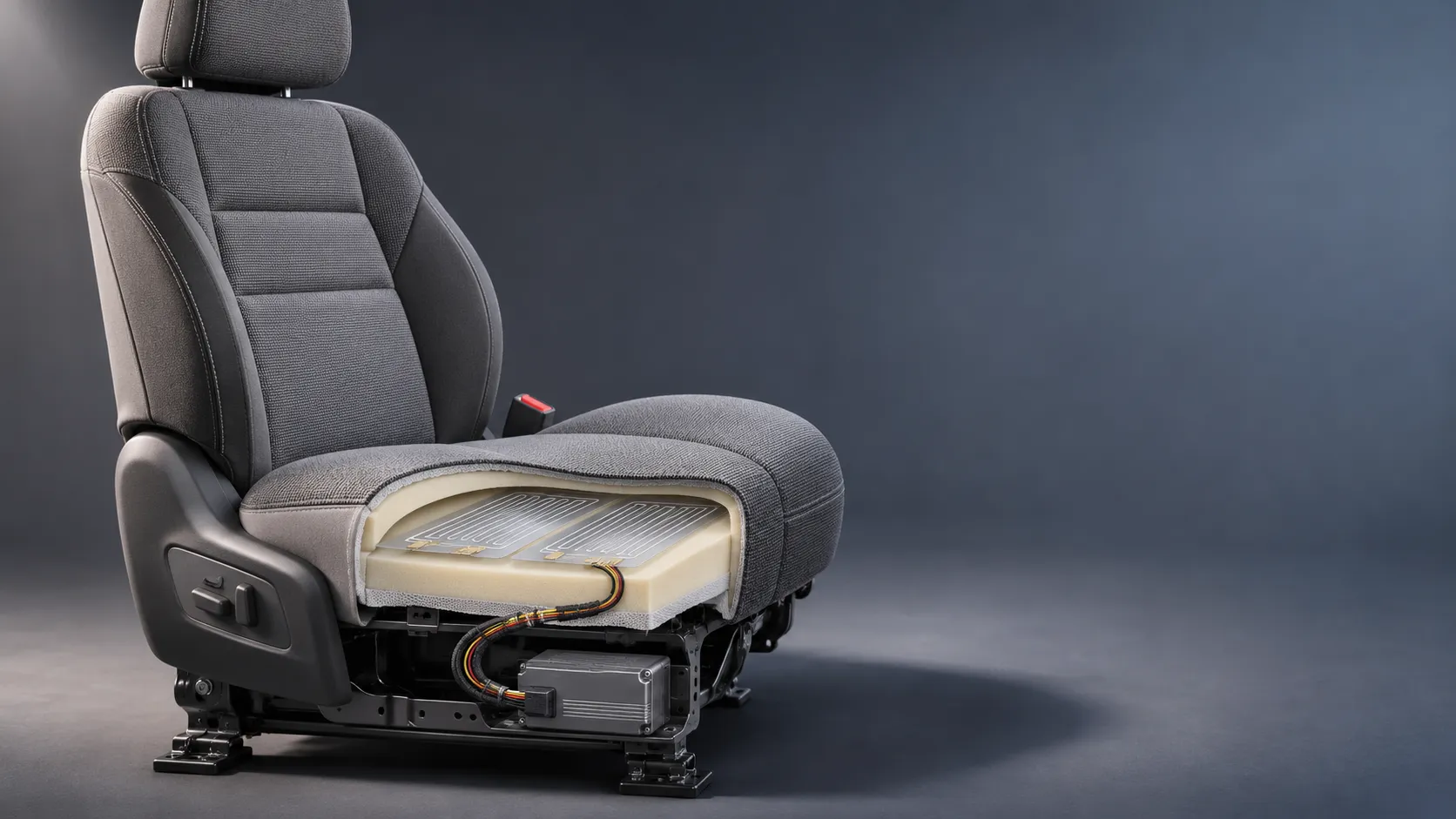
How Capacitive Seat Occupancy Sensing Works in Automotive Airbag Systems
Discover how capacitive seat occupancy sensing supports automotive airbag systems, and explore the design, calibration, and validation challenges behind reliable performance.
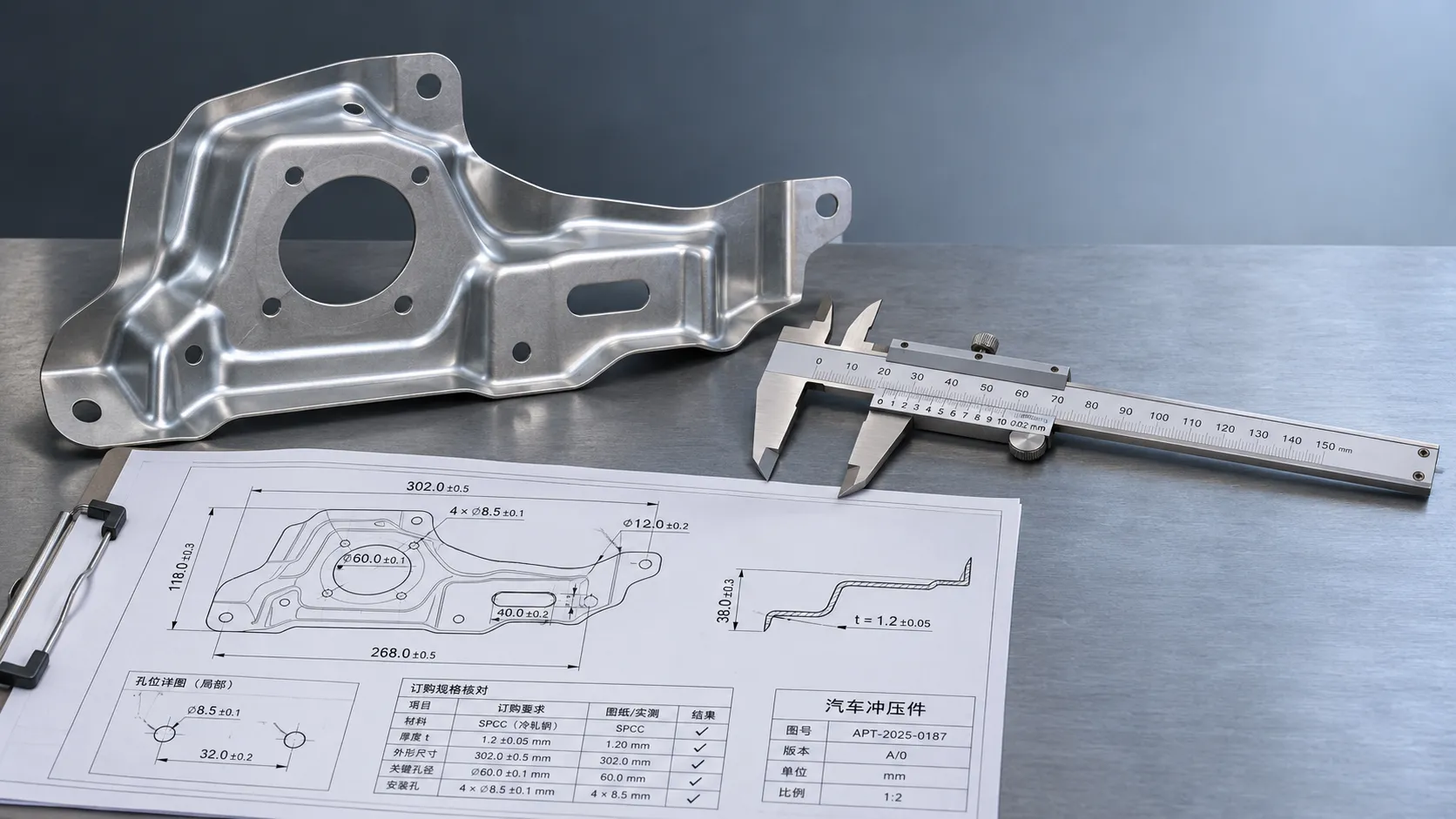
Industrial Product References: How to Verify Specs Before Ordering
Use an industrial product reference for procurement to verify specs, compatibility, and certifications before ordering—and reduce costly purchasing risks.
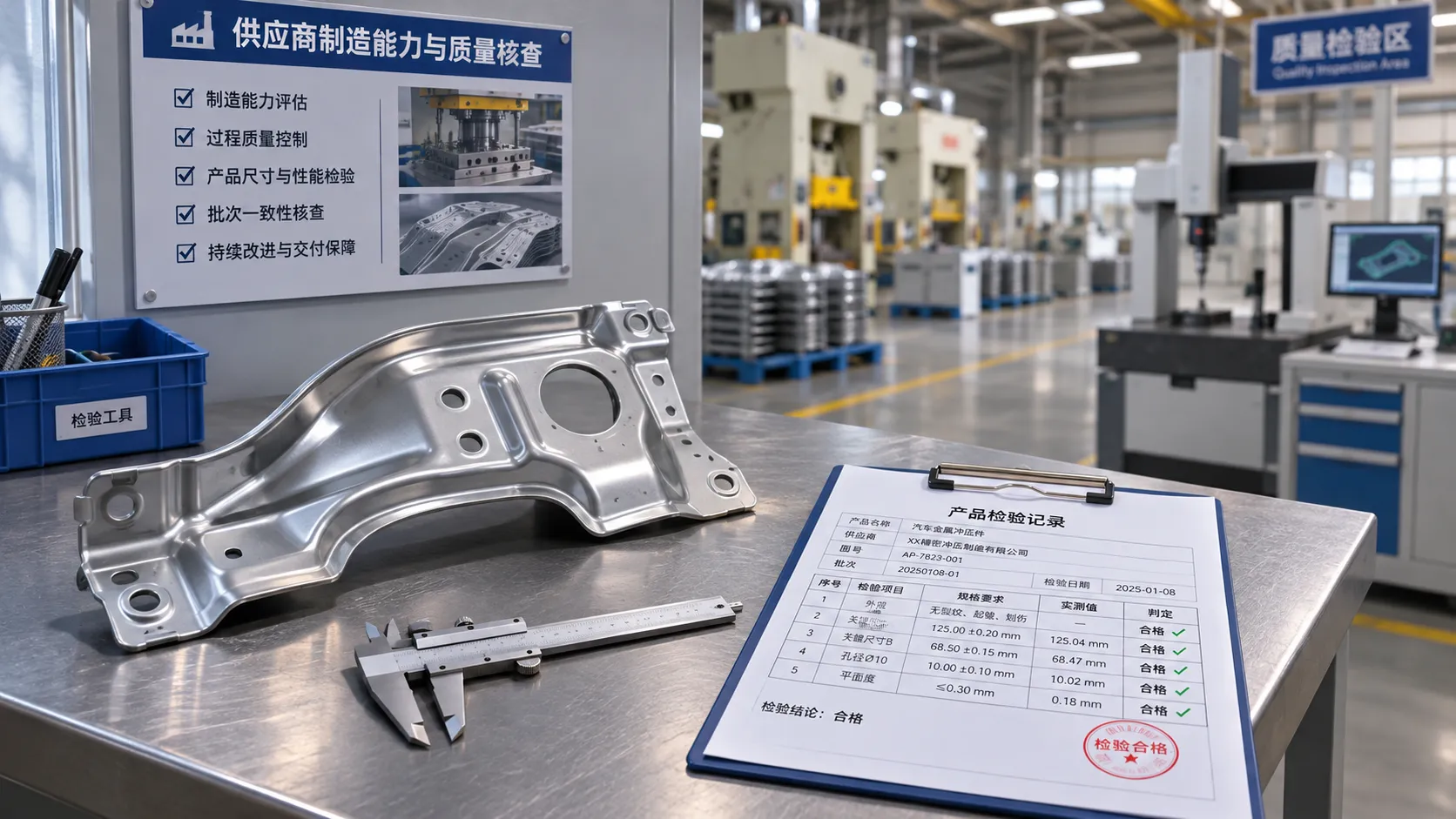
Choosing a Private Label Partner in Europe: Key Supplier Criteria
Private label cooperation Europe buyers can trust starts with the right supplier. Explore key criteria for compliance, quality, traceability and supply resilience.
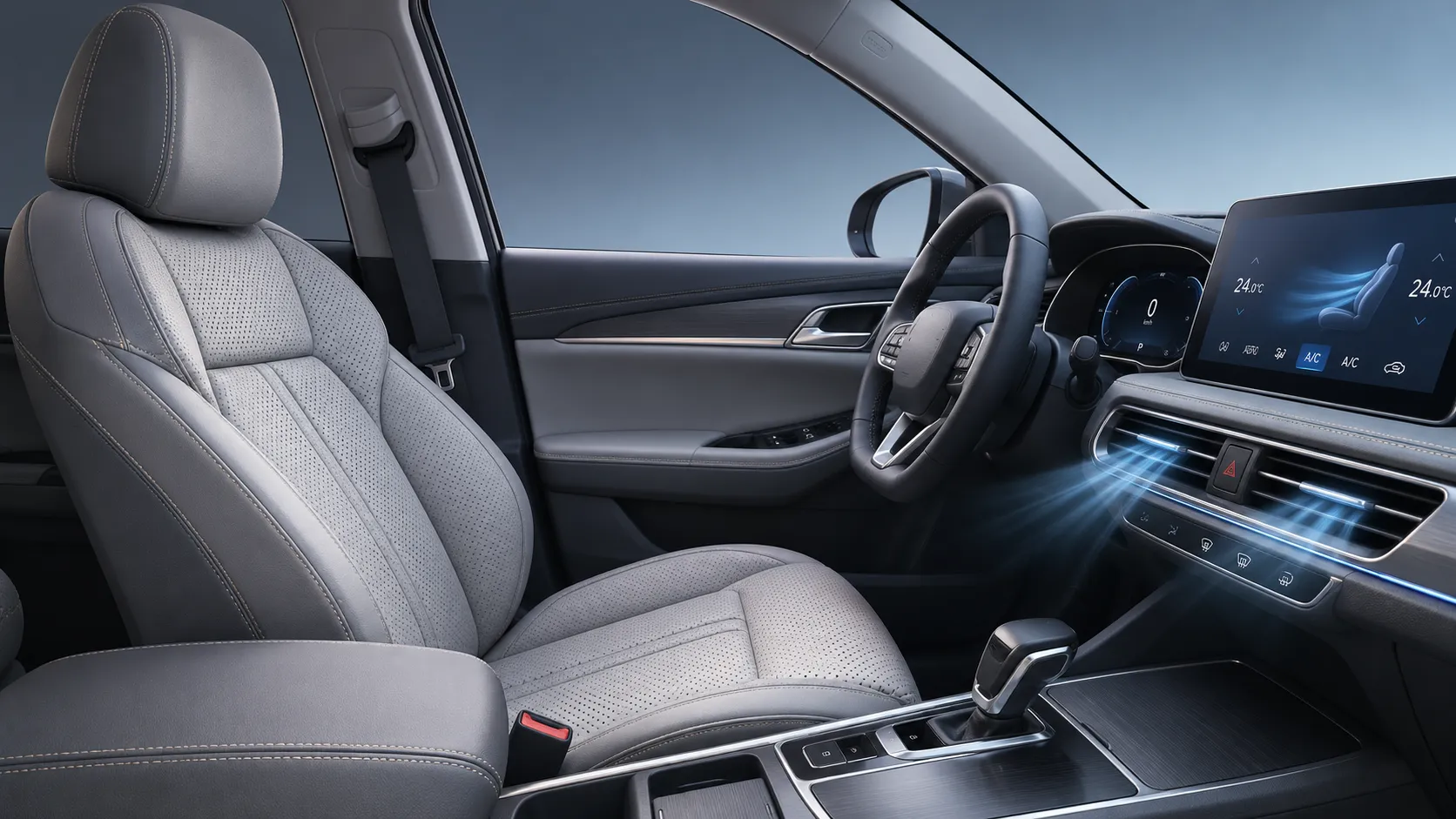
Integrated Cabin Comfort Systems: How Seat and Cabin Climate Controls Work Together
Discover how integrated cabin comfort systems coordinate seat and climate controls to balance occupant comfort, energy use, safety, and performance.
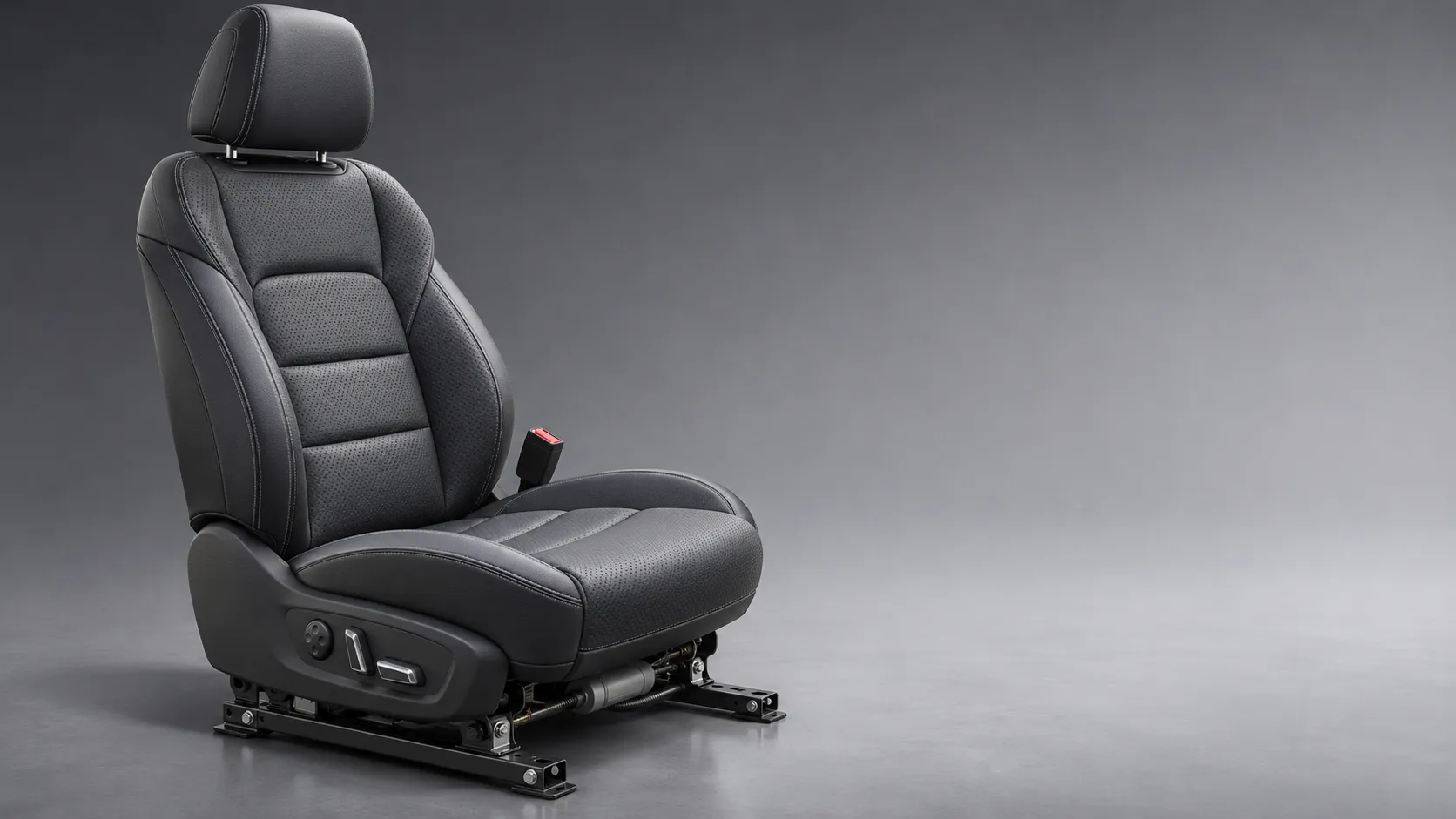
Automotive Ergonomics Pricing: What Drives Seat System Costs?
Discover what drives automotive ergonomics pricing, from seat mechanisms and safety systems to tooling and volume, and learn how to compare supplier quotes.

Evaluating Supplier Solutions: How to Verify References and Standards
Supplier solution references and standards can make or break a sourcing decision. Learn how to verify claims, assess compliance, and reduce risk before awarding a contract.
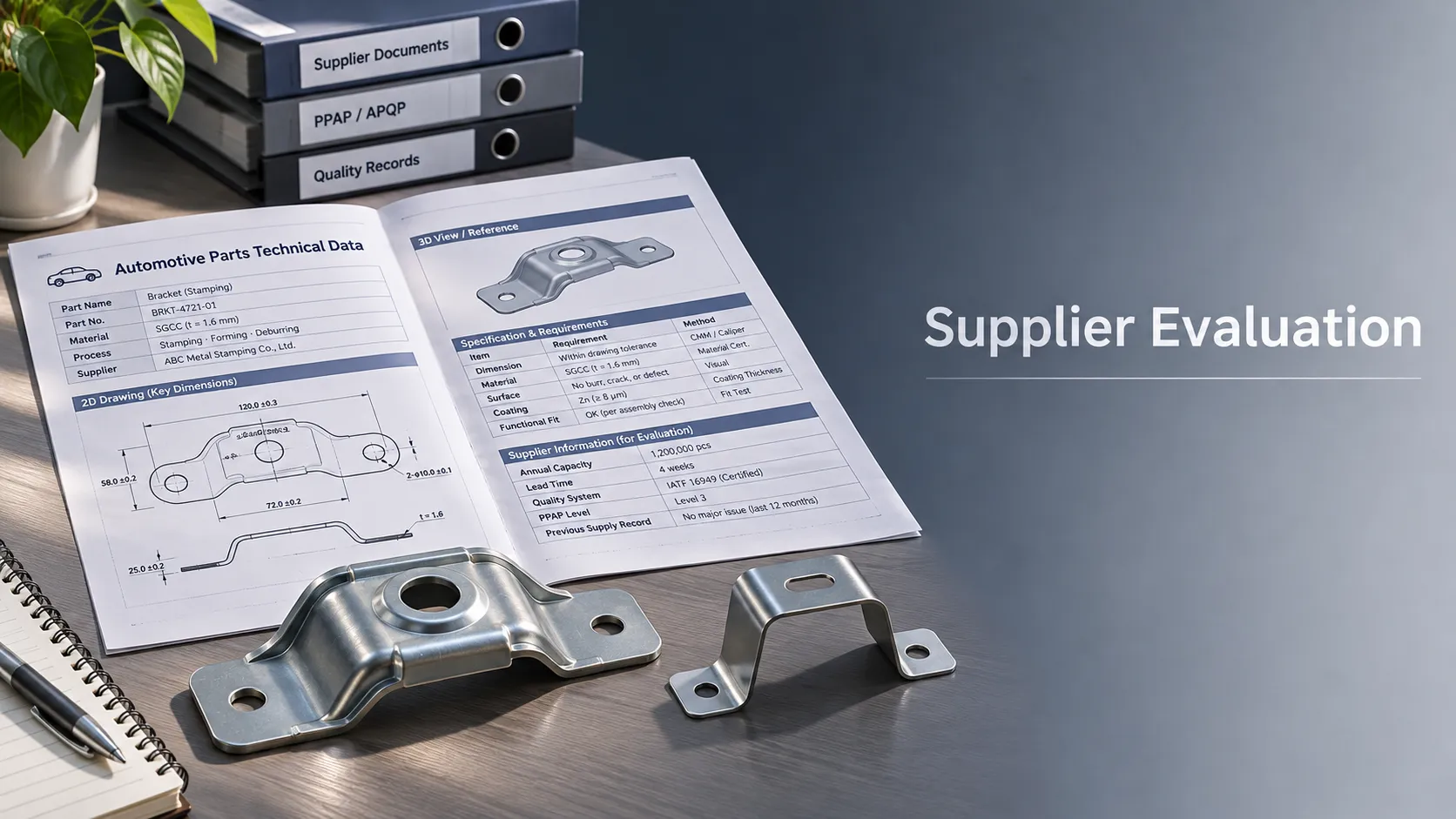
Choosing B2B Product Knowledge Platform Suppliers: Key Evaluation Criteria
Compare B2B product knowledge platform suppliers with confidence. Explore key criteria for data accuracy, supplier transparency, integrations, and value.

Choosing a Marine Radar Systems Supplier: What to Check Before Buying
Choosing a marine radar systems supplier? Compare installed costs, bridge compatibility, compliance evidence, and service support before you buy.
Related News
- 00
0000-00
Zero-Casualty Mobility in Europe: EU Policies Behind the 2050 Road Safety Goal - 00
0000-00
What is driving the US automotive light weight body panel market - 00
0000-00
What Is Driving Demand for Lightweight Automotive Bodies in Europe? - 00
0000-00
Zero-Casualty Mobility in Practice: Safety Strategies, System Design, and Deployment Challenges - 00
0000-00
Digitalized Mobility Equipment vs Conventional Systems: Where the Cost Difference Comes From
0000-00
Weekly Insights
Stay ahead with our curated technology reports delivered every Monday.