
Can zero-casualty mobility move beyond concept claims?
Can zero-casualty mobility evolve from an ambitious concept into a measurable industrial reality? Across marine navigation, lightweight body engineering, passive safety systems, and smart seating, the answer depends on how precisely technology, compliance, and real-world risk control work together. This article examines the signals, safety architectures, and strategic trends shaping the path from visionary claims to verifiable protection.
For information researchers, the central question is no longer whether safety technologies are advancing, but whether those advances can be validated across design, production, operation, and regulation. In practice, zero-casualty mobility is not a single product category. It is a systems objective shaped by navigation accuracy, crash energy management, occupant restraint timing, seat structure integrity, and the quality of compliance intelligence used by OEMs and Tier 1 suppliers.
This is where a cross-domain intelligence view matters. GNCS tracks the interaction between marine electromagnetic perception, automotive lightweight structures, passive cabin protection, and smart seating architecture. That perspective helps decision-makers judge whether a “zero-casualty mobility” claim is supported by measurable thresholds such as response latency, material strength, update cycles, occupant kinematics, and regulatory readiness over a 12–36 month product planning horizon.
Why zero-casualty mobility remains difficult to prove
The idea of zero-casualty mobility is compelling because it translates a broad safety ambition into a simple public promise. Yet industrial proof is hard because mobility risks emerge from multiple failure layers. In marine applications, a 1–3 second delay in signal interpretation can affect route decisions in dense traffic. In automotive cabin safety, milliseconds matter even more, because airbag deployment, pretensioner activation, and seat position recognition must work in coordinated sequence.
A second challenge is that safety performance is conditional. A lightweight body structure may reduce mass by 8%–15%, but if stamping geometry, joining quality, and load path design are not aligned, crash energy absorption can become less predictable. Similarly, a smart seat with sensing, micro-climate functions, and posture logic may improve long-distance comfort, yet comfort alone does not equal injury mitigation under high-G impact conditions.
Concept claims often fail at the systems boundary
Most concept claims focus on one subsystem. A radar supplier may highlight detection range. A body stamping specialist may promote ultra-high-strength steel. A passive safety manufacturer may stress inflator chemistry or restraint timing. But zero-casualty mobility only becomes credible when those subsystems are stitched together across at least 4 layers: perception, prediction, structural containment, and occupant protection.
- Perception layer: satellite positioning, sonar, AIS, cameras, and cabin sensors
- Prediction layer: path estimation, collision modeling, occupant status recognition
- Containment layer: body structure, seat frame, load paths, deformation control
- Protection layer: airbags, seatbelts, pretensioners, force limiters, seating posture response
If one layer lags, the entire claim weakens. That is why information researchers increasingly compare update frequency, failure tolerance, test coverage, and compliance traceability instead of relying on headline statements.
What can actually be measured
A practical evaluation model needs measurable indicators. The table below outlines common proof points used by technical buyers and strategy teams when assessing whether zero-casualty mobility is moving beyond narrative positioning.
The key conclusion is that zero-casualty mobility becomes more defensible when evaluation shifts from slogans to evidence windows. Buyers should ask for process stability, update discipline, and validation logic, not only top-level performance claims.
The role of intelligence platforms
Because proof requires cross-domain interpretation, intelligence portals like GNCS add value by linking standards, materials, software, and risk signals into one decision framework. For teams comparing supplier maturity, even a simple reference node such as 无 may appear in fragmented research workflows, but the real priority is to consolidate evidence around performance thresholds and compliance timing.
The four technical pillars that can make zero-casualty mobility credible
To move beyond concept claims, zero-casualty mobility needs converging progress across navigation perception, lightweight structure engineering, passive safety architecture, and occupant-machine interface design. No single pillar can compensate for a weak overall safety chain.
1. Precision navigation and spatial perception
In marine navigation, safety starts before impact. Systems that fuse GNSS, sonar, radar, and automatic identification data can improve route confidence under poor visibility, congestion, or changing weather. However, the critical metric is not only sensor count. It is signal integrity under real electromagnetic complexity, including interference, shadow zones, and degraded updates during continuous operation over 24/7 duty cycles.
Cloud-based ECDIS update discipline is another indicator. If software and chart correction cycles are irregular, operational awareness can drift from current navigational reality. A robust zero-casualty mobility pathway therefore depends on update governance as much as on sensor hardware.
2. Lightweight bodies with predictable energy paths
Automotive lightweighting is often promoted as an efficiency strategy, but for safety engineers it is a load-management strategy. Hot-stamped steel, aluminum structures, and magnesium seat-frame components can support lower mass and improved stiffness-to-weight ratios. The challenge is preserving predictable deformation behavior within tight process windows, often measured in sub-millimeter tolerance ranges and tightly controlled thermal cycles.
A lighter body is only useful for zero-casualty mobility if it maintains occupant survival space, controls intrusion, and supports restraint synchronization. If structural behavior varies too widely from design intent, downstream restraint systems may be forced to manage an unstable crash pulse.
3. Passive safety components that react within milliseconds
Airbag assemblies and seatbelt systems remain the core of physical containment protection. Their value lies in timing, not in visibility. Pretensioners may activate within milliseconds, while force limiters shape belt load transfer to reduce chest injury risk. Airbag chemistry, inflator stability, and sensor logic must remain reliable across heat, humidity, vibration, and aging conditions that can span 10–15 years of vehicle life.
This is also where regulatory convergence matters. Global assessment frameworks such as IIHS and Euro NCAP influence design targets, but engineering teams still need to calibrate for market-specific occupant profiles, seating positions, and misuse scenarios. Zero-casualty mobility cannot rely on nominal test success alone.
4. Smart seating as a safety interface, not only a comfort feature
Seat assemblies are increasingly strategic because they connect posture, sensing, comfort, and crash readiness. A seat frame, cushion geometry, sensor package, and climate subsystem must work together without compromising restraint geometry. In long-distance travel use cases, fatigue management may reduce risk exposure before a crash event, while occupant classification and seating position data improve airbag and belt strategy during the event.
For researchers evaluating zero-casualty mobility, the important shift is to treat seats as safety architecture. Smart seating contributes to pre-crash awareness, crash-phase containment, and post-crash evacuation readiness.
How buyers and researchers should evaluate suppliers and platforms
Information researchers often face a fragmented supply picture. One vendor speaks the language of software updates, another focuses on metallurgical performance, and a third emphasizes cabin restraint integration. To compare them fairly, a structured review model is essential.
A five-point evaluation framework
- Check whether the supplier can explain failure modes, not only best-case performance.
- Review validation depth across at least 3 conditions: nominal, degraded, and edge-case scenarios.
- Confirm compliance mapping to target regions and update cadence over the next 12–24 months.
- Assess manufacturing repeatability, especially for stampings, inflators, and seat mechanisms.
- Examine data handoff quality between subsystem teams, since integration gaps often create hidden risk.
This framework helps distinguish suppliers supporting zero-casualty mobility as an engineering discipline from those using it only as a positioning phrase.
The following table can be used during sourcing, benchmarking, or strategic intelligence reviews to compare capabilities with more precision.
A strong candidate should be able to answer these questions with design logic, process detail, and implementation timing. Vague responses usually indicate a concept-level narrative rather than a deployable safety roadmap.
Common mistakes in market research
One common mistake is treating all safety technologies as interchangeable. Marine navigation redundancy, hot-stamped body stiffness, airbag chemistry, and smart seat sensing solve different parts of the risk chain. Another mistake is overvaluing a single certification milestone without checking production discipline, update management, or subsystem interoperability.
Researchers should also be cautious about language inflation. Terms such as “full protection,” “intelligent safety,” or “future-proof mobility” often hide unresolved integration issues. If a source cannot describe 3–5 implementation constraints, it is unlikely to provide decision-grade insight. Even when a placeholder reference like 无 surfaces during sourcing, the real task is still evidence filtering and cross-functional verification.
What will determine progress over the next 3 to 5 years
The next stage of zero-casualty mobility will be shaped less by isolated breakthroughs and more by integration maturity. Three forces are especially important: digital update governance, material-process consistency, and cross-domain compliance intelligence.
Digitalization will become a safety maintenance function
In navigation systems, updateable software and chart logic already affect operational safety. In automotive systems, over-the-air calibration, sensing refinement, and diagnostic feedback loops will increasingly influence passive and pre-crash readiness. That means software discipline may become as important as hardware validation in any serious zero-casualty mobility strategy.
Materials innovation will be judged by repeatability, not novelty
New alloys, non-toxic propellants, and seat-frame lightweighting approaches will continue to attract attention. But adoption will depend on whether they can maintain stable performance through sourcing variation, tooling wear, and environmental exposure. Buyers will increasingly ask whether a material can hold its target function after thousands of cycles, not just whether it looks promising in engineering samples.
Intelligence stitching will separate signal from noise
The mobility equipment market produces a high volume of claims, updates, and fragmented technical releases each quarter. Platforms that connect marine perception, structural engineering, passive safety, and seating ergonomics into one review framework will be more valuable than those publishing isolated news. For B2B teams, this reduces research time, improves sourcing confidence, and supports earlier identification of compliance or integration risk.
Zero-casualty mobility can move beyond concept claims, but only when it is treated as a measurable systems discipline. The most credible path combines precision navigation, predictable lightweight structures, millisecond-level occupant protection, and smart seating that supports both comfort and crash readiness. For information researchers, the practical goal is to test every claim against validation depth, production consistency, regulatory timing, and integration evidence.
GNCS is positioned to support that evaluation with cross-domain intelligence spanning marine navigation systems, auto body stampings, airbag assemblies, seatbelt systems, and auto seat assemblies. If you are assessing suppliers, tracking safety technology evolution, or building a sourcing roadmap around zero-casualty mobility, now is the right time to obtain a more structured evidence base. Contact us to explore tailored intelligence support, consult technical trends, or learn more solutions for safety-driven mobility decision-making.
Related News
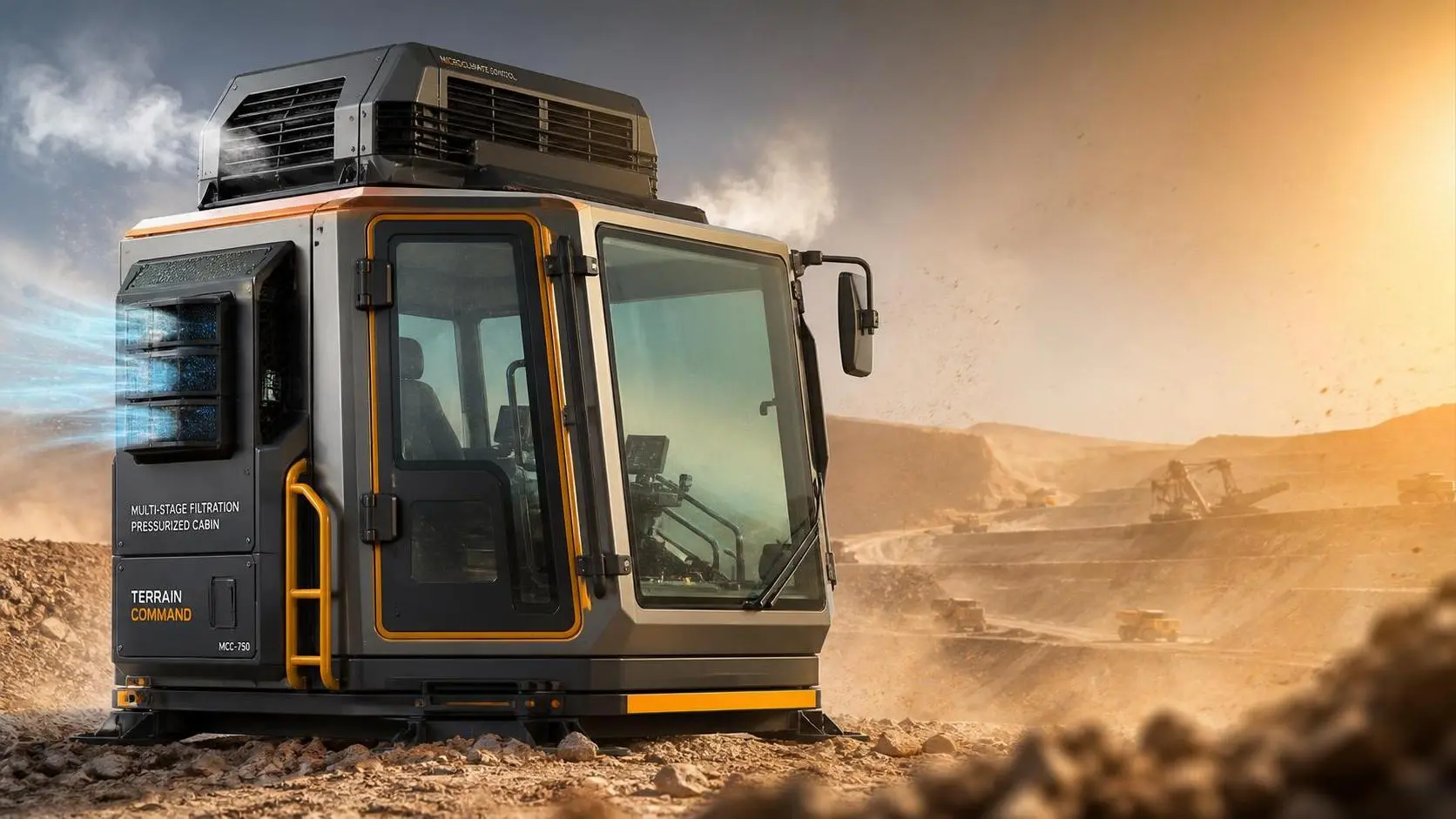
How to Specify Micro-Climate Control Cabins for Harsh Outdoor Worksites?
Micro-climate control cabins for harsh outdoor worksites: learn how to specify thermal control, filtration, pressurization, and durability for safer uptime and smarter buying.
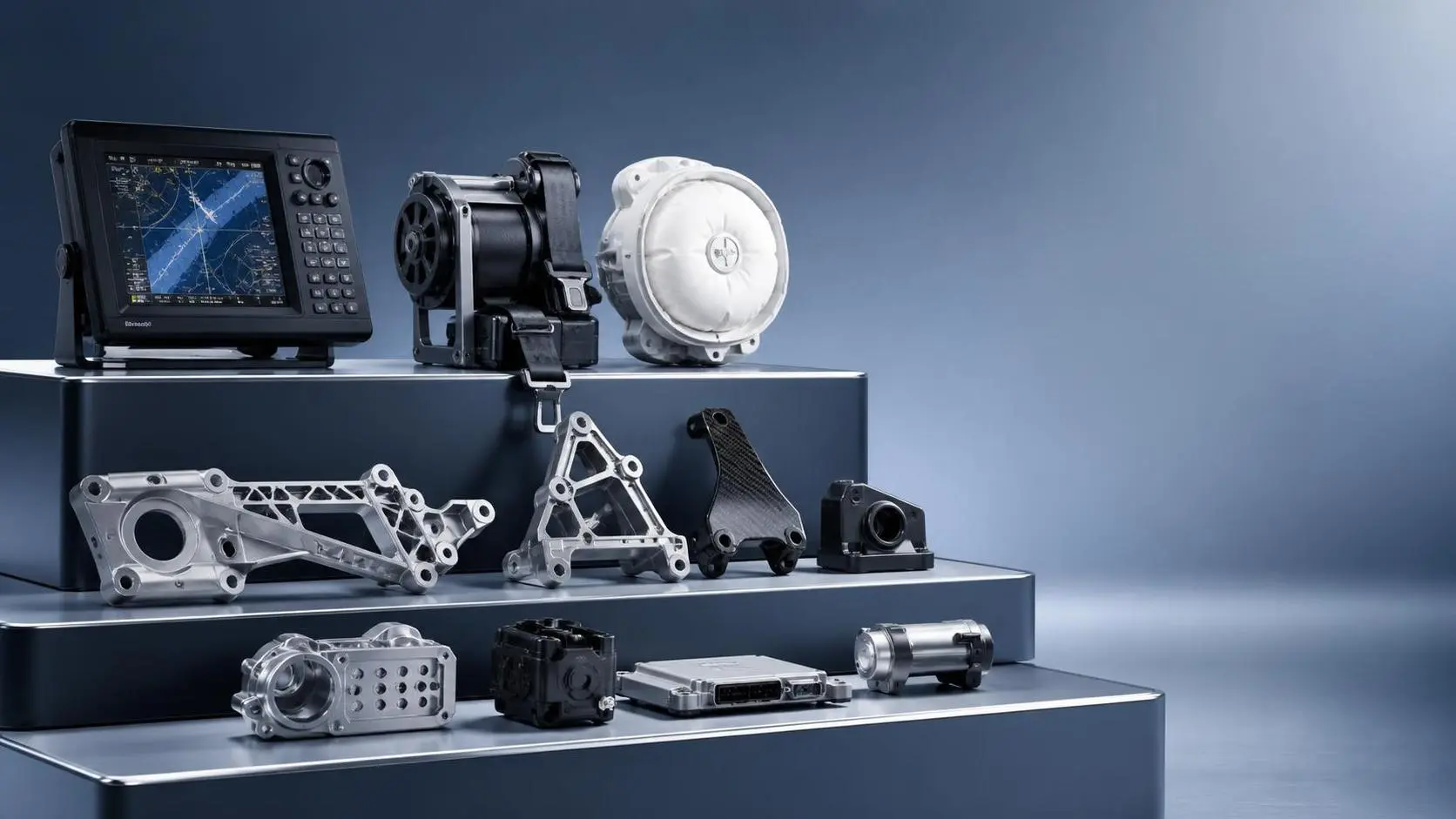
How to Evaluate a B2B Product Knowledge Platform for Faster Procurement Decisions
B2B product knowledge platform procurement starts with reducing decision risk. Learn how to compare specs, compliance, and supplier data to speed sourcing with confidence.
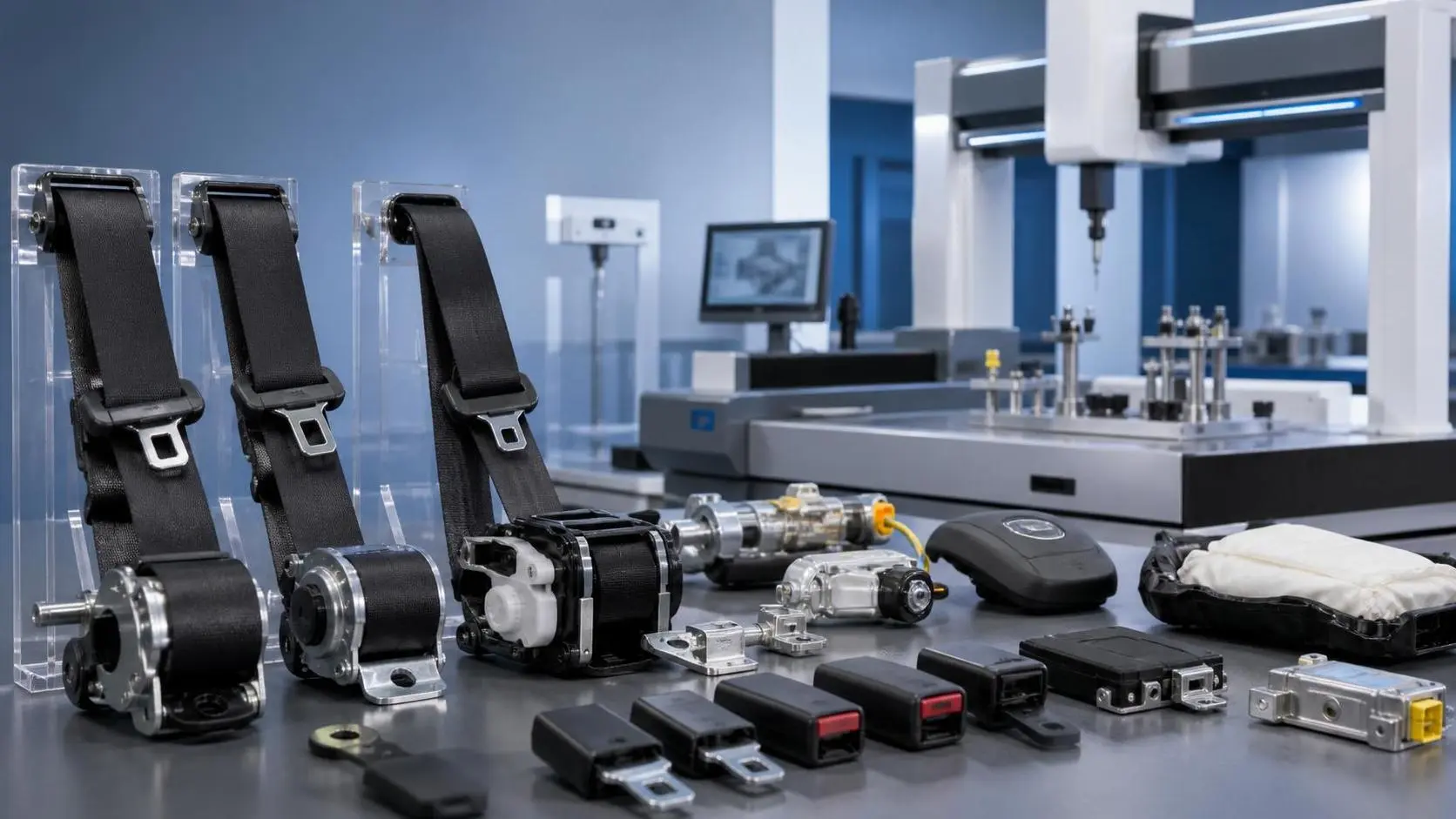
How to Evaluate an Occupant Restraint Systems Exporter for Quality, Compliance, and Supply Risk
Occupant restraint systems exporter evaluation guide: learn how to verify quality controls, compliance evidence, and supply risk before sourcing to avoid recalls, delays, and hidden costs.
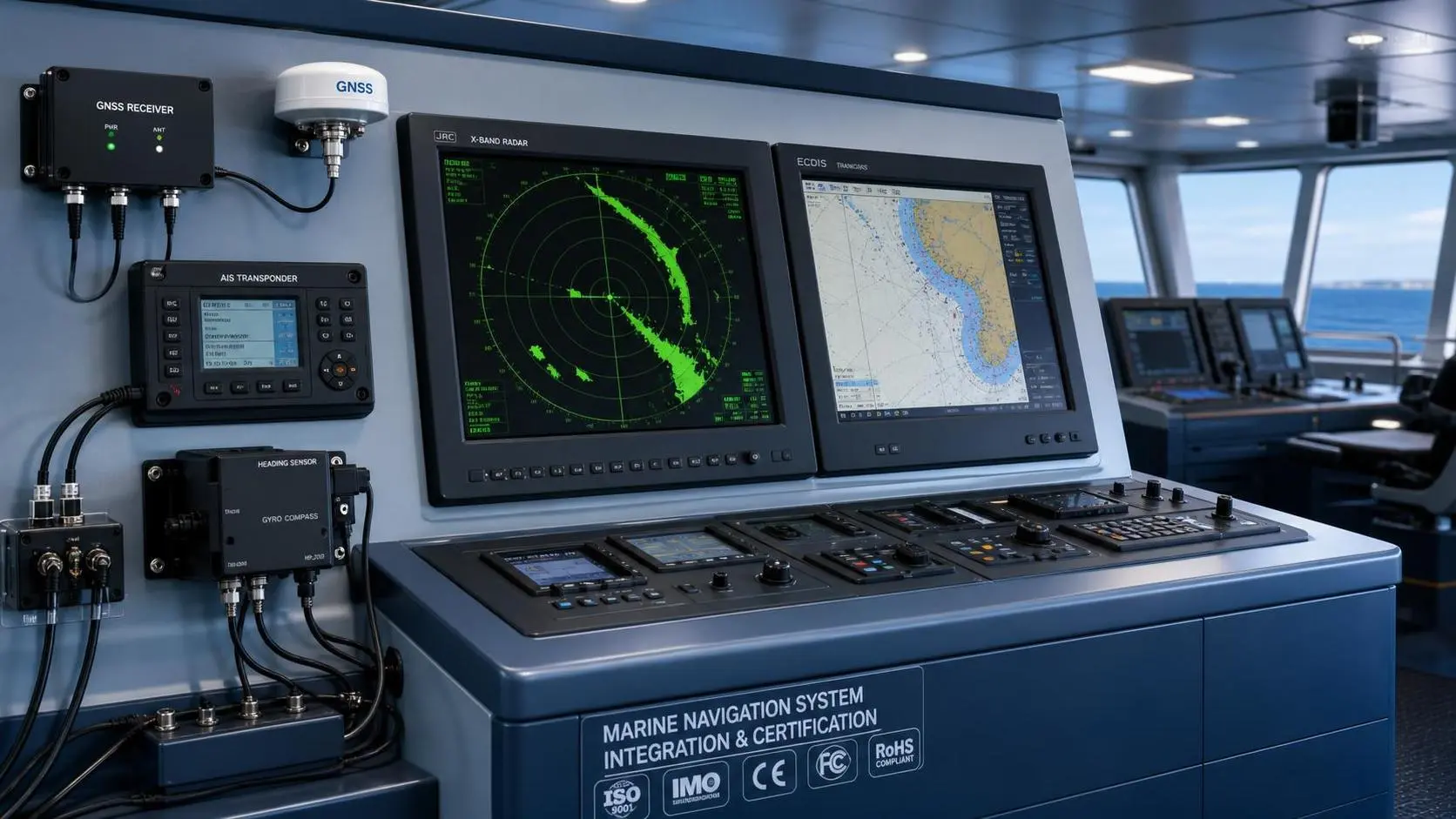
Navigation Compliance Certification: Which Marine Systems Need It and How to Prepare?
Navigation compliance certification explained: discover which marine systems need approval, what documents matter, and how to prepare early to avoid delays, rework, and costly project risks.
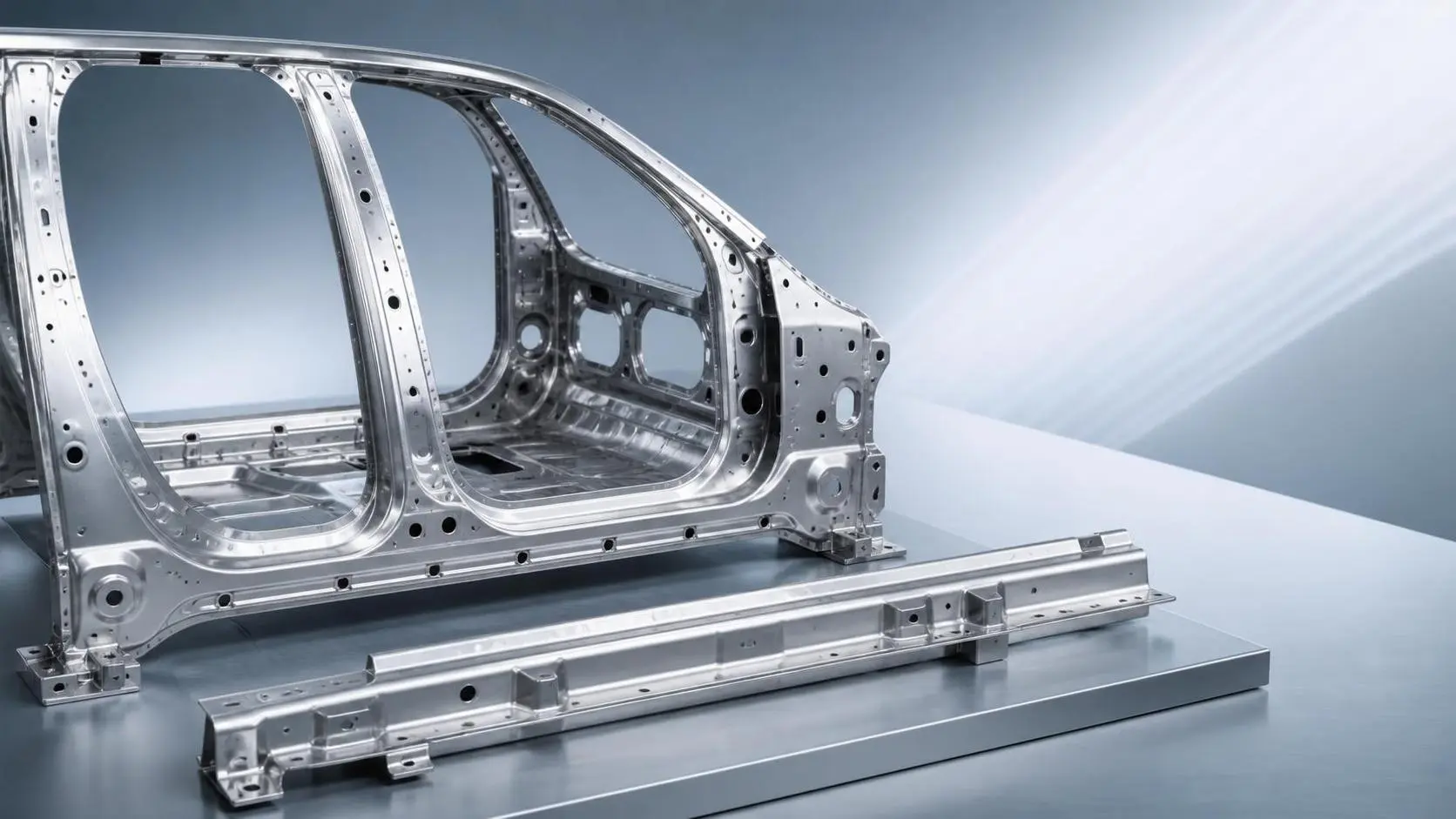
How to Evaluate Steel Auto Body Stampings for Strength, Fit, and Cost
Steel auto body stampings should be judged by strength, fit, and total cost together. Learn how to compare materials, forming limits, springback, joining, and tooling before choosing.
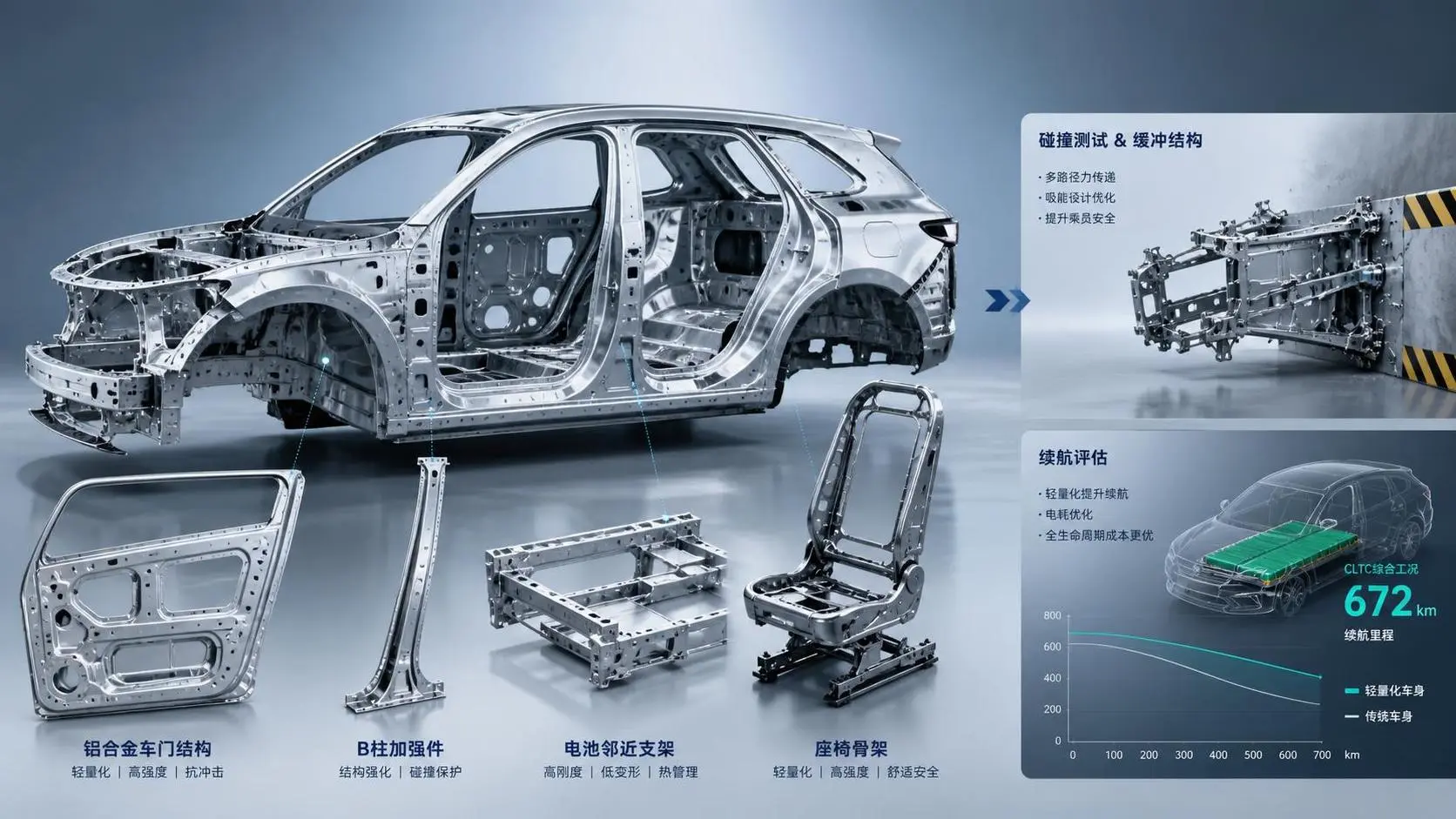
How to Evaluate Lightweight Automotive Components for EV Range and Crash Performance
Lightweight automotive components for EVs: learn how to evaluate real range gains, crash performance, joining risk, and manufacturability to choose safer, smarter EV parts.
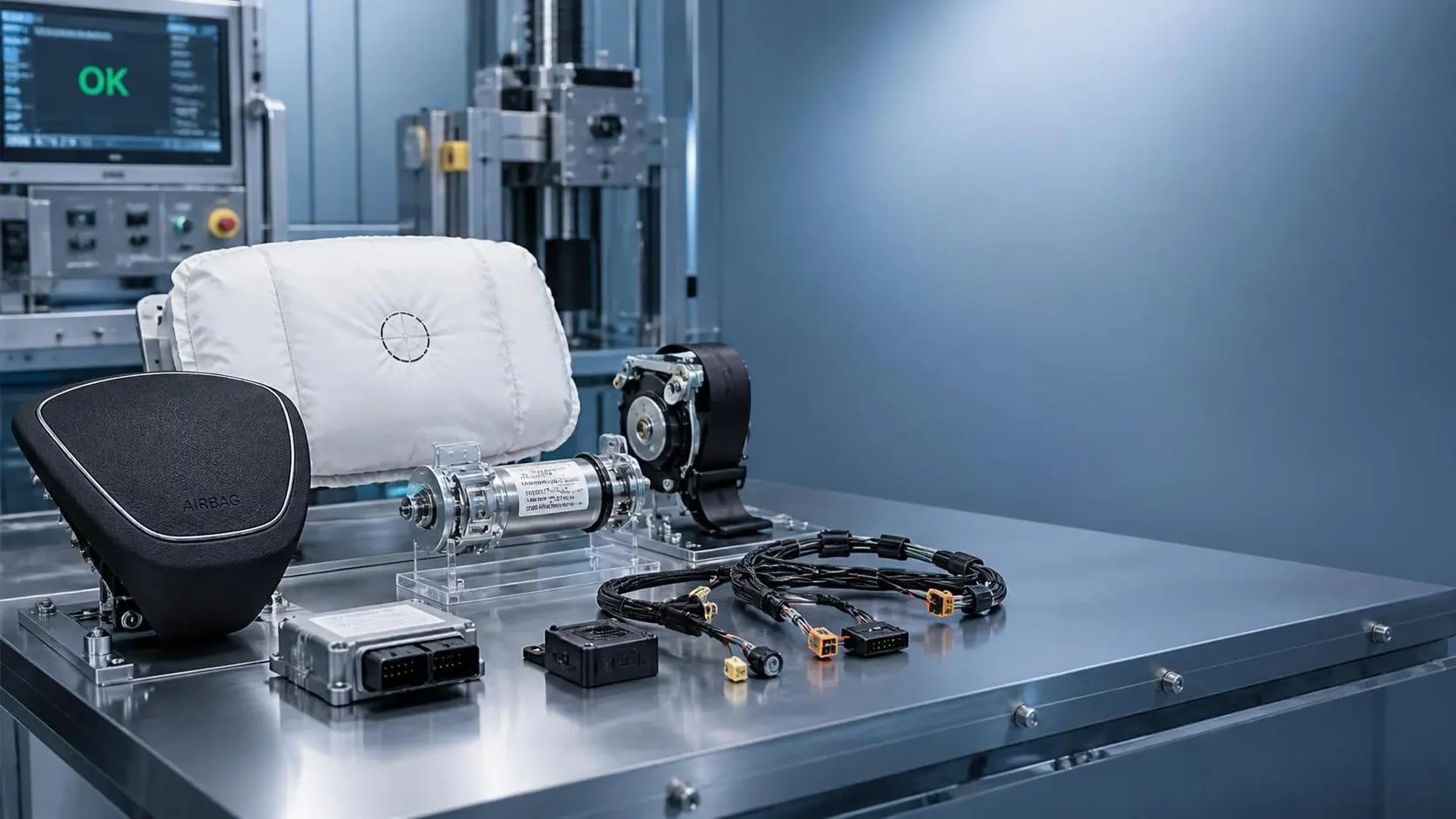
How to Evaluate Airbag Components for OEM Safety Performance and Compliance?
Airbag components evaluation guide for OEM teams: compare deployment performance, inflator consistency, compliance evidence, and supplier traceability to reduce safety risk and choose with confidence.
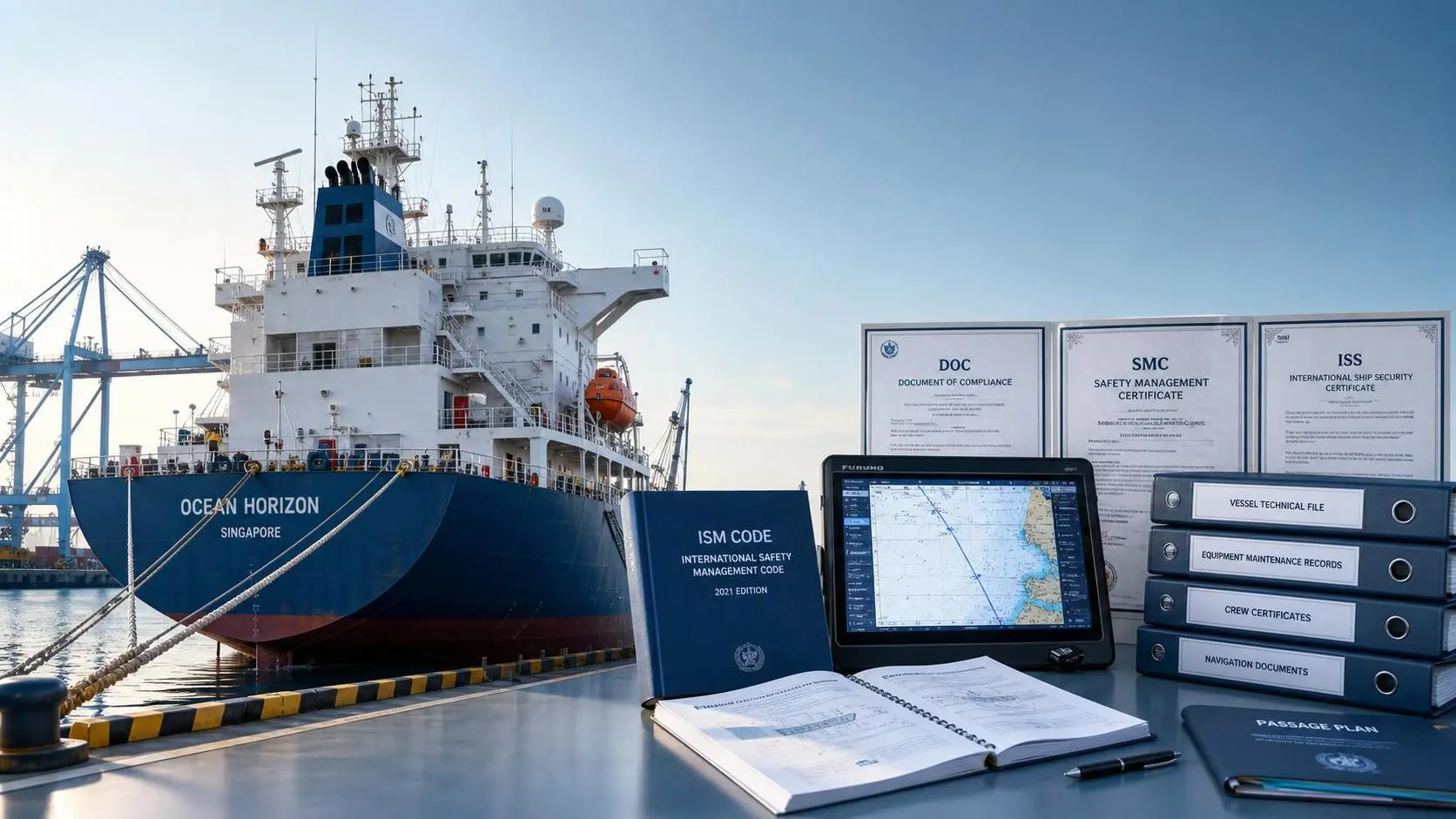
Maritime Compliance Information Standards: What Ship Operators Must Check
Maritime compliance information standards explained for ship operators: learn the key checks for navigation, documentation, updates, and crew readiness to reduce risk and avoid costly delays.

How to Evaluate Cargo Marine Sonar Systems for Detection Range and Vessel Fit
Cargo marine sonar systems: learn how to assess usable detection range, hull fit, noise risk, and bridge integration to choose a reliable solution for real cargo vessel operations.
Related News
- 00
0000-00
Zero-Casualty Mobility in Practice: Safety Strategies, System Design, and Deployment Challenges - 00
0000-00
Digitalized Mobility Equipment vs Conventional Systems: Where the Cost Difference Comes From - 00
0000-00
How automotive crash protection is changing in 2026 - 00
0000-00
Why are non-toxic propellants gaining ground in new programs? - 00
0000-00
Can zero-casualty mobility move beyond industry talk
Weekly Insights
Stay ahead with our curated technology reports delivered every Monday.