
Smart Sensing Trends Reshaping Vehicle Safety Performance
As vehicle architectures evolve, smart sensing is becoming a decisive force in safety performance, enabling faster risk detection, more precise occupant protection, and smarter cabin responses. For technical evaluation, the value of smart sensing now goes beyond adding more sensors. It lies in how data is fused across body structures, restraint systems, airbags, and intelligent seats to improve real-world crash outcomes, occupant monitoring, and regulatory readiness. In a mobility landscape shaped by lightweight bodies, connected electronics, and stricter safety standards, understanding smart sensing trends helps clarify where safety gains are measurable, where integration risks remain, and which solutions are most likely to scale.
What does smart sensing mean in modern vehicle safety?

Smart sensing in vehicle safety refers to the use of interconnected sensors, embedded software, and decision logic to detect conditions inside and outside the cabin, interpret risk, and trigger the most appropriate safety response. Traditional sensing often worked in isolated domains: a crash sensor triggered an airbag, a seat switch detected occupancy, or a radar measured distance. Today, smart sensing combines these inputs into a coordinated safety architecture.
In practice, this includes pressure sensors, accelerometers, interior cameras, seat position sensors, belt load sensors, steering inputs, radar, ultrasonic modules, and even thermal or biometric monitoring. The importance is not the sensor count alone, but whether the system can correctly classify events such as pre-crash braking, side impact severity, child presence, out-of-position occupants, or post-crash emergency needs.
This is where GNCS-relevant sectors connect. Lightweight body stampings affect deformation paths. Airbag assemblies depend on precise timing. Seatbelt systems require intelligent pretensioning and force limiting. Smart seats provide occupant posture and weight-distribution data. Smart sensing acts as the coordination layer that links physical protection with digital perception.
Why is smart sensing reshaping vehicle safety performance now?
Several trends are making smart sensing central to safety performance. First, vehicle cabins are becoming more dynamic. Reclined seating, larger center consoles, rotating displays, and comfort-focused seating layouts mean occupant position is less predictable than in older vehicles. Passive safety systems can no longer assume a standard posture at the moment of impact.
Second, lightweight structures are changing crash behavior. Advanced high-strength steel, aluminum, and mixed-material bodies improve efficiency, but they also require more accurate impact interpretation. Smart sensing helps identify collision type and severity quickly enough to optimize restraint deployment in milliseconds.
Third, global compliance expectations are moving toward more comprehensive occupant protection. Programs such as IIHS and Euro NCAP increasingly reward systems that combine prevention, detection, and protection. That means cabin monitoring, child presence detection, belt usage intelligence, and side-impact adaptation are becoming more relevant in safety scoring and product planning.
Finally, electronics consolidation is accelerating. Domain controllers and zonal architectures make it more practical to merge sensing streams. Instead of separate islands of safety logic, smart sensing supports shared perception across cabin and chassis functions, improving both response speed and system consistency.
Which vehicle systems gain the most from smart sensing integration?
The strongest gains usually appear where sensor data can directly influence protection timing, force, or geometry. Four systems stand out.
1. Airbag assemblies
Airbags benefit when smart sensing can distinguish frontal, oblique, rollover, and side events, then match inflation strategy to occupant size and seating position. Better classification reduces both under-protection and unnecessary deployment aggressiveness.
2. Seatbelt systems
Pretensioners and force limiters become more effective when linked to pre-crash data, occupant weight, and seat position. Smart sensing allows restraint forces to be tuned more precisely, especially during multi-stage crash events.
3. Smart seat assemblies
Seats are no longer passive structures. Occupancy detection, posture sensing, micro-movement tracking, and seat track position all influence how the body interacts with airbags and belts. A seat with integrated smart sensing can improve occupant classification and reduce misalignment between comfort settings and protection design.
4. Body structure response
Although body stampings are mechanical components, smart sensing improves how structural events are interpreted. Sensor-informed crash pulse analysis helps safety systems react to deformation characteristics in lightweight platforms, especially where material combinations create different energy absorption patterns.
How can smart sensing be evaluated beyond marketing claims?
A useful assessment starts with three questions: what exactly is being sensed, how the data is fused, and what safety action changes because of that information. If a system detects occupant posture but does not modify restraint logic, the safety value may be limited. If it changes deployment thresholds, pretension timing, or seat-position warnings, the impact is clearer.
Evaluation should also consider robustness. Smart sensing must perform under variable lighting, clothing types, seat covers, vibration, temperature swings, electromagnetic interference, and aging. A high-performing lab setup is not enough if classification accuracy drops in fleet conditions.
Another key factor is fail-safe behavior. Safety systems must degrade predictably when a sensor becomes blocked, disconnected, or uncertain. Good smart sensing architecture does not simply add intelligence; it defines confidence levels, fallback logic, and diagnostic transparency.
- Check whether the sensing result changes restraint or warning behavior.
- Review performance across edge cases, not only standard test conditions.
- Confirm compatibility with crash regulations and cabin monitoring expectations.
- Assess software update strategy and validation traceability.
What risks and misconceptions should be considered before implementation?
One common misconception is that more sensors automatically mean safer vehicles. In reality, poorly synchronized or weakly validated sensor stacks can create ambiguity, false positives, or delayed decisions. Smart sensing only improves safety when the full chain—from detection to algorithm to actuator response—is engineered as one system.
Another risk is underestimating packaging and calibration complexity. Sensors placed in seats, pillars, dashboards, and body zones must withstand manufacturing variation and service conditions. In lightweight cabins, even small structural changes can alter signal behavior. This makes cross-domain validation essential, especially when combining smart seating, passive safety electronics, and mixed-material body structures.
Data governance also matters. Interior monitoring can support protection, child detection, and driver awareness, but privacy expectations and regional compliance frameworks must be respected. The most scalable smart sensing strategies define clear data purpose, retention logic, and cybersecurity controls from the beginning.
How should future smart sensing decisions be prioritized?
The strongest roadmap usually starts with safety functions that deliver measurable protection gains within existing architectures. Examples include occupant classification improvements, belt and airbag coordination, child presence detection, and seat-position-aware deployment logic. These functions often create immediate value because they connect directly to injury reduction and compliance alignment.
A second priority is selecting smart sensing solutions that scale across platforms. Systems that can adapt to different seat frames, body structures, and electronic architectures usually offer better lifecycle efficiency than highly customized designs. Integration with software-defined vehicle strategies is especially important as update capability becomes a competitive and regulatory consideration.
The final priority is evidence. Safety decisions should be guided by crash correlation, sensor confidence mapping, and repeatable validation results. Where possible, compare claims against scenario-based testing: varying occupant sizes, off-nominal seating postures, side impacts, rollover sequences, and post-crash response needs.
Smart sensing is no longer a peripheral feature in vehicle safety. It is becoming the operating logic that links intelligent seats, passive safety components, and lightweight body systems into a more responsive protection network. The most important shift is not from mechanical safety to digital safety, but from isolated functions to coordinated safety intelligence.
For the next step, focus on mapping where smart sensing can change actual restraint behavior, where validation gaps remain, and how those choices align with evolving global safety requirements. That approach creates a clearer path to stronger safety performance, more resilient product planning, and more credible technical differentiation.
Related News
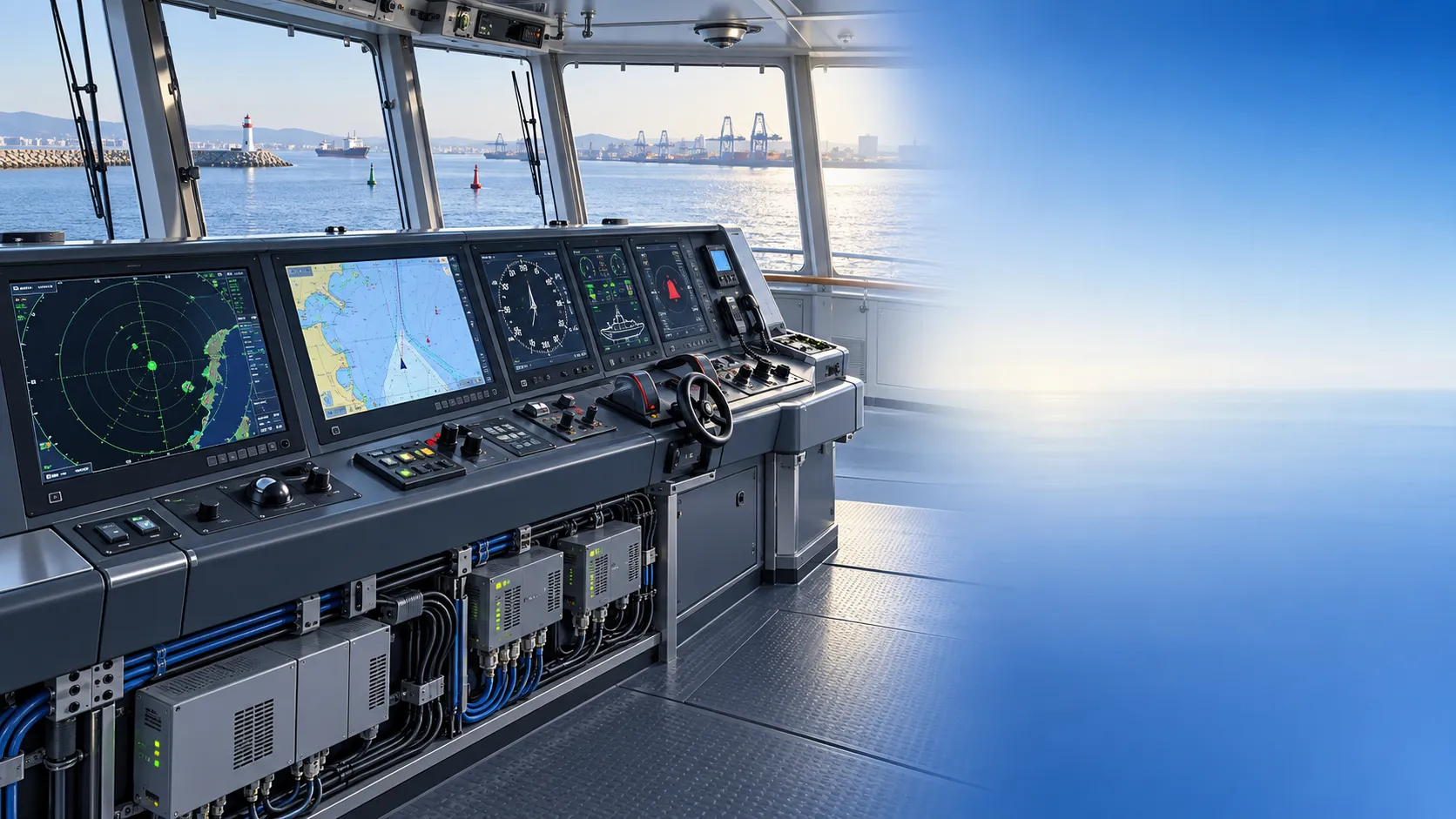
How to Specify Integrated Marine Electronics for Reliable Bridge Operations
Integrated marine electronics: learn how to specify reliable bridge systems with clear data flows, redundancy, alarm control, lifecycle interfaces, and operational testing.

How to Evaluate Navigation Radar Manufacturers for Commercial Vessel Projects
Navigation radar manufacturers: learn how to compare performance, compliance, integration, support, and lifecycle cost for commercial vessel projects.
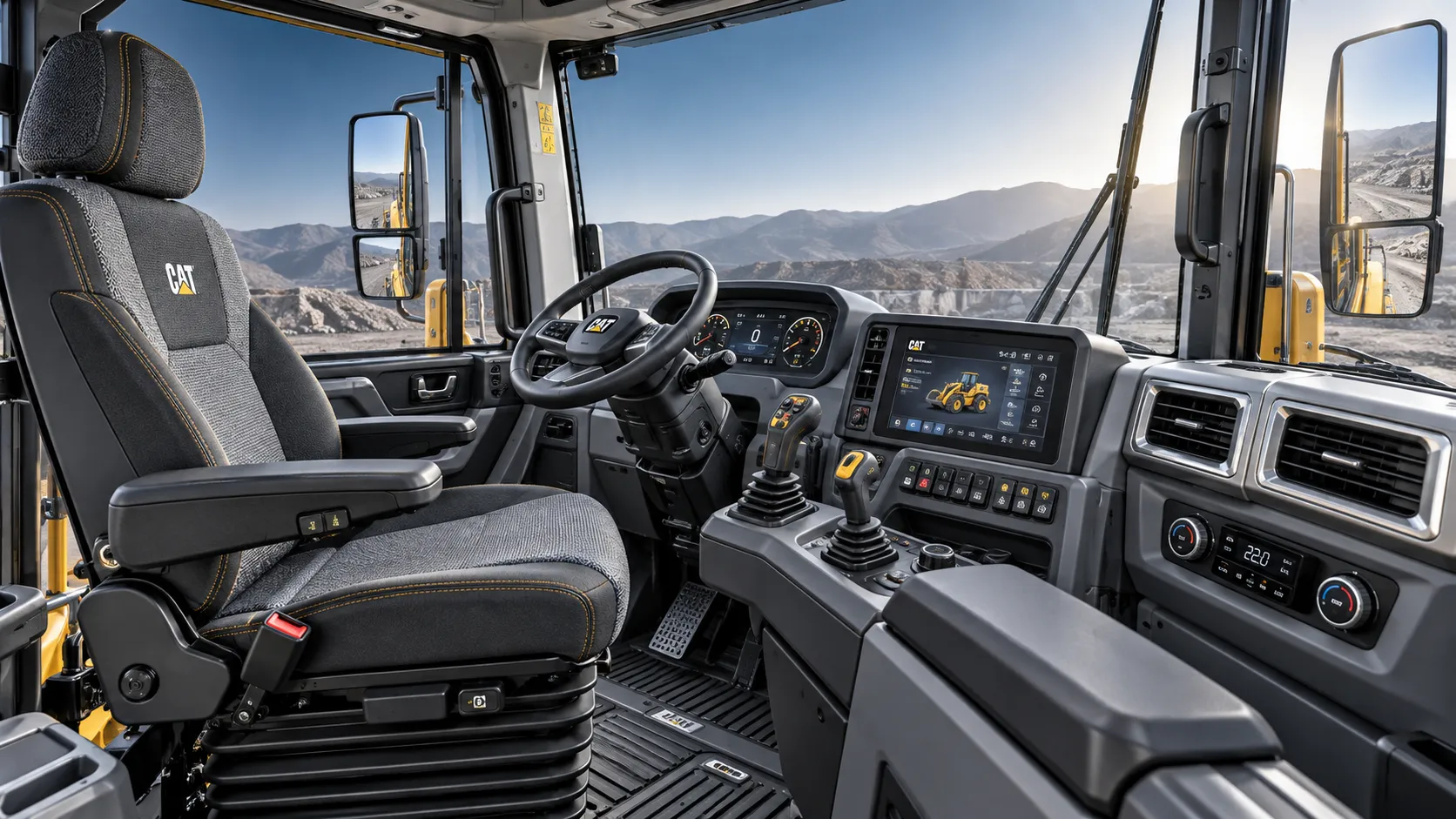
How Adjustable Cabin Ergonomics Reduce Operator Fatigue in Long-Shift Vehicles
Adjustable cabin ergonomics reduces operator fatigue through better seating, reach, visibility, vibration control, and climate comfort for safer long-shift vehicles.
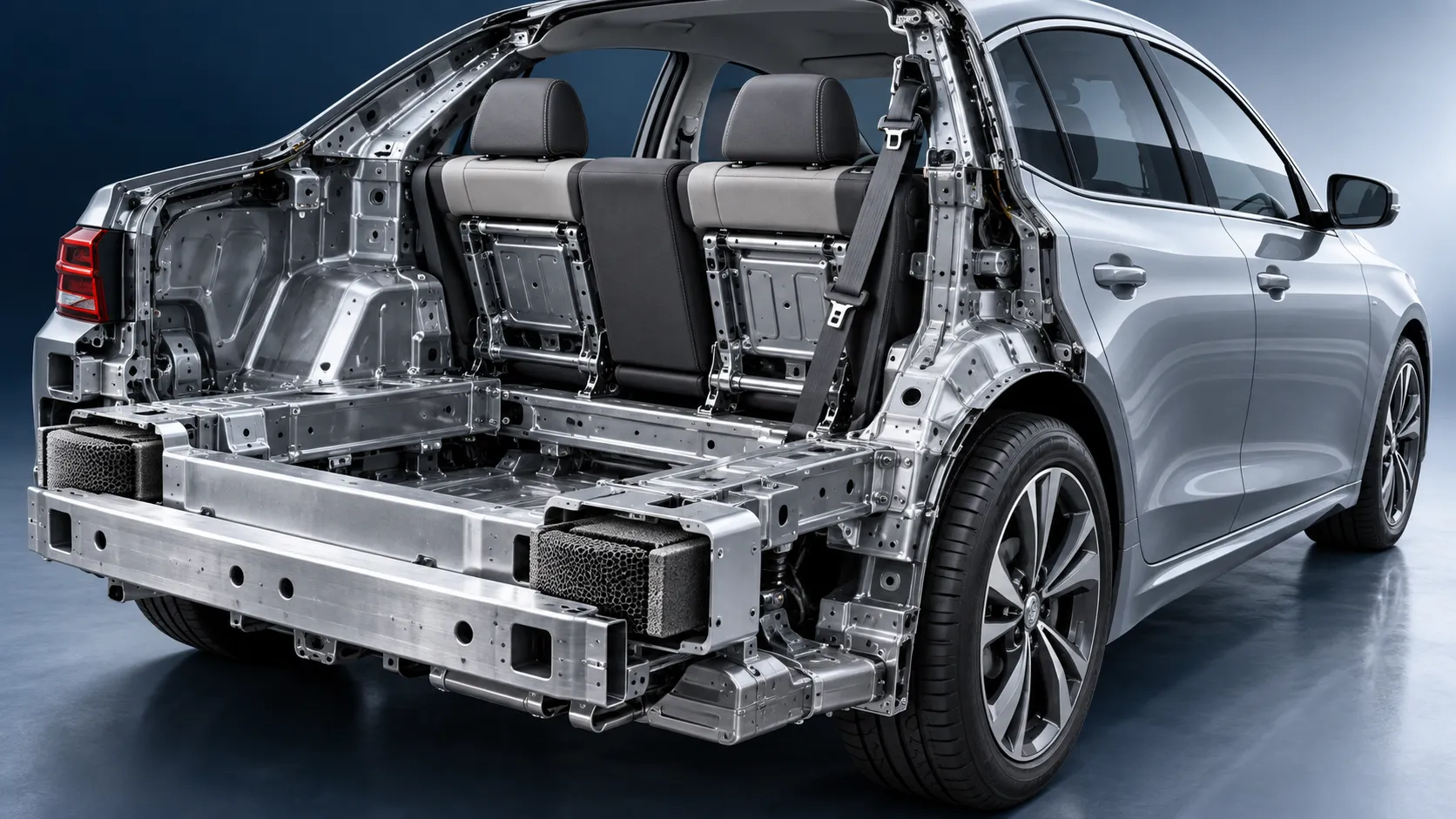
How Rear-Impact Safety Components Work Together to Protect Vehicle Occupants
Explore how automotive safety components for rear impact work together—from crash structures and seats to head restraints and belts—to enhance occupant protection.
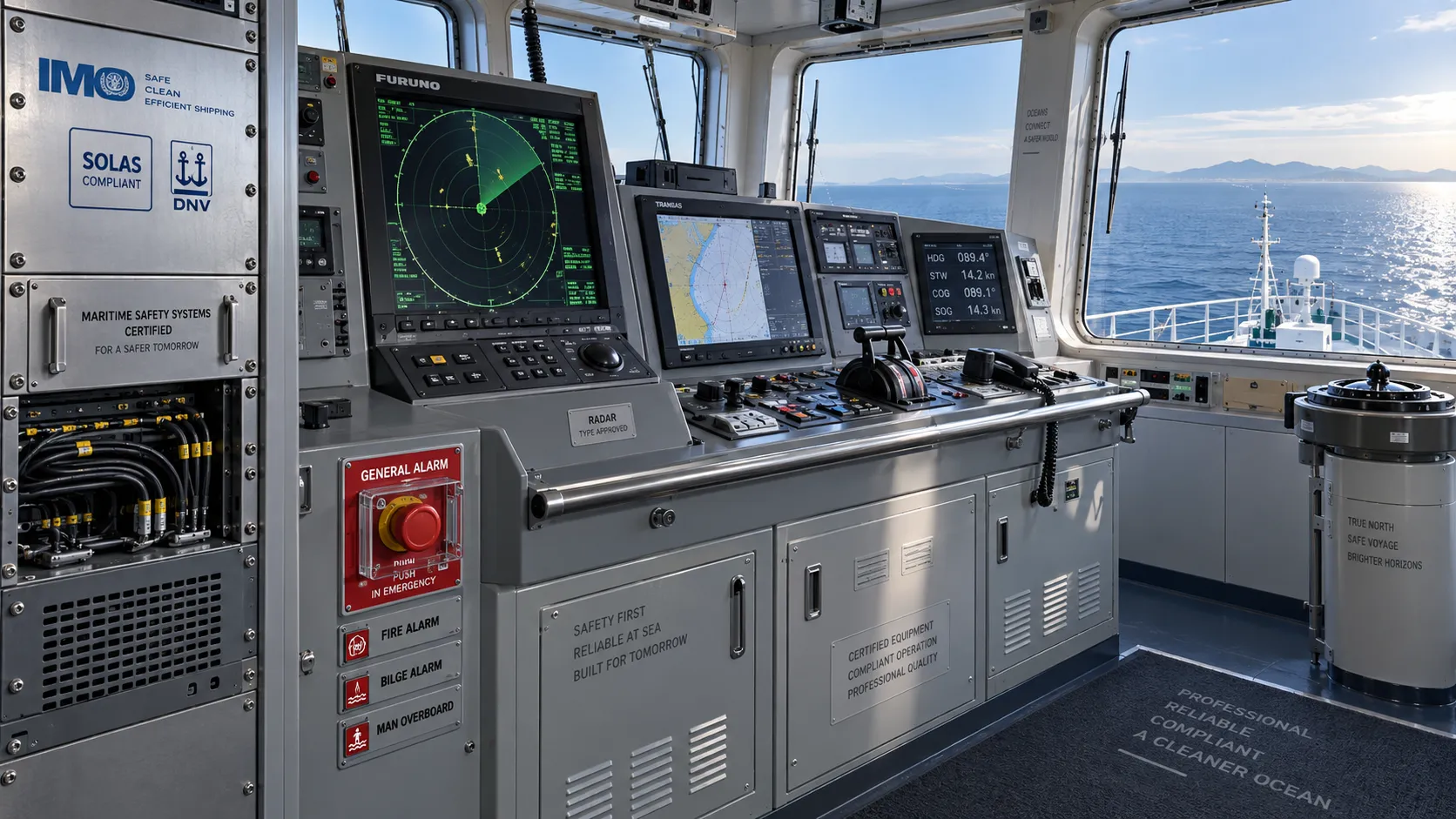
How to Evaluate a Marine Safety Systems Manufacturer for Vessel Compliance and Reliability
Marine safety systems manufacturer evaluation guide: verify compliance, engineering quality, lifecycle costs, and global service support for safer, reliable vessel operations.
Crash Test Regulations for Seatbelts: Key Compliance Requirements Explained
Crash test regulations seatbelts explained: explore FMVSS, UN rules, anchorage strength, and dynamic restraint testing for safer, compliant vehicle systems.

How to Calculate the Total Cost of Automotive Lightweighting for a Vehicle Program
Automotive lightweight solutions cost: learn how to calculate program-level costs, including materials, tooling, joining, validation, risk, and vehicle-level value.

How Automotive Seat Occupancy Sensing Improves Airbag Deployment Decisions
Automotive seat occupancy sensing helps optimize airbag deployment decisions, improving passenger classification, safety diagnostics, and compliance across real-world conditions.
What Drives Lightweight Body Component Costs in High-Volume Vehicle Programs?
Lightweight body components cost depends on material yield, forming, joining, tooling, validation, and logistics. Explore proven ways to optimize total vehicle program cost.
Related News
- 00
0000-00
What Is Driving Demand for Lightweight Automotive Bodies in Europe? - 00
0000-00
Zero-Casualty Mobility in Practice: Safety Strategies, System Design, and Deployment Challenges - 00
0000-00
Digitalized Mobility Equipment vs Conventional Systems: Where the Cost Difference Comes From - 00
0000-00
How automotive crash protection is changing in 2026 - 00
0000-00
Why are non-toxic propellants gaining ground in new programs?
Weekly Insights
Stay ahead with our curated technology reports delivered every Monday.